
House fires rarely start the way most people imagine. They don’t usually begin with dramatic lightning strikes or massive explosions; they start with everyday moments: a pan left on the stove, an overloaded outlet, or a space heater placed too close to furniture. In just minutes, these small oversights can turn into devastating damage, putting your home, your belongings, and your family at risk.
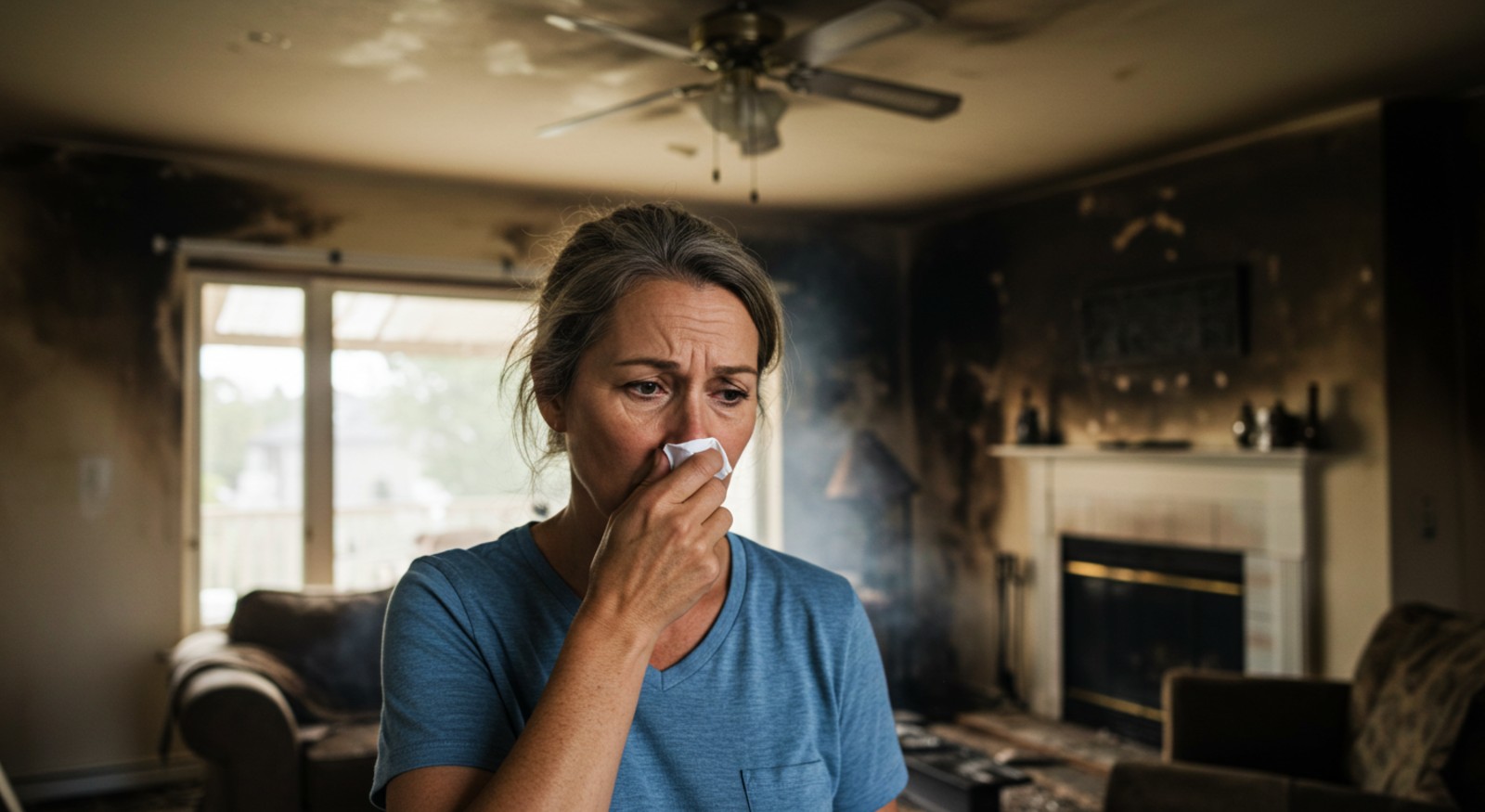
If you are like most homeowners, you may assume something like this can’t happen to you. That is, of course, until it does. And when it happens, the damage can escalate quickly, making you feel overwhelmed and like the recovery will be impossible.
At Restore-It, we’ve spent over a decade helping El Dorado homeowners recover from fire damage. We’ve seen firsthand their devastation and how often they could have been prevented.
The most common causes of house fires in El Dorado include cooking accidents, electrical issues, heating equipment malfunctions, smoking, and hidden hazards like lint buildup or flammable materials. In this guide, we'll explore what causes fires and some simple tips to prevent them and keep your home and loved ones safe. Let's dive in!
What Causes Most House Fires in El Dorado?
Most fires start from everyday activities inside the home.
|
Fire Cause |
Why It Happens |
Risk Level |
Prevention Priority |
|
Cooking |
Unattended food, grease buildup |
Very High |
Stay present, use timers |
|
Electrical Issues |
Faulty wiring, overloaded circuits |
High |
Schedule inspections |
|
Heating Equipment |
Items too close to heat sources |
High |
Maintain 3-ft clearance |
|
Smoking |
Improper disposal of cigarettes |
Medium-High |
Use proper ashtrays |
|
Overloaded Outlets |
Too many devices on one circuit |
Medium |
Distribute the electrical load |
|
Flammable Materials |
Improper chemical storage |
Medium |
Store safely |
|
Hidden Hazards |
Lint, dust, and clutter buildup |
Medium |
Clean regularly |
|
Wildfires |
Dry conditions, outdoor spread |
Varies |
Create defensible space |
Understanding these common fire risks is the first step, but prevention comes down to consistent habits and preparation in your daily routine. To help you put these insights into action, read our prevention guide to make sure your home is protected.

Why Cooking Is the #1 Cause of House Fires in El Dorado
Unattended cooking is the leading cause of house fires in El Dorado.
Even stepping away for a few minutes can allow grease or oil to overheat and ignite.
Here is how to prevent cooking fires:
- Stay in the kitchen while cooking
- Use timers as reminders
- Keep towels and flammable items away from heat
- Never place metal in the microwave
How Electrical Issues Cause Hidden House Fires (and Warning Signs to Watch)
Electrical fires are especially dangerous because they often start out of sight.
They can develop slowly behind walls until the damage becomes severe.
|
Warning Sign |
What It Could Mean |
Risk Level |
|
Flickering lights |
Unstable electrical current |
Medium |
|
Burning smell |
Overheating wires or insulation |
High |
|
Warm outlets or switches |
Faulty wiring or overload |
High |
|
Tripped breakers |
Circuit overload or short circuit |
Medium-High |
How to prevent electrical fires:
- Schedule inspections every 1 to 2 years
- Avoid overloading outlets
- Replace damaged cords immediately
- Use surge protectors for large appliances
Not sure if your home is at risk? Read our guide on Electrical Fires to understand what steps to take next.

How Heating Equipment Causes House Fires (and How to Prevent It)
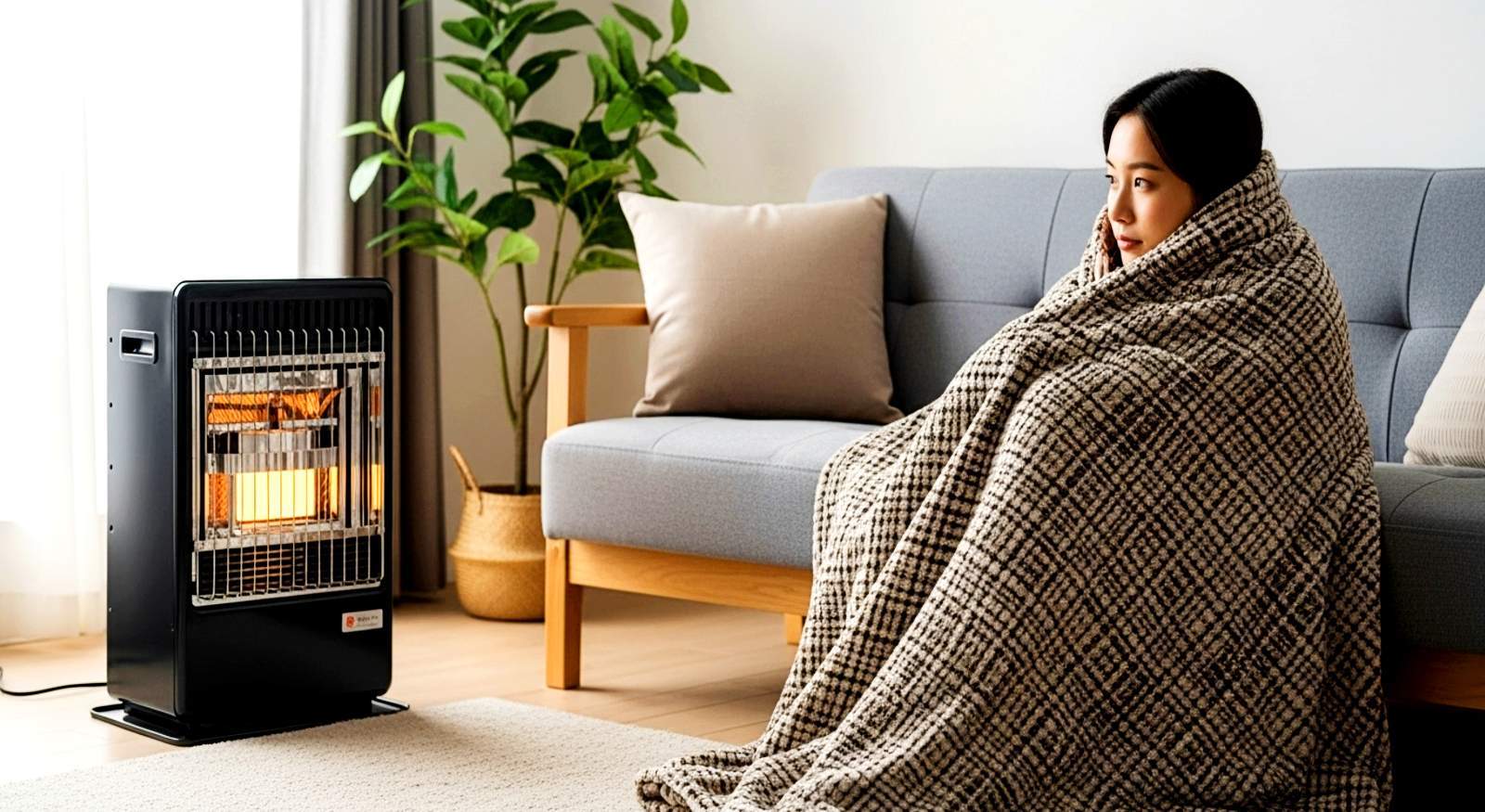
Heating equipment becomes a major fire hazard when used incorrectly.
Space heaters and furnaces can ignite nearby materials quickly.
How to stay safe:
- Keep a 3-foot clearance around heaters
- Turn off equipment when leaving the room
- Schedule regular maintenance
- Stop using units that smell or sound unusual
How Smoking Causes Preventable House Fires in Your Home
Improper cigarette disposal is a common cause of preventable fires.
Small embers can ignite furniture, trash, or bedding.
Prevention tips:
- Use proper ashtrays
- Never smoke in bed
- Keep smoking materials away from children.
How Overloaded Outlets and Extension Cords Start House Fires
Too many devices connected to a single outlet can overheat circuits and potentially start a fire.
This is especially common in older homes.
What to do:
- Spread devices across multiple outlets
- Limit extension cord use
- Upgrade outdated electrical systems
How Improper Storage of Flammable Materials Can Start a Fire
Household chemicals can ignite if stored improperly.
Items like paint thinners, oils, and cleaning products require careful handling.
Safe storage tips:
- Keep chemicals away from heat sources
- Follow label instructions
- Store materials in well-ventilated areas
Hidden Fire Hazards in Your Home Most Homeowners Overlook
Some fire risks build up over time and are easy to overlook.
|
Hidden Hazard |
Why It’s Dangerous |
What You Should Do |
|
Dryer lint buildup |
Highly flammable, traps heat |
Clean vents regularly |
|
Dust behind appliances |
Can ignite from heat |
Vacuum and maintain spacing |
|
Clutter near heaters |
Blocks airflow, increases ignition |
Keep a clear space |
|
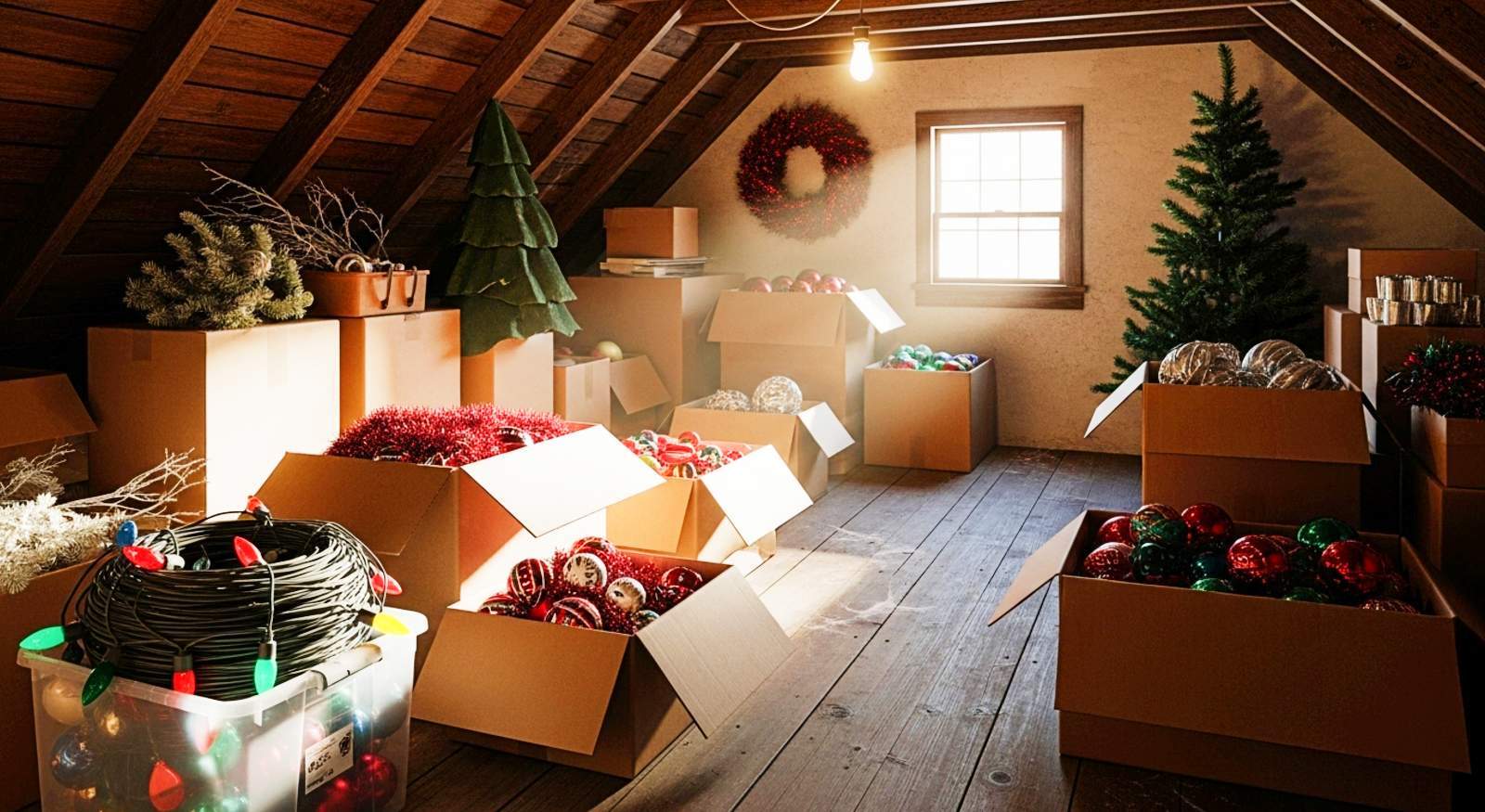
Dry seasonal décor |
Ignites quickly |
Dispose early |
How Wildfires and Outdoor Conditions Can Put Your Home at Risk
Dry conditions can allow fires to spread from outside your home. While less common, they can still cause significant damage.
Even controlled outdoor fires like fire pits or burn piles can create wind-blown embers that ignite nearby dry vegetation. The National Fire Protection Association (NFPA) recommends checking local restrictions and weather conditions before lighting any outdoor fire.
How to prepare:
- Clear brush and debris around your home
- Maintain defensible space
- Follow local fire warnings
- Create an evacuation plan
Simple Daily Habits That Help Prevent House Fires
Most fires can be prevented with simple, consistent actions.
Key habits include:
- Never leave candles or appliances unattended
- Turn off irons and heaters after use
- Keep your home clean and uncluttered
- Teach your family fire safety basics
Why Smoke Detectors and Fire Extinguishers Are so Important for Fire Safety
Early detection can prevent small fires from becoming disasters.
Make sure your home is equipped with:
- Working smoke detectors (test monthly)
- Fresh batteries
- Fire extinguishers in key areas like the kitchen and garage
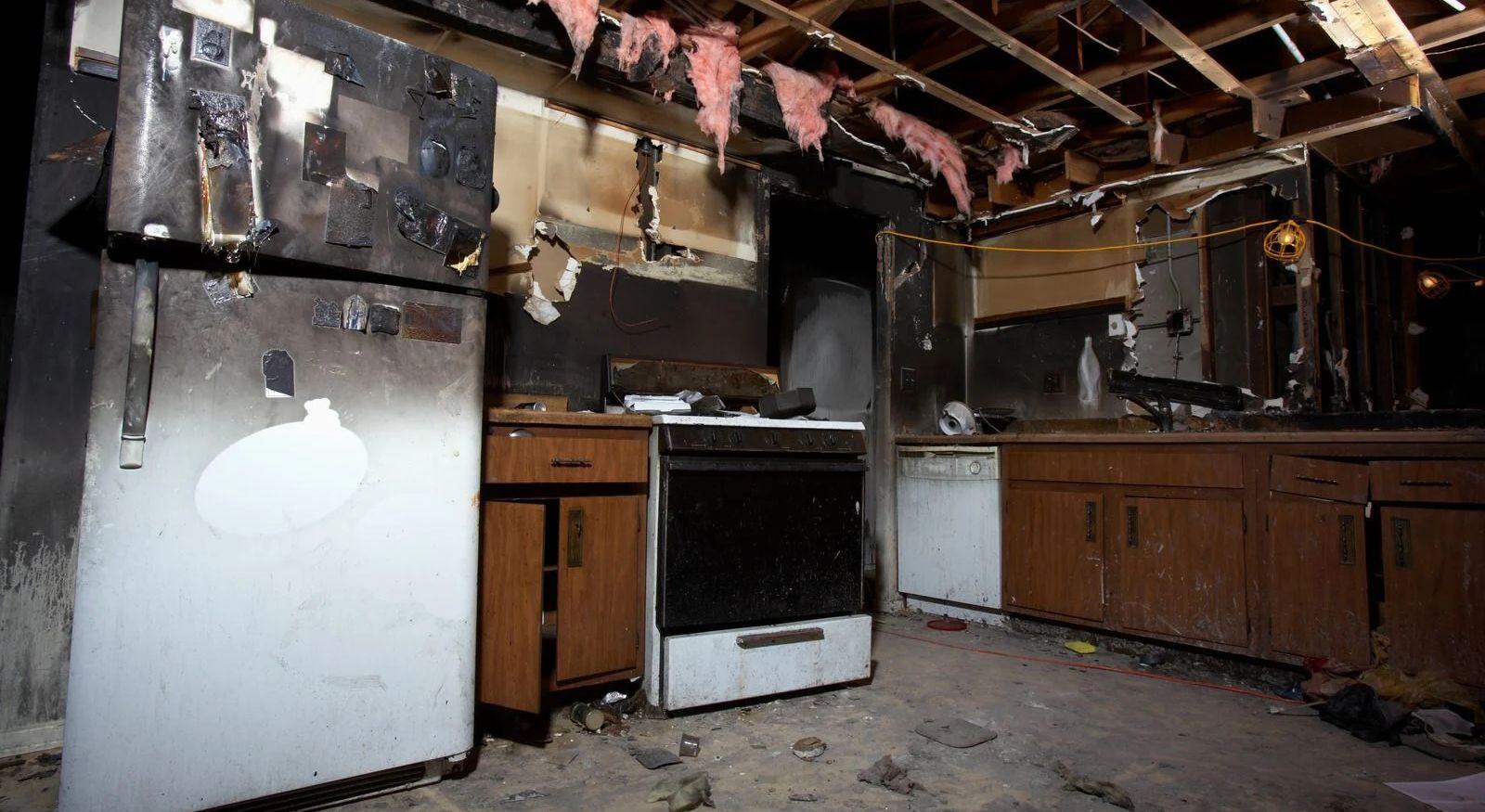
What Happens After a House Fire (and Why Damage Is Worse Than It Looks)
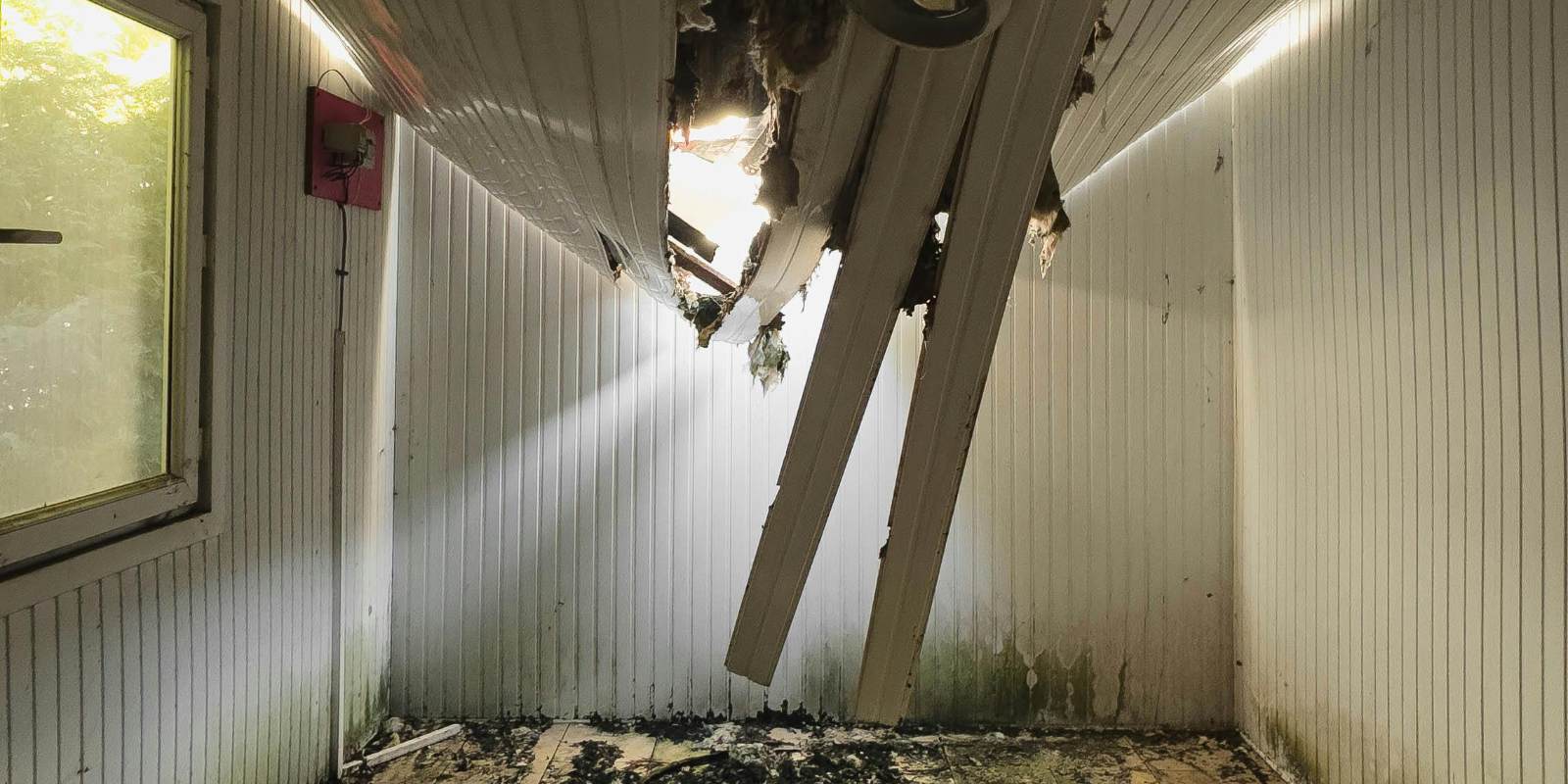
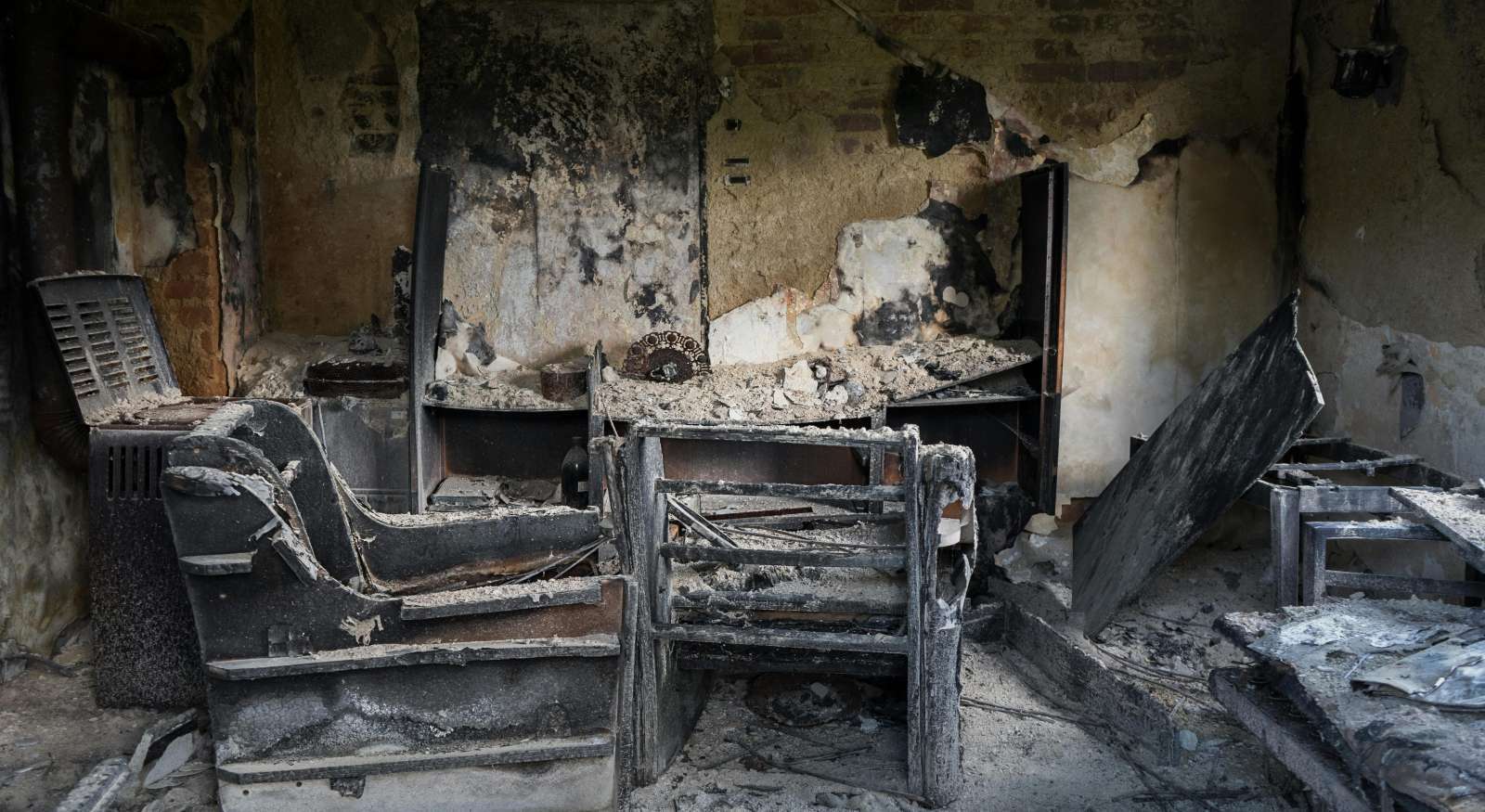
Fire damage affects more than what you can see.
|
Type of Damage |
What It Affects |
Why It Matters |
|
Fire and heat |
Structure, walls, and flooring |
Weakens integrity |
|
Smoke and soot |
Surfaces, air systems |
Causes odors and health risks |
|
Water damage |
Floors, insulation |
Leads to mold and deterioration |
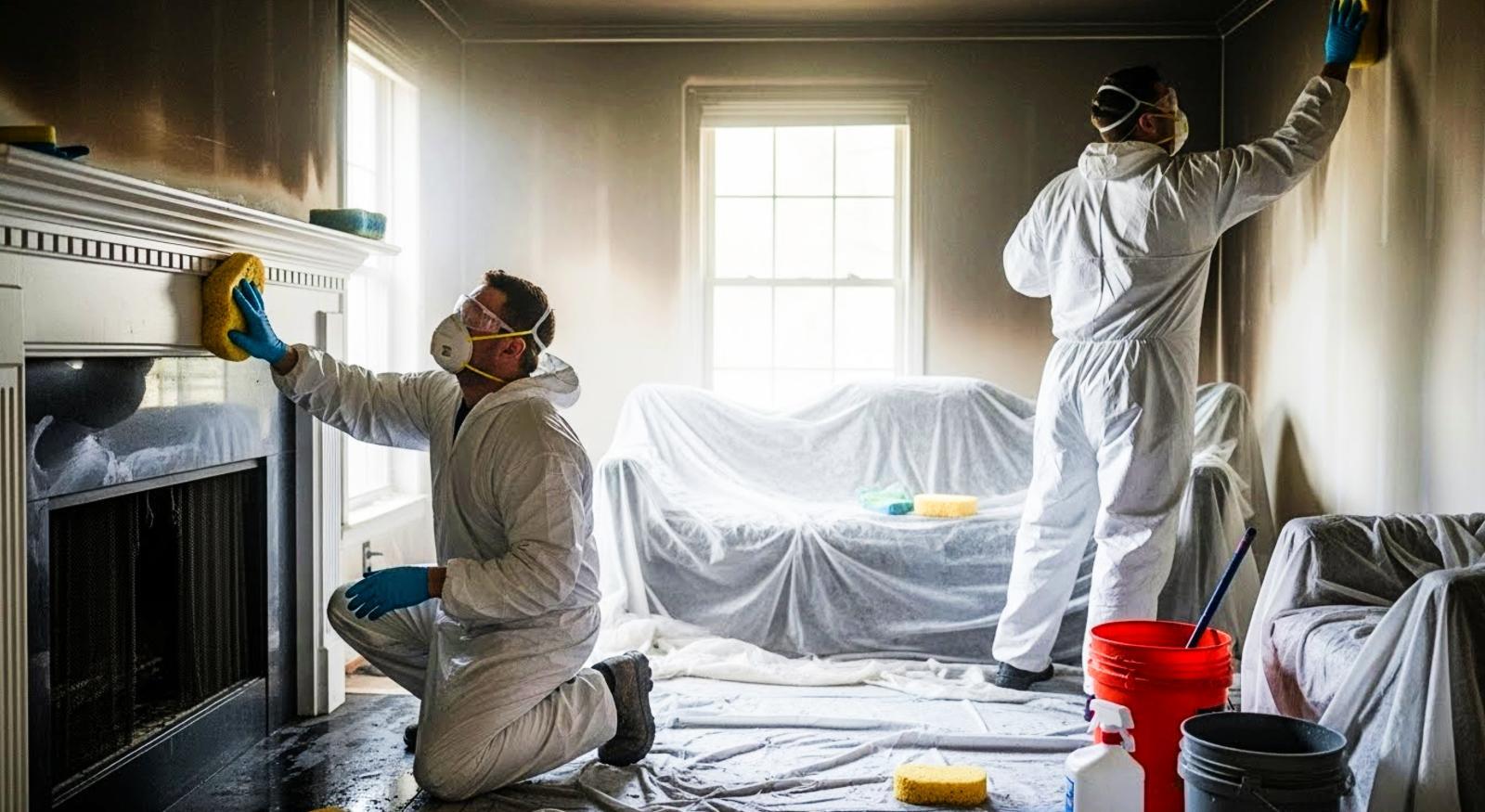
Because fire damage can spread into both visible and hidden areas, a professional assessment is essential to fully restore your home and ensure your safety.
It’s normal to have more questions than answers: What damage is visible? What might be hidden?
At Restore-It, we are your local fire restoration experts, ready to provide an immediate, on-site inspection and guide you through what’s happening inside your home. If your home has been affected, call us right away for fast, professional support and a safe start to the restoration process.

How to Protect Your Home Moving Forward
Fires often start from small, preventable mistakes. Now that you understand the most common causes in El Dorado, you can take steps to reduce your risk and protect your home.
Preparation does not stop at prevention. Knowing what to do after a fire is just as important as knowing how to avoid one.
By learning what proper restoration involves and what steps to take, you can protect your home from further damage and feel confident making decisions when it matters most. And if you ever need support, Restore-It is here to guide you through every phase of the recovery process.