

Small spills and routine messes are part of running a business. But when cleanup involves water damage, contamination, persistent odors, hidden moisture, safety concerns, or major disruption, handling it with regular cleaning supplies may not be enough.
Restore-It has seen cleanup problems that initially appeared manageable but turned out to involve moisture hidden behind materials, contamination, odors that kept returning, or damage requiring specialized equipment and procedures.
The right time to call a professional cleanup company is when the problem goes beyond routine cleaning, creates a safety or property risk, keeps returning, or requires equipment and expertise your staff doesn't have.
Here are seven signs it's time to bring in professional help.
What Cleanup Can Your Business Handle In-House?
Many everyday cleaning tasks can be handled by employees or janitorial staff, including:
- Small, contained spills
- Routine restroom cleaning
- Everyday dirt and debris
- Minor food or drink messes
- Regular floor and surface cleaning
- Cleanup that does not involve contamination or property damage
In-house cleaning usually makes sense when the problem is contained, your staff has the appropriate supplies, and there is no contamination, property damage, or need for specialized equipment.
If you're unsure whether a situation has crossed that line, the following signs can help you decide.
7 Signs It’s Time to Call a Professional Cleanup Company
1. Water Has Spread Beyond a Small, Visible Area
A small, contained spill may be something your staff can handle. But when water spreads beyond the visible area, the problem can become more complicated.
Water can move beneath flooring, into walls, and into other building materials. What looks manageable on the surface may require additional inspection and drying to determine how far the moisture has traveled.
The IICRC's S500 standard covers professional water damage restoration in commercial buildings and includes inspection, drying technology, equipment, safety, and contamination considerations.
Learn what happens during the water damage restoration process and what steps may be needed after water affects your property.
 2. The Situation Involves Sewage or Other Contamination
The difference between a routine cleaning job and a professional cleanup is not always obvious. This quick comparison can help you decide whether your staff can handle the situation or whether additional help is appropriate.
The IICRC identifies safety, health, microbial contamination, and contamination control as important parts of professional water damage restoration.
Learn more about how Category 3 water can affect a commercial property and the steps businesses may need to take to protect staff, customers, and operations.

3. The Problem Keeps Coming Back
Sometimes routine cleanup appears to solve the problem, until the same issue returns.
You might notice:
- An odor that keeps coming back
- Mold-like growth that reappears
- Floors that remain damp
- Stains that return after cleaning
When a problem keeps recurring, the visible symptom may have been addressed without resolving the underlying source. For example, an odor may continue because the material causing it was never fully treated, or moisture may remain where it cannot be easily seen.
4. Your Staff Doesn't Have the Right Equipment
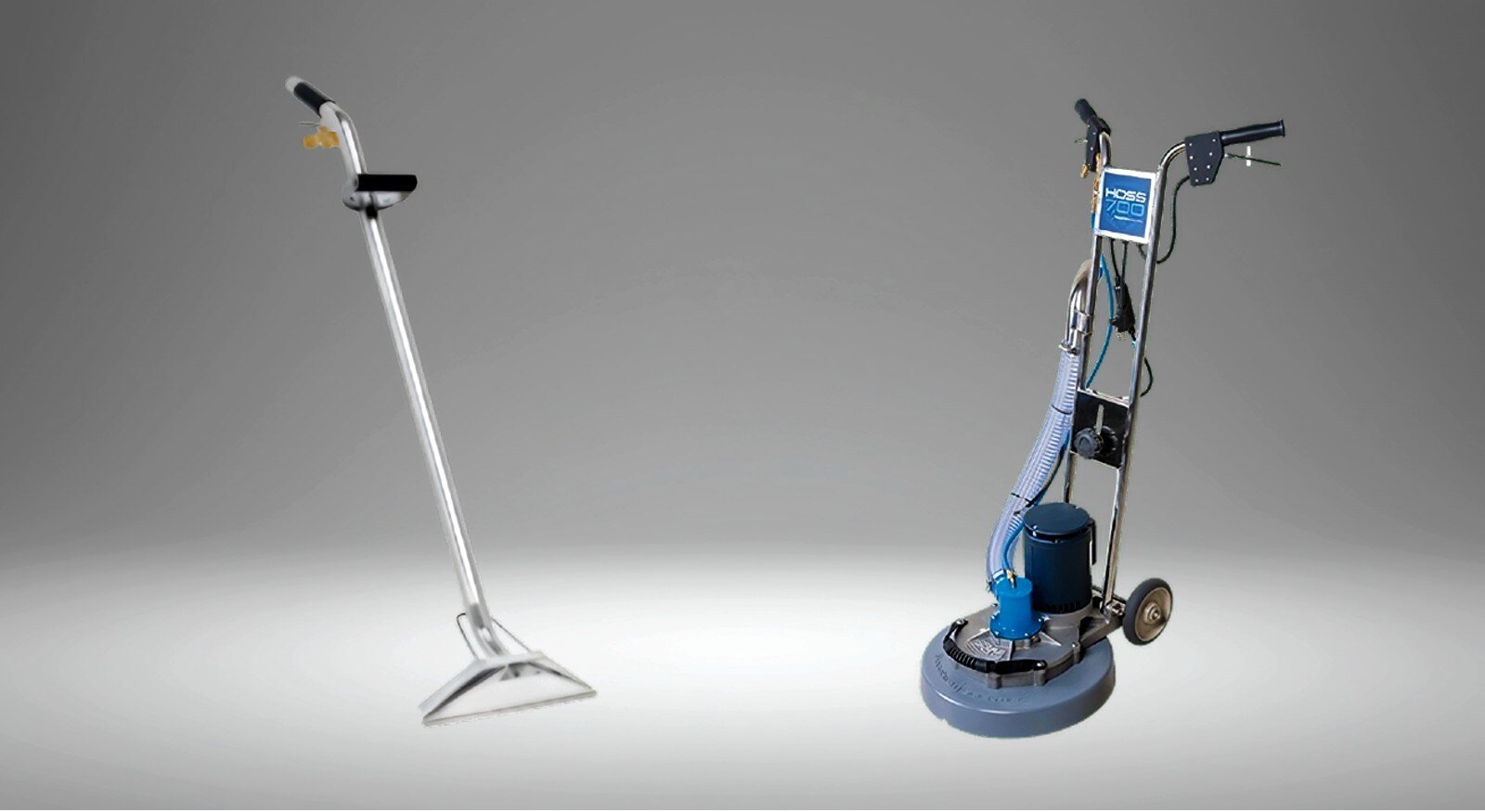
Routine cleaning supplies are designed to handle everyday messes on visible surfaces. But some situations require more than mops, fans, and standard cleaning products.
Examples include:
- Large water losses
- Deep carpet or flooring contamination
- Smoke or persistent odor issues
- Extensive drying needs
- Problems involving moisture that may be hidden behind or beneath building materials
In these situations, the challenge may not simply be removing what you can see. It may involve determining the extent of the problem and using the appropriate equipment and procedures to address it.
5. The Cleanup Could Affect Employee or Customer Safety
Before asking employees to handle a cleanup, consider whether the situation could create a safety concern for the people in your building.
Ask yourself:
- Is the area slippery or otherwise unsafe?
- Could contamination be present?
- Are building materials damaged?
- Could employees or customers be exposed to unsafe conditions?
Not every cleanup creates a significant safety risk. However, when the conditions are unclear or your team cannot confidently determine whether an area is safe, it may be appropriate to bring in professionals with experience handling that type of situation.
If you cannot confidently determine whether the area is safe for employees or customers, professional assessment may be the right next step.
6. The Cleanup Is Disrupting Business Operations
Even when your staff is capable of handling a cleanup, doing it in-house may not always be the best option if the work significantly disrupts normal business operations.
Common concerns include:
- Employees being pulled away from their primary responsibilities
- Areas of the business being closed or inaccessible
- Customers being affected
- Cleanup taking longer than expected
- Normal operations being delayed
Sometimes, the question is not just, “Can we clean this ourselves?” It is also, “Can we handle this without disrupting the rest of the business?”
7. You Can't Tell How Far the Damage Has Spread
Sometimes, the biggest challenge is not what you can see, it's what you can't.
This can be especially true when dealing with:
- Water or hidden moisture
- Persistent odors
- Smoke damage
- Damage that may have traveled behind walls, beneath flooring, or into other building materials
A visible problem does not always reveal its full extent. If you cannot identify where the issue started or how far it has spread, professional inspection can help determine what needs to be addressed.
In-House Cleanup vs. Professional Cleanup: A Quick Comparison
The situations below provide a general way to distinguish routine cleaning from problems that may require professional assessment, specialized equipment, or additional cleanup procedures.
|
Situation |
In-House May Be Enough |
Professional Help May Be Needed |
|
Small spill |
Yes |
If contamination or extensive spreading is involved |
|
Routine cleaning |
Yes |
Usually not necessary |
|
Water damage |
Minor, contained moisture |
Water has spread, or materials are affected |
|
Sewage backup |
No |
Yes |
|
Persistent odor |
Basic source is known and removable |
Source is unknown, or odor keeps returning |
|
Large cleanup |
Depends on staff and equipment |
Often, especially if operations are affected |
|
Contamination |
Depends on the situation |
Often requires specialized procedures |
What Happens When a Business Waits Too Long?
Not every cleanup problem gets worse with time. But when water, contamination, odors, or property damage are involved, delaying the right response can complicate the situation.
For example:
- Hidden moisture may remain in building materials
- Damage may spread beyond the original area
- Odors may continue if the source is not addressed
- Materials may become more difficult to restore
- Business operations may be interrupted for longer
The goal is not to overreact to every mess. It is to recognize when routine cleaning is no longer addressing the full problem.
Calling a professional immediately isn’t always the right decision, but treating a larger property or safety issue like a routine cleaning task can allow the problem to continue.
How to Decide Before You Call a Professional Cleanup
If you are unsure whether your staff should handle the cleanup, start by looking at the size of the problem, the potential risks involved, and whether you have the equipment needed to address it properly.
Consider calling a professional if:
- You don't know the full extent of the problem
- Contamination may be involved
- Your staff lacks the necessary equipment
- The issue involves significant water or property damage
- The problem keeps returning
- Cleanup is interfering with normal operations
- You have concerns about safety
Routine Cleaning Is Different From Professional Cleanup
Businesses do not need professional cleanup for every spill or everyday mess. Routine cleaning tasks can often be handled successfully by employees or janitorial staff.
But when a situation involves property damage, contamination, hidden moisture, persistent odors, safety concerns, or major disruption to your operations, the problem may require more than routine cleaning.
Restore-It works with businesses facing a range of restoration and professional cleaning challenges. When the extent of a problem is unclear, understanding what caused it and how far it has spread can help determine the right next step.
Explore Restore-It’s professional cleaning and restoration resources to better understand how different property problems are assessed and addressed!