
There is no single drying time that applies to every sofa, chair, or upholstered cushion. Fabric type, furniture construction, cleaning method, moisture level, indoor humidity, airflow, and temperature can all affect how quickly upholstery dries.
But drying is only one part of professional upholstery cleaning. Before cleaning, consider the furniture's material and construction, and remove loose dirt and debris with an initial vacuum. After cleaning, moisture needs to be properly managed and the furniture dried as part of completing the service.
So, how long does upholstery take to dry after professional cleaning? The answer depends on the furniture and the conditions surrounding it, but the goal of a professional cleaning service should be to take care of the cleaning and drying process rather than simply leave the homeowner with damp furniture to deal with.
At Restore-It, moisture management and drying are part of the upholstery cleaning process. Our goal is to complete the cleaning and drying process so your furniture is dry when the service is finished, rather than simply completing the cleaning and leaving the remaining moisture for the homeowner to address.
In this guide, we'll explain what affects upholstery drying time, what happens during professional upholstery cleaning, and what you can expect from the process.
How Long Does Upholstery Take to Dry After Cleaning?
Upholstery is not a single type of material. Fiber, fabric construction, and furniture design can all affect how a piece should be cleaned and cared for. The IICRC's S300 standard addresses these differences as part of professional upholstery cleaning.
Because every piece of furniture is different, there is no single drying time that applies to every sofa, chair, or cushion. Several factors can influence how quickly moisture leaves the upholstery.
What Affects Upholstery Drying Time?
|
Factor |
How it can affect drying |
|
Fabric type |
Different materials absorb and release moisture differently. |
|
Upholstery thickness |
Thick cushions and layered materials may take longer to dry. |
|
Furniture construction |
Cushions, padding, seams, and other layers can hold moisture differently. |
|
Cleaning method |
The amount and type of moisture introduced during cleaning can affect drying. |
|
Humidity |
Higher indoor humidity can slow moisture evaporation. |
|
Air circulation |
Moving air can help moisture evaporate more efficiently. |
|
Room temperature |
Temperature can influence how quickly moisture evaporates. |
For example, a thin upholstered chair may dry differently from a thick sofa cushion with multiple layers of padding. A room with good air circulation may also have different drying conditions from a closed, humid room.
The important point is that drying should be considered part of the cleaning process, rather than something completely separate that the homeowner is expected to handle afterward.
Why Does Some Upholstery Take Longer to Dry?
The construction of the furniture can be just as important as the fabric itself.
A cushion may have multiple layers of fabric, padding, or other materials beneath the surface. Moisture in those deeper areas may not evaporate as quickly as moisture on an exposed surface. Seams, crevices, and areas with limited air movement can also affect drying.
Indoor conditions matter, too. Humidity, temperature, and air movement can all influence how quickly moisture evaporates. If upholstery is cleaned at home, the conditions inside the house, the effectiveness of available airflow, and even outdoor conditions when windows or doors are open can affect the drying process.
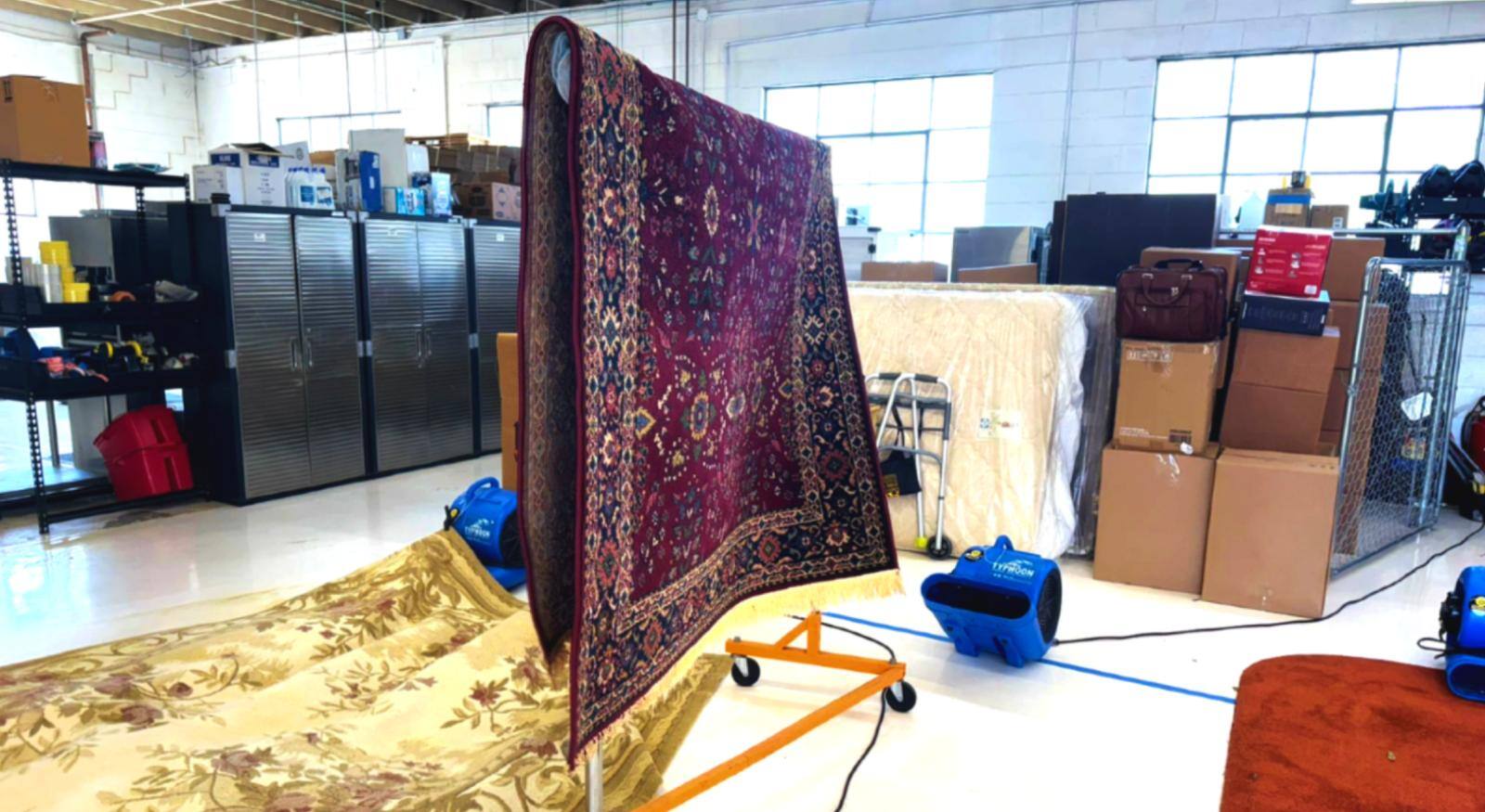
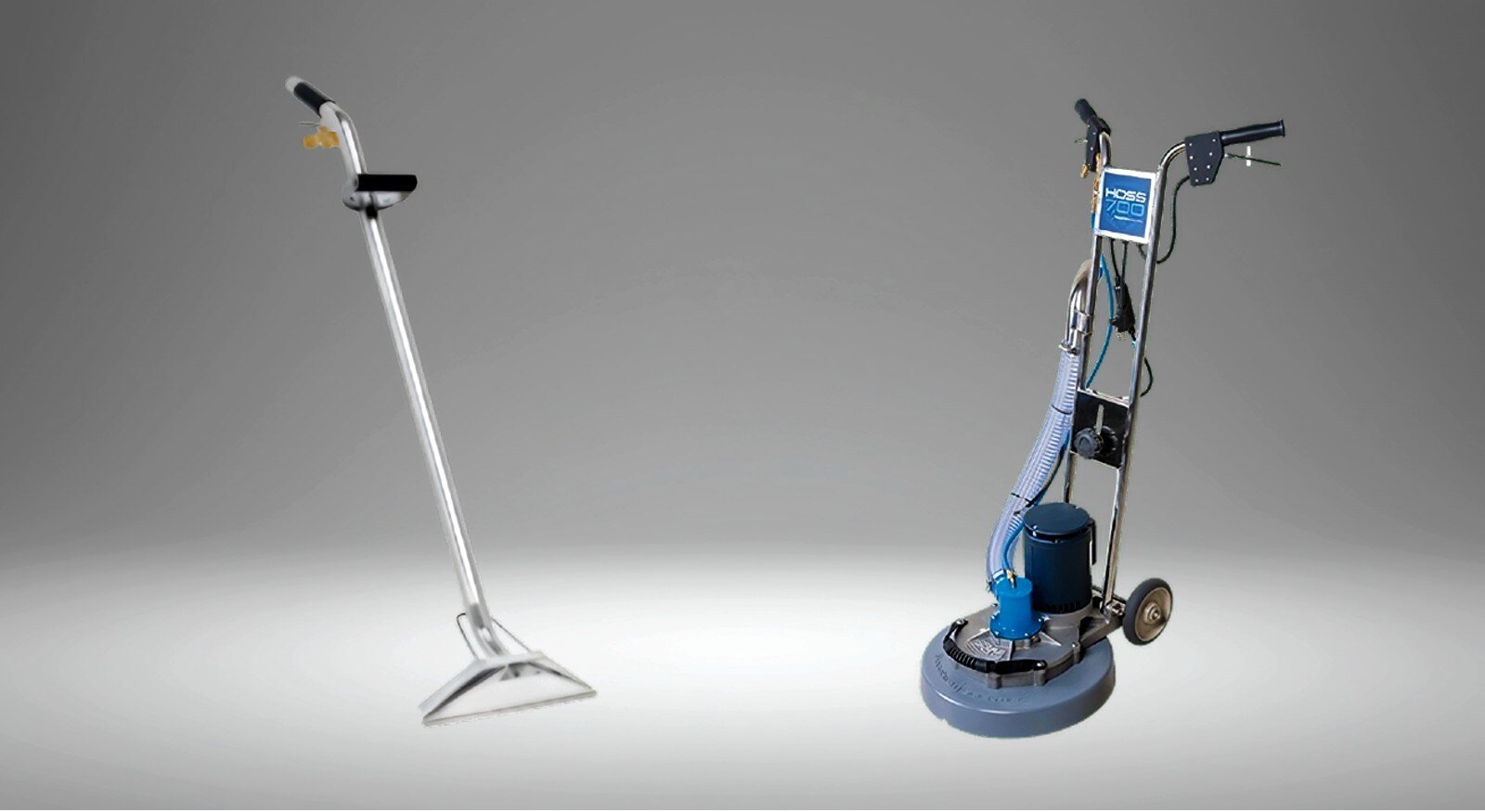
Professional upholstery cleaning takes moisture management into account, too. Professionals can use specialized equipment and tools, including air movers, to help promote airflow around the furniture and support more efficient drying.
This can be especially relevant in warm, humid climates such as Southern Arkansas. However, conditions inside individual homes can vary, so the local climate alone does not determine how quickly a piece of furniture will dry.
How Can You Help Upholstery Dry Faster?
When professional upholstery cleaning is performed, drying should be part of the overall service. Homeowners generally should not be expected to complete the drying process themselves.
However, once the furniture is returned to use or the cleaning professional provides post-cleaning instructions, the conditions around the furniture can still affect how quickly any remaining moisture dissipates.
Depending on the cleaning professional's instructions and the conditions in the home, homeowners may be able to support the drying process by:
- Maintaining good air circulation around the furniture.
- Using fans when recommended to keep air moving through the room.
- Using the home's HVAC system as appropriate to maintain comfortable indoor conditions.
- Keeping cushions positioned as recommended by the cleaning professional.
- Allowing appropriate ventilation when outdoor conditions make it practical.
- Following the cleaning professional's specific instructions for the furniture.
The appropriate steps can vary depending on the upholstery material, furniture construction, cleaning method, and conditions in the home. If the cleaning professional has provided specific instructions, those should take priority over general advice.
Can You Sit on Upholstered Furniture While It Is Still Damp?
If upholstered furniture is still damp after cleaning, follow the cleaning professional's instructions about when it is ready for normal use.
Waiting until the furniture is ready can help prevent moisture from transferring to clothing and give the upholstery time to finish drying evenly.
If you are unsure whether your furniture is ready to use, ask the professional who performed the cleaning. They know the material, cleaning method, and drying process used on your furniture and can give you more appropriate guidance than a general number of hours.
What If My Upholstery Is Still Damp After Several Hours?
When you pay for professional upholstery cleaning, the service should include more than cleaning the furniture and leaving it for you to dry. The cleaning and drying process should be completed as part of the job.
A professional upholstery cleaning company should manage moisture throughout the cleaning process and take the necessary steps to dry the furniture before considering the job complete. You should not be left with noticeably damp upholstery and told to figure out the rest yourself.
Being told that you are responsible for finishing the drying process yourself may also be a reason to ask more questions about what the company considers a completed service. A reputable professional should pay attention to the details of the entire job, including moisture management, drying, and the final condition of the furniture.
How Can You Tell When Upholstery Is Fully Dry?
You do not necessarily need to rely on an arbitrary number of hours to determine whether furniture is dry.
Instead, pay attention to the condition of the upholstery. The fabric should not feel noticeably damp, and thicker cushions, seams, or other areas where moisture may collect should not feel wetter than the surrounding material.
The Environmental Protection Agency (EPA)'s guidance for wet upholstered furniture recommends using appropriate drying methods such as fans and dehumidification to help accelerate drying. The agency also notes that humidity and indoor conditions can affect the drying process.
What Should You Expect From Professional Upholstery Cleaning?
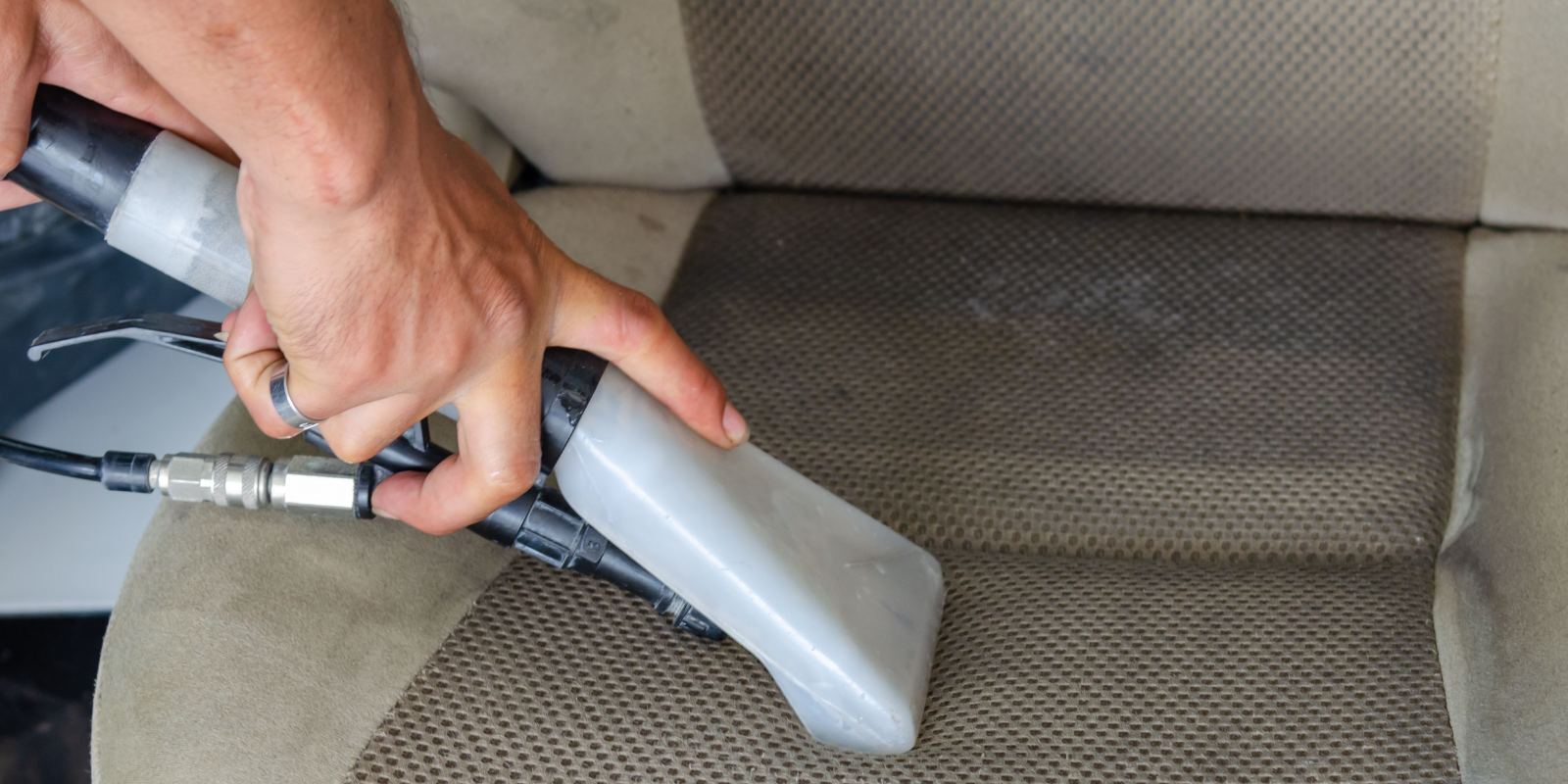
Professional upholstery cleaning is more than applying a cleaning solution and removing visible dirt. The furniture should be considered as a whole, from the material and construction to the cleaning method and moisture management.
A professional process may include:
- Inspection: Evaluating the upholstery material, construction, and condition before cleaning.
- Initial vacuuming: Removing loose dirt and debris before deeper cleaning.
- Cleaning: Selecting an appropriate cleaning method for the furniture.
- Moisture management: Managing the moisture introduced during cleaning.
- Drying: Taking the necessary steps to dry the furniture as part of completing the service.
- Final assessment: Checking the furniture before considering the job complete.
This approach is consistent with the broader principles addressed by the IICRC S300 Standard, which includes fibers, construction and styles, cleaning principles, equipment, pre- and post-cleaning inspections, and cleaning methods.
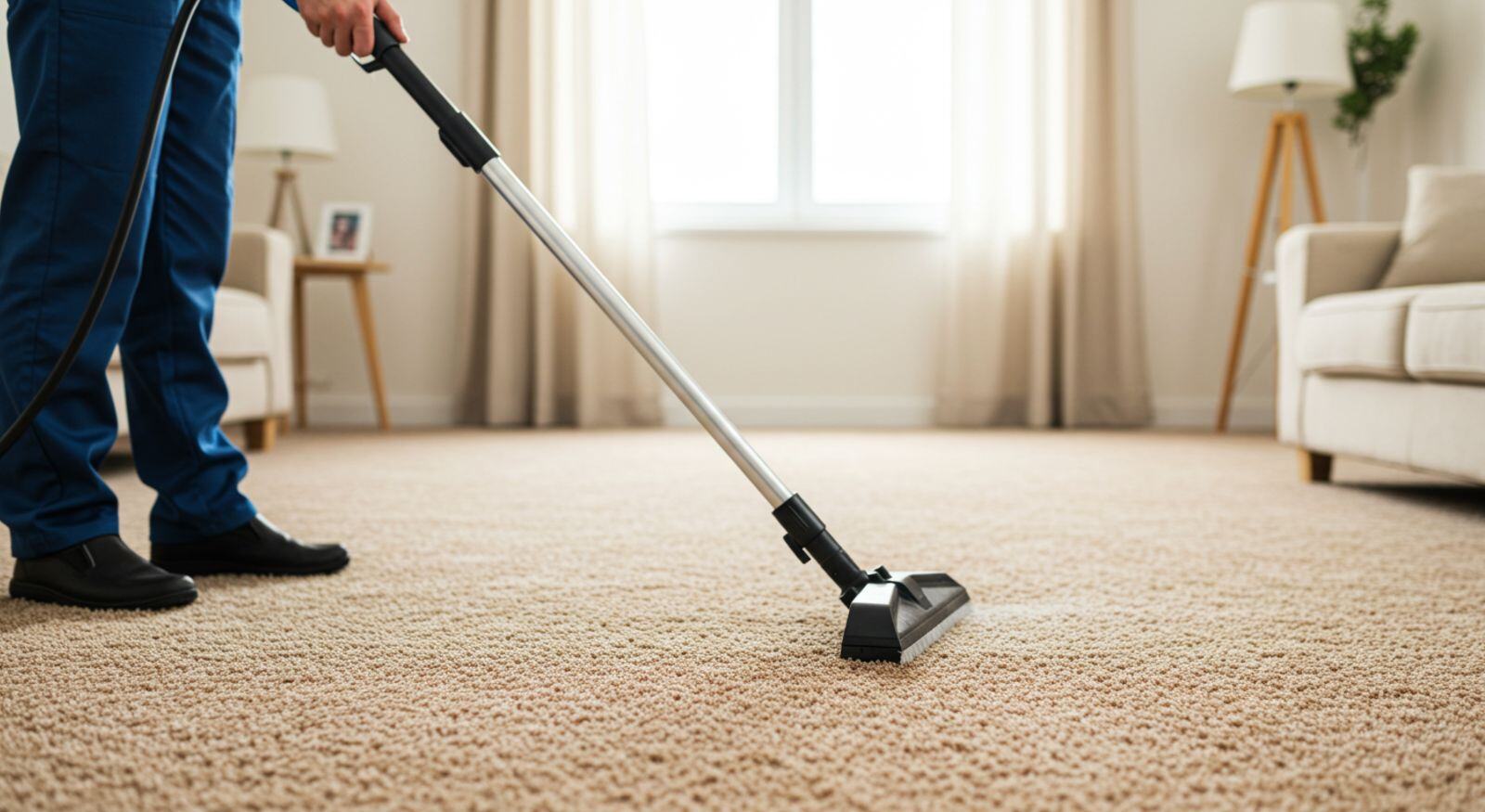
Restore-It’s upholstery cleaning includes the process from the initial vacuuming through cleaning and drying. Depending on the furniture and your needs, qualifying pieces can be brought to our El Dorado shop, or pickup can be arranged when needed.
The important thing for homeowners is to understand what they are paying for: professional upholstery cleaning is a complete process, and drying should be part of completing that process.
How Long Does Upholstery Take to Dry After Professional Cleaning?
There is no single number of hours that applies to every piece of upholstered furniture. Fabric type, furniture construction, cleaning method, humidity, temperature, airflow, and the amount of moisture involved can all affect drying.
If you are having upholstered furniture professionally cleaned, ask what the cleaning process includes, how moisture will be managed, and when the furniture will be ready for normal use. Knowing what to expect can help you feel more confident about the service and recognize when the job has been properly completed.
At Restore-It, we believe attention to detail means taking care of the process from the initial vacuum through cleaning and drying. Our goal is to leave your furniture clean and ready to use, not leave you with another step to figure out.
Have questions about cleaning your upholstered furniture or whether professional cleaning is right for your piece? Give Restore-It a call, and we’ll be happy to talk through your needs.

Topics: