

Fall is a busy time for many restaurants in South Arkansas. Football weekends, community events, family gatherings, and holiday parties can bring more people through the door and more traffic across your floors.
That extra traffic can make problems that were easy to overlook during the summer much harder to miss.
A restaurant floor may look clean after the usual mop, but grease, dirt, and soil can build up over time. Grout can become discolored. Bathroom floors can hold onto odors or moisture. And once your restaurant is busy, finding time for a deeper cleaning becomes much harder.
At Restore-It, we work with homes and businesses throughout South Arkansas. We know that restaurant cleaning isn't just about making a floor look better. The type of flooring, the kind of buildup, and how heavily the area is used all affect what cleaning approach makes sense.
If you're preparing your restaurant for a busy fall, here's where to start!
Start With a Walkthrough Before the Event
Before bringing in extra staff or scheduling a deeper cleaning, walk through your restaurant as if you're a customer.
Look at the areas people see first, as well as the areas your employees use every day.
Start at the entrance. Are there dark or dirty areas where customers track in soil? Then look across the dining room, bar, hallways, and the areas leading to the bathrooms.
Don't just ask whether the floor looks clean. Look for signs that routine cleaning may not be removing everything.
You may notice:
- Dark or discolored grout
- Sticky areas
- Grease buildup
- Dull-looking floors
- Stains that keep coming back
- Dirt collecting along edges and corners
- Persistent odors
These issues can become more noticeable when your restaurant has a steady stream of customers.
Check High-Traffic Areas
Pay extra attention to the areas that receive the most traffic:
- Entryways
- Dining areas
- Bar areas
- Kitchen transitions
- Areas around restrooms
Look for visible dirt, grease, stains, dullness, or buildup.
Look for Buildup Routine Cleaning May Miss
Routine mopping is an important part of restaurant maintenance, but it may not remove everything that builds up over time.
Look for embedded soil, grease buildup, discolored grout, sticky areas, or lingering odors. These can be signs that certain areas need more than routine maintenance before a busy event.
Prepare Your Restaurant Floors for Heavy Fall Traffic
Increased traffic doesn't necessarily create every floor problem but it can make existing buildup much more noticeable.
Clean Tile and Grout in High-Traffic Areas
Grout can hold soil, grease, and other buildup over time. Mopping may clean the surface of the floor without removing everything that has collected in the grout lines.
Pay particular attention to grout in high-traffic areas. If it remains dark or discolored despite regular cleaning, the floor may need a deeper cleaning approach.
Want to know what professional tile and grout cleaning involves? At Restore-It, we look at the condition of the surface and the type of buildup before recommending a cleaning method. Not every floor needs the same treatment. Learn more about our process here:

Pay Attention to Commercial Kitchen Floors
Kitchen floors deal with a different type of traffic. Grease, food residue, and constant employee movement can create buildup that isn't always removed with a quick mop.
Before fall events and busy periods, check for:
- Greasy or sticky areas
- Food residue
- Heavy soil near work areas
- Buildup along edges and grout lines
- Areas that remain difficult to clean
Grease can also contribute to slippery conditions, so don't ignore areas that continue to feel slick after routine cleaning.
Don't Overlook Restaurant Entryways and Dining Areas
Entryways and dining areas receive constant traffic and are among the first areas customers notice.
Dirt and moisture brought in through exterior doors can spread into other parts of the restaurant. Before a busy event, give extra attention to entrances, walkways between tables, and other paths customers use throughout their visit.
Prepare Restaurant Bathrooms for Busy Fall Events
Bathrooms are another area customers notice quickly, especially during busy events.
Start with the floors and grout. Look for discoloration, soil buildup, water staining, odors, or areas that stay damp longer than expected.
Then check the places routine cleaning may miss, including:
- Around toilets
- Behind and around fixtures
- Corners
- Baseboards
- Under sinks
- Other hard-to-reach areas
Find the Source of Persistent Bathroom Odors
Instead of simply covering up an odor, try to identify where it's coming from.
Potential sources may include:
- Floor or grout buildup
- Moisture
- Trash
- Drains
- Areas that aren't drying properly
If an odor keeps returning, adding more air freshener may only hide the problem temporarily.
Address Persistent Odors and Moisture Problems Early
Not every unusual smell is a cleaning problem.
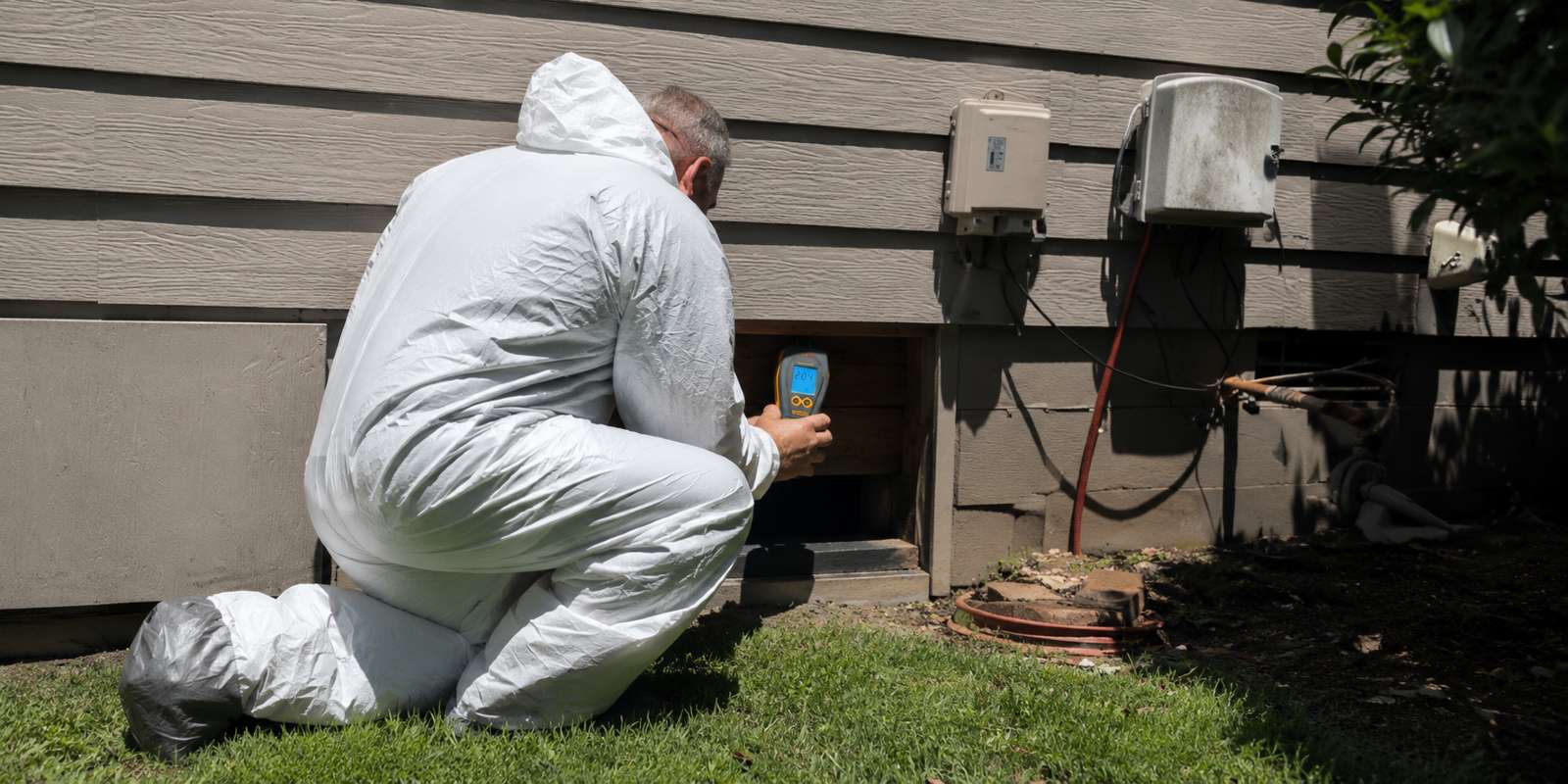
A musty odor, persistent dampness, water around fixtures, or a smell that returns after cleaning may point to an underlying moisture issue.
Cleaning can remove visible soil and buildup, but it cannot correct a plumbing leak or another source of moisture.
If an odor continues after cleaning, investigate the source rather than continuing to mask the smell. Persistent dampness, musty odors, or grout that stays dark after cleaning can be signs of water damage.
What should you do if these signs persist? For more information, see:

Use This Fall Event Cleaning Checklist
Before your next busy fall event, walk through these areas:
|
Area |
What to Check |
|
Entryways |
Dirt, stains, and tracked-in debris |
|
Dining areas |
Soil, spills, and dull flooring |
|
Bar areas |
Sticky residue, spills, and buildup |
|
Kitchen |
Grease, food residue, and slippery areas |
|
Restrooms |
Odors, grout discoloration, moisture, and buildup |
|
Floors near entrances |
Heavy traffic wear and embedded soil |
|
Corners and baseboards |
Dust and buildup routine cleaning may miss |
A few days before the event, give yourself enough time to address the areas that need extra attention rather than waiting until the restaurant is already busy.
When Does Your Restaurant Need Professional Floor or Bathroom Cleaning?
Routine cleaning can handle many day-to-day needs. But professional cleaning may be worth considering when:
- Routine cleaning isn't restoring the appearance of the floor.
- Grout remains dark or discolored.
- Floors have accumulated grease or embedded soil.
- Odors persist after normal cleaning.
- Staff don't have the equipment or time for a deeper cleaning.
- You're preparing for a particularly busy season or event.
Scheduling a deeper cleaning before the busy period can also be easier than trying to address heavily soiled floors and bathrooms when your restaurant is already full of customers.
Get Your Restaurant Ready for Busy Fall Events
Fall events can bring more attention to the condition of your restaurant. A floor that looks fine during a quiet afternoon may show more wear once foot traffic picks up. Bathrooms can also reveal odors, moisture, or buildup that may not be as noticeable during slower periods.
Taking the time to inspect these areas before a busy event gives you the chance to address problems before customers arrive. A deeper cleaning may help with built-up soil, grease, and discolored grout, while persistent odors or damp areas may need a closer look.
At Restore-It, we work with businesses throughout South Arkansas and understand the challenges that come with keeping a commercial space clean while serving customers. Before recommending a cleaning approach, we look at the condition of the floors, the type of buildup, and the areas causing concern.
If your restaurant's floors or bathrooms need more than routine cleaning before a busy fall event, our team can help you assess the problem and determine the next step.

Topics: