
Have you noticed a musty or unpleasant smell lingering in your home every summer?
Do those odors seem to get worse whenever Arkansas humidity levels rise?
Many homeowners assume stronger air fresheners will solve the problem, but persistent odors are often a sign that moisture is trapped somewhere in the home. When excess humidity combines with hidden moisture sources, existing smells can become more noticeable and spread throughout the house.
For more than 14 years, Restore-It has helped Arkansas homeowners identify moisture-related issues that contribute to indoor odors, mold growth, and air quality concerns.
In this article, you'll learn why summer conditions can amplify odors, how smells travel through a home, and six hidden sources that may be contributing to the problem.
Why Summer Humidity Makes Odors Worse
Humidity by itself doesn't usually create odors. More often, it amplifies problems that are already hiding somewhere in the home. That's why many Arkansas homeowners notice a musty smell before they ever find the source.
During the summer, warm air holds more moisture. As humidity levels rise, damp materials dry more slowly, creating ideal conditions for mold, mildew, and bacteria. The result is that odors that were barely noticeable in spring can suddenly become impossible to ignore by July.
|
What Summer Humidity Does |
Why It Matters |
|
Increases moisture in the air |
Makes existing odors more noticeable |
|
Slows drying |
Allows damp materials to stay wet longer |
|
Encourages mold growth |
Creates musty smells |
|
Supports bacterial growth |
Can produce unpleasant odors |
Humidity doesn't create the problem, but it often reveals one. The next step is identifying where that odor may be coming from.
Where Summer Odors Often Hide
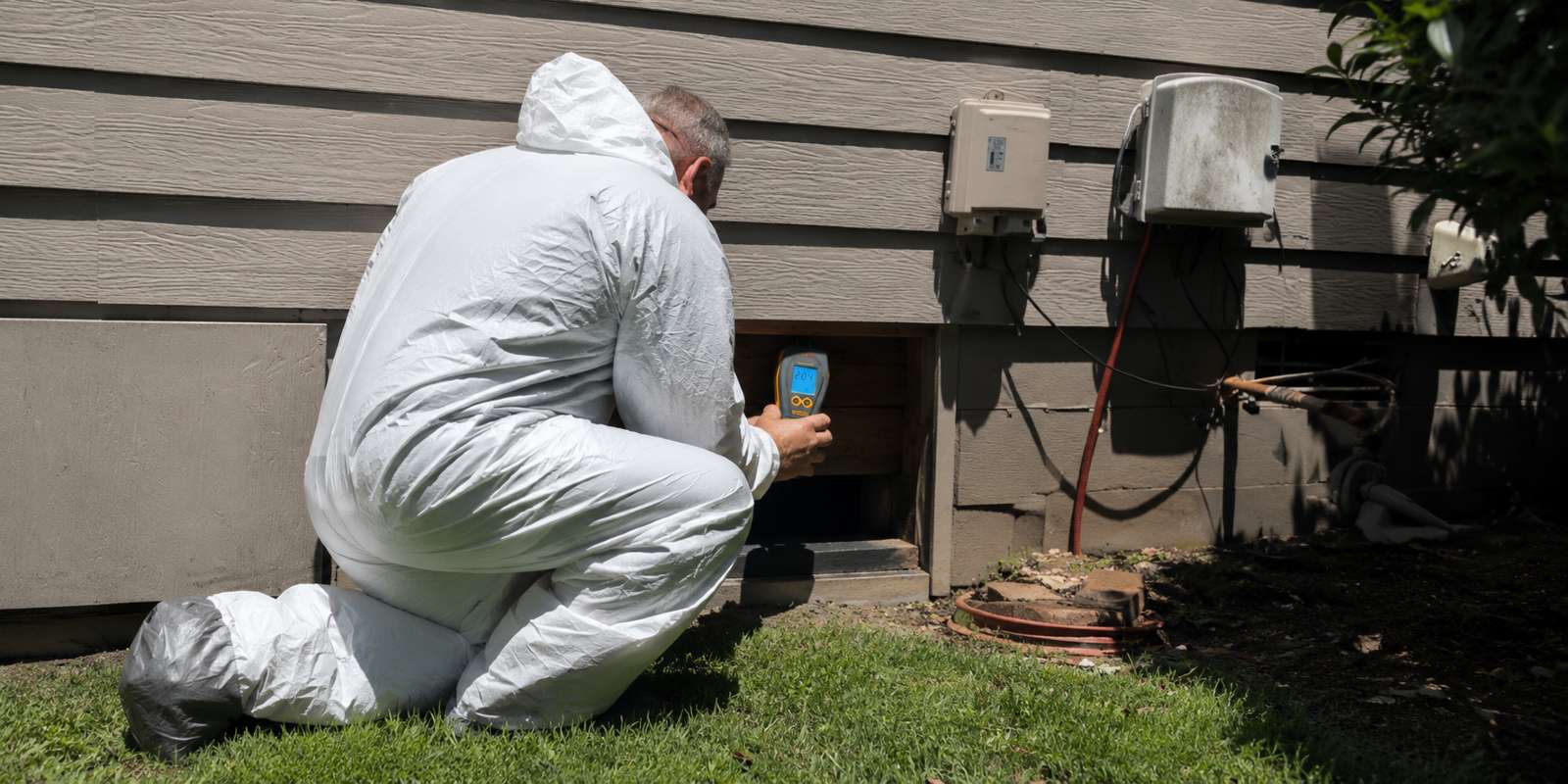
A Damp Crawl Space
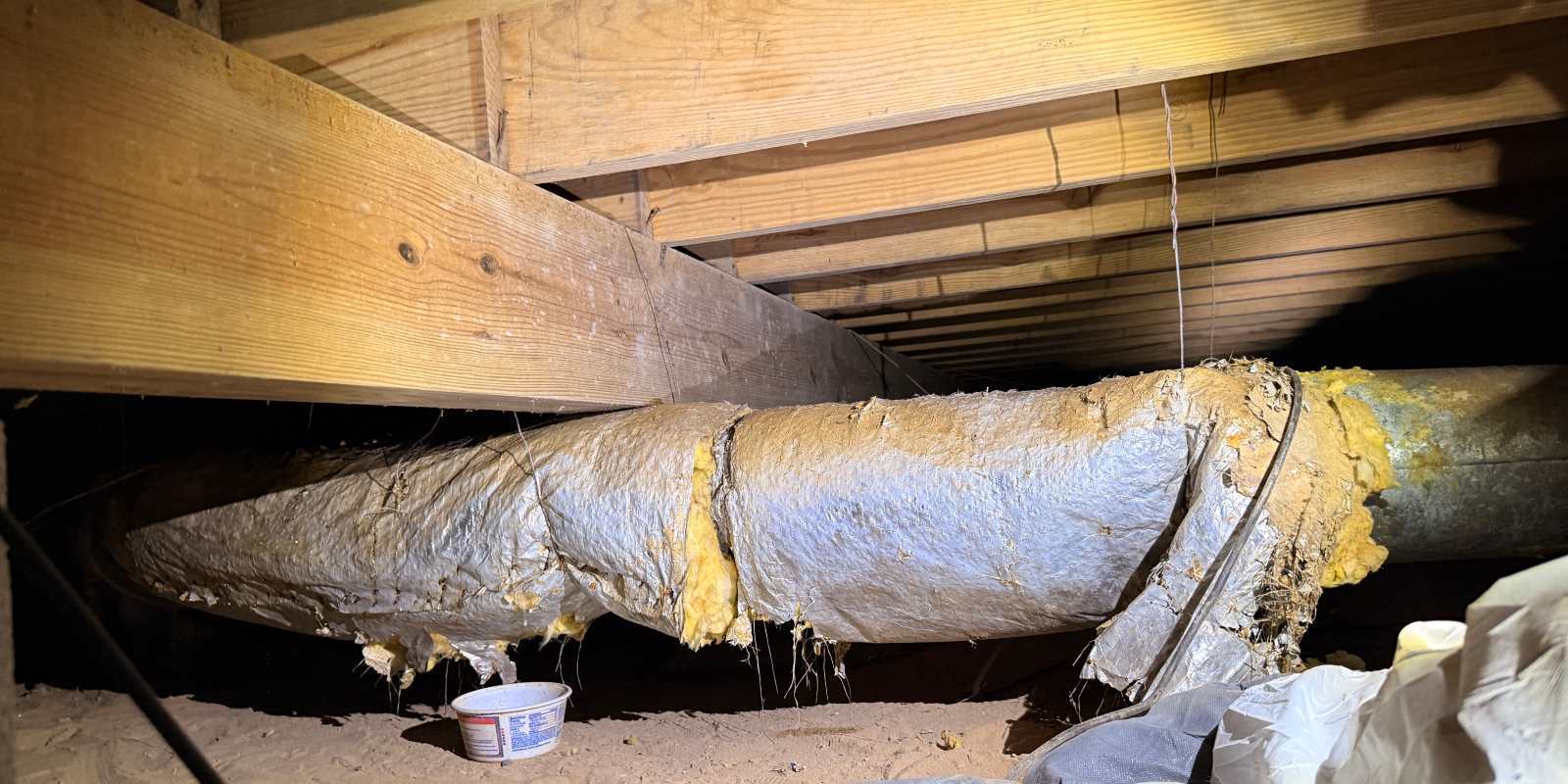
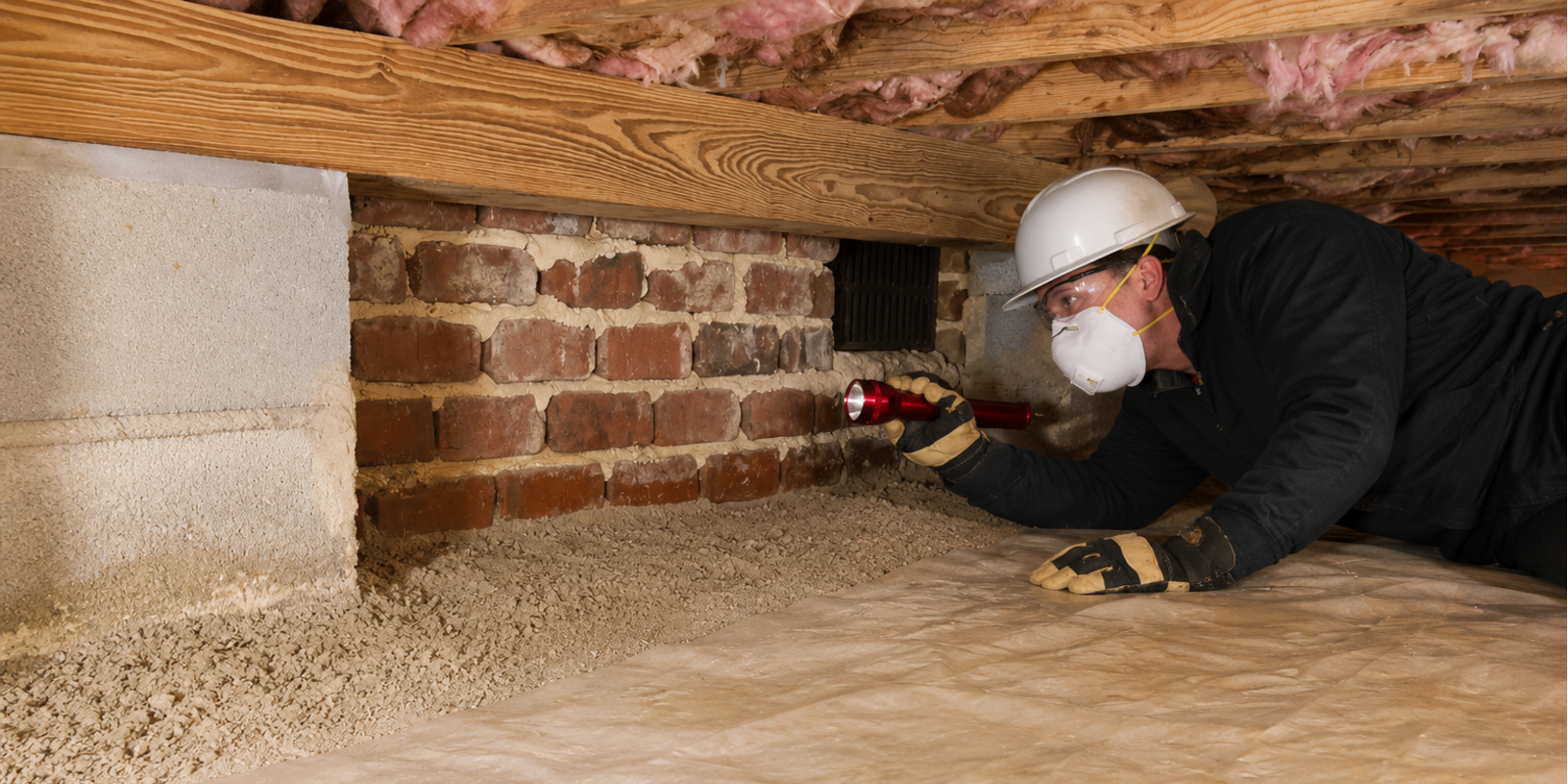
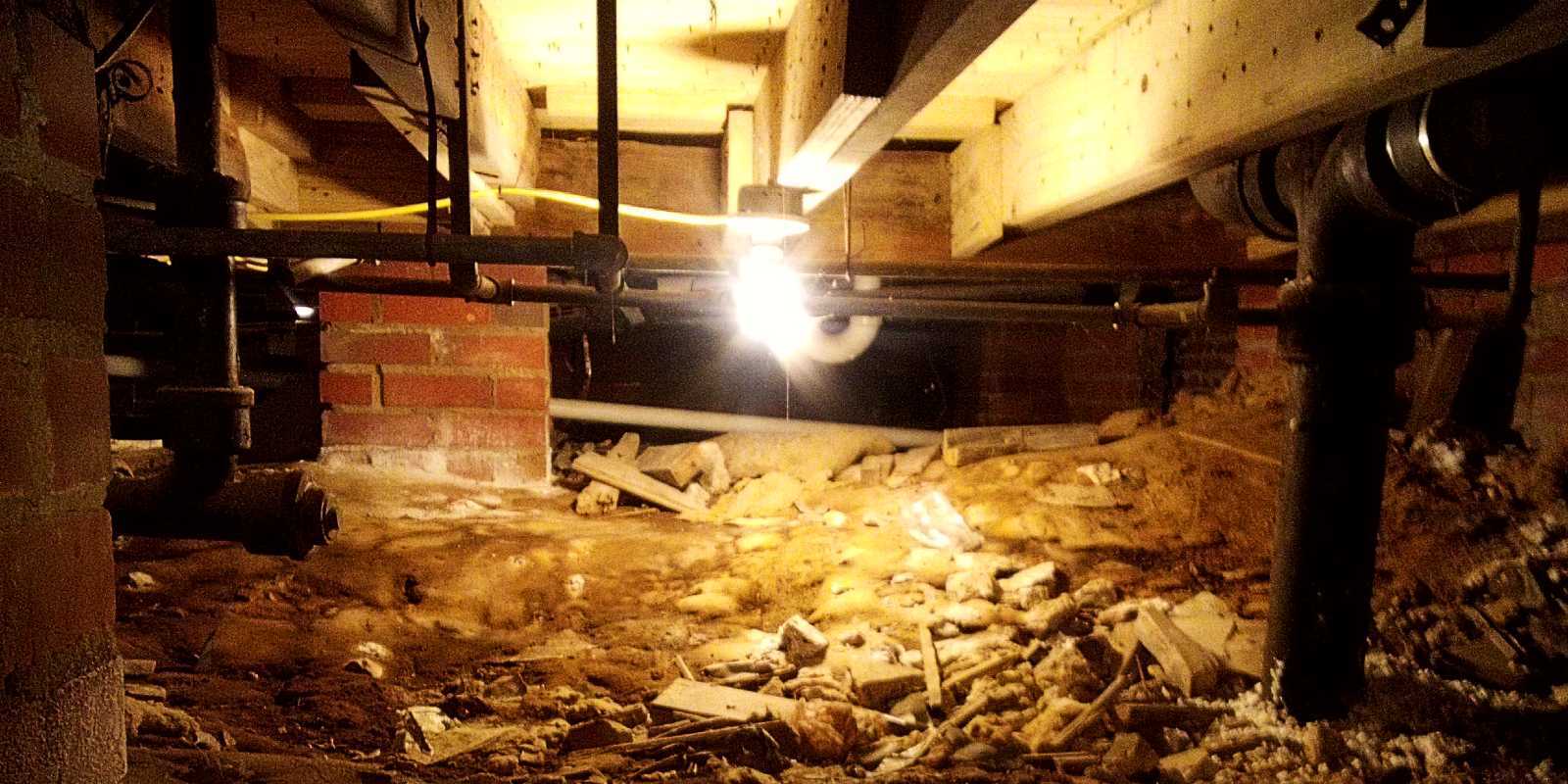
Many homes throughout South Arkansas have crawl spaces, which can become moisture magnets during the summer. After several weeks of humidity or a stretch of rainy weather, moisture can build up beneath your home without you realizing it.
As warm air moves throughout your home, a process known as the stack effect can draw air from lower areas, including the crawl space, into living spaces.
According to Green Building Advisor, a trusted publication focused on building science and home performance, warm and cool air naturally move throughout a home, creating what's known as the stack effect. This airflow can pull air from lower areas of the house, which is one reason odors originating in a crawl space may eventually become noticeable upstairs.
Signs you may notice:
- Musty smells near the floors
- Odors that seem stronger in the morning
- Damp or humid indoor air
- Visible moisture in the crawl space
Because air naturally moves upward through a home, moisture problems in a crawl space can affect much more than the area beneath your floors. Learning how the stack effect works can help you better understand the connection.

Mold Growth in Hidden Areas
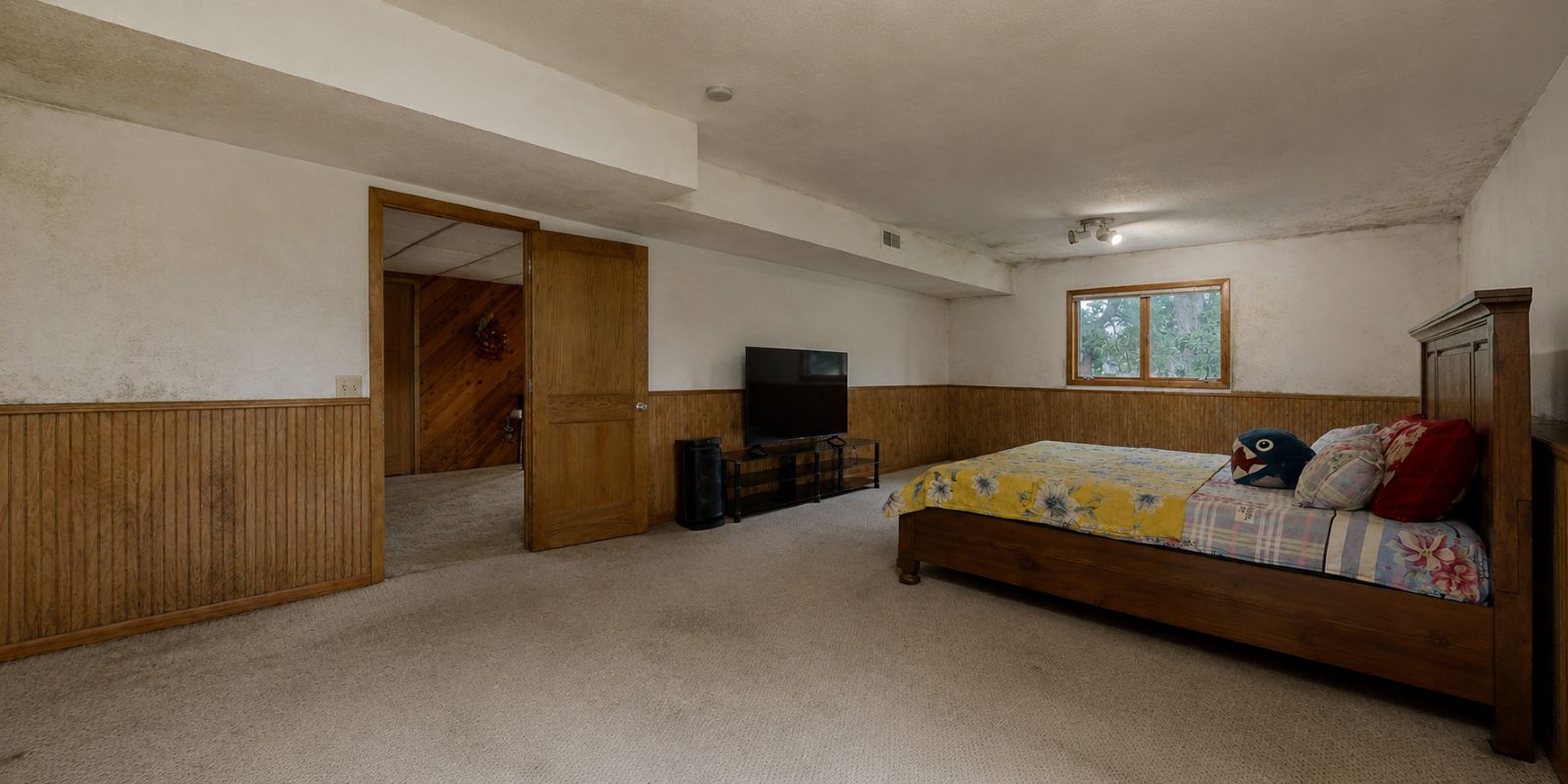
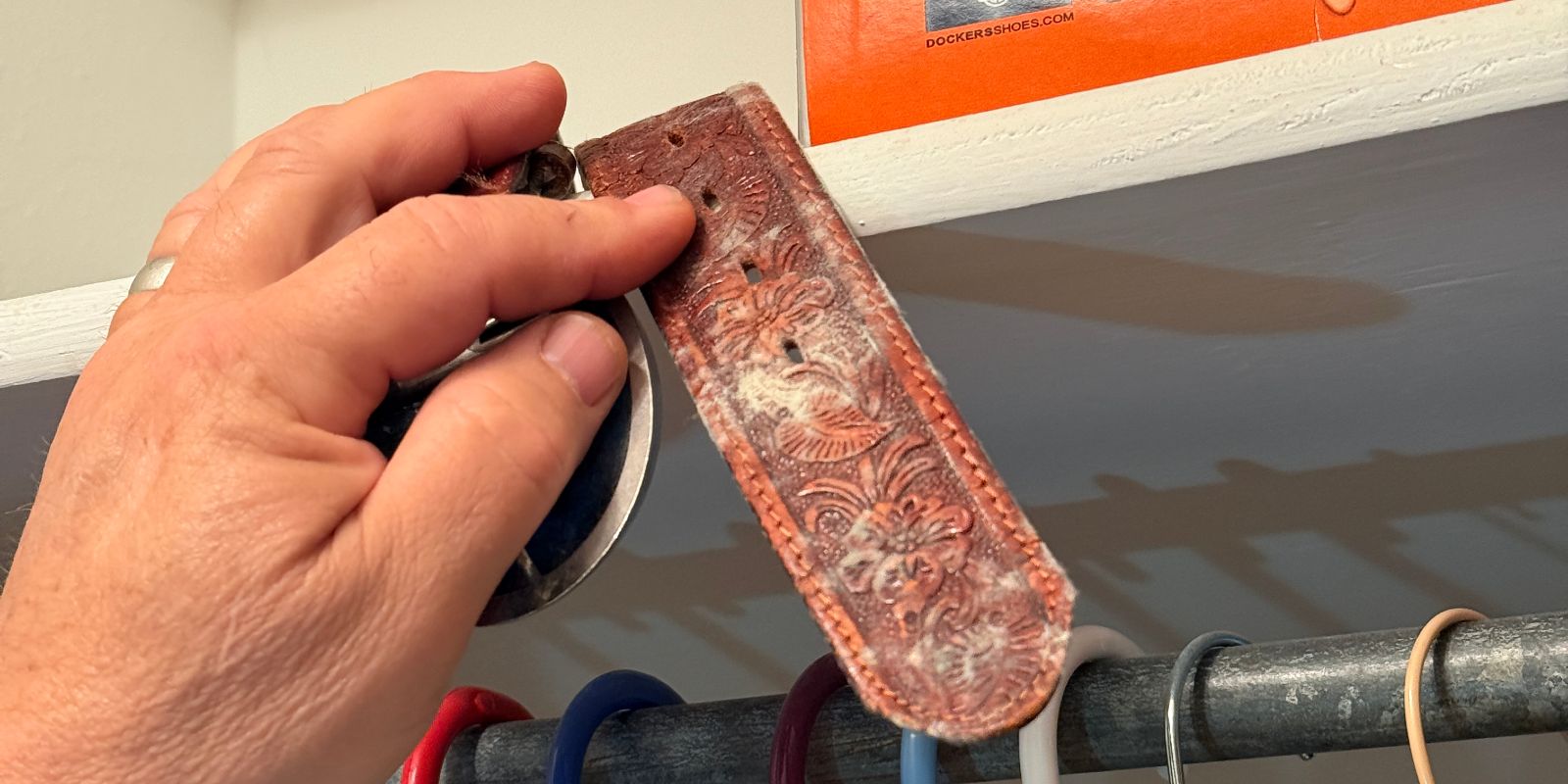
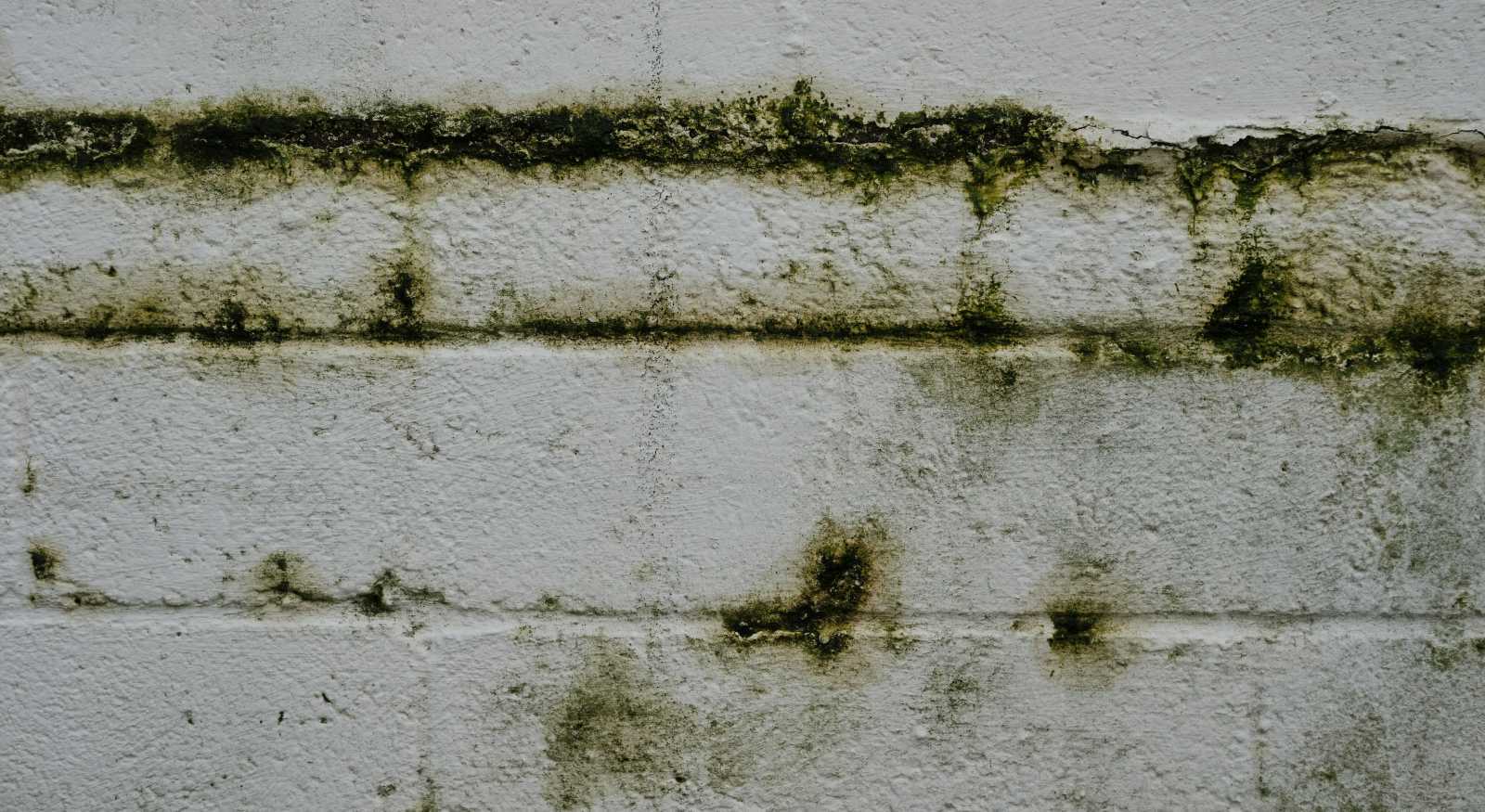
Mold doesn't always grow where you can see it. It often develops behind walls, under flooring, inside closets, or anywhere moisture becomes trapped.
Many homeowners describe mold odors as earthy, stale, or similar to wet cardboard left in a garage too long.
Properties near wooded areas or low-lying parts of communities like El Dorado, Magnolia, and Camden may experience slower drying after storms, which can increase the risk of hidden moisture problems.
Common locations for hidden mold:
- Behind drywall
- Under the carpet or the flooring
- Inside closets on exterior walls
- Around windows and door frames
Homes near wooded areas, lakes, or low-lying properties around communities like El Dorado, Magnolia, and Camden may experience longer drying times after storms.
Sometimes the smell is the first clue. If you're wondering why mold seems to become more noticeable during Arkansas summers, our next guide breaks down the connection between heat, humidity, and hidden growth.

Dirty HVAC Components
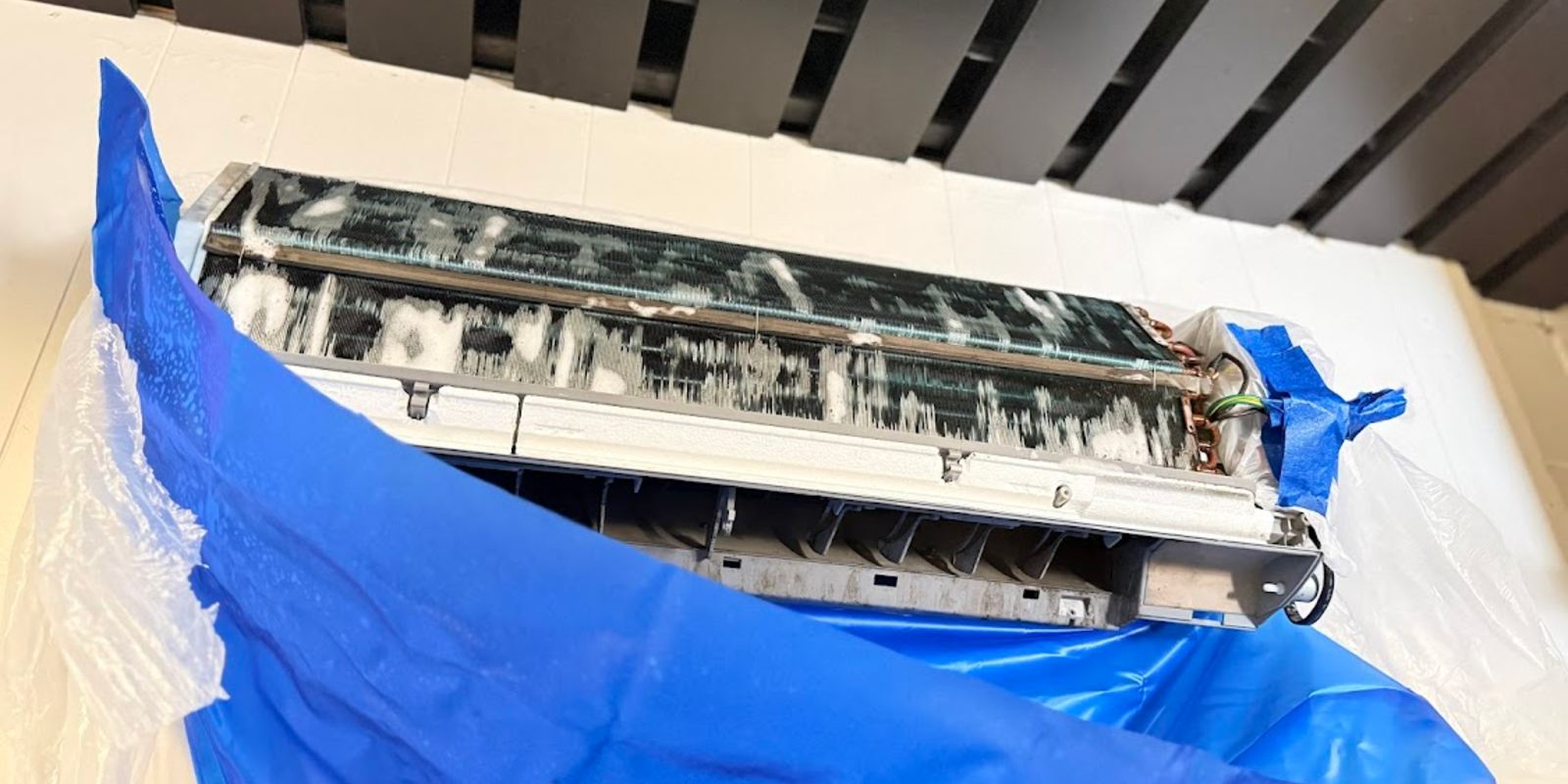
Your air conditioner works hard during Arkansas summers, removing both heat and moisture from indoor air. Over time, evaporator coils, condensate lines, and ductwork can collect dirt and moisture that contribute to unpleasant odors.
If you've ever noticed a musty smell the moment the AC kicks on, your HVAC system may be part of the problem.
Signs you may notice:
- Musty odors when the AC starts
- Smells strongest near vents
- Reduced airflow
- Increased dust buildup
Why does it happen:
- Moisture collects on evaporator coils
- Condensate lines become clogged
- Ductwork traps debris and humidity
Excess Moisture Around Plumbing
Not every leak announces itself with a puddle on the floor.
Slow leaks under sinks, behind appliances, and inside walls can create damp conditions for months before they're discovered. During humid weather, these areas can produce lingering odors that seem to have no obvious source.
Areas worth checking:
- Under kitchen and bathroom sinks
- Around water heaters
- Behind refrigerators
- Around the washing machine connections
Wet Insulation or Building Materials
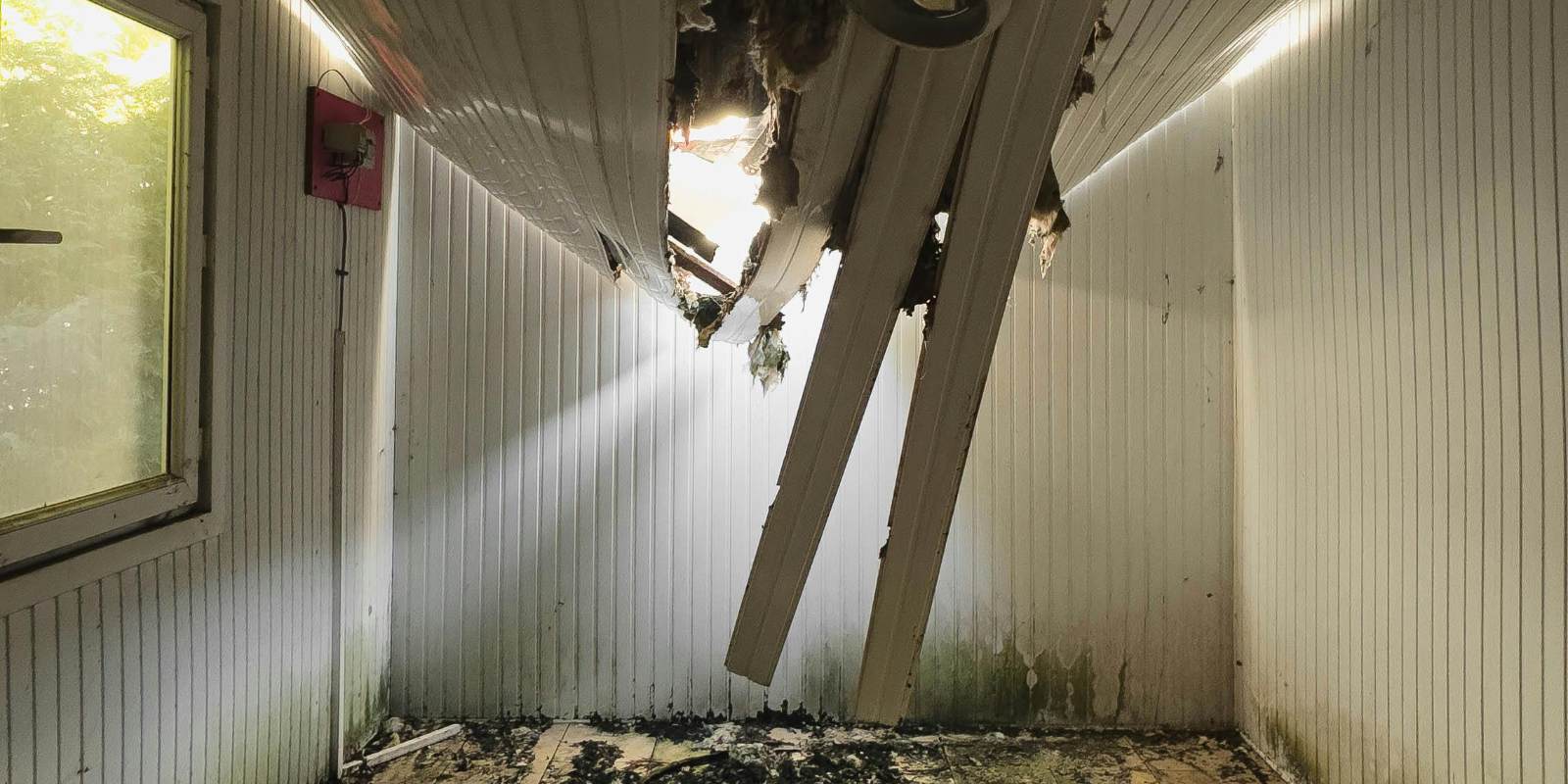
Insulation, drywall, and wood framing can absorb moisture over time. Once these materials become damp, they may hold odors long after the original moisture source appears to be gone.
According to Better World Builders, musty odors are often one of the earliest signs of wet insulation, sometimes appearing before visible indicators such as water stains or sagging materials. Damp insulation can also create conditions that support mold and mildew growth, further contributing to unpleasant indoor odors.
In some cases, wet insulation can also reduce energy efficiency, forcing your HVAC system to work harder during the hottest months of the year.
Common problem areas include:
- Attics
- Wall cavities
- Crawl spaces
- Areas surrounding roofing leaks
Pet Odors Trapped by Humidity
Even the most loved family pets can leave behind odors that become more noticeable during humid weather.
Carpets, furniture, and subflooring can absorb pet-related odors over time. When humidity rises, those trapped smells can become stronger, even if you've recently cleaned the area.
If pet odors keep returning despite repeated cleaning, moisture may be helping reactivate odor-causing particles hidden below the surface.
Pet odors may seem like a surface-level issue, but they can sometimes signal deeper concerns involving moisture, trapped contaminants, and indoor air quality. If you'd like to learn more, our guide explains how pet odors can affect the environment inside your home.

When a Summer Odor May Signal a Bigger Problem
While some summer odors are harmless and temporary, others can point to moisture-related issues that may worsen over time.
Here are a few signs that deserve closer attention:
|
Warning Sign |
Why It Matters |
|
Musty odor that never goes away |
May indicate hidden moisture |
|
Smell worsens after rain |
Could point to water intrusion |
|
Visible mold growth |
May require remediation |
|
High indoor humidity |
Creates conditions for recurring issues |
|
Stains on ceilings or walls |
Could signal an active leak |
If you're noticing several of these warning signs together, it's often worth investigating further before minor moisture issues become more expensive repairs.
Don't Ignore Unexplained Summer Odors
Summer odors are often more than a nuisance. In many cases, they're symptoms of moisture problems that have been developing out of sight for weeks or even months.
By understanding how humidity affects your home and recognizing the most common hidden odor sources, you can take steps to address the cause rather than simply covering up the smell.
At Restore-It, we regularly help Arkansas homeowners identify the moisture issues that often hide behind persistent odors.
If an unexplained odor keeps returning, a professional inspection can help determine whether hidden moisture is contributing to the problem before it leads to more extensive damage.
Addressing the source early can help protect your home and prevent small issues from turning into major repairs.