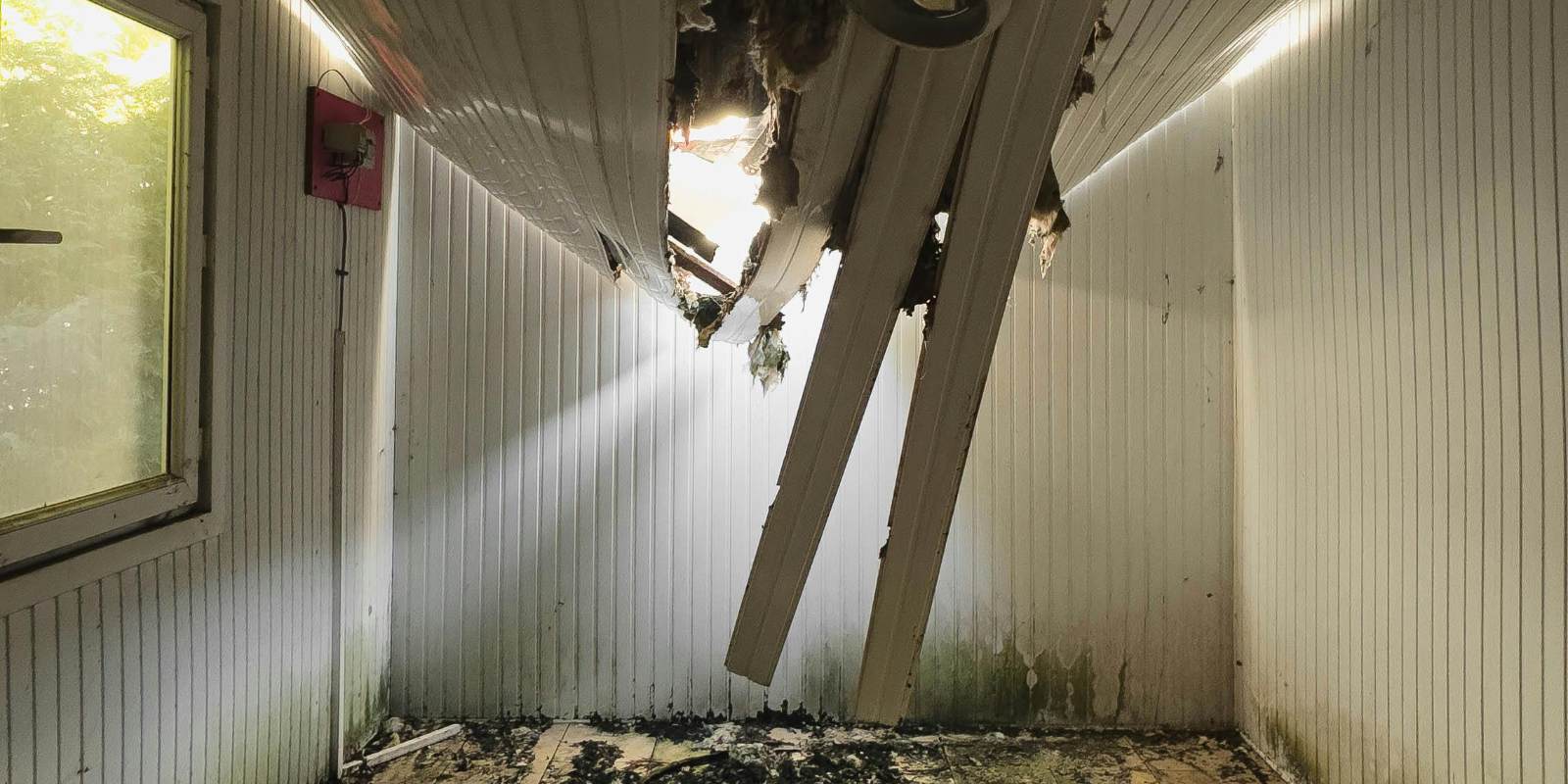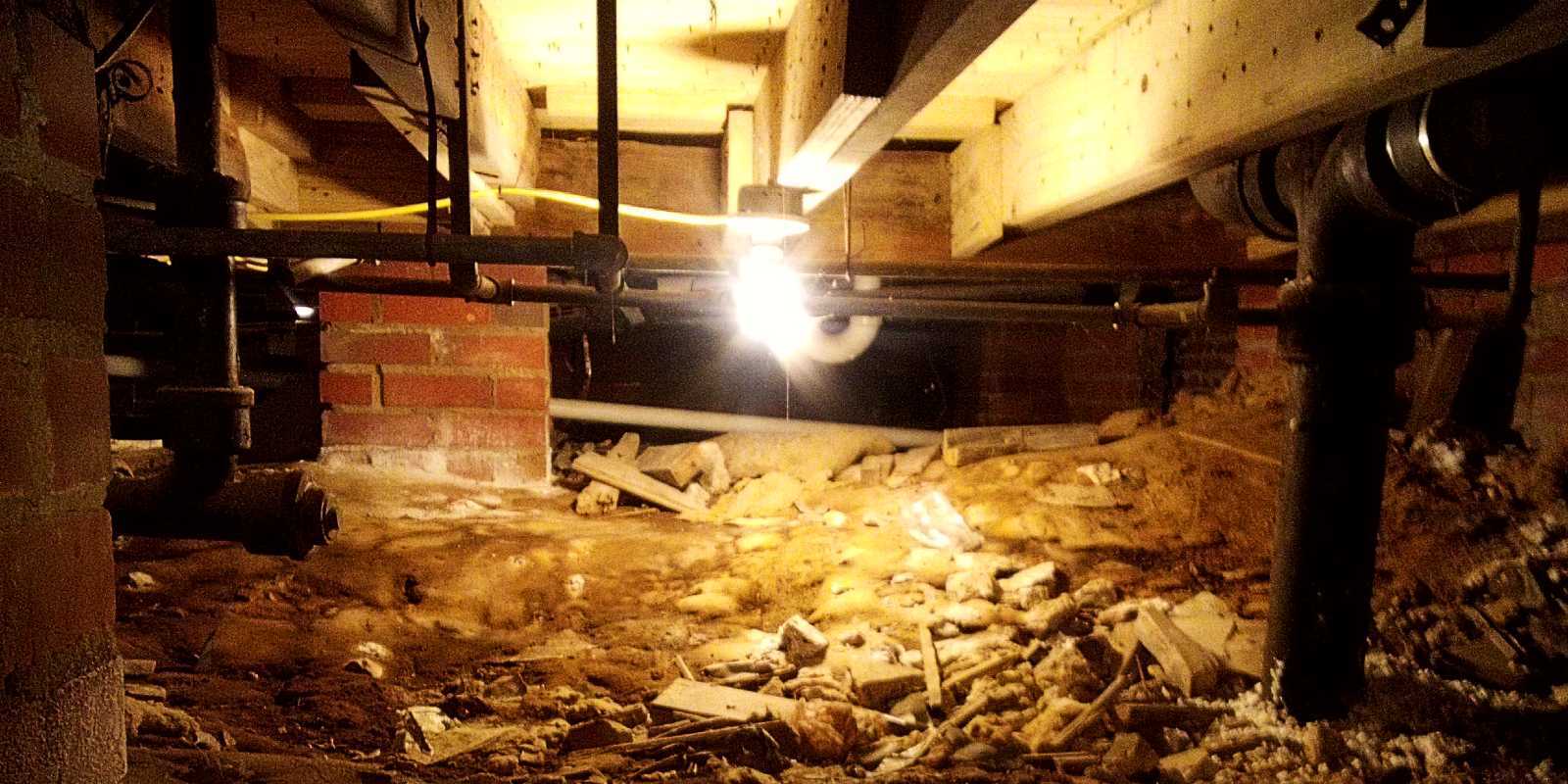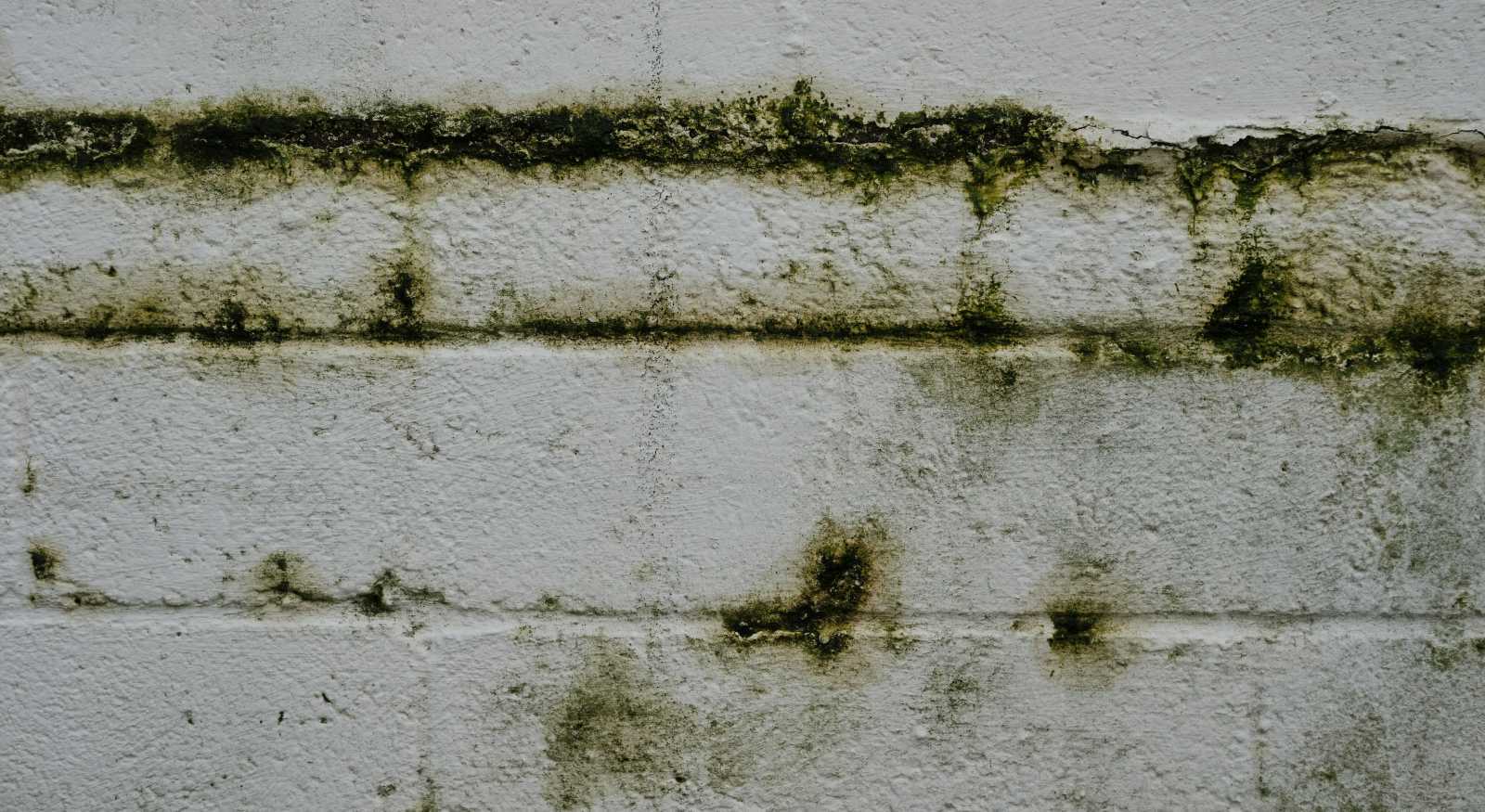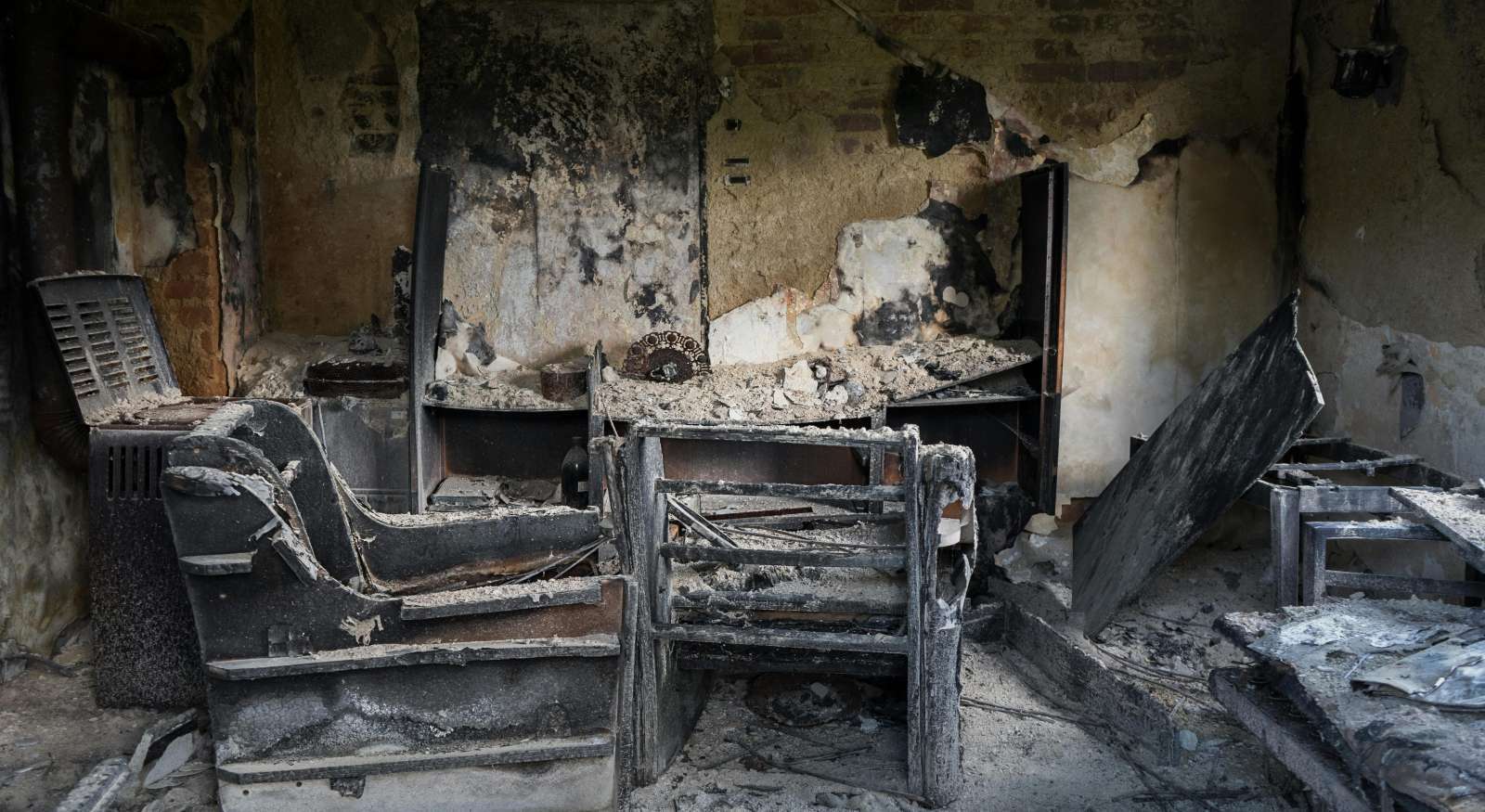

It is the middle of a workweek. Your office or facility is busy, but the complaints are starting to pile up. Employees talk about stuffy air, headaches, and musty smells. A few team members say their asthma or allergies are worse on days they are in the building. A tenant emails you photos of suspicious stains on ceiling tiles.
When this happens, questions such as "will operations need to be disrupted?" or "do I need to file an insurance claim?" are pretty common.
As a restoration company with over a decade of experience working with facility managers and property owners in South Arkansas, we are here to illuminate this subject. Depending on your specific scenario, you might not need a simple fix but a complex restoration project.
In this article, you will learn how mold and hidden water damage can affect indoor air quality in commercial buildings, what reputable organizations have to say about it, when you need professional mold remediation and restoration services, and how HVAC and duct cleaning may fit into the bigger picture. By the end, you will leave with a practical, step-by-step approach to thinking about complaints in your facility, rather than guessing or chasing quick fixes.
Moisture & Mold: A Serious Business Risk
The Centers for Disease Control and Prevention (CDC) has found that people who spend time in damp buildings report more respiratory symptoms, infections, and worsening asthma, as well as conditions like allergic rhinitis and eczema. These problems often show up as:
- More frequent coughing, wheezing, or shortness of breath
- Nasal congestion, sinus issues, or eye irritation
- Headaches and “brain fog” that improve away from the building
- More sick-day usage and lower productivity
The National Institute for Occupational Safety and Health (NIOSH) and the CDC describe a clear pattern: dampness and mold are key drivers of these building-related health complaints. OSHA likewise warns that mold exposure can cause nasal stuffiness, eye irritation, or wheezing, and emphasizes the importance of preventing contamination through proper building maintenance.
For building owners and facility managers, this is not only a comfort issue. Poor indoor air quality (IAQ) can affect worker health, trigger workers' compensation claims, and damage your reputation with tenants or customers. The U.S. Environmental Protection Agency (EPA) guidance for office building occupants stresses that IAQ problems often involve a mix of moisture, pollutants, and ventilation issues that building management should address.
Hidden Water Damage and Mold Problems
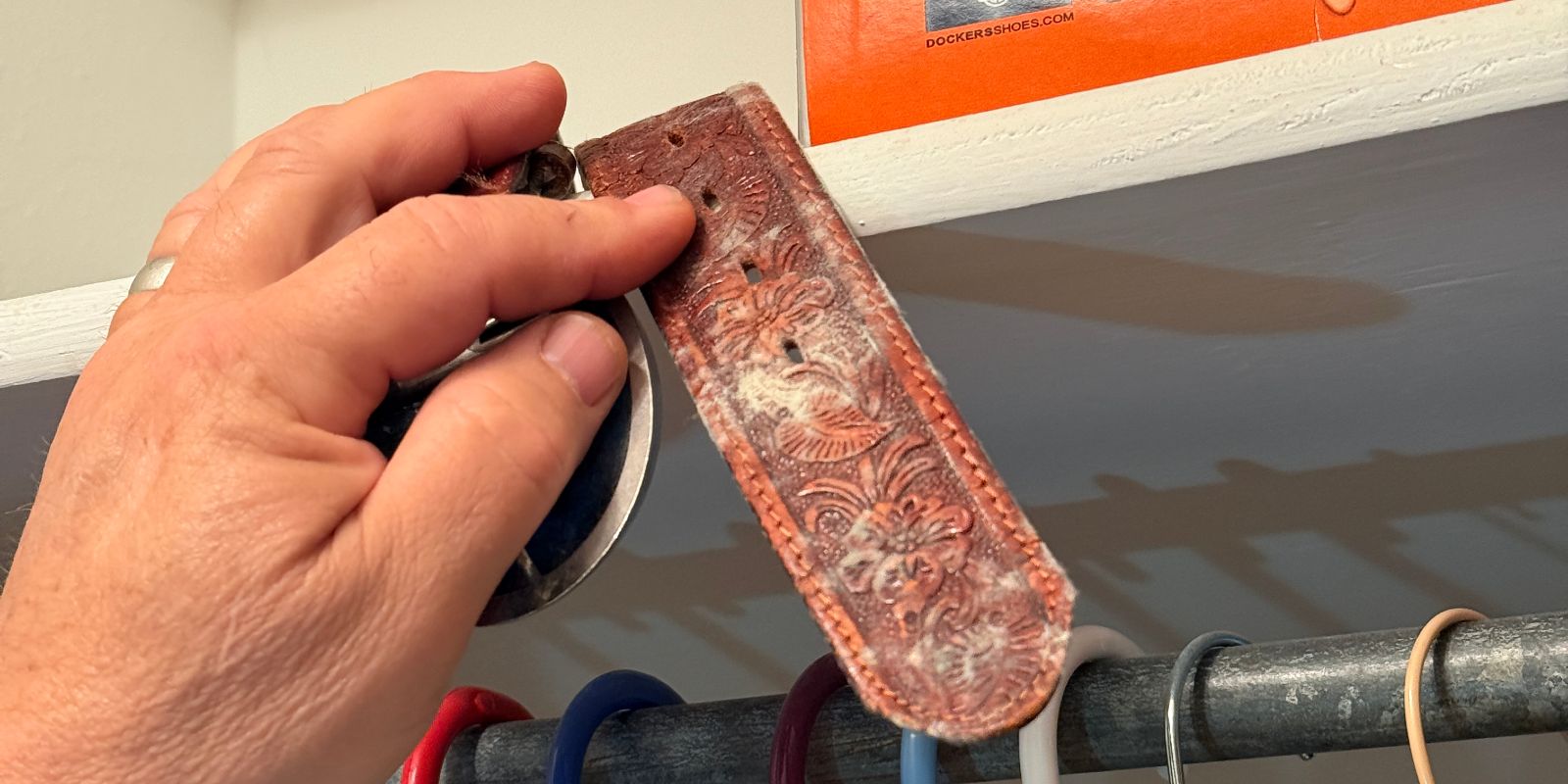
According to CDC/NIOSH, any mold growing in a building is a sign of a water or moisture problem that must be corrected. Mold does not appear out of nowhere; spores are everywhere, but they only grow when they land on damp materials.
Common moisture sources in commercial buildings include:
- Roof leaks or failed flashing
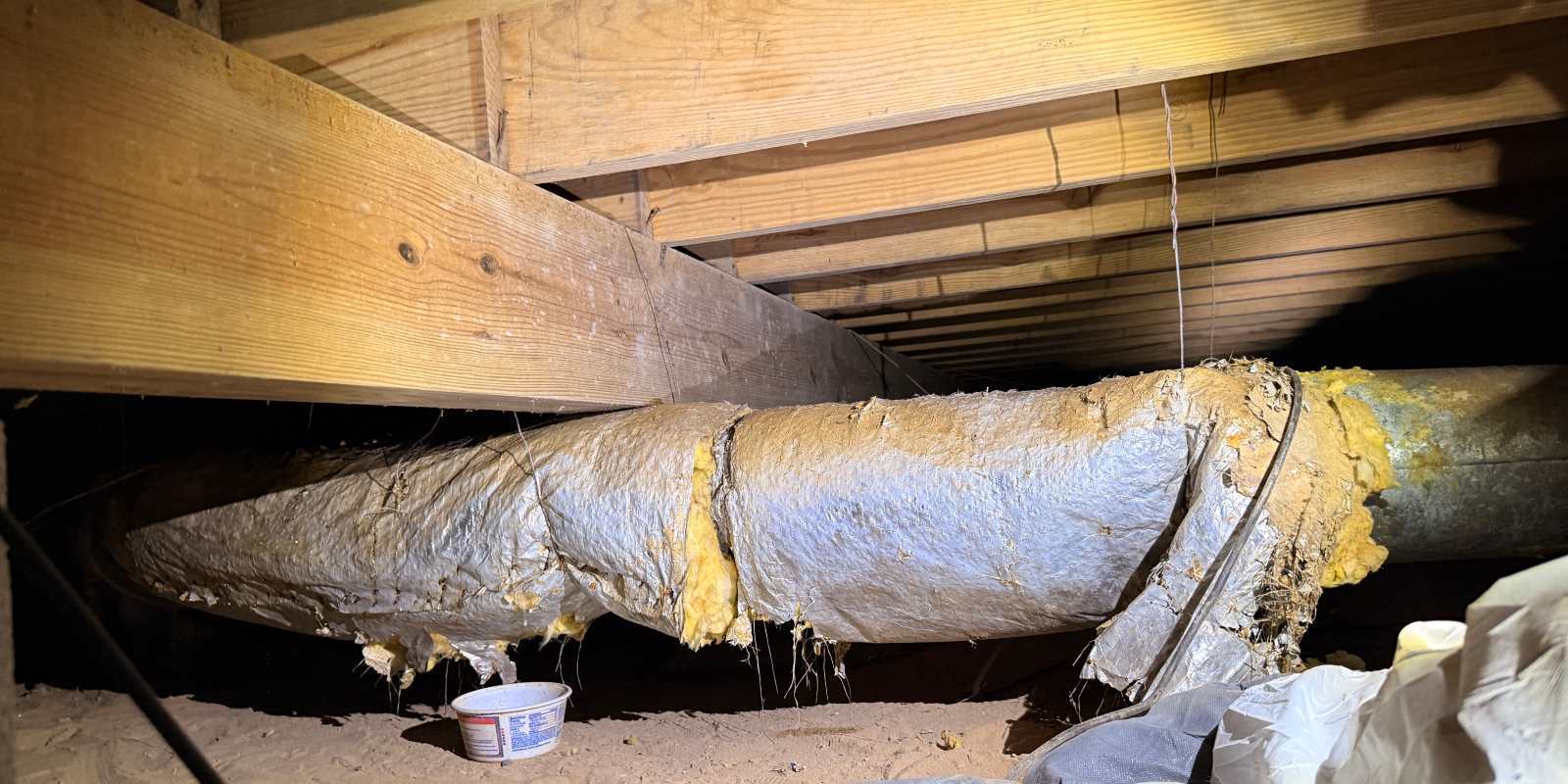
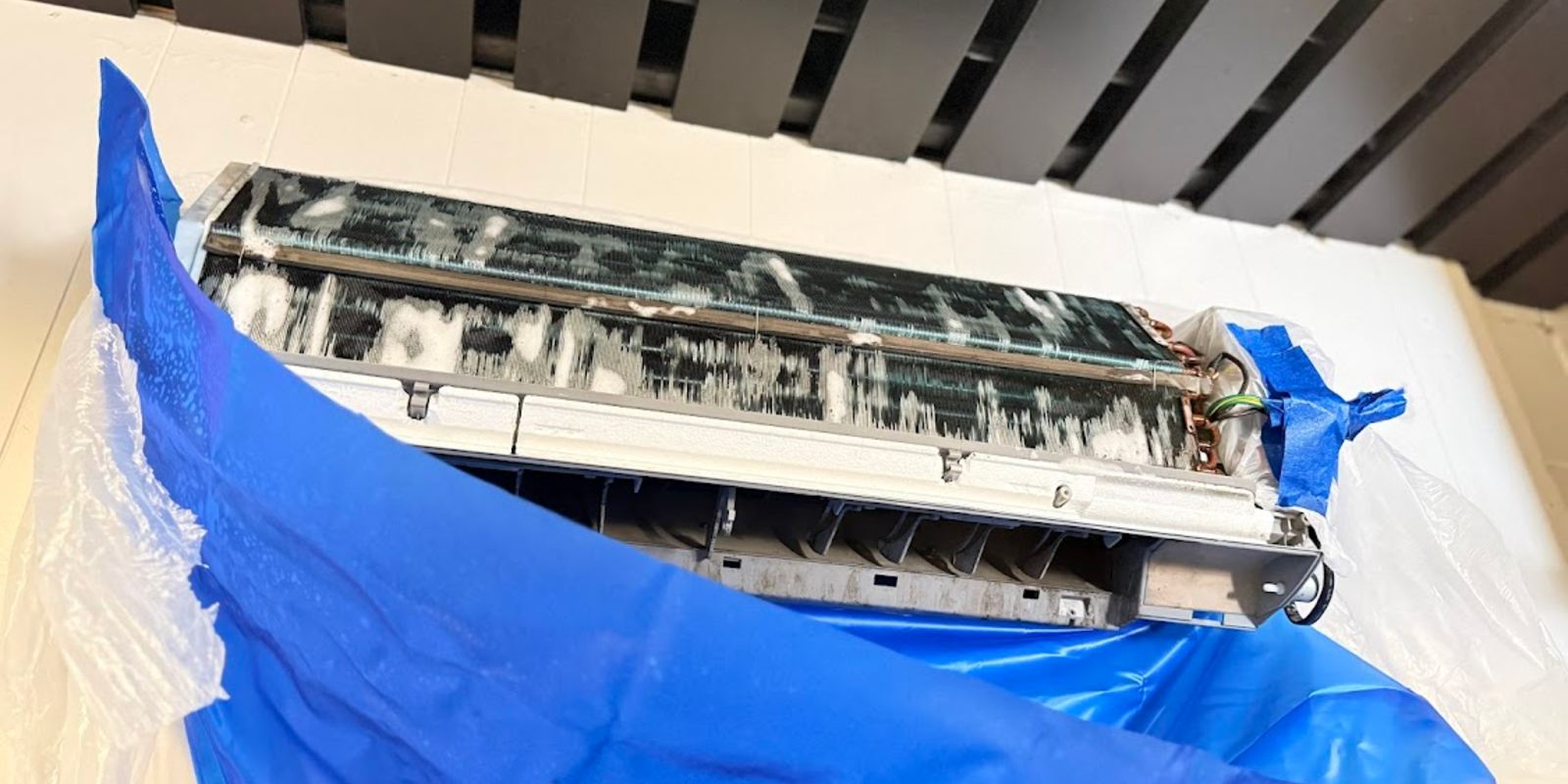
- Condensation in or around HVAC systems
- Plumbing leaks in walls, ceilings, or mechanical rooms
- Poorly sealed windows or building envelope failures
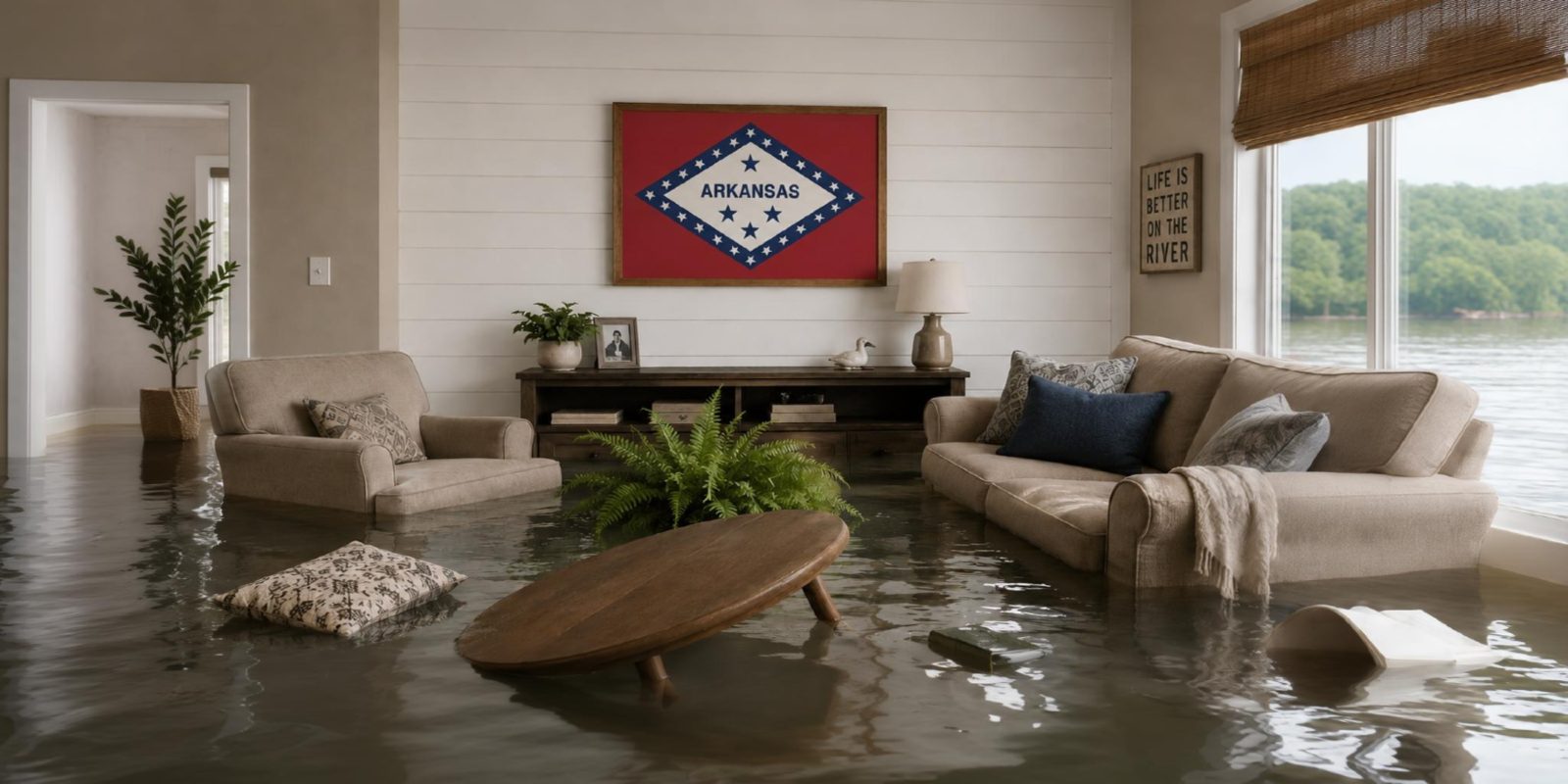
- Past flooding that was never fully remediated
To prevent mold growth, damp or wet building materials should be cleaned and dried within 24–48 hours, according to the EPA. NIOSH's Dampness and Mold Assessment Tool specifically guides building teams to inspect rooms for water damage, stains, peeling paint, rust, and visible mold, then track and correct the underlying moisture sources.
For a commercial client, this means:
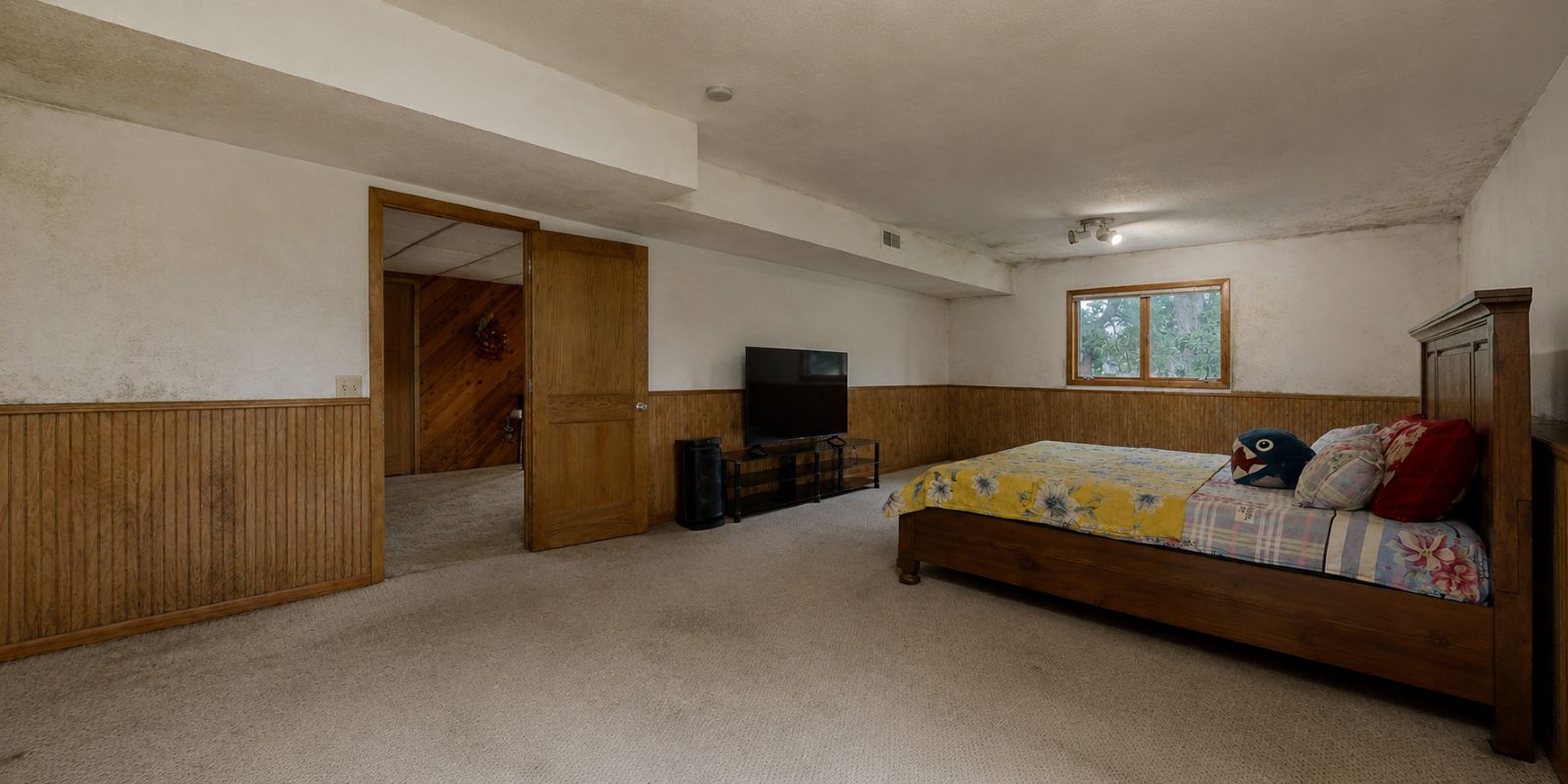
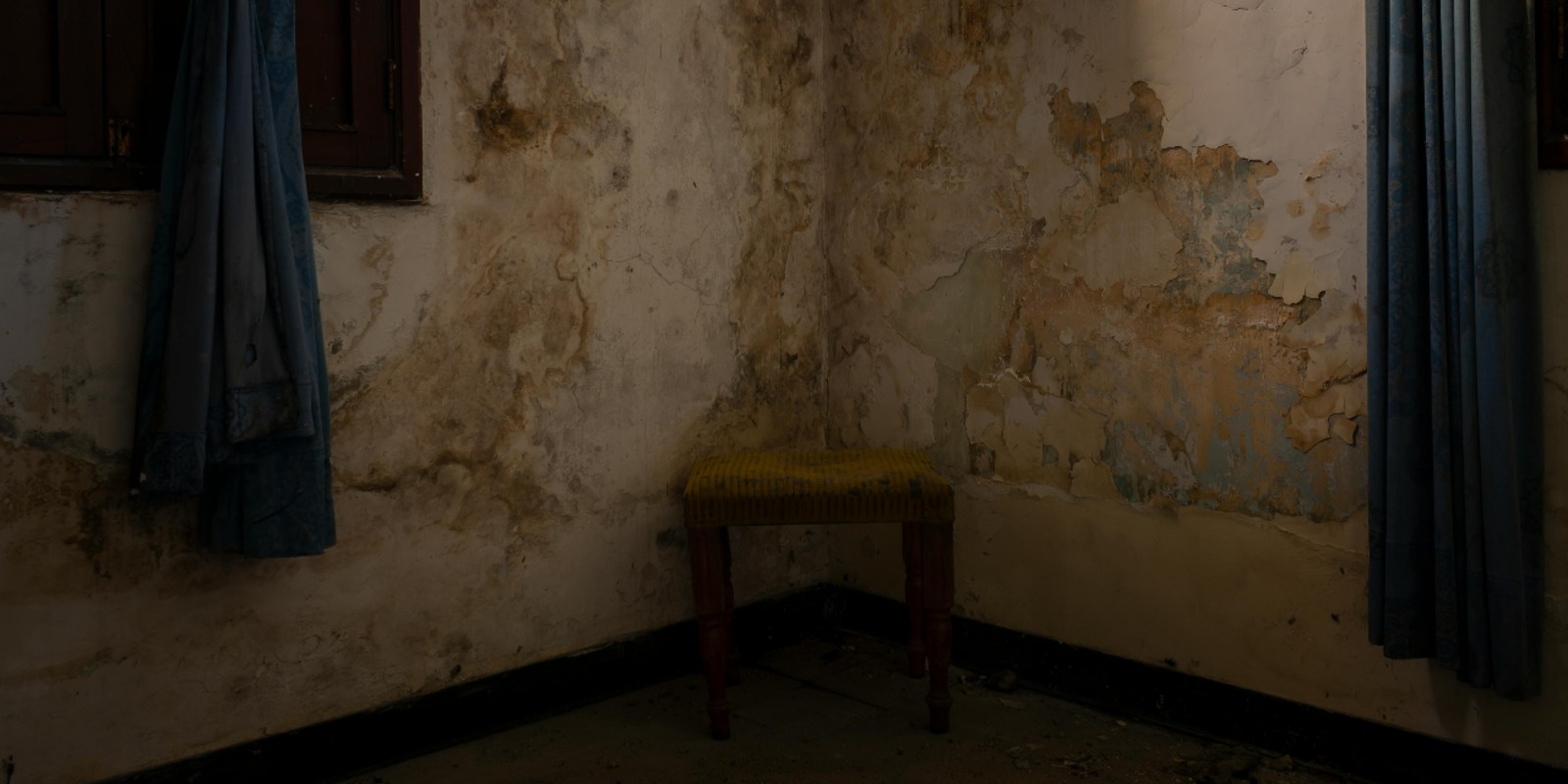
- Stained ceilings are moisture indicators.
- Musty odors near a particular zone are a clue.
- "Old" water damage that was never properly dried and repaired may still be driving current complaints.
The Science Behind Mold Remediation and Restoration
In practice, a professional commercial mold remediation and restoration project should include:
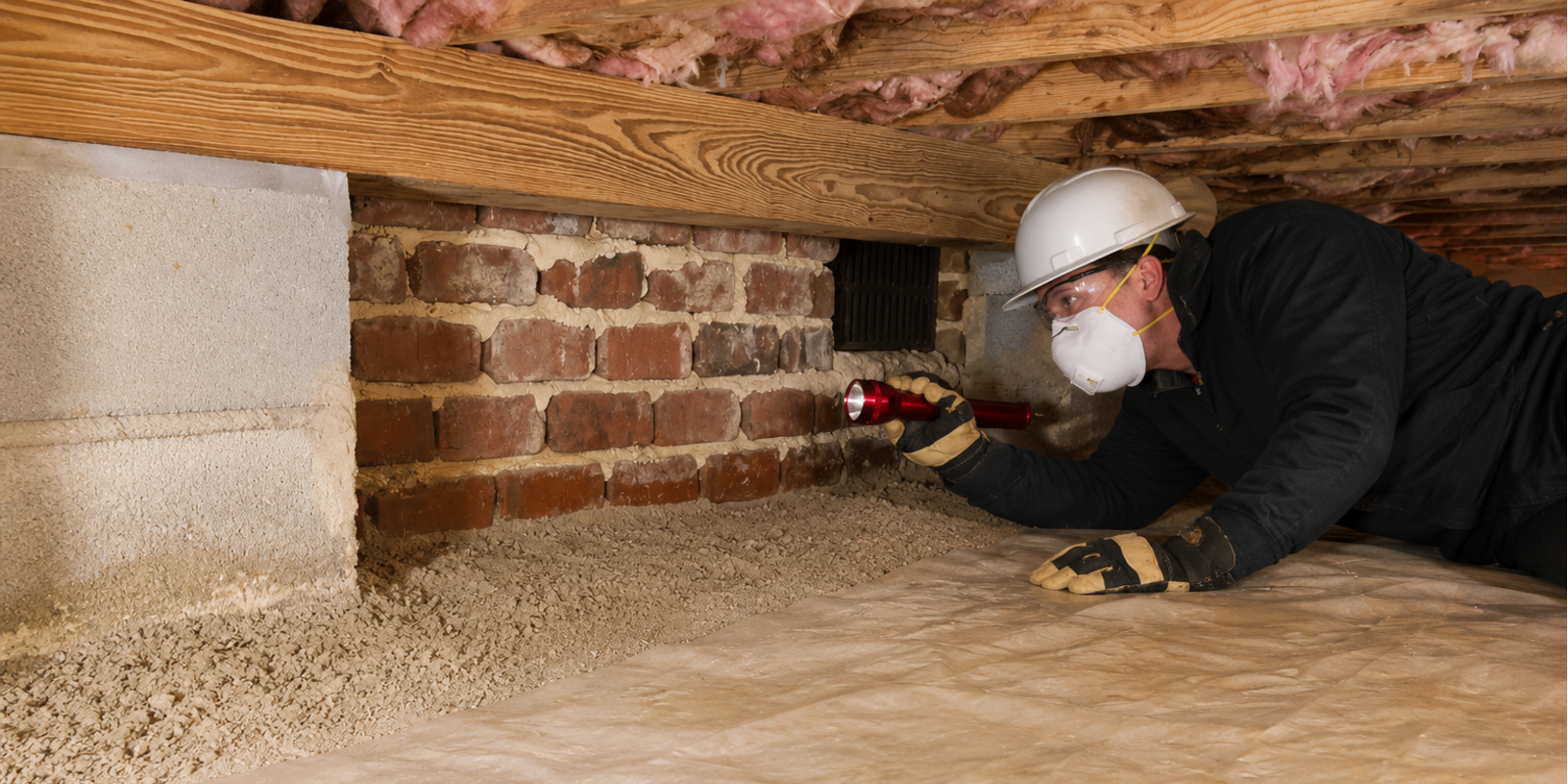
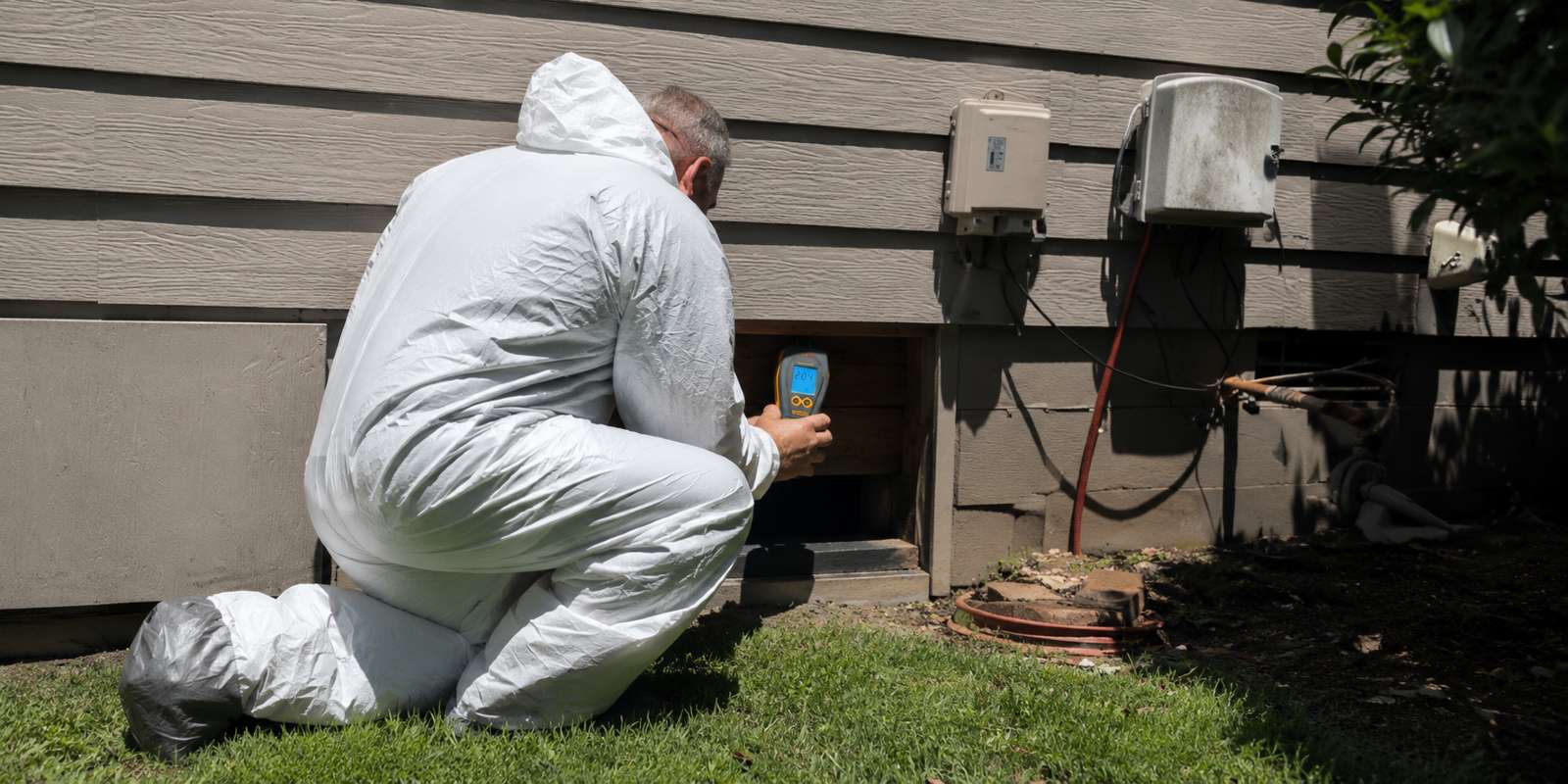
- Investigation and moisture mapping
- Identifying the source of moisture (roof, plumbing, HVAC, groundwater, etc.).
- Using moisture meters, Infrared cameras, and physical inspections to map wet materials.
- Containment and worker protection
- Setting up containment and negative pressure zones to keep mold and dust from spreading.
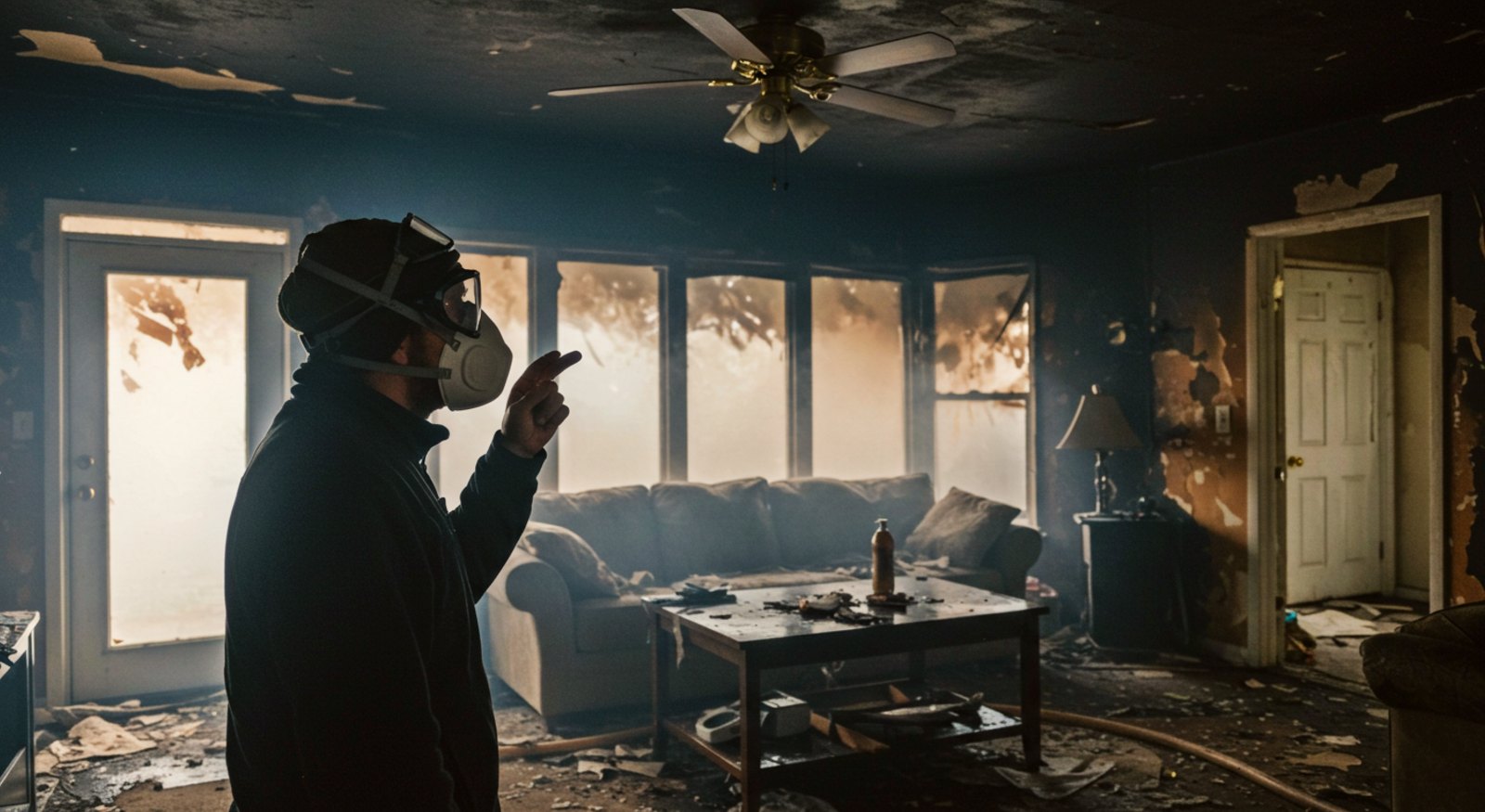
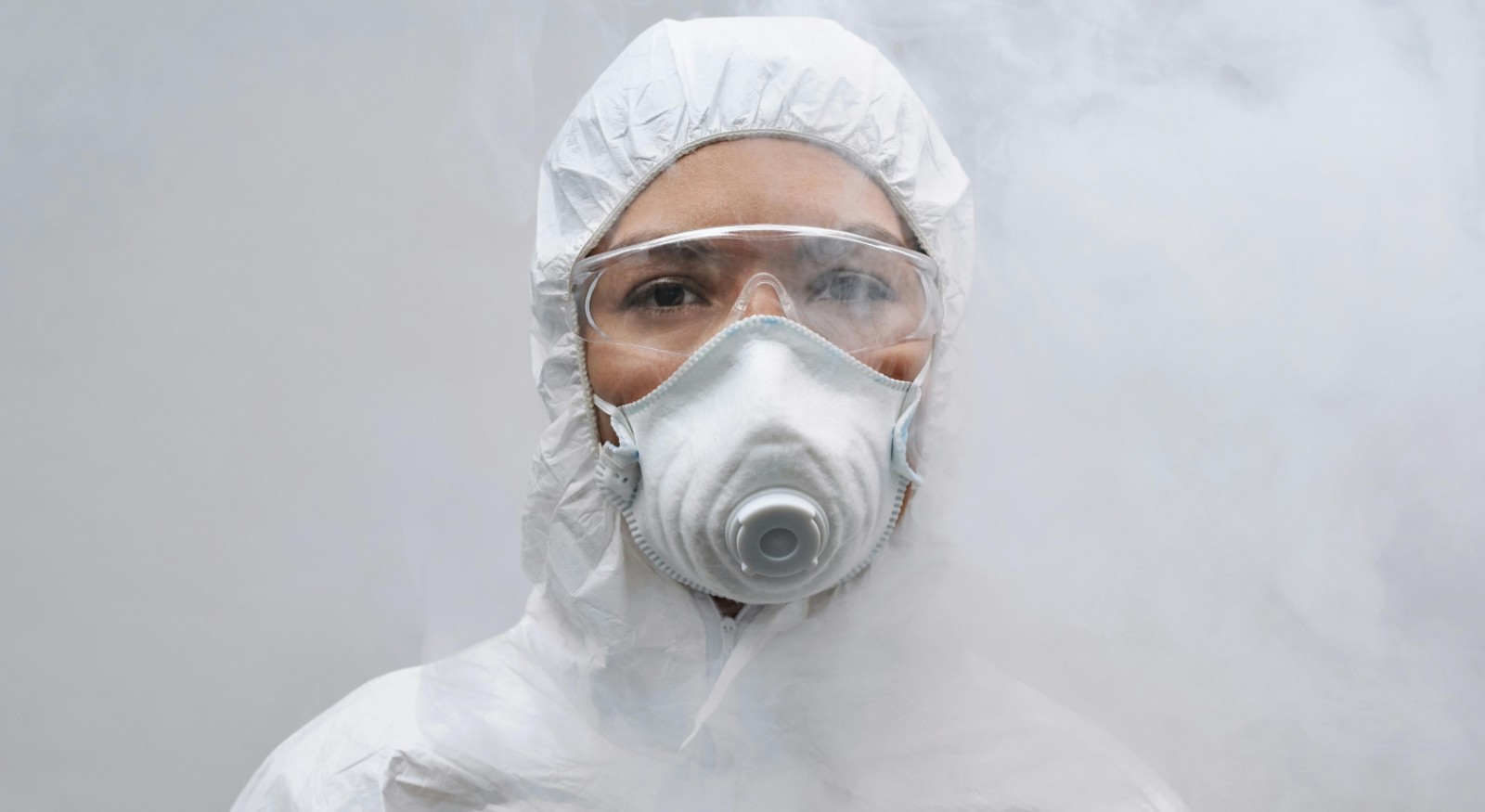
- Providing proper PPE as recommended (respirators, gloves, glasses, and protective clothing).
- Removal or cleaning of contaminated materials
- Removing mold-contaminated porous materials, which cannot be cleaned (e.g., some ceiling tiles, insulation, drywall).
- Cleaning and drying non-porous materials in workplaces and affected buildings.
- Addressing the source
- Repairing leaks, improving drainage, adjusting HVAC settings, and fixing building envelope defects to prevent dampness from returning.
- Verification
- Visual inspection for remaining dampness or mold.
- In some cases, using tools like the NIOSH Dampness and Mold Assessment Tool (DMAT) to document improvements.
Where HVAC and Duct Cleaning Fit In
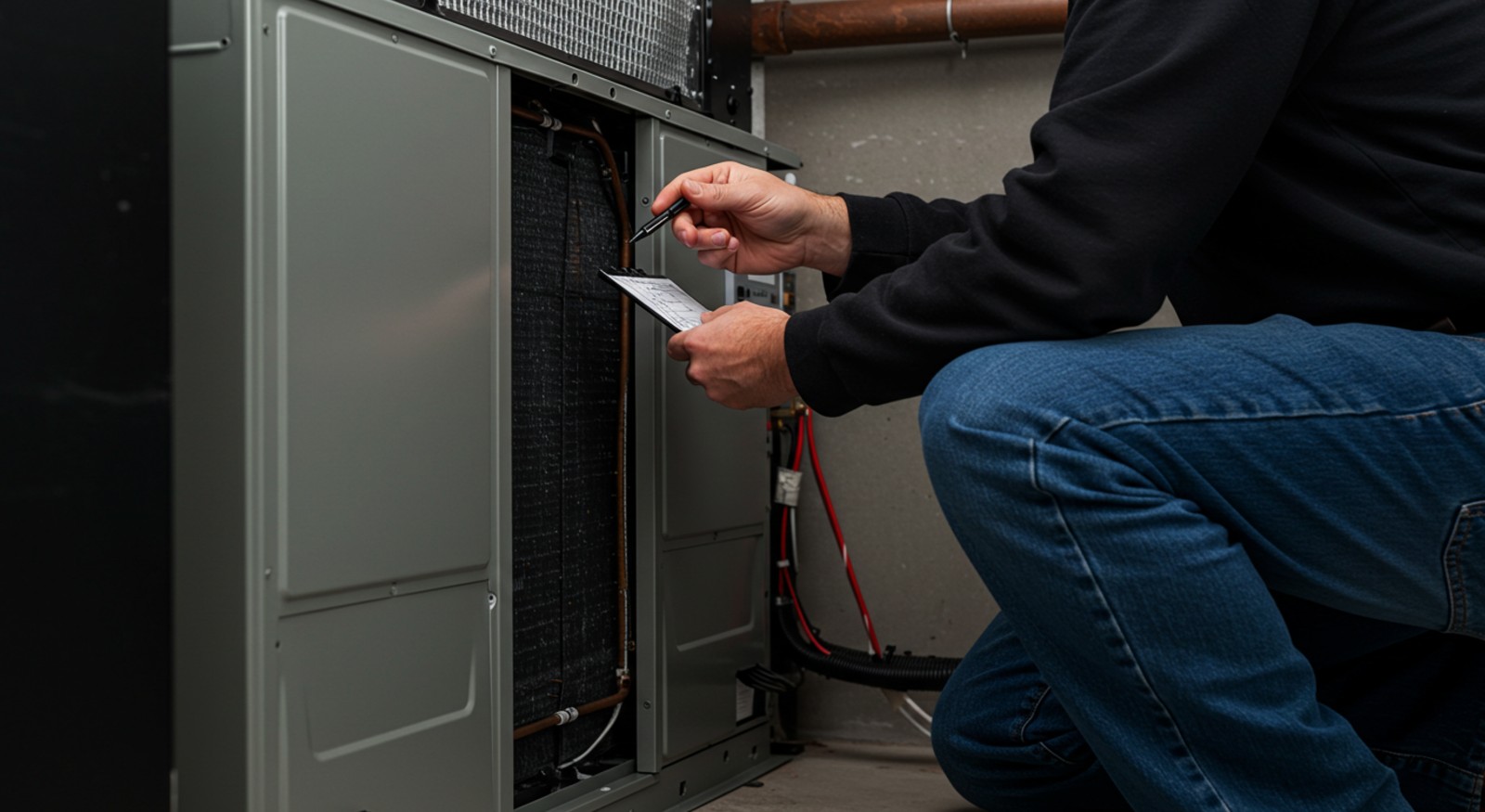
Ventilation and HVAC performance are critical for IAQ in commercial and institutional buildings. OSHA notes that many indoor air problems are linked to inadequate ventilation, highlighting the importance of proper HVAC operation and maintenance. NIOSH also notes that building ventilation can significantly influence worker health and productivity.
The National Air Duct Cleaners Association (NADCA) describes proper HVAC system cleaning as a "source removal" process that uses agitation tools (brushes, air whips, compressed air) in combination with continuous negative pressure to capture loosened debris.
Consider Professional HVAC/Duct Cleaning When:
- Visible mold is present on internal HVAC components or duct surfaces.
- The system was exposed to floodwater.
- There is heavy debris or dust that is clearly entering occupied areas, even after filter changes and maintenance.
The goal is not to "sell duct cleaning," but to use it strategically when there is clear evidence it will support your broader mold remediation and IAQ plan.
Smart Prevention Steps for Facility Managers
Leading guidance from EPA, NIOSH, and OSHA points to prevention and maintenance as the most cost-effective strategies for commercial IAQ:
- Inspect regularly for water intrusion
- Check roofs, walls, windows, mechanical rooms, and basements for leaks and dampness.
- Find and fix the leak source before replacing stained ceiling tiles.
- Dry wet materials quickly
- Clean and dry damp or wet building materials and furnishings within 24 to 48 hours when possible.
- Maintain HVAC systems
- Follow ASHRAE standards for ventilation.
- Keep drip pans clean and draining, maintain filters, and avoid operating systems that may be contaminated after floods or major water events until they are inspected.
- Document complaints and responses
- Keep a log of occupant complaints, locations, dates, and corrective actions.
- Use tools like the NIOSH Dampness and Mold Assessment Tool to track dampness over time.
- Involve qualified professionals when problems are complex or widespread
- Industrial hygienists, mechanical engineers, and experienced restoration/mold remediation contractors can help you design a plan.
Solving Commercial Air Quality Issues
Persistent indoor air complaints in your facility are often red flags for hidden water damage or mold. The safety of your employees and tenants depends on identifying the root cause and addressing it with professional remediation. To learn more about keeping your building safe, read our article on professional mold remediation.
If you notice signs of moisture or receive health complaints, consider hiring Restore-It for expert commercial mold remediation services in South Arkansas. Our team will locate the source of the issue and create a plan for mold remediation and water damage restoration. When appropriate, we can also recommend trusted HVAC contractors to help with cleaning. Together, we can protect your building and everyone who works inside it.

Topics: