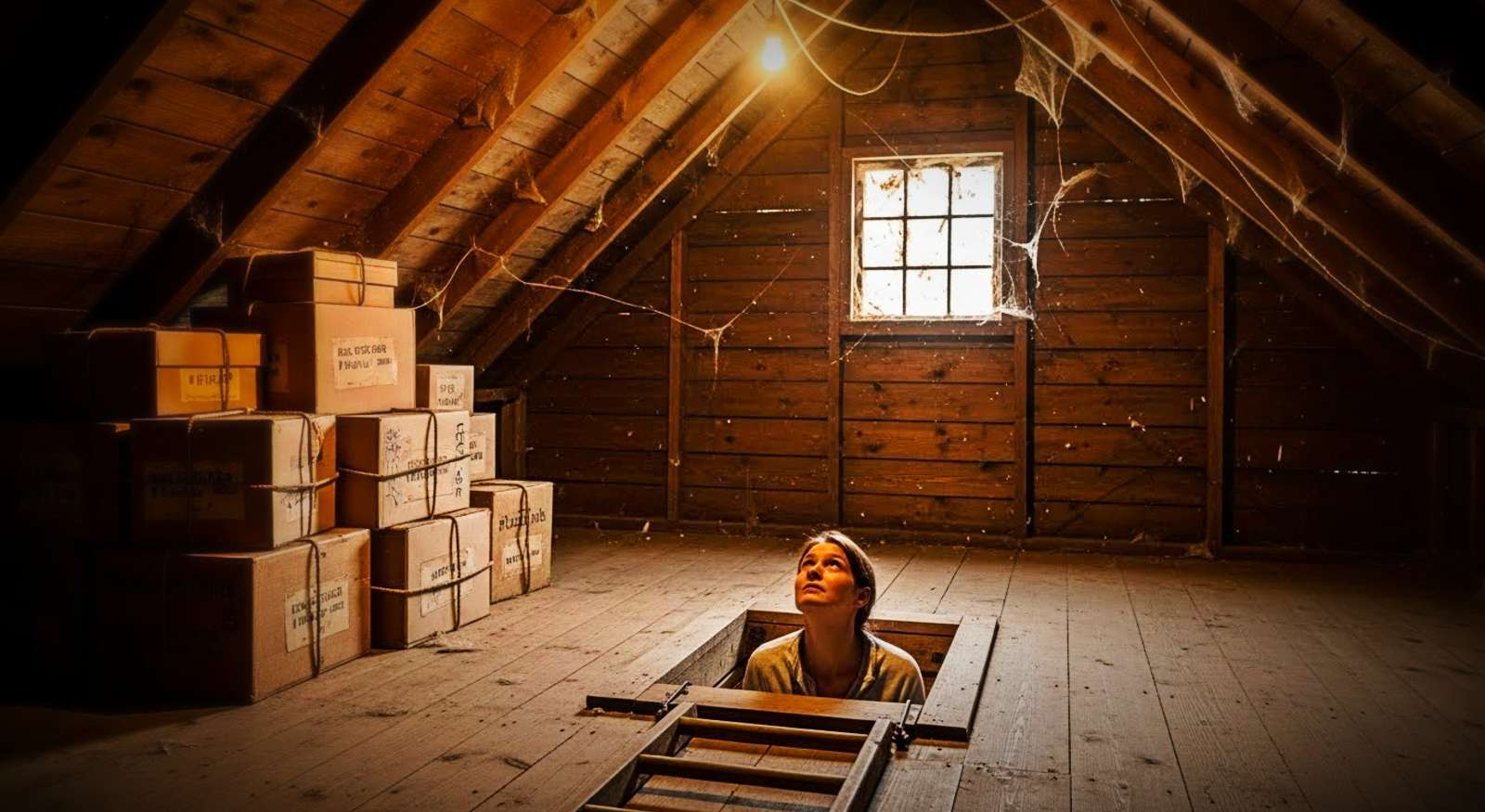

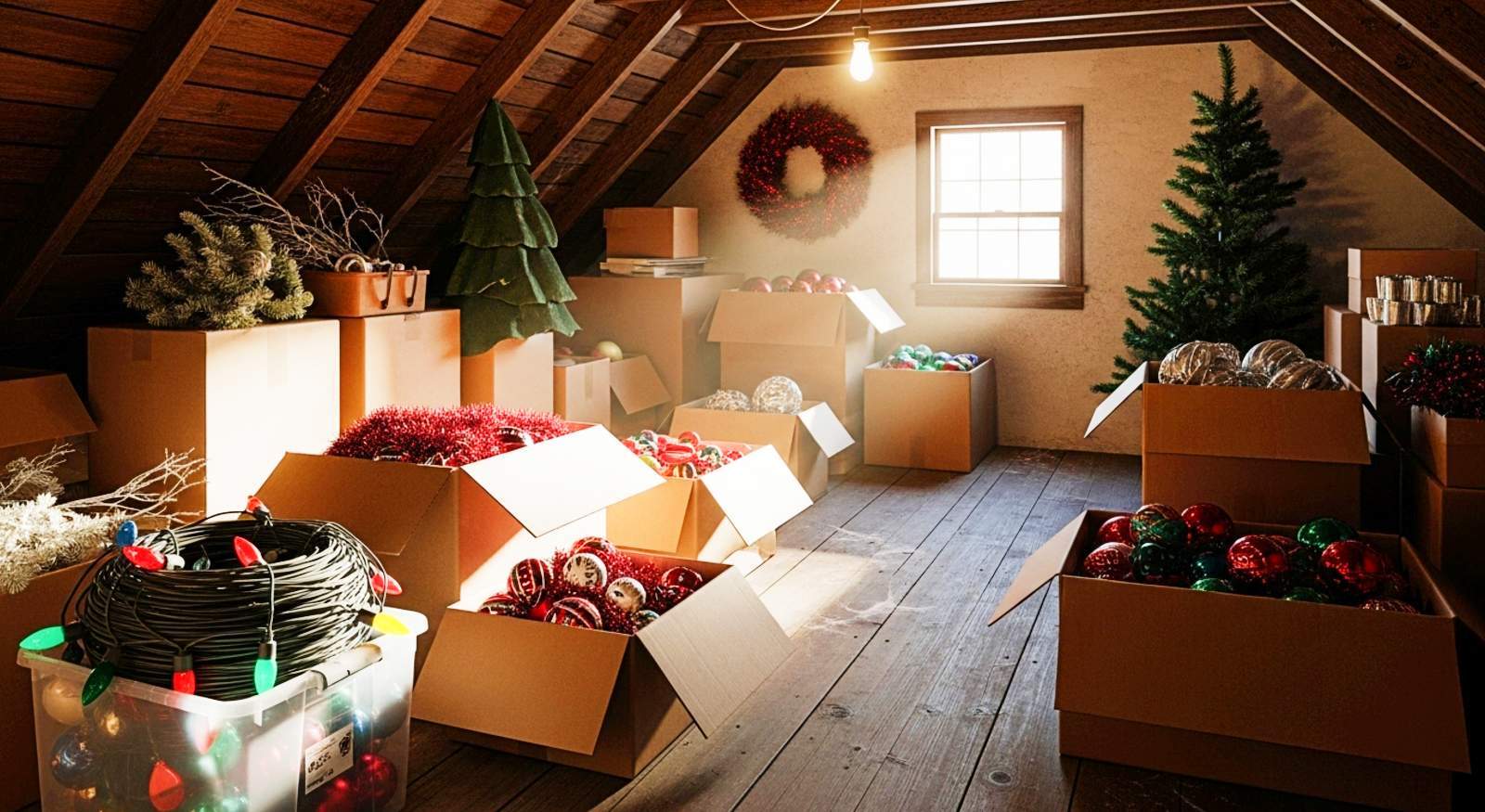
Once the festivities are over, it's time to pack it up. All the decorations are taken down. The wrapping paper goes to the bin. The Christmas tree goes to the curbside for pickup, to drop-off centers, or for composting. And the ornaments go into the attic until next year. The point is, you want to be done with everything as quickly as possible. But, wait. Before you close the hatch of your attic, take a second look.
Is there a lot of clutter in the area? When was the last time you cleaned the place? Ignoring these questions may lead to a costly mistake in the future.
As a restoration company with over a decade of experience in South Arkansas, Restore-It has seen all types of problems in attics, from fires sparked by clutter to water damage from roof leaks, and even mold or pests.
Since late December in Arkansas tends to bring real freeze-thaw cycles and heavy rains, this might be a good opportunity to check and prevent future problems. In this article, we are going to give you a simple, 4-point inspection check that could save you thousands of dollars in future repairs.
Safety First: Before You Inspect the Attic
Before you start looking for leaks or bugs, you must ensure your safety. Attics can be dangerous places if you are not careful. Most attics do not have a whole floor. They only have wooden beams called joists. Between these beams, there is usually just the drywall ceiling of the room below. Sometimes there are temporary boards, but they aren't safe.
If you step outside the beams, you will fall right through the ceiling. This is a painful and expensive mistake. Always walk only on the wooden joists. If you have to move away from the center of the attic, bring a wide wooden board to stand on. This creates a safe platform for your feet.
Also, remember to put on a mask. Attic insulation is made of fiberglass or treated paper. When you move boxes around, you stir up tiny dust particles. You do not want to breathe this into your lungs. A simple paper mask from the hardware store is all you need. Now that you are safe, you are ready to inspect.
1. Testing for Roof Leaks
First, turn off your flashlight and the attic light. Carefully look for daylight inside the attic.
Scan the underside of the roof (the roof decking). Do you see any pinpricks of light coming through? Do you see light showing around the chimney, flashing, or plumbing vents?
If light can get in, so can water during the next storm.
Now, turn your flashlight back on and inspect the wood sheathing above you. Look for:
- Dark Stains: Any dark, circular stains on the wood indicate water is soaking through the shingles.
- Rusty Nails: Look at the nails protruding through the roof deck. If they are rusty or if they have black rings around them, you have a slow leak or a condensation issue.
- "Shiners" (Frost): During cold weather, you might see white frost on the tips of the nails. This is often a sign that warm, moist air from your house is leaking into the attic and freezing on the cold metal. When this frost melts, it will drip onto your insulation, like a roof leak.
Catching a leak now is cheap. A roofer can patch a small hole for a few hundred dollars. If you wait until water soaks your drywall, the bill could run into the thousands. And that's not even talking about the whole ordeal of making an insurance claim.
2. Checking the Insulation
Examine your attic's insulation, which may be pink fiberglass (similar to cotton candy) or gray cellulose (resembling ground-up paper). Regardless of the type, it should appear like a smooth, fluffy blanket of snow. Specifically, when you inspect the texture, look for:
- Depressions or Valleys: If you see areas where the insulation looks matted down or "caved in," it often means water has dripped onto it. Insulation loses its ability to keep you warm when it gets wet.
- Trails: Do you see narrow paths trodden into the insulation? These look like game trails in a forest. This is a classic sign that rodents are using your attic as a highway.
- Blackened Areas: If you see insulation that looks black or dirty, especially near the eaves or soffit vents, it usually indicates air movement. The insulation acts as a filter, catching dust from drafts. These blackened spots point to air leaks that are costing you money on your heating bill.
3. Looking for Pests
The winter season is the prime time for rodents. Mice, rats, and squirrels are looking for a warm place, and your attic looks (to them, at least) like the perfect place to move. They tend to use your stored cardboard boxes, wreaths, and other decorations to nest.
While you are moving boxes, scan the tops of the floor joists and the insulation for droppings.
- Mouse Droppings: These look like black grains of rice, usually scattered everywhere.
- Rat/Squirrel Droppings: These are larger and more capsule-shaped.
Also, check any exposed wiring. Rodents have to chew constantly to keep their teeth sharp, and electrical wiring is a common target. Exposed wires can pose a significant fire hazard.
If you see droppings, do not just set a trap and hope for the best. You need to find their entry point (often a gap in the soffit or a vent without a screen) and seal it or call a professional to deal with the infestation.
4. Verify The Ventilation
Finally, look at the edges of your attic where the roof meets the floor (the eaves). You should see light coming from the soffit vents, or at least see that the area is clear. A common mistake is shoving Christmas boxes so deep into the attic corners, jamming them right up against the eaves. And this is a big mistake.
Make sure to leave enough space between the store boxes and the eaves and soffit vents. Air enters through the soffit vents and exits through the ridge or gable vents. This airflow keeps the roof deck cold while carrying moisture away. This prevents ice dams and mold growth.
5. The Extra Tip: Upgrade Your Storage Bins
If you are using your attic for storage (as most people do), take a look at your boxes. Cardboard is food for pests, can rot, and get moldy if water gets in.
Instead, consider switching to plastic tote bins. They are waterproof, stack better than cardboard, and if you clear ones, you can always know what’s inside without opening them.
Check Your Attic Today and Prevent Problems Tomorrow
By taking just a few minutes to scan your attic, you can identify hidden leaks, pest intrusions, and ventilation issues that would otherwise fester unnoticed for months. A simple annual check turns a tedious chore into a robust preventive measure, potentially saving you thousands of dollars in expensive restorations or pest extermination. Now that you know how to prevent problems in your attic, your next step is to learn more about ice dams and how to avoid them in our article.
Did you spot a leak, mold, or signs of pests in your attic today? Don't wait for it to get worse. Call Restore-It immediately for professional inspection and restoration services. Our team can help you address the root cause so your home remains safe and dry through the season.

Topics: