

December in Arkansas is (usually) not as cold as some other parts of the United States. However, there is an undeniable drop in temperatures mixed with the dry southern air. This produces condensation, making your windows dripping wet.
It might be confusing to feel the dryness in the air while watching water beads drip down your windows. But if you don't pay attention and act quickly, you might risk costly damage and dangerous mold indoors.
Having worked with hundreds of families over many winters, at Restore-It we are well aware of this phenomenon. And as experts in water damage and mold remediation, we are here to tell you what steps to take to prevent issues.
In this article, you will learn why your home feels dry but still has condensation, what causes this issue, why it's dangerous, and what you can do to fix it. Join us as we demystify the "winter humidity paradox" and explain how crawlspace encapsulation can help you out.
The Science Behind the "Dew Point"
Most people think in terms of Relative Humidity (RH). Hearing things like "It's 40% humidity inside" is common. But RH is relative to temperature, and that's what causes the paradox.
Now here's where the term "dew point" comes in.
This refers to the temperature at which water vapor turns back into liquid. If any surface in your home drops below the dew point, you get condensation.
Here is how you get droplets into your windows:
- The air in the middle of your living room is 70°F. It holds a moderate amount of moisture, enough to make your windows wet.
- Your window glass, however, is not 70°F. It is in direct contact with the freezing air outside. The glass might be only 45°F or even 30°F.
- When the 70°F air from your room touches the 30°F glass, it cools down instantly. It loses its ability to hold moisture. The water vapor "condenses" into liquid droplets right on the glass.
This is the same reason a soda can sweat on a hot day. The air isn't too "wet" overall, but the surface is cold enough to trigger condensation.

Why This Is Dangerous for Your Home
A little fog on the glass might seem harmless. However, this condenses into droplets that run down the glass and pool on the windowsill (which is usually made of wood).
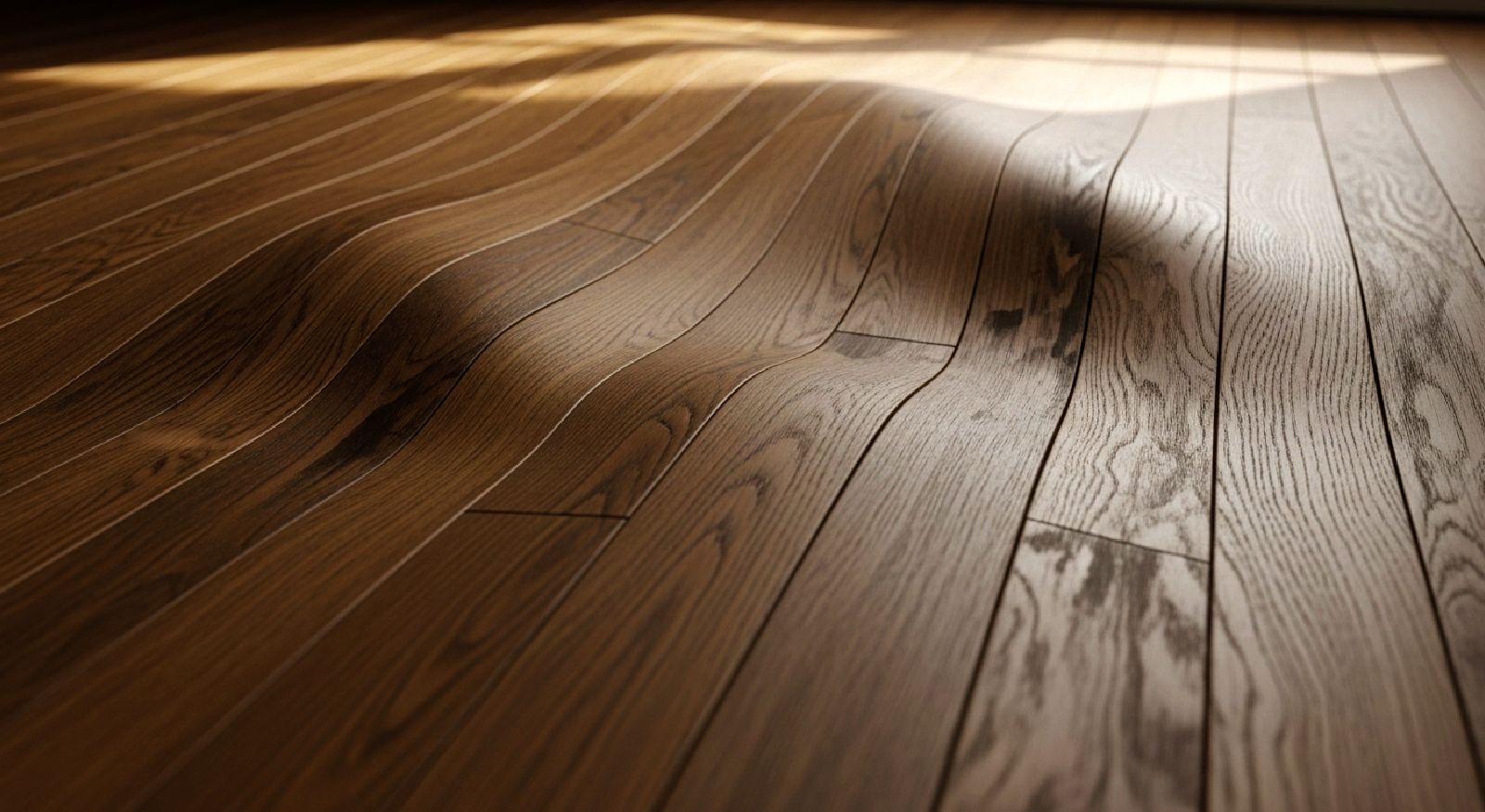
This standing water can seep into the wood, making it rot. With drywall around your windows, the paper backing can absorb water like a sponge. And that’s where the real problem begins.
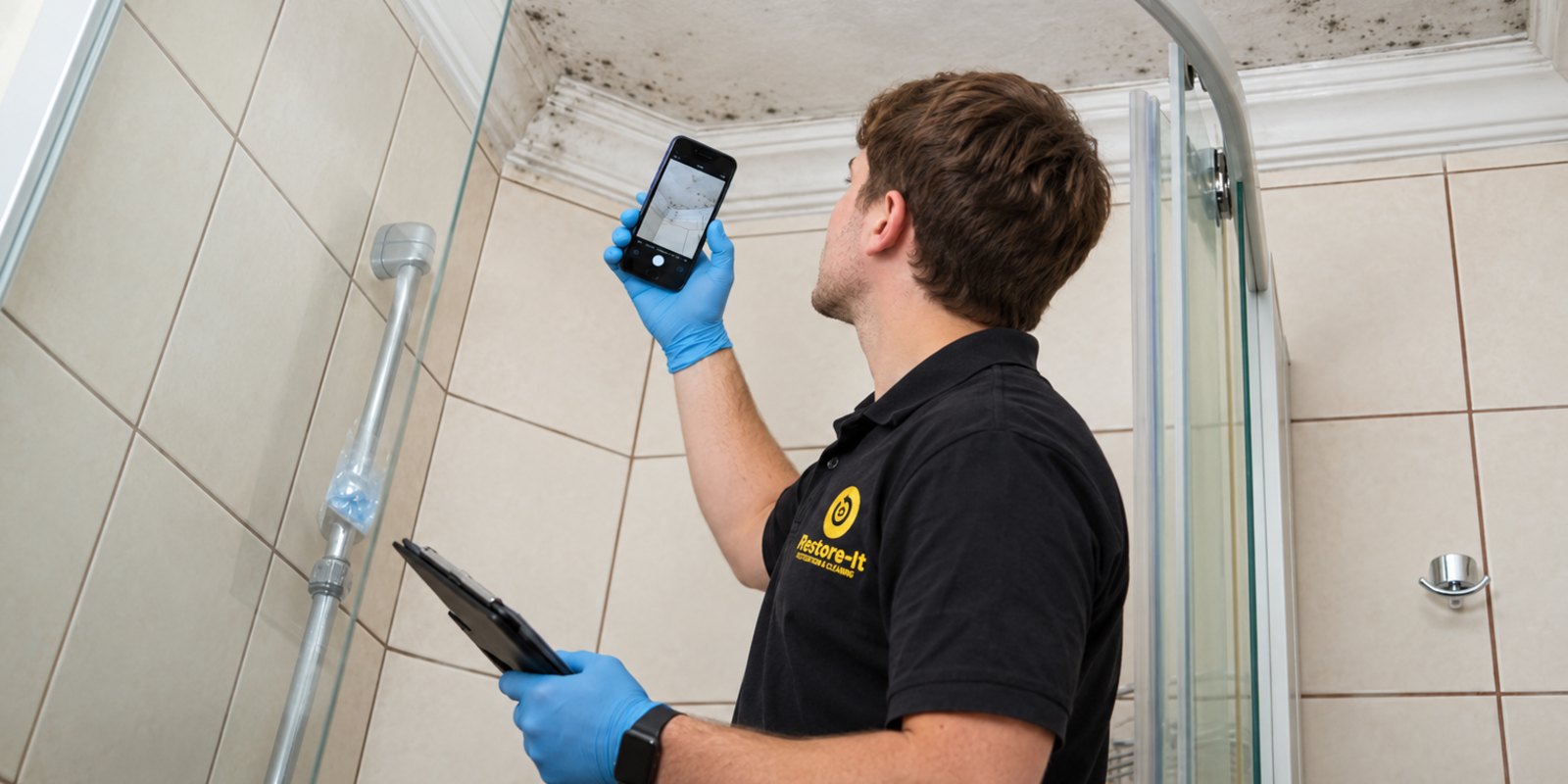
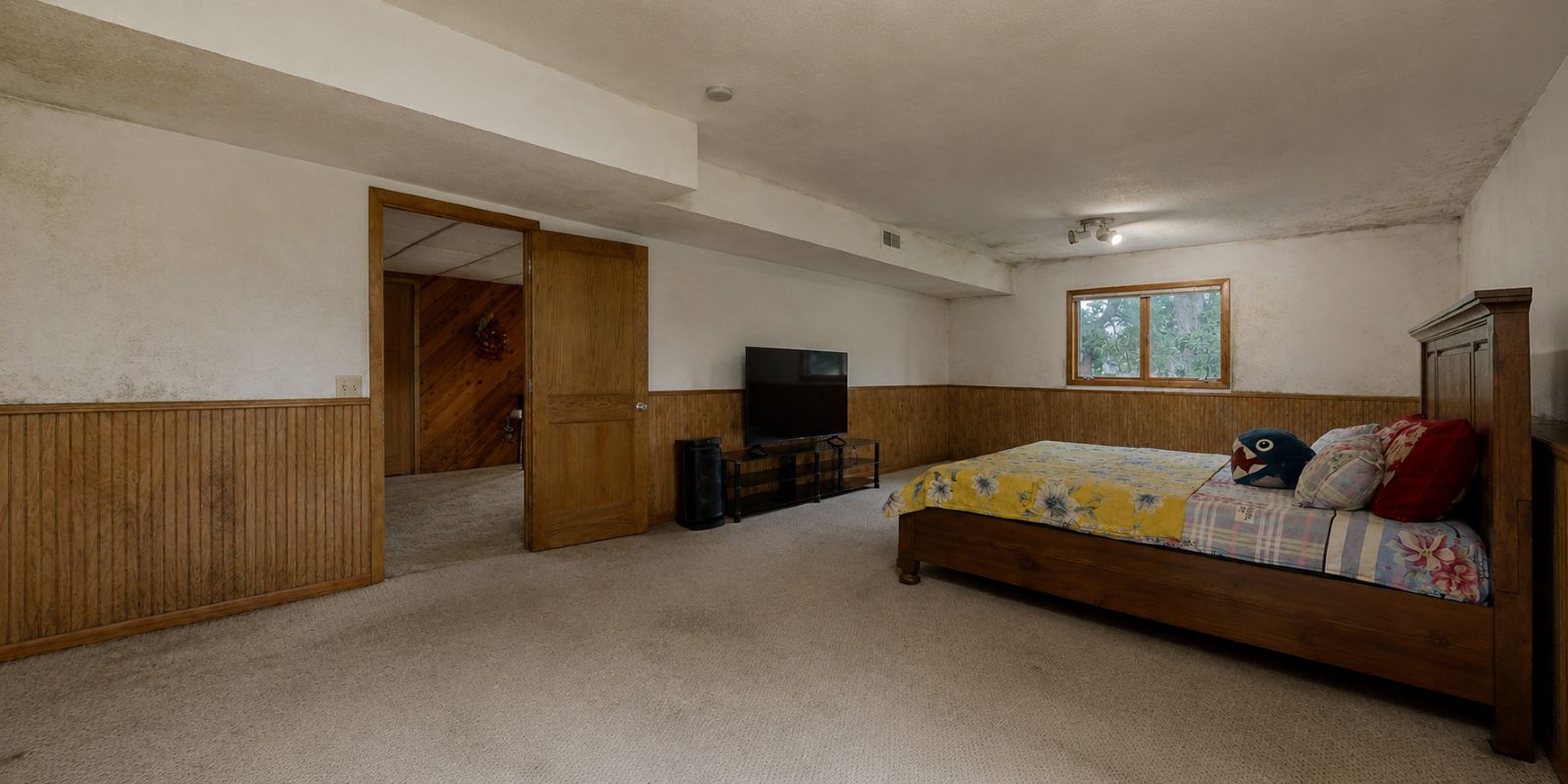
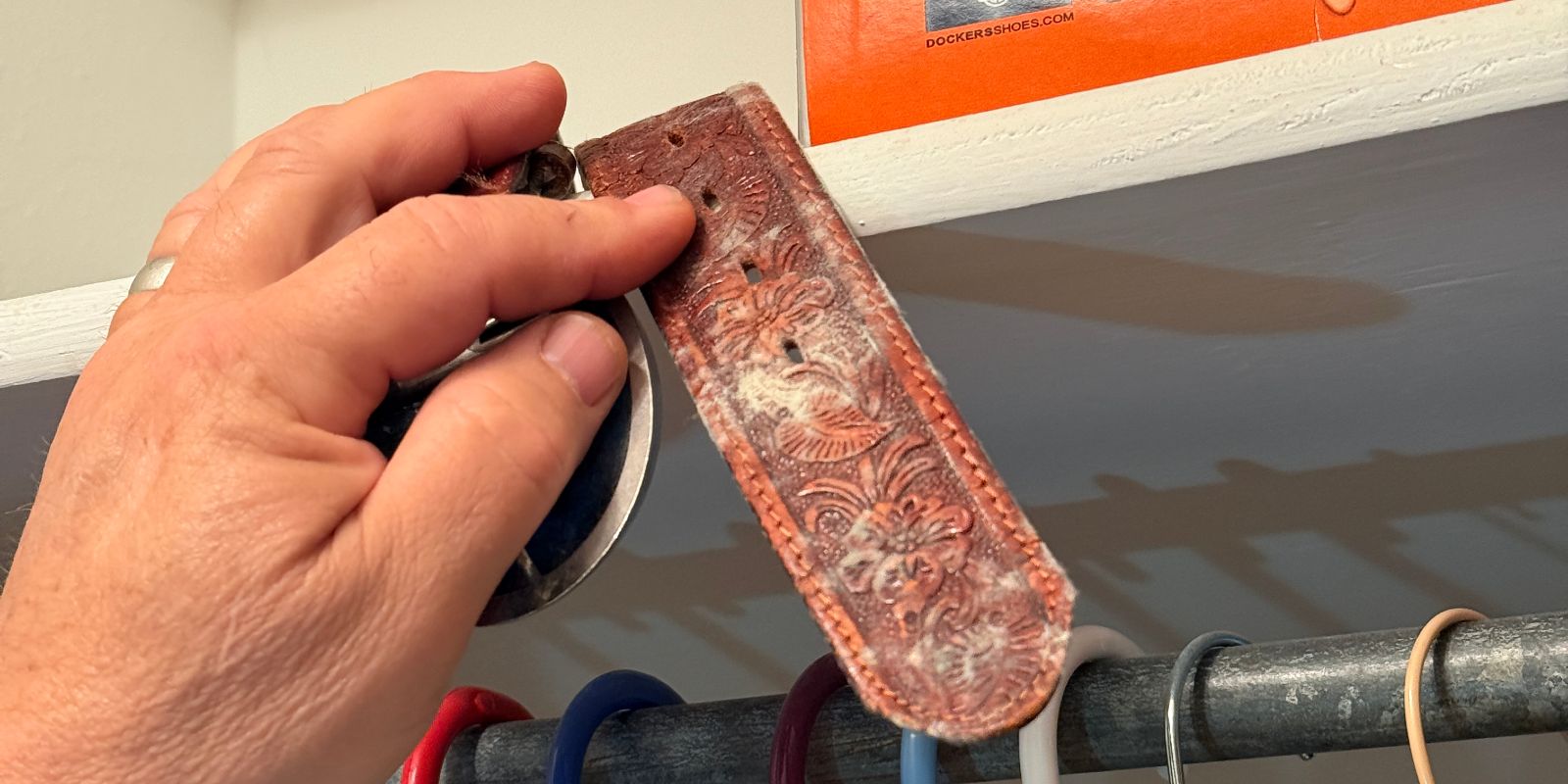
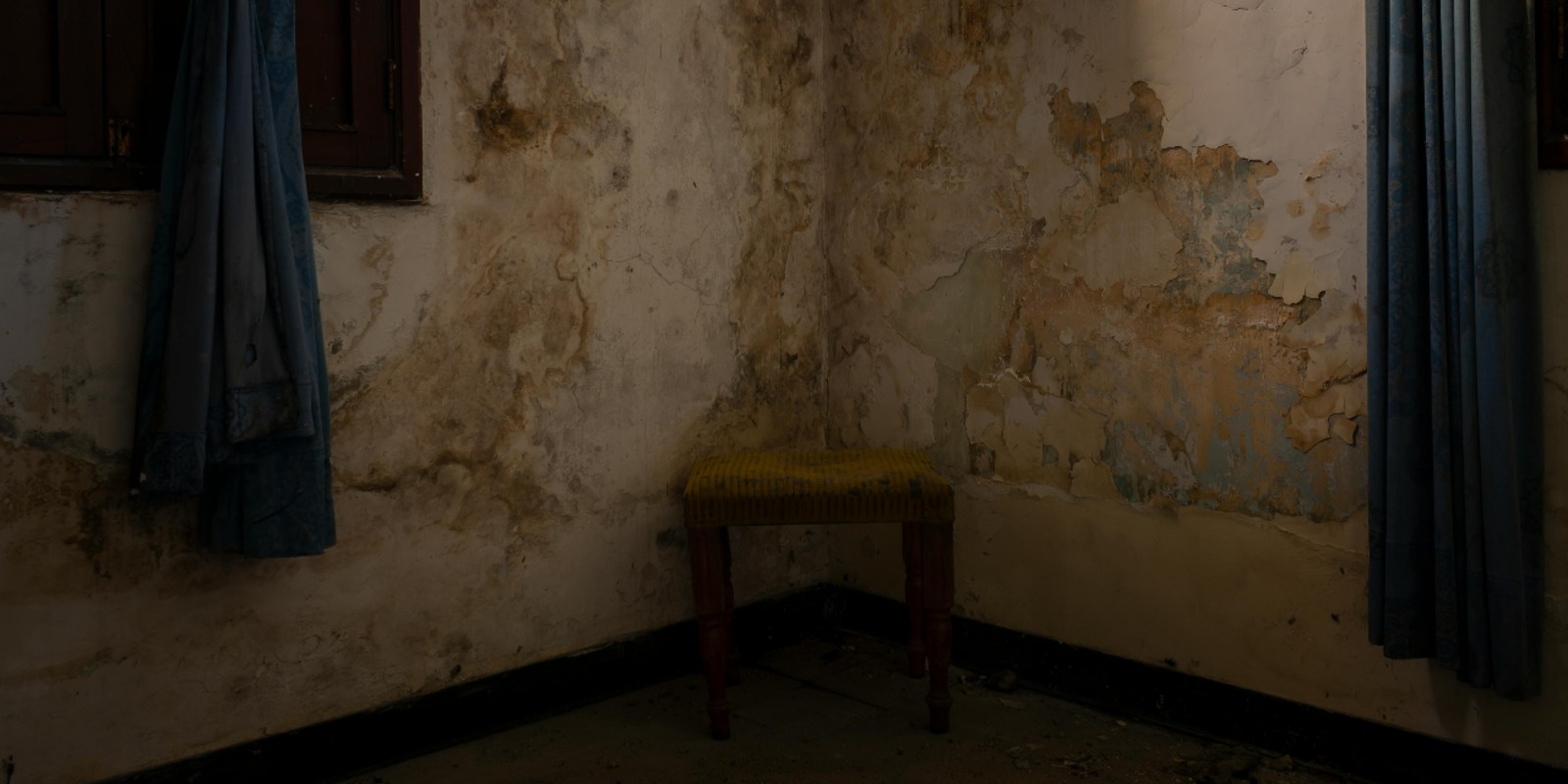
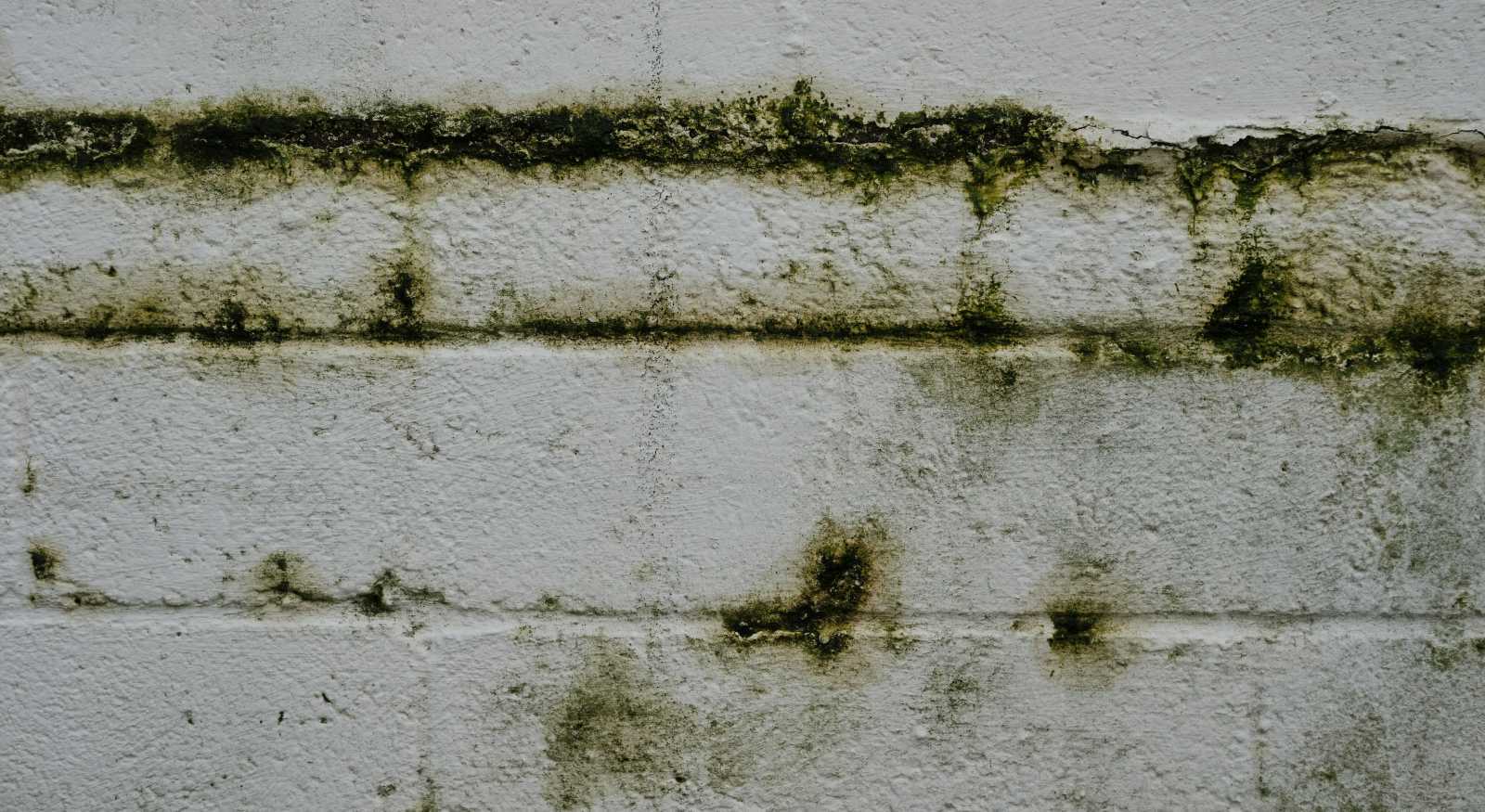
Indoor humidity, along with organic materials (such as drywall and wood), is ideal for mold growth. If left alone, the mold can grow into a large patch, and you might need to hire a professional mold remediation company. Depending on the extent of the damage, the project can involve a lot of man/hours and reach a high price.
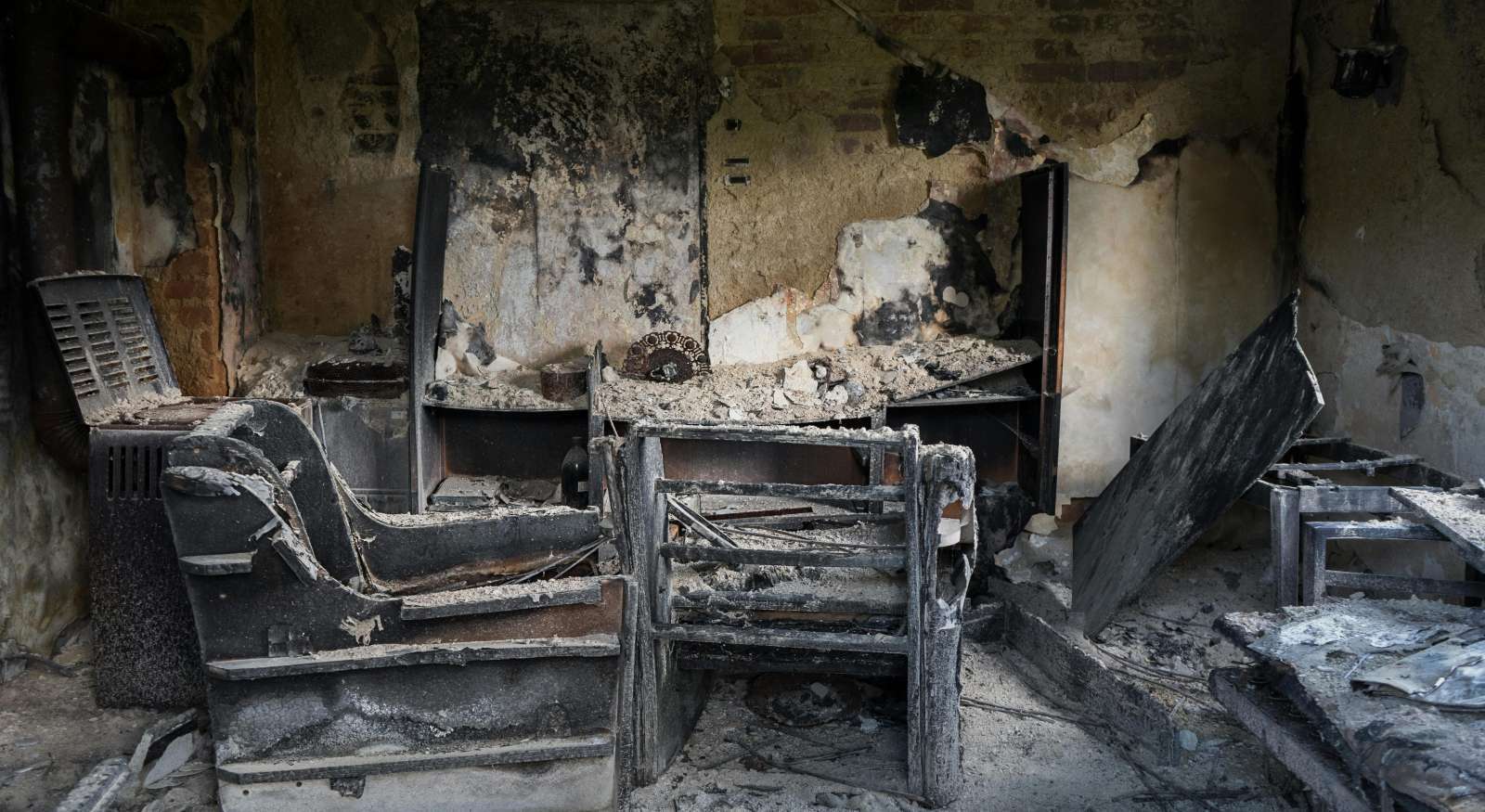
Also, over time, moisture buildup can lead to structural problems, requiring extensive restoration services. Adding to that, you may run into issues with your insurance company if they argue you didn't take steps to show "reasonable care" as a homeowner. If things go south, you will have to foot the restoration bill yourself.
And finally, there is the issue of poor indoor air quality. The U.S. Environmental Protection Agency (EPA) warns that mold spores can trigger allergic reactions, including triggering asthma episodes in sensitive individuals. The Centers for Disease Control and Prevention (CDC) also warns about the adverse side effects of poor indoor air quality on residents.

The Hidden Source: Your Crawl Space
You might be thinking, "Okay, but where is the moisture coming from? My skin is dry!"
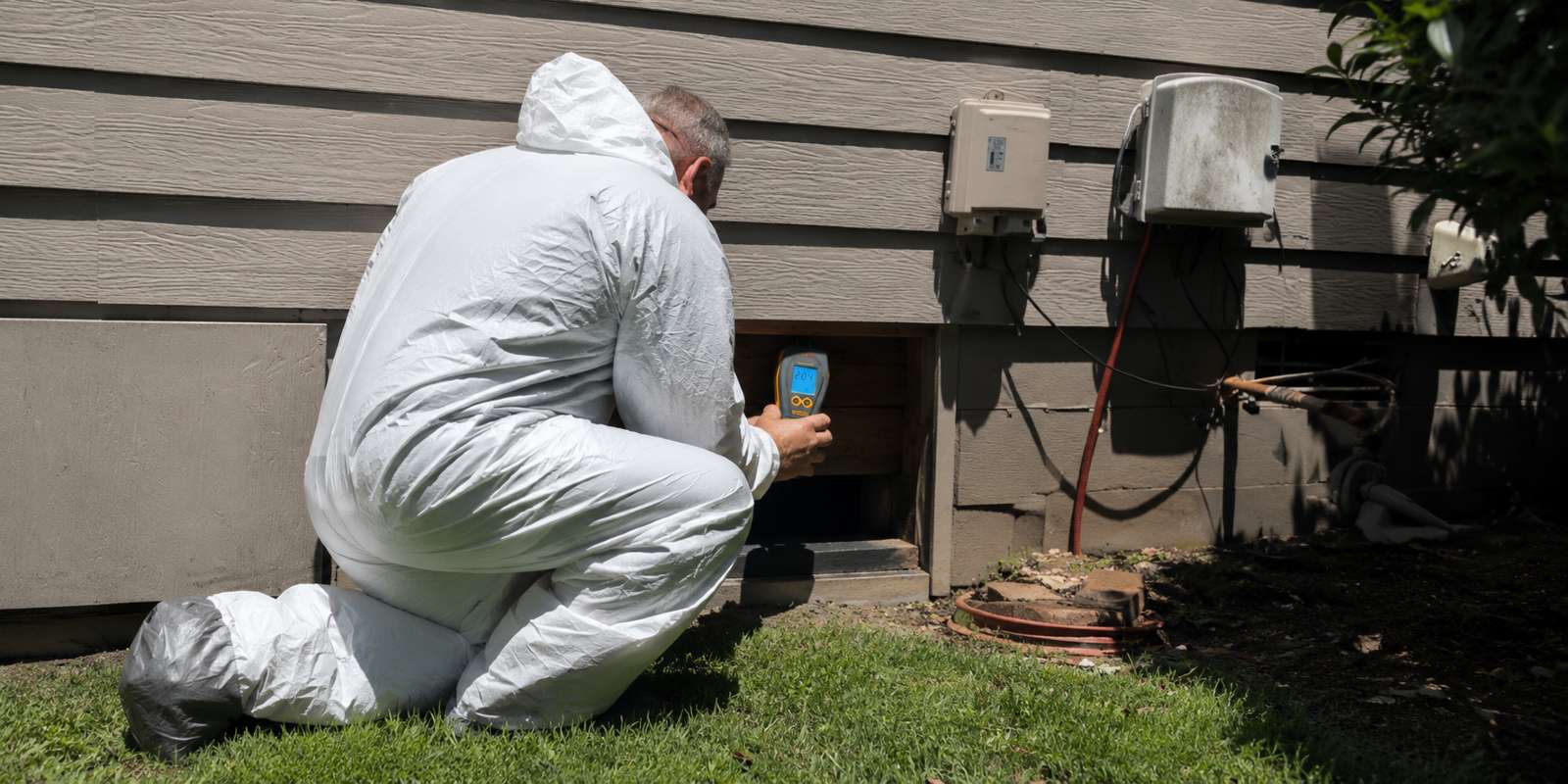
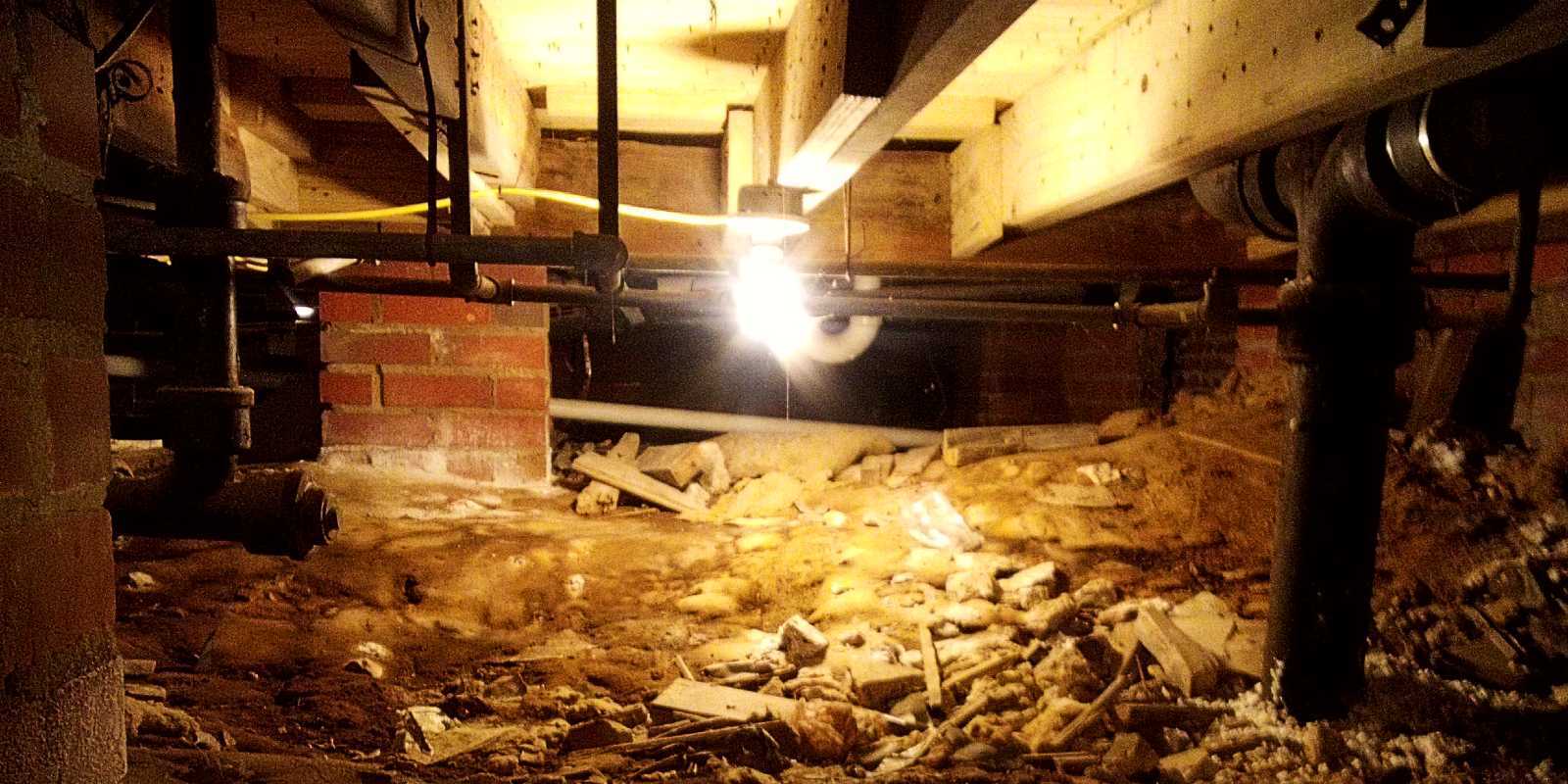
While day-to-day living naturally creates moisture (cooking, showering, and even breathing), a hidden culprit attracts all that humidity inside: your crawl space.
There is a physical phenomenon known as the "stack effect", which we have talked about before in other articles. This basically means that, inside your home, warm air rises to escape through the top, while cold air enters through the lowest point (in this case, your crawl space).
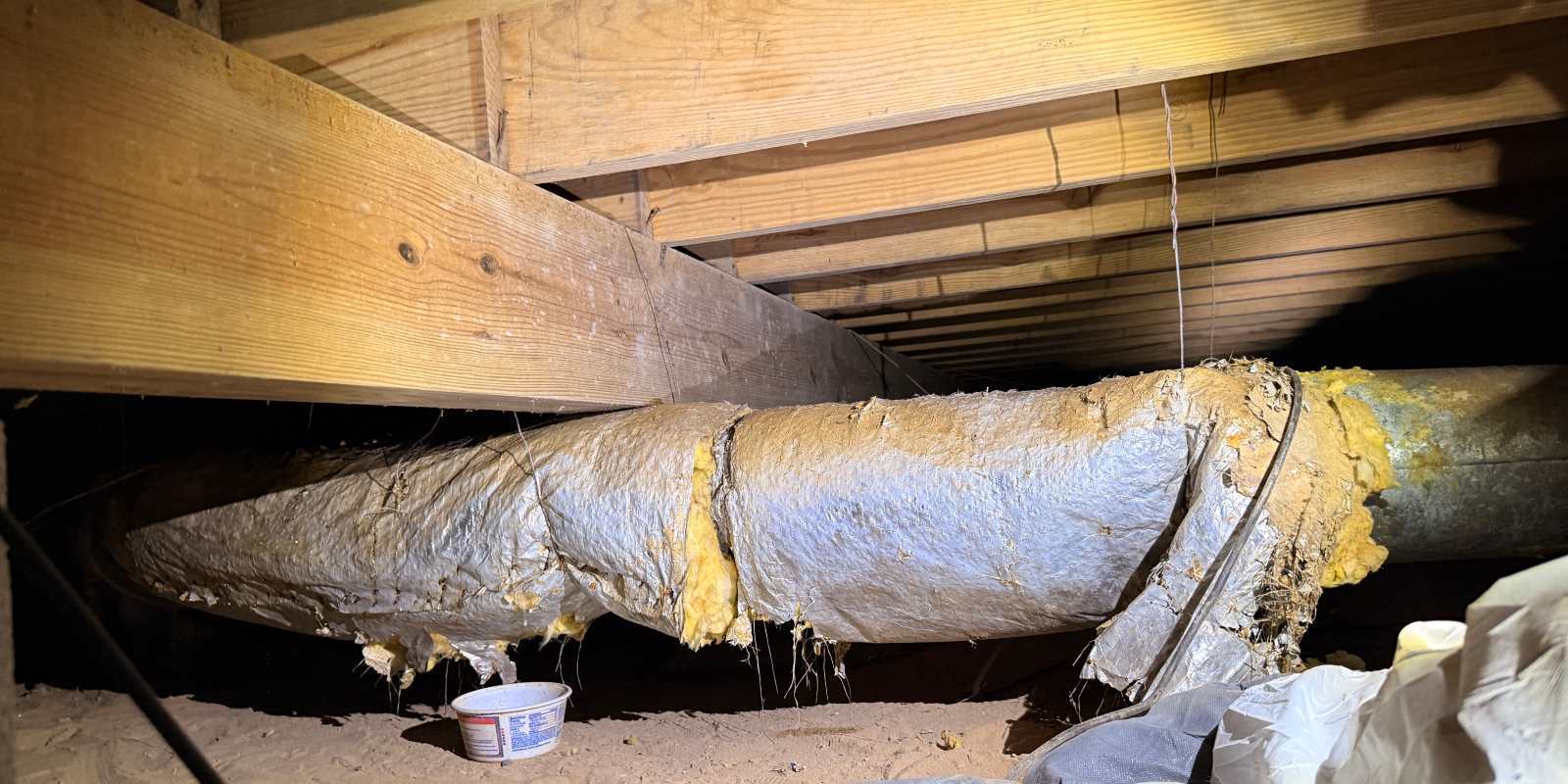
An unencapsulated crawl space without moisture control is a recipe for indoor humidity (and poorer air quality as well). And when this humid air gets warmer inside and then hits your cold windows, you get condensation and all the problems that come with it.

How to Prevent the Issue (Without Freezing)
This isn't a one-step fix. You can't stop breathing or showering, but you can control the condensation.
1. Lower the Indoor Humidity
This might sound odd, but if your skin is dry, and your windows are wet, the humidity is too high for the current temperature.
- Use Vent Fans: Run the exhaust fan whenever showering or cooking.
- Skip the Humidifier: Turn the humidifier down or off during extreme cold snaps. If you suffer from dry skin, consider using moisturizers.
2. Warm Up the Windows
If cold glass is the problem, then the solution is to raise the surface temperature.
- Open the Curtains: Heavy drapes trap cold air against the window. Open them during the day to let the warm room air hit the glass.
- Window Film: Inexpensive plastic shrink-film kits create a dead-air pocket that insulates the glass, significantly reducing condensation.
3. Consider Crawl Space Encapsulation
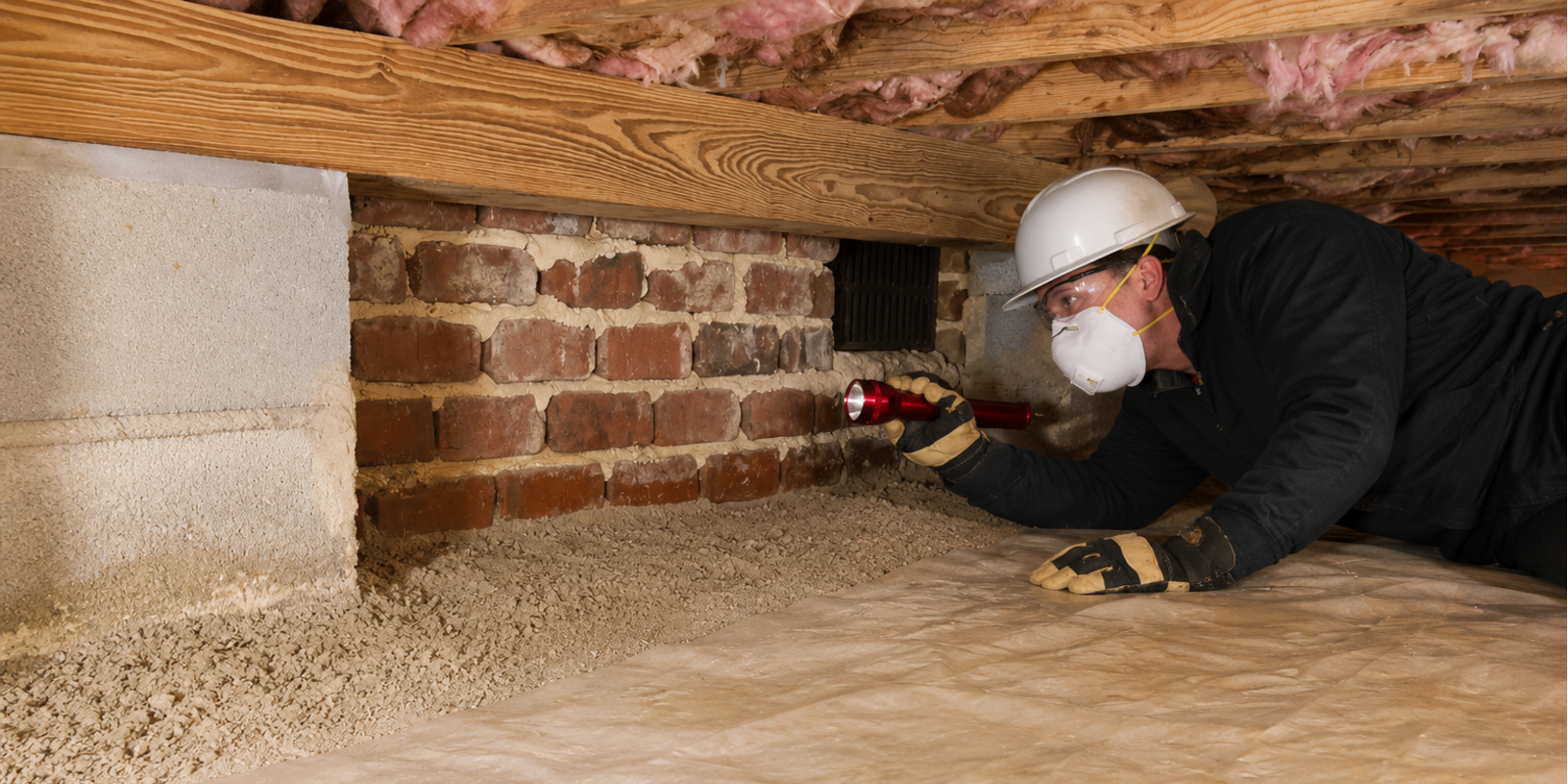
This is the long-term fix. If you are constantly battling condensation, your crawl space is likely the problem. Encapsulating your crawl space involves:
- Sealing vents and gaps
- Installing a vapor barrier
- Adding a dehumidifier
- Adding optional fixtures like a sump pump with french drains

Don't Ignore the Signs, Act Today!
By hiring a professional encapsulation company, you can prevent the stack effect from bringing in humid air and balance your indoor moisture levels.
Your house can feel dry and be too humid at the same time. Cold surfaces, warm, damp air, and your crawl space can cause condensation. Without action, you risk mold, structural damage, and possible health issues.
At Restore-It, we help Arkansas homeowners solve problems just like this one every winter. If you are dealing with persistent condensation or suspect your crawl space is to blame, you can contact us for a complete assessment.

Your next step is to check our Guide on Professional Crawl Space Encapsulation. It's free and you can download it to read it on the go!