

Homeownership costs, including insurance premiums and repair and material expenses, are on the rise. However, that is not the primary focus of this discussion.
This is about budgeting for the upcoming year. More specifically, how to budget for home maintenance. After all, your property is your biggest investment, and you want to protect it.
Maybe you think of skipping the HVAC tune-up, pushing off a roof inspection, or hoping your old water heater will last "one more year." But what feels like savings today can turn into huge expenses in the future. In our work at Restore-It, we have met homeowners who didn't invest in maintenance and ended up paying for their mistake.
In this article, we want to give you a clear, numbers-based way to plan your 2026 home maintenance budget for your South Arkansas home. You will learn how much money many experts recommend you set aside, how to prioritize your spending for the best return on investment, and when it makes sense to call in professional restoration help if prevention falls short.
How to Budget For Home Maintenance In 2026?
Experts previously suggested setting aside 1% of a home's value annually for maintenance as a minimum. This baseline has become more flexible due to various factors; most now advise budgeting 1% to 4%, with 2% to 4% being a safer range, especially for older properties or those in areas with higher costs.
Usually, a typical breakdown of savings looks like this:
- Newer homes (under ~10 years old): 1–2% of home value per year.
- Older homes (20–30+ years): 2–4% of home value per year.
For a $250,000 home, that means:
- Low end (1%): $2,500 per year
- More conservative 2026 range (2–4%): $5,000–$10,000 per year
While this may sound like a lot, this pot covers preventive maintenance checks and unplanned repairs. Plus, it's unlikely you'll spend the full amount every year, but consistent savings can help you address bigger issues when they arise.
Next, we will teach you how to allocate those funds to get the highest Return on Investment (ROI).
Investment 1: Crawl Space Maintenance vs Flooding Repair
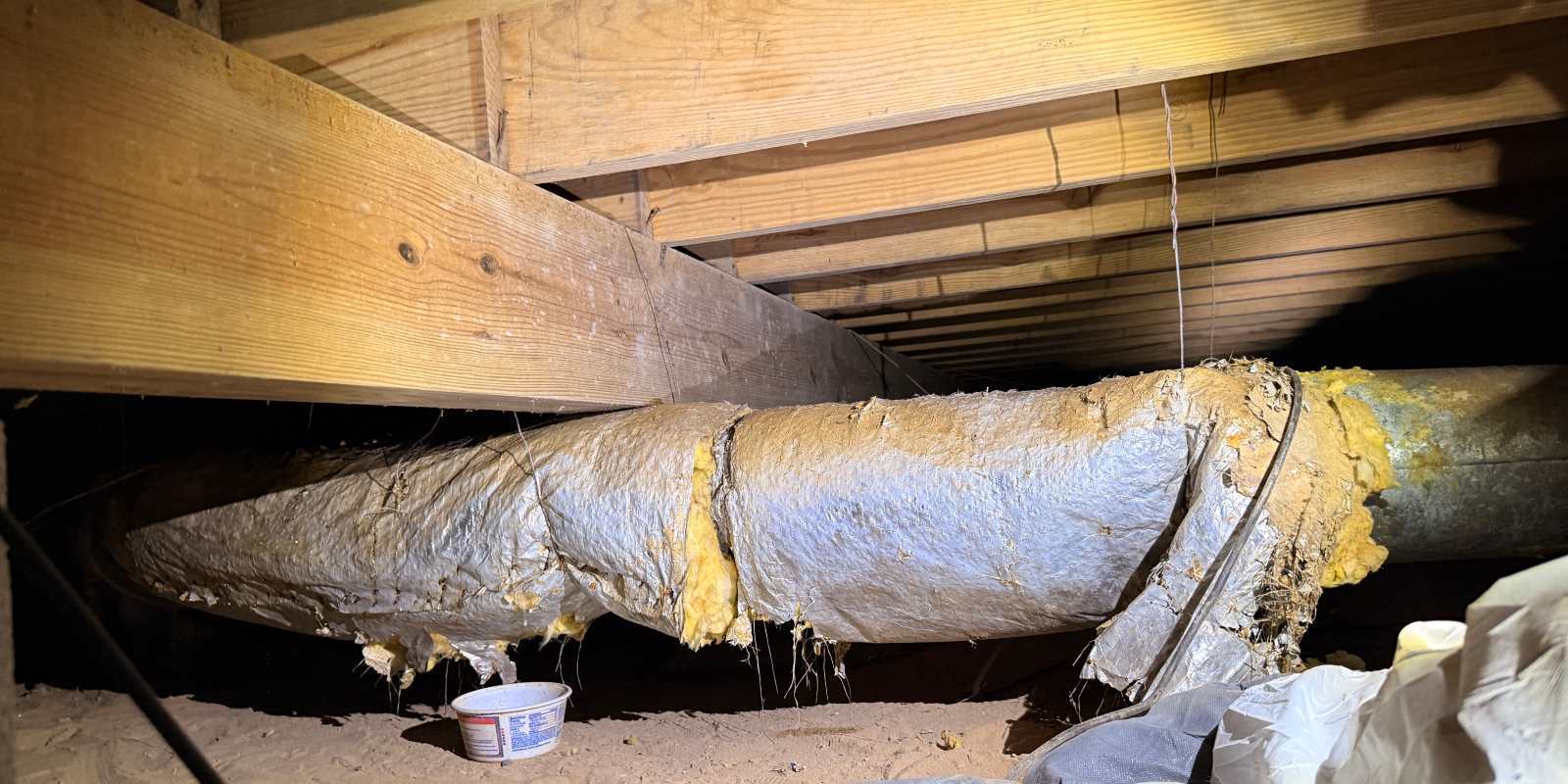
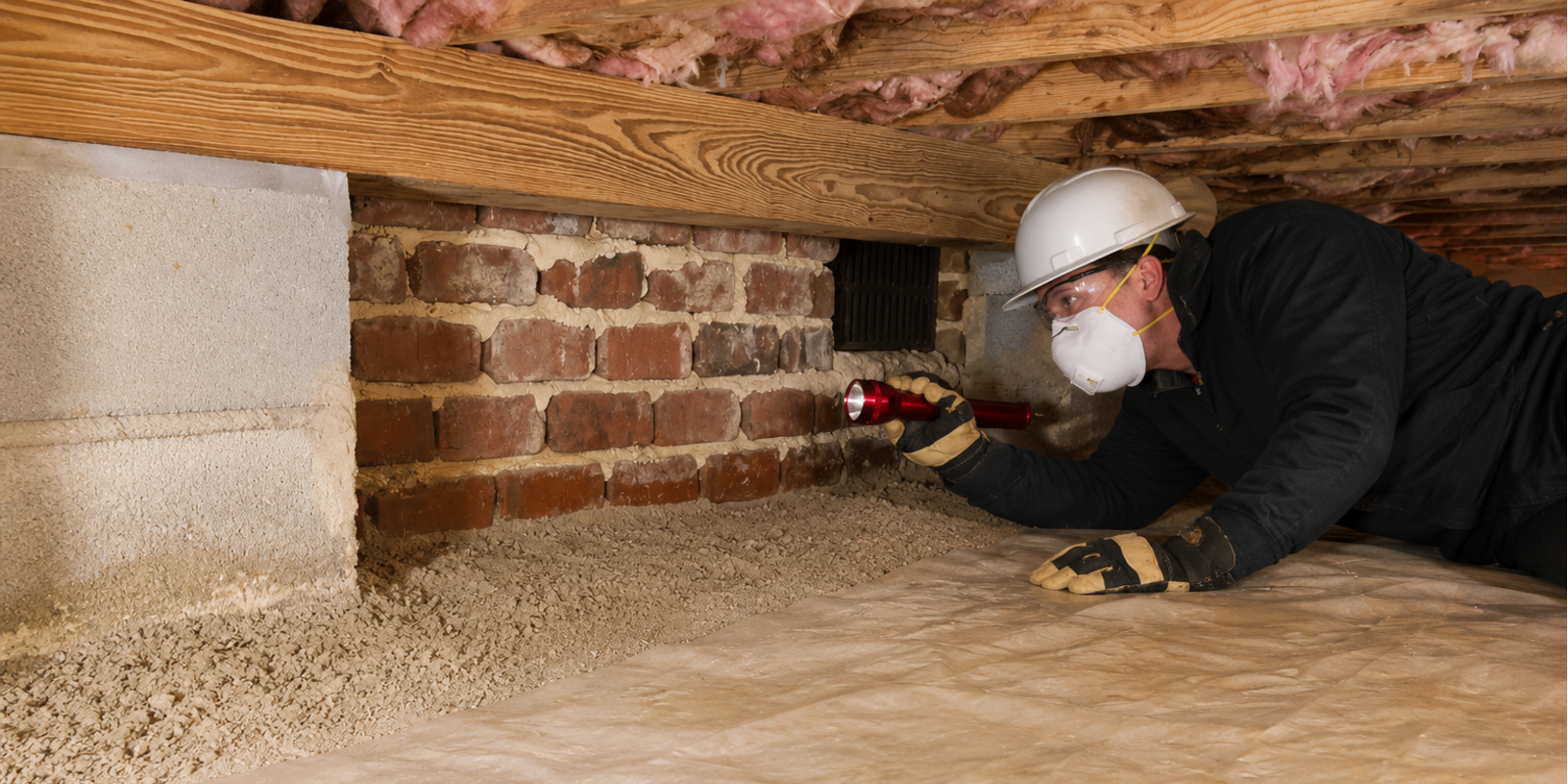
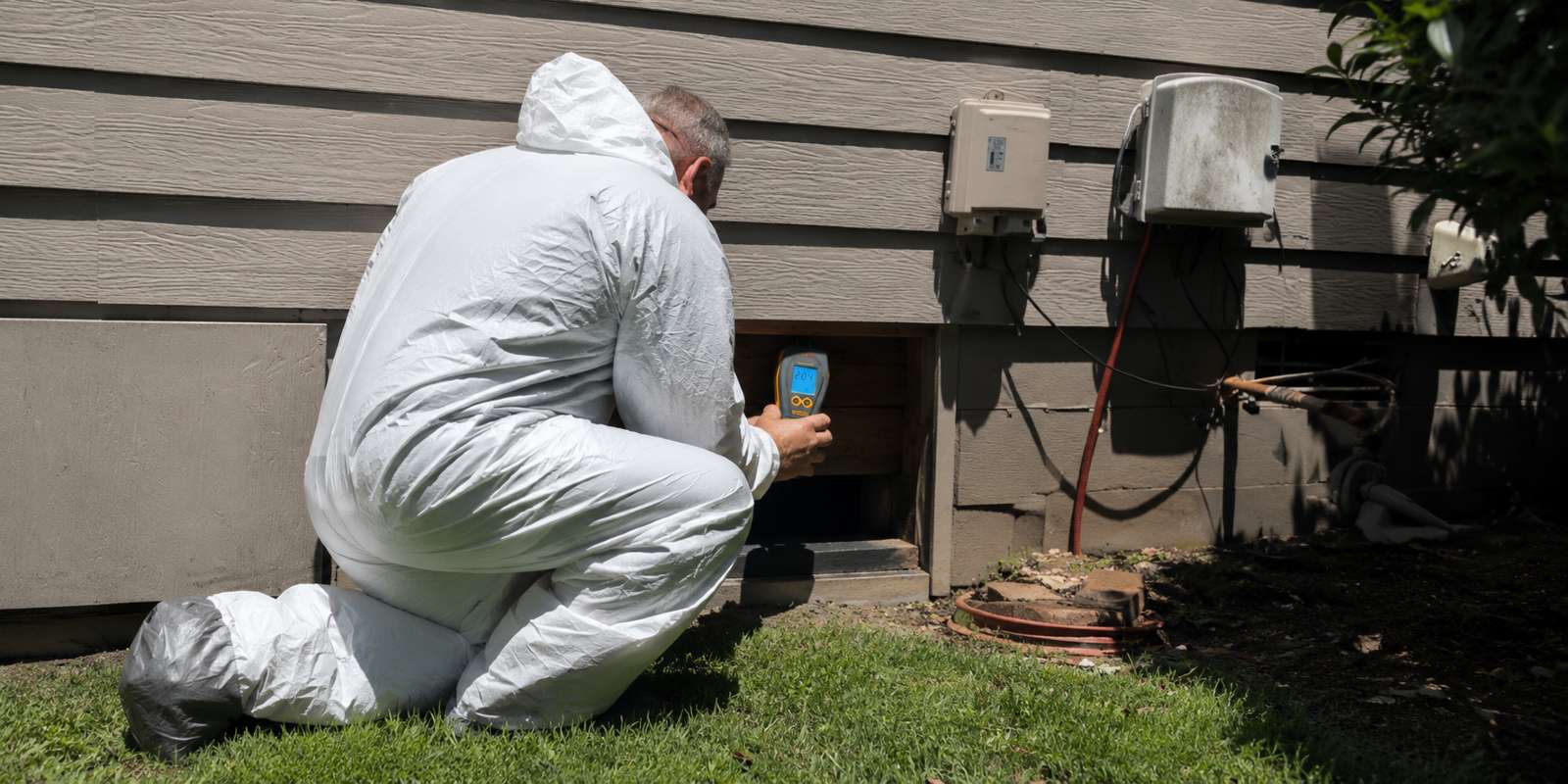
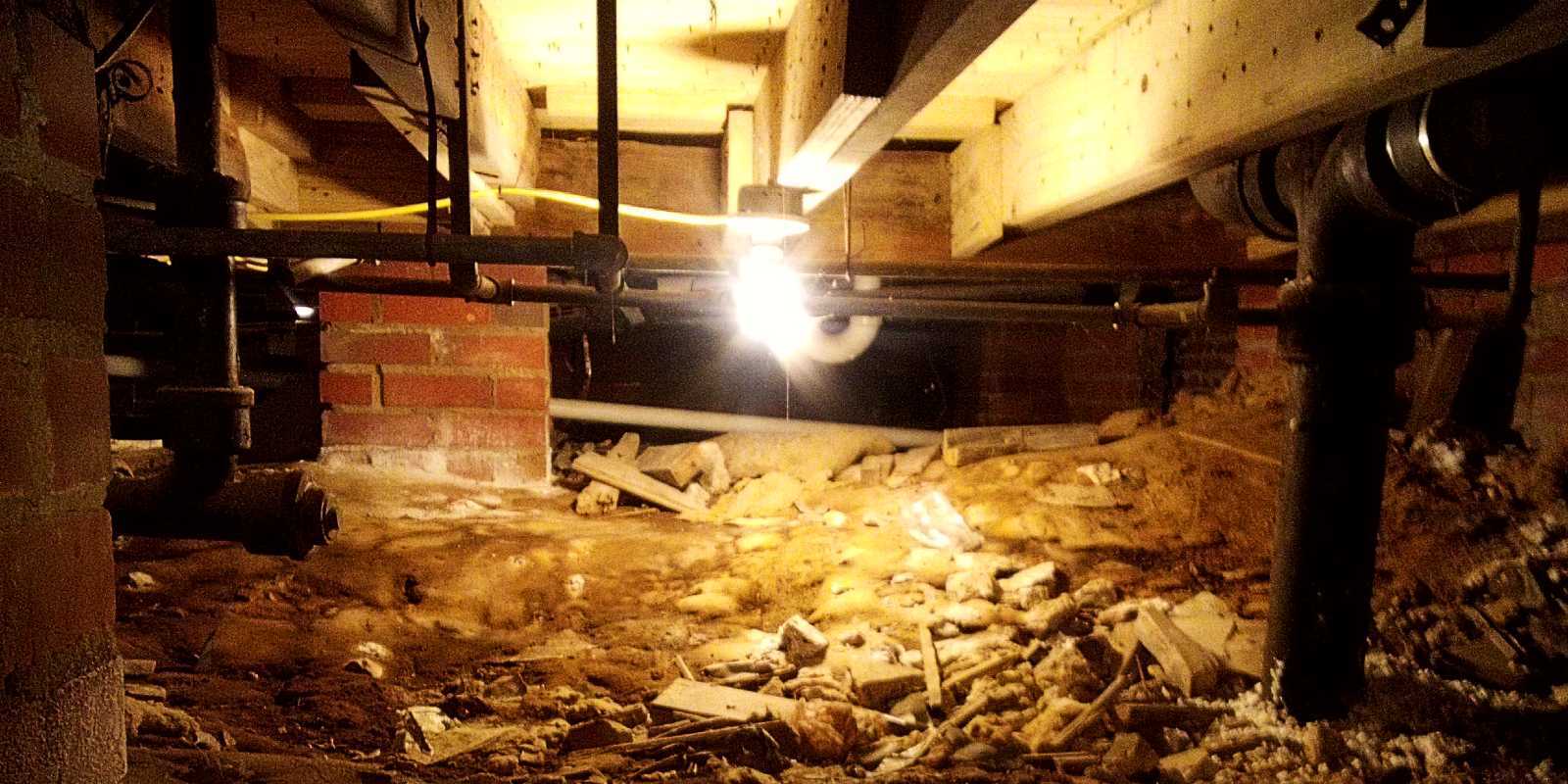
If you made the wise choice to encapsulate your crawl space, you are already seeing savings on your energy bills and improved indoor air quality. However, this isn't a one-and-done operation: you should schedule maintenance at least once a year.
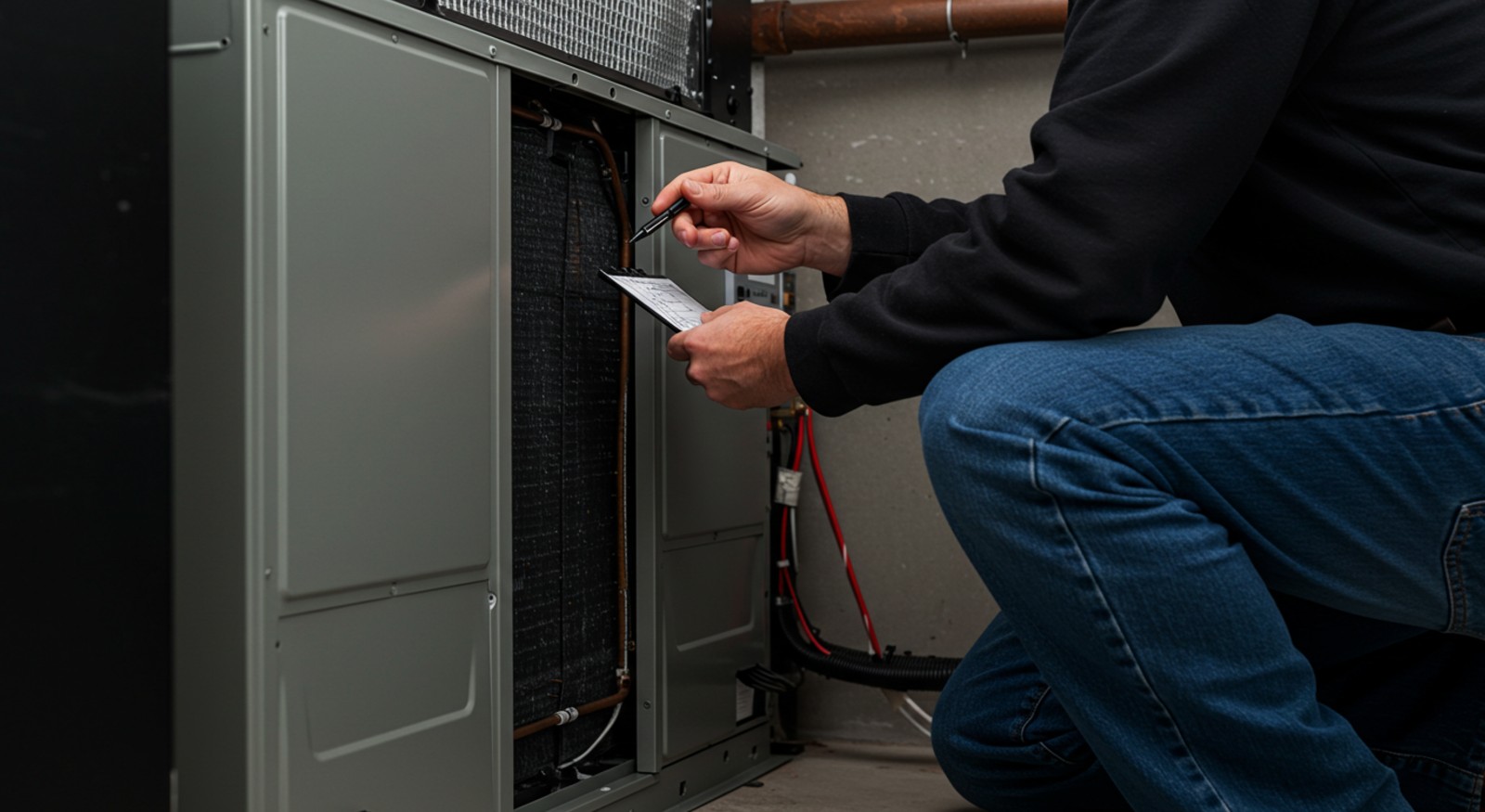
- The Maintenance Cost: A professional inspection and maintenance service will include changing the dehumidifier filter, cleaning the condensation line, checking the sump pump, cleaning the line, changing the batteries in the remote monitoring, and any other changes needed in the system. At Restore-It, we charge a minimum of $250, with higher prices for larger square footage.
- The Disaster Cost: If your dehumidifier or sump pump malfunctions during heavy rain, it can result in average cleanup costs of $2,500 or more. The exact price depends on the situation, but a key factor is the duration the damage remains unaddressed.
In summary, you can pay around 10 years of annual maintenance for the cost of one single flood. If you haven't yet encapsulated your crawl space, check our article here.
Investment 2: Water Heater Maintenance vs Burst Tank
Your water heater quietly works every day, but sediment buildup and corrosion can turn it into a big water risk.
- The Maintenance Cost: Flushing your water heater with a professional plumber typically ranges from $110 to $200 (in line with the national average of $160). This removes sediment and extends the unit's life.
- The Disaster Cost: An aging or neglected water heater can leak slowly or fail suddenly. A burst water heater can release 40 to 50 gallons of water instantly, then continue flowing until it's shut off. The price for a small water damage restoration project can start at $3500. A medium job starts at $12,000. Larger ones can cost $35,000 or more. And this is discounting the price of a new heater.
The math is simple: investing in a $160 flush can save you from a catastrophic flood that could cost you thousands. Learn more about Restore-It water damage restoration pricing in this article.
Investment 3: Roof Inspection vs Leaks and Mold
Roof problems are easy to ignore until a stain appears on the ceiling. By that point, it may be too late, and the damage may have spread around.
- The Maintenance Cost: A professional roof inspection typically costs between $125 to $400, depending on roof size, pitch, and access. An inspector will check flashings, pipe boots, and the condition of shingles. Minor repairs, like caulking a flashing or replacing a "pipe boot," might cost a few hundred dollars extra.
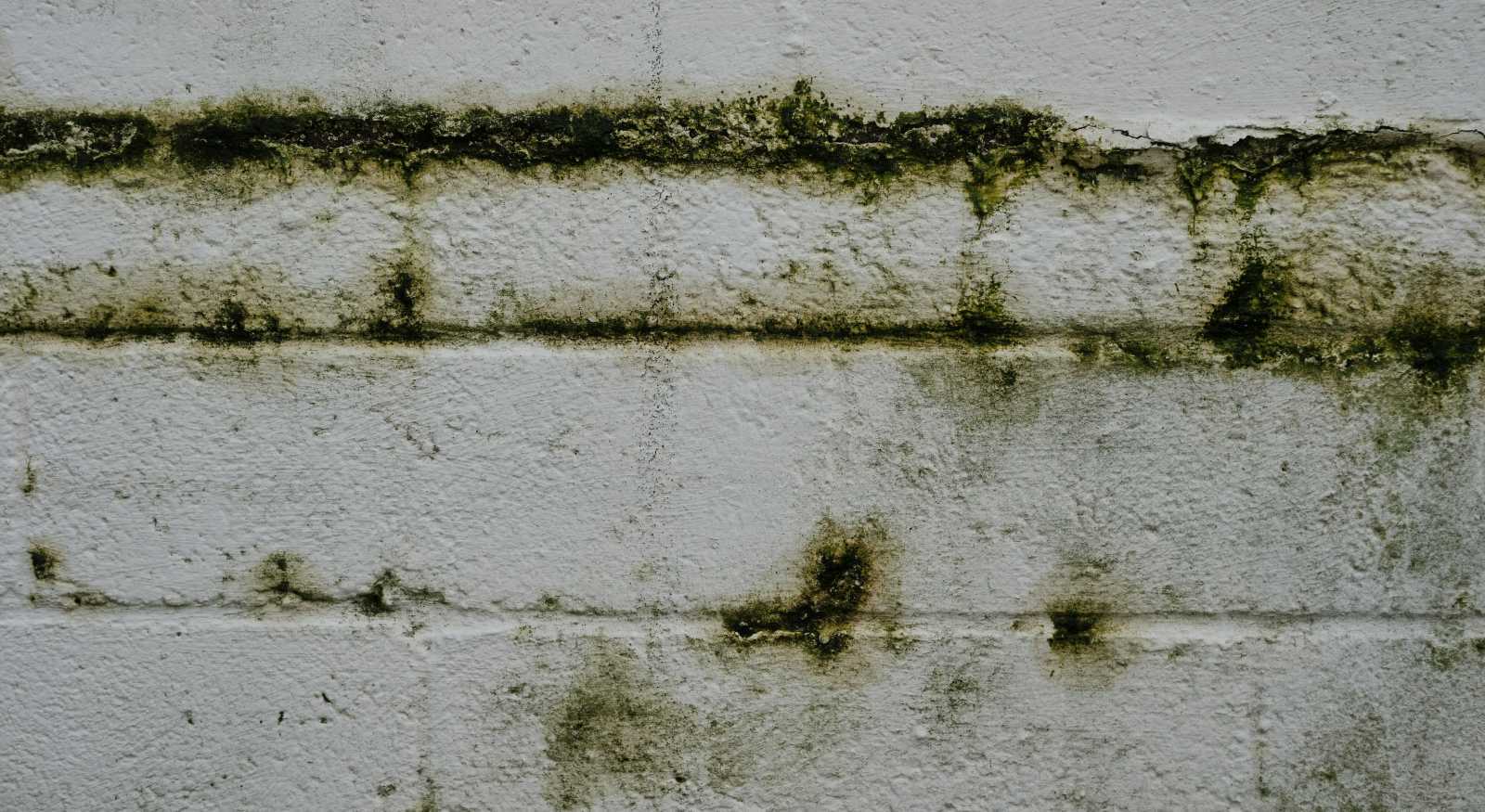
- The Disaster Cost: Depending on the extent of damage, total costs may include roof repair or partial replacement, interior water-damage restoration, and mold remediation. These combined projects often fall into the several-thousand-dollar to five-figure range for cases with severe damage.
Finding a leak early changes a five-figure renovation into a three-figure repair.
Investment 4: Smart Leak Detection
So this is more like a one-off prevention measure. Smart leak detection is one of the most powerful upgrades you can plan.
- The Maintenance Cost: A basic leak sensor placed under appliances or in basements (w/o shutoff) can cost you under $100 per sensor. On the other hand, whole-home smart water monitors with automatic shutoff valves usually start at $400. Professional installation can range from a few hundred dollars to around $1,500, depending on your plumbing layout and local labor costs.
- The Disaster Cost: Water damage payouts typically range from $7,000 to $12,514. This range is determined by several factors, including the severity of the damage, the overall repair costs, and the extent of the insurance coverage. In addition to the direct repair costs, large claims can increase your premiums, add deductibles, and create long-term financial stress.
The recommendation is clear: save your money and your peace of mind by getting smart leak detectors. Some insurers report premium discounts or bill credits when homeowners install an automatic shutoff device. Discounts vary by carrier and state, so you need to confirm details with your own agent.
How To Rank Investments For Your 2026 Home Budget
You may not be able to do everything in one year. When prioritizing, consider:
- Your home's age and condition: Older roofs, original water heaters, and aging plumbing can spell trouble in the future.
- Your specific layout: Having a crawl space, laundry on upper floors, and multiple bathrooms above living areas increases the risk of water damage.
- Your risk tolerance and cash reserves: You can pay more up front to have peace of mind or accept some level of risk.
A practical way to think about it for 2026:
Must-have preventive items (high priority):
- Crawl space maintenance
- Water heater flushing and inspection
- Roof inspections on an appropriate schedule
Strong “next step” investments:
- Smart leak detectors (sensors and/or whole-home shutoff)
- Targeted waterproofing improvements in basements and crawl spaces
Always-on tasks:
- Keeping gutters clear
- Watching for damp smells, stains, or peeling paint
- Reviewing your insurance coverage for water damage, sewer backup, and flood exclusions
The Takeaway for Your 2026 Budget
A clear 2026 home maintenance budget helps you turn scary, unpredictable disasters into manageable, planned expenses. If you came here thinking, "How much should I set aside to prevent costly home repairs?", we hope this article has helped you find an answer.
As a professional cleaning and restoration company, we at Restore-It know how important prevention is to avoid big losses. Now, your next step is to learn what to do when disaster strikes. Check our article on what to do when you find water damage in your home.
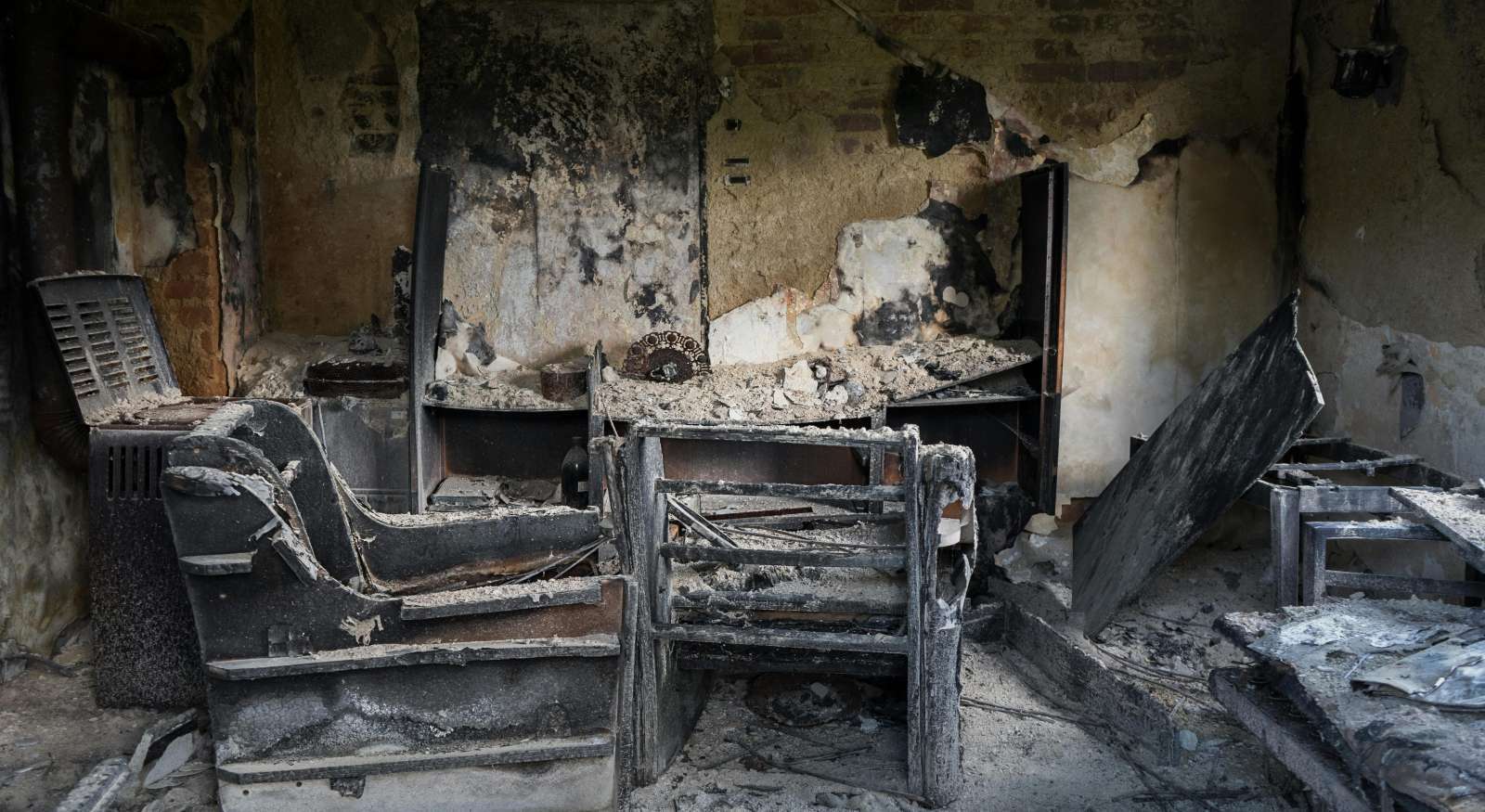
If you are already dealing with water damage, mold concerns, or other home disasters despite your best efforts, call Restore-It now. Our team is ready 24/7 to provide emergency restoration services when you need them.