
You wake up with allergies. Sometimes you get headaches. But you have noticed that you feel better when you are at work or visiting friends or relatives. What if the culprit behind your symptoms isn't some mysterious disease but your home itself? Or, to be more precise, your indoor quality. If you suspect indoor mold, the issue might be more serious than you think, depending on your case.
As an IICRC-certified mold remediation company with over a decade of experience, we meet many homeowners in this exact situation. Most people focus only on the visible mold, unaware that there may be even more toxic contaminants at play.
In this article, you will learn about mold spores and mycotoxins, what current research says about mold-related health risks, and how professional mold remediation companies handle these problems. So, let's get started!
What Are Mold Spores?
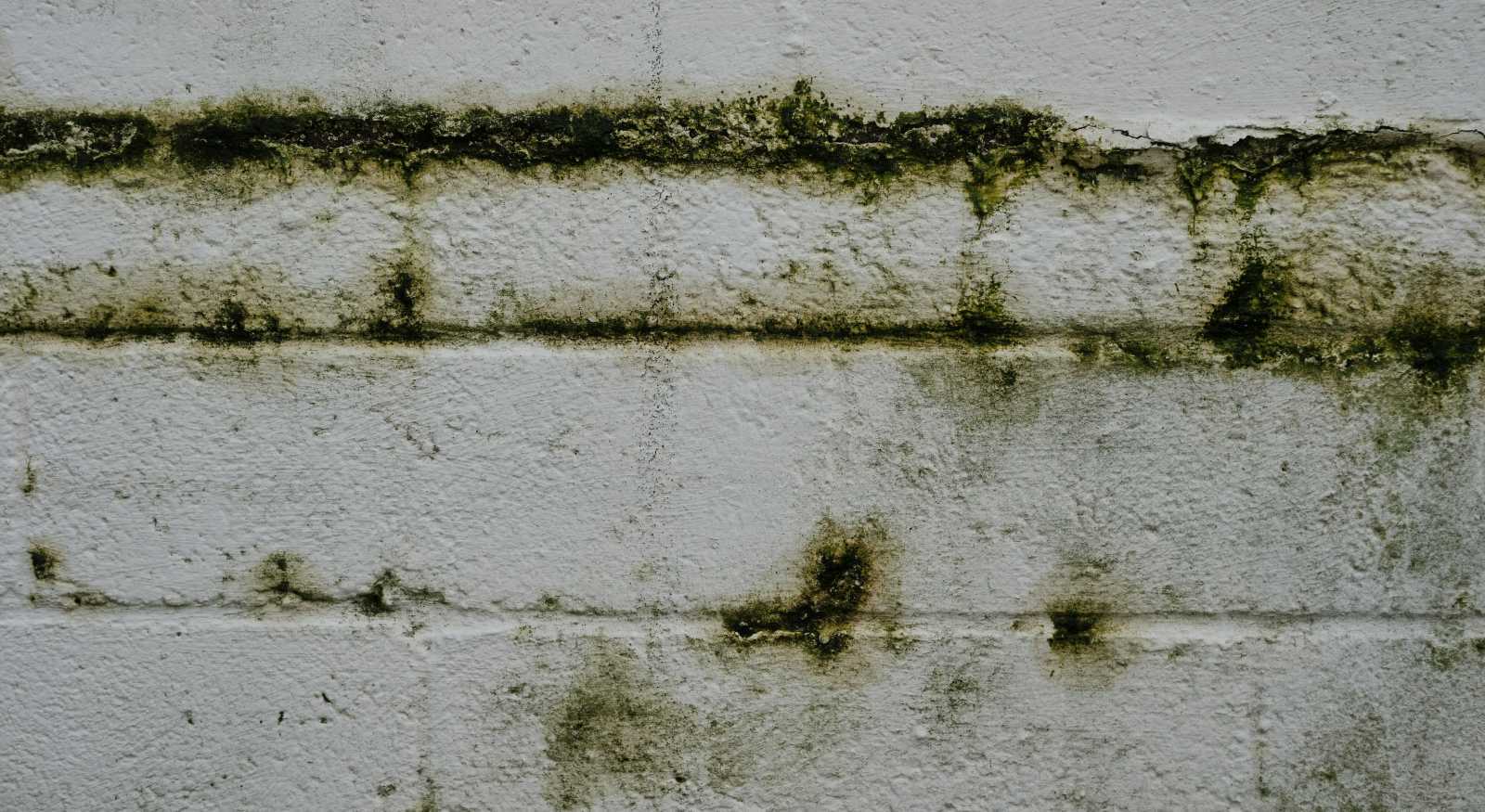
Mold is a type of fungus that reproduces by releasing spores, which are tiny particles that travel through the air. These spores are everywhere: outside and inside your home. Typical sizes range from about 1 to 40 microns, far smaller than a human hair. Mold spores are not a problem so long as they don't start to multiply out of control.
The Environmental Protection Agency (EPA) warns that when mold spores land on humid or wet materials, they can grow into a colony. This can damage building materials and cause health problems for occupants.
Common mold-related symptoms include:
- Sneezing, runny or stuffy nose
- Itchy or watery eyes
- Coughing or wheezing, especially in people with asthma
- Skin rashes or irritation
For many families, this is the main mold story: spores, growth on damp surfaces, and they experience allergies or asthma-like symptoms.

What Are Mycotoxins?
If you thought mold spores were terrible, we've got some bad news. Some (but not all!) molds can produce mycotoxins, toxic chemicals. They can end up in the surrounding environment, wreaking havoc indoors.
Here are some key details to know about mycotoxins:
- They are chemical compounds, not spores.
- They can be tiny, sometimes as small as 0.1 microns, and are often attached to larger particles, including spores and mold fragments.
- They are not alive but can affect living organisms.
Research in buildings with significant mold problems has found mycotoxins associated with airborne particles and surface dust. This is why remediation professionals care about both visible growth and the much smaller particles and residues that can remain after growth has been disturbed.

How Mold and Mycotoxins Can Affect Your Health
Now, you might be scared after reading about this toxic mold. But hold on. There is some nuance to this topic that we need to discuss before we continue. In fact, major public health agencies are cautious when talking about mold-related health issues.
- The EPA and CDC say that the most clearly established health effects of indoor mold are allergic and irritant symptoms and asthma attacks or worsening asthma in sensitive people.
- Both acknowledge that mold can produce potentially toxic substances (mycotoxins), but emphasize that symptoms beyond allergies and irritation are less commonly reported and that research is ongoing.
At the same time, scientific studies and case reports from damp, mold-contaminated buildings have described people reporting:
- Chronic fatigue
- Difficulty concentrating or "brain fog"
- Headaches, dizziness, or mood changes
- Persistent respiratory symptoms even after leaving the building
These studies suggest that mycotoxins and other mold-related compounds may contribute to broader health problems in certain situations. Still, they also highlight that exposure levels, individual susceptibility, and the exact mechanisms remain under investigation.
If you’re experiencing persistent or severe symptoms, we strongly recommend that you talk with a healthcare professional.

Why "Dead" Mold is Still a Problem
A common misconception is: "If the mold is dry and dead, then it’s safe." Guidance from the EPA, OSHA, and state health departments directly contradicts this. They note that:
- Both live and dead mold spores and fragments can still cause allergic reactions in sensitive people.
- Simply killing mold with a biocide (like bleach) is not enough; the mold and contaminated dust must be physically removed.
How Professionals Address Mycotoxins
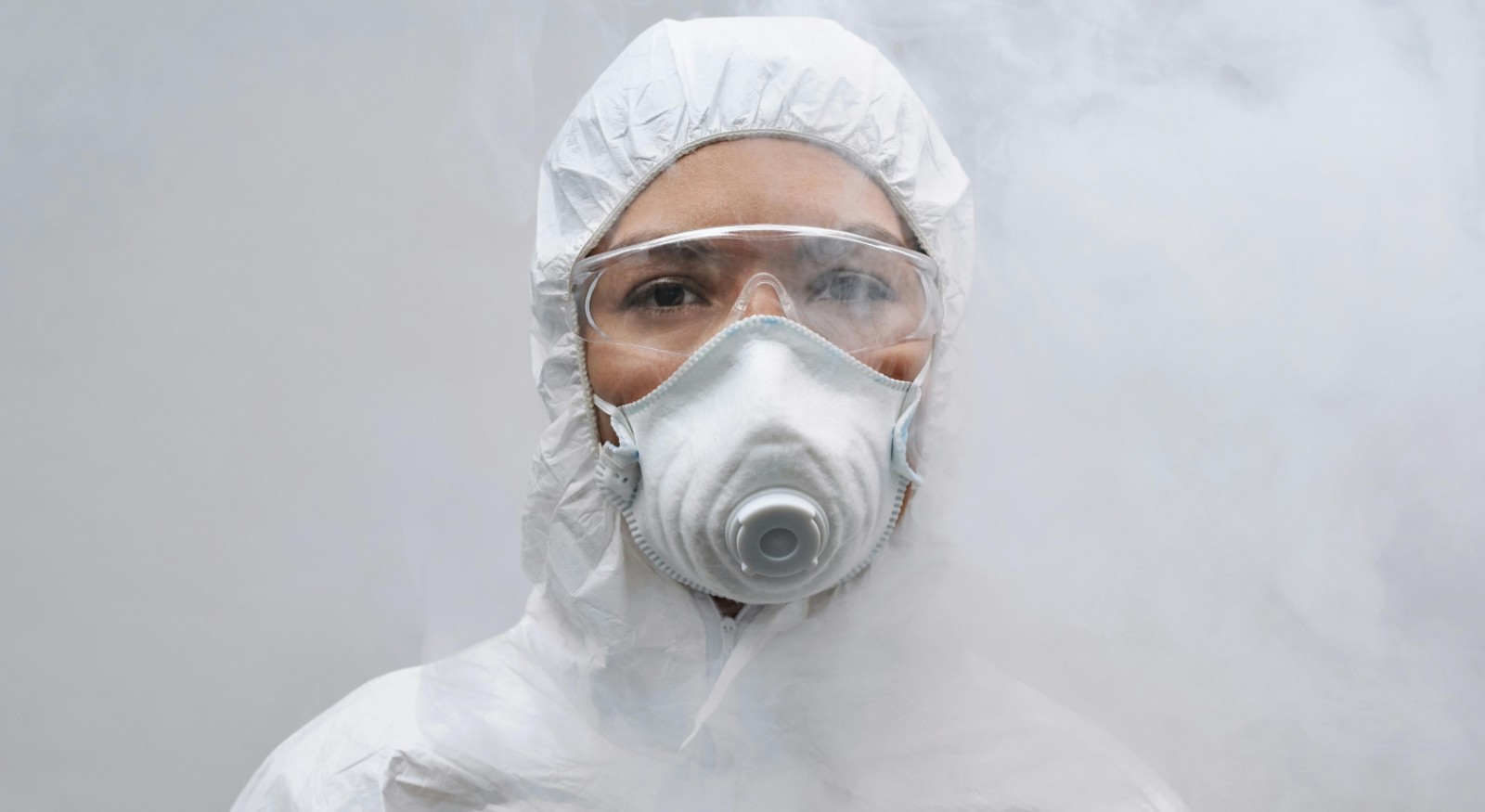
Professional restoration and remediation companies follow the standards set by the Institute of Inspection Cleaning and Restoration Certification (IICRC). According to the latest ANSI/IICRC S520 standard, the focus is on removing and containing the infestation, not just spraying biocides. These steps include:
- Finding and fixing the moisture source: There is no long-term solution without drying the structure and stopping the leak or humidity problem.
- Containment and negative air: For moderate to large jobs, contractors build plastic barriers and use equipment to create negative pressure so disturbed spores and dust don’t spread to clean parts of the home.
- Removing contaminated materials: Stuff like drywall, insulation, or carpet is removed and bagged because it’s hard to decontaminate them.
- Cleaning and HEPA vacuuming: Remediators use true HEPA vacuums to remove fine dust and fragments from surfaces inside and just outside the work area. HEPA vacuums are designed to capture microscopic particles down to 0.3 microns with high efficiency, controlling contaminants.
- Air filtration: HEPA air scrubbers are often run in the containment to reduce airborne particles while materials are being removed.
Some chemicals may be used as a final, limited step for staining or disinfection, but they do not replace physical removal as the primary goal.

What You Can Safely Do, and When to Call a Pro
The EPA notes that small areas of mold (often defined as less than about 10 square feet) can be handled by homeowners using proper safety precautions.
In these scenarios, homeowners can follow these instructions:
- Fix the moisture source
- Wear gloves, eye protection, and a mask
- Clean the area with detergent and water
- Dry it thoroughly
- Safely discard any contaminated porous items that can’t be cleaned
You should consider calling a professional restoration or mold remediation company when:
- The affected area is larger than 10 square feet
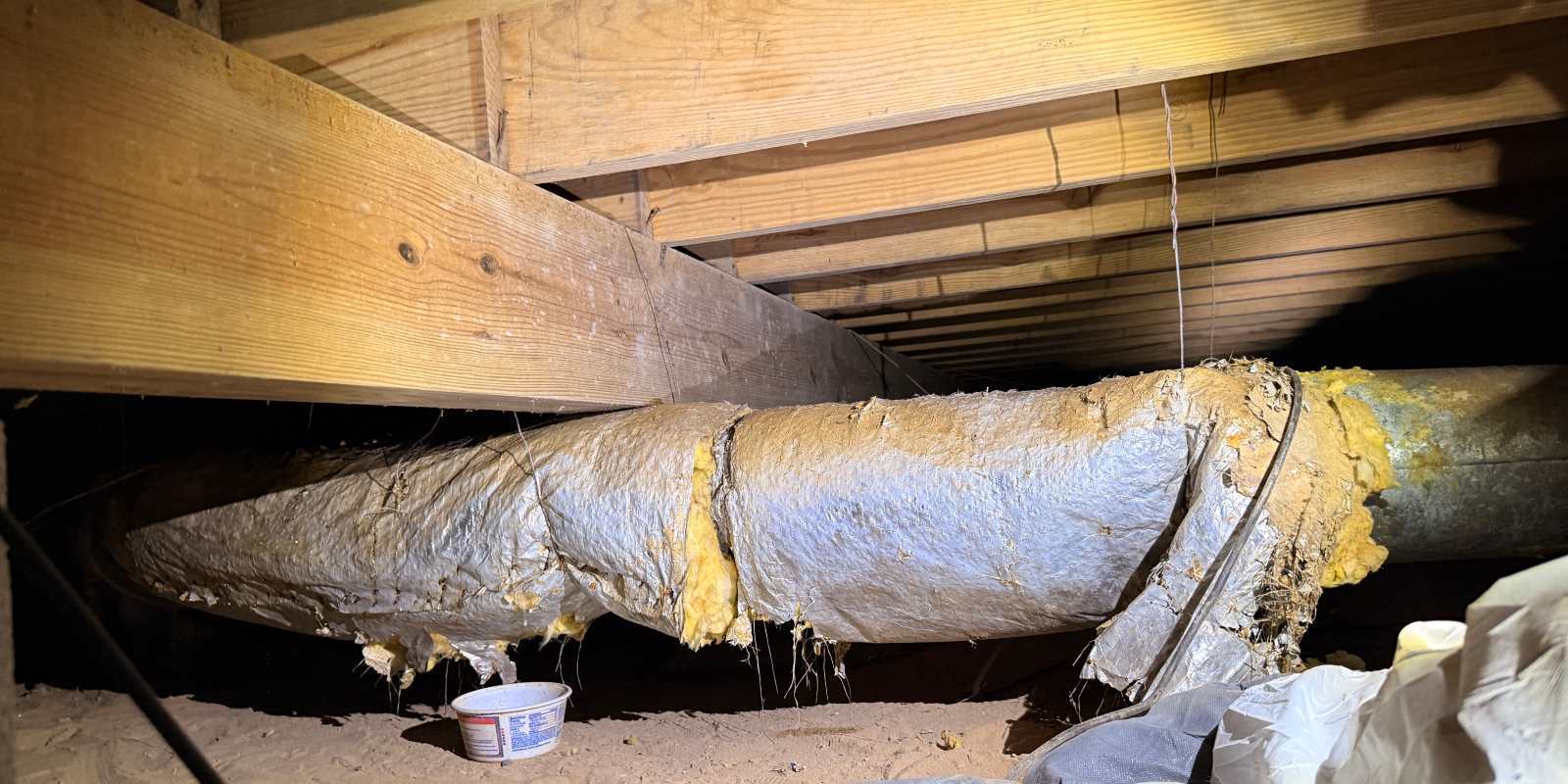
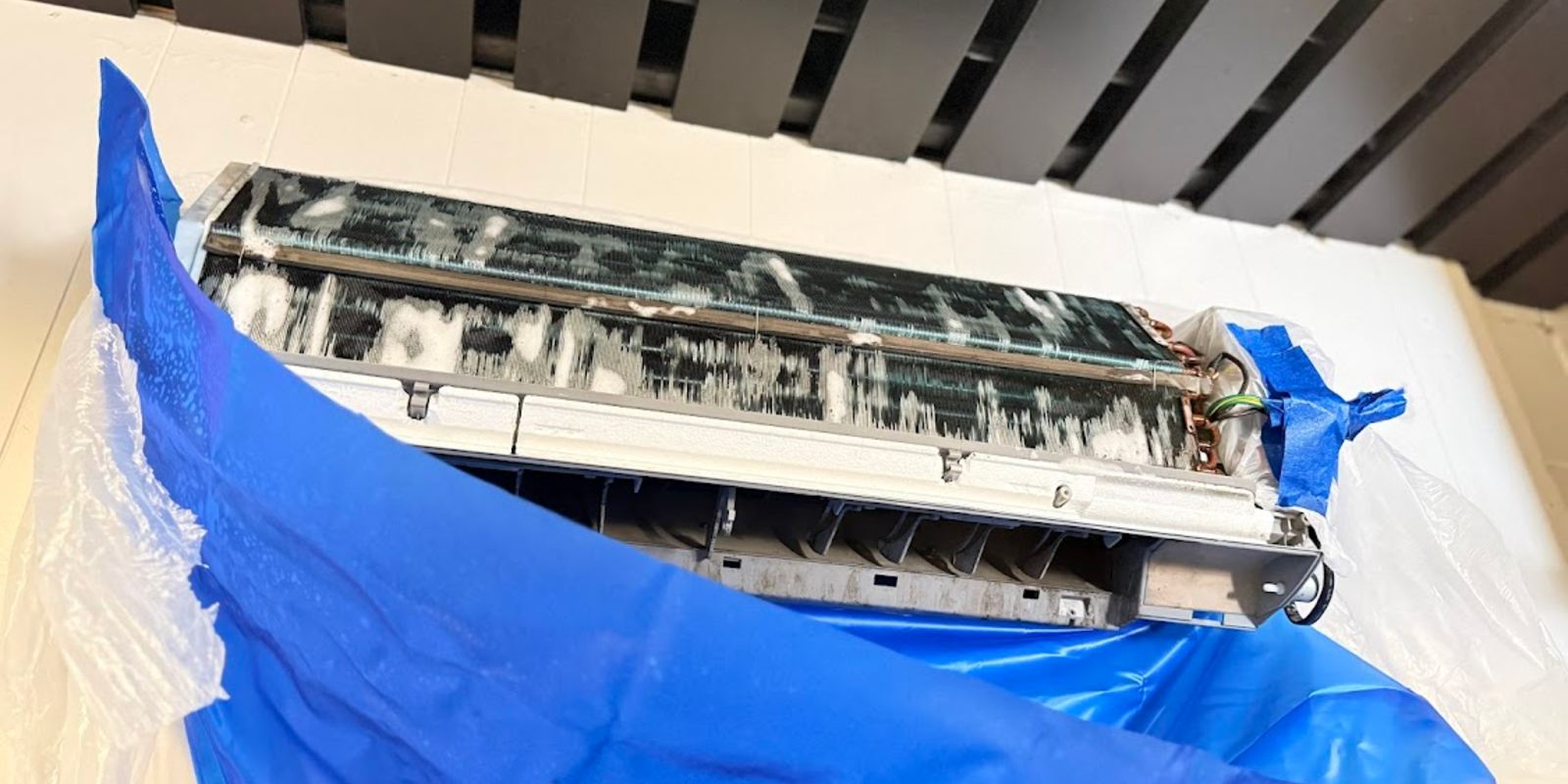
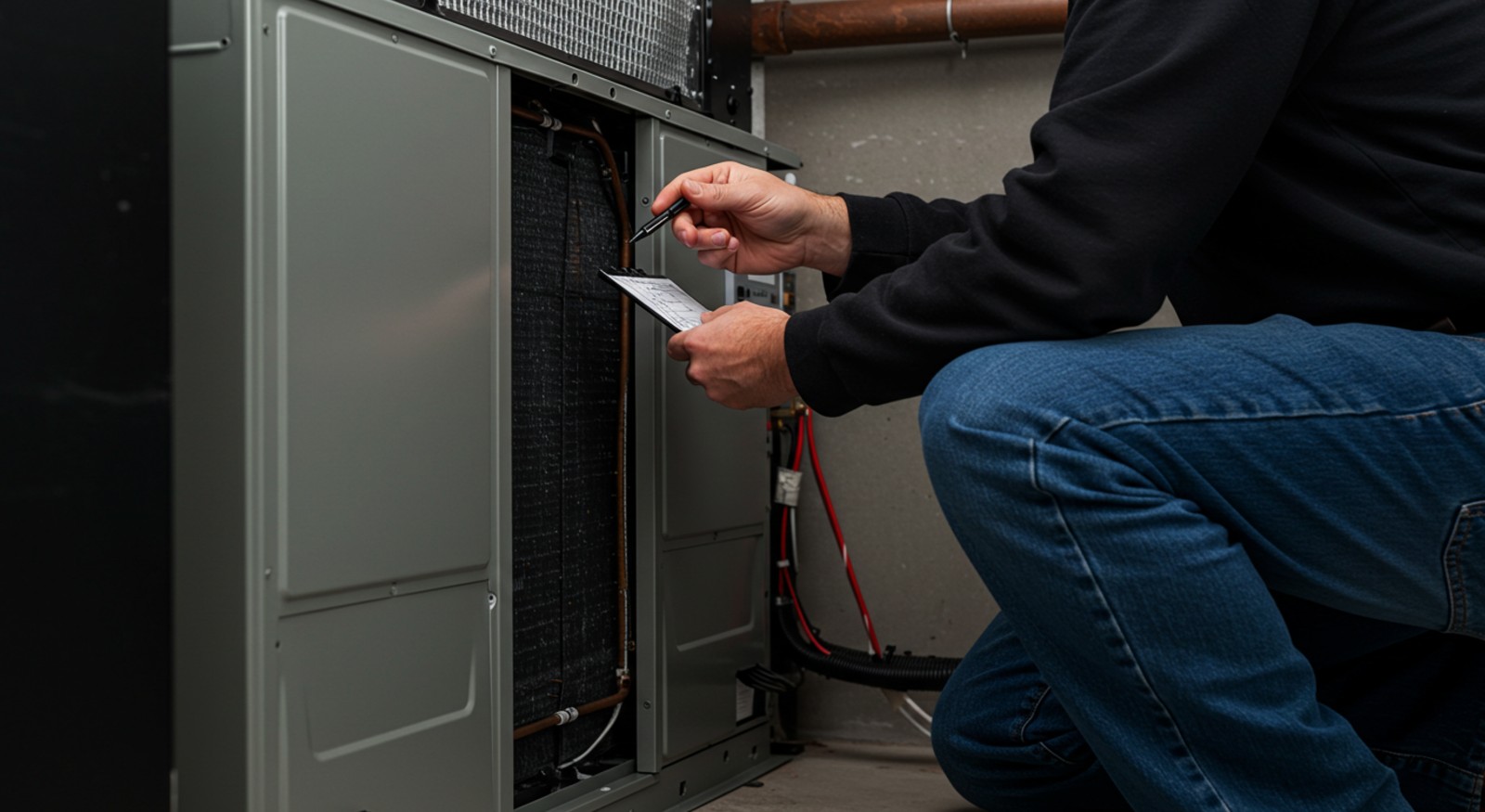
- Mold is inside walls, insulation, or HVAC systems
- You see recurring growth after previous cleaning
- You or someone in the home has asthma, significant allergies, or is immunocompromised
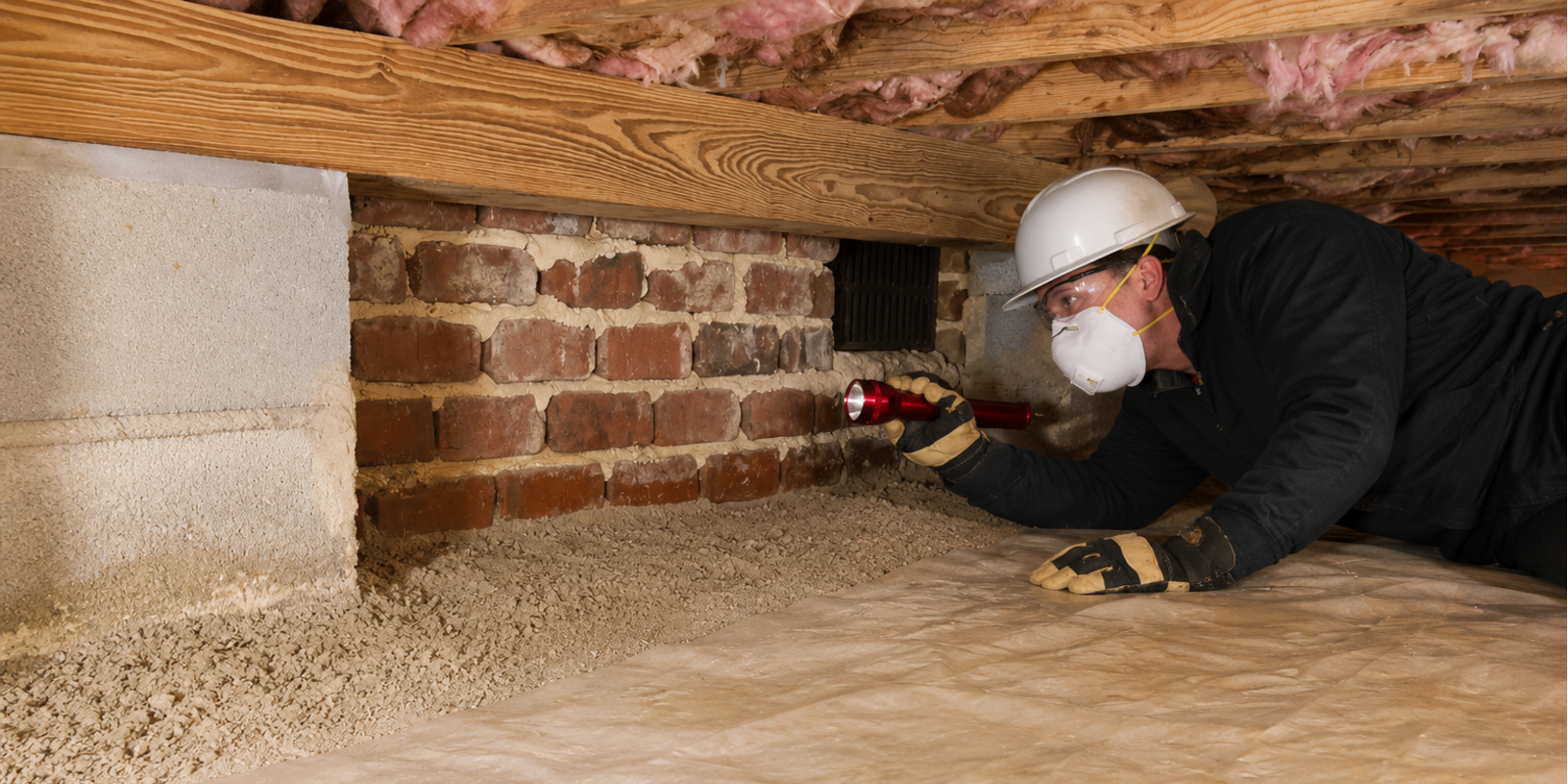
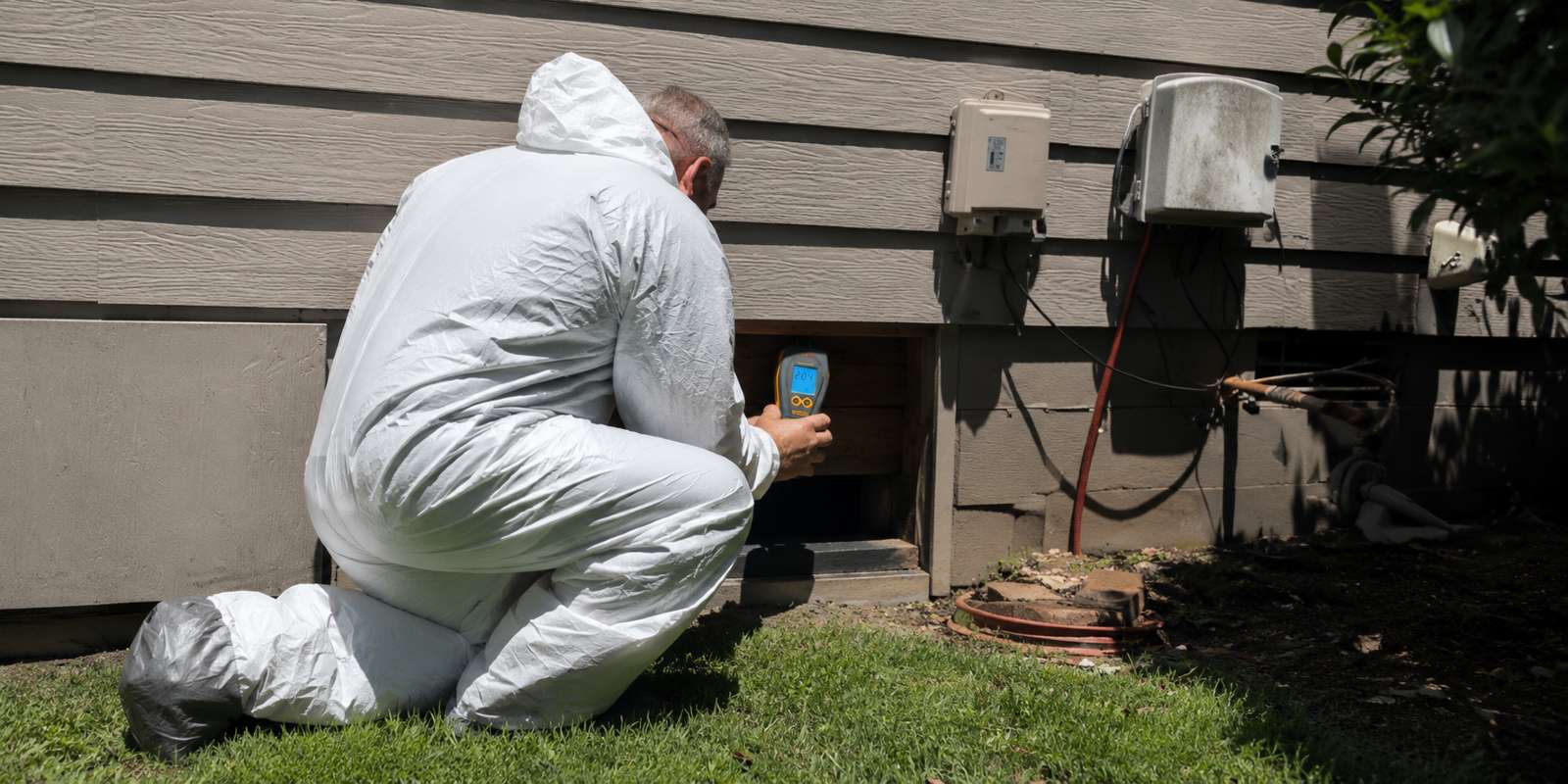
While small mold infestations can be dealt without extra help, at Restore-It, we still recommend getting a professional inspection to make sure there is no hidden mold indoors. And remember: professional mold specialists can explain how they will contain the area, remove the mold, and use HEPA filtration to address all the dangerous particles.

Safe Next Steps for Mold Remediation
You now know that mold is not just about what you can see, but also about the spores, fragments, and possible mycotoxins that can linger in the environment. To truly create a space free from contaminants, the mold must be entirely removed. As a mold remediation company with more than a decade of experience, we understand the importance of air quality to homeowners' health. But your job isn't done here! Your next step is to check our blog with articles like "How to prevent mold in your home" to "A DIY guide to small mold patches". If you want to know more about professional mold remediation, you can also review our articles:
- what is mold remediation?,
- restore-It's step-by-step process for mold remediation, and
- mold remediation costs for El Dorado
If you suspect mold or water damage is affecting your home, contact Restore-It for an inspection. Our team is ready to check your property and let you know whether the issue can be resolved on your own or if you need our professional remediation services. Call us and get the peace of mind you deserve!

Topics: