
Selling a home is stressful enough without discovering a problem under the house. You may spend weeks cleaning, making repairs, and getting ready for buyers. Then, during the inspection, crawlspace moisture becomes a concern.
Since crawlspaces are out of sight, many homeowners don't know there's a moisture problem until an inspector finds it. Even if everything looks fine inside, excess moisture underneath the home can lead to concerns about mold, wood rot, indoor air quality, and structural damage. As a result, buyers may ask for repairs, lower their offer, or delay closing.
These situations are more common than many homeowners realize. At Restore-It, we regularly inspect crawlspaces and help homeowners identify moisture-related problems before they become larger issues. Over the years, we've seen how moisture that goes unnoticed during homeownership can quickly become a point of concern once a property goes on the market.
In this article, we'll cover how crawlspace moisture can affect inspections, buyer confidence, home value, negotiations, and closing timelines. We'll also share how addressing these issues early can help you avoid surprises when it's time to sell.
Why Crawlspace Moisture Raises Red Flags During a Home Inspection
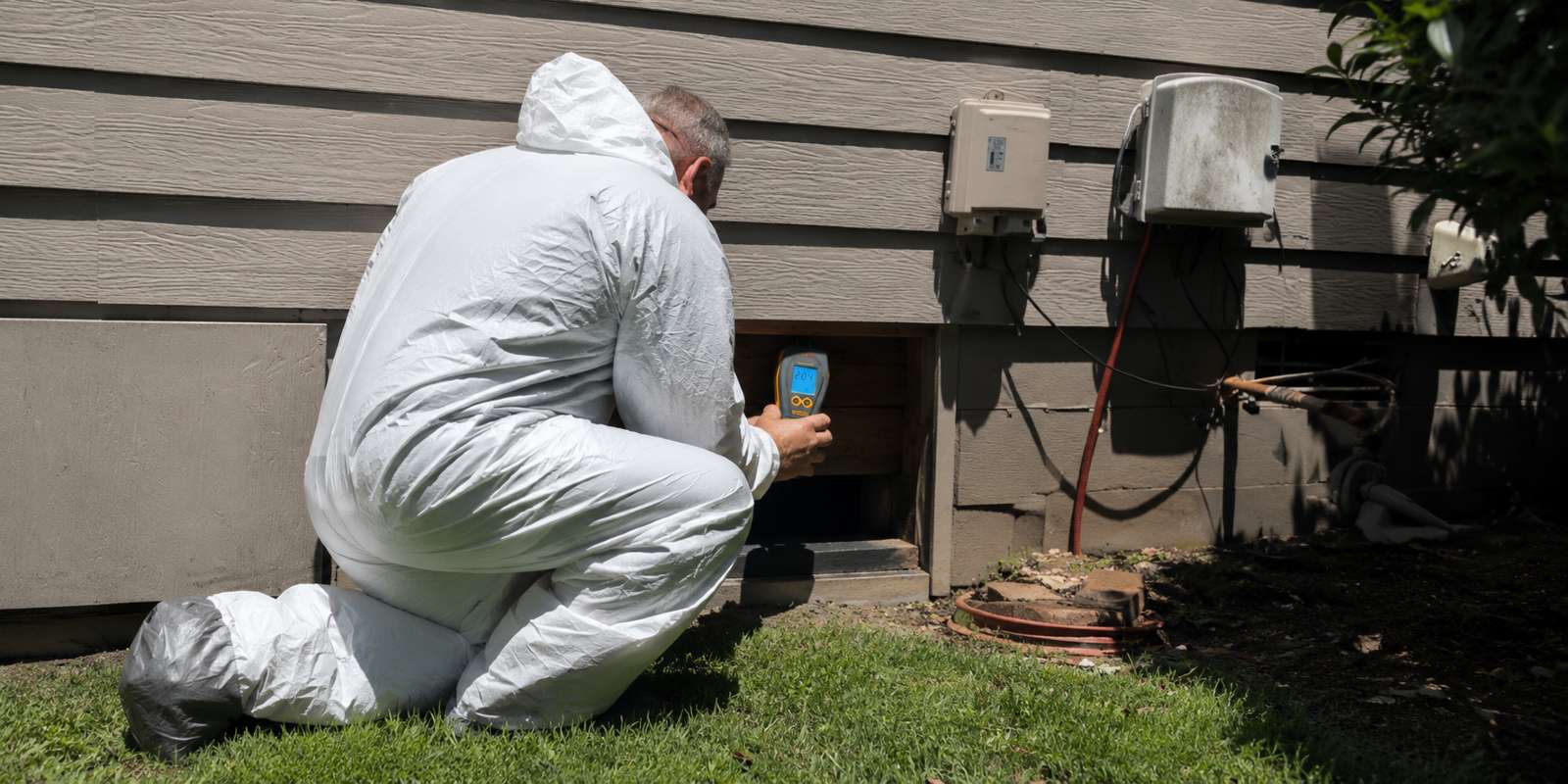
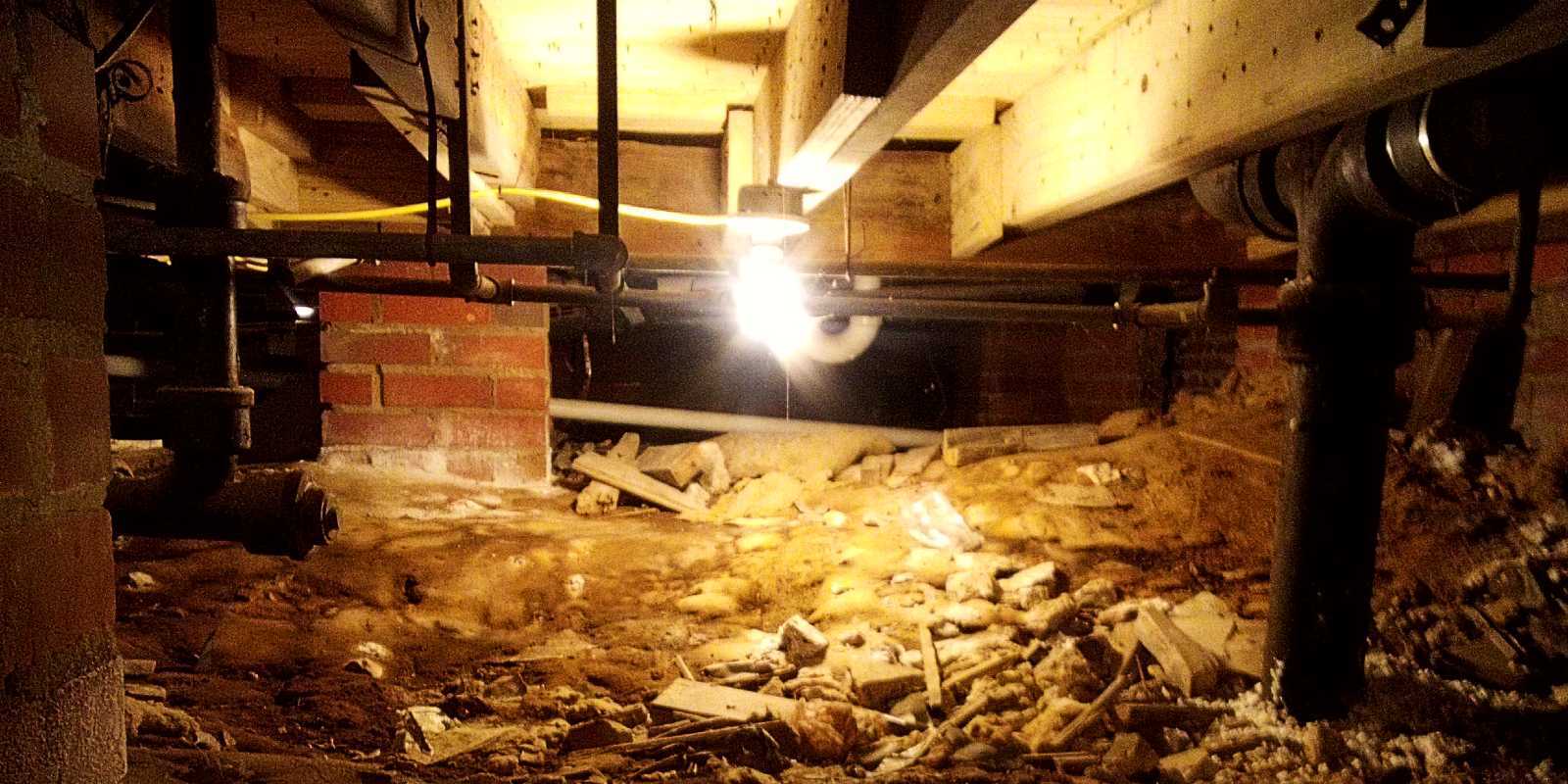
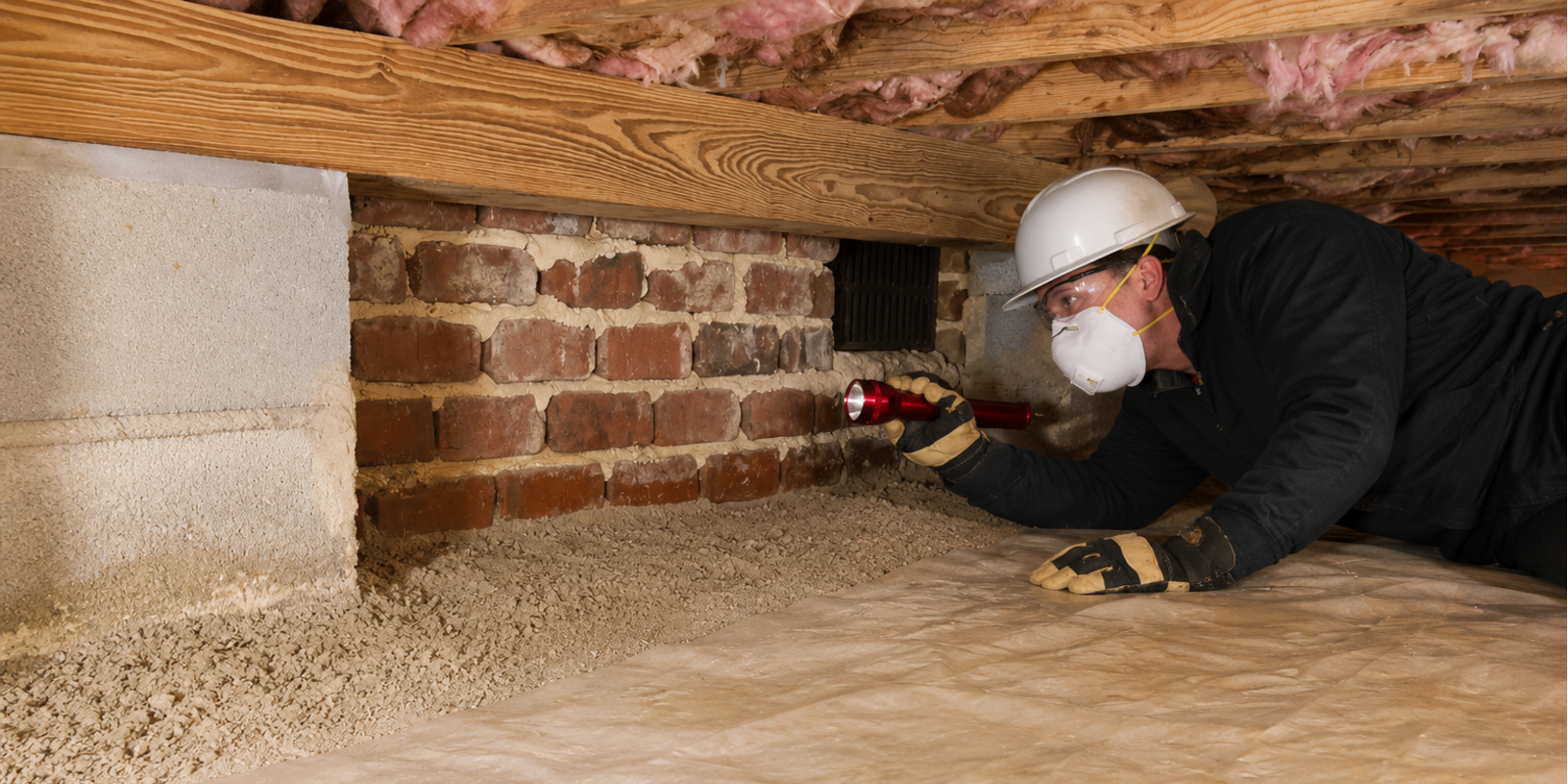
Home inspections are designed to identify issues that could affect a home's condition, safety, or value. Because crawlspaces are often hidden from view, inspectors pay close attention to signs of excess moisture that may indicate larger problems beneath the home.
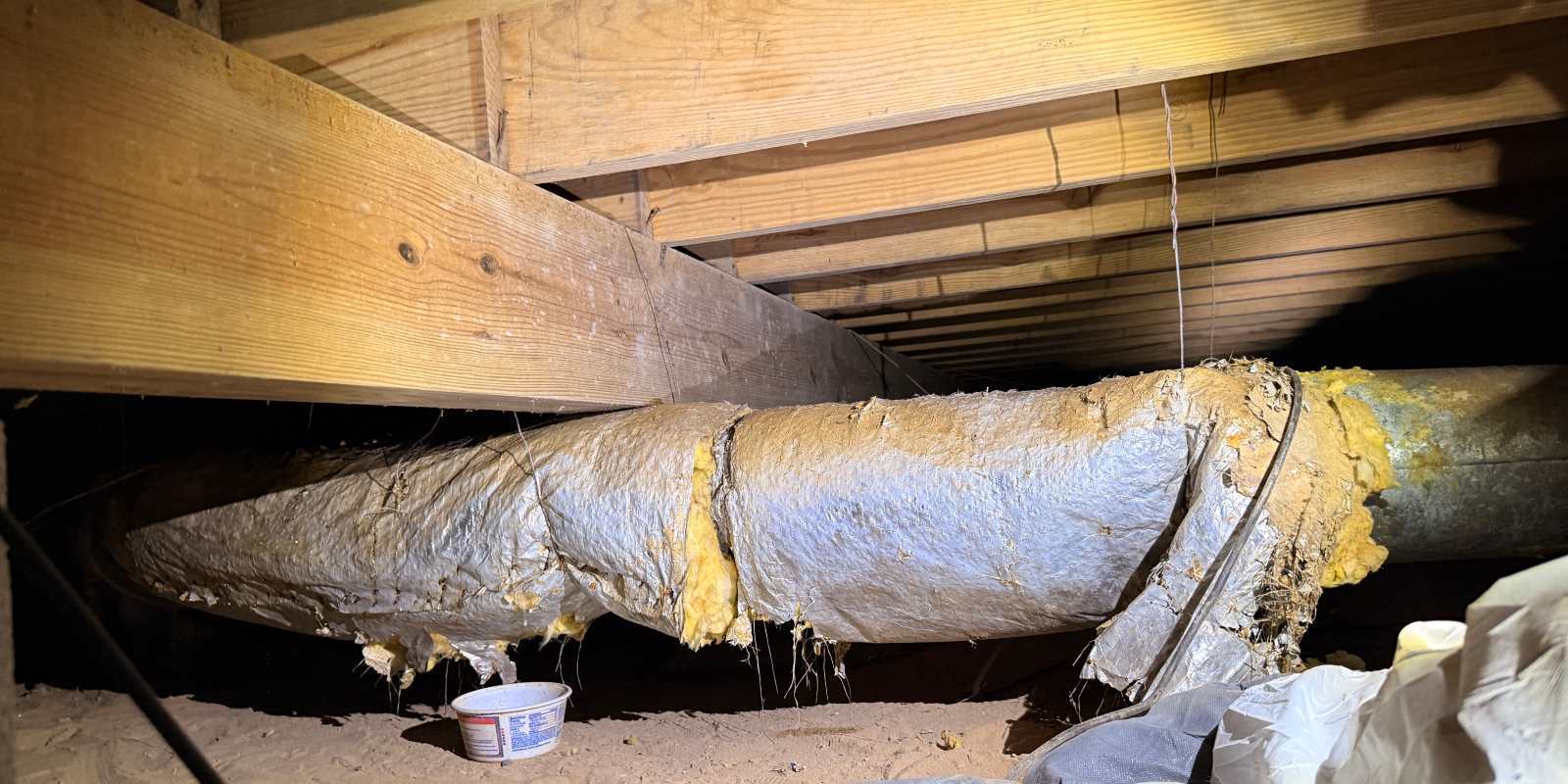
Common moisture-related issues inspectors look for include:
- Standing water
- Damp soil
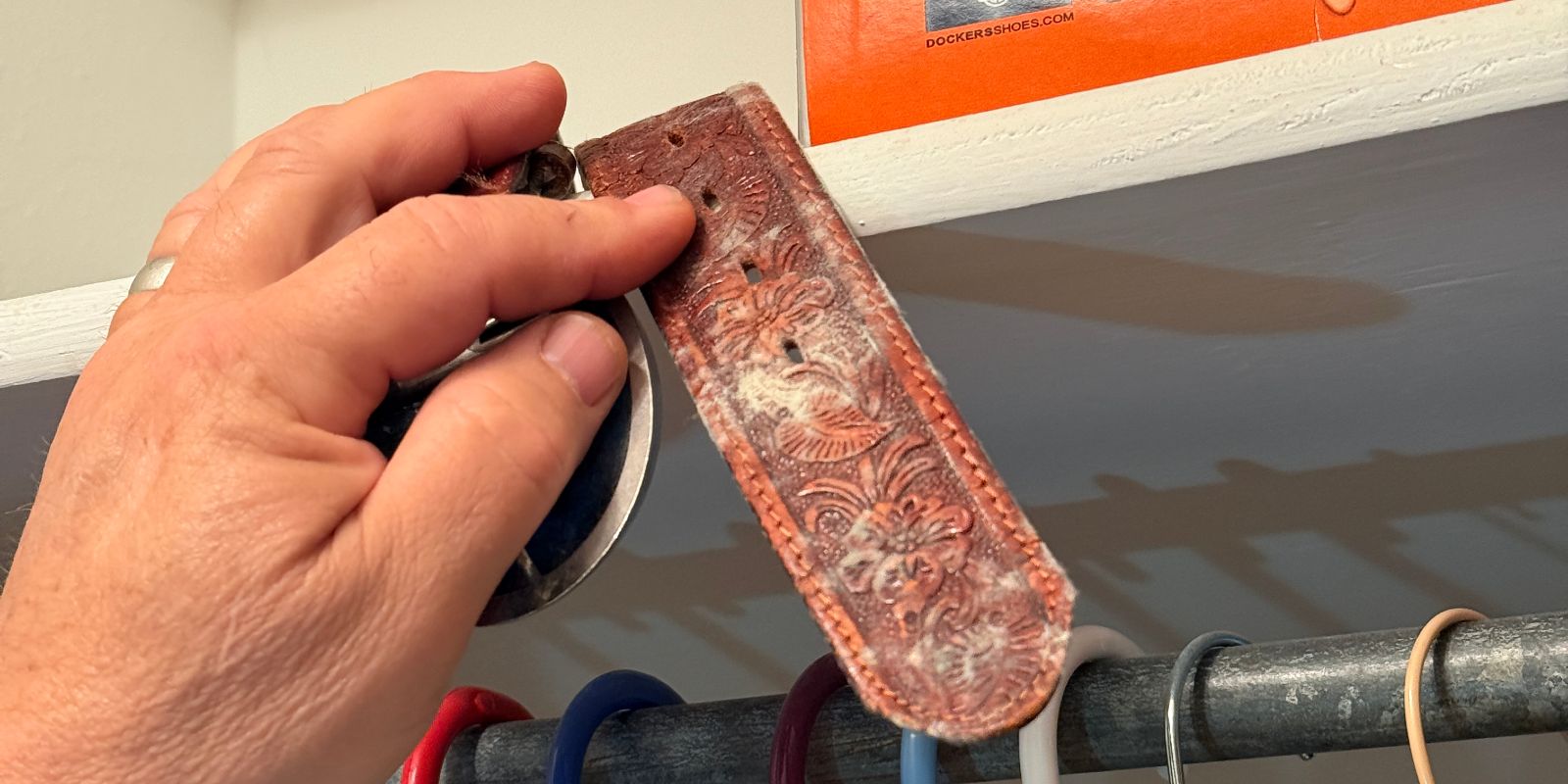
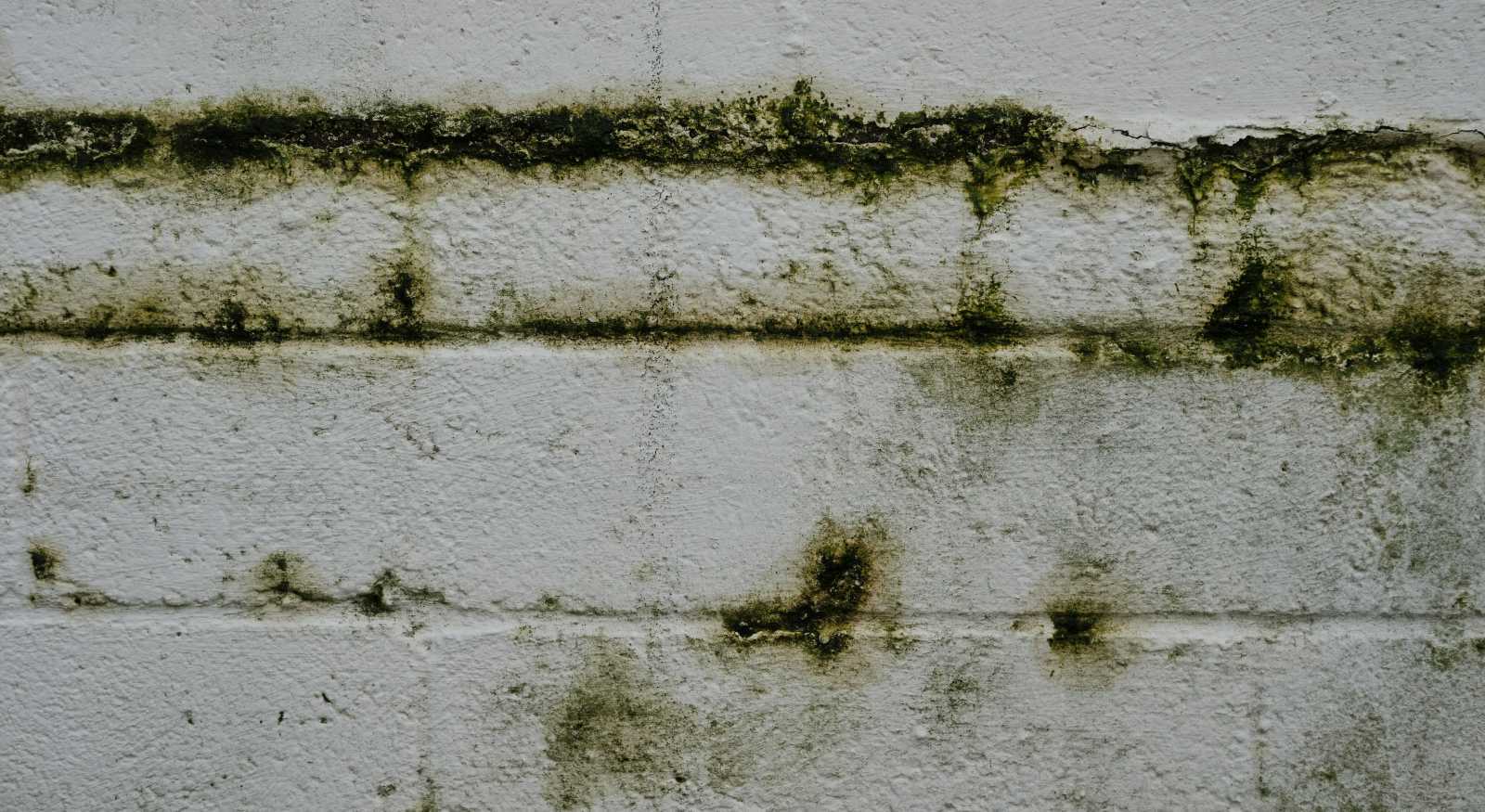
- Mold growth
- Wood rot
- High humidity
- Condensation
- Damaged insulation
While moisture itself is a concern, inspectors and buyers are often more worried about the damage it may be causing behind the scenes.
Excess moisture can contribute to mold growth, wood rot, insulation damage, and other issues that may become costly if left unresolved.
As a result, moisture-related findings often raise questions about the home's overall condition and can become a topic of discussion during negotiations. Even when significant damage isn't present, buyers may become more cautious about moving forward with the purchase.
If you're unsure whether moisture in your crawlspace is normal or a sign of a larger problem, read this guide:

How Crawlspace Moisture Can Affect Buyer Confidence
When buyers review a home inspection report, they're not just looking at a home's current condition. They're also trying to identify potential risks and future expenses. That's why moisture in a crawlspace can make buyers uneasy, even when the issue appears minor.
Even small moisture problems can raise questions about what might be happening beneath the home.
|
Buyer Concern |
Why It Matters |
|
Hidden damage |
Buyers may worry that moisture has affected areas they can't see. |
|
Mold growth |
Moisture creates conditions where mold can develop. |
|
Future repairs |
Buyers may anticipate additional expenses after closing. |
|
Indoor air quality |
Some buyers are concerned about how crawlspace conditions affect the living space above. |
|
Additional inspections |
Moisture findings may lead to further evaluations and delays. |
Because of these concerns, buyers may request repairs, ask for credits, negotiate a lower price, or take more time before moving forward with the purchase.
Over time, excess moisture can contribute to mold growth, wood rot, damaged insulation, and other issues that inspectors commonly flag. To learn more about these long-term risks, read our article:

When moisture concerns show up during the buying process, they can affect more than buyer confidence. They can also influence what buyers are willing to pay for a home.
Can Crawlspace Moisture Lower a Home's Value?
Crawlspace moisture doesn't automatically lower a home's value, but it can influence how buyers, appraisers, and lenders view the property. When moisture issues appear during an inspection, they often create uncertainty that can affect negotiations.
In some cases, crawlspace moisture can lead buyers to lower their offers or request financial concessions.
Here's how moisture can impact a home sale:
|
Factor |
Potential Impact |
|
Buyer perception |
Buyers may see the home as a higher-risk investment. |
|
Repair costs |
Expected repairs can lead to lower offers. |
|
Negotiations |
Buyers may request credits or concessions. |
|
Appraisal concerns |
Significant moisture-related damage may affect a property's condition assessment. |
|
Financing |
Some lenders may require repairs before approving a loan. |
The impact depends on the severity of the moisture issue and whether damage is present. However, unresolved crawlspace moisture can create questions that affect a property's marketability and the seller's negotiating position.
Those concerns often become most apparent during negotiations after the inspection.
Crawlspace Moisture Can Lead to Repair Requests and Negotiations
Most buyers hire a home inspector before closing on a house. If the inspector finds moisture in the crawlspace, the buyer will usually want to know what's causing it and whether it has led to any damage.
As a result, moisture problems often become part of the negotiation process.
Common buyer requests include:
- Repairs before closing
- Credits at closing
- Price reductions
- Additional inspections by crawlspace or structural specialists
For many sellers, this is where crawlspace moisture starts to affect the sale.
Even if the problem is minor, buyers may want proof that it has been inspected and addressed. Because of that, they may ask for repairs, request a credit, or try to negotiate a lower price.
In some cases, buyers may also want additional inspections before moving forward. While that's understandable, it can add time to the process and make closing take longer than expected.
Can Crawlspace Moisture Delay or Derail a Home Sale?
In some cases, crawlspace moisture does more than raise concerns during an inspection. It can also slow down the sales process or create obstacles to closing.
For example, moisture-related findings may lead to:
- Additional inspections from crawlspace, waterproofing, or structural specialists
- Contractor evaluations to determine repair costs
- Delays in contingency removal or closing
- Financing issues if significant damage is discovered
- Buyers are backing out due to uncertainty
The longer moisture-related questions remain unanswered, the greater the chance of delays, additional costs, and buyer hesitation.
Not every moisture issue will derail a sale. However, addressing crawl space moisture early can help prevent surprises and keep the selling process on track.
If you're planning to sell your home and are concerned about moisture beneath it, Restore-It can help! A professional crawlspace inspection can identify potential issues before they affect negotiations or closing.

Why Homeowners Should Address Crawlspace Moisture Before Listing
The best time to discover crawlspace moisture is before a buyer's inspection, not after. By taking a proactive approach, homeowners can address potential issues on their own timeline rather than during negotiations.
Benefits of addressing crawlspace moisture before listing include:
|
Benefit |
Why It Matters |
|
Fewer surprises |
Reduces the risk of unexpected inspection findings. |
|
More buyer confidence |
Shows buyers the home has been properly maintained. |
|
Stronger negotiating position |
Helps limit repair requests and price reductions. |
|
Faster transactions |
Prevents delays caused by additional inspections or evaluations. |
|
Smoother closing process |
Reduces uncertainty for buyers, lenders, and agents. |
Addressing crawlspace moisture before listing can help homeowners avoid costly delays and last-minute negotiations.
As a result, sellers can move through the sales process with greater confidence and fewer obstacles.
What to Do About Crawlspace Moisture Before Selling Your Home
Crawlspace moisture can affect a home sale in several ways. It can lead to inspection concerns, repair requests, longer negotiations, and even closing delays.
The biggest mistake many homeowners make is waiting until a buyer's inspection to find out there's a problem. By then, what could have been a simple fix may create questions and concerns for buyers.
The good news is that you don't have to wait. Having your crawlspace inspected before listing your home can help you identify moisture issues early and avoid surprises later.
At Restore-It, we help homeowners across South Arkansas identify crawlspace moisture problems and understand their options. If you're planning to sell your home, a crawlspace inspection can help you move forward with confidence.
Want to learn how to tell the difference between normal seasonal moisture and a more serious problem? Check our article!