
Have you been researching crawl space encapsulation for your home? If so, you’ve probably seen it positioned as the go-to solution for moisture, mold, and air quality issues.
But here’s one of the most unanswered questions… Is crawl space encapsulation always worth the investment?
Or are there situations where encapsulation could cost you thousands, without actually fixing the problem?
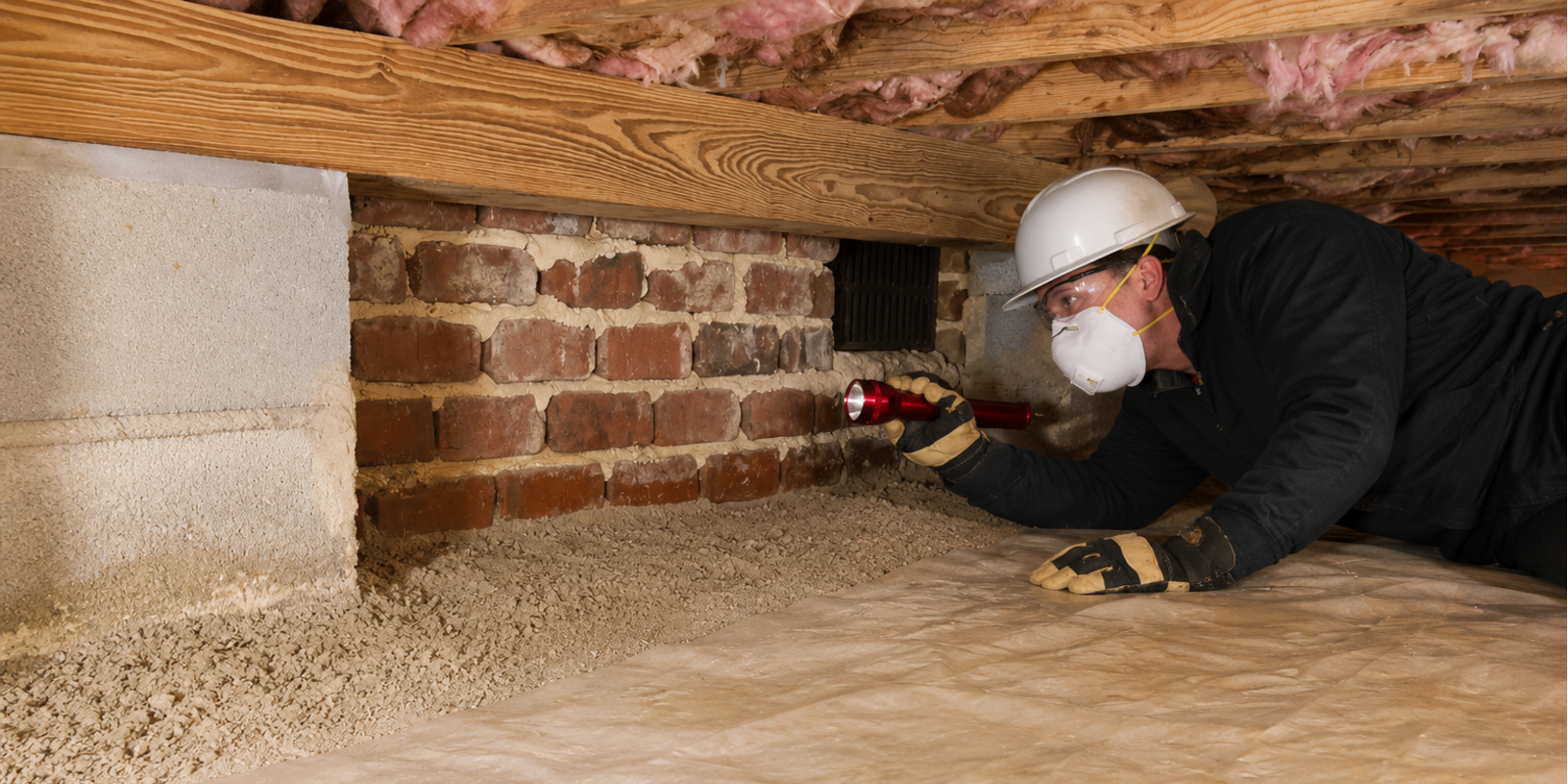
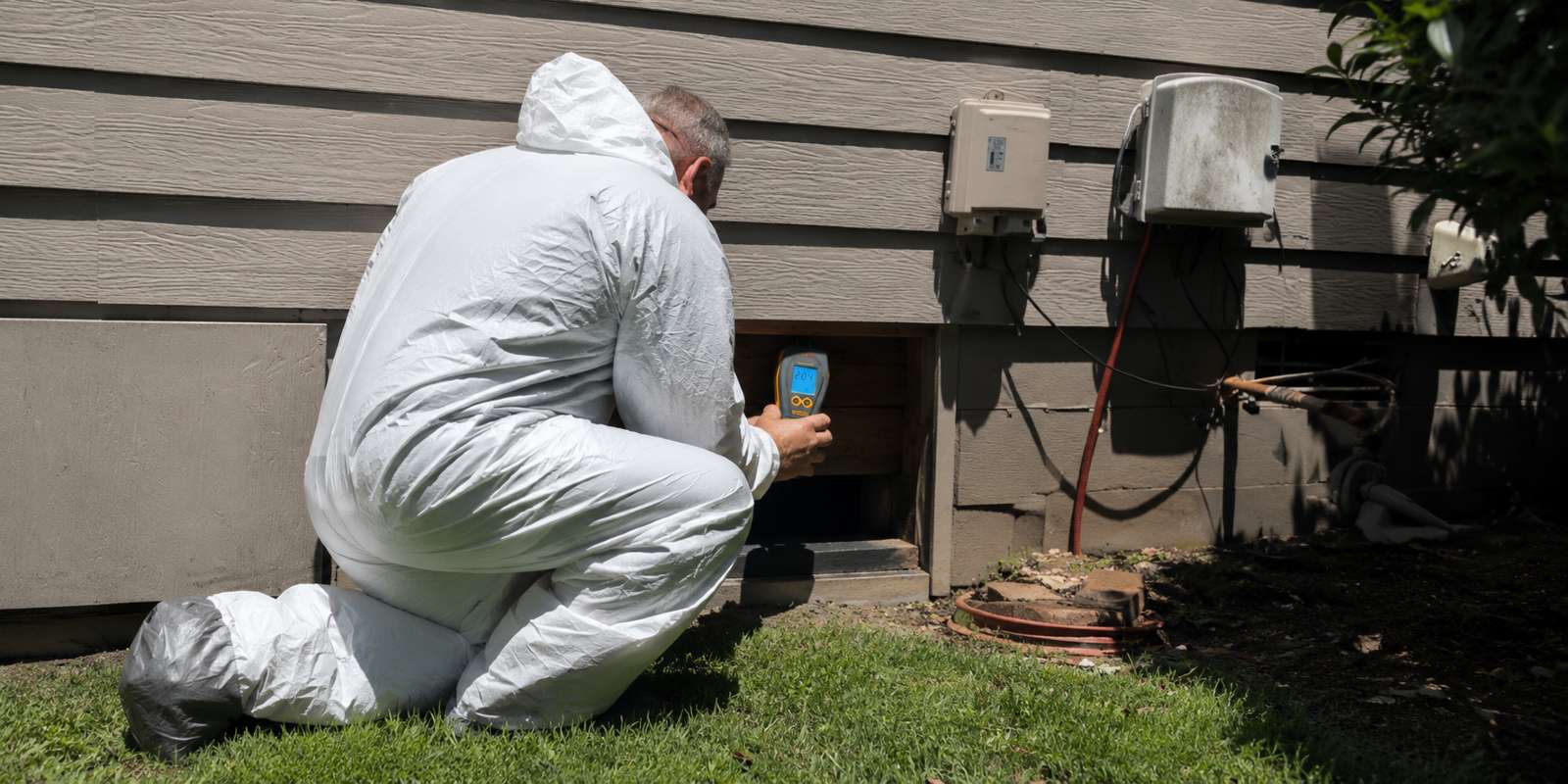
At Restore-It, we’re an IICRC-certified firm, and we’ve spent years working in crawl spaces across South Arkansas. We inspect, clean, and remediate issues like moisture, mold, and structural damage.
Over the last 14 years, we’ve seen firsthand that encapsulation can be highly effective in the right conditions, but also unnecessary or misapplied when the real issue hasn’t been properly diagnosed.
In this guide, you’ll learn:
- When crawl space encapsulation makes sense and when it doesn’t
- What you should consider before making a decision
- most common scenarios homeowners face
We’ll walk you through the key factors to keep in mind so you can confidently decide what’s right for your home.
What Crawl Space Encapsulation Is (and When It Typically Helps)
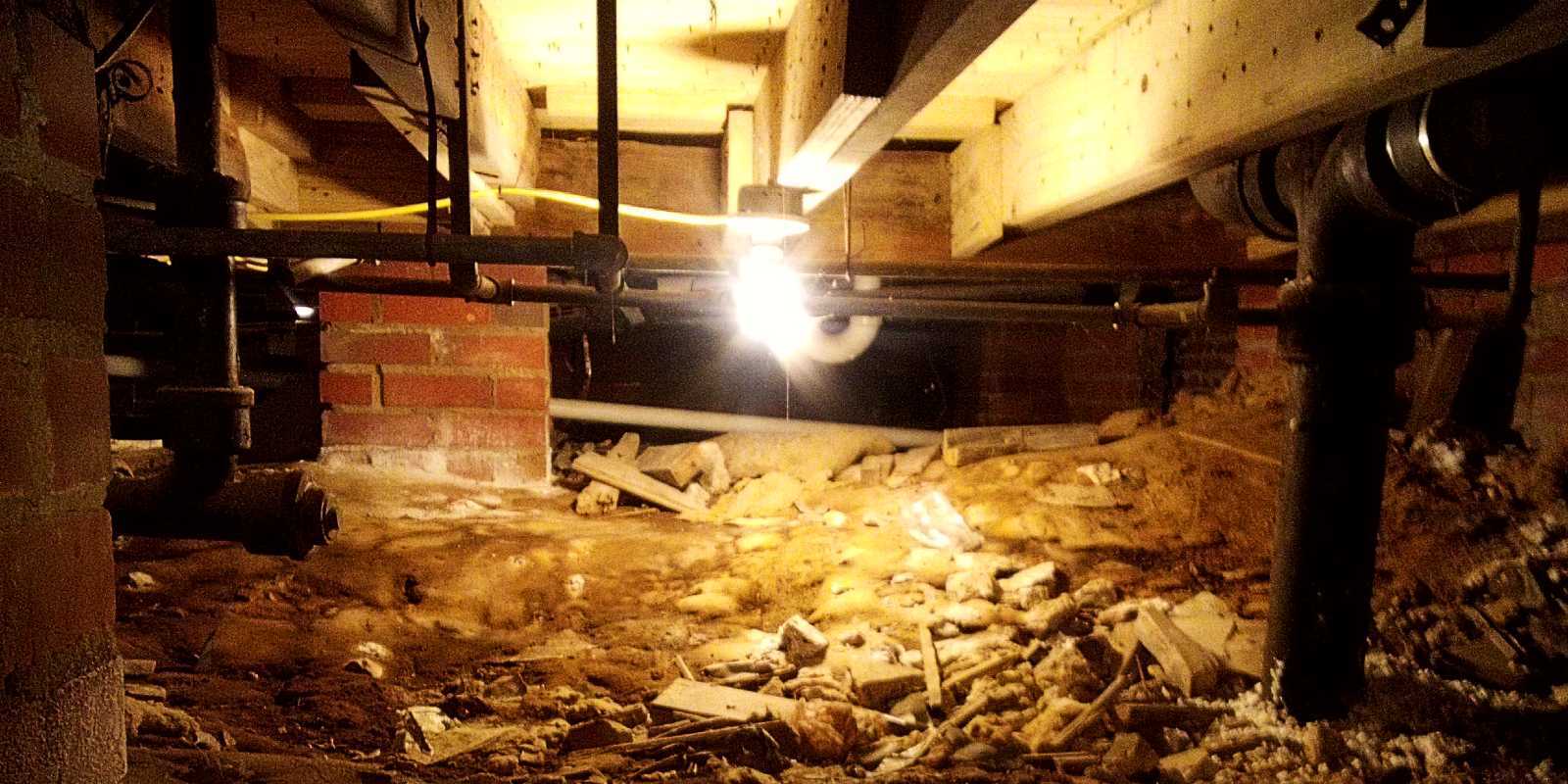
Crawl space encapsulation is the process of sealing your crawl space using a vapor barrier, along with components like a dehumidifier, sump pump, and drainage systems. The goal is to control moisture, improve air quality, and protect your home’s structure.
Want to see how it works in practice? Check out this video:
Crawl Space Encapsulation Explained So Simply!
In many cases, encapsulation is highly effective, especially in humid climates like South Arkansas. It can help reduce mold growth, improve energy efficiency, and create a healthier indoor environment.
However, encapsulation is not a one-size-fits-all solution. And in some situations, it may not address the root of the problem at all.
5 Situations Where Crawl Space Encapsulation Is NOT Worth It
1. The Real Problem Hasn’t Been Fixed Yet
Encapsulation is designed to control moisture, not eliminate its source.
If your crawl space has:
- Active water intrusion
- Foundation cracks
- Drainage issues around your home
Encapsulation alone won’t solve the problem.
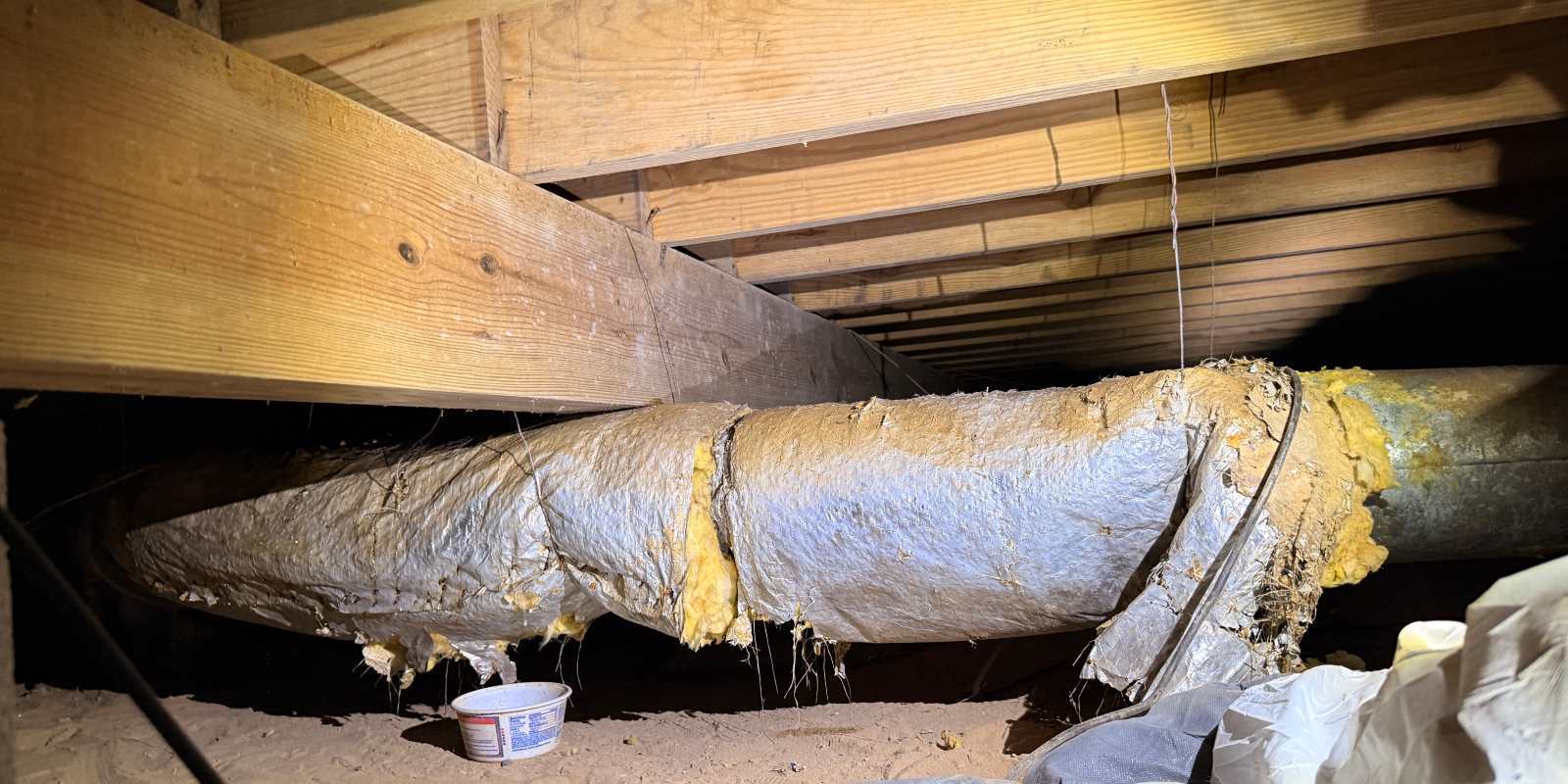
In fact, sealing the space without fixing these issues can trap moisture inside, potentially making things worse over time.
At that point, it’d be best to address structural or drainage problems first. Once those are resolved, encapsulation can become a much more effective long-term solution.
2. You’re Looking for the Cheapest Possible Fix
Crawl space encapsulation is an investment. While it can save money in the long run, it isn’t the lowest-cost option upfront.
If your goal is simply to reduce humidity temporarily, address a minor issue, or spend as little as possible, then encapsulation may not be the right fit right now.
Lower-cost alternatives like improving ventilation or installing a standalone dehumidifier might provide short-term relief.
That said, it’s important to understand the limitations of these fixes. They often manage symptoms rather than solve the underlying issue, which can lead to higher repair costs later if conditions worsen.
3. The Moisture Problem Is Coming From Outside
Many crawl space issues actually start outside the home.
Common causes include:
- Poor grading around the foundation
- Clogged or ineffective gutters
- Downspouts draining too close to the home
When water is consistently being directed toward your foundation, encapsulation alone won’t stop that moisture from entering the system.
In these situations, the priority should be exterior corrections first. Improving drainage and redirecting water away from your home can often reduce or eliminate the need for encapsulation.
4. Your Crawl Space Is Already Properly Controlled
Not every crawl space needs encapsulation.
If your crawl space already has:
- Low humidity levels
- No signs of mold or mildew
- Proper ventilation and insulation
That means encapsulation may offer limited additional benefit.
In cases like this, it may still improve overall efficiency or air quality, but the return on investment is often minimal compared to the cost.
Encapsulation is most valuable when it solves a clear problem. When conditions are already stable, it can become more of an optional upgrade rather than a necessary solution.
5. You’re Not Planning to Stay in Your Home Long-Term
Encapsulation often provides the most value over time.
Benefits like:
- Energy savings
- Reduced maintenance
- Improved air quality
…tend to accumulate over years, not months.
If you plan to sell your home in the near future, you may not fully recoup the cost, depending on your local market and the condition of your crawl space.
In those situations, it can make more sense to focus on addressing visible issues first, such as moisture or odors, without committing to a full encapsulation system.
When Crawl Space Encapsulation IS Worth It
While there are situations where encapsulation isn’t the best choice, there are also many where it can be extremely valuable.
Encapsulation is often worth it when:
- Your crawl space has persistent humidity issues
- Mold or mildew is present
- You’re experiencing poor indoor air quality
- Your energy bills are higher than expected
- You want a long-term solution, not a temporary fix
In these situations, encapsulation can help stabilize your crawl space environment, improve overall comfort in the home, and prevent more costly structural or moisture-related issues down the line.
If your home is dealing with ongoing moisture, air quality concerns, or inefficiencies, encapsulation may be a strong long-term solution. To better understand the full benefits, like energy savings, healthier indoor air, and long-term protection, you can read this article:
 Crawl Space Encapsulation vs Other Solutions
Before committing to encapsulation, it’s important to understand how it compares to other options:
- Vapor Barrier Only: A basic barrier can reduce moisture, but doesn’t fully seal the space or control humidity.
- Dehumidifier Only: Helps manage humidity but doesn’t prevent moisture intrusion or air leakage.
- Drainage Improvements: Addresses water at the source but may not fully resolve humidity or air quality issues.
- Encapsulation (Full System): Combines moisture control, sealing, and air management for a comprehensive solution.
Encapsulation is designed as a long-term system, whereas other options are often partial or temporary fixes.
How to Know If Your Crawl Space Actually Needs Encapsulation
If you’re unsure what your home needs, start by looking for these signs:
- Musty odors inside your home
- Visible mold or mildew
- High indoor humidity
- Cold floors in winter or excess heat in summer
- Pest activity in the crawl space
If you’re noticing one or more of these issues, it may be time to explore your options more seriously.
Making the Right Decision for Your Home
Crawl space encapsulation can be a powerful solution, but it’s not always the right one.
If the root cause hasn’t been addressed, if you’re looking for a quick fix, or if your crawl space is already in stable condition, encapsulation may not be necessary at this time.
On the other hand, if you’re dealing with ongoing moisture issues, poor indoor air quality, or long-term structural risks, it can be one of the most effective improvements you make to your home.
If you’re still unsure whether encapsulation makes sense for your situation, the next step is understanding what it actually costs and what factors influence pricing. You can read our full breakdown here:

Ultimately, to make the right decision, it’s essential to understand your situation and the condition of your crawl space. If you’re ready to get your questions answered or get started, contact Restore-It for an inspection by calling us at 870-918-0041.