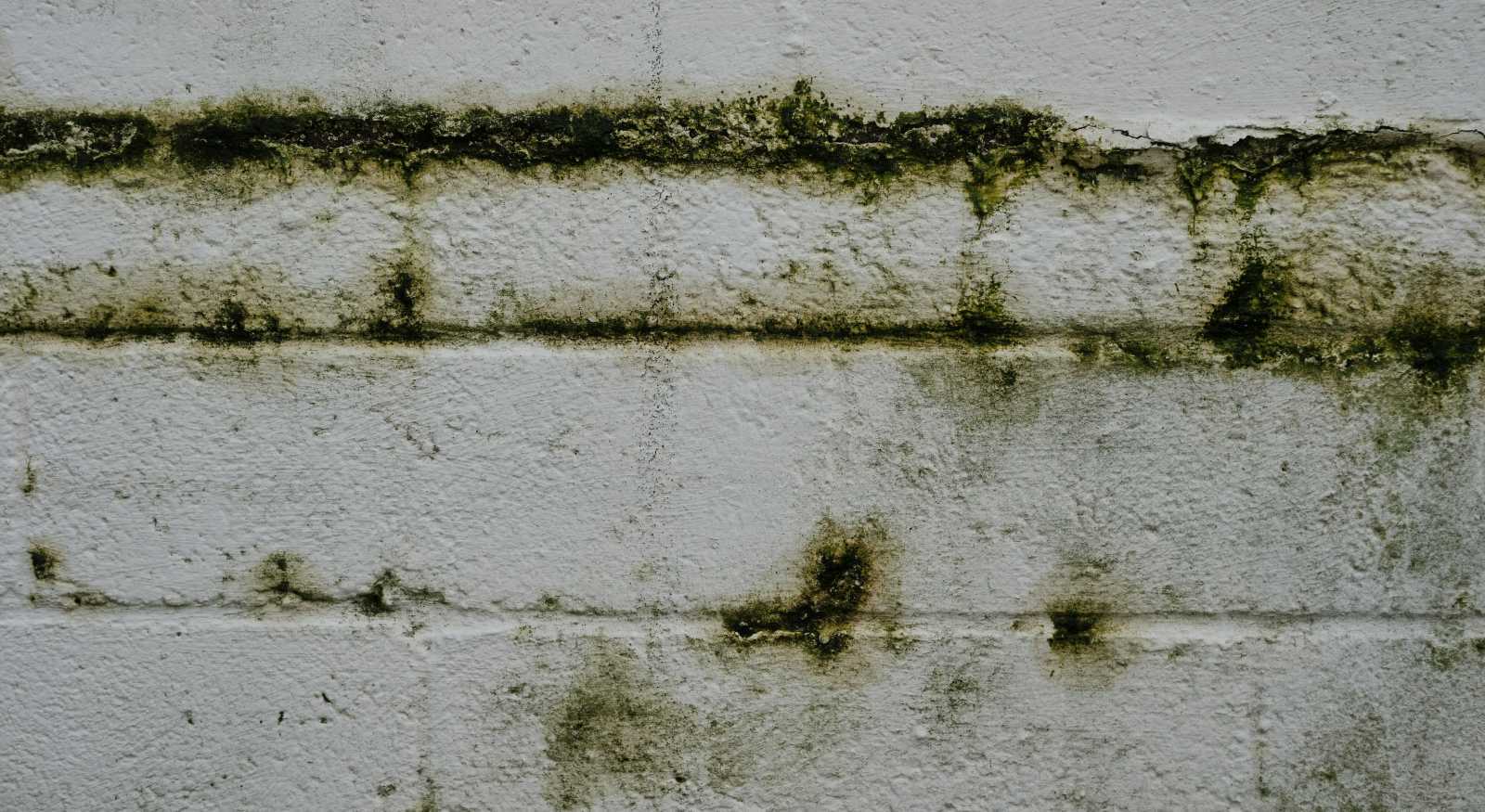

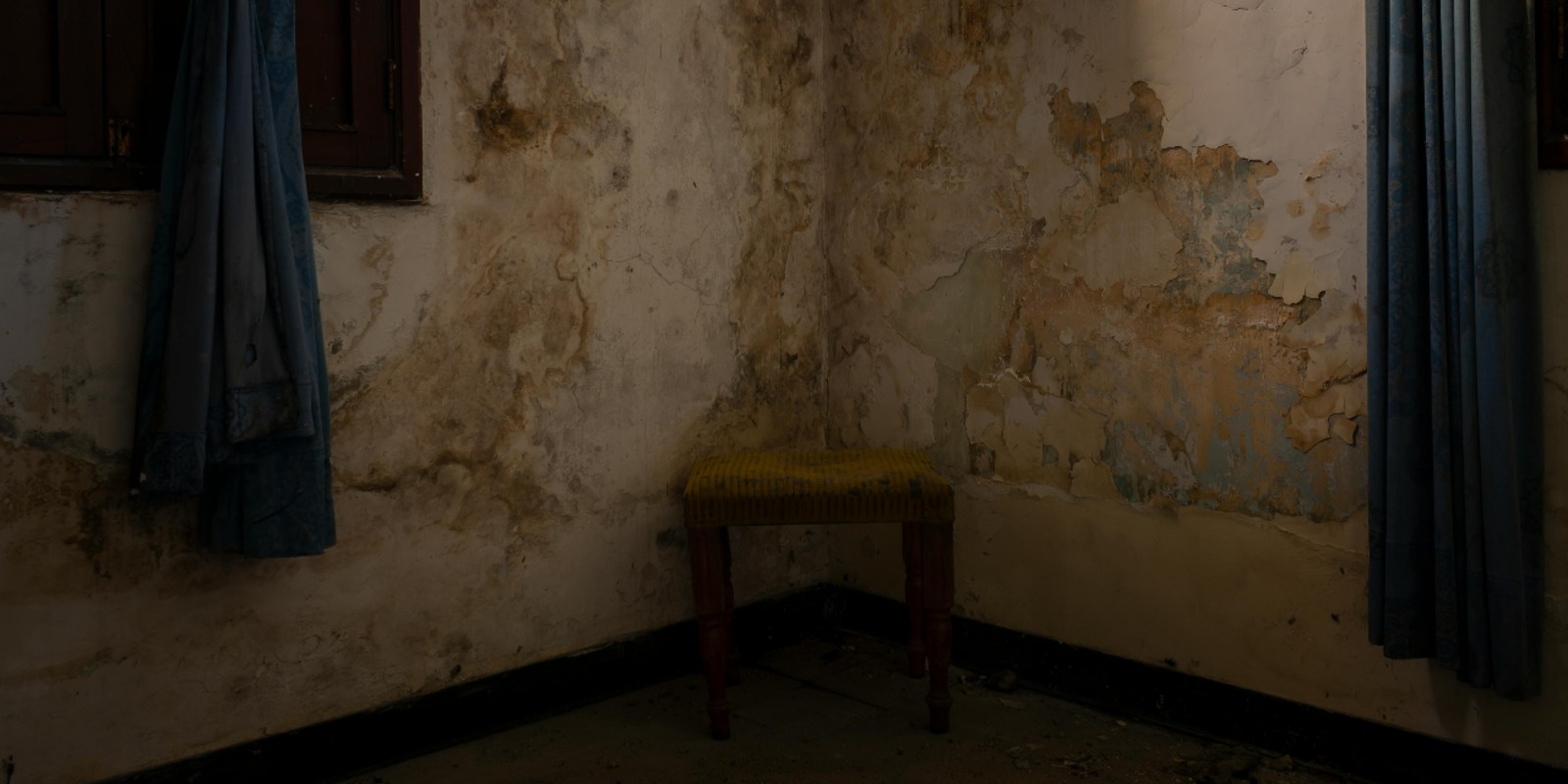
You just noticed dark spots on your wall. Now you’re wondering: do you need professional mold remediation, or is this something you can safely handle yourself without spending thousands of dollars?
If you’re a homeowner in South Arkansas dealing with black spots, musty odors, or ongoing moisture issues, these are likely the questions you’re trying to answer.
Mold is a natural part of the environment and exists both indoors and outdoors. According to the Environmental Protection Agency (EPA), mold only becomes a problem when it starts growing indoors under the right moisture conditions.
Not every mold problem requires full-scale remediation. But knowing when it does, and when it doesn’t, is critical. Misjudging the situation can lead to unnecessary costs or allow hidden mold to spread behind your walls.
With over 14 years of experience helping homeowners assess and resolve mold issues, Restore-It has seen both sides: situations where a simple cleanup would have been enough, and others where early intervention prevented major structural damage and restoration costs.
In this article, you’ll learn:
- When mold remediation is NOT necessary
- When it absolutely is required
- How to tell the difference before the problem worsens
- And what steps to take based on your situation
By the end, you’ll have a clearer understanding of what your home actually needs and what can wait.
What Mold Remediation Actually Solves
Mold remediation is often misunderstood as simple “mold cleaning.” In reality, it is a structured process designed to eliminate contamination and prevent recurrence.
|
Problem Type |
What It Means |
Requires Remediation? |
|
Surface mold |
Visible on tile, walls, grout |
Sometimes (depends on size) |
|
Hidden mold |
Inside walls or flooring |
Yes |
|
Moisture source active |
Leak or humidity ongoing |
Yes |
|
Airborne spores |
Spread through HVAC/air |
Yes |
|
Cosmetic staining |
No active growth |
No |
Mold remediation becomes necessary when contamination is no longer visible-only, but part of a larger system involving moisture, structure, or air quality.
5 Situations Where Mold Remediation May NOT Be Necessary
Not every black spot or discoloration means you need professional intervention. Here are common situations where remediation may not be required:
1. Very Small Surface Mold (Under ~10 sq ft)
If you’re dealing with a small patch in a bathroom corner, window sill, or tile grout, this is often manageable with proper household cleaning methods.
The key question is: Is it isolated and easy to access? If yes, it likely does not require full remediation.
2. No Active Moisture Source Present
Mold needs moisture to grow. If the leak or humidity issue has been fully resolved and the area is dry, you may only be dealing with residual staining or inactive mold.
The EPA emphasizes this point clearly, noting that mold only grows when water or moisture is present. In other words, without a current source of moisture, mold activity stops.
A simple way to evaluate this is to ask: Is anything still feeding this growth today? If the answer is no, full remediation may not be necessary.
3. It’s Actually Mildew or Surface Staining
Not every dark patch is mold. Sometimes what homeowners assume is “black mold” is actually mildew or surface discoloration.
This is especially common in bathrooms and around HVAC vents. If it wipes away easily and does not return, it may not be a structural issue.
Even if it turns out to be mildew or simple staining, the conditions that caused it can still lead to mold if left unaddressed.
Here’s how to prevent that from happening, especially through your HVAC system:

4. One-Time Moisture Event (Not Ongoing Growth)
If mold formed after a temporary event like a spill, short-term humidity spike, or minor plumbing issue but was quickly dried out, it may not require remediation.
The key factor is recurrence. If it doesn’t come back, the risk is lower.
5. No Spread, No Odor, No Symptoms
If the area is not expanding, there’s no musty smell, and no visible spread to surrounding materials, the issue may be localized.
However, this is where caution matters; the absence of symptoms doesn’t always mean absence of mold.
When Mold Remediation IS Absolutely Necessary
Some situations go beyond surface cleaning and require professional containment and removal.
|
Condition |
Why It Matters |
|
Growth >10 sq ft |
Indicates spread beyond the surface level |
|
Hidden mold |
Inside walls, ceilings, and HVAC |
|
Persistent odor |
Sign of unseen growth |
|
Water damage history |
High risk of internal contamination |
|
Reoccurring mold |
Indicates unresolved source |
Understanding these signs helps you connect what you’re seeing to how serious the problem may be.
DIY Mold Cleanup vs Professional Remediation
This is where most homeowners make costly mistakes.
|
Factor |
DIY Cleanup |
Professional Remediation |
|
Cost |
Low upfront |
Higher upfront |
|
Risk of spread |
High |
Controlled |
|
Hidden mold detection |
None |
Full inspection |
|
Long-term effectiveness |
Temporary |
Structural solution |
|
Safety |
Limited protection |
Containment + PPE |
When DIY Works
- Small, visible surface mold
- No structural materials affected
- Moisture source fully resolved
When Professionals Are Needed
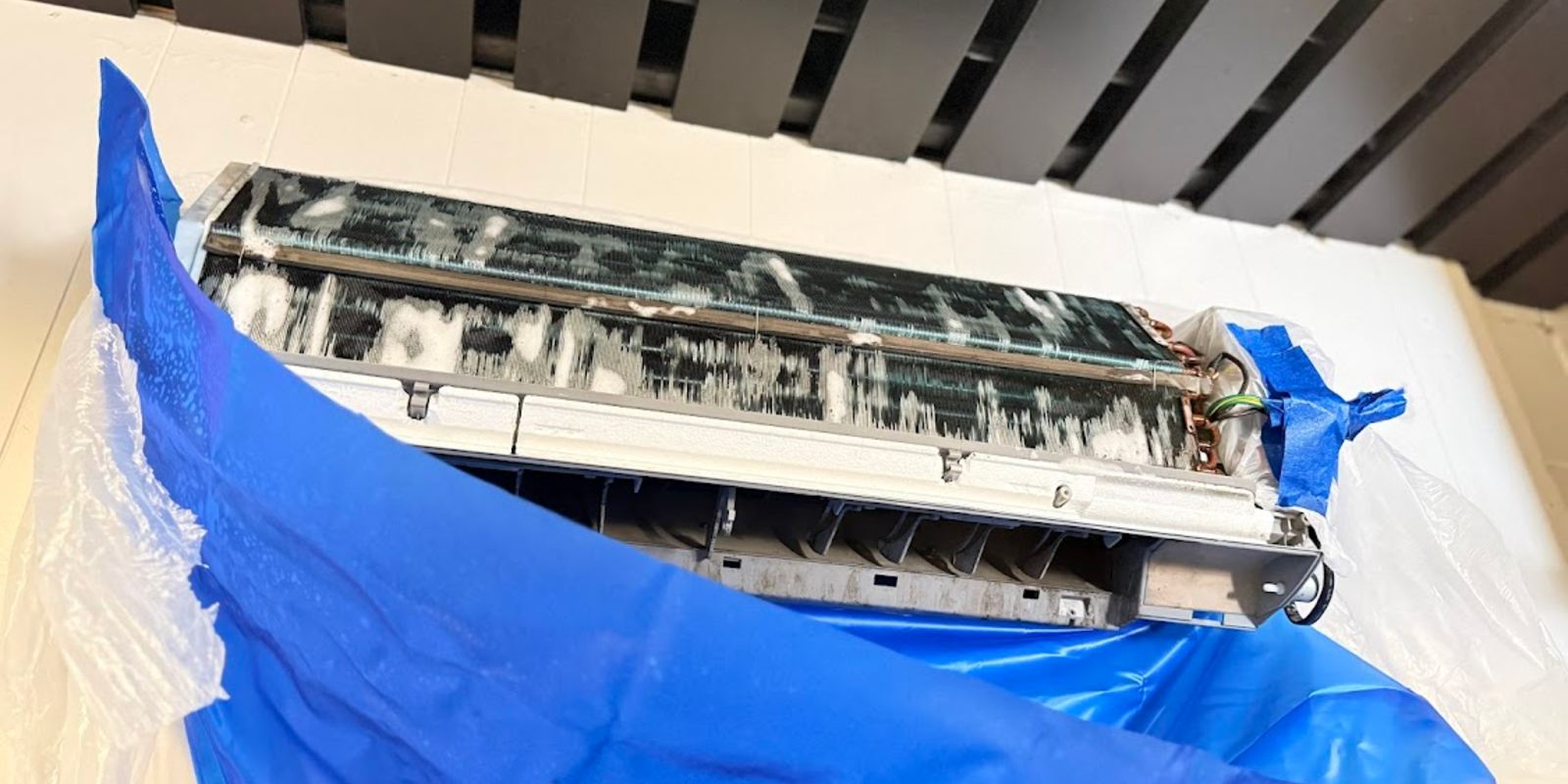
- Mold inside walls or HVAC
- Recurring growth
- Water damage history
- Unknown source
The biggest risk with DIY cleanup is not what you see, it’s what you don’t see. Disturbing mold without proper containment can spread spores to new areas.
In many cases, what looks like a small issue on the surface is only a symptom of a larger hidden problem.
What Happens If You Ignore Mold
Choosing to “wait and see” is often the most expensive decision homeowners make.
If mold is left untreated, it can lead to:
- Structural deterioration of drywall, wood, and insulation
- Worsening indoor air quality over time
- Increased remediation costs as damage spreads
- More invasive repairs later (not just cleaning, but reconstruction)
Even small delays can turn a localized issue into a whole-home remediation project.
Make the Right Call on Mold Remediation
Not every mold issue requires professional remediation. Small, surface-level growth or isolated moisture events can often be handled safely without full-scale intervention.
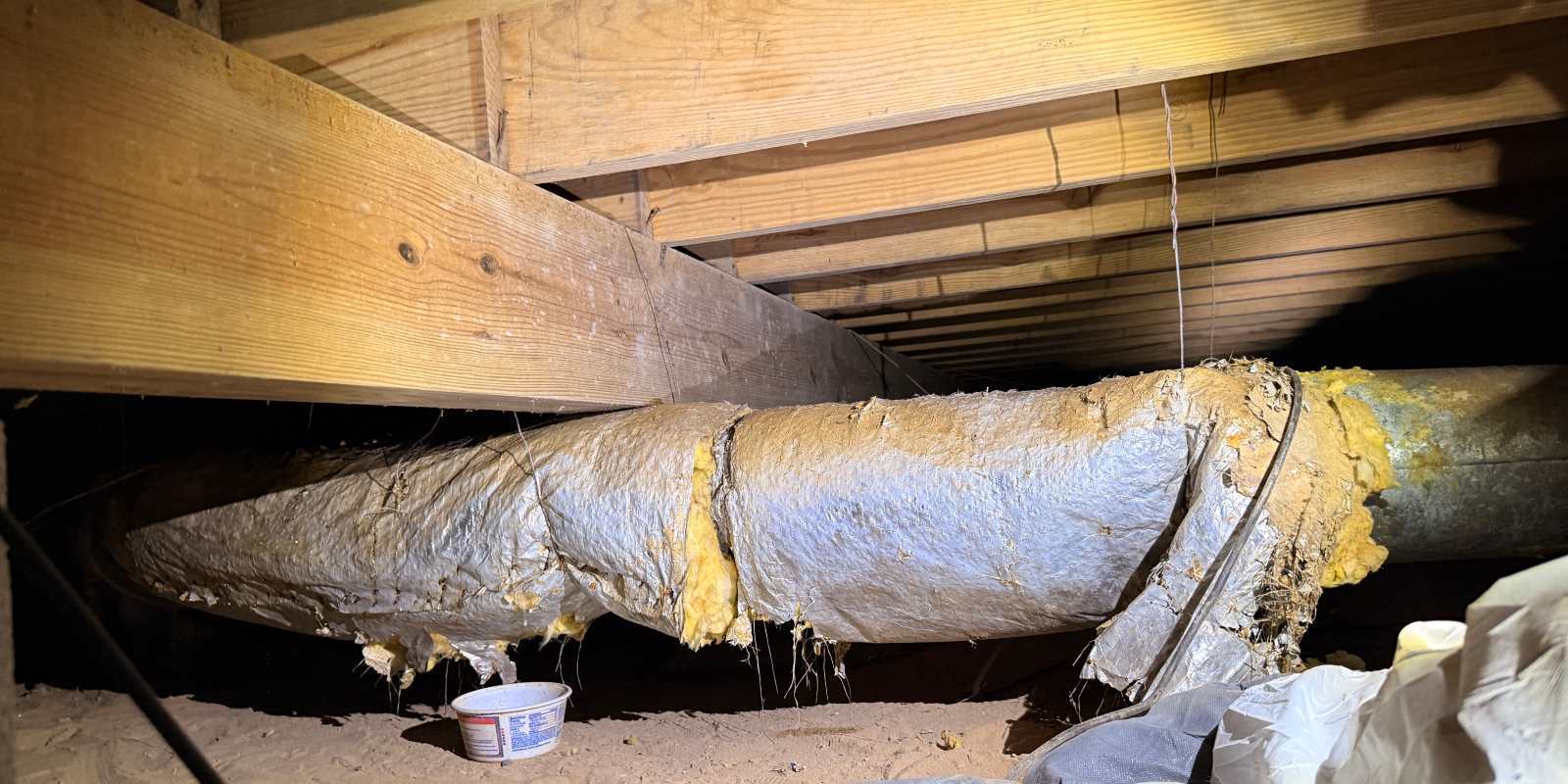
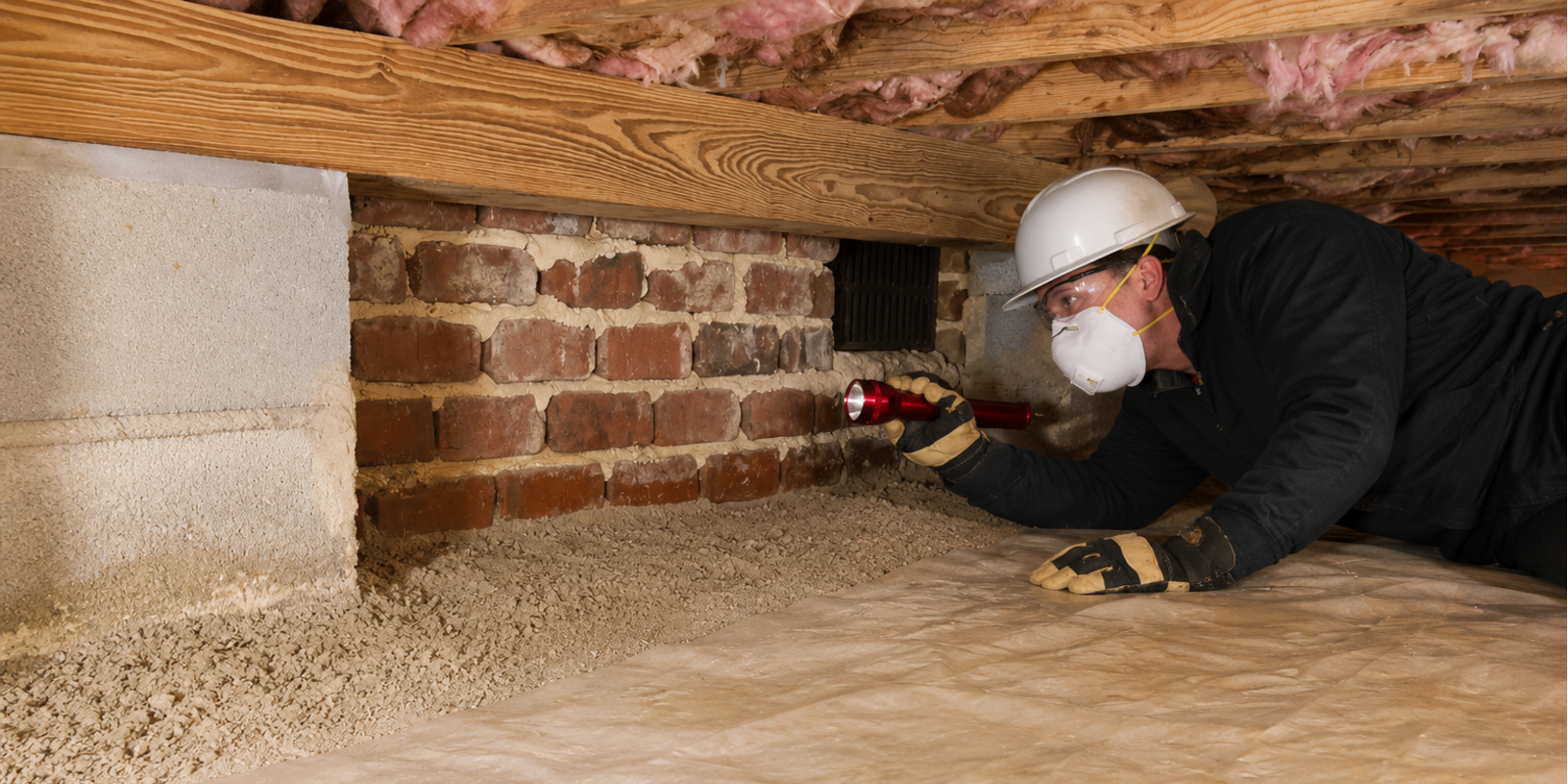
However, the real risk isn’t always what you can see. Hidden moisture and mold growth behind walls, under flooring, or inside HVAC systems can spread quietly over time.
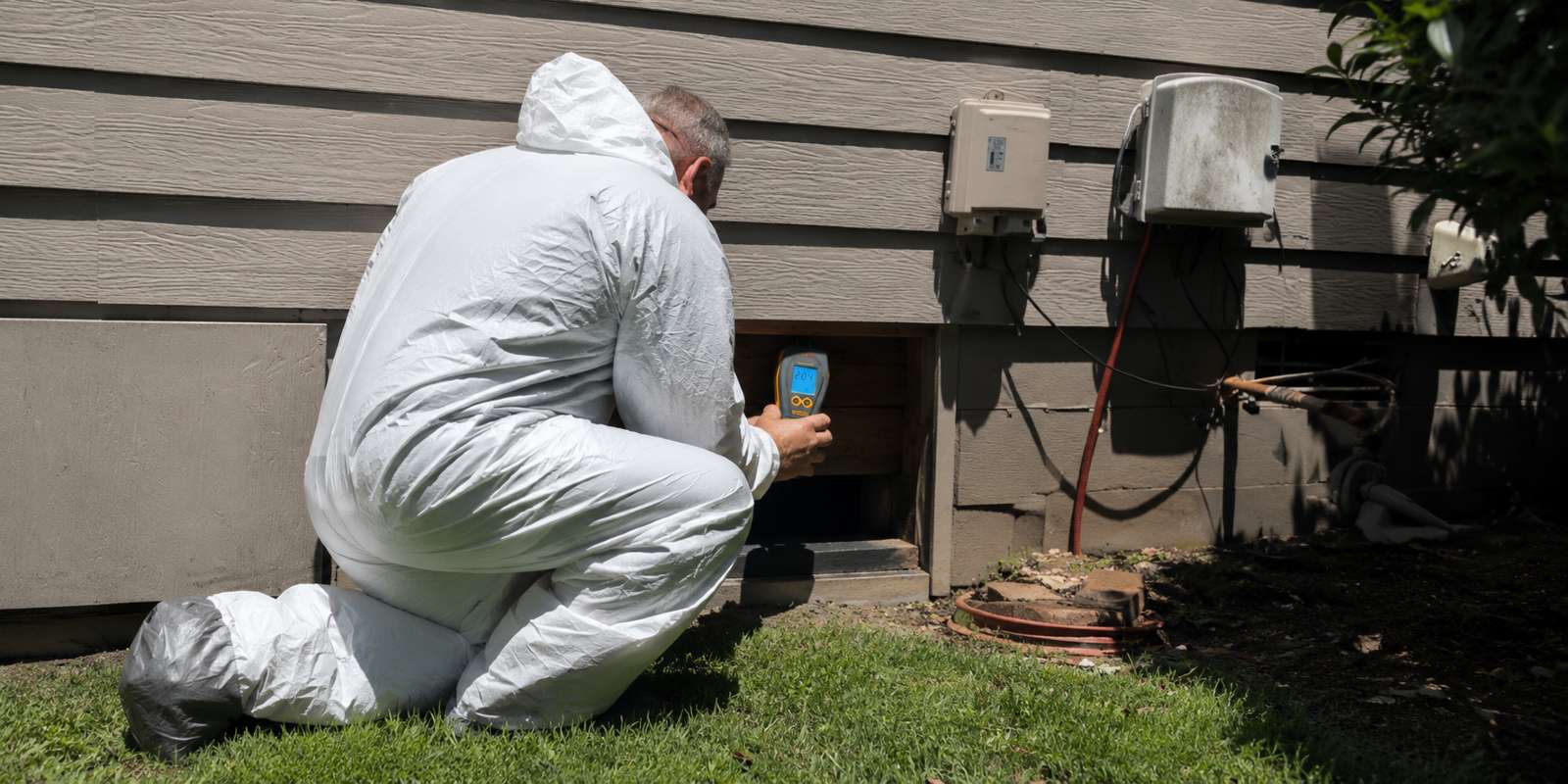
If you’re unsure where your situation falls, the next step is identifying what you’re actually dealing with. Knowing whether you’re seeing surface staining, mildew, or active mold growth is critical before deciding how to respond.
If you’re noticing dark spots forming on your walls or ceiling, take a closer look at what they might indicate before assuming the worst.

At Restore-It, the goal is to help homeowners in South Arkansas make the right decision early, avoid unnecessary costs, and address serious issues before they escalate.

Topics: