
Summer brings higher temperatures, heavy rain, and increased humidity. While that may be great for outdoor activities, it also creates ideal conditions for mold growth inside your home.
Mold thrives in warm, damp spaces with poor airflow. During summer, moisture can build up faster than many homeowners realize. A small leak, trapped humidity, or hidden condensation problem can quickly lead to mold growth behind walls, under cabinets, or inside ventilation systems.
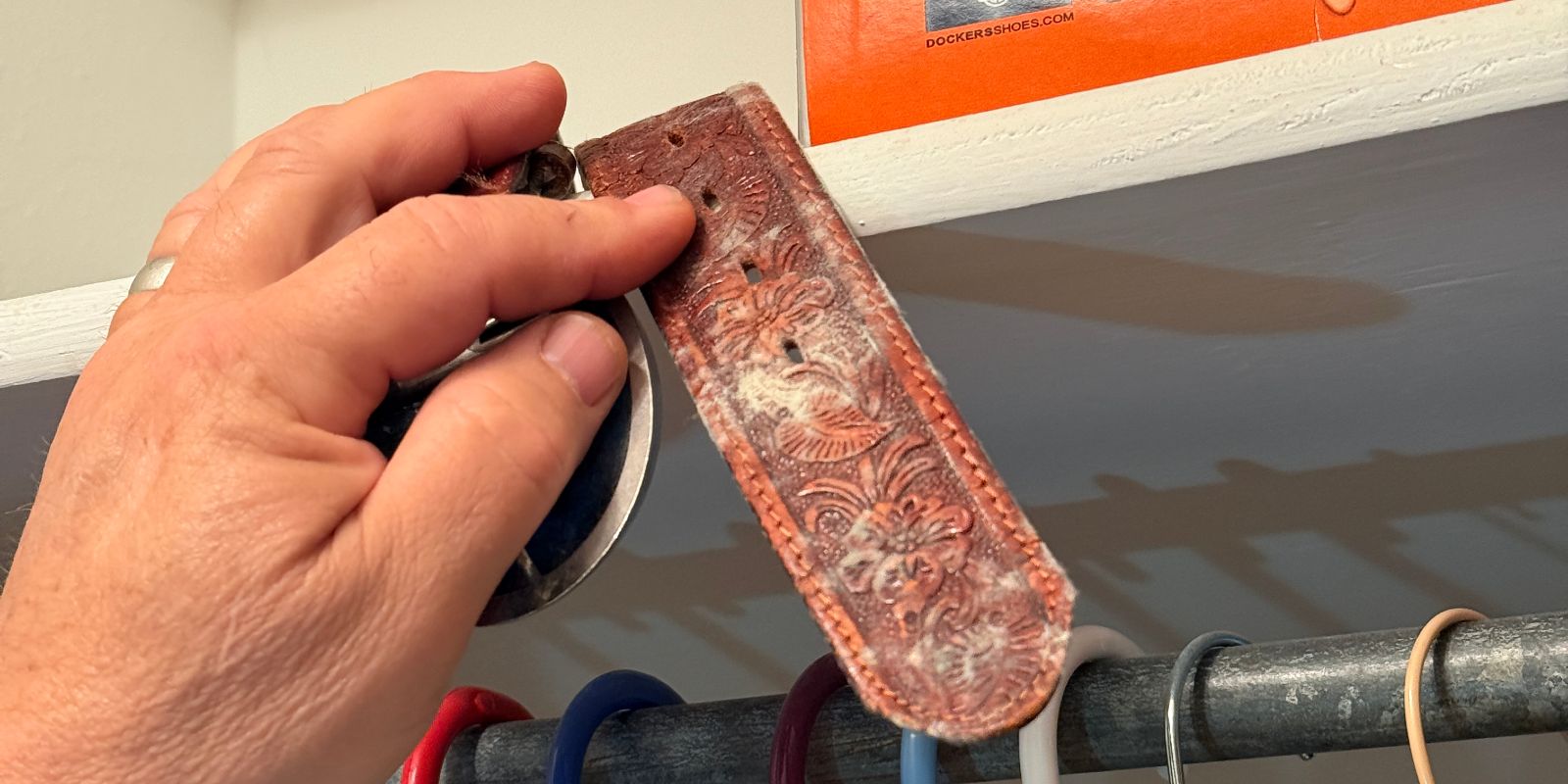
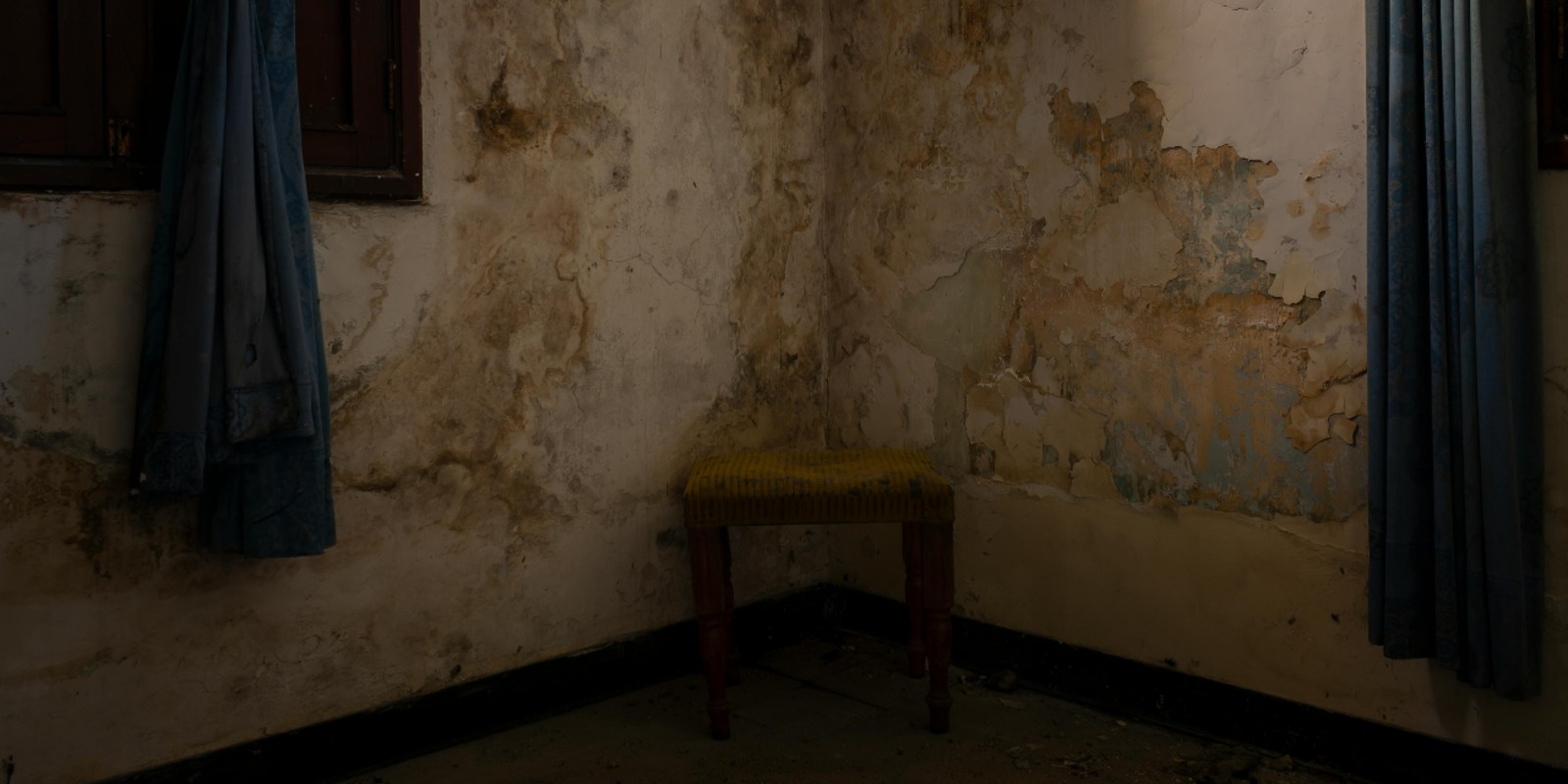
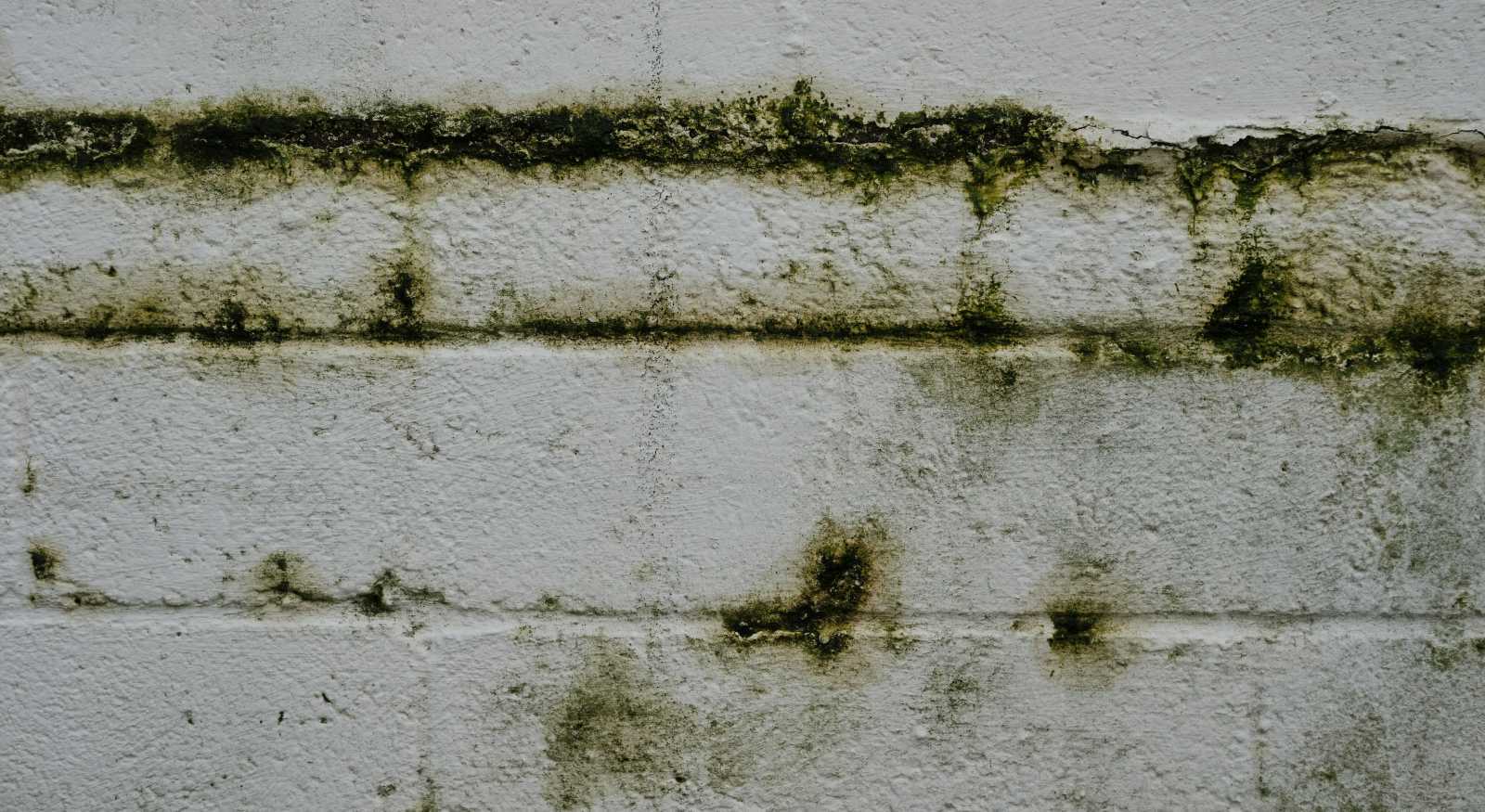
The problem is that mold often stays hidden until it becomes more serious. You may notice musty odors, wall discolorations, allergy symptoms, or warped materials long before you actually see visible mold.
Since 2012, Restore-It has helped homeowners throughout South Arkansas identify mold problems early and restore healthier indoor environments. Our team has seen firsthand how quickly small moisture problems can turn into an expensive restoration project.
To help you stay ahead of mold growth this summer, today we'll cover:
- The five areas of your home most vulnerable to mold
- Why these spaces are at higher risk during summer
- Warning signs to watch for
- Practical steps you can take to prevent mold before it spreads
Why Mold Grows More During Summer
Summer weather naturally increases indoor moisture levels. Warm air holds more humidity, and your home may struggle to remove that excess moisture fast enough.
Common summer conditions that encourage mold growth include:
- High humidity levels
- Frequent rainstorms
- Condensation from air conditioning systems
- Poor ventilation
- Plumbing leaks
- Wet building materials
- Damp carpets or insulation
According to the Environmental Protection Agency (EPA), mold can begin growing within 24 to 48 hours when moisture is present. In practical terms, that means a small leak or condensation issue can create conditions for mold growth before many homeowners realize there's a problem. Even minor water issues can quickly become larger restoration problems if ignored.
|
Summer Mold Trigger |
Why It Causes Problems |
|
High humidity |
Creates damp indoor air |
|
Heavy rain |
Allows water intrusion |
|
Poor airflow |
Traps moisture indoors |
|
AC condensation |
Produces hidden moisture |
|
Plumbing leaks |
Keeps surfaces continuously wet |
Bathrooms Trap Humidity and Moisture
Bathrooms are one of the most common areas for summer mold growth. Daily showers create steam and humidity that linger on walls, ceilings, grout, and under sinks.
When airflow is limited, damp surfaces stay wet longer, creating the ideal environment for mold growth. Hidden areas, such as beneath sinks, behind vanities, and around plumbing connections, are especially vulnerable because small leaks can go unnoticed for weeks.
Common Signs of Bathroom Mold
- Musty smells
- Peeling paint
- Dark spots on ceilings
- Discoloration around tubs or toilets
- Mold forming in grout lines
- Condensation that lingers after showers
Poor ventilation and hidden leaks are two of the most common causes of bathroom mold.
How to Reduce Bathroom Mold Risk
- Run exhaust fans during and after showers
- Repair leaking plumbing quickly
- Use a dehumidifier if moisture remains high
Even small improvements in ventilation can help reduce excess moisture buildup.
Basements Create Ideal Conditions for Mold Growth
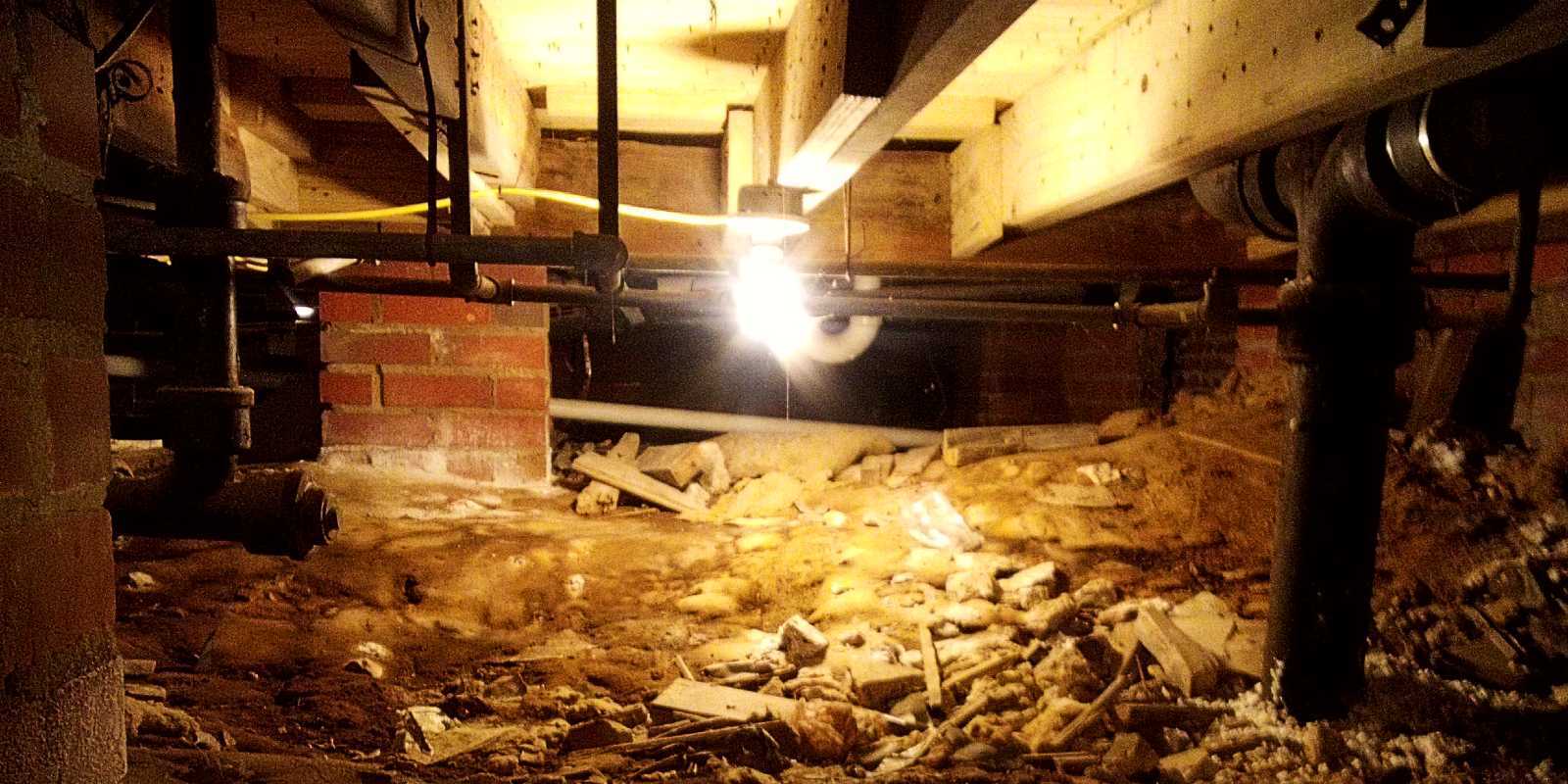
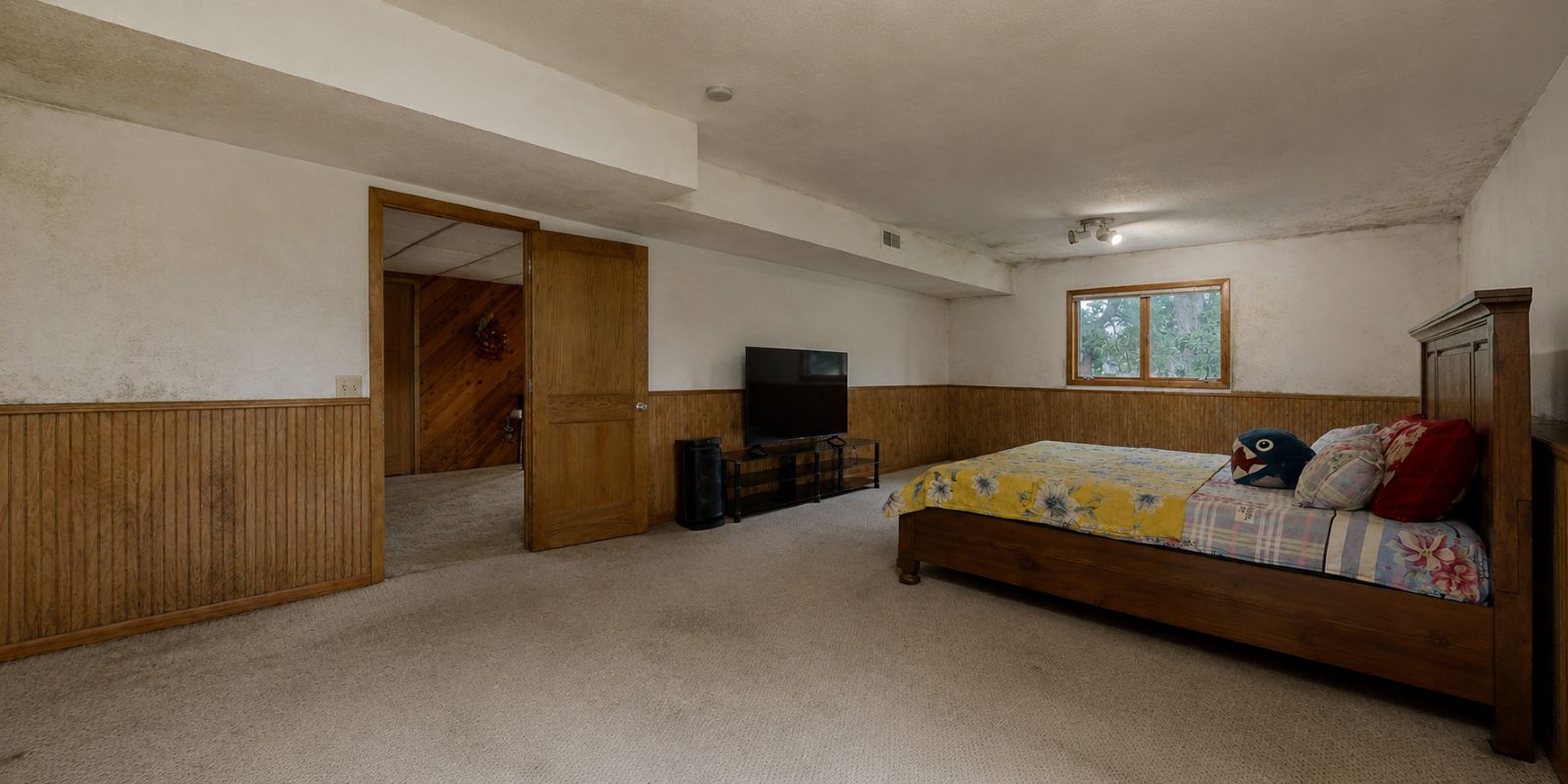
Basements are especially vulnerable to summer moisture problems because they stay cooler than the rest of the home. When warm, humid air enters the space, condensation can form on walls, pipes, and concrete surfaces.
Heavy rainfall, foundation cracks, and poor airflow often allow moisture to linger in basements long after a storm passes.
Where Mold Commonly Develops in a Basement
|
Basement Area |
Why It's Vulnerable |
|
Foundation walls |
Condensation and water seepage |
|
Carpeted floors |
Moisture becomes trapped in the padding |
|
Storage boxes |
Limited airflow around stored items |
|
Around sump pumps |
Frequent exposure to water |
|
Ceiling corners |
Humidity tends to accumulate |
Musty odors are often one of the first signs that moisture is building up in your basement, even when no mold is visible.
How to Prevent Mold in Your Basement
- Use a dehumidifier to keep humidity below 50%
- Inspect foundation walls for cracks or signs of water intrusion
- Avoid storing cardboard boxes directly on concrete floors
- Test and maintain your sump pump regularly
- Make sure gutters and downspouts direct water away from your foundation
If your basement consistently smells damp or musty, moisture may already be trapped behind walls, beneath flooring, or inside stored materials.
Attics Often Develop Hidden Summer Condensation
Many homeowners associate attic problems with winter, but attics can also develop serious moisture issues during summer.
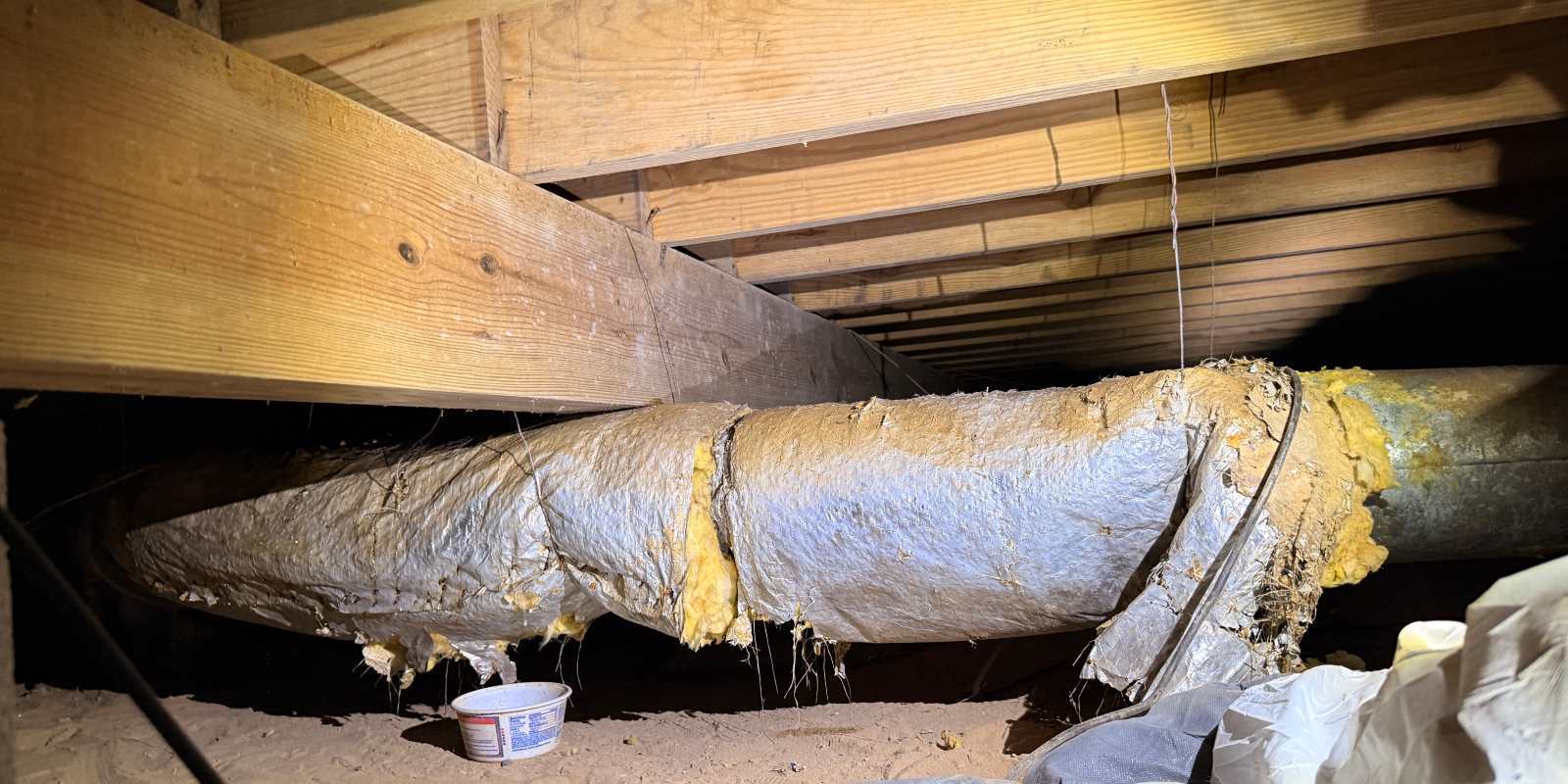
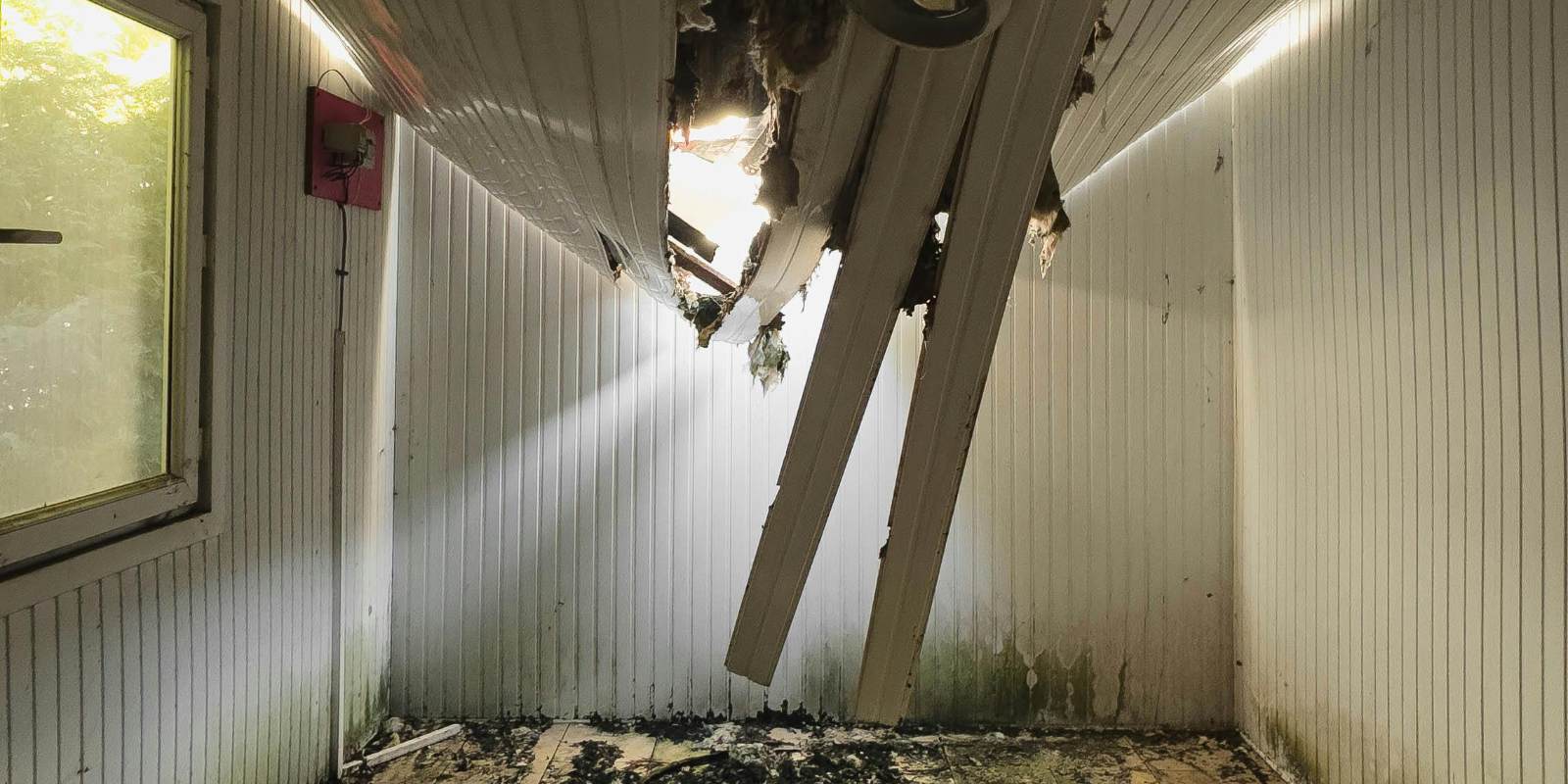
Hot attic temperatures combined with cool indoor air can create condensation around ductwork, vents, and insulation. Roof leaks from summer storms may also introduce moisture into hidden spaces.
Because attics are rarely visited, mold growth can continue undetected for months.
Signs Your Attic May Have Moisture Problems
- Damp insulation
- Water stains on wood
- Rust around nails or vents
- Musty odors
- Visible discoloration on rafters
- Excess heat trapped in the attic
Poor attic ventilation is often a major contributor to mold growth. Without proper airflow, humidity becomes trapped inside the space.
Ways to Protect Your Attic
- Inspect the attic after storms
- Check for roof leaks
- Ensure vents are not blocked
- Seal air leaks from the living space below
- Inspect ductwork for condensation
Routine attic inspections during summer can help catch small moisture problems before they become expensive repairs.
Kitchens Hide Moisture Behind Appliances and Cabinets
Kitchens produce moisture every day through cooking, dishwashing, and plumbing use. During summer, increased humidity makes it harder for those damp areas to dry properly.
Unfortunately, many kitchen moisture problems stay hidden behind refrigerators, dishwashers, sinks, or cabinets.
Leaks from water lines or condensation from appliances can slowly damage surrounding materials without obvious warning signs.
Common Mold-Prone Kitchen Areas
- Under kitchen sinks
- Behind refrigerators
- Around dishwasher seals
- Inside cabinets
- Behind backsplashes
- Around window frames
Warning Signs to Watch For
|
Sign |
Possible Cause |
|
Swollen cabinets |
Hidden moisture |
|
Musty smell |
Mold growth behind surfaces |
|
Soft drywall |
Ongoing leaks |
|
Peeling flooring |
Water intrusion |
|
Condensation on windows |
High indoor humidity |
Kitchen Mold Prevention Tips
- Check appliance hoses regularly
- Repair leaks immediately
- Wipe up standing water quickly
- Use exhaust fans while cooking
- Keep airflow moving around appliances
Even a slow drip under the sink can eventually lead to hidden mold growth inside cabinets or walls.
HVAC Systems Can Spread Mold Throughout Your Home
Your HVAC system helps control indoor comfort during summer, but it can also contribute to mold problems if moisture builds up inside the system.
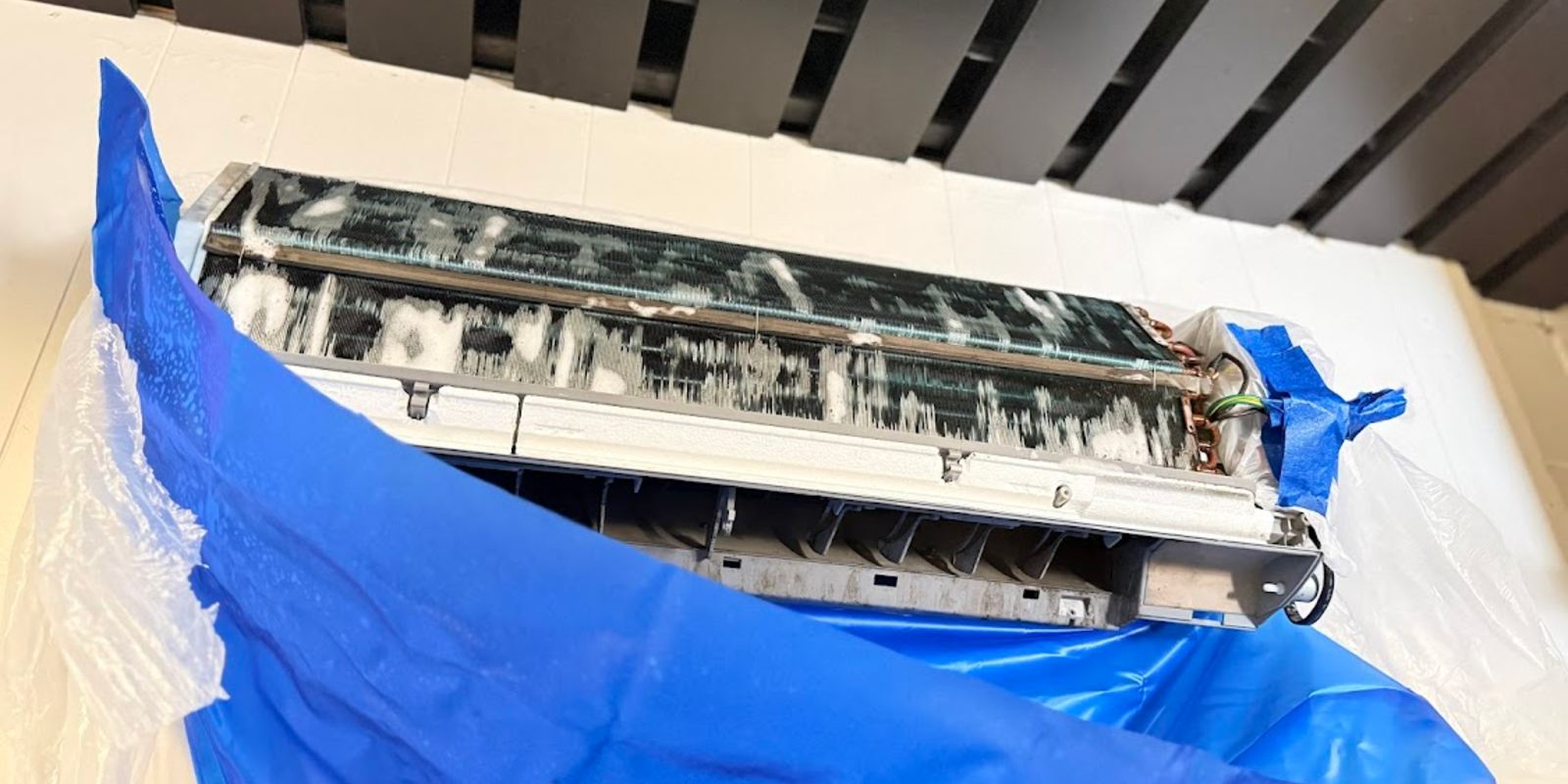
Air conditioning systems create condensation as they cool warm air. When drain lines clog or moisture accumulates inside the system, mold can develop and spread through the ductwork.
HVAC Mold Warning Signs
- Musty odors when the AC starts
- Excess condensation near vents
- Increased allergy symptoms indoors
- Dirty or damp air filters
- Visible buildup around vents
How to Reduce HVAC Mold Risk
- Change air filters regularly
- Schedule seasonal HVAC inspections
- Clean drain lines
- Ensure ducts stay dry
- Keep indoor humidity controlled
Professional inspections are especially important if your home has experienced water damage or persistent humidity issues.
When Should You Call a Professional?
Not all mold problems require professional remediation, but some situations should not be ignored.
You should contact a restoration professional if:
- Mold continues returning after cleaning
- The affected area keeps growing
- You notice strong musty odors
- Water damage recently occurred
- Mold appears inside walls or ceilings
- Family members experience worsening allergy symptoms
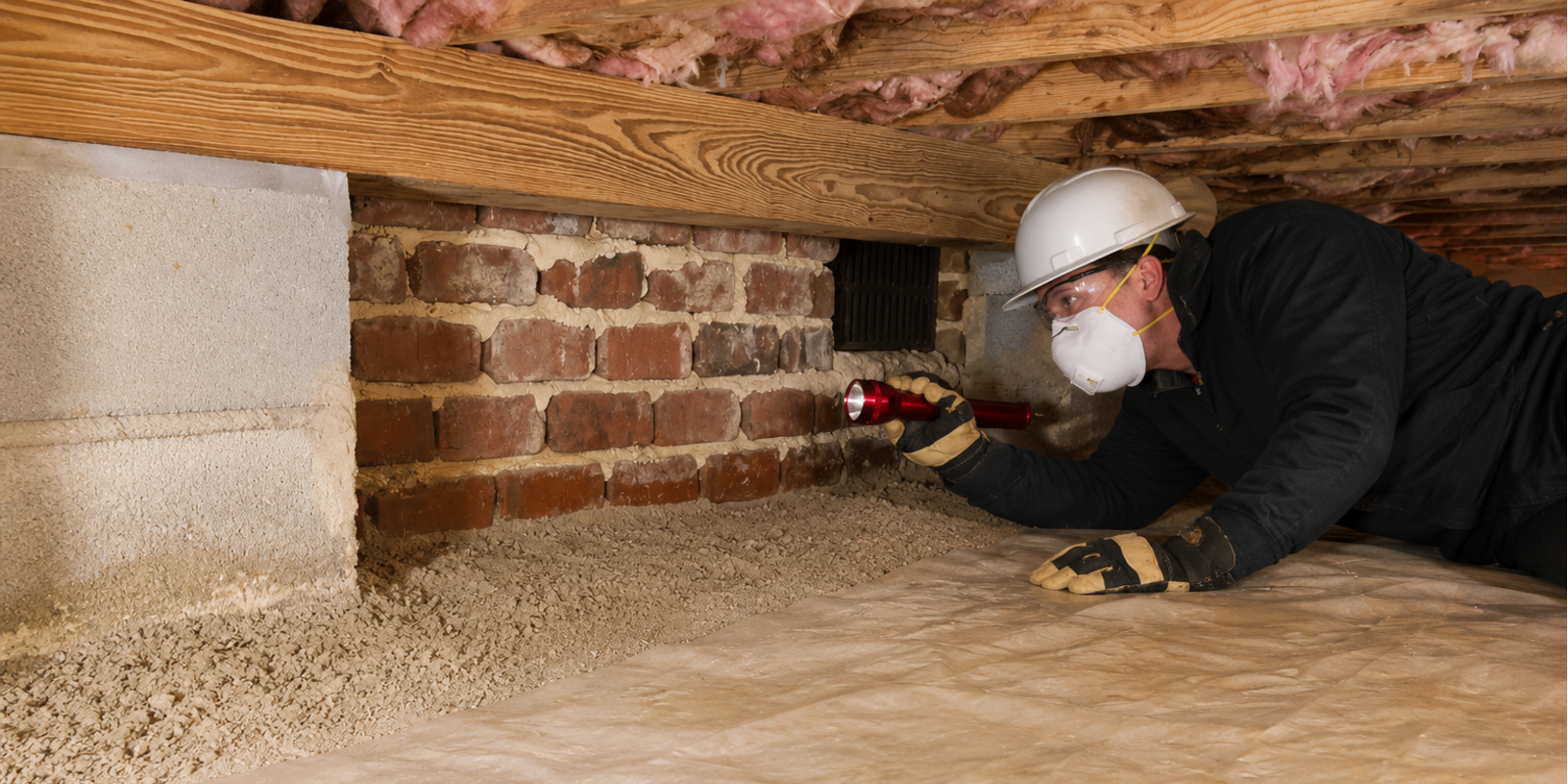
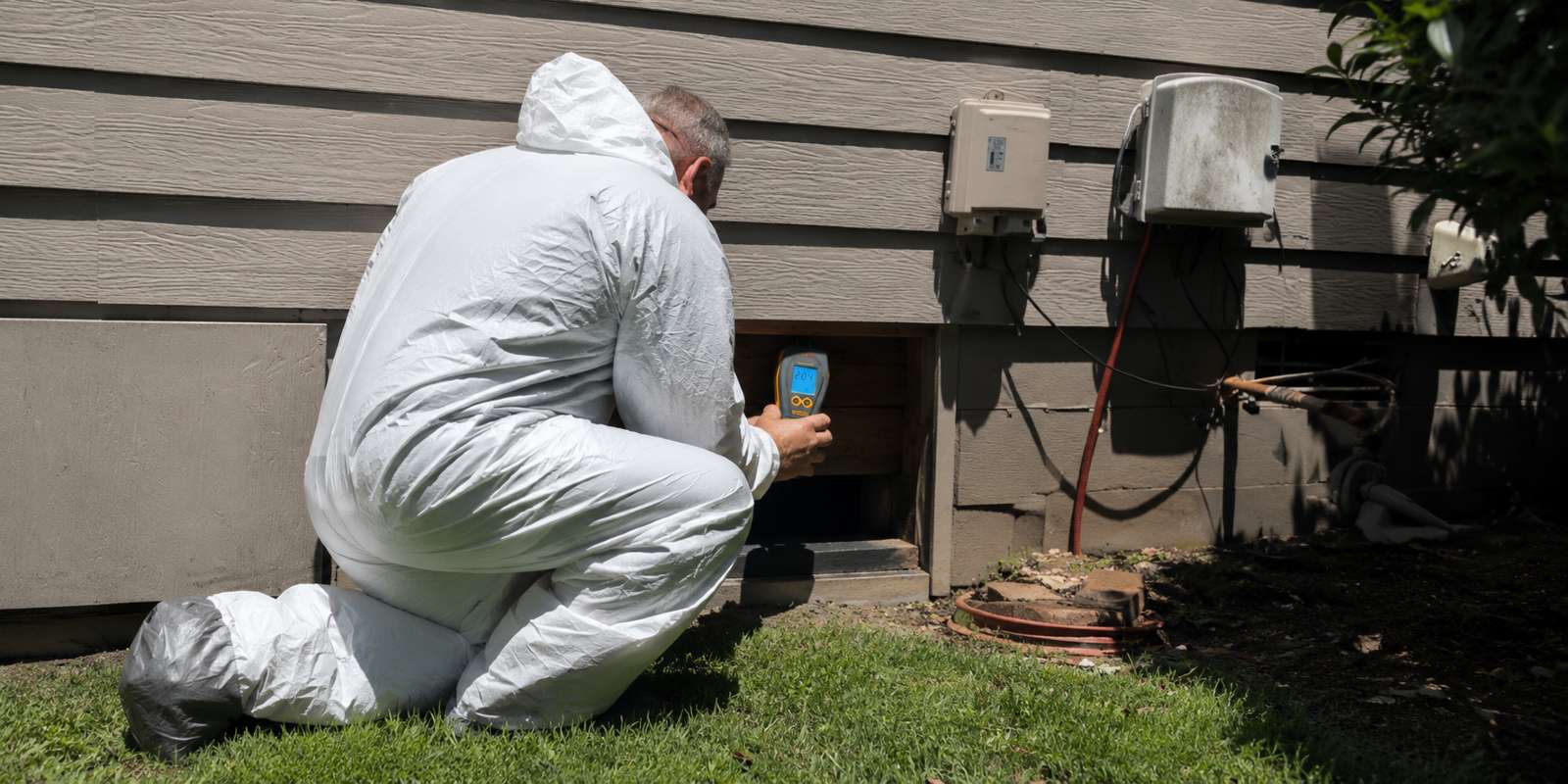
A professional inspection can help identify hidden moisture sources and determine whether remediation is necessary.
Protect Your Home Before Mold Spreads
Summer mold growth often starts in areas homeowners rarely inspect. Bathrooms, basements, attics, kitchens, and HVAC systems can all create opportunities for hidden moisture buildup.
Since 2012, Restore-It has helped homeowners throughout South Arkansas identify mold problems early and address the moisture issues causing them.
To learn more about your home's condition and discuss potential mold concerns, schedule an inspection with our team.

While knowing where mold is most likely to grow is important, identifying it correctly is just as critical. Not every dark spot on a wall or ceiling is mold. Your next step should be learning how to distinguish mold from mildew, staining, and other common household issues so you can determine when professional remediation may be necessary.
For a closer look at what those dark spots may actually be, explore our related guide below.

Topics: