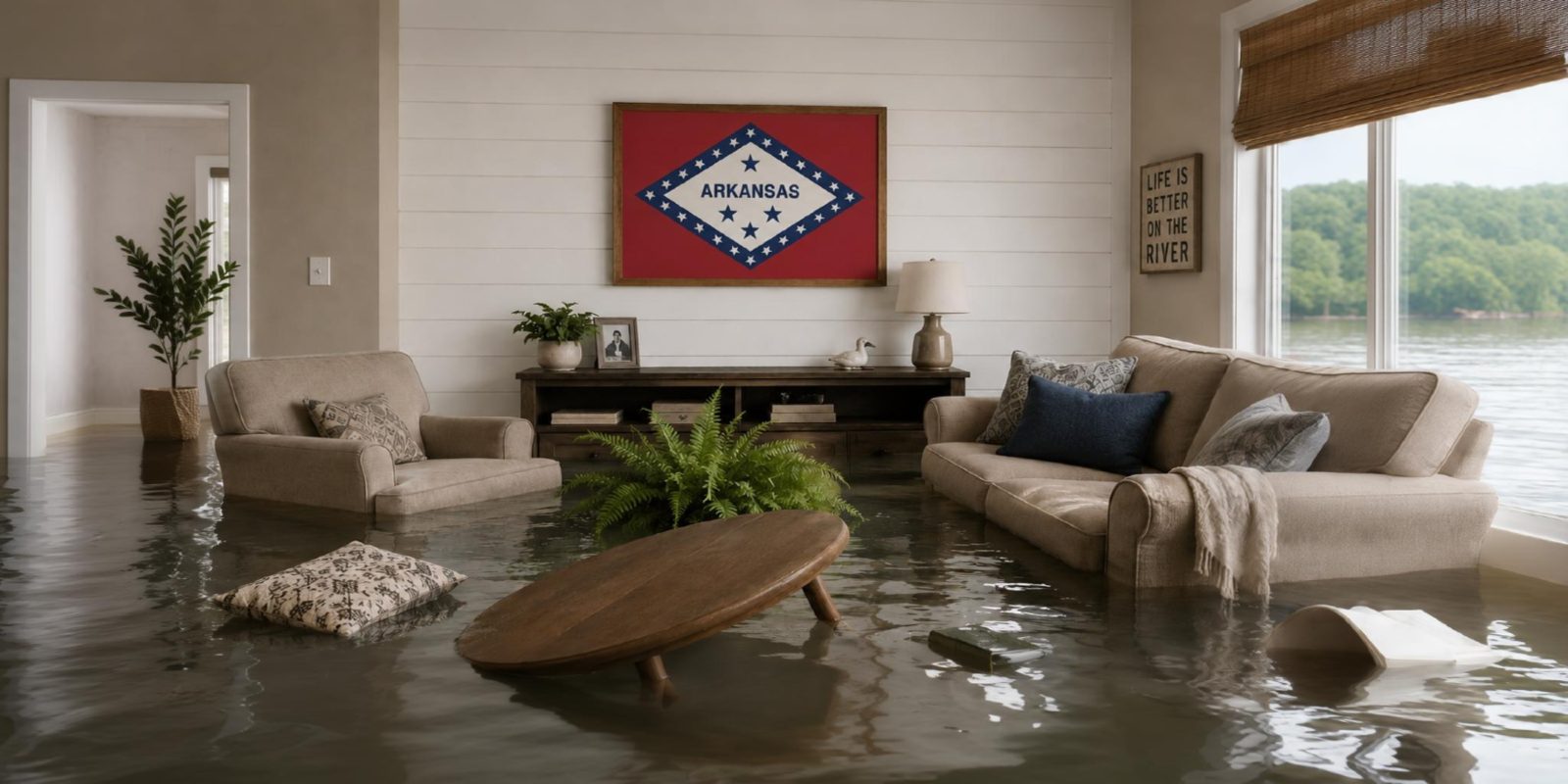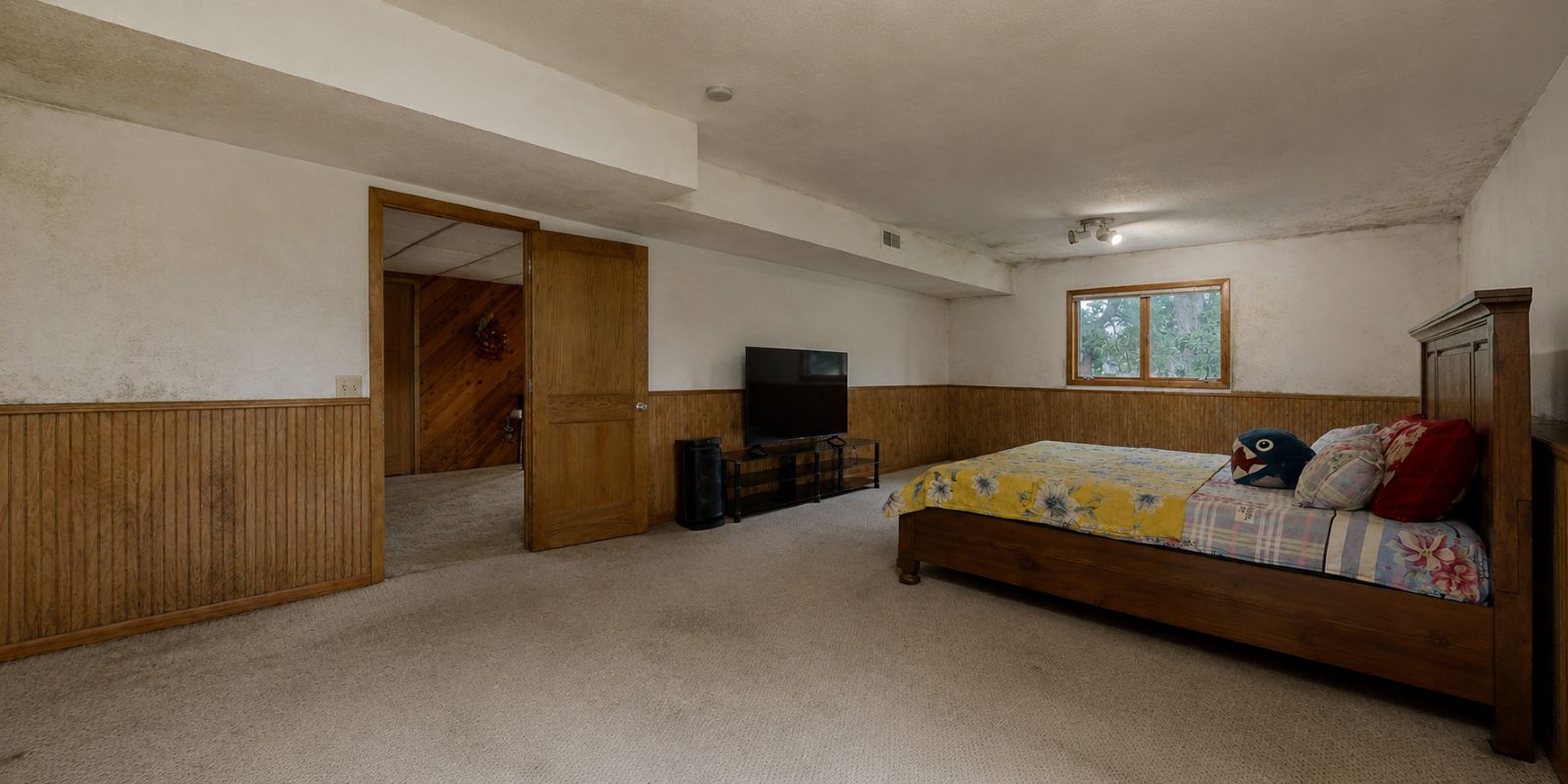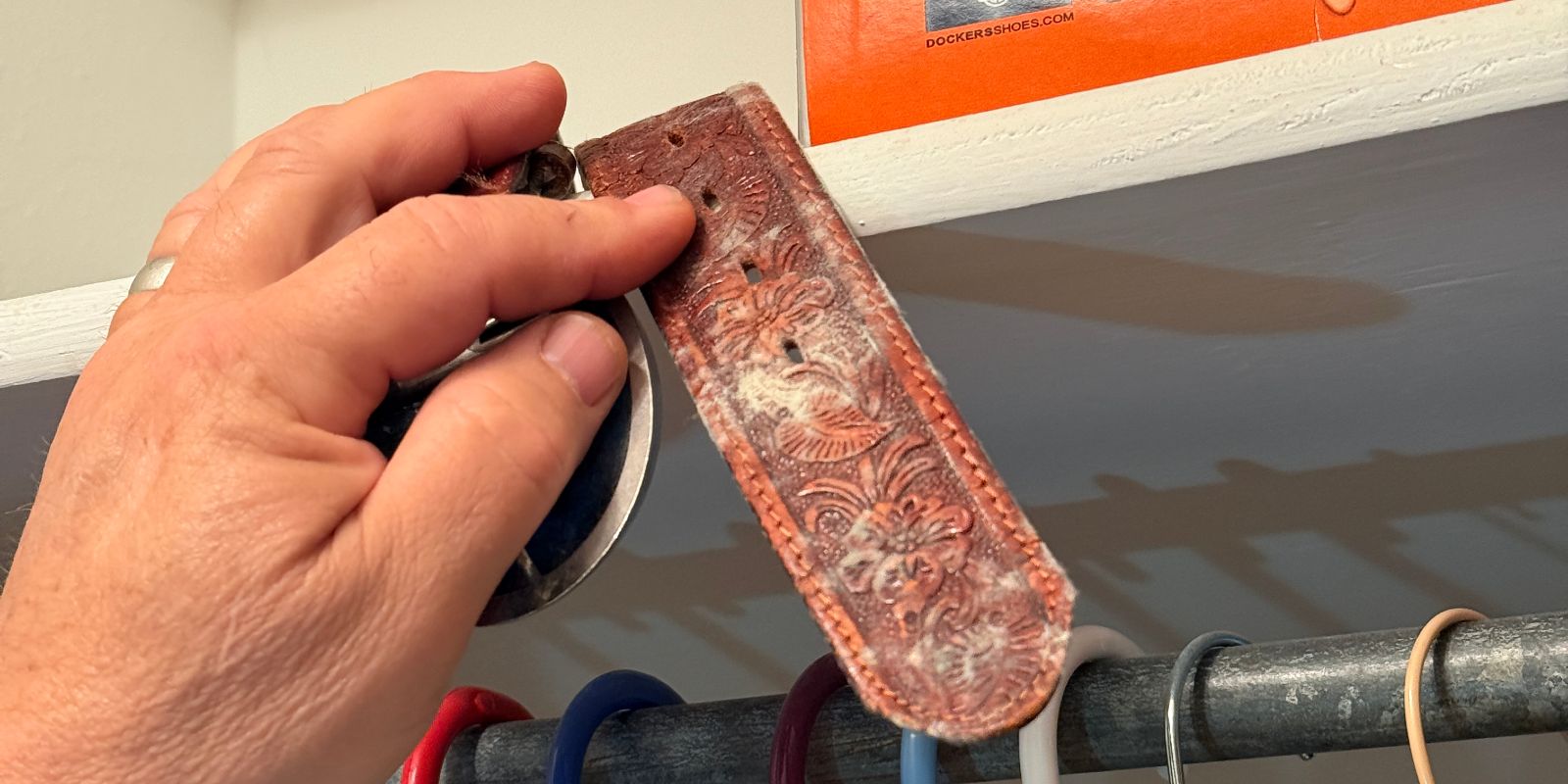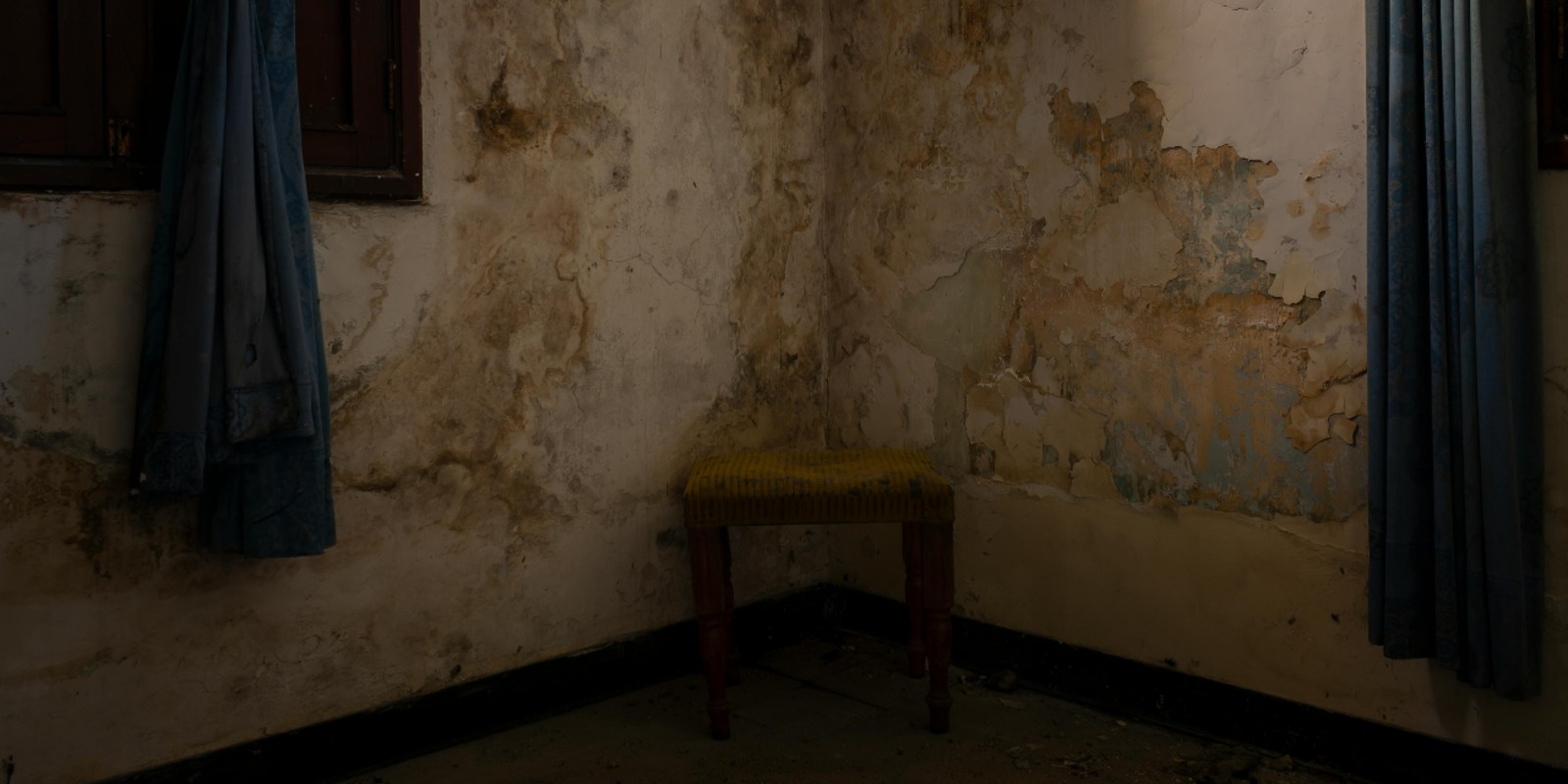

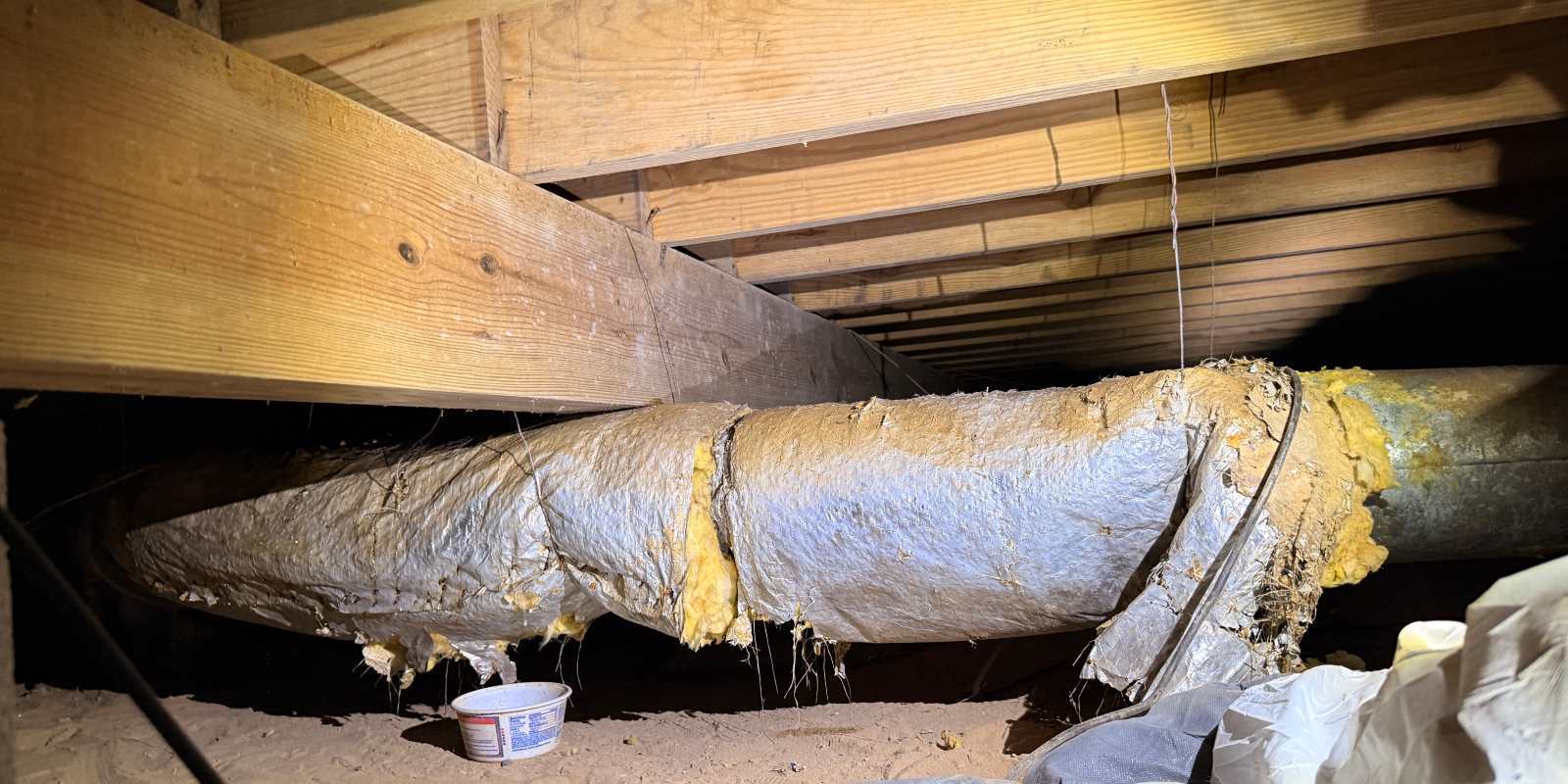
You open your crawlspace door, and everything looks fine.
The floor is free of debris. There are no spilled liquids. You don't see mold growing across the joists. At first glance, it seems clean.
But does that mean it's healthy? Not necessarily.
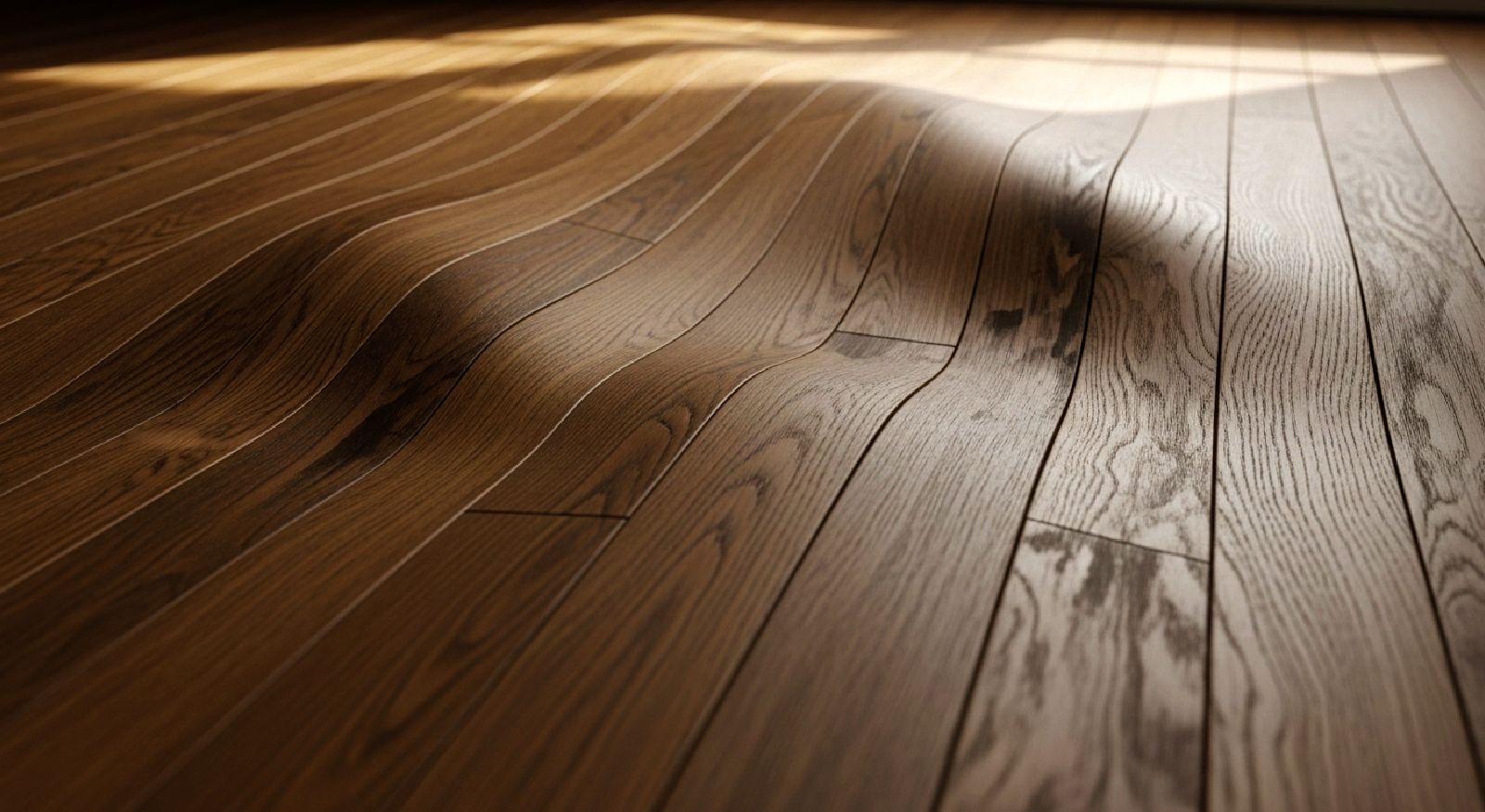
Many crawlspace problems develop quietly. Moisture, elevated humidity, hidden mold, poor ventilation, and deteriorating insulation can exist long before obvious damage appears. By the time you notice musty odors inside your home, sagging floors, or higher energy bills, those hidden issues may have been affecting your home for months or even years.
At Restore-It, we've inspected crawlspaces throughout southern Arkansas for more than 14 years. During that time, we've seen crawlspaces that looked perfectly clean but had dangerously high moisture levels hidden beneath the surface. We've also inspected homes with professionally installed vapor barriers that were still experiencing excessive humidity because the crawlspace wasn't properly sealed or humidity wasn't being controlled. A vapor barrier blocks ground moisture, but it can't manage southern Arkansas humidity by itself.
Protecting a crawlspace requires a complete moisture control system, a properly installed vapor barrier, controlled airflow, and dehumidification when needed, to keep humidity under control and prevent long-term damage.
In this article, you'll learn why appearance alone doesn't tell the whole story, what professionals actually inspect in a crawlspace, and how to determine whether yours is truly healthy.
Why Appearance Can Be Misleading
A crawlspace is hidden beneath your home, making it one of the easiest places to overlook.
Unlike your kitchen or bathroom, you probably don't inspect it regularly. When you do, your evaluation is often based on what you can immediately see.
Unfortunately, many crawl space issues are invisible.
Professionals don't simply look for standing water or visible mold. They evaluate the entire environment because moisture problems usually develop before visible damage appears.
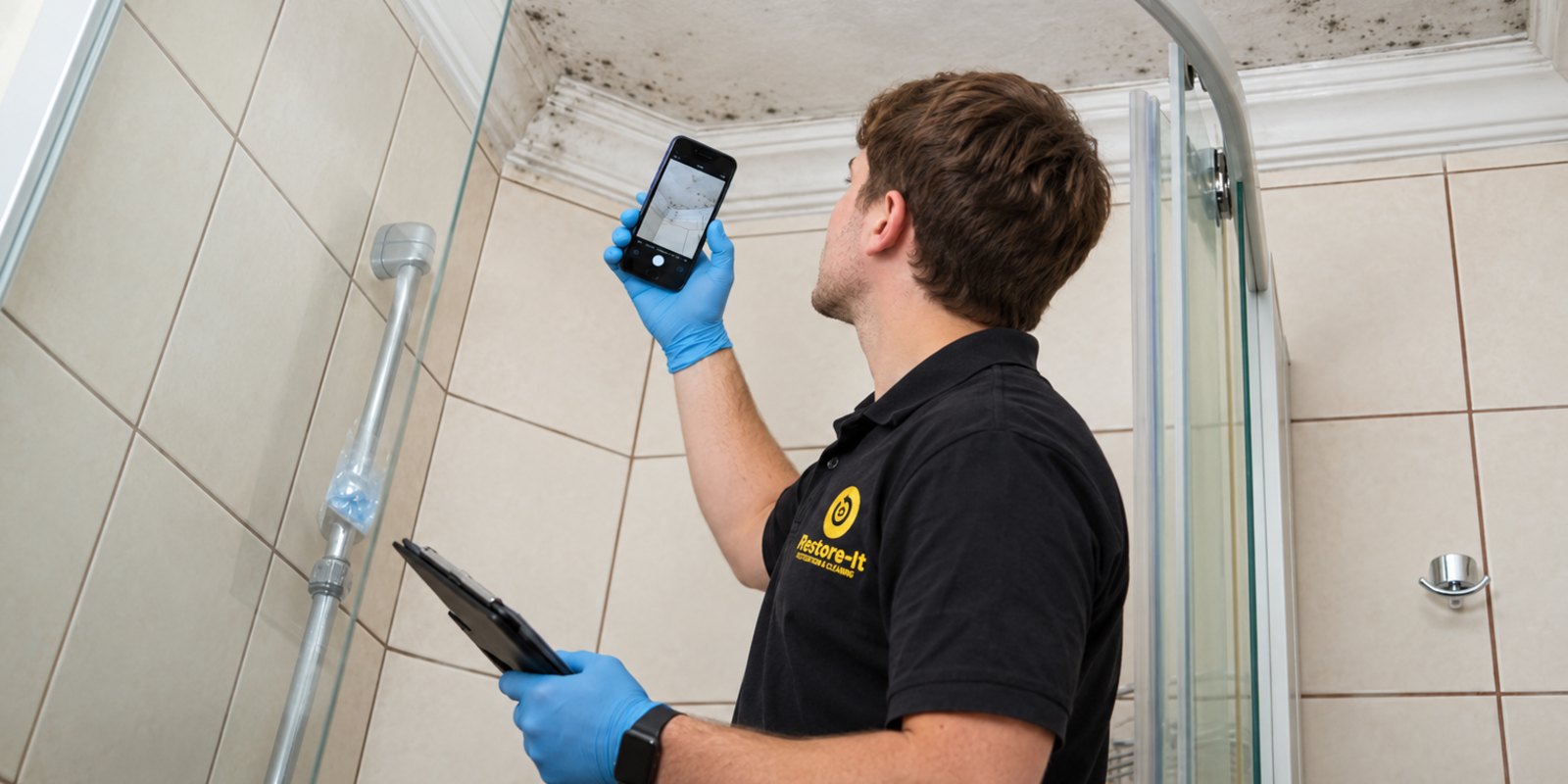
For example, wood can absorb moisture long before it begins to rot. Mold can begin growing behind insulation or on the underside of subflooring, where it's difficult to see. Air with high humidity may look perfectly normal while creating ideal conditions for mold growth.
A crawlspace can appear clean while still creating problems throughout the rest of your home.
Why Moisture Matters More Than What You Can See
This is where science becomes important and where most homeowners get surprised.
According to the U.S. Environmental Protection Agency (EPA), moisture is one of the primary factors that contribute to mold growth indoors, and controlling moisture is the most effective way to prevent mold problems.
Likewise, the U.S. Department of Energy (DOE) states that controlling moisture improves home energy efficiency by enhancing the performance of air sealing and insulation systems, since air leakage is the primary driver of moisture movement in homes and can lead to condensation within building cavities.
This means a crawlspace issue is rarely just a “wet ground” problem; it’s a whole-home performance issue. So, if you’re noticing musty odors, uneven flooring, or rising energy bills, moisture underneath your home may already be playing a role.
What Makes a Crawlspace Healthy?
A healthy crawlspace is dry, stable, and protected from excess moisture.
It supports your home's structure while helping maintain good indoor air quality and energy efficiency.
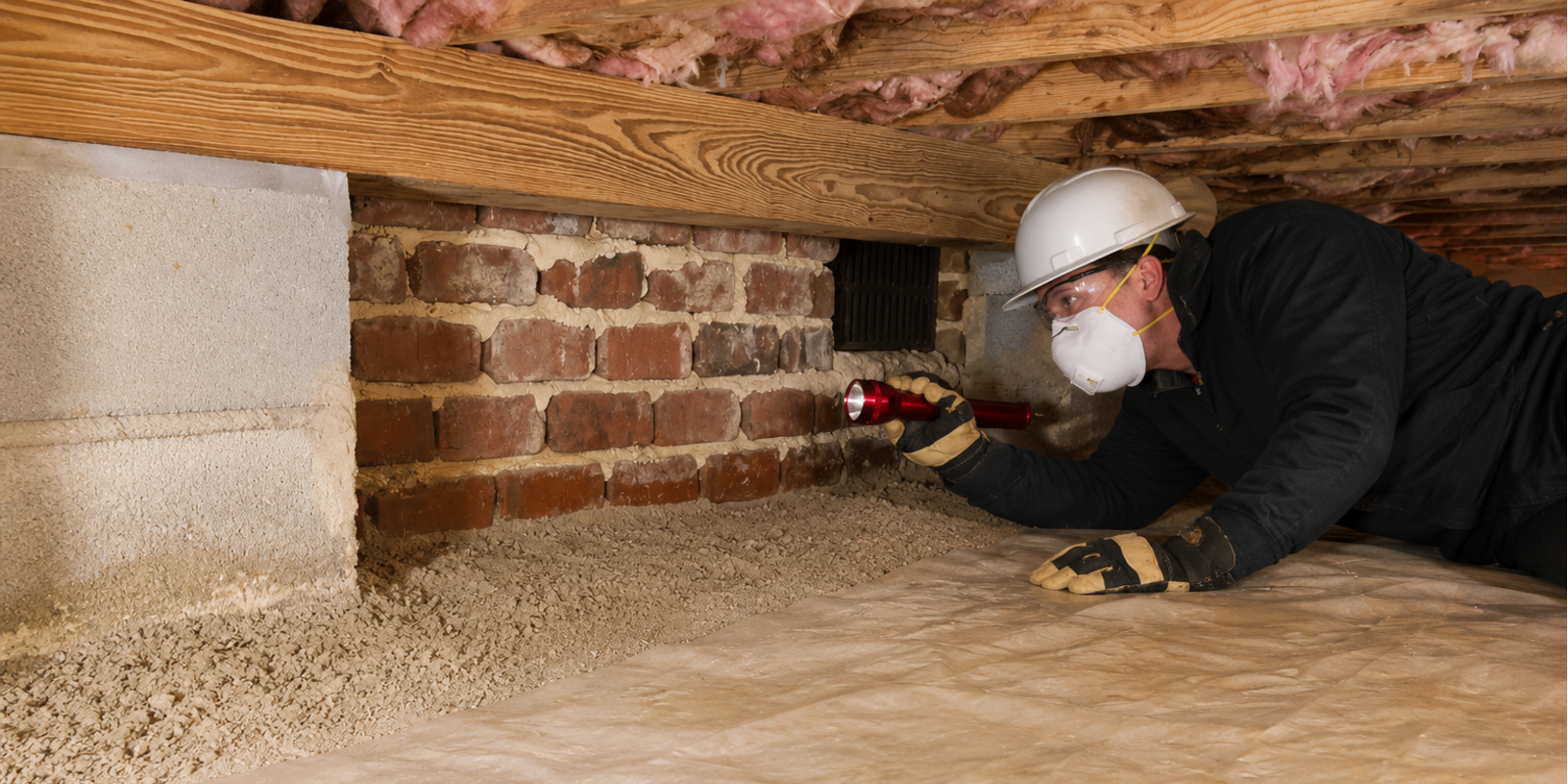
During a professional inspection, several factors are evaluated:
|
What Professionals Check |
Why It Matters |
|
Moisture levels |
Excess moisture creates conditions for mold, wood decay, and structural damage. |
|
Relative humidity |
High humidity can cause mold growth even when no standing water is present. |
|
Vapor barrier system |
A properly installed vapor barrier helps block ground moisture but works best as part of a complete moisture-control system. |
|
Insulation |
In southern Arkansas, damp fiberglass insulation, especially paper-faced insulation, often loses effectiveness and can support mold growth. Professionals determine whether damaged insulation should be removed. If replacement is needed, non-faced insulation is generally preferred. |
|
Wood framing |
Moisture readings help identify hidden structural risks before rot becomes visible. |
|
Pest activity |
Damp crawlspaces are more attractive to rodents and insects. |
|
Air movement & dehumidification |
Professionals evaluate whether humidity is being actively controlled. In southern Arkansas, unmanaged outside air often adds moisture, making controlled air movement and dehumidification more effective than ventilation alone. |
These conditions work together. One small moisture problem can eventually affect several parts of your home.
Hidden Problems You Can't Always See
High Humidity
One of the biggest misconceptions is that standing water is required for a crawlspace to have a moisture problem, but that isn’t true.
Humidity alone can create enough moisture for mold to develop. The Environmental Protection Agency (EPA) explains that indoor humidity should generally remain below 60%, with many experts recommending 45% to 55% for optimal indoor conditions.
A crawlspace may look completely dry while still maintaining unsafe humidity levels.
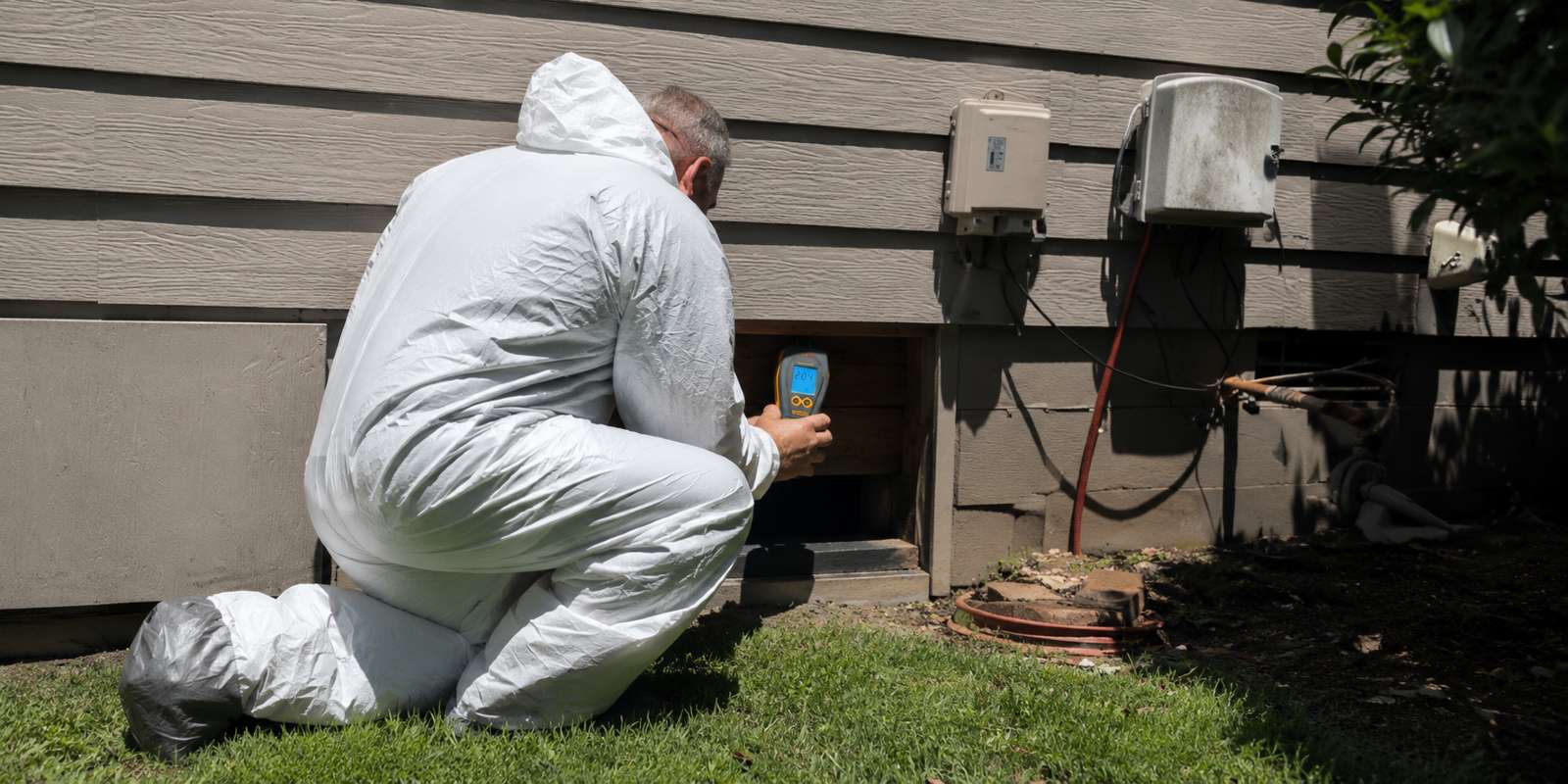
Because humidity is “invisible”, tools like moisture meters and hygrometers are often required to detect the real conditions beneath your home.
Mold Growth Behind Materials
Visible mold is only part of the picture.
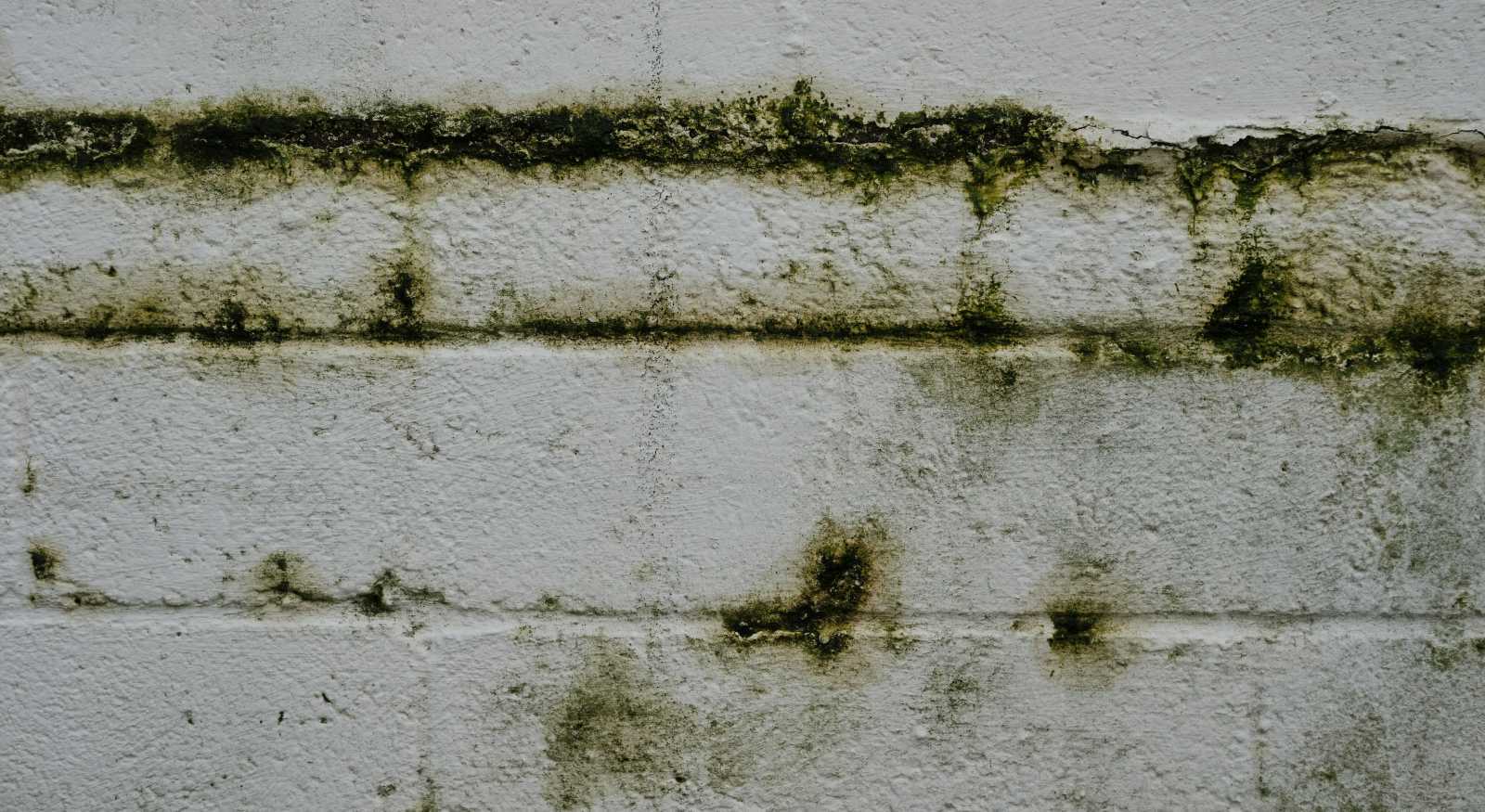
Mold frequently develops:
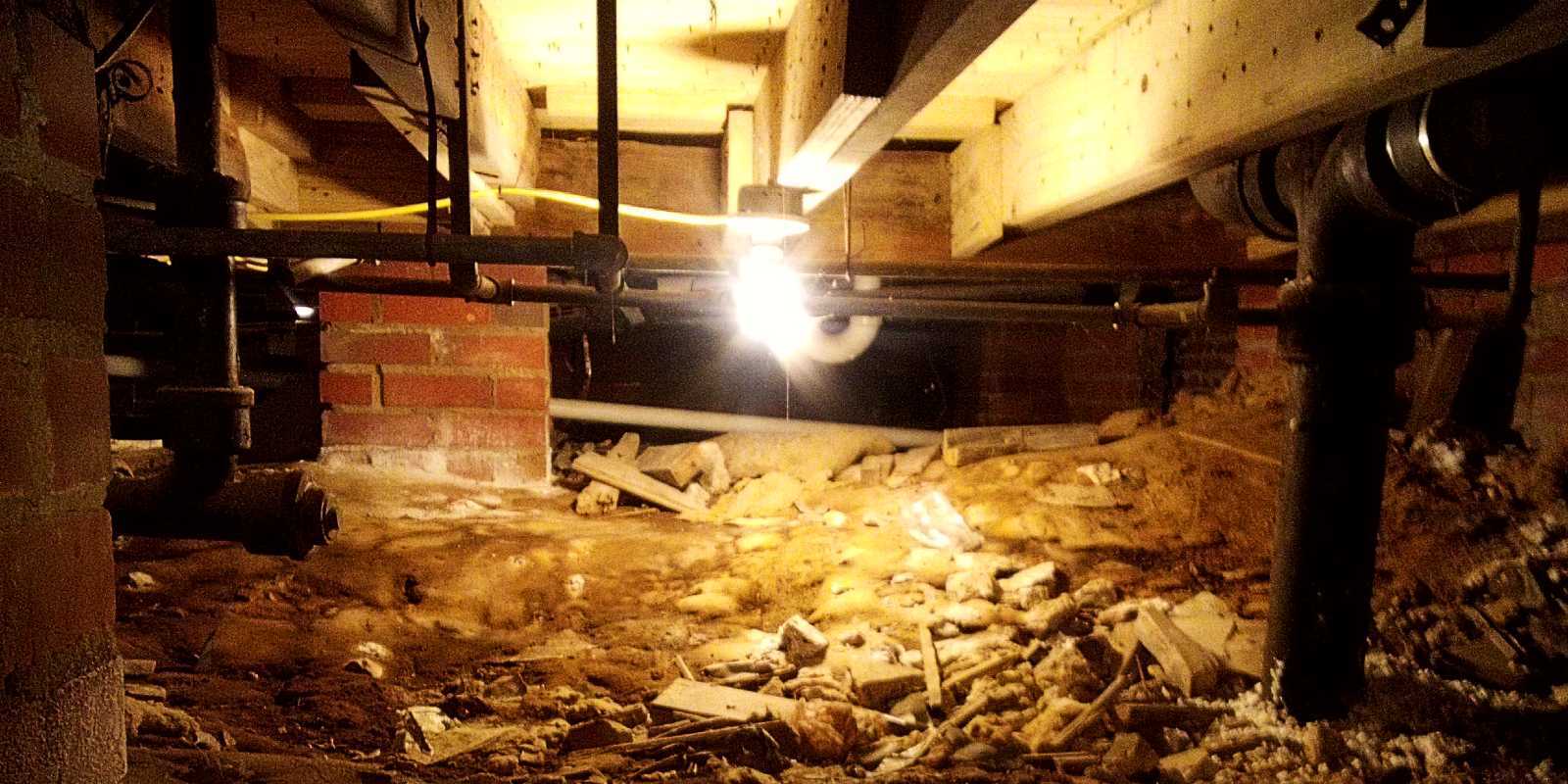
- Behind fiberglass insulation
- On the underside of subfloors
- Around floor joists
- Behind stored materials
- Around plumbing penetrations
Since mold feeds on organic materials like wood and paper-backed insulation, even small moisture problems can create favorable conditions.
The Centers for Disease Control and Prevention (CDC) also emphasizes that mold growth indicates a moisture problem that should be corrected, not simply cleaned.
Wet or Compressed Insulation
Insulation isn't supposed to look soaked before it becomes ineffective.
Small amounts of moisture reduce its insulating value.
Over time, insulation can:
- Sag
- Separate from the floor system
- Trap moisture against wood
- Support mold growth
The Department of Energy (DOE) notes that wet insulation performs significantly worse than dry insulation. So, if your home feels harder to heat or cool, a crawlspace may be part of the issue.
Experts recommend removing older paper-faced fiberglass insulation because the paper backing can provide a food source for mold when moisture is present. Once humidity is under control, non-faced insulation is often a better long-term option.
How Can You Tell If Your Crawlspace Is Healthy?
A quick visual check can provide some clues, but it rarely tells the full story. Many moisture-related problems develop out of sight, so a crawlspace that appears clean can still have hidden issues.
While only a professional inspection can accurately assess moisture levels and structural conditions, the following checklist can help you recognize signs of a healthy crawlspace and warning signs that shouldn't be ignored.
Your crawlspace is probably healthy if...
- Relative humidity remains below 60% (ideally 45–55%)
- Vapor barrier is intact
- Moisture is being managed through controlled airflow and, when needed, dehumidification
- Wood moisture readings are within acceptable levels
- Old or damaged paper-faced insulation has been removed when necessary
- No musty odors
- No standing water
- No signs of pests
However, it may be time for an inspection if...
- Musty smell
- Cupping floors
- Humidity
- Visible mold
- Wet insulation
- Condensation
- Recurring pests
- Allergy symptoms
Even if you only notice one or two of these warning signs, it's worth taking a closer look. Catching moisture problems early can help prevent more extensive mold, structural, and energy-efficiency issues down the road.
When Should You Schedule a Professional Crawlspace Inspection?
An inspection isn’t just an emergency call; it’s a preventative tool. A crawlspace can look perfectly clean while still hiding moisture and structural problems.
Professionals use tools like moisture meters, hygrometers, and infrared cameras to detect issues that aren’t visible.
Waiting until you see mold or standing water often means the damage has already progressed. Many crawlspace issues begin long before they're visible, which is why evaluating moisture, humidity, insulation, air quality, wood moisture, air movement, and vapor barrier performance is so important.
If you're wondering whether your crawlspace is truly healthy, the next question is often whether encapsulation is the right solution. Before making that investment, learn when encapsulation makes sense and when it doesn't. Read our guide below.

At Restore-It, we've spent more than 14 years helping homeowners across southern Arkansas identify hidden crawlspace problems before they turn into expensive repairs. Whether you eventually choose encapsulation or another solution, understanding what's happening beneath your home is the first step toward protecting it.