
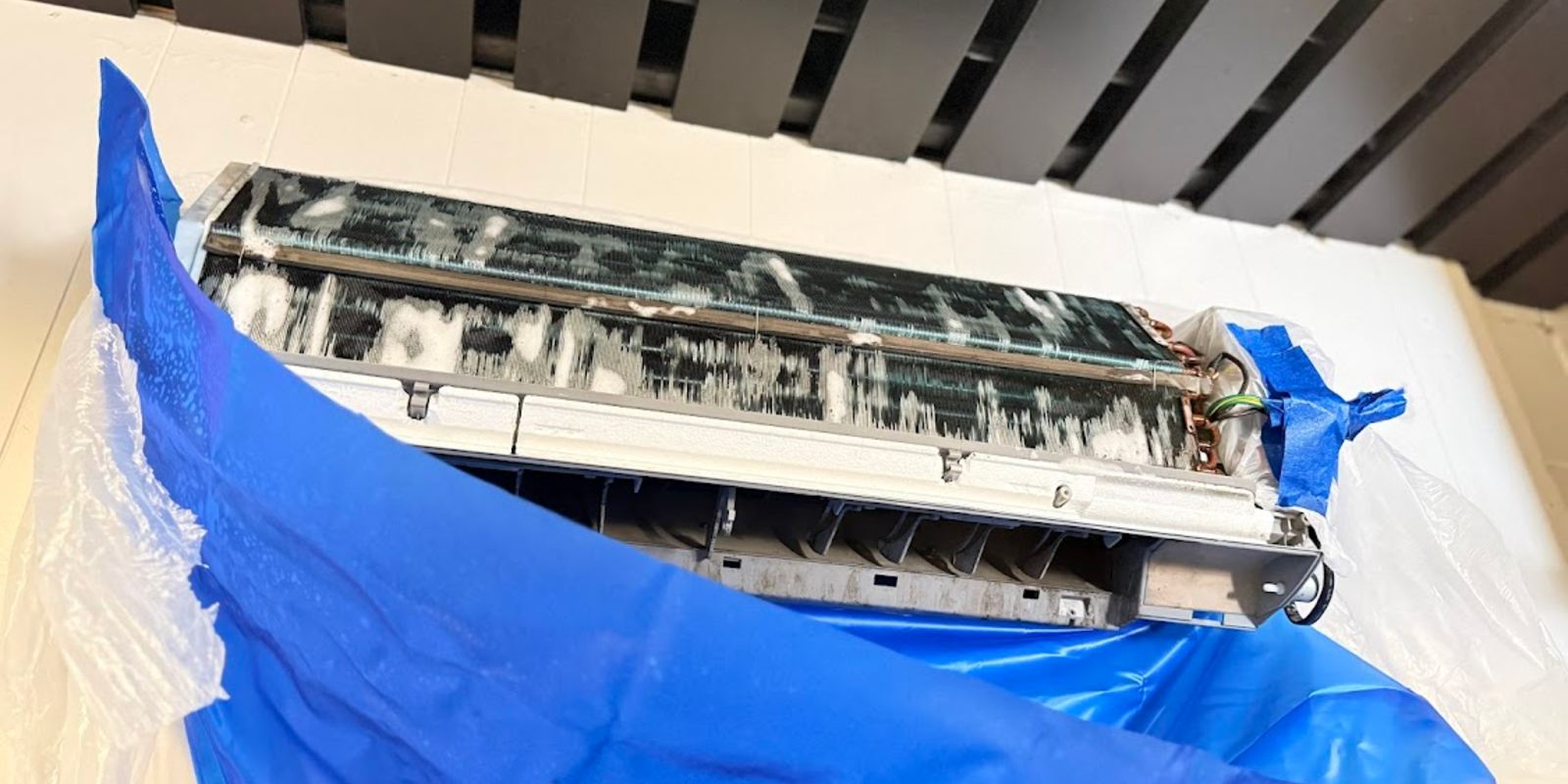
If you've noticed water around your HVAC unit, persistent humidity, musty odors, mold near vents, or unexplained water stains, your HVAC system may be dealing with excess moisture.
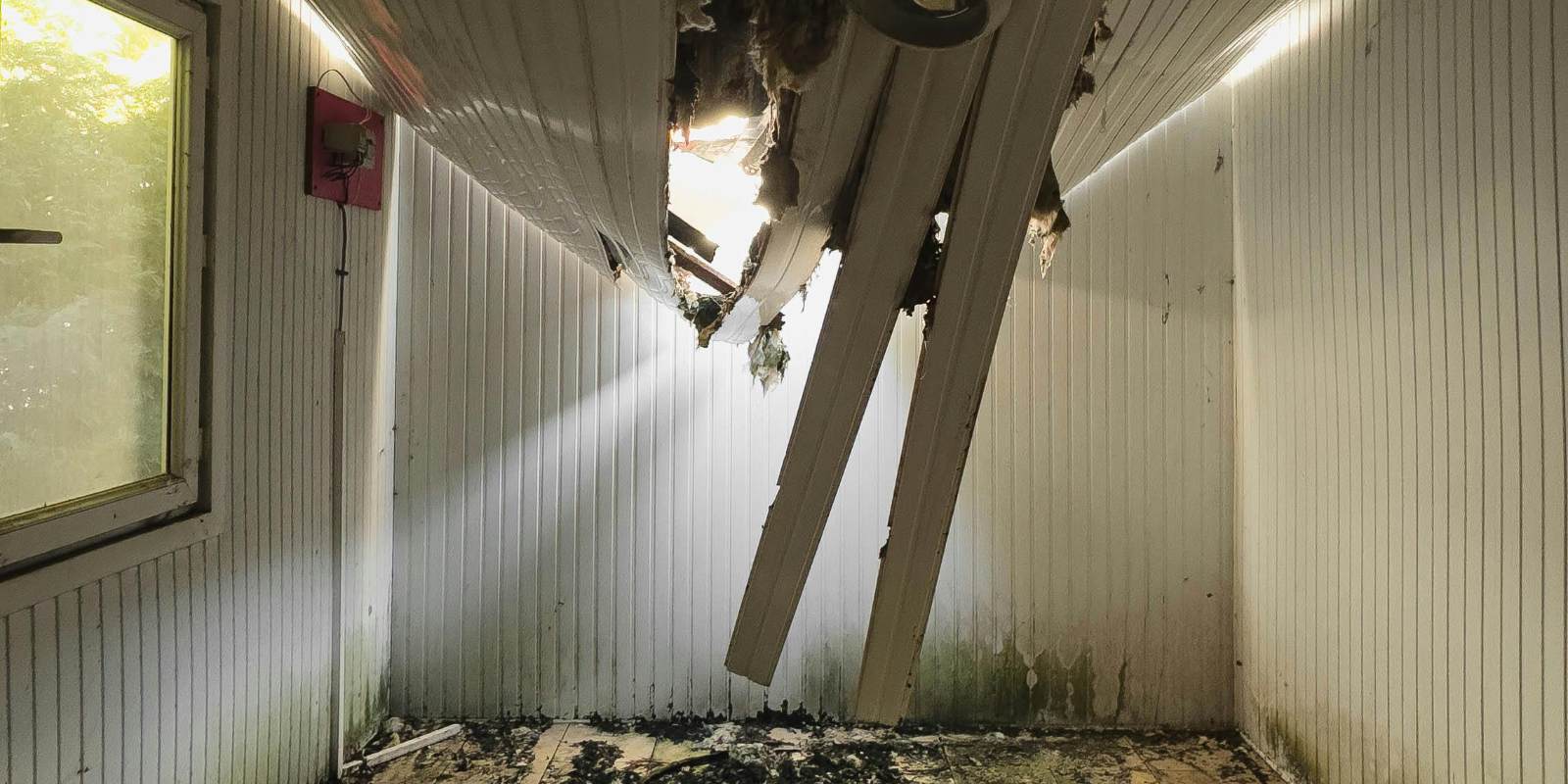
While many homeowners assume these are minor HVAC issues, excess moisture can affect much more than your heating and cooling equipment. Left unresolved, moisture can spread into drywall, flooring, insulation, ceilings, and other building materials. In some cases, it can also create conditions that support mold growth.
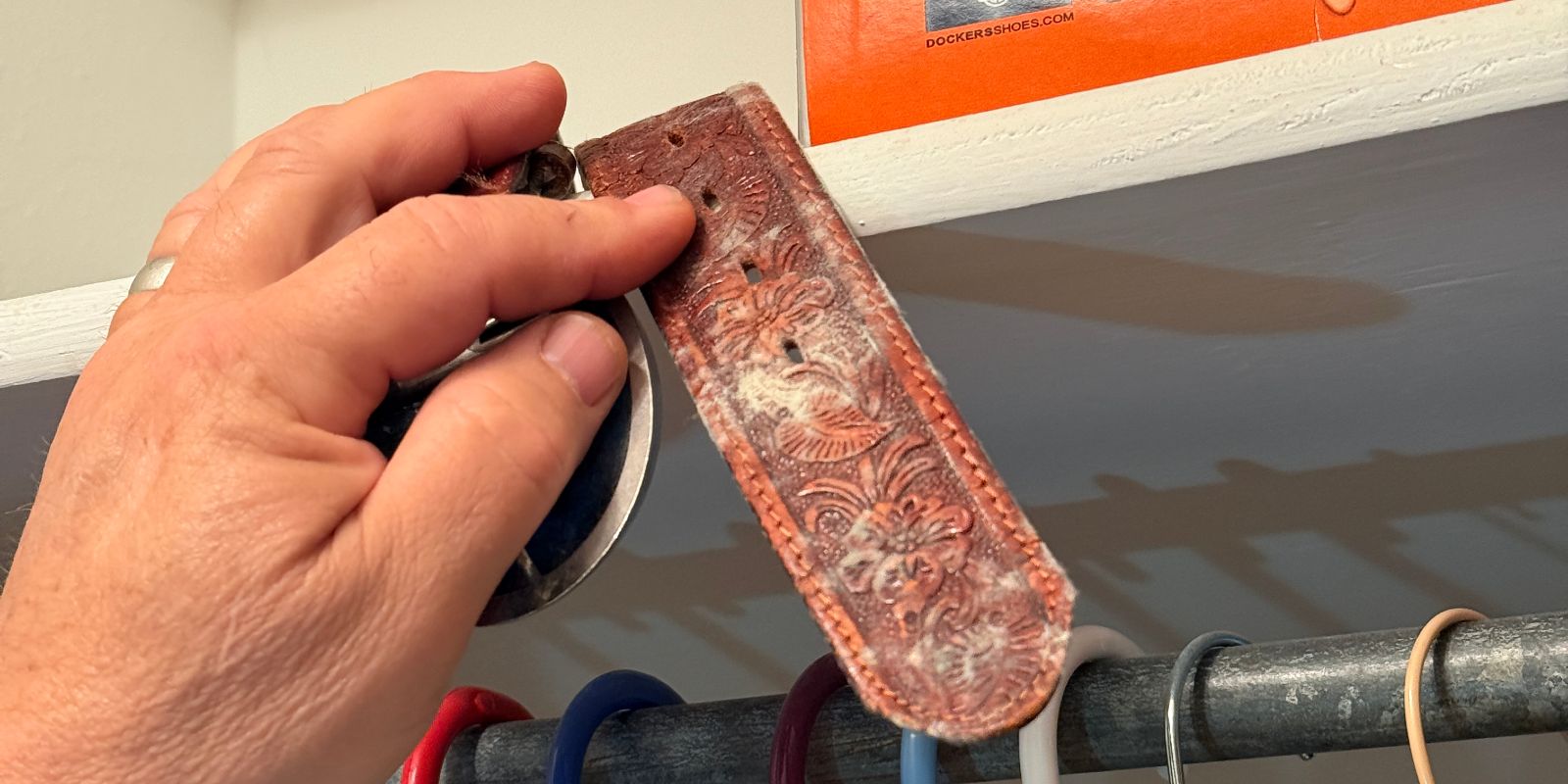
According to the Centers for Disease Control and Prevention (CDC), mold grows wherever excess moisture is present, making it important to address water problems quickly.
At Restore-It, we've helped homeowners and property managers throughout South Arkansas identify moisture issues, mitigate water damage, and restore affected areas before small problems become major restoration projects.
In this article, you'll learn seven common signs of HVAC moisture problems and when it's time to investigate further.
Why Excess HVAC Moisture Shouldn't Be Ignored
When people think about HVAC problems, they often focus on comfort or energy bills. However, excess moisture can affect much more than your heating and cooling system.
Water doesn't always stay where it starts. Moisture from a leaking HVAC component or ongoing condensation can spread into nearby building materials, including:
- Drywall
- Flooring
- Insulation
- Ceilings
- Wood framing
It can also affect indoor air quality. The U.S. Environmental Protection Agency (EPA) notes that moisture problems and high humidity can create conditions that contribute to mold growth and material damage if not addressed promptly.
The sooner moisture issues are identified, the easier they are typically to address.
1. Water Is Pooling Around Your HVAC Unit
One of the most obvious signs of an HVAC moisture problem is standing water around the equipment.
While air conditioning systems naturally produce condensation, that moisture should drain away properly. When water begins collecting around the unit, something is preventing normal drainage.
Common causes include:
- Clogged condensate drain lines
- Cracked or damaged drain pans
- Frozen evaporator coils
- Condensate pump failures
The bigger concern is often what you can't see.
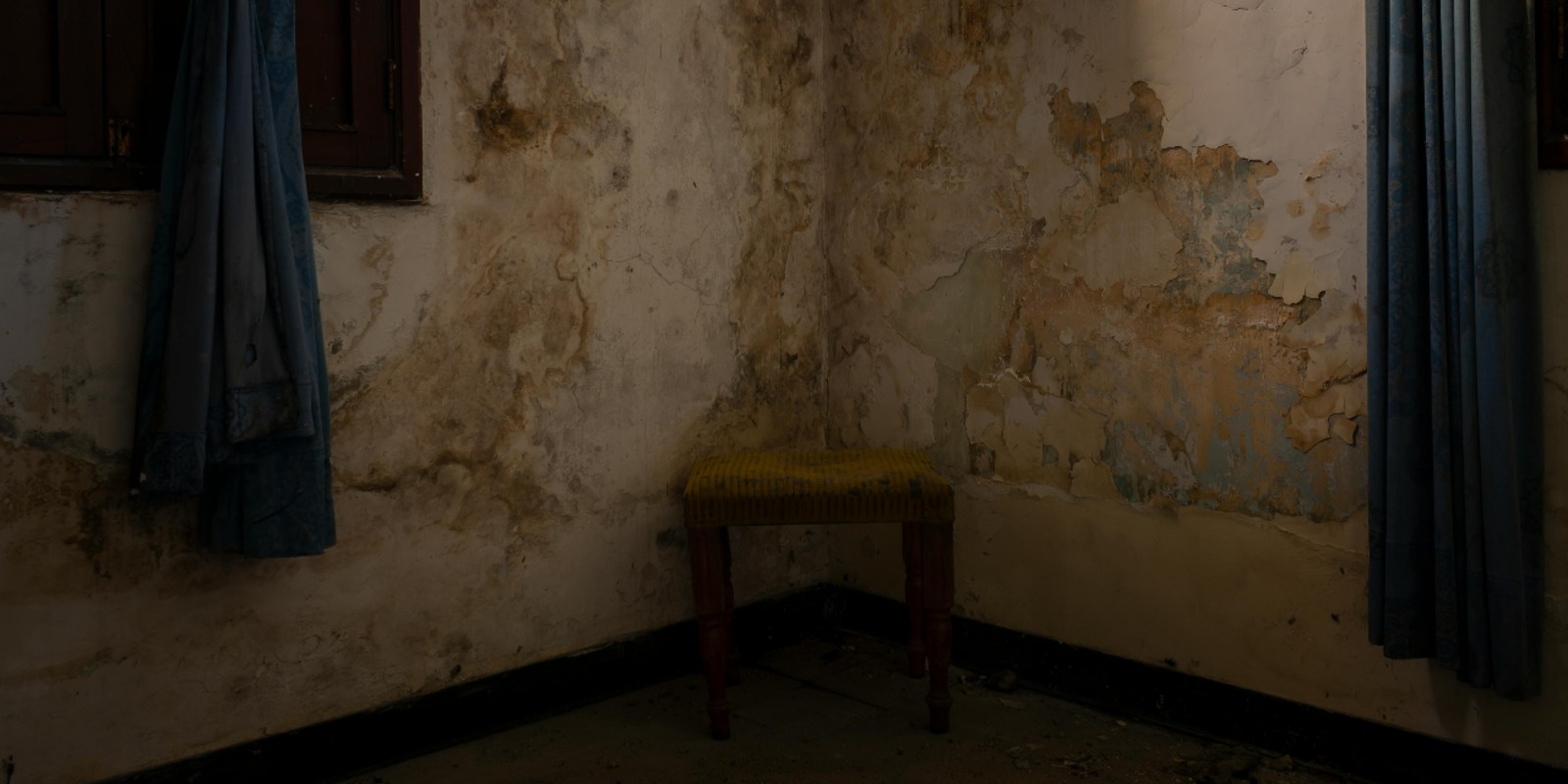
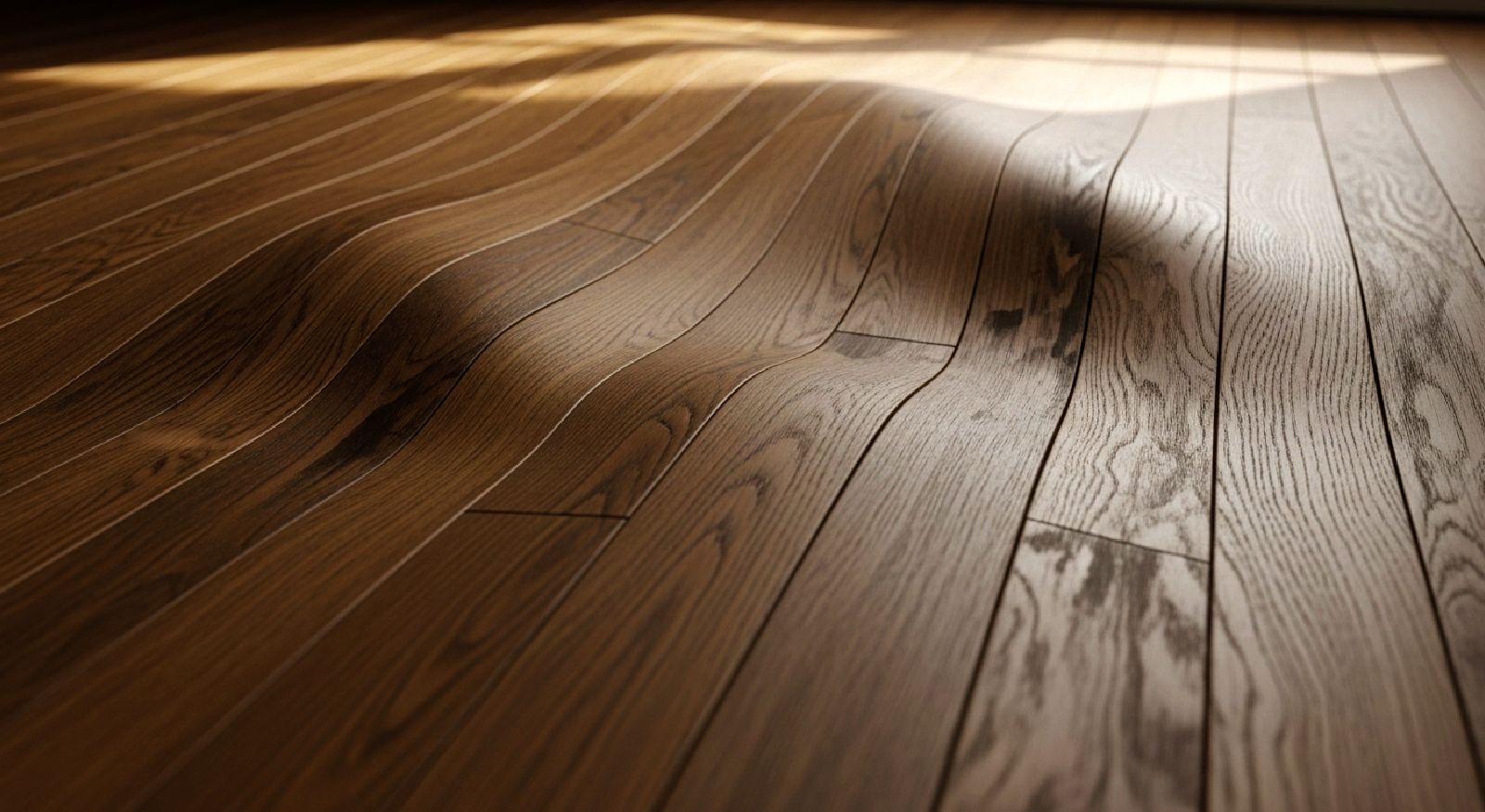
Water can seep beneath flooring, into walls, or behind baseboards long before visible damage appears. By the time staining or warping develops, moisture may already have affected nearby materials.
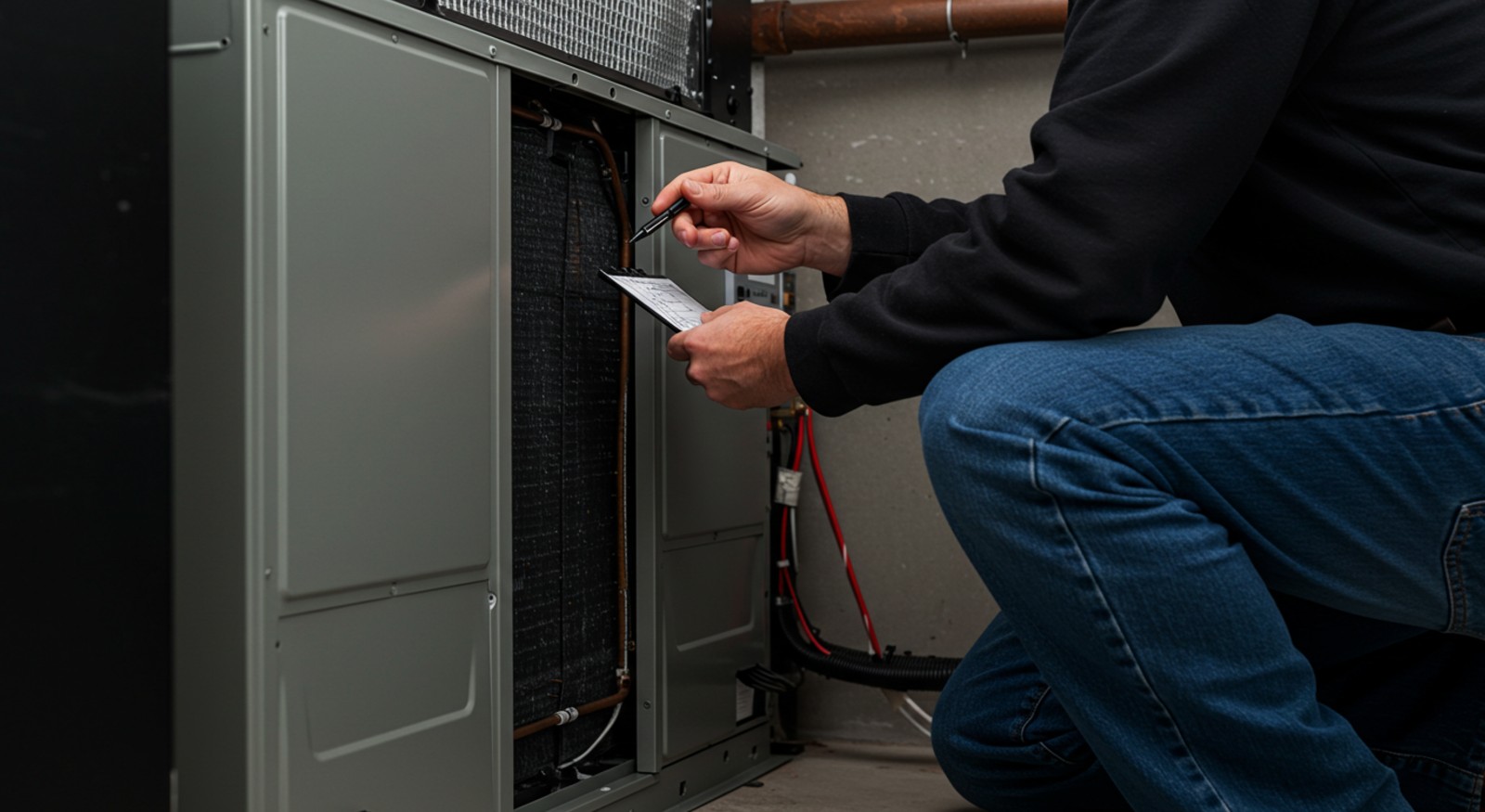
If water continues to reappear around your HVAC unit, a professional moisture inspection can help determine whether hidden damage is already developing.

2. Your Home Feels Humid Even When the AC Is Running
Your air conditioner doesn't just cool your home; it also helps remove moisture from the air.
If your home constantly feels sticky or damp despite running the AC, your system may not be managing humidity effectively.
You might notice:
- Rooms feel muggy
- Condensation forms on windows
- Bedding feels damp
- The thermostat never seems to satisfy comfort levels
When humidity remains elevated for extended periods, moisture can begin accumulating throughout the home. Building materials absorb excess moisture, and poorly ventilated areas may remain damp long enough to create additional concerns.
A home that feels consistently humid may be telling you your HVAC system isn't controlling moisture the way it should.
3. You Smell Musty Odors When the System Runs
A musty smell is often one of the earliest warning signs of hidden moisture.
Many homeowners first notice the odor when the system starts cycling. The smell may seem stronger near air vents or in specific rooms.
Excess moisture can accumulate in:
- Ductwork
- HVAC insulation
- Drain pans
- Air handlers
- Nearby building materials
As air circulates through the system, it can carry those odors throughout the home.
While a musty smell doesn't automatically mean mold is present, it often indicates moisture is lingering somewhere it shouldn't.
If odors consistently return when the HVAC system runs, it's worth investigating the source before the problem worsens.
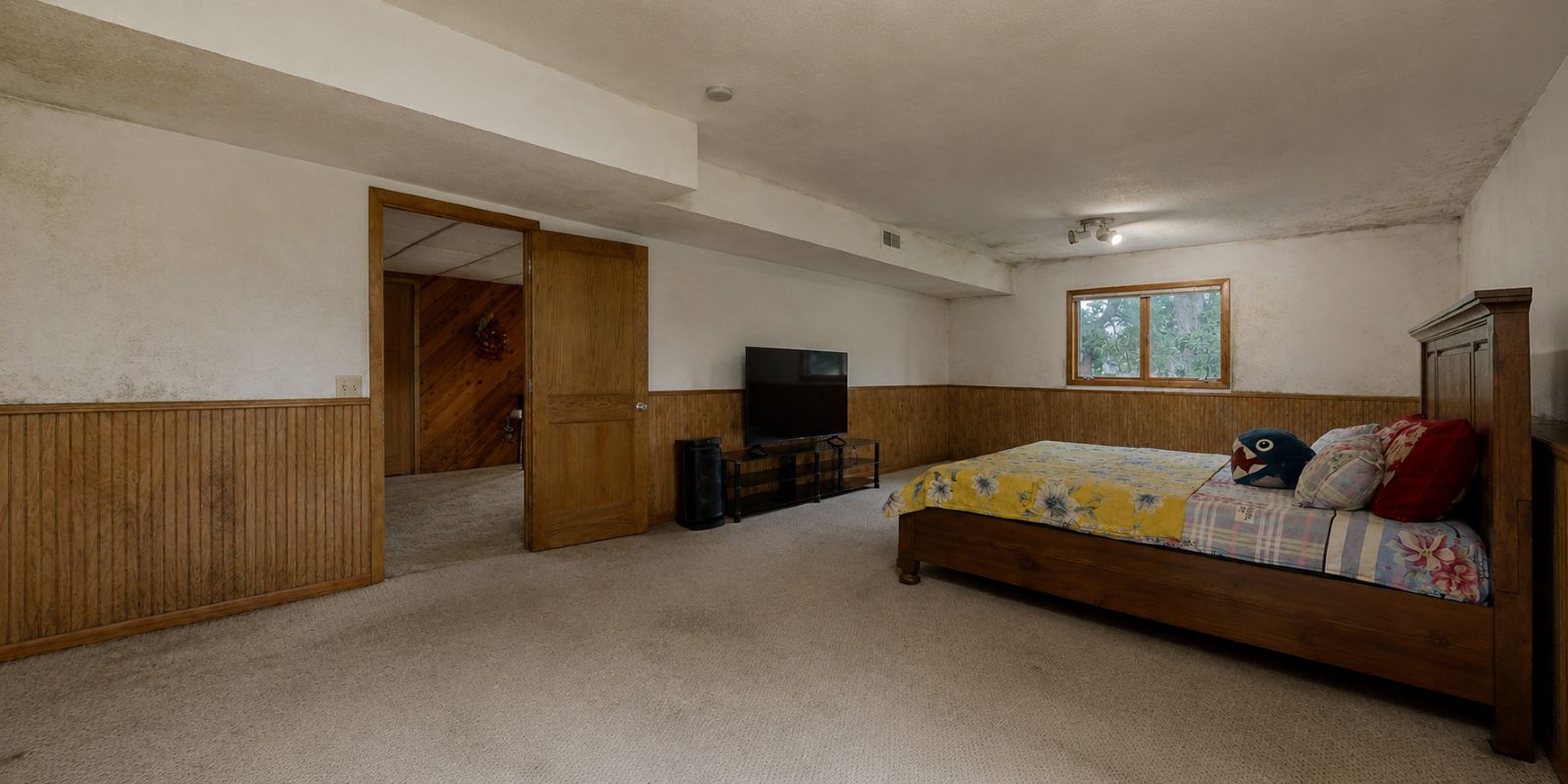
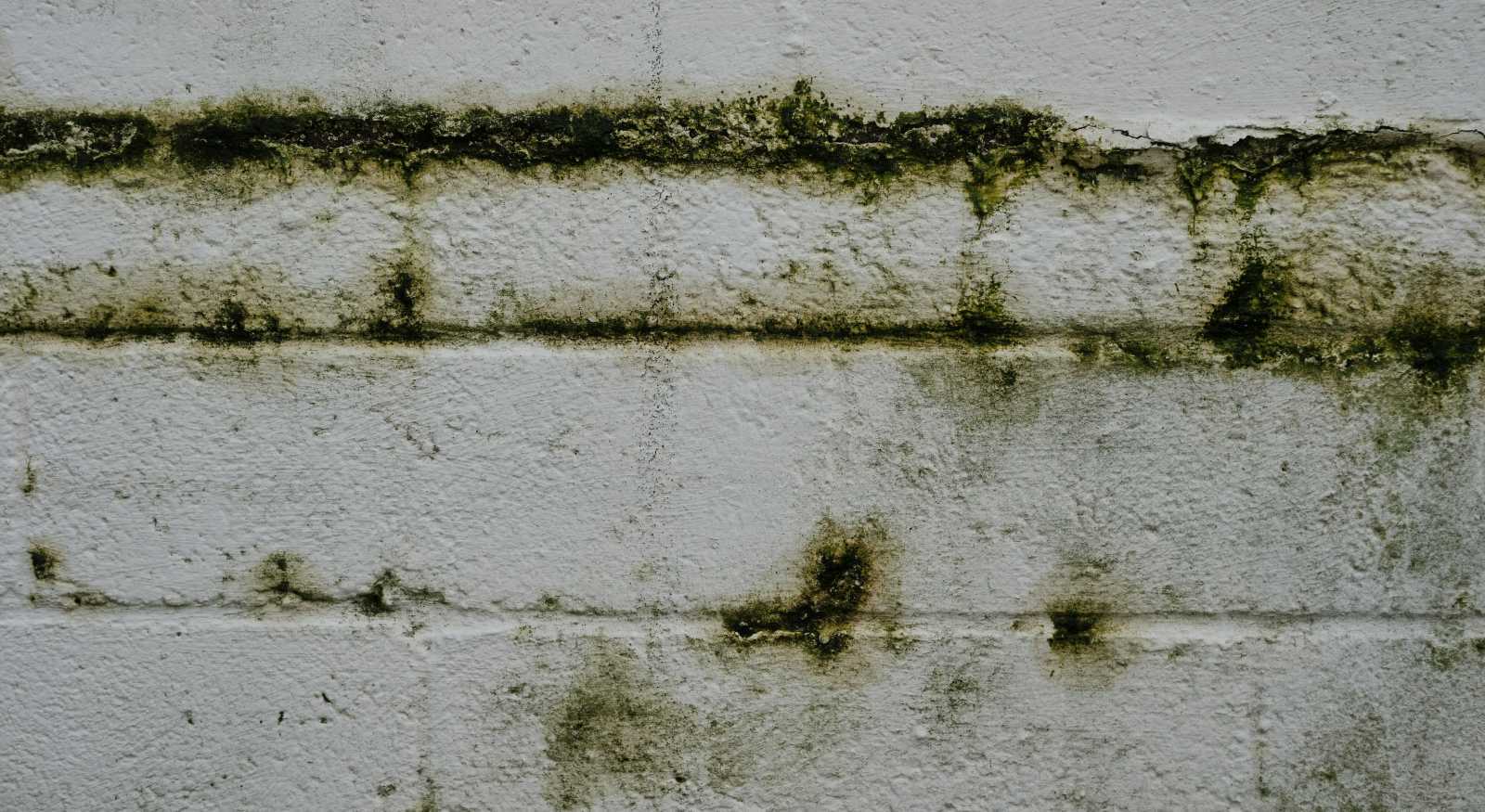
4. You See Mold or Mildew Near Air Vents
Visible mold or mildew near vents is never something to ignore.
You may notice:
- Dark spots around supply vents
- Ceiling discoloration
- Surface mildew growth
- Staining around registers
Mold requires moisture to grow. When growth appears near HVAC components, it often indicates that moisture has been present long enough to support ongoing development.
The visible portion may only represent a small part of the overall issue.
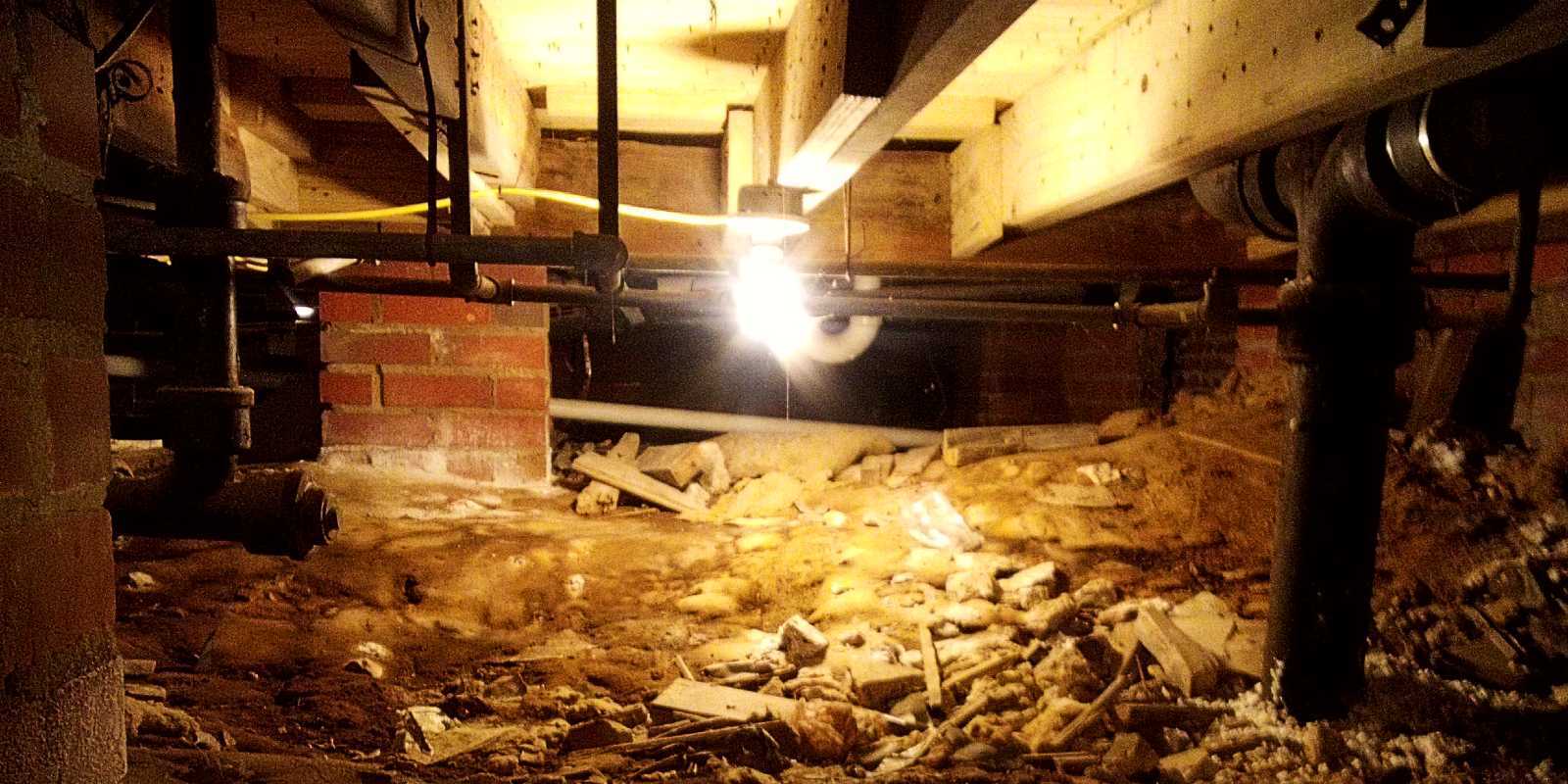
In some situations, additional moisture-related damage may be hidden behind drywall, above ceilings, or within ductwork.
Concerned that HVAC moisture may be affecting areas you can't see? Learn how excess moisture contributes to mold growth and what steps you can take to reduce the risk.

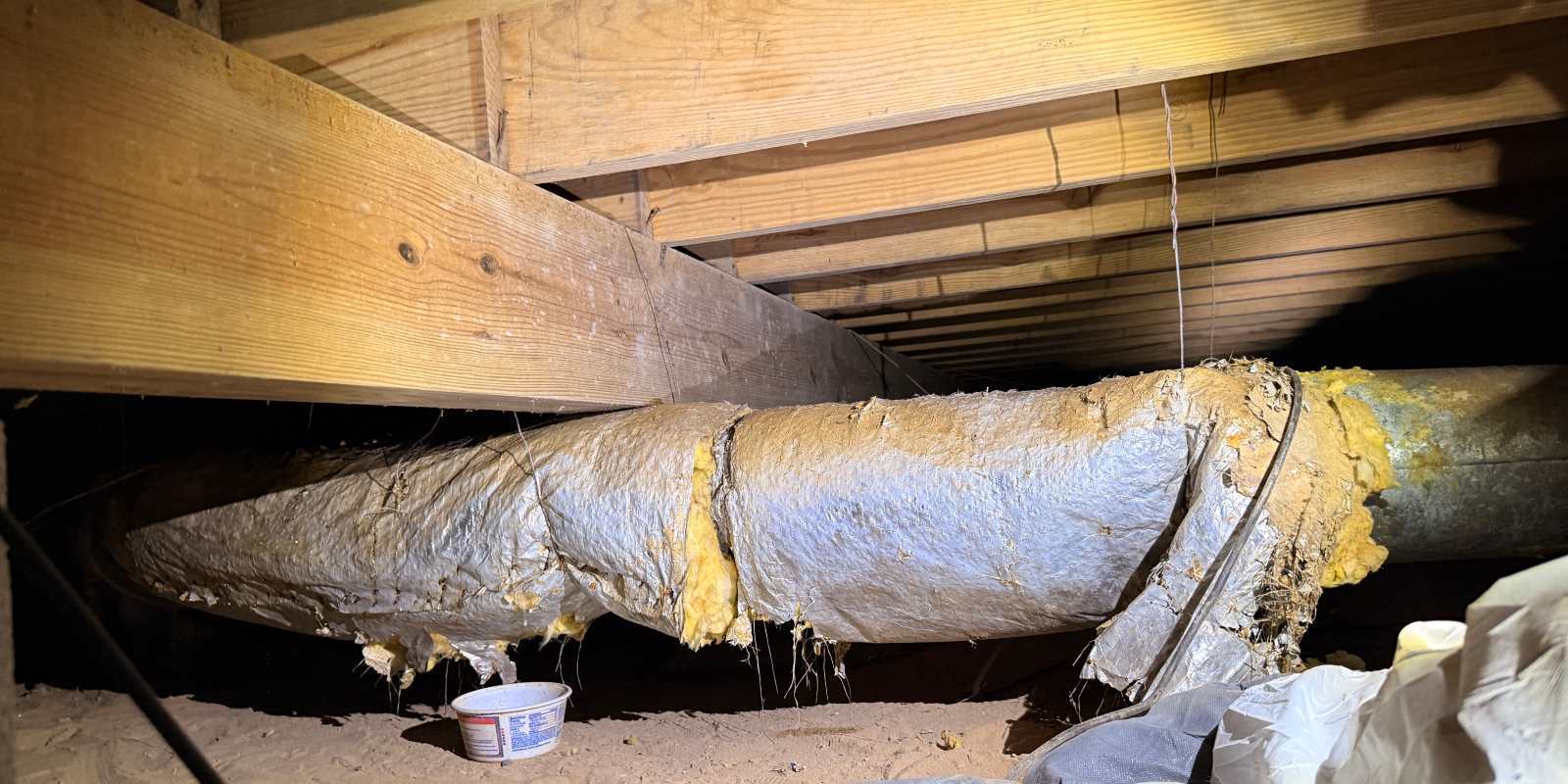
5. Your Ductwork Constantly Looks Wet or "Sweats"
A small amount of condensation can occur under certain conditions.
However, ductwork that constantly appears wet may indicate a larger moisture problem.
Common causes include:
- High indoor humidity
- Poor duct insulation
- Air leaks
- Ventilation issues
Over time, repeated condensation can saturate surrounding insulation and drip onto nearby building materials.
What begins as moisture on a duct surface can eventually affect ceilings, framing, and insulation if left unresolved.
Persistent duct condensation is often a symptom, not the root cause, of a moisture problem.
6. Your HVAC System Is Losing Performance
Moisture problems don't always announce themselves with water.
Sometimes, the first clue is declining HVAC performance.
You may notice:
- Longer cooling cycles
- Weak airflow
- Frequent repairs
- Uneven temperatures
- Increased energy usage
Moisture-related issues can affect several critical HVAC components, reducing efficiency and forcing the system to work harder.
If performance problems coincide with humidity issues or signs of water intrusion, both should be investigated together.
7. Water Stains Are Appearing Near HVAC Components
Water stains are often evidence that moisture has been present for some time.
Homeowners frequently notice:
- Ceiling stains beneath attic HVAC units
- Wall discoloration
- Stained insulation
- Yellow or brown water marks
These stains may result from:
- Ongoing condensation
- Drainage failures
- Small leaks
- Hidden moisture migration
Unfortunately, stains often appear after moisture has already affected surrounding materials.
The longer the source remains active, the greater the potential for additional damage.
Water stains rarely improve on their own. They usually indicate a moisture source that still needs to be identified and addressed.
HVAC Moisture Problems and the Risks They Create
|
Warning Sign |
Potential Risk |
|
Water pooling around unit |
Damage to flooring and drywall |
|
High indoor humidity |
Moisture accumulation and mold growth |
|
Musty odors |
Hidden moisture issues |
|
Mold near vents |
Ongoing moisture source |
|
Duct condensation |
Damage to insulation and surrounding materials |
|
Reduced HVAC performance |
Moisture-related equipment issues |
|
Water stains |
Existing material damage |
When Should You Schedule a Moisture Inspection?
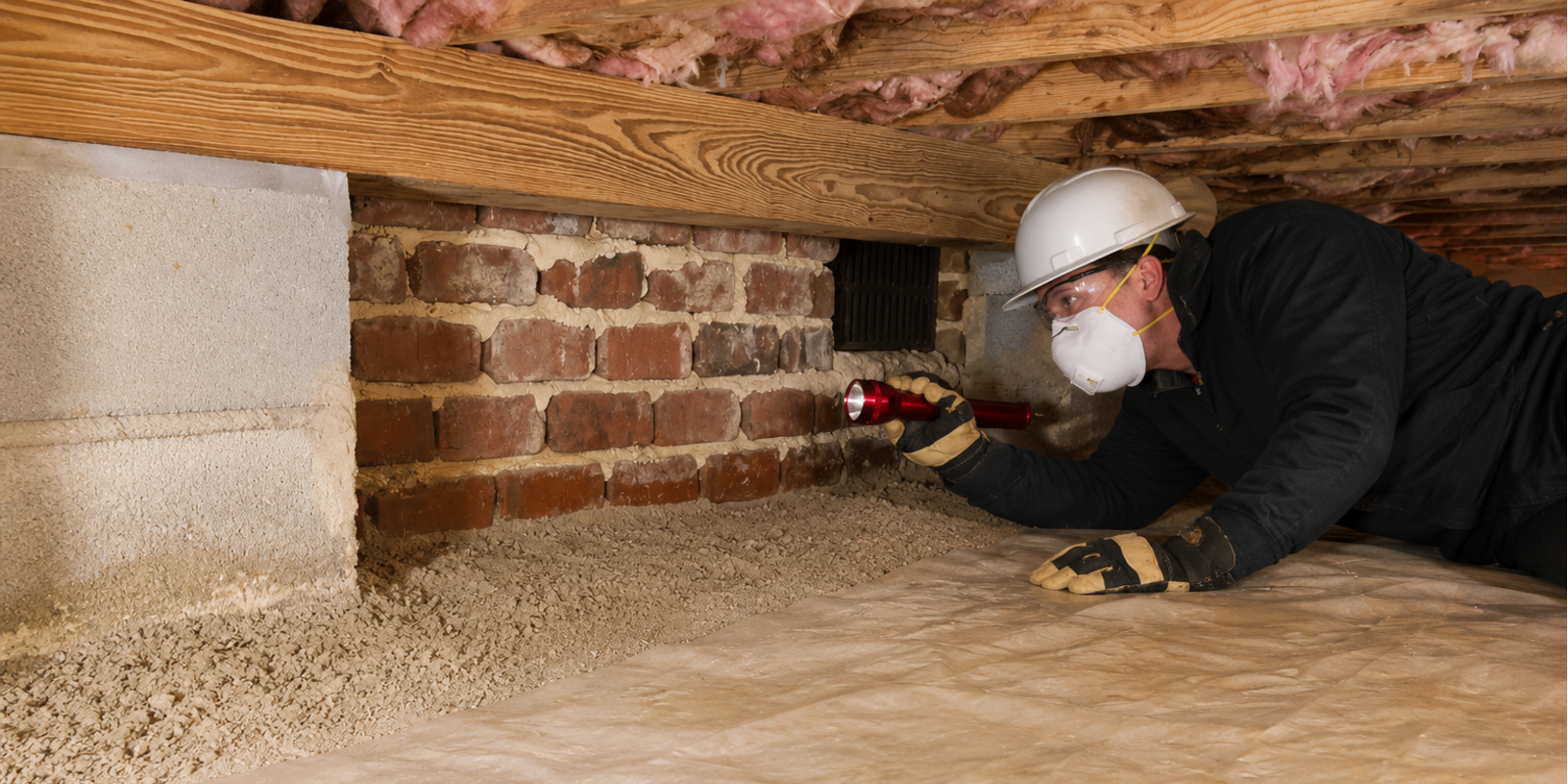
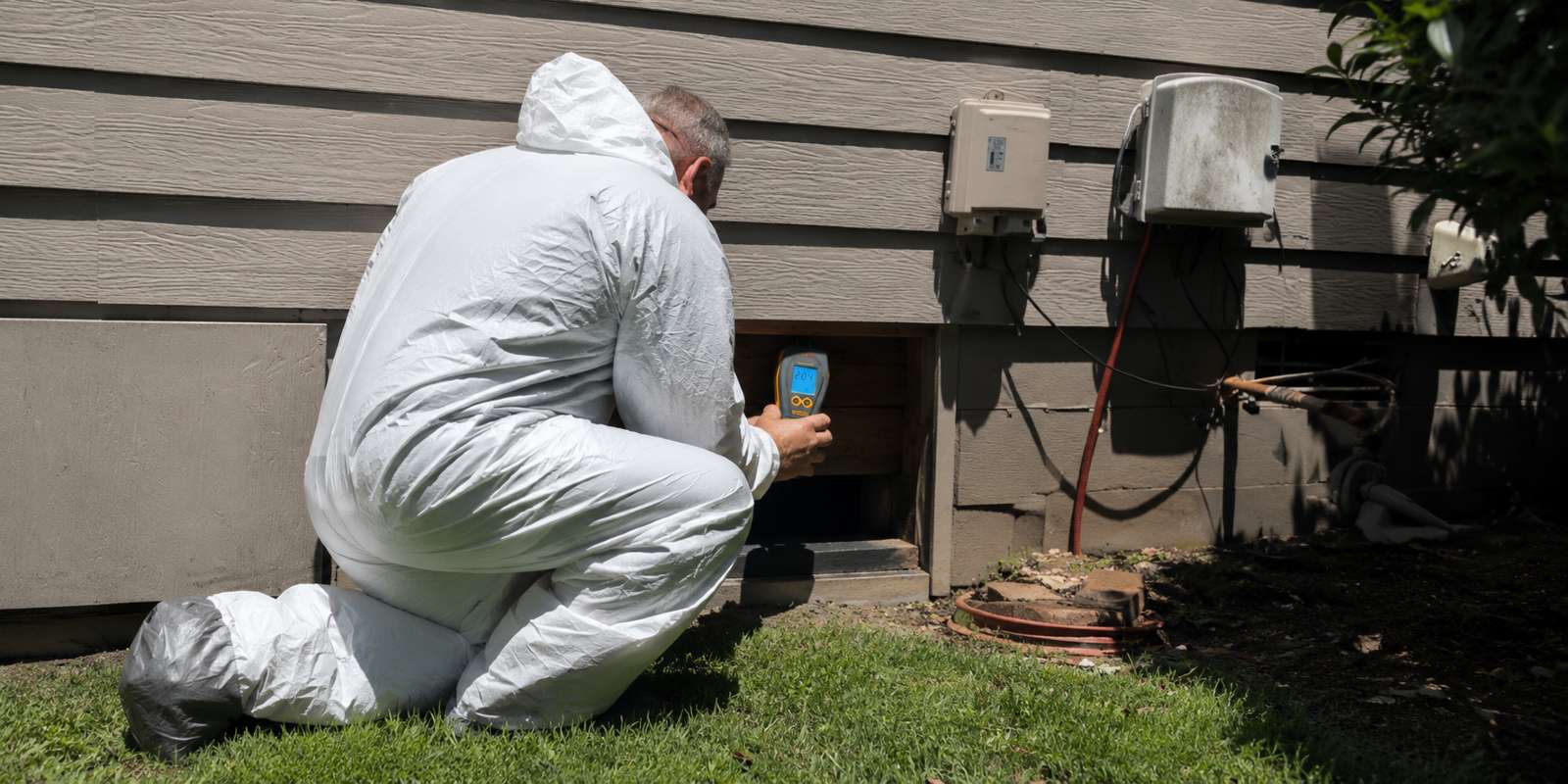
Consider scheduling a professional moisture inspection if:
- Water repeatedly appears around your HVAC unit
- Indoor humidity remains high
- Musty odors won't go away
- Mold is visible near vents
- Water stains continue growing
- Condensation keeps forming on the ductwork
The earlier moisture issues are identified, the easier it is to prevent damage from spreading into surrounding materials.
How to Identify HVAC Moisture Problems Before They Cause Water Damage
Excess HVAC moisture often starts with subtle warning signs that homeowners overlook.
Water around equipment, persistent humidity, musty odors, mold growth, sweating ductwork, declining system performance, and water stains can all indicate that moisture is affecting more than just your HVAC system.
Addressing these issues early can help protect drywall, insulation, flooring, ceilings, and other building materials from more extensive damage.
At Restore-It, we've helped homeowners and property managers throughout South Arkansas identify moisture problems, mitigate water damage, and restore affected areas before small issues become major restoration projects.
If you've noticed any of the warning signs discussed in this article, don't wait until the damage becomes visible. The sooner moisture problems are identified, the better your chances of protecting your property and avoiding more extensive repairs.
Learn how hidden mold can affect your property and health by reading our article: