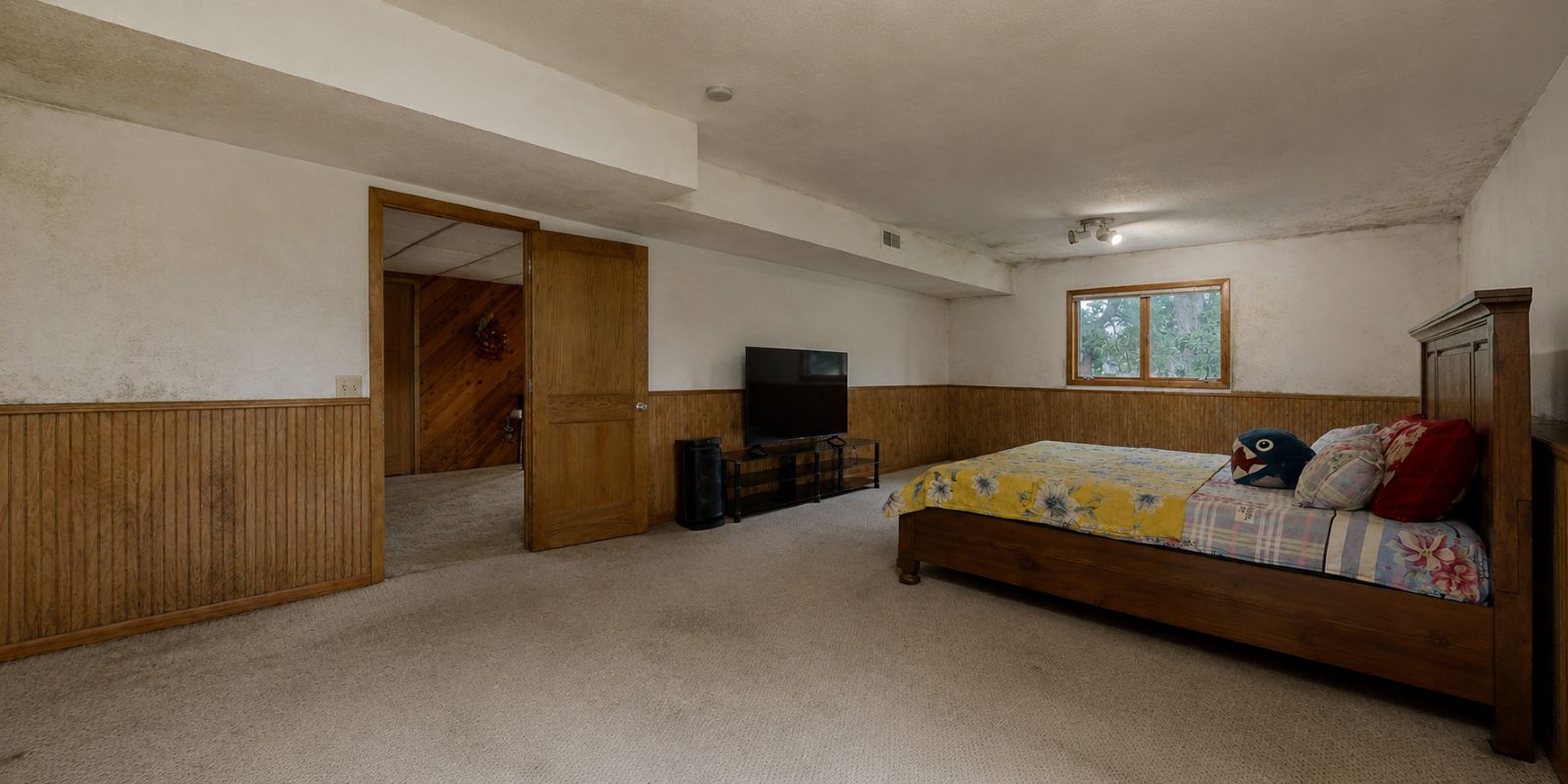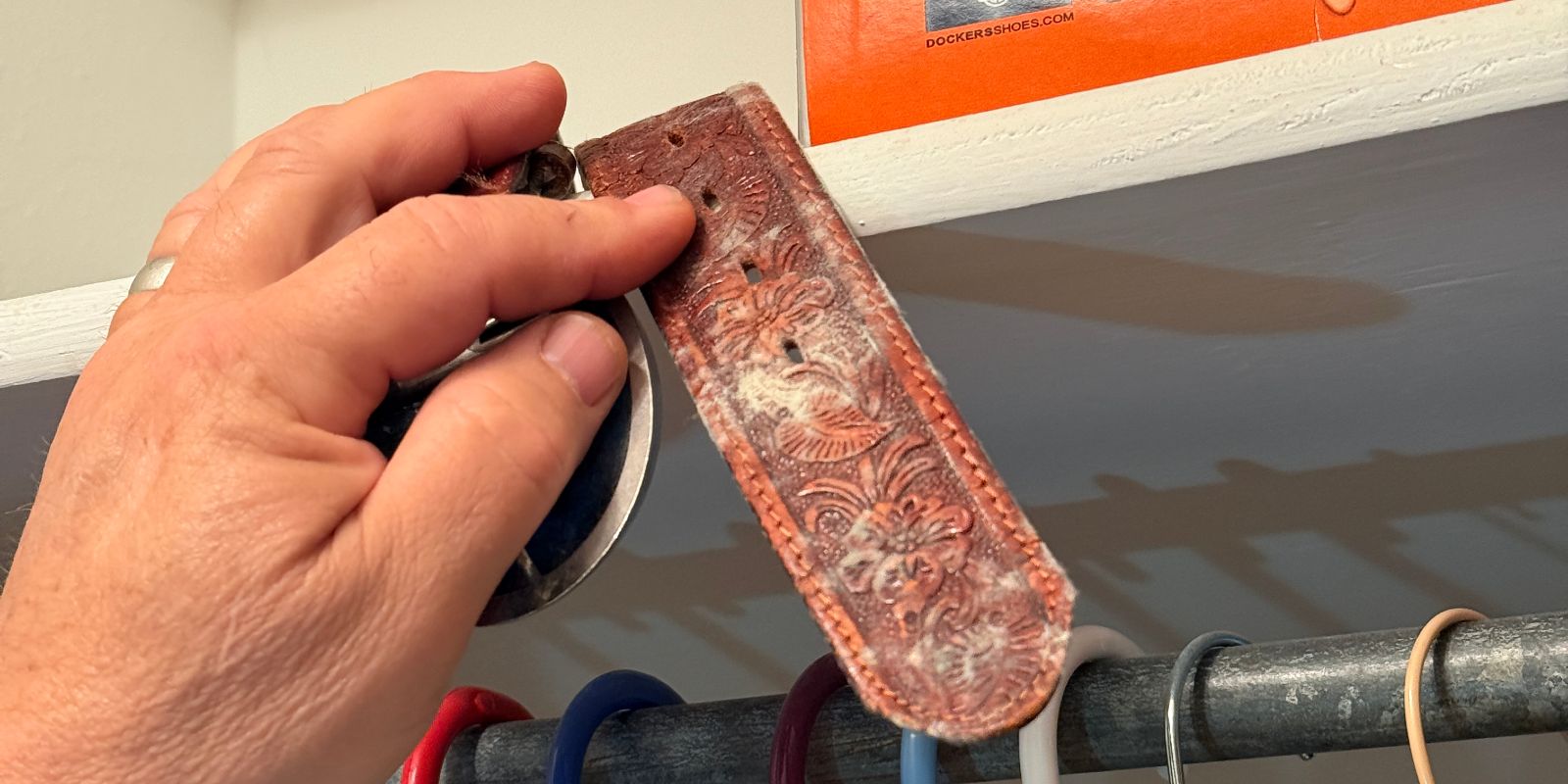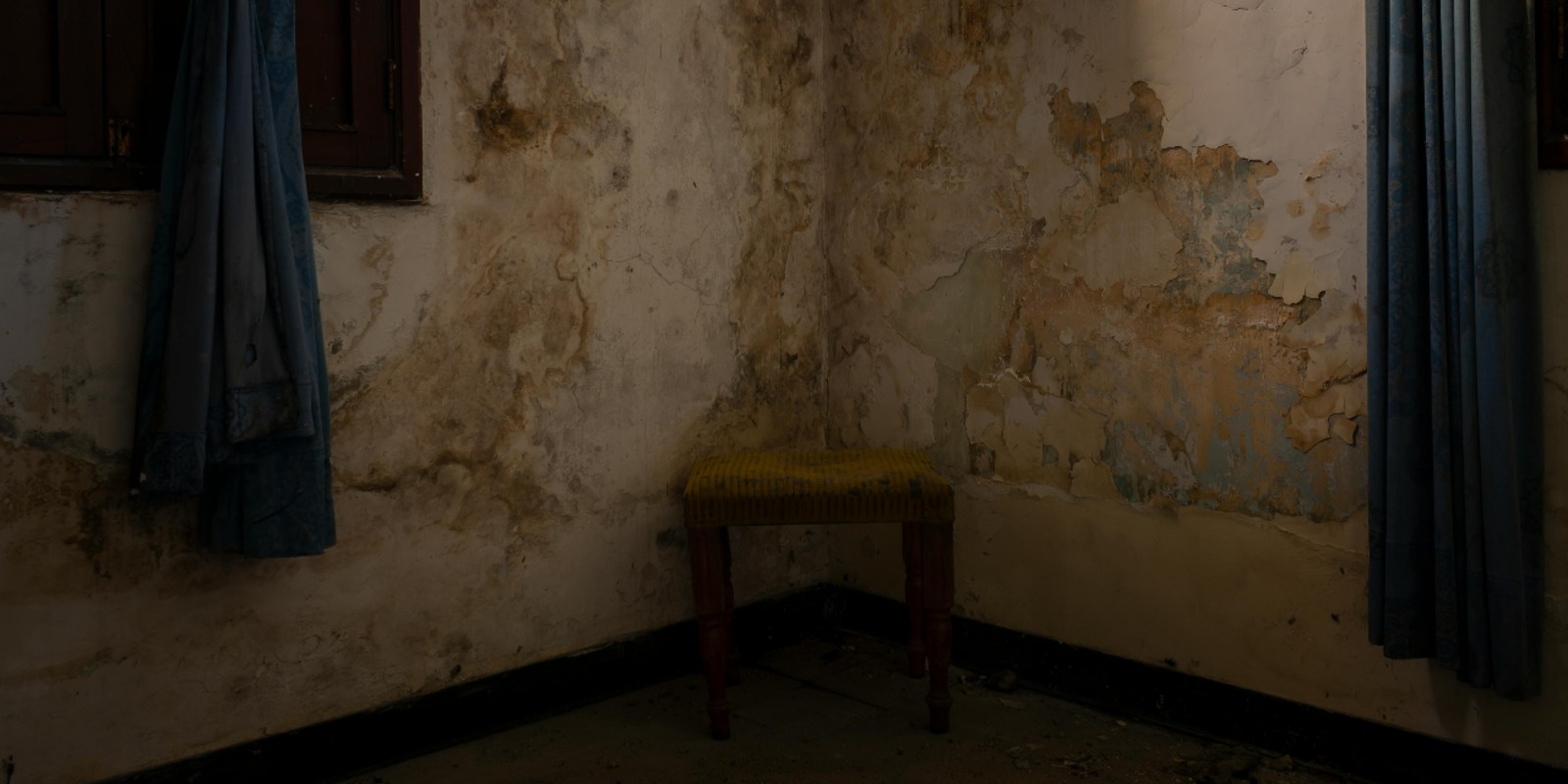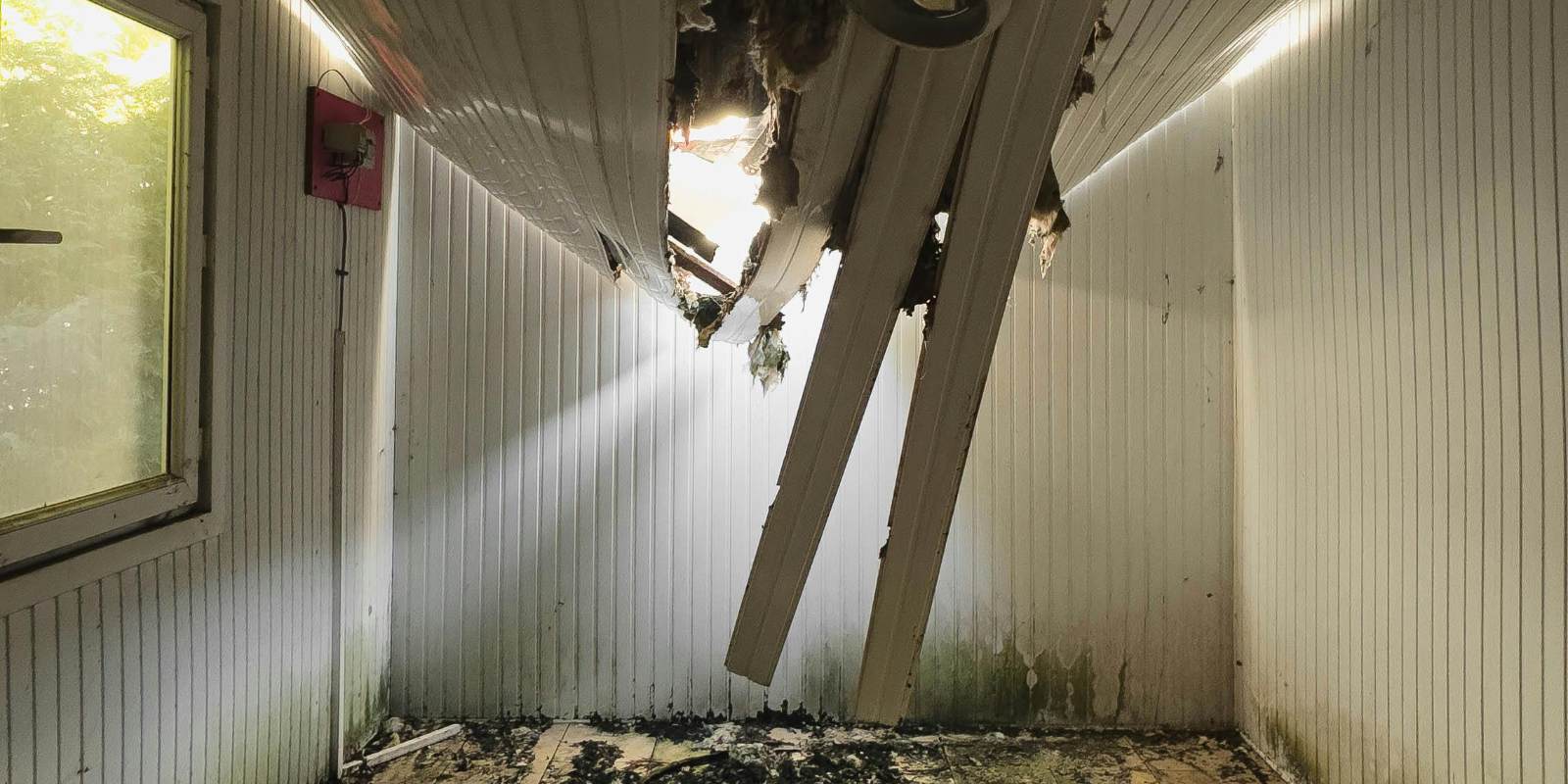

If your home feels sticky, smells musty, or never seems to dry out after a rainy day, high humidity may be to blame. What starts as minor trouble can quietly lead to warped floors, damaged furniture, mold growth, and costly repairs throughout your home.
You might first notice a sticking drawer, a musty odor, or hardwood floors that don't seem quite as level as they once were. Because these changes happen gradually, many homeowners don't realize excess humidity is causing damage until repairs become necessary.
At Restore-It, we help homeowners throughout South Arkansas identify and address moisture-related issues before they become bigger problems.
In this article, you'll learn how high humidity can damage furniture, electronics, and flooring, the warning signs to watch for, and what you can do to protect your home.
What Happens When Humidity Levels Are Too High?
Humidity refers to the amount of moisture in the air. When indoor humidity levels rise too high, materials throughout your home can begin absorbing that excess moisture.
According to the Environmental Protection Agency (EPA), indoor humidity levels should generally stay between 30% and 50%. When humidity consistently rises above that range, the risk of moisture-related damage increases.
The challenge is that humidity damage often develops slowly. You may not notice the effects right away. A slight musty odor, a sticking door, or a small change in your flooring may seem harmless at first. What begins as a small humidity problem can eventually affect multiple areas of the home, turning a simple moisture issue into a costly repair project.
Homes in humid climates, as well as those with poor ventilation or hidden water issues, are often more vulnerable to these problems.
How Does High Humidity Affect Furniture?
High humidity can damage both wood and upholstered furniture over time.
Wood naturally absorbs moisture from the air. When humidity levels remain elevated, furniture may swell, warp, or change shape. You may notice drawers that suddenly become difficult to open, cabinet doors that no longer close properly, or wooden surfaces beginning to warp or deteriorate.
Upholstered furniture can also absorb moisture from the air, leading to musty odors, a damp feeling, and conditions that may encourage mold or mildew growth.
The longer furniture is exposed to high humidity, the greater the risk of permanent damage.
|
Furniture Type |
Possible Humidity Damage |
|
Wood furniture |
Swelling, warping, cracking |
|
Cabinets and drawers |
Sticking, misalignment |
|
Upholstered furniture |
Musty odors, mold growth |
|
Antique furniture |
Finish damage and deterioration |
The longer furniture is exposed to high humidity, the greater the risk of permanent damage.
Does Humidity Ruin Electronics?
Electronics and moisture are rarely a good combination. While high humidity may not destroy a device overnight, prolonged exposure to excess moisture can affect performance and shorten its lifespan.
High humidity can create condensation inside electronics, leading to corrosion that interferes with electrical components and increases the risk of malfunctions.
Common household electronics that may be affected include:
- Computers and laptops
- TVs and entertainment systems
- Gaming consoles
- Smart home devices
- Audio equipment
In some cases, homeowners don't realize humidity is the cause until an expensive device stops working or requires repair.
Prolonged exposure to excessive humidity can damage sensitive electronic components, leading to performance issues, corrosion, and a reduced lifespan.
Unlike warped flooring or swollen furniture, humidity damage inside electronics isn't always visible. By the time symptoms appear, repairs or replacement may already be necessary.

Can Humidity Damage Hardwood Floors and Other Flooring?
Flooring is one of the first areas homeowners notice humidity-related damage. Unlike electronics, floors show visible changes when moisture levels rise.
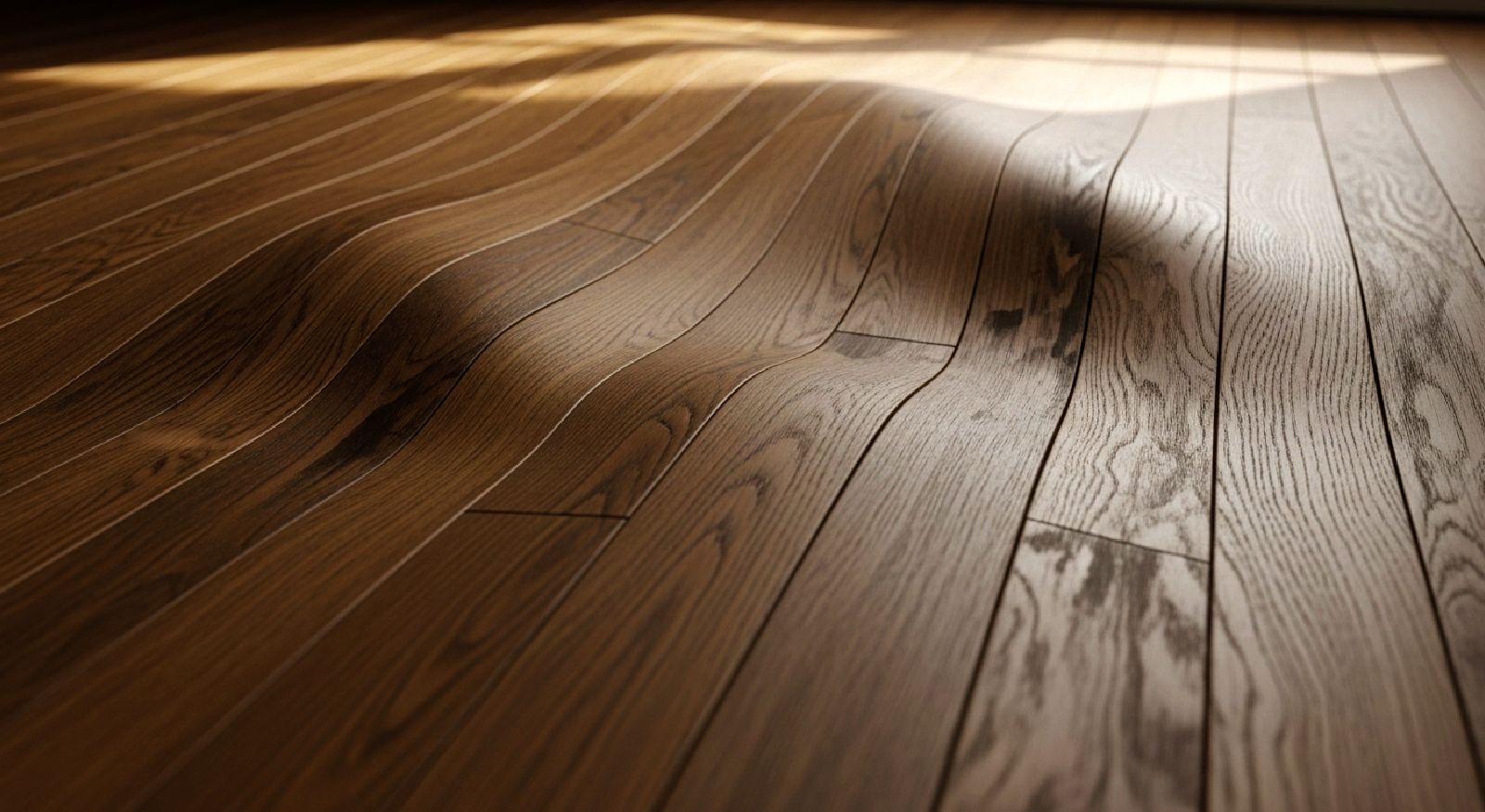
Wood naturally absorbs and releases moisture from the environment. According to Woodcraft, wood continually gains and loses moisture as humidity changes. When indoor humidity stays high, hardwood flooring absorbs excess moisture and expands.
Common issues include:
- Cupping: edges rise higher than the center
- Buckling: boards lift from the subfloor
- Gaps: separation as moisture levels fluctuate
- Warping: changes in shape and stability
|
Flooring Type |
Common Humidity Damage |
|
Hardwood |
Cupping, buckling, warping |
|
Engineered wood |
Expansion, separation |
|
Laminate |
Swelling, edge damage |
|
Vinyl |
Adhesive failure, lifting |
Woodcraft also notes that excess moisture can lead to swelling, cracking, and long-term deterioration.
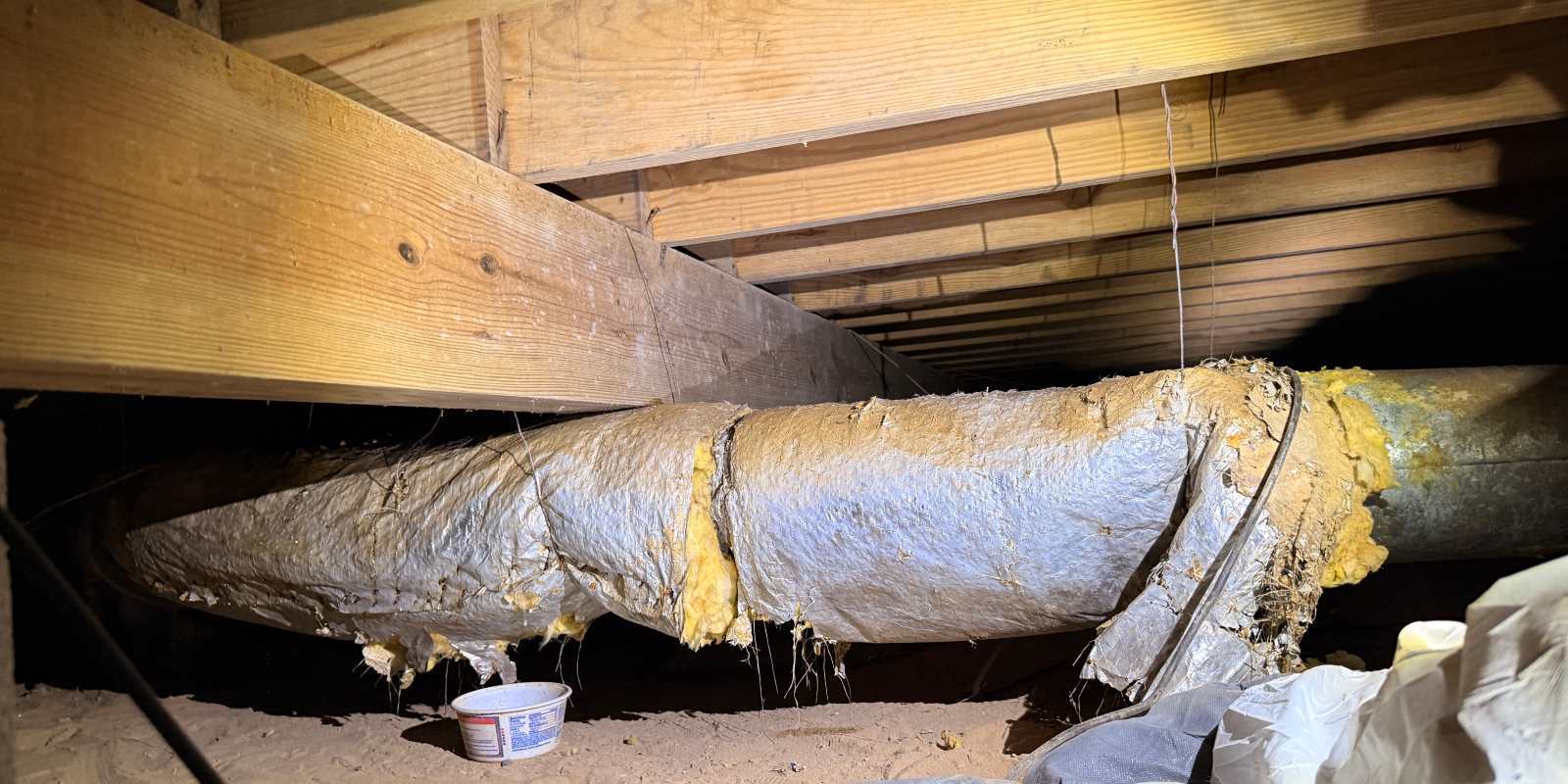
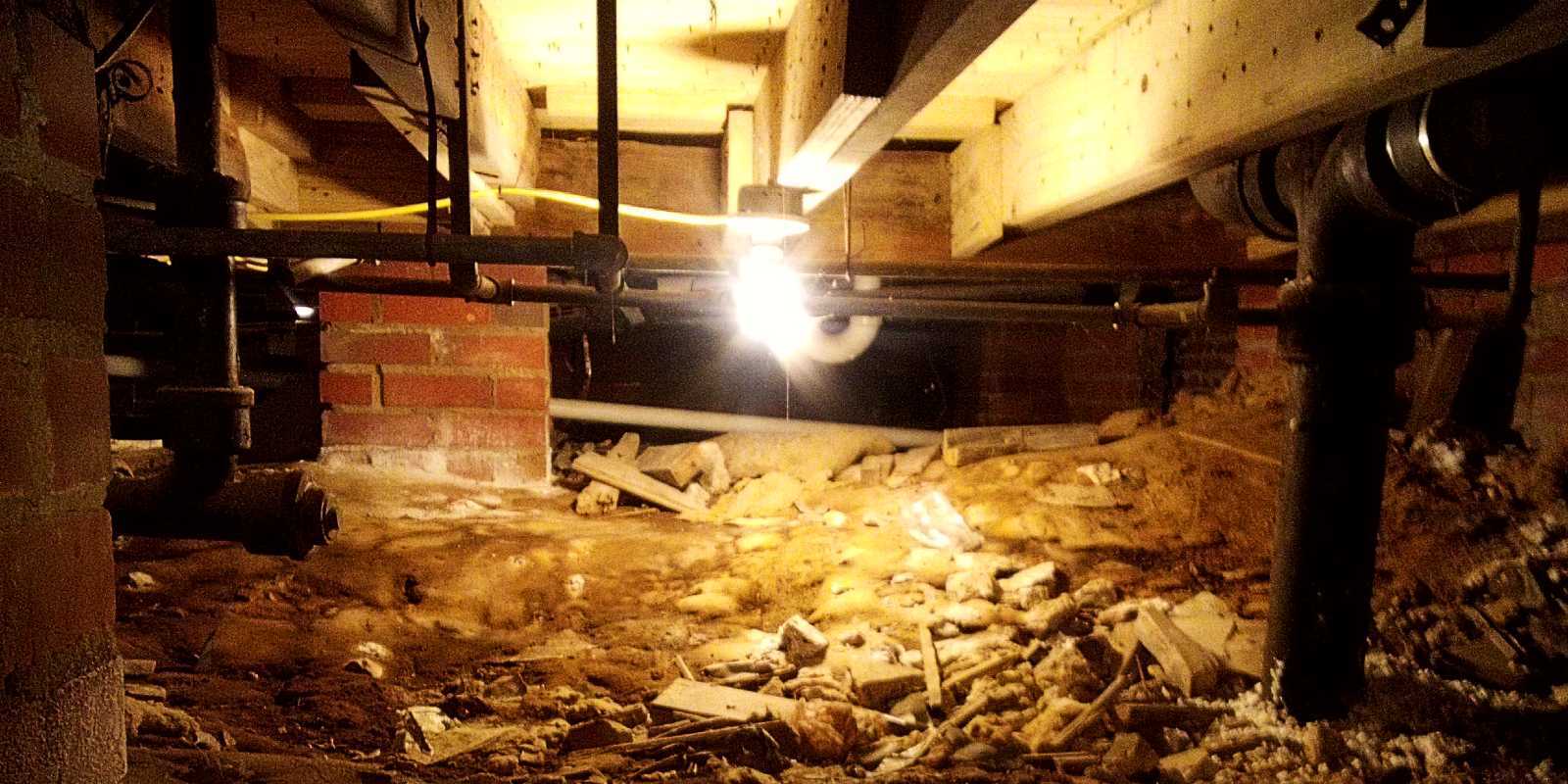
In many homes, this excess moisture begins below the structure, where crawl space humidity can gradually impact flooring performance over time.
Want to understand how crawl spaces contribute to humidity and whether a dehumidifier or full encapsulation is the better long-term solution? Read our article here!

Signs High Humidity Is Damaging Your Home
Fortunately, your home often provides warning signs before humidity causes damage that leads to costly repairs or replacement.
|
Warning Sign |
What It May Mean |
|
Condensation on windows |
Indoor humidity levels may be too high. |
|
Musty odors |
Moisture may be trapped in building materials, furniture, or hidden spaces. |
|
Warped wood furniture or doors |
Wood may be absorbing excess moisture and expanding. |
|
Peeling paint or wallpaper |
High humidity can weaken the bond between surfaces and finishes. |
|
Sticky or muggy indoor air |
Excess moisture is making your home feel uncomfortable. |
|
Mold or mildew growth |
Persistent moisture is creating an environment where mold can thrive. |
|
Buckling or cupping floors |
Flooring materials may expand due to humidity changes. |
These signs don’t always mean severe damage has occurred, but they often indicate that humidity levels should be addressed before the problem worsens.
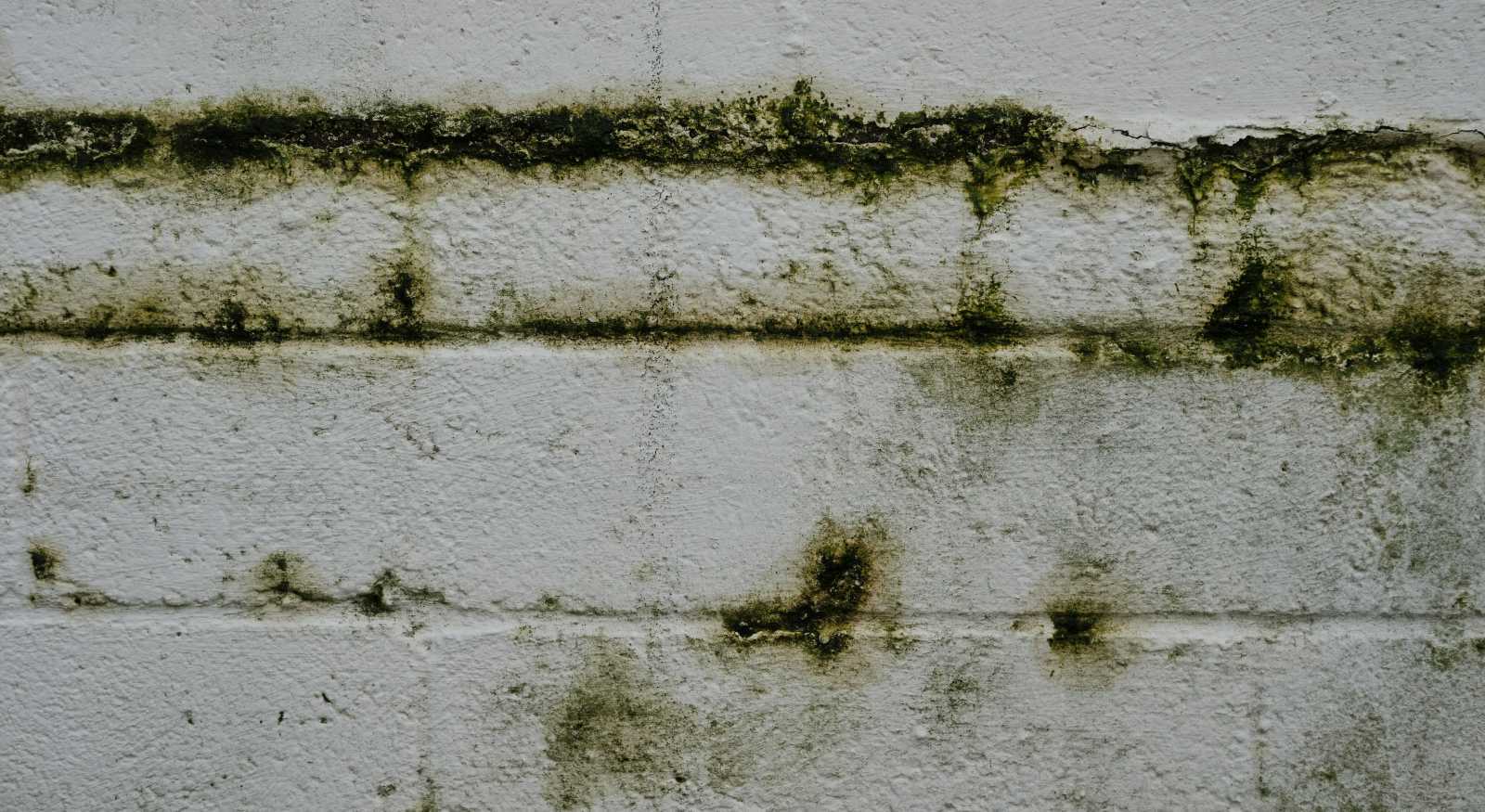
While humidity can damage furniture, flooring, and electronics, those aren't the only areas of your home that can be affected. Excess moisture can also create conditions that encourage mold growth, often in places homeowners rarely inspect.

How to Protect Your Home from Humidity Damage
The good news is that humidity-related damage is often preventable. By managing moisture levels and addressing problems early, you can help protect your furniture, electronics, flooring, and other belongings.
Here are five ways to reduce the risk of humidity damage in your home:
- Monitor indoor humidity levels: Use a hygrometer to track humidity and catch potential problems before they affect furniture, flooring, or electronics.
- Use a hygrometer to track humidity and aim to keep indoor levels between 30% and 50%.
- Improve ventilation: Run exhaust fans in bathrooms, kitchens, and laundry rooms to remove excess moisture from the air.
- Use a dehumidifier when needed: Dehumidifiers can help maintain healthy humidity levels, especially during humid weather or in moisture-prone areas like basements and crawl spaces.
- Address water leaks quickly: Plumbing leaks, roof leaks, and drainage issues can introduce additional moisture, contributing to humidity problems.
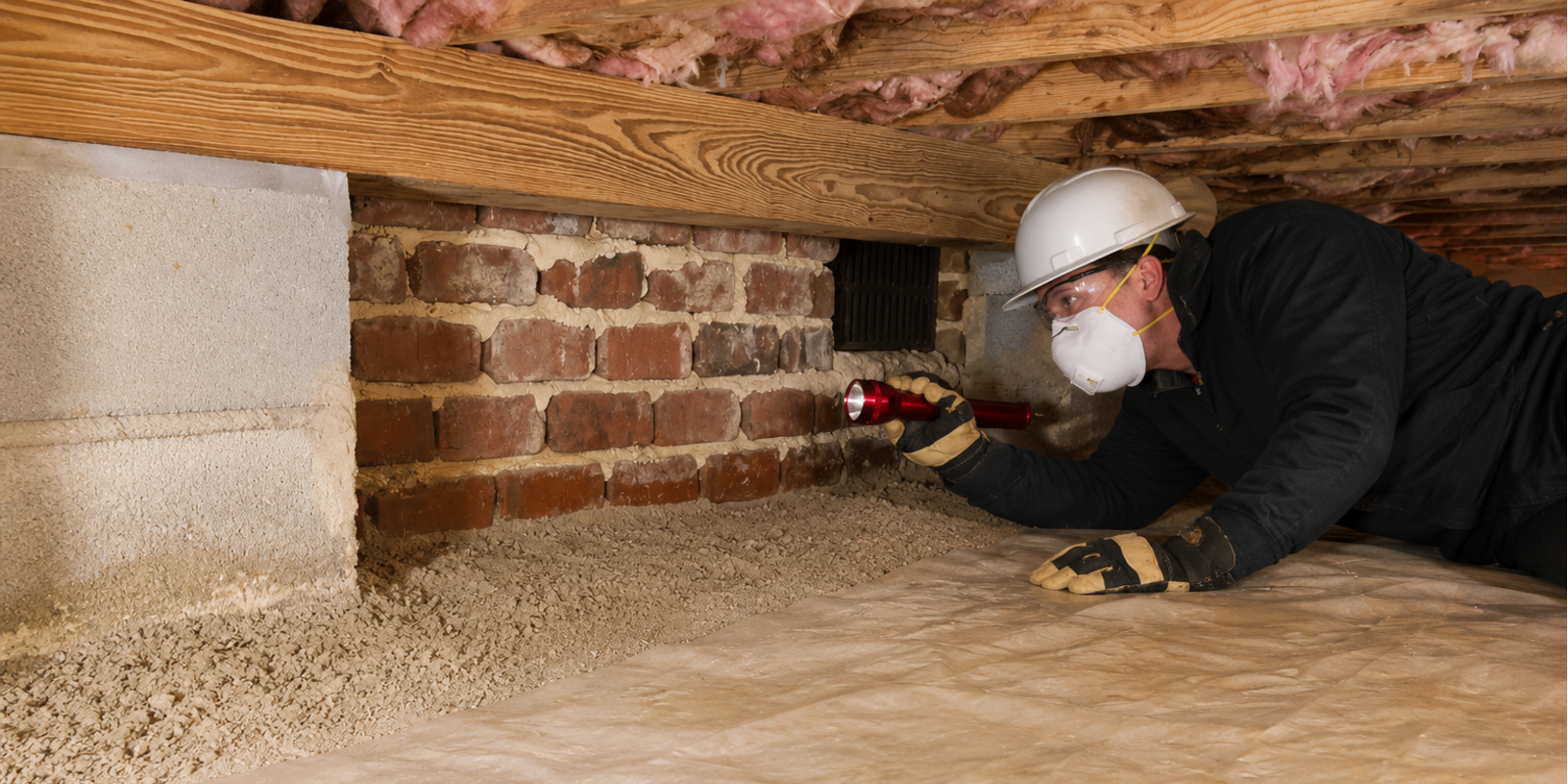
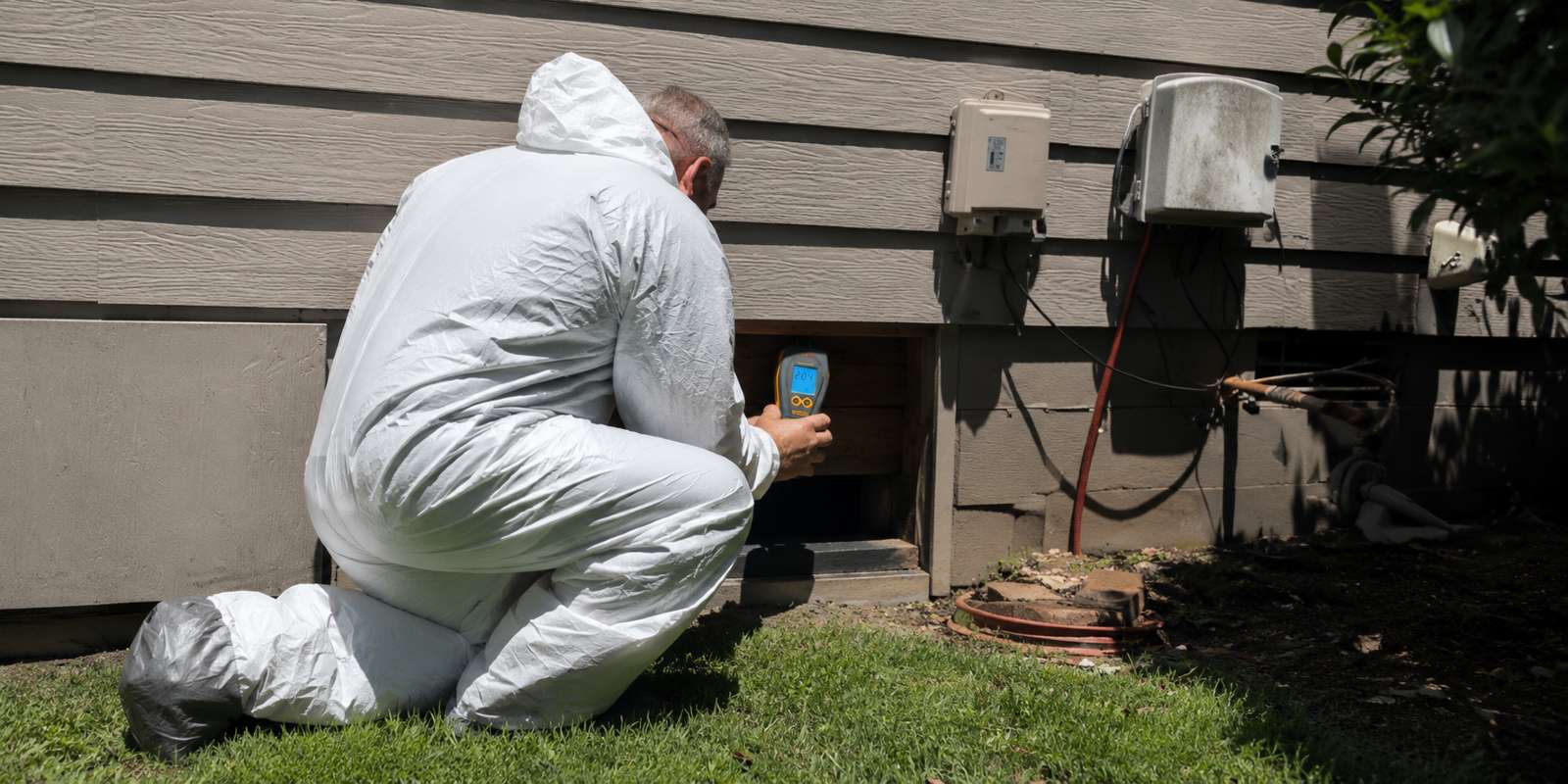
- Schedule a professional moisture assessment: If humidity issues persist or you notice signs of damage, a professional inspection can help identify hidden moisture sources and recommend solutions.
Taking proactive steps today can help prevent costly repairs and extend the life of your home's furniture, electronics, flooring, and other valuable belongings.
Prevent High Humidity Damage in Your Home
High humidity, when left unchecked, can quietly damage furniture, flooring, electronics, and other belongings, often leading to repairs homeowners never expected.
The good news is that many humidity-related problems can be prevented. Monitoring indoor humidity levels, improving ventilation, and addressing moisture issues early can help protect your home and belongings for years to come.
At Restore-It, we've helped homeowners throughout South Arkansas identify and address moisture-related issues before they lead to costly damage.
If you're concerned about how humidity may be affecting your indoor environment, your next step is to understand how moisture affects the air you breathe.
Read our article below to learn more about the connection between humidity, indoor air quality, and your family's comfort.

Topics: