
Are you worried your clothes are starting to smell damp, no matter how many times you wash them?
One day, your closet smells normal, and the next, your clothes, shoes, or storage boxes suddenly carry a stale, musty odor that seems impossible to remove.
High humidity, trapped moisture, and poor airflow can all contribute to odors that linger during long stretches of hot, humid weather. In humid climates like Arkansas, moisture can build up inside enclosed spaces faster than many homeowners realize.
Have you noticed the smell getting worse after heavy rain or on especially humid days? Do certain clothes feel damp even after they’ve been washed and dried? These are often early signs that excess moisture may be building up inside your home.
For the past 14 years, Restore-It has helped homeowners identify hidden moisture problems before they turn into larger mold and indoor air quality concerns. Our experience with moisture inspections, mold remediation, and indoor air quality issues allows us to recognize early warning signs that many homeowners may overlook.
In this article, you’ll learn what causes musty closet smells during summer, the warning signs to watch for, how to reduce excess moisture, and when the issue could point to a larger moisture problem inside your home.
Why Closets Smell Musty During Summer
Summer humidity creates the perfect environment for moisture to build up inside enclosed spaces like closets. When warm air mixes with poor ventilation, dampness can become trapped around clothing, shoes, and stored belongings.
According to the United States Environmental Protection Agency (EPA), indoor mold growth is commonly linked to moisture problems and excess humidity inside the home. EPA also explains that controlling moisture is one of the most important steps in preventing mold growth indoors.
Over time, this moisture can create the musty smell many homeowners notice during humid weather.
Closets are especially vulnerable because they often have:
- Limited airflow
- Little natural light
- Packed storage spaces
- Exterior walls that collect condensation
Even small amounts of moisture can eventually lead to mildew growth and unpleasant odors.
Common Signs of Excess Moisture in Your Closet
A musty smell is often one of the first warning signs, but it is rarely the only one. Paying attention to changes inside your closet can help you catch moisture issues early.
Some common signs include:
- Clothes feel damp after hanging in the closet.
- Musty odors that return after cleaning.
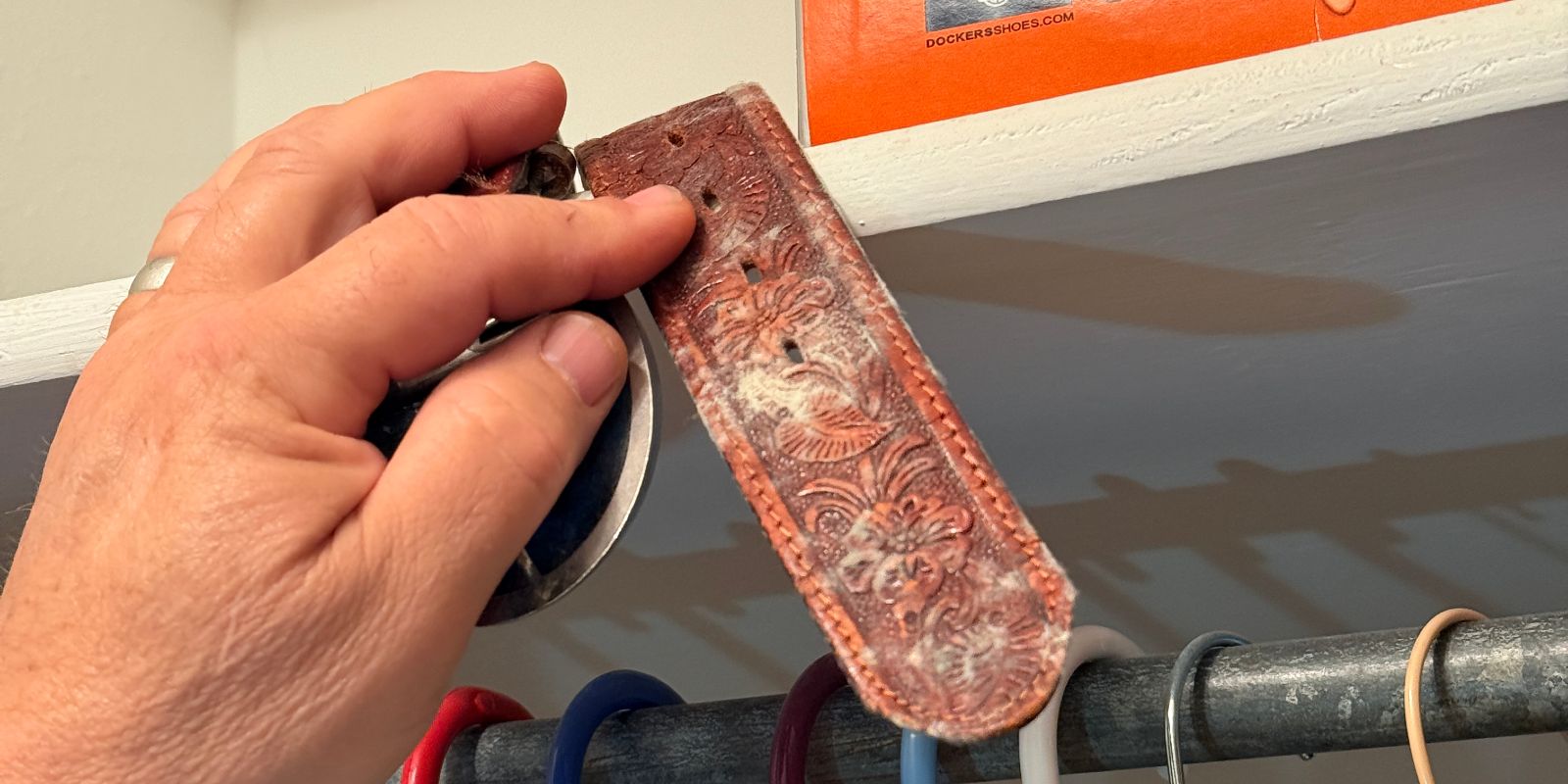
- Mold spots on shoes, fabric, or storage boxes.
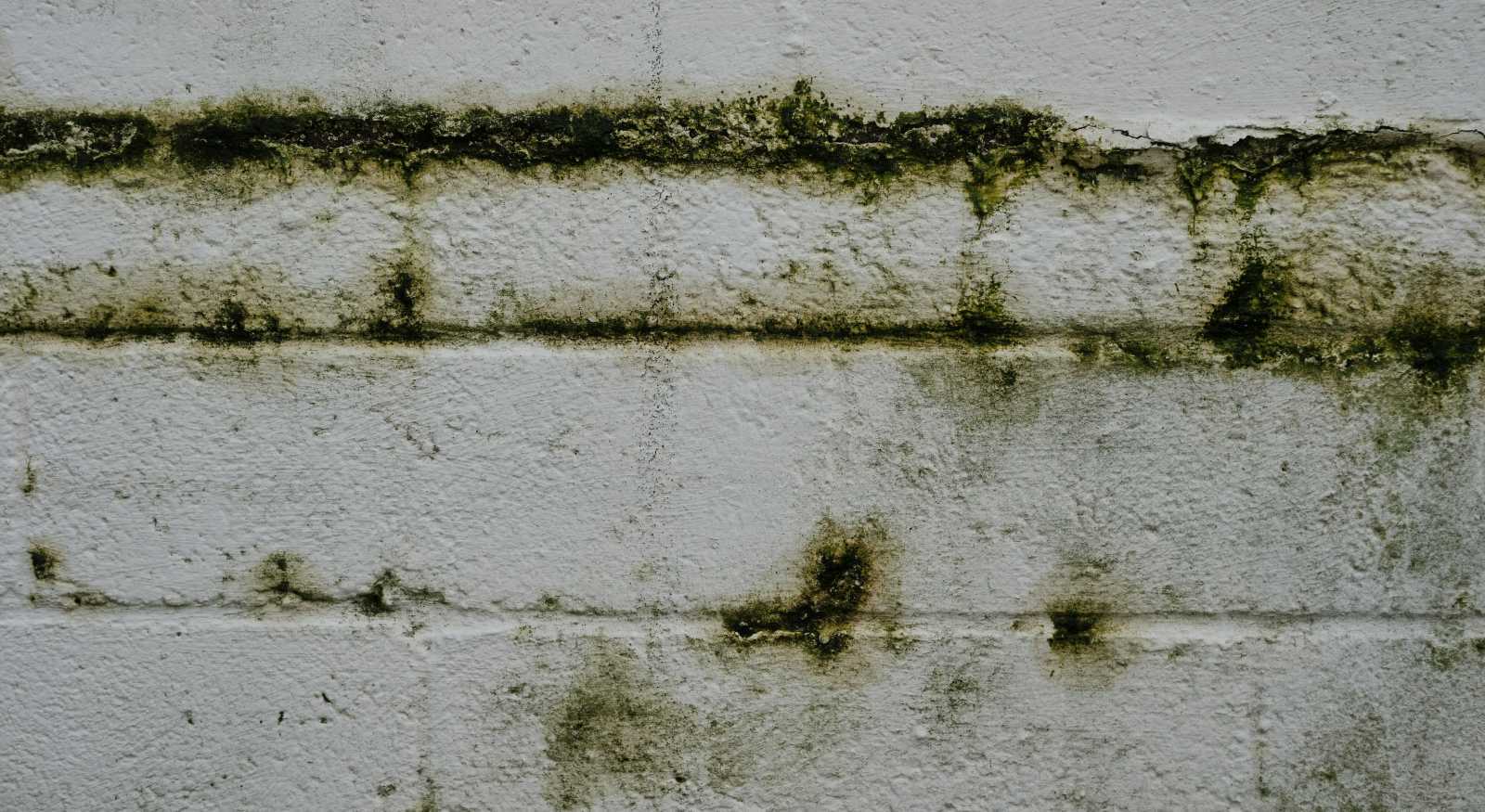
- Condensation on walls or nearby surfaces.
- A stronger odor after heavy rain or humid days.
In many homes, these moisture signs develop gradually. A homeowner may first notice a faint odor, only for it to become stronger throughout the summer. Because closets are enclosed spaces, moisture problems can remain hidden longer than they would in larger, open rooms.
If the smell keeps returning, there may be a hidden moisture source contributing to the problem.
When a Musty Closet Smell Could Mean a Bigger Moisture Problem
In some homes, closet odors are connected to larger humidity or water intrusion issues. Moisture behind walls, small plumbing leaks, or poor ventilation can all allow damp air to spread throughout the home.
The table below highlights some common warning signs and what they may indicate:
|
Problem |
Possible Cause |
|
Musty smell after rain |
Excess indoor humidity |
|
Mold on clothes |
Poor airflow or trapped moisture |
|
Odor spreading to other rooms |
Hidden moisture behind walls |
|
Damp closet walls |
Leak or condensation issue |
Your belongings are important, and prolonged moisture exposure can damage more than clothing. Humidity problems lead to mold growth on fabrics, warped materials, and indoor air quality concerns inside homes.
In some situations, homeowners clean the closet repeatedly without realizing the real problem is coming from another area of the home.
That is why it is important to pay attention to recurring odors instead of simply masking them with air fresheners or cleaning products.
How to Reduce Musty Closet Odors During Summer
The good news is that there are several ways to reduce moisture and improve airflow inside your closet during humid months.
Here are a few practical steps homeowners can take:
- Leave closet doors open periodically to improve air circulation.
- Avoid overcrowding shelves and hanging spaces.
- Use a dehumidifier in humid areas of the home.
- Wash and fully dry clothing before storing it.
- Check nearby walls or ceilings for signs of leaks or condensation.
Improving airflow and controlling humidity can often reduce odors before mold problems develop. However, if the smell returns quickly after cleaning, there may still be an underlying moisture issue that needs attention.
Closet odors are sometimes the first visible sign of a larger humidity problem developing elsewhere in the home.
Think the musty smell may be spreading beyond one area? Read our article explaining why homes develop musty odors after heavy rain and what it could mean for hidden moisture problems.

When to Call a Professional for Musty Smells
Sometimes, improving ventilation and lowering humidity levels is enough to solve the problem. Other times, recurring odors point to a hidden moisture issue that requires professional attention.
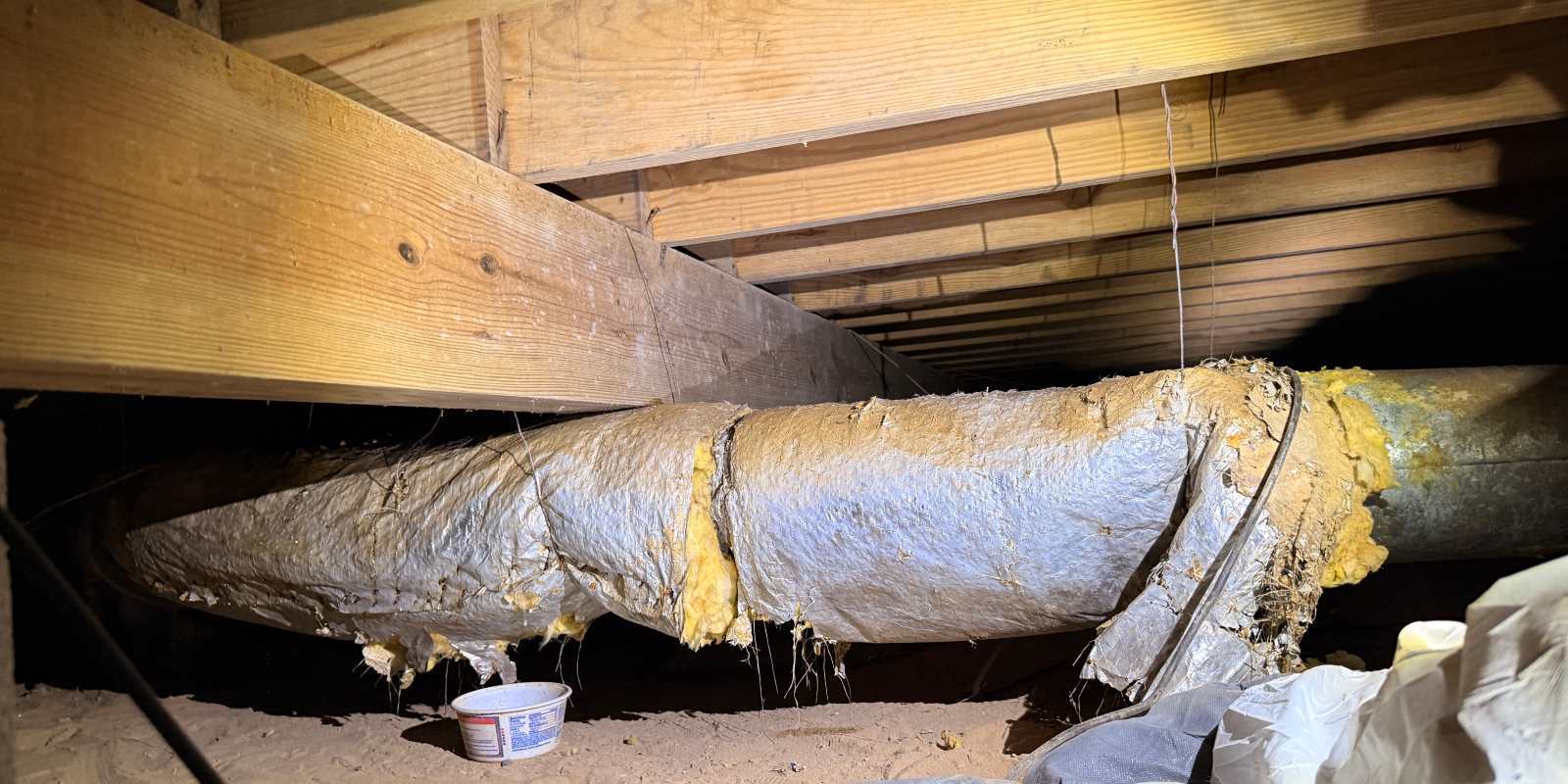
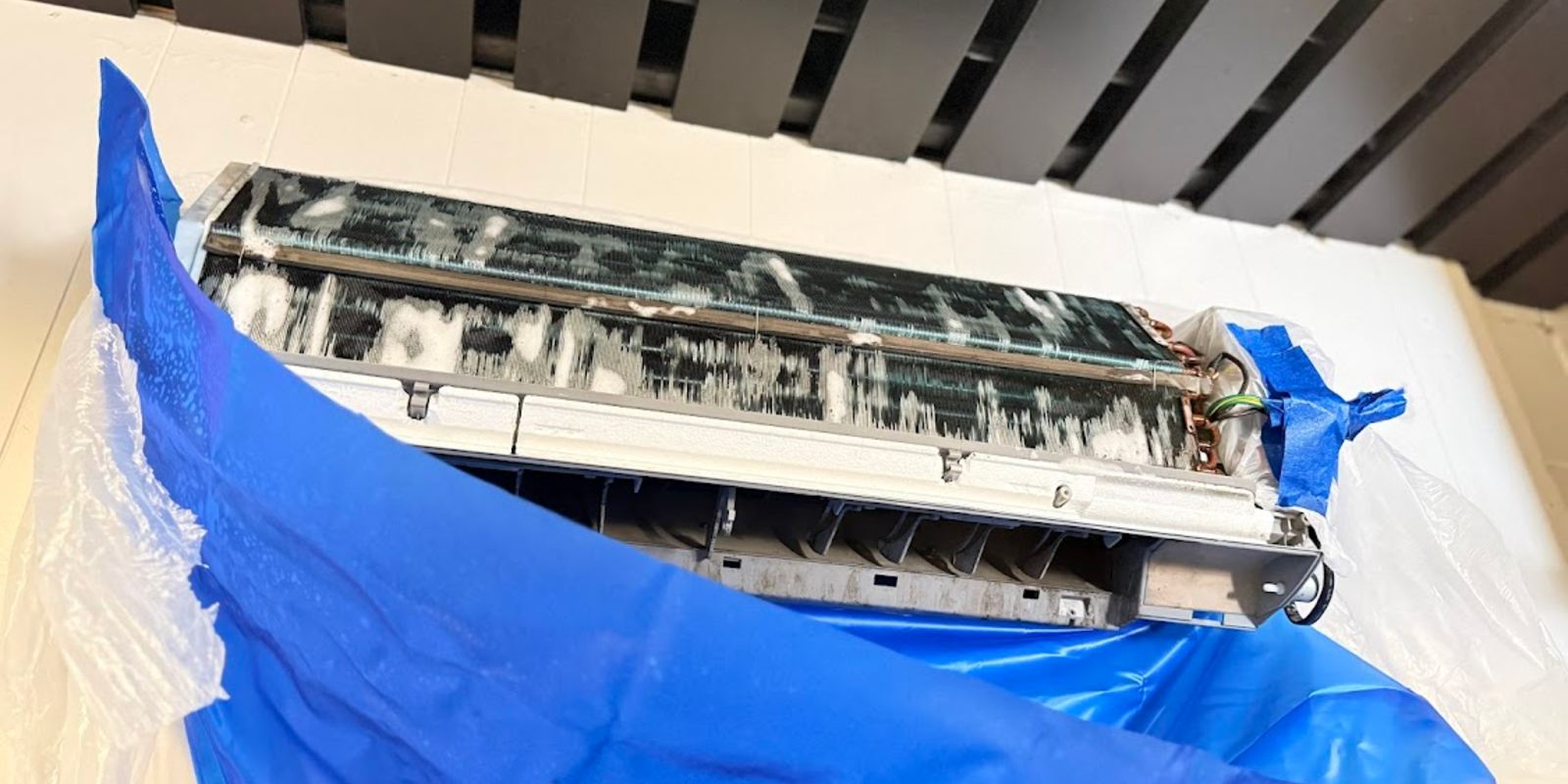
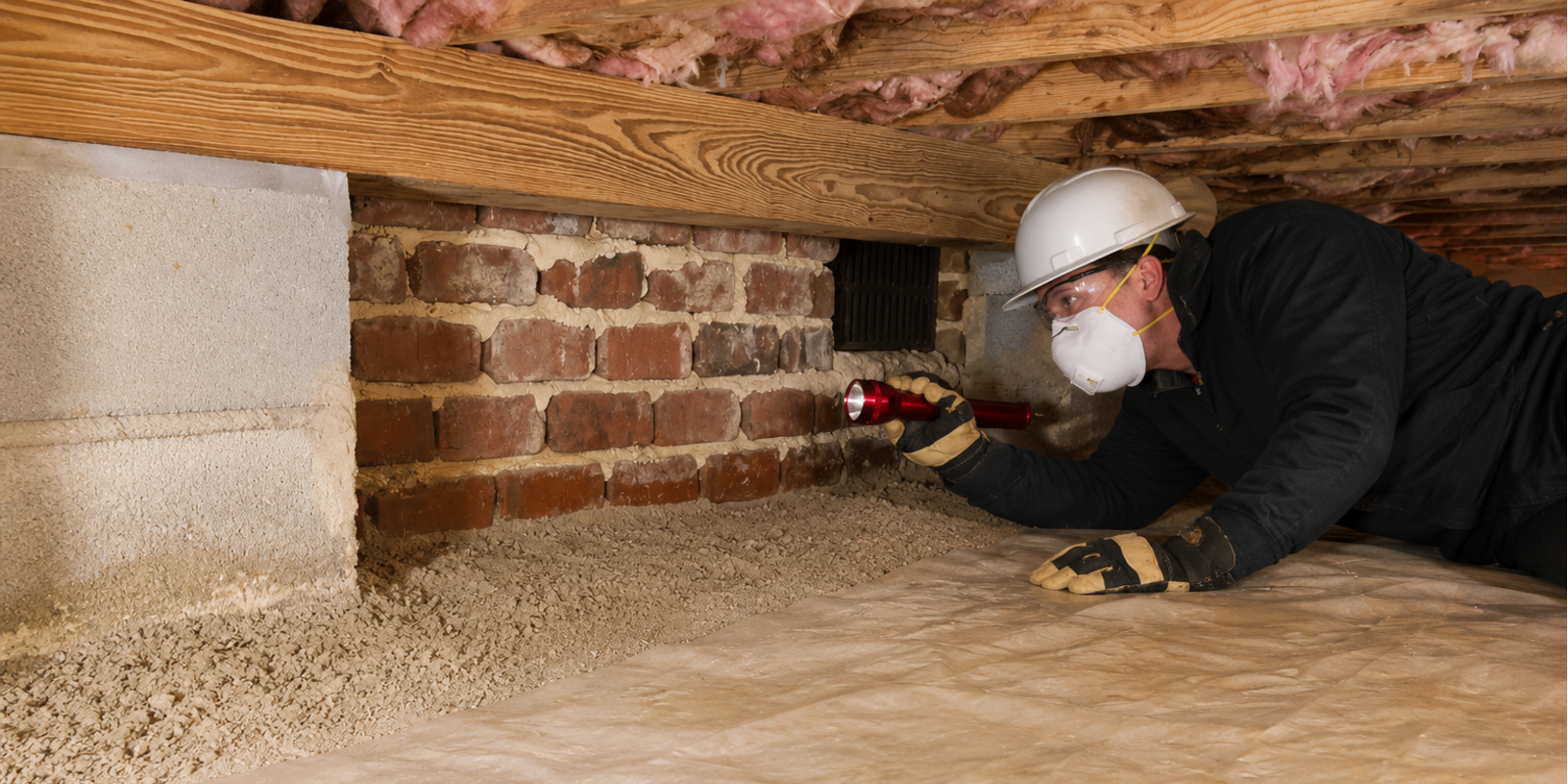
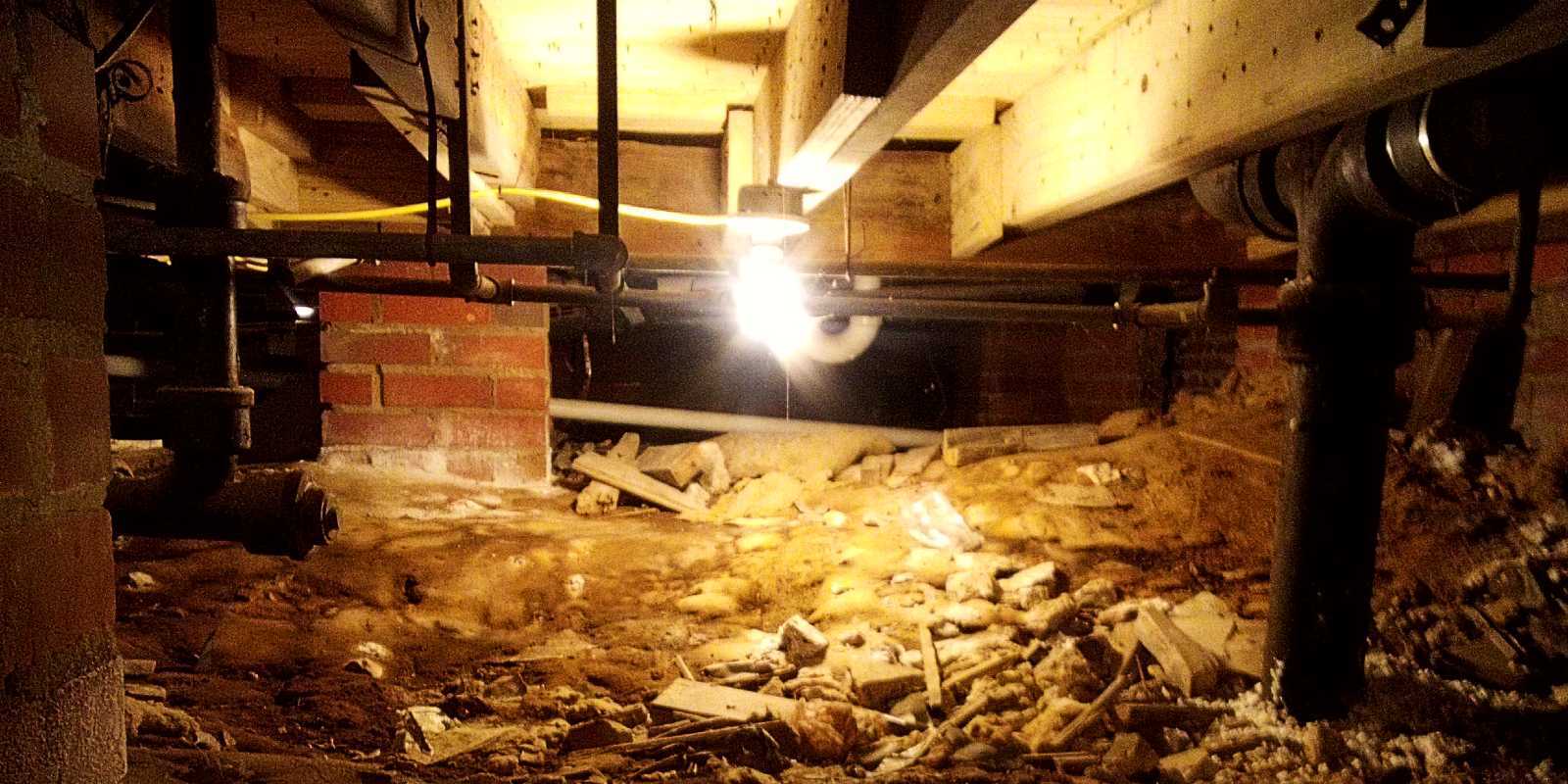
If musty smells continue returning despite cleaning your closet, washing clothes, or improving airflow, the problem may be coming from another area of the home. Moisture trapped behind walls, inside crawl spaces, around insulation, or within ventilation systems can create ongoing odors that are difficult to identify without professional equipment.
You should consider scheduling a moisture inspection if:
- The smell keeps returning after cleaning.
- Odors spread into multiple rooms.
- Clothes or fabrics continue feeling damp.
- You notice discoloration or condensation on walls.
- Allergy symptoms worsen indoors during humid weather.
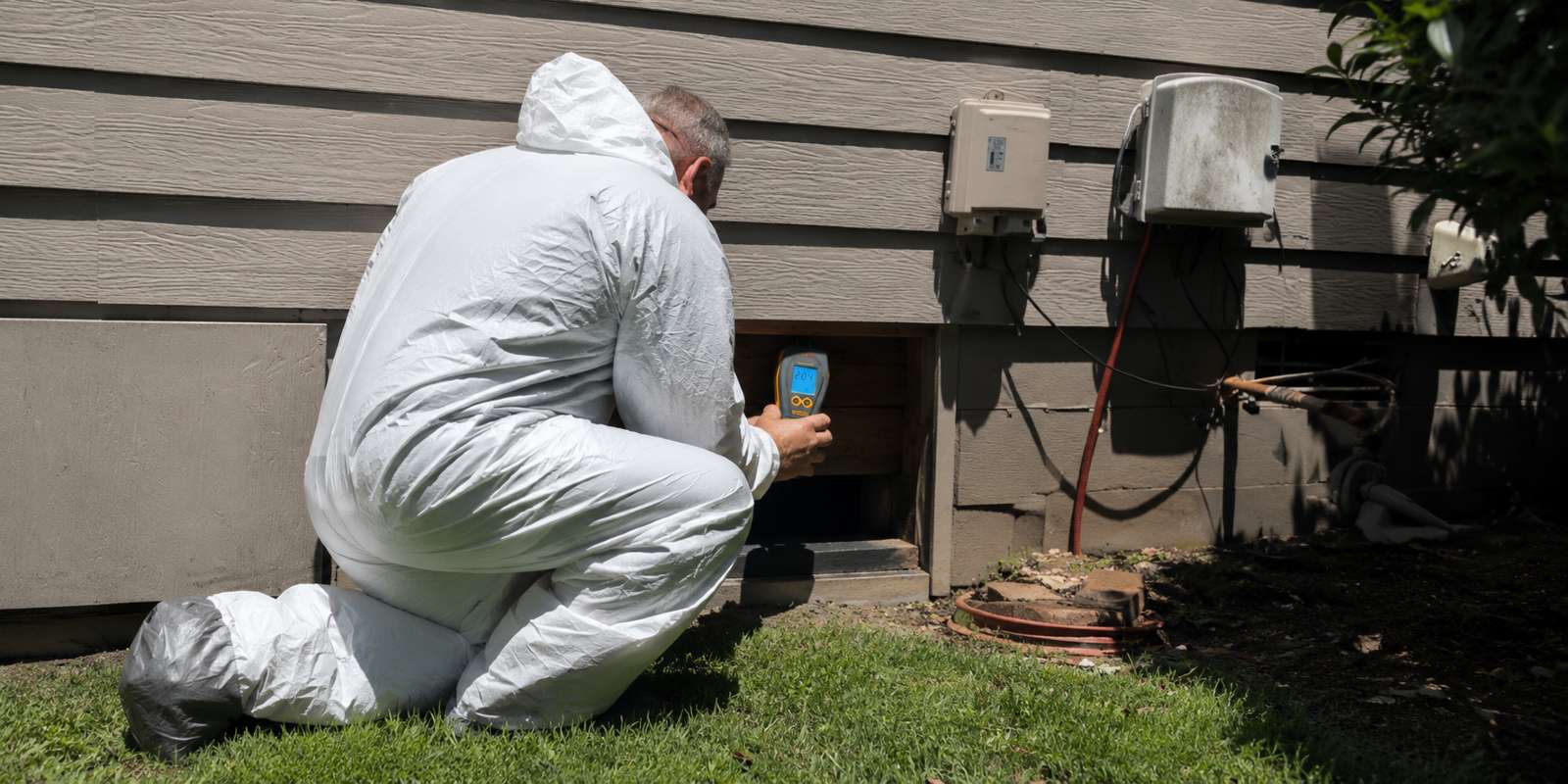
A professional inspection can help determine whether humidity, leaks, poor ventilation, or hidden mold growth are contributing to the issue. Identifying the source early can help prevent larger repairs, damaged belongings, and long-term indoor air quality concerns. Are you ready to have an evaluation?

How Should I Handle My Closet’s Musty Smell?
Musty closet odors during summer are often more than a temporary inconvenience. Excess humidity, trapped moisture, and poor airflow can eventually lead to mold growth, damaged belongings, and indoor air quality concerns if left untreated.
Now that you understand what causes closets to smell musty during humid weather, you can better recognize when the issue may point to a larger moisture problem inside your home.
If the smell continues returning despite cleaning and improving airflow, Restore-It can help identify hidden moisture issues before they become larger mold problems. Our team can inspect your home, locate possible sources of excess moisture, and help protect your property from further damage.
In many homes, musty smells spread beyond closets as humidity and moisture affect other areas of the home. To better understand what these odors may be telling you, continue reading:

Topics: