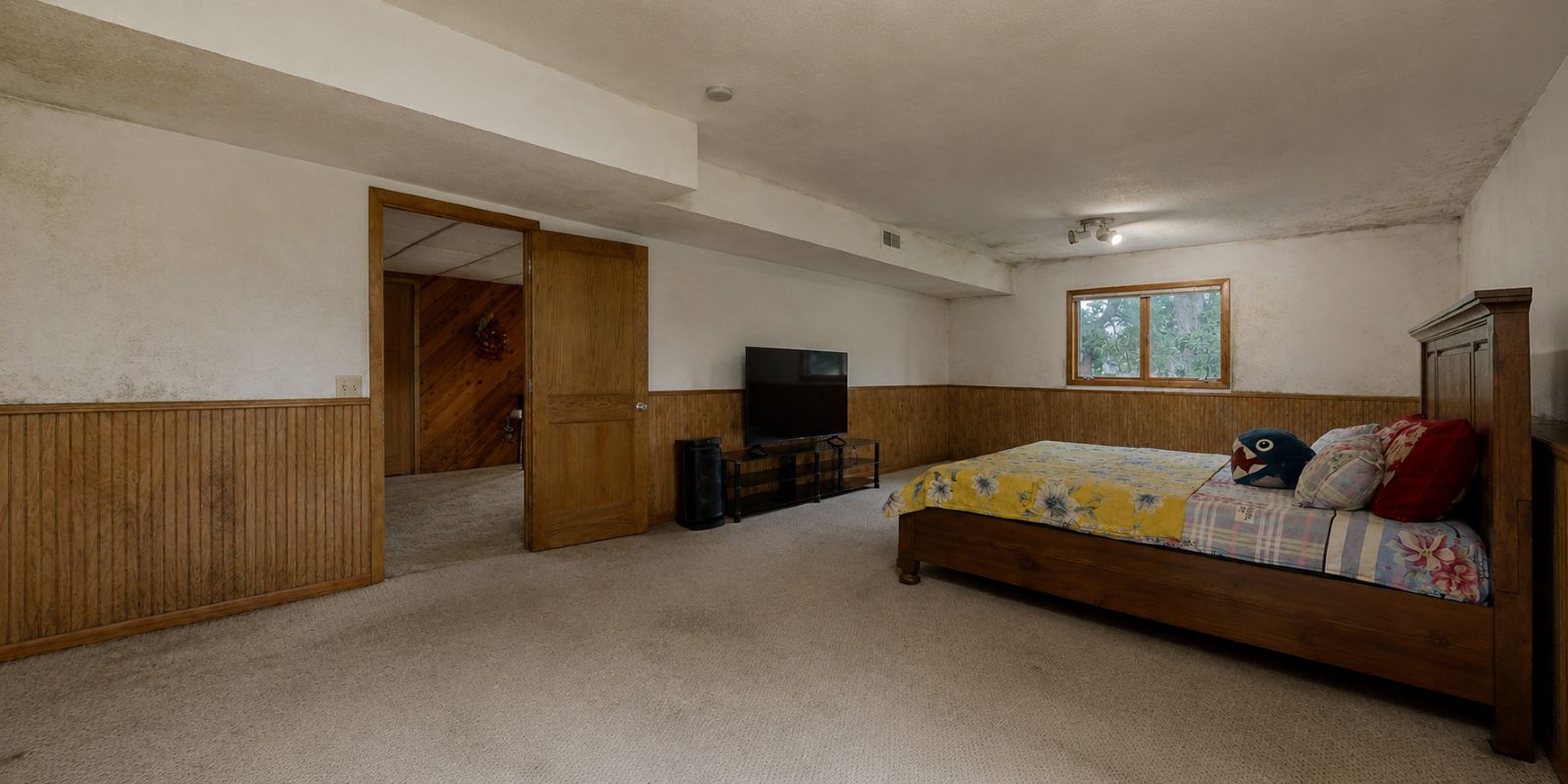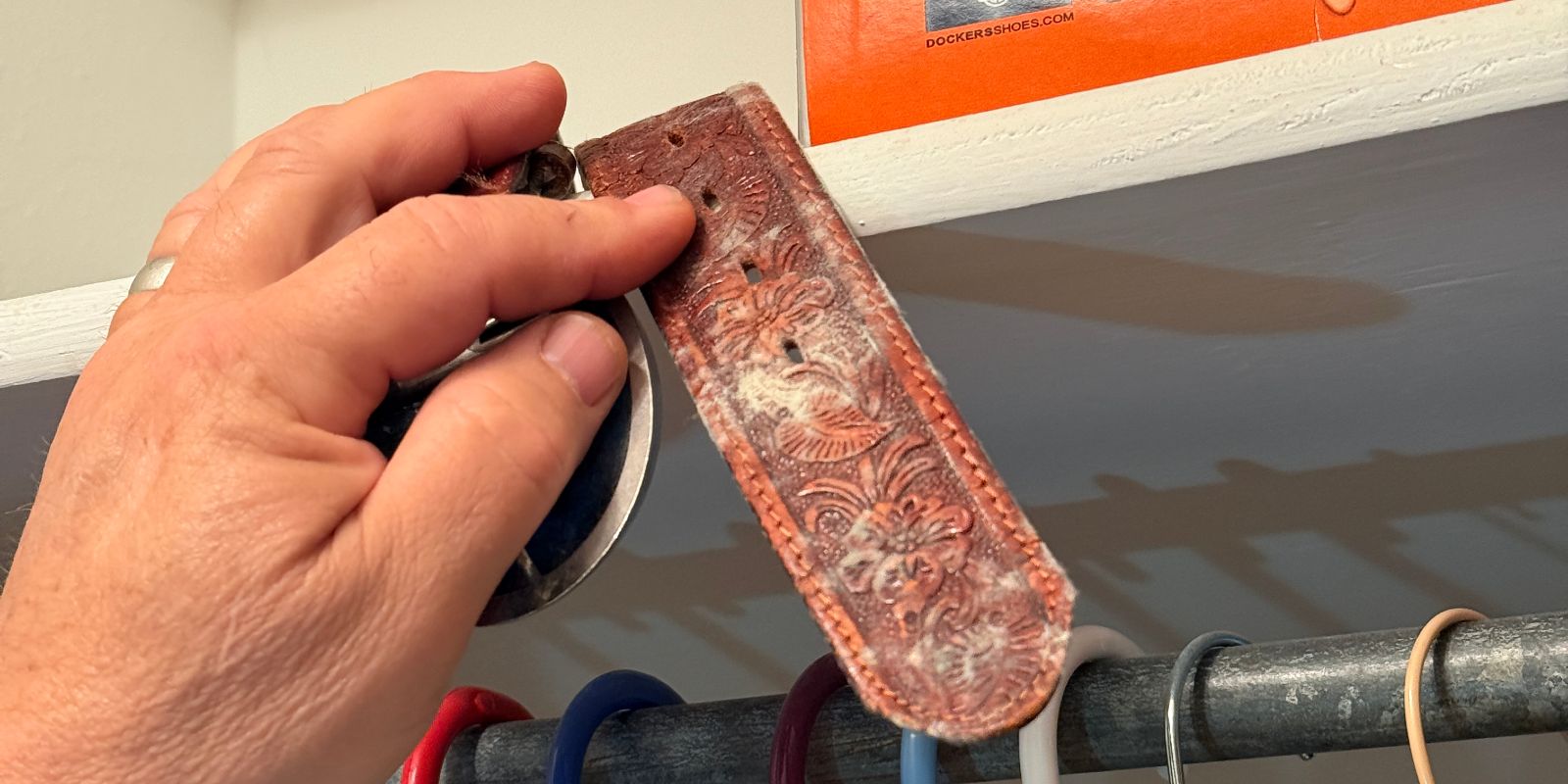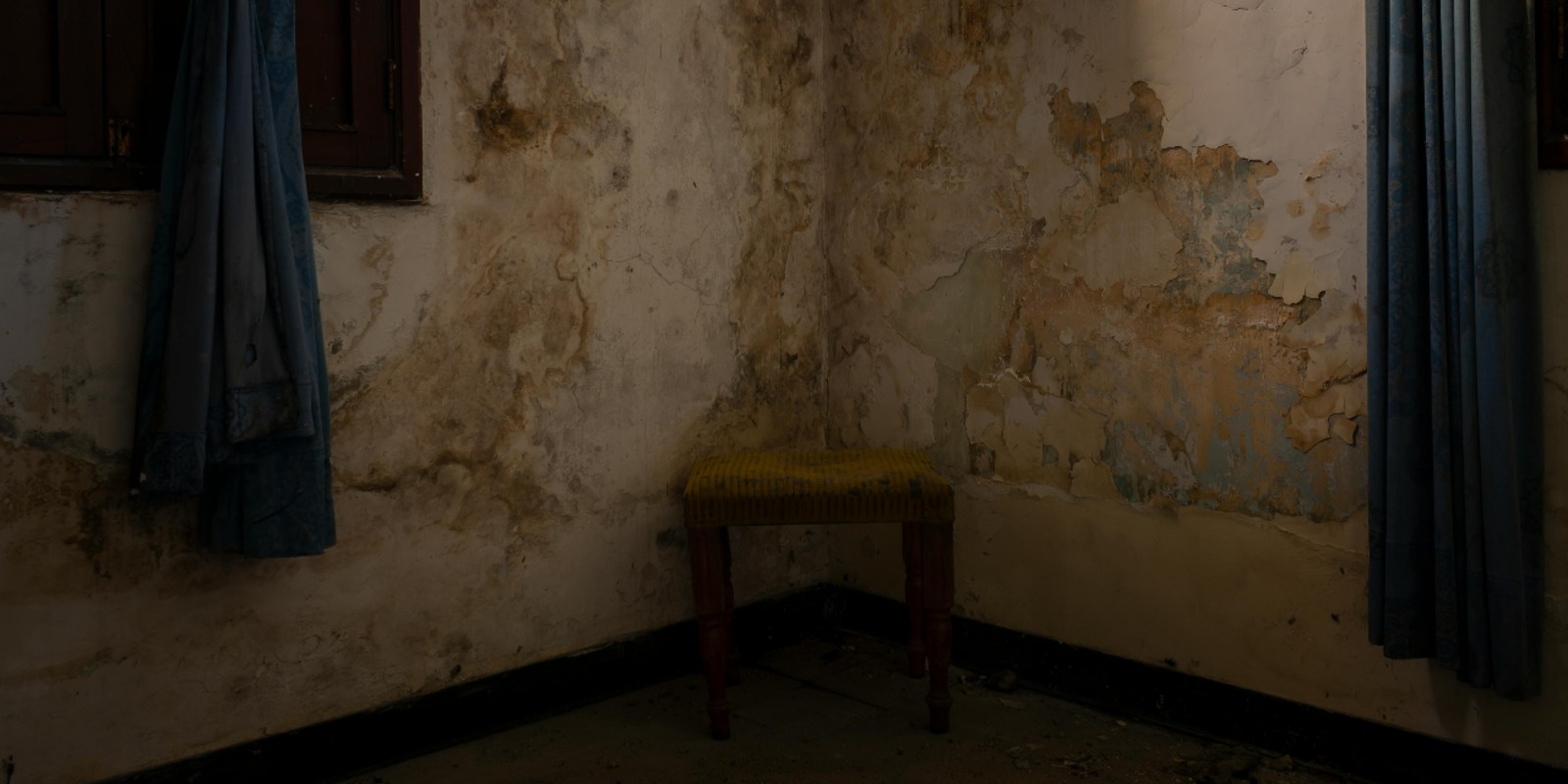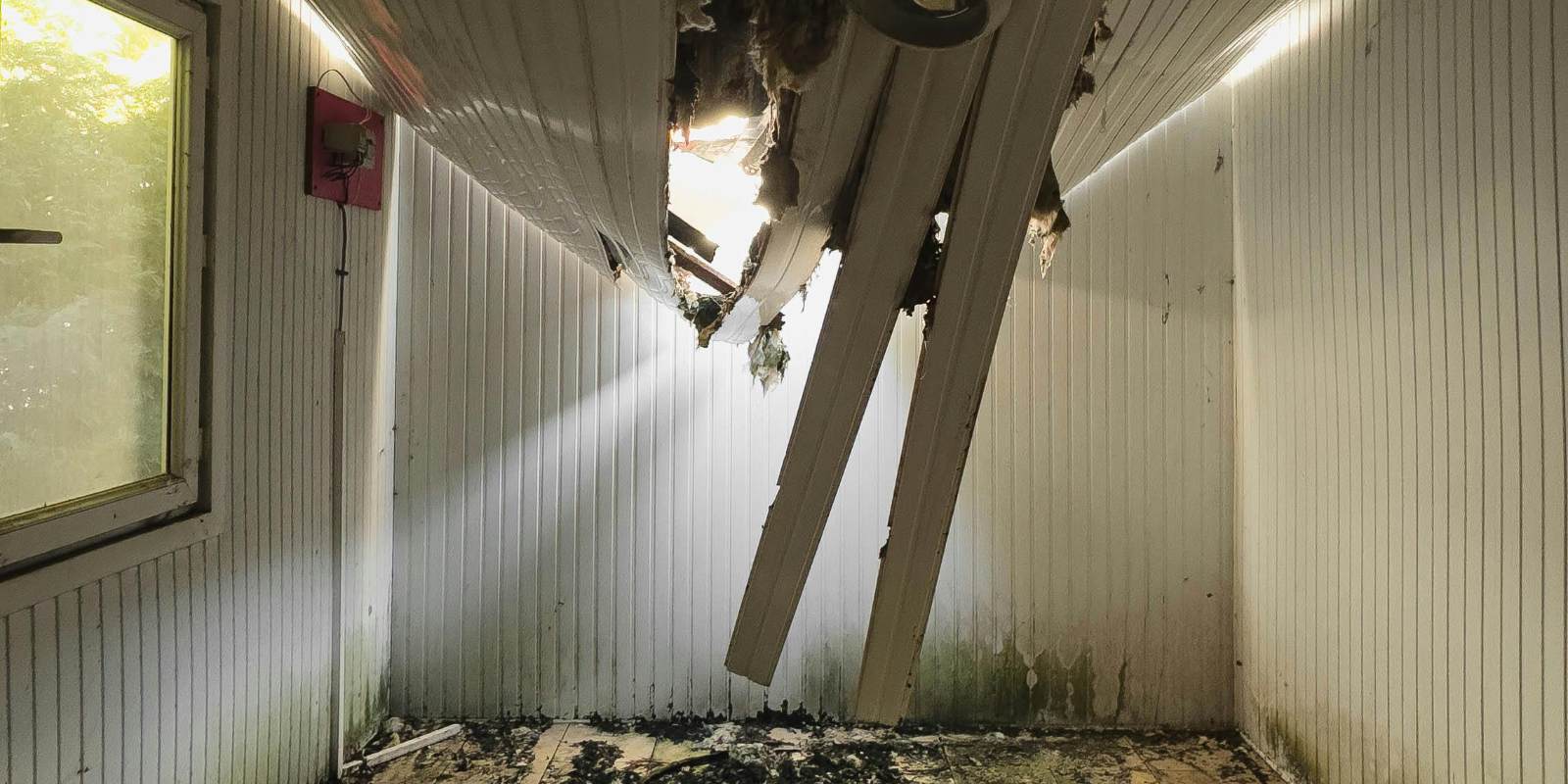

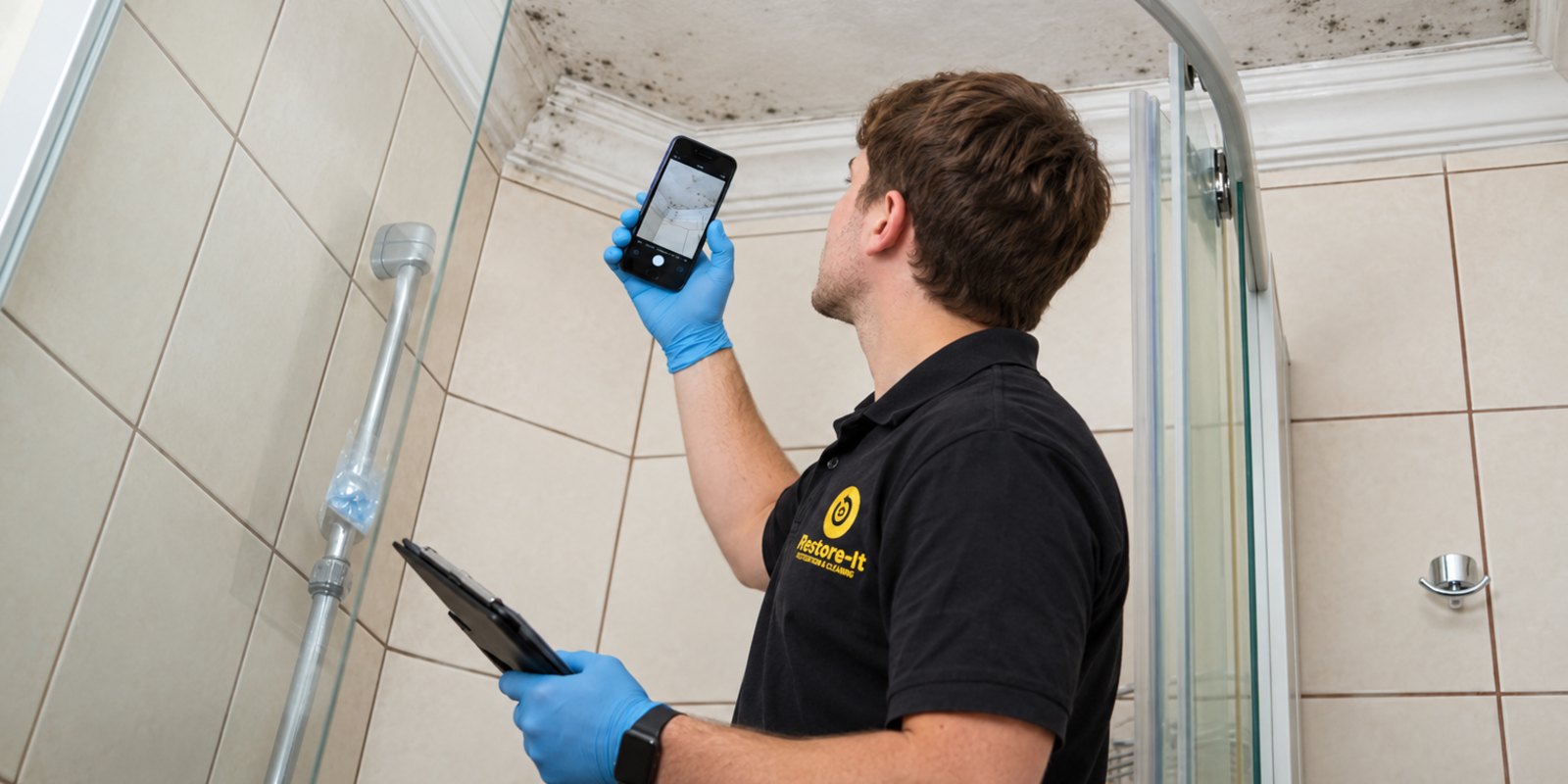
When a tenant tells you they’ve found mold, you may not know how serious the problem is or what you should do next. Is it a small issue that can be addressed during routine maintenance, or could it point to a larger moisture problem that needs professional attention?
A tenant’s report of mold doesn’t automatically tell you how serious the problem is, but it does tell you that you need to respond, document the concern, and determine what is causing the moisture.
At Restore-It, we help property owners and managers throughout South Arkansas respond to water and mold problems by identifying the source of the moisture, assessing the affected areas, and determining when professional remediation is needed.
In this guide, we’ll walk through what to do after a tenant reports mold, what to document and investigate, when the problem may require professional help, and what to address before considering the issue resolved.
1. Respond to the Tenant's Mold Report Quickly
Don’t ignore or delay a tenant’s complaint about mold. A report of mold should trigger an investigation, not an immediate assumption about how serious the problem is, where it came from, or who is responsible for fixing it.
When a tenant reports mold, the property manager should:
- Acknowledge the report and document when it was received.
- Ask where the tenant noticed mold, staining, or a musty odor.
- Ask whether there has been a recent leak, plumbing issue, flooding, or condensation.
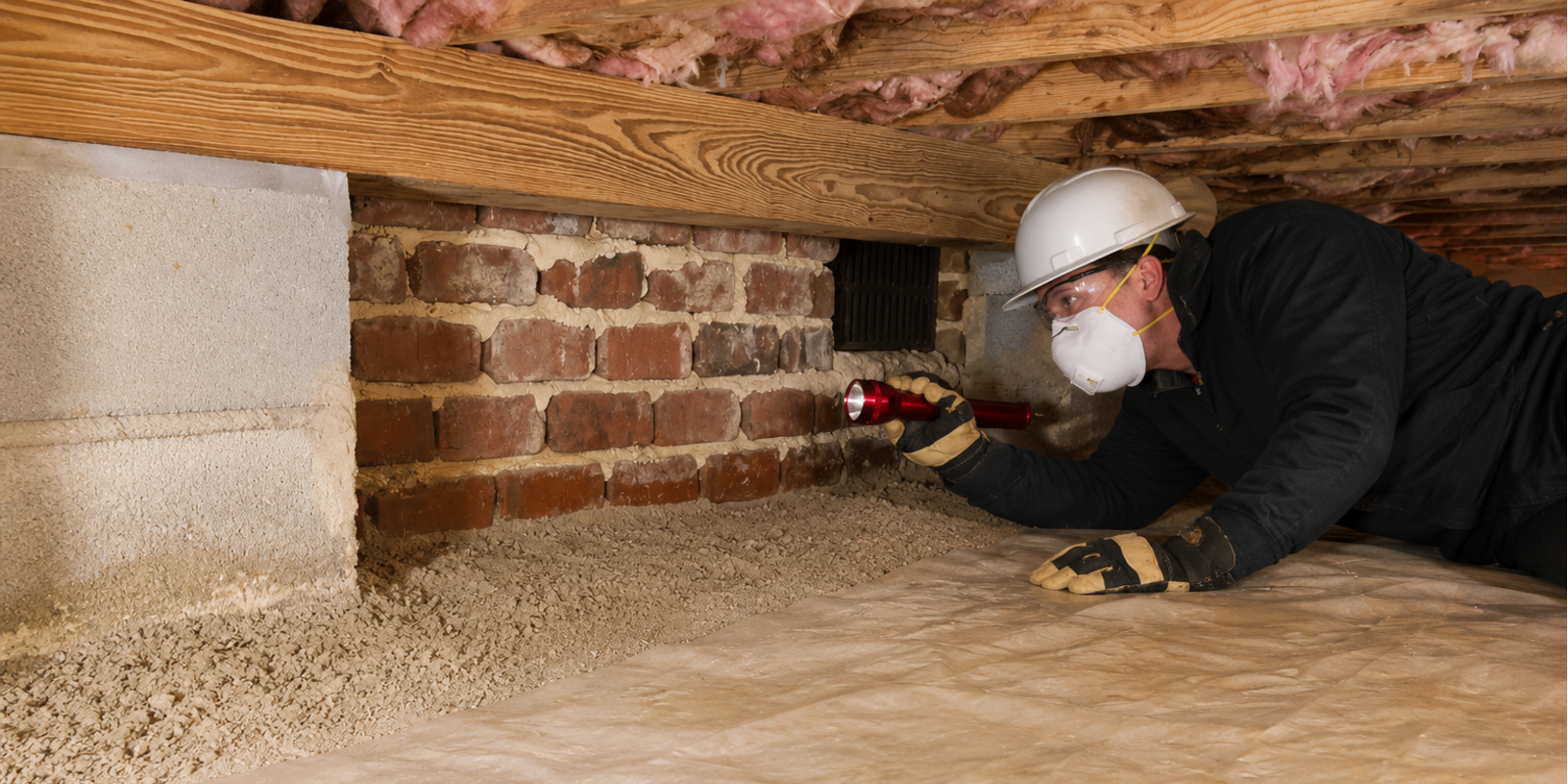
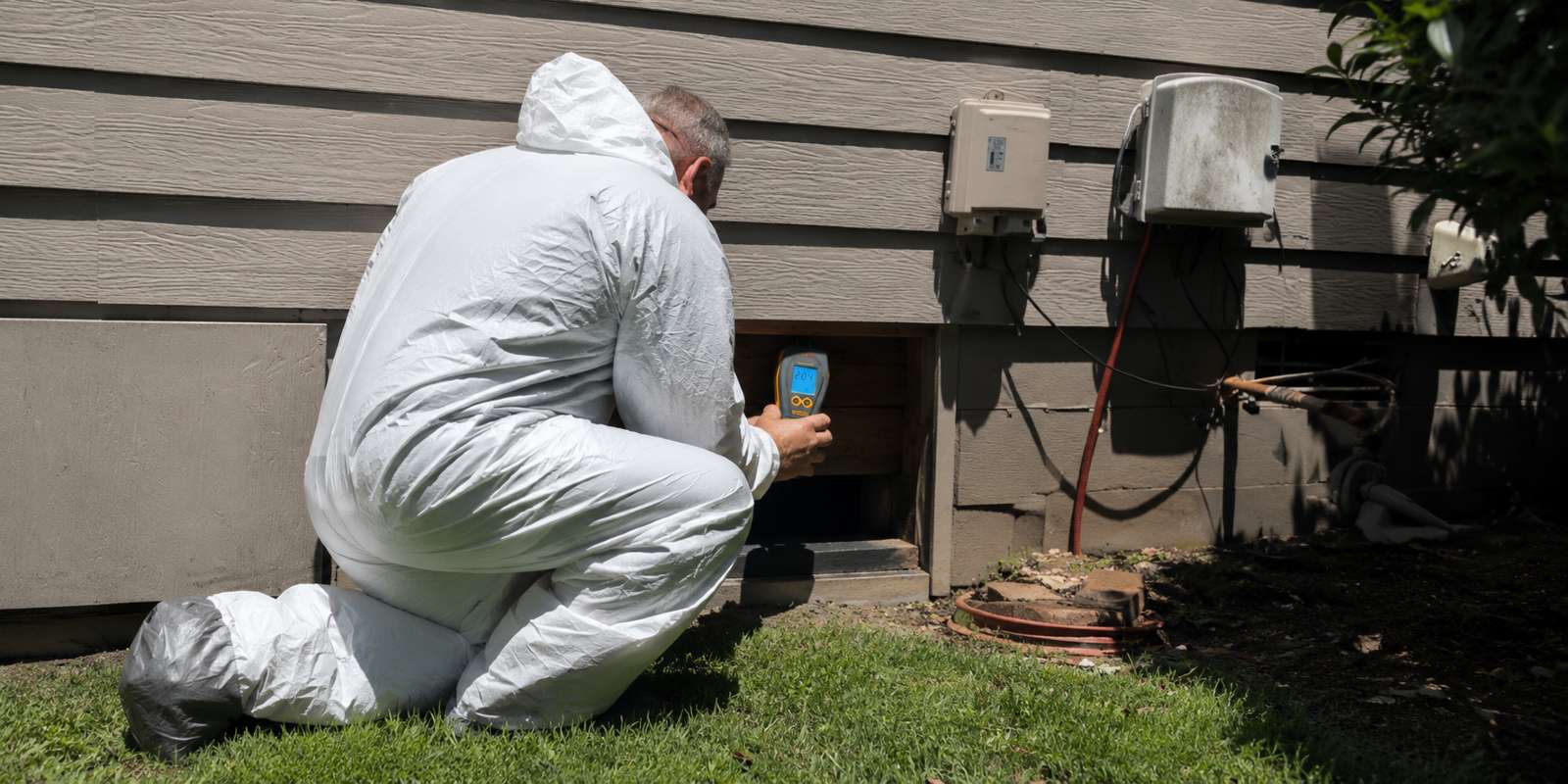
- Schedule an inspection or appropriate assessment.
- Keep important communication with the tenant documented.
The Environmental Protection Agency (EPA) recommends that building managers investigate occupant complaints and evaluate moisture and mold problems. For a property manager, that means the first step isn't necessarily determining whether the tenant is right about the cause. It's gathering enough information to understand what may be happening and determine what needs to be investigated next.
The sooner you document the complaint and begin looking for the source of the moisture, the easier it is to determine the appropriate next step.
If you're unsure whether what the tenant found actually appears to be mold, Restore-It's guide to identifying mold can help you understand some common warning signs.

2. Find the Moisture Source Before Treating the Mold
Finding the moisture source is one of the most important steps a property manager can take after a tenant reports mold. Cleaning visible mold without addressing the moisture that allowed it to grow may leave the underlying problem unresolved.
Depending on the property and location of the reported mold, possible moisture sources can include:
- Plumbing leaks
- Roof leaks
- Window or exterior-wall leaks
- Condensation
- High indoor humidity
- HVAC-related moisture
- Previous water damage
Moisture control is a key part of preventing mold from continuing to grow. That means looking beyond the visible mold and investigating where water or excess moisture may be entering, collecting, or remaining in the building.
|
What the tenant reports |
What the property manager should investigate |
|
Mold around a window |
Water intrusion, condensation, or damaged seals |
|
Mold under a sink |
Plumbing leaks or moisture inside the cabinet |
|
Musty smell with no visible mold |
Possible hidden moisture or mold |
|
Ceiling staining |
Roof, plumbing, or HVAC-related moisture |
|
Recurring mold |
Whether the underlying moisture problem was actually corrected |
The goal isn't to diagnose the problem based on a tenant's description alone. It's to identify what may be contributing to the moisture so you can determine what needs to happen next.
3. Document What You Find
Once you've investigated the reported mold or moisture problem, document what you find. Don't rely on memory; record the condition before cleanup, repairs, or other changes make it harder to determine what happened.
Your documentation should include:
- Date and time the complaint was received
- The tenant's description of the problem
- Location of visible growth, staining, or other signs of moisture
- Photos of the affected areas
- Signs of water damage
- Possible moisture sources identified during the inspection
- Areas inspected
- Repairs or maintenance already performed
- Important communication with the tenant
- Any professional assessment or remediation
Keeping a clear record gives you a timeline of the problem and the steps taken to address it. It can also make it easier to communicate with contractors, restoration professionals, insurance representatives, and the tenant.
If the property does experience significant damage, having thorough documentation from the beginning can also help when filing an insurance claim.

4. Decide Whether You Can Handle the Problem In-House
Not every report of mold means a property manager needs to call a restoration company. The appropriate response depends on the size and extent of the problem, the moisture conditions, the materials affected, and other circumstances surrounding the property.
After documenting what you find, consider whether the issue appears limited enough to be addressed through routine maintenance or whether it warrants a professional assessment.
When Should a Property Manager Escalate?
|
Situation |
Consider |
|
Small, isolated area with an obvious moisture source |
Appropriate cleaning or maintenance response may be possible |
|
Mold keeps returning |
Investigate whether the underlying moisture problem was actually corrected |
|
Extensive visible growth |
Professional assessment or remediation |
|
Hidden mold is suspected |
Professional assessment |
|
Mold involves HVAC or air-handling areas |
Professional evaluation |
|
Significant water damage occurred |
Professional assessment may be appropriate |
|
Contaminated water or sewage is involved |
Professional help |
|
Occupants have significant health concerns |
Consider professional help and appropriate medical guidance |
The EPA provides general guidance for determining who should handle mold cleanup, but there isn't a single measurement that applies to every situation. For example, its commonly referenced 10-square-foot guideline should not be treated as a universal legal threshold or an automatic “DIY versus professional” cutoff.
The more important questions are: How extensive is the problem? What caused the moisture? What materials are affected? And can the problem be addressed appropriately with the resources available?
5. Know When to Call a Professional Mold Remediation Company
Sometimes the information you gather during your initial investigation points to a problem that is beyond routine maintenance. Professional mold remediation may be appropriate when:
- The source of the moisture isn't obvious or hasn't been resolved.
- Mold is extensive or keeps returning.
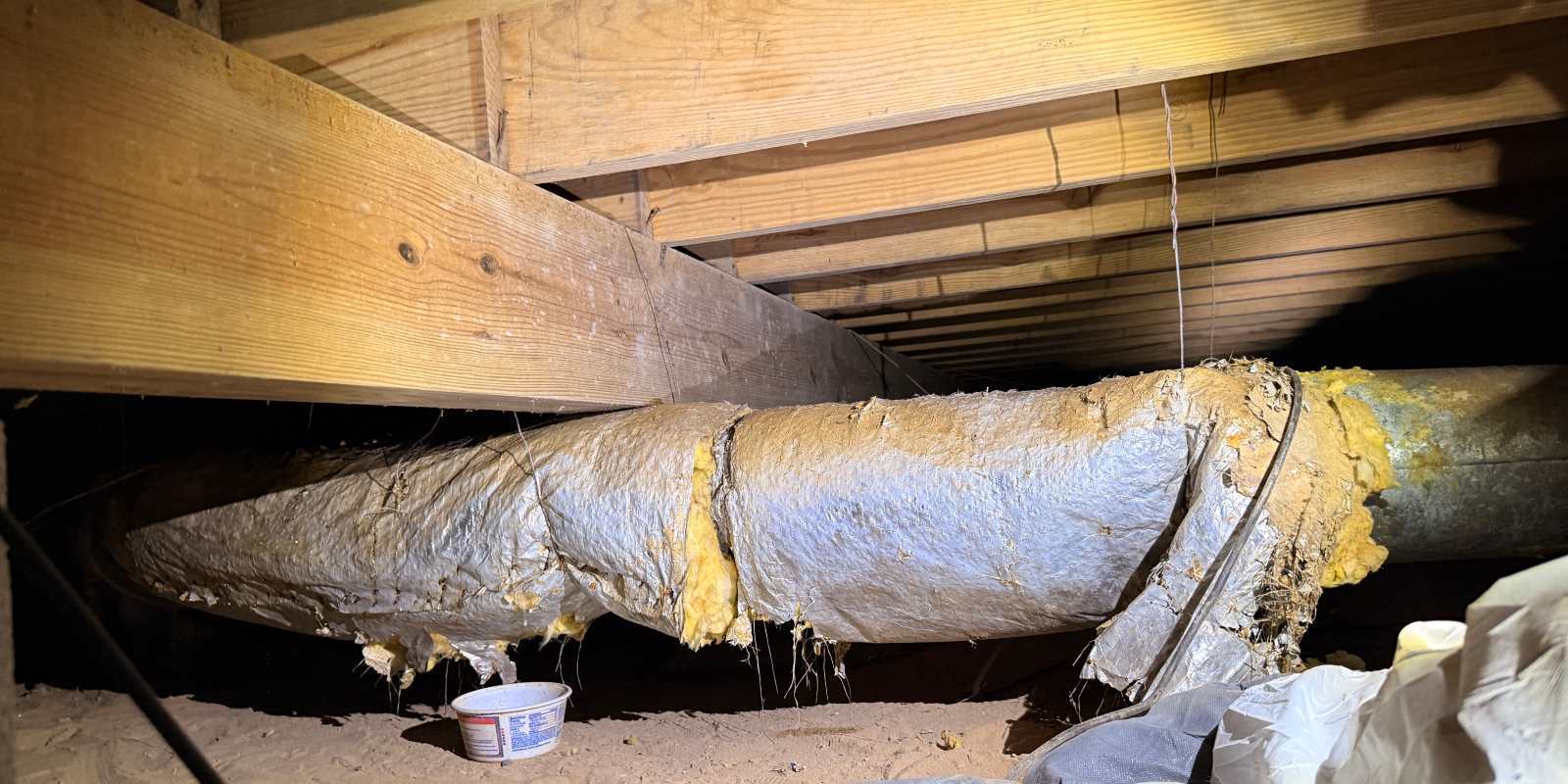
- Mold may be hidden behind walls, ceilings, or other materials.
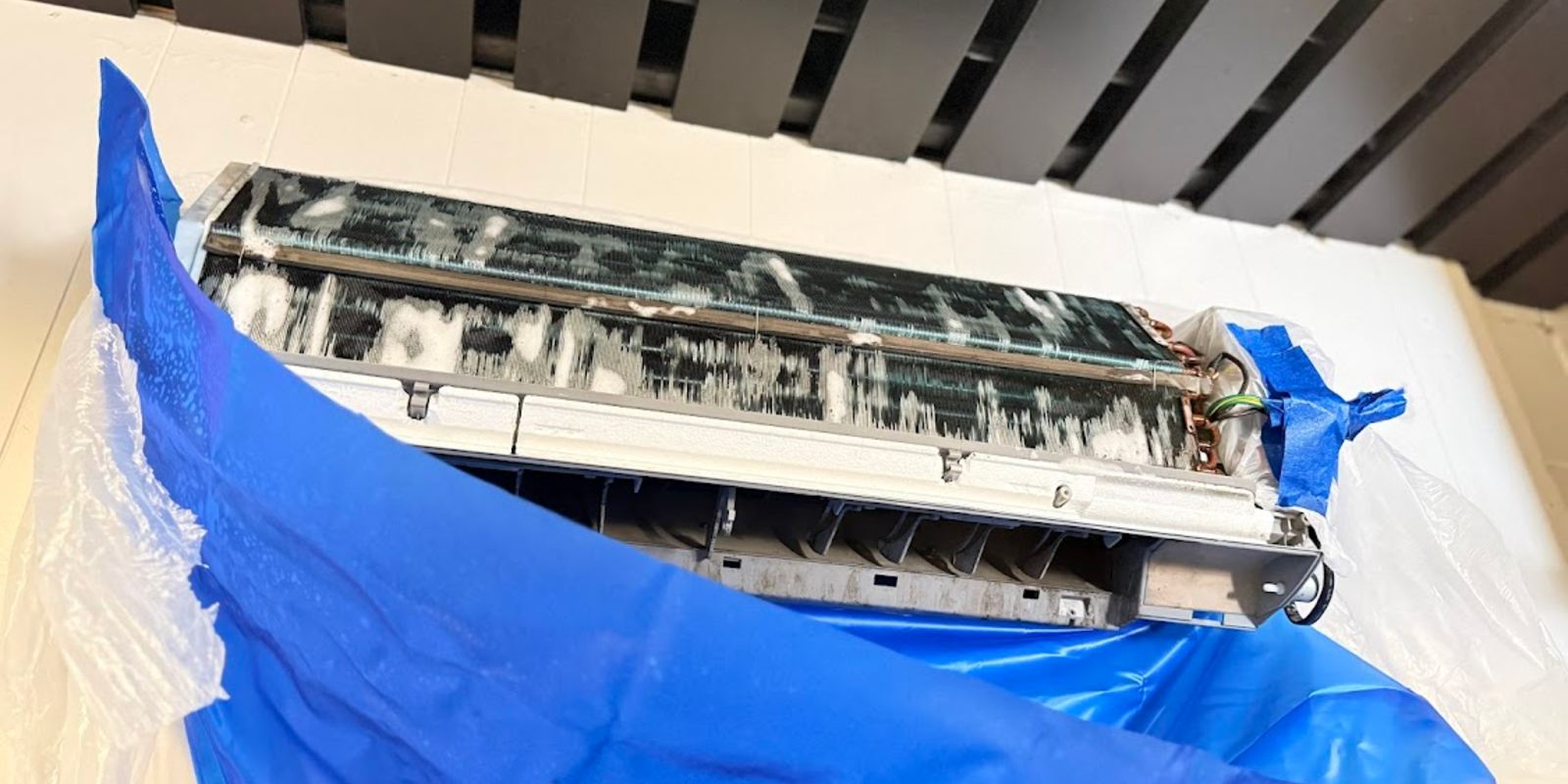
- HVAC or air-handling systems may be affected.
- Contaminated water or sewage is involved.
- Affected materials are difficult to clean, dry, or remove appropriately.
- The property doesn't have the equipment, training, or personnel needed to address the problem properly.
The EPA's commercial-building guidance emphasizes looking at the extent of the problem, moisture source, affected materials, possible hidden mold, occupant concerns, and HVAC systems when determining how a mold problem should be addressed.
For a property manager, the decision isn't simply about how much mold is visible. It's about whether you can identify and correct the underlying problem and address the affected materials appropriately. When you can't, bringing in a qualified professional can help determine the right course of action.
6. Communicate With the Tenant Throughout the Process
Addressing the mold is only part of managing the situation. The property manager also needs to keep the tenant informed about what is happening and what to expect next.
Let the tenant know:
- That their report has been received and is being investigated.
- What the next step will be and when it is expected to happen.
- When an inspection, repair, or professional assessment is scheduled.
- Whether access to the affected area will be needed.
- When they can expect another update.
Keep important communications documented, particularly when discussing inspections, repairs, access, or changes to the remediation process.
The EPA's commercial-building guidance also emphasizes communication with building occupants during mold remediation, particularly when a larger project affects how people use the building.
Avoid making assumptions about the cause of the mold or making unsupported claims about health effects. Focus on what has been observed, what is being investigated, and what steps are being taken to address the problem.
Your job isn't just to address the mold. It's also to manage the process and communication around the property.
7. Make Sure the Moisture Problem Is Actually Resolved
Don't end the process at “the mold is gone.” If the moisture problem hasn't been addressed, the conditions that allowed the mold to grow may still be present.
Before considering the issue resolved, the property manager should verify that:
- The moisture source was identified and addressed.
- Affected materials were appropriately cleaned, dried, or removed.
- The area is no longer experiencing ongoing moisture.
- Necessary repairs have been completed.
- Any required professional remediation has been completed before the area returns to normal use.
The EPA's remediation guidance emphasizes addressing the moisture problem, drying wet materials, cleaning or removing affected materials, and correcting maintenance issues as part of the remediation process.
The goal isn't simply to make the visible mold disappear. It's to address the conditions that allowed the problem to develop in the first place.
What Should a Property Manager Do When a Tenant Reports Mold?
A tenant’s report of mold should be taken seriously, but it doesn't automatically mean the property needs extensive remediation. The right response is to document the complaint, investigate the moisture source, assess the extent of the problem, and determine the appropriate next step.
Simply removing visible mold without addressing the moisture problem can leave the underlying issue unresolved. If your investigation points to a problem that requires professional assessment or remediation, choosing the right company is an important next step.

Restore-It helps property owners and managers throughout South Arkansas assess and address water and mold-related property damage when professional restoration services are needed.
Topics: