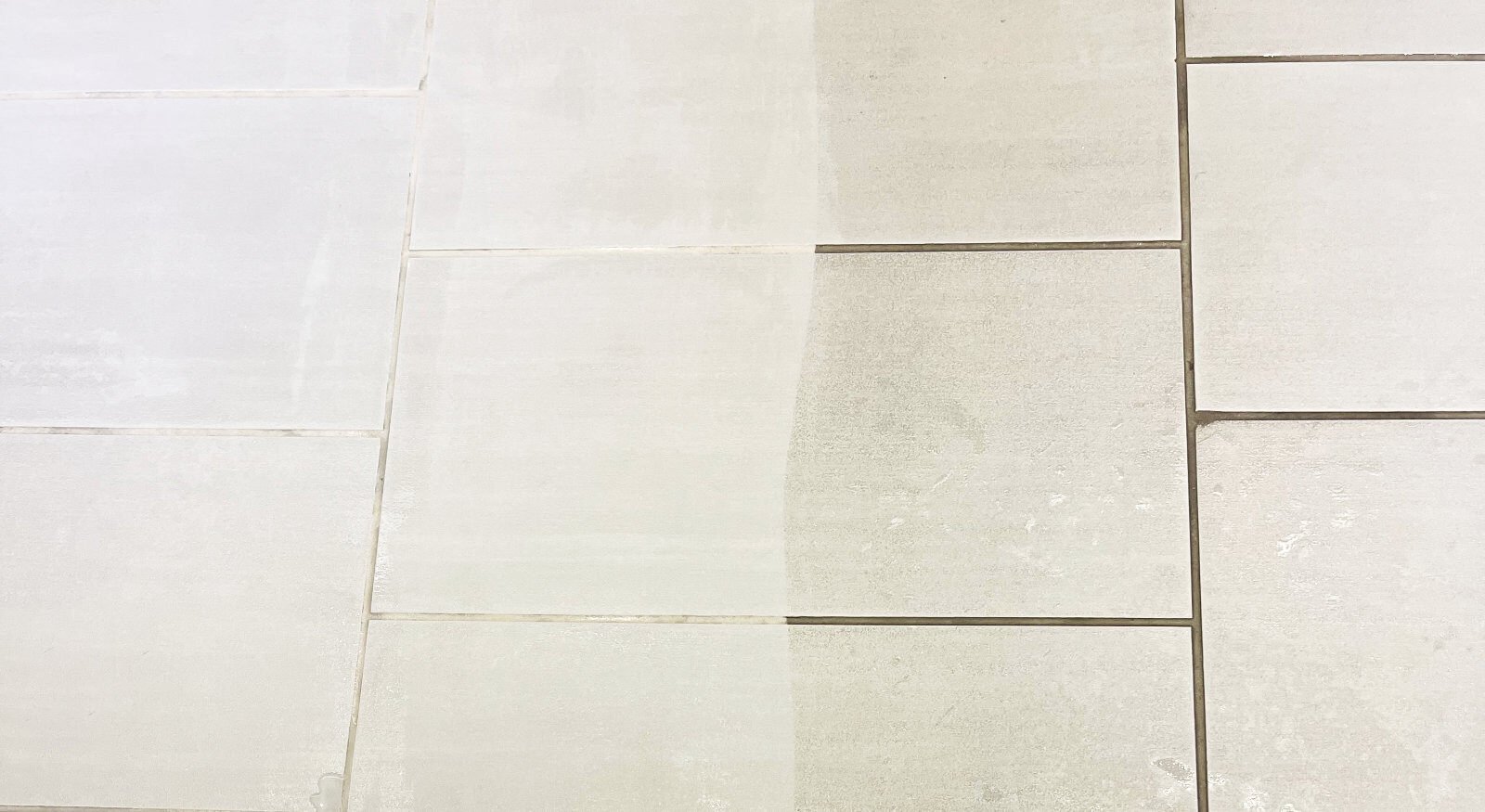

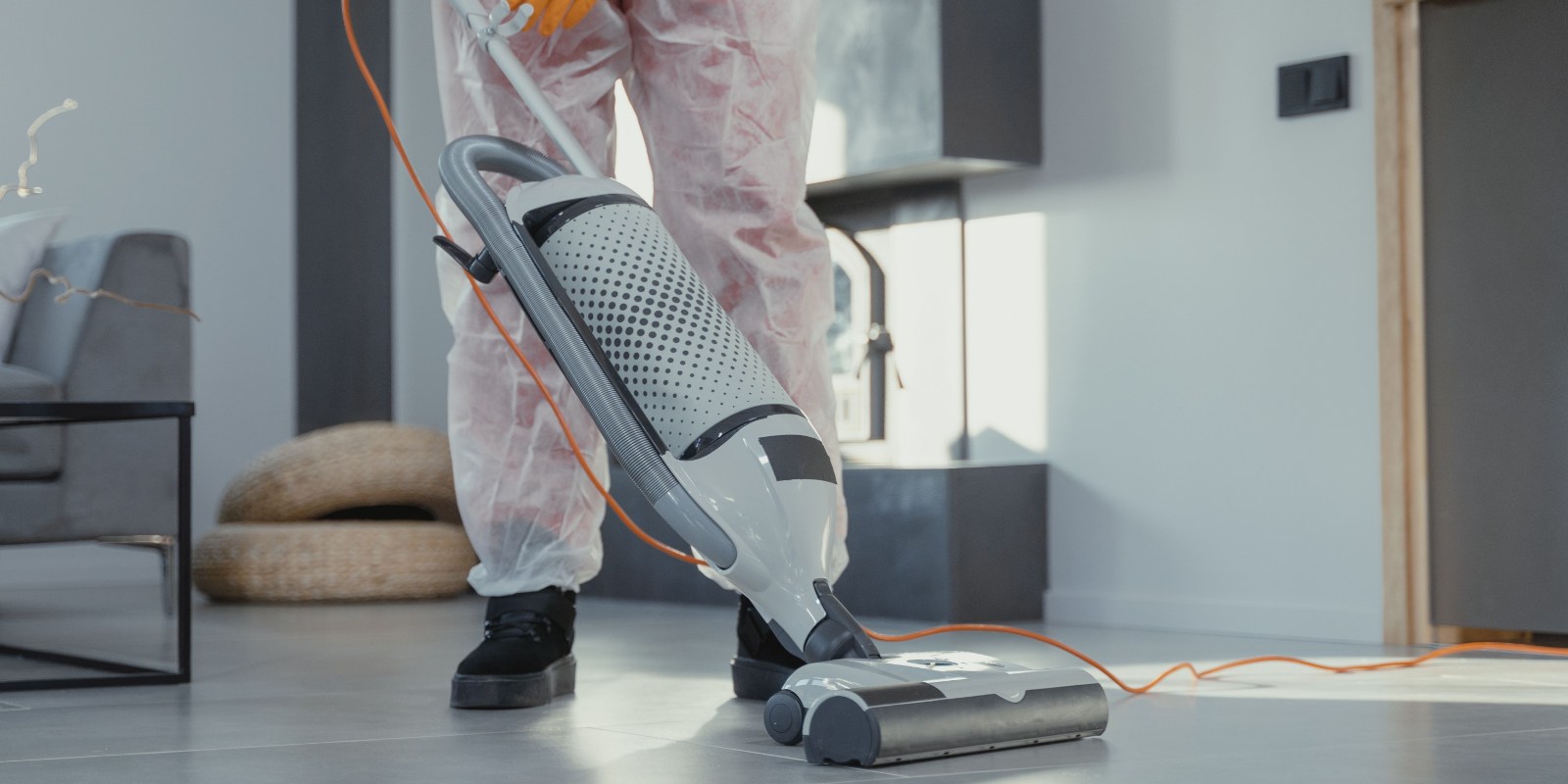
You’ve scrubbed your tile and grout, but the grout still looks dingy, dark, or stained, and you’re worried that stronger cleaners could damage the floor.
At Restore-It, tile and grout cleaning is part of our routine work. And one thing we know is that there isn't one universally best cleaner.The right cleaner depends on the tile material, grout, type of soil or buildup, and manufacturer care recommendations.
In this guide, you'll learn what types of cleaners make sense for ceramic, porcelain, natural stone, and common grout problems and when a cleaning product may not be enough.
What Makes a Tile and Grout Cleaner "The Best"?
Before choosing a cleaner, identify:
- Tile material: Ceramic, porcelain, natural stone, or another surface
- Grout type: Cement-based, epoxy, or another grout
- Type of soil: Dirt, grease, soap scum, mineral deposits, or staining
- Amount of buildup: Light routine soil or heavily embedded dirt
- Sealing: Whether the grout or stone has been sealed
- Manufacturer recommendations: Care instructions for the specific tile, stone, grout, or sealer
The goal isn't to use the strongest cleaner. It's to use the least aggressive product that can effectively address the problem without damaging the surface.
Best Cleaners for Ceramic and Porcelain Tile
For many ceramic and porcelain floors, routine maintenance starts with water or a neutral-pH cleaner. Marazzi recommends clear water and/or a neutral-pH, soapless liquid cleaner for its porcelain and ceramic tiles and recommends rinsing and drying after cleaning to help prevent film formation.
What Cleaner Should You Use on Ceramic Tile?
For routine cleaning, ceramic tile can generally be cleaned with clear water or a neutral-pH, soapless liquid cleaner. After cleaning, rinse with clear water and wipe the surface dry to help prevent film formation.
Using more cleaner does not necessarily mean better cleaning. Follow the product manufacturer's instructions for how much cleaner to use and how to rinse the surface. Leaving solution behind can contribute to residue or film.
The grout matters, too. Marazzi notes that grout haze left on tile after installation can make the surface look dull and hold dirt.
What Cleaner Should You Use on Porcelain Tile?
Porcelain is generally low-maintenance. For routine cleaning, a neutral-pH, soapless cleaner is a good starting point.
Porcelain's durability does not mean every cleaning chemical or tool is appropriate. Marazzi advises against acid cleaning for its porcelain and ceramic tiles. Avoid unnecessarily abrasive tools, especially on finishes that can scratch.
Textured porcelain may also require more agitation because dirt can collect within the surface texture.
Best Cleaners for Natural Stone Floors
Natural stone requires more care than many ceramic or porcelain floors because different stones and finishes can react differently to cleaning products. Marble, travertine, limestone, and other calcareous stones are particularly sensitive to acidic solutions.
For routine cleaning, start with a cleaner specifically labeled safe for natural stone, preferably a mild or pH-neutral product. Always follow the manufacturer's care recommendations for the specific stone and finish.
What Cleaner Should You Use on Marble, Travertine, Limestone, and Slate?
For everyday dirt and light soil, use a stone-safe cleaner as directed by the manufacturer. A mild, non-acidic cleaner is especially important for acid-sensitive stones such as marble, travertine, and limestone.
The finish matters, too. A polished marble floor may have different care requirements than a textured slate surface. When you're unsure, check the manufacturer's recommendations before trying a new product.
What Should You Avoid on Natural Stone?
Some common household cleaning ingredients can damage or change the appearance of natural stone.
- Vinegar and lemon juice: Their acidity can etch acid-sensitive stones such as marble, travertine, and limestone.
- Strong acidic cleaners: These can damage or dull susceptible stone surfaces.
- Harsh abrasive products: Abrasive powders or tools can scratch or alter certain finishes.
- Products not labeled for natural stone: A cleaner that is safe for ceramic or porcelain isn't automatically appropriate for natural stone.
The Natural Stone Institute (NSI) recommends mild, non-acidic cleaners for acid-sensitive stone. When in doubt, follow the stone manufacturer's care instructions and test a new product in a small, inconspicuous area first.
Best Cleaner for Common Tile and Grout Problems
|
Problem |
Cleaner/Approach to Consider |
|
Everyday dirt |
Water or a pH-neutral tile cleaner |
|
Kitchen grease |
A tile- and grout-compatible cleaner designed to remove grease |
|
Soap residue |
A tile-safe cleaner formulated for soap and detergent buildup |
|
Dirty grout |
A compatible grout cleaner with appropriate agitation |
|
Mineral deposits |
A product specifically appropriate for the tile, grout, and type of deposit |
|
Natural stone |
A stone-safe, pH-neutral cleaner |
|
Heavy embedded soil |
A deeper cleaning approach, potentially with professional equipment |
LATICRETE recommends a clear, pH-neutral cleaner for routine maintenance and recommends cleaners formulated for specific problems such as grease, soap scum, and hard-water deposits. Its guidance also emphasizes testing cleaning products in a small, inconspicuous area before use.
What Tile and Grout Cleaners Should You Avoid?
Avoid:
- Using vinegar or acidic products on acid-sensitive stone
- Abrasive powders on delicate finishes
- Mixing cleaning chemicals
- Using more product than directed
- Assuming “stronger” means “better”
- Using a product without checking whether it's compatible with the flooring
When choosing a cleaner, manufacturer instructions should take priority over general cleaning advice.
When Should You Stop DIY Cleaning and Call a Professional?
A household cleaner may not solve every tile and grout problem. Professional cleaning may be worth considering when:
- Grout remains dark after repeated cleaning
- Dirt appears embedded in grout lines
- Heavy buildup has accumulated
- You aren't sure what caused the staining
- Previous cleaning attempts haven't worked
- You're concerned about damaging natural stone or a delicate finish
- The floor covers a large area where manual scrubbing isn't practical
A professional cleaning process starts with identifying the surface and soil, selecting an appropriate cleaning method, applying the cleaner, agitating the area, removing the dirty solution, and evaluating the results.
Still deciding whether DIY cleaning is enough? Read below to learn why some home cleaning methods provide only temporary results and when professional cleaning may make more sense.

How to Choose the Right Tile and Grout Cleaner for Your Floor
When you're standing in the cleaning aisle, use this simple process:
1. Identify the flooring material.
Ceramic and porcelain can have different care requirements than natural stone.
2. Identify the type of soil.
Dirt, grease, soap residue, and mineral deposits may require different approaches.
3. Check the manufacturer's recommendations.
4. Test the product in an inconspicuous area.
5. Start with the least aggressive effective method.
6. If the soil remains embedded, consider professional cleaning.
What Cleaner Is Best for Your Tile and Grout?
The best tile and grout cleaner isn't necessarily the strongest product on the shelf. It's the cleaner that's appropriate for your flooring material, grout, and the type of buildup you're trying to remove.
For routine maintenance, start with the least aggressive effective option and follow the manufacturer's care instructions. But if grout remains dark, stains keep returning, or years of buildup won't come clean, a stronger household cleaner may not be the answer.
Restore-It has more than 14 years of experience helping homeowners clean and restore tile and grout. We can assess the condition of your floors, identify the type of buildup, and recommend an appropriate cleaning approach.
Ready to get your tile and grout looking cleaner? Schedule an inspection to find out the best cleaning plan for you!

Topics: