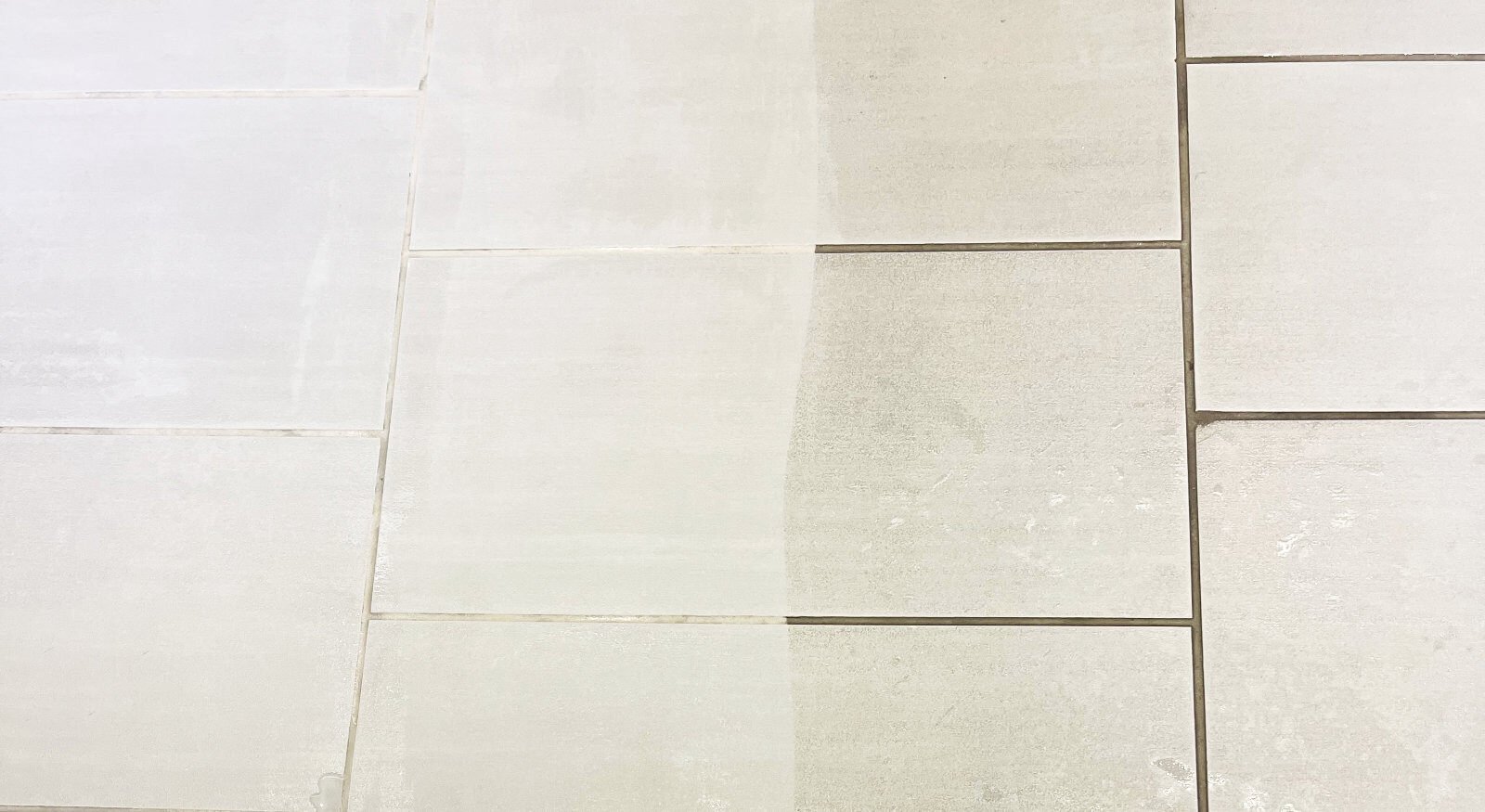


Have you ever scrubbed your tile and grout until your arms are tired, only to step back and realize your floor still looks dull, dingy, or stained? You’re not alone. Sometimes, the problem isn’t how often you clean; it’s how you clean.
At Restore-It, we’ve cleaned hundreds of homes and businesses and seen firsthand that no two floors are exactly alike. Different types of tile, grout, stains, and buildup can require different approaches, and using the wrong method can leave you frustrated with results that don’t match the effort you put in.
So, which tile and grout cleaning method is right for your floor? In this guide, we’ll break down the most common cleaning methods, explain what each one can and can’t do, and help you determine when a DIY approach makes sense and when professional cleaning may be the better choice.
What Are the Most Common Tile and Grout Cleaning Methods?
The right cleaning method depends on what you’re starting with. Light surface dirt may only need routine cleaning, while embedded buildup, discoloration, or stubborn stains may require a more intensive approach. Before choosing a method, consider the type of tile and grout, what you’re trying to remove, and how much buildup is present.
DIY Tile and Grout Cleaning
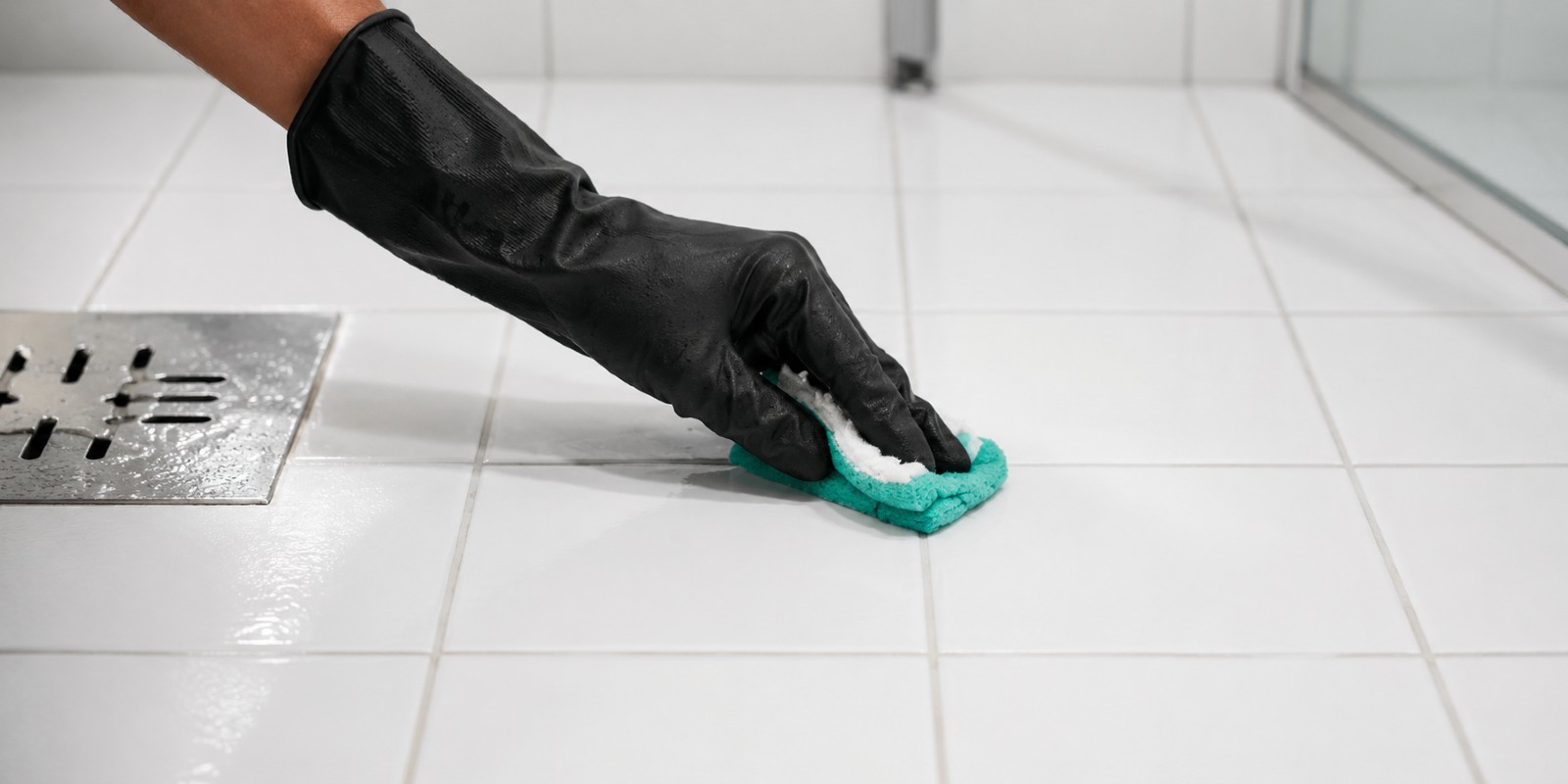
For floors with light dirt or buildup, DIY cleaning can be a reasonable place to start. Household cleaners, a grout-safe brush, and some elbow grease may be enough to improve the appearance of a floor that simply needs routine maintenance.
The limitation is that scrubbing can only do so much when dirt or staining has become difficult to remove. Repeatedly using stronger cleaners or aggressive scrubbing can also create problems if the product or technique isn't appropriate for the flooring.
Steam Cleaning
This uses heated water vapor to help loosen dirt and buildup from tile and grout. It can be useful for certain types of surface soil, but it isn't automatically the best choice for every floor.
The tile and grout material, condition, and type of buildup should be considered before using steam. If you're unsure whether your flooring can safely handle this method, check the manufacturer's recommendations or consult a professional.
Professional Tile and Grout Cleaning
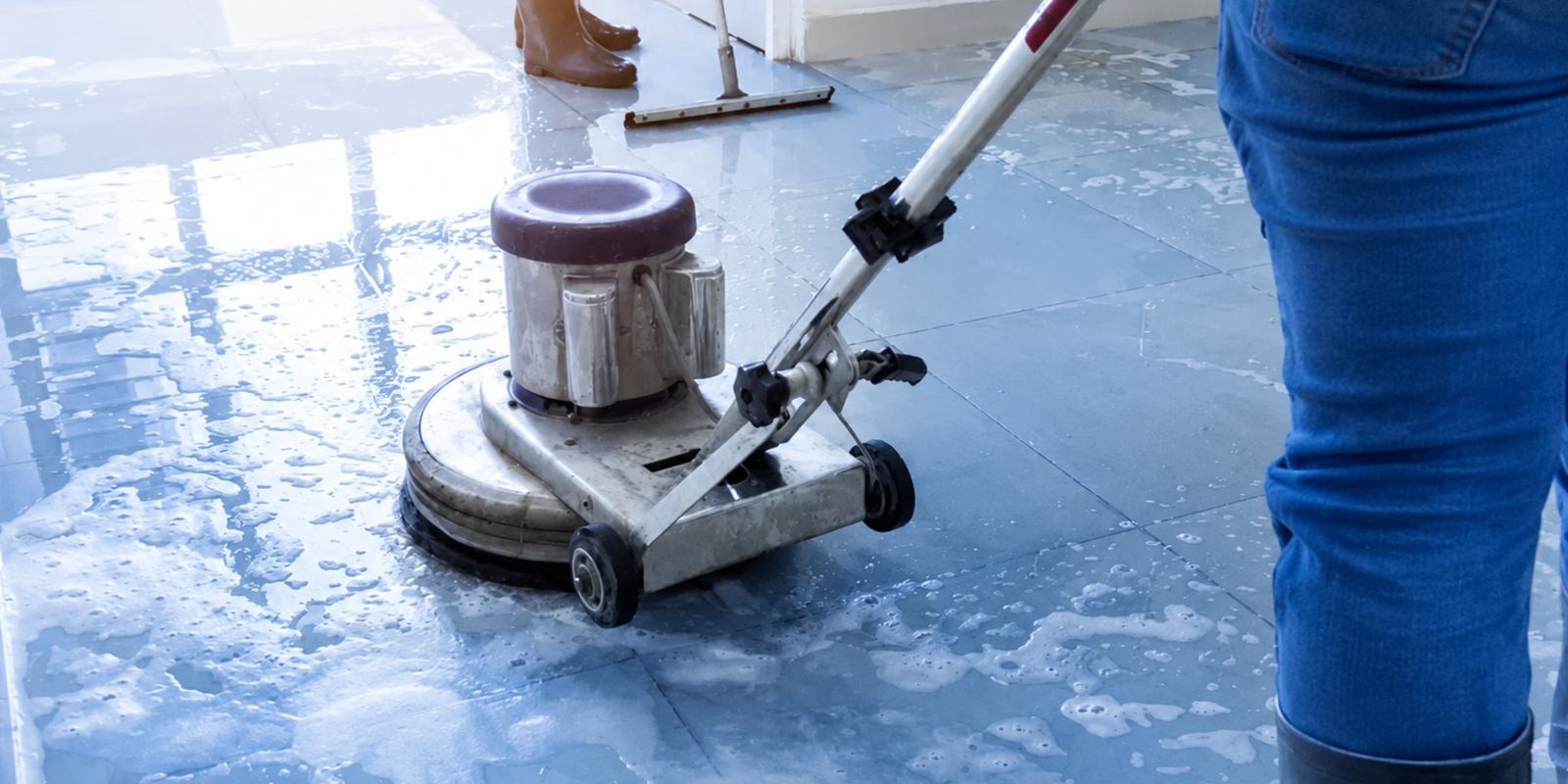
Professional cleaning is designed for floors where routine cleaning isn't producing the results you want. A professional can inspect the floor first and determine the right approach, rather than assuming the same method works for every surface.
Which Tile and Grout Cleaning Method Is Best for Different Types of Dirt and Stains?
When talking about cleaning methods, the visible problem matters, but the type of tile, grout condition, and how deeply the soil is embedded also affect the appropriate method.
|
Floor condition |
DIY |
More intensive cleaning |
Professional |
|
Light surface dirt |
✓ |
||
|
Light buildup |
✓ |
✓ |
|
|
Dull-looking tile |
✓* |
✓ |
✓ |
|
Dark/discolored grout |
✓ |
✓ |
|
|
Embedded soil |
✓ |
✓ |
|
|
Difficult stains |
✓* |
✓ |
|
|
Long-neglected floors |
✓ |
*Depends on the tile, grout, soil, and manufacturer's care instructions.
The exact recommendations should be based on the company's expertise and any manufacturer guidance, not assumptions.
What Works for Everyday Dirt and Light Buildup?
When discussing tile care, it helps to look at guidance from established manufacturers. Daltile is one of the largest and best-selling tile brands in the United States and the world's largest ceramic manufacturer, with a long-standing presence in the tile industry. Its care and maintenance guidance provides a useful reference for understanding how different levels of soil should be approached.
For everyday dirt and light buildup, Daltile recommends starting with routine cleaning, including removing loose dirt before washing the floor and using a cleaner appropriate for the specific tile and grout. Following the manufacturer's directions for dilution, dwell time, and rinsing can also help prevent cleaning residue from being left behind.
What Works for Dark or Discolored Grout?
Grout can capture dirt and darken over time, making it harder to maintain than the surrounding tile. If the discoloration improves with proper routine cleaning, continued maintenance may be all the floor needs.
If the grout remains dark or discolored after appropriate cleaning, the problem may require a more intensive cleaning approach. Manufacturer guidance should be followed because the appropriate products and methods can vary depending on the tile and grout.
What Works for Stubborn or Embedded Stains?
Some floors are past the point where routine cleaning makes a noticeable difference. You may see dark traffic lanes, buildup along grout lines, stains that remain after repeated cleaning, or years of accumulated soil.
At that point, simply scrubbing harder isn't necessarily the answer. More intensive cleaning may require products, agitation, or equipment designed for tile and grout. Manufacturer guidance should be followed to avoid using a process that could damage the tile or grout.
For floors with heavy buildup, persistent staining, or long-neglected surfaces, professional cleaning may be the better option.
When Does DIY Tile and Grout Cleaning Make Sense?
For routine maintenance and light buildup, DIY cleaning can be a reasonable option. Homeowners can:
- Vacuum or sweep loose dirt first.
- Use a cleaner appropriate for the specific tile and grout.
- Follow the product's dilution and dwell-time instructions.
- Use a soft or appropriately rated brush rather than an overly aggressive tool.
- Rinse and remove residue when the cleaning product calls for it.
DIY cleaning can help with surface dirt and routine buildup, especially when the floor is maintained regularly. It may be less effective when soil is embedded, staining persists, or buildup has accumulated over a long period.
What Are the Most Common DIY Tile and Grout Cleaning Mistakes?
The wrong product or technique can create problems even when you're trying to improve the appearance of your floor. Common mistakes include:
- Using too much cleaner or mixing cleaning chemicals.
- Scrubbing too aggressively and potentially damaging grout or finishes.
- Using a product that isn't appropriate for the tile or grout.
- Leaving cleaning residue behind.
- Repeatedly scrubbing without addressing the type of buildup or stain.
When Should You Stop Scrubbing and Consider Professional Cleaning?
If you've cleaned the floor properly but dark grout, heavy buildup, traffic patterns, or stubborn stains remain, more scrubbing may not produce better results.
Professional cleaning may be worth considering when:
- Stains aren't responding to routine cleaning.
- Grout remains dark or discolored.
- Significant buildup is still visible.
- Previous cleaning attempts haven't worked.
- You're unsure which cleaning method is safe for the flooring.
- A large residential, commercial, or property-wide area needs attention.
If professional cleaning is right for your floor, how often should it be done? There isn't one schedule that works for every home. Foot traffic, pets, moisture, and routine maintenance can all affect how frequently professional cleaning may be needed.

Which Tile and Grout Cleaning Method Is Right for Your Floor?
There isn't one tile and grout cleaning method that works best for every floor. Light surface dirt may respond well to routine DIY cleaning, while heavy buildup, persistent staining, or embedded soil may require a more intensive approach. The tile and grout themselves also matter, so it's important to follow the manufacturer's care recommendations.
At Restore-It, we start by looking at the condition of the floor before deciding how to clean it. That helps us choose an approach based on what the floor actually needs, rather than simply using the most aggressive cleaning method available.
If you've tried routine cleaning and your tile and grout still don't look the way you want, professional cleaning may be worth considering. The right approach can help address buildup that ordinary cleaning hasn't been able to remove.
Wondering whether professional tile and grout cleaning is worth the investment? Our next guide explains what to consider before making that decision.