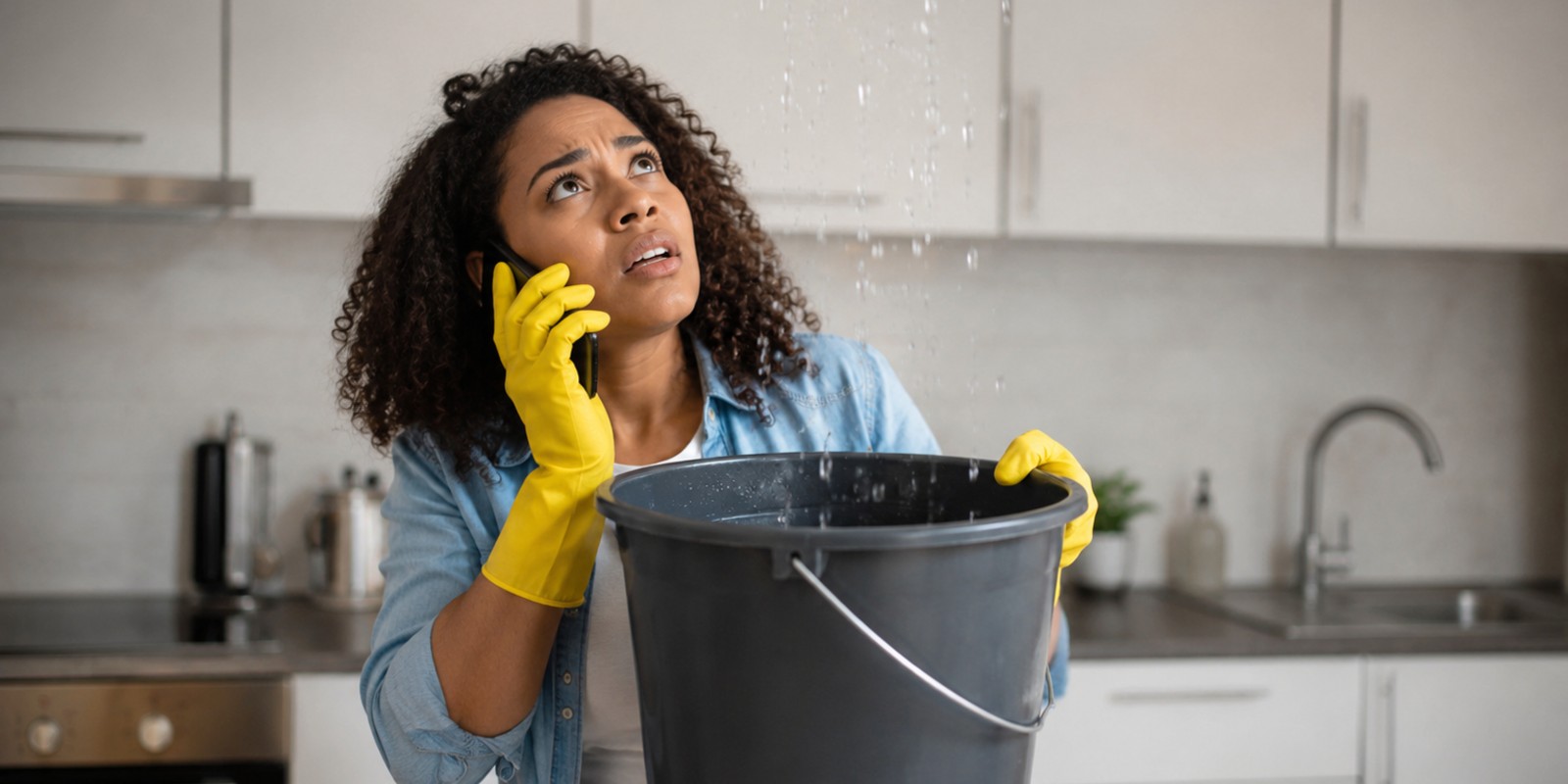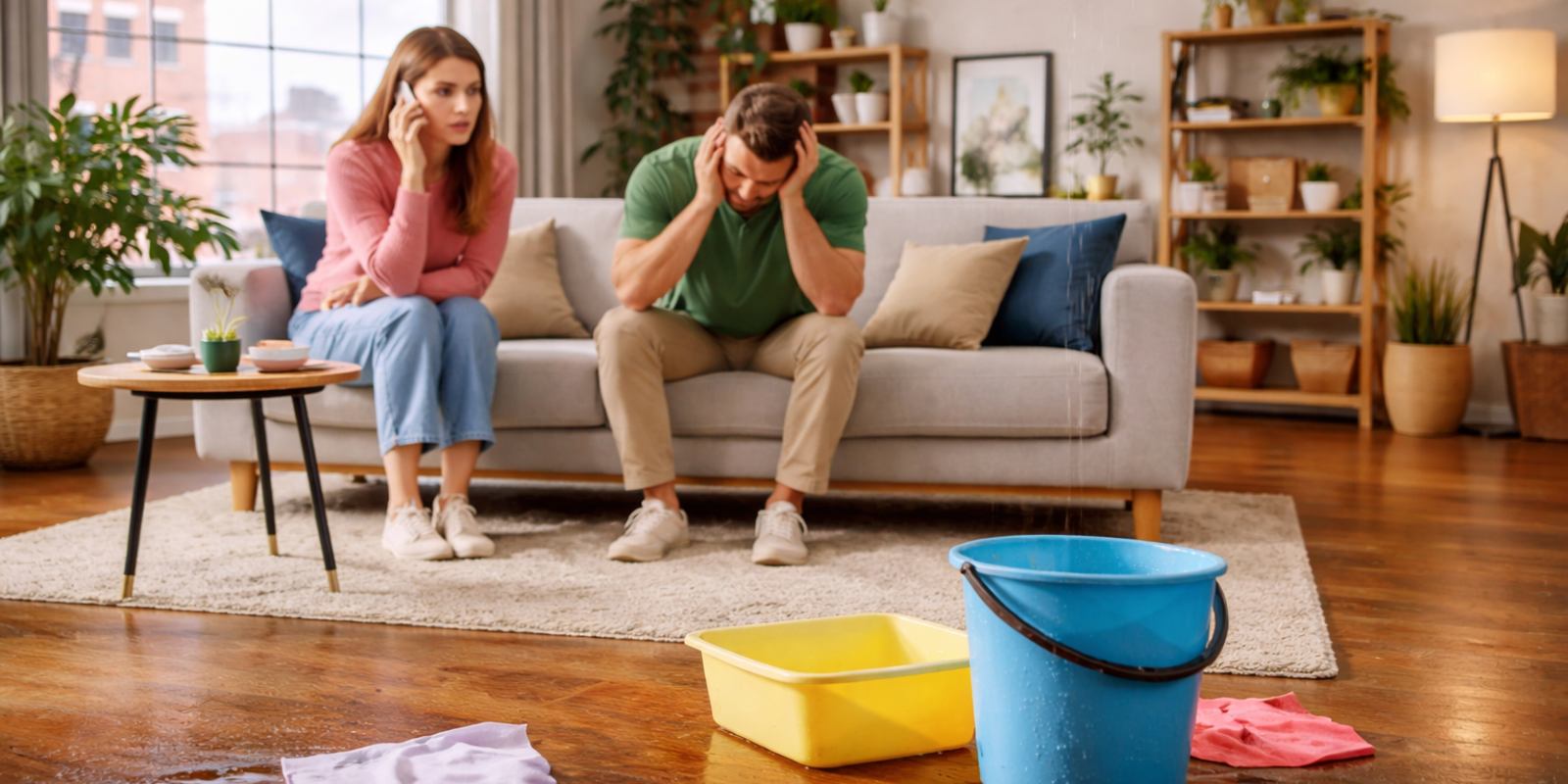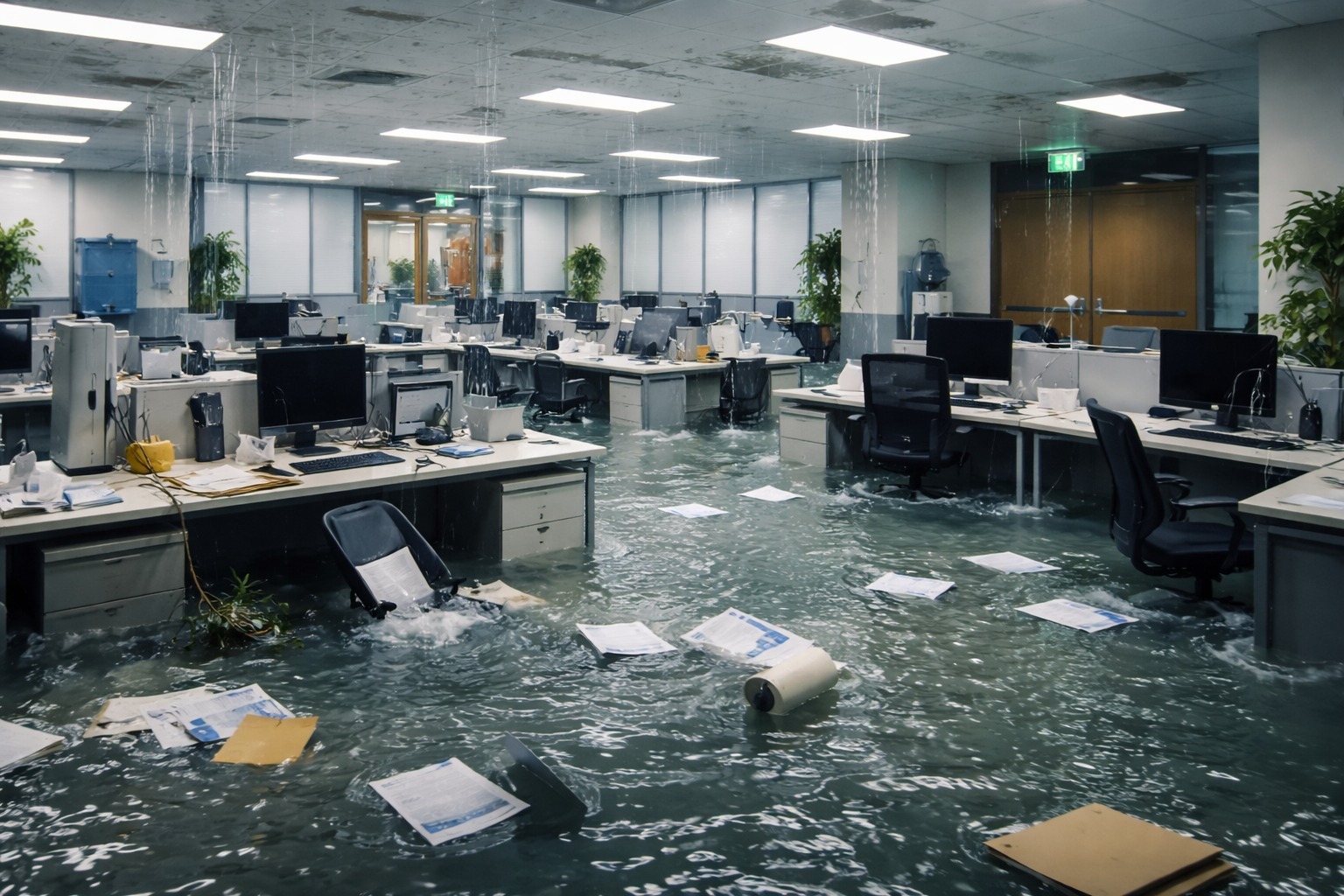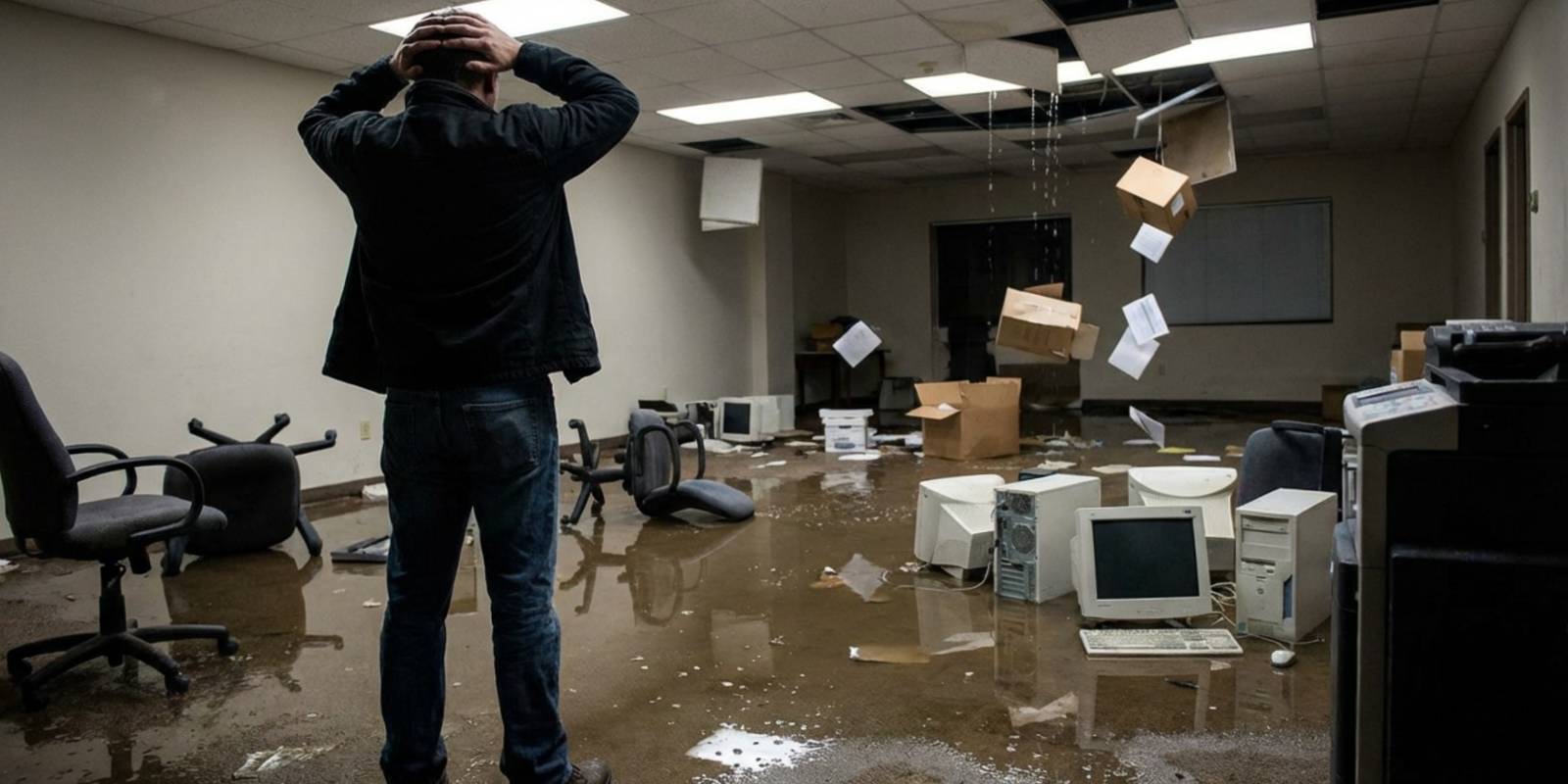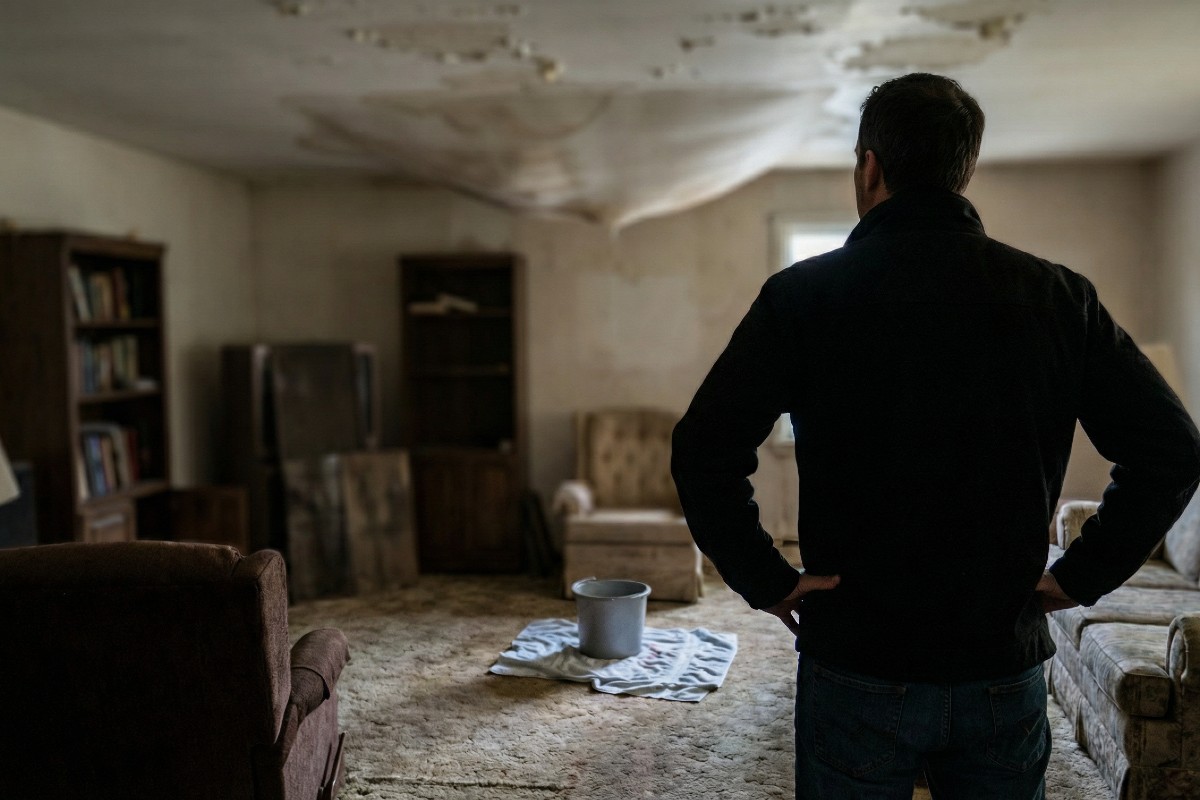

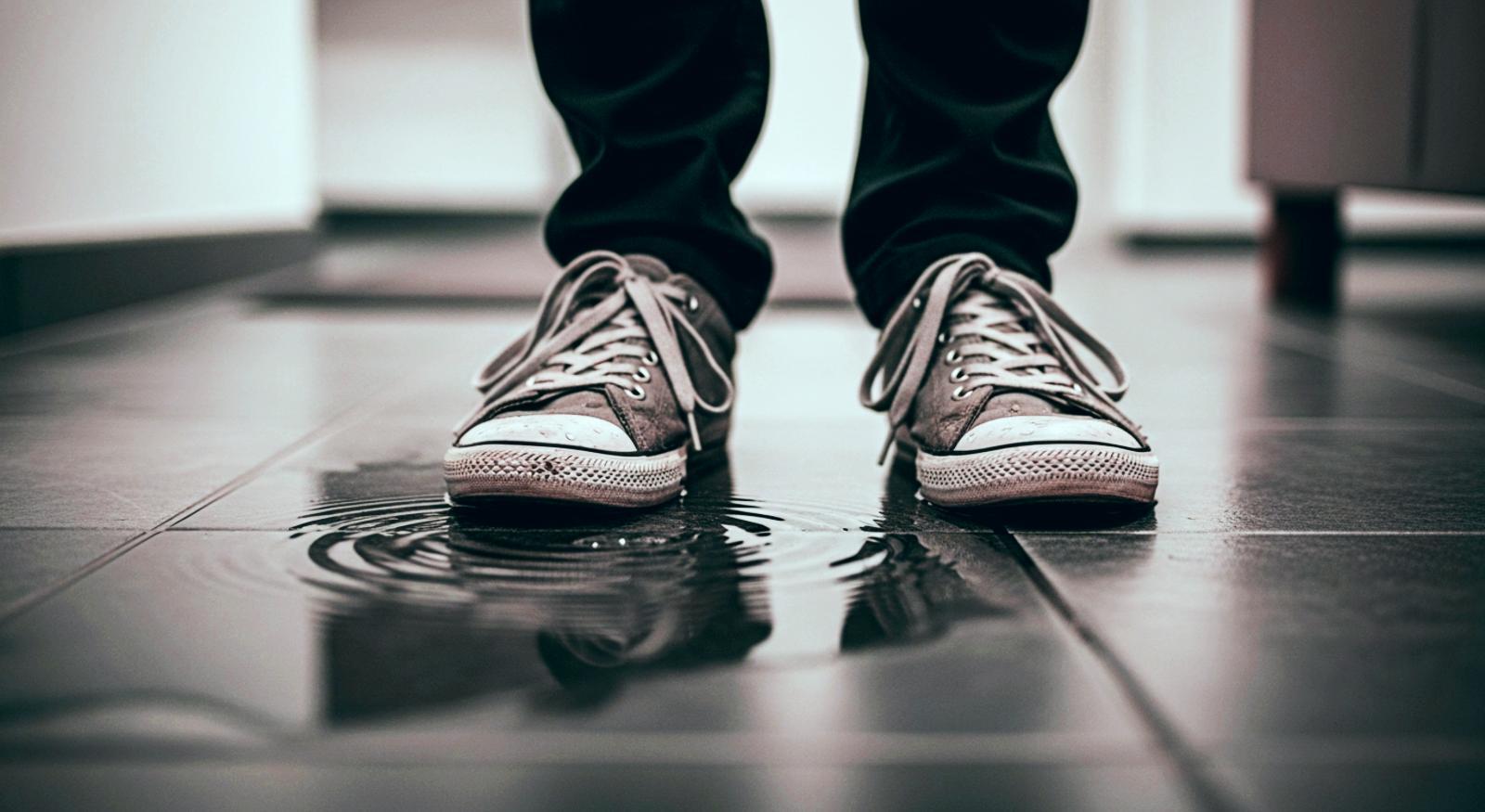
It can happen to anyone. A pipe bursts in the wall, a washing machine hose fails, or a heavy storm overwhelms the sump pump. Suddenly, there is water on the floor.
The natural reaction for most homeowners is to grab a few towels, set up a box fan, and call a plumber. If it’s late at night, you might think, "I'll turn the water off and deal with the rest in the morning."
This "wait and see" approach feels logical. It feels calm. But as experts in the restoration industry, we can tell you it is often a costly mistake.
At Restore-It, we understand that water damage is not a static event. Instead, it's a progressive issue that can affect your property on many fronts. Beyond the standing water on the floor, you see a complex, continuous process in which moisture migrates into your walls, subfloors, and cabinetry.
Today, we are going to take a look at the timeline to break down exactly what happens to the materials in your home during the first 24 to 48 hours of a leak. By understanding the science of saturation, you can see why the clock is the most important factor in determining whether you will need a simple cleanup or a full-scale renovation.
Water Migration and Its Role in Water Damage
First, let's establish what water migration is for the restoration industry. This term refers to the phenomenon of water spreading from a primary source into a building's porous materials and structures. Porous materials in your home (like drywall, wood, insulation, and concrete) act like sponges.
Because this movement can be horizontal, vertical, or even into hidden spaces. And this hidden moisture triggers a chain reaction of damage that accelerates with each passing hour. Let's take a look at this process:
Phase 1: The First 60 Minutes
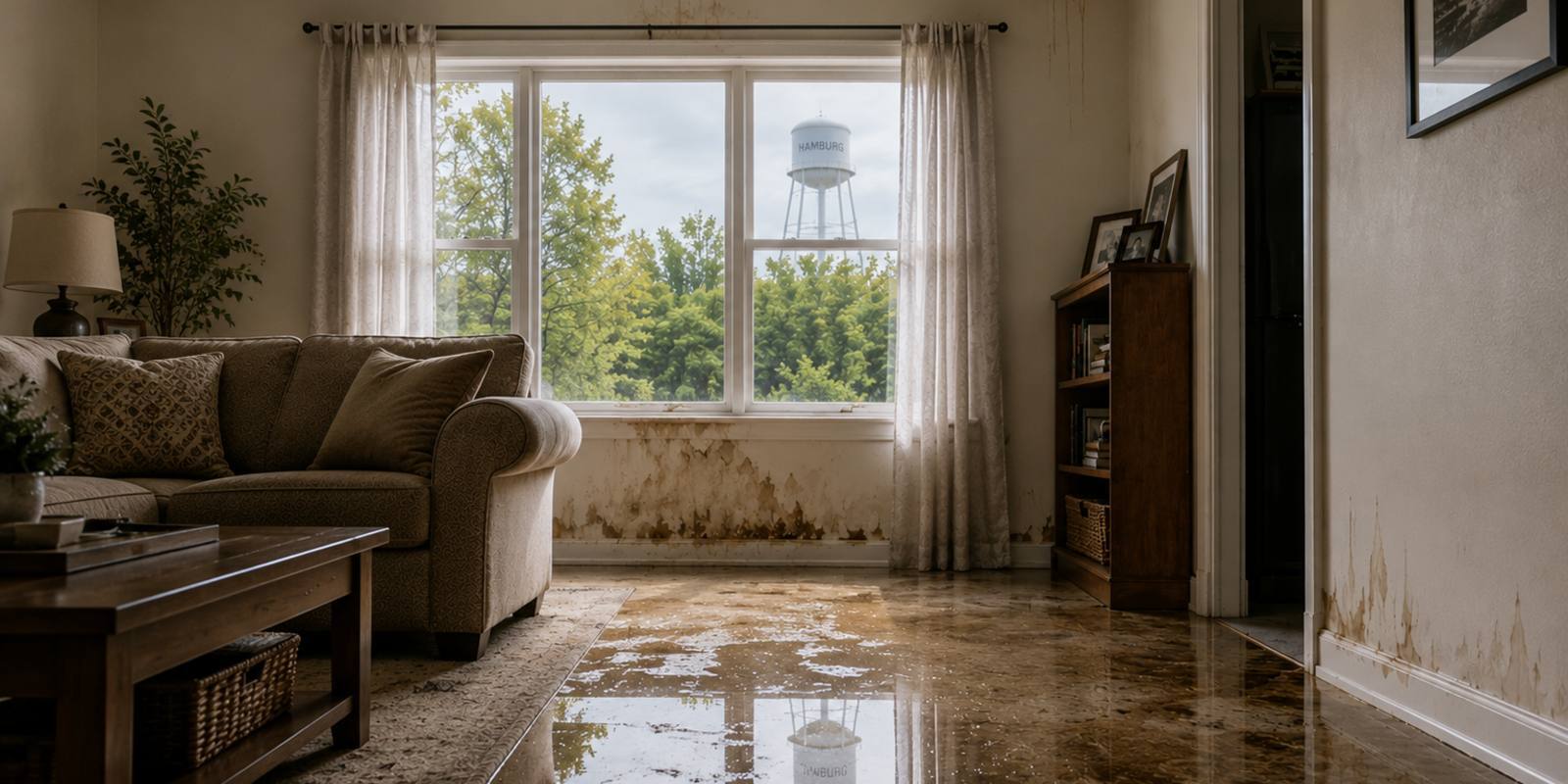
The damage begins instantly upon contact. Within minutes, water spreads laterally across the flooring and vertically up the walls.
- Carpet and Pad: The carpet padding acts as a massive sponge. It absorbs water instantly and holds it against the subfloor. Water can ruin the glue holding the carpet fibers together (delamination) if left saturated for too long.
- Furniture Staining: If wood furniture is sitting on wet carpet, the finish on the legs can bleed. This releases wood stains into the carpet, creating permanent discoloration that is often difficult (and sometimes even impossible) to clean.
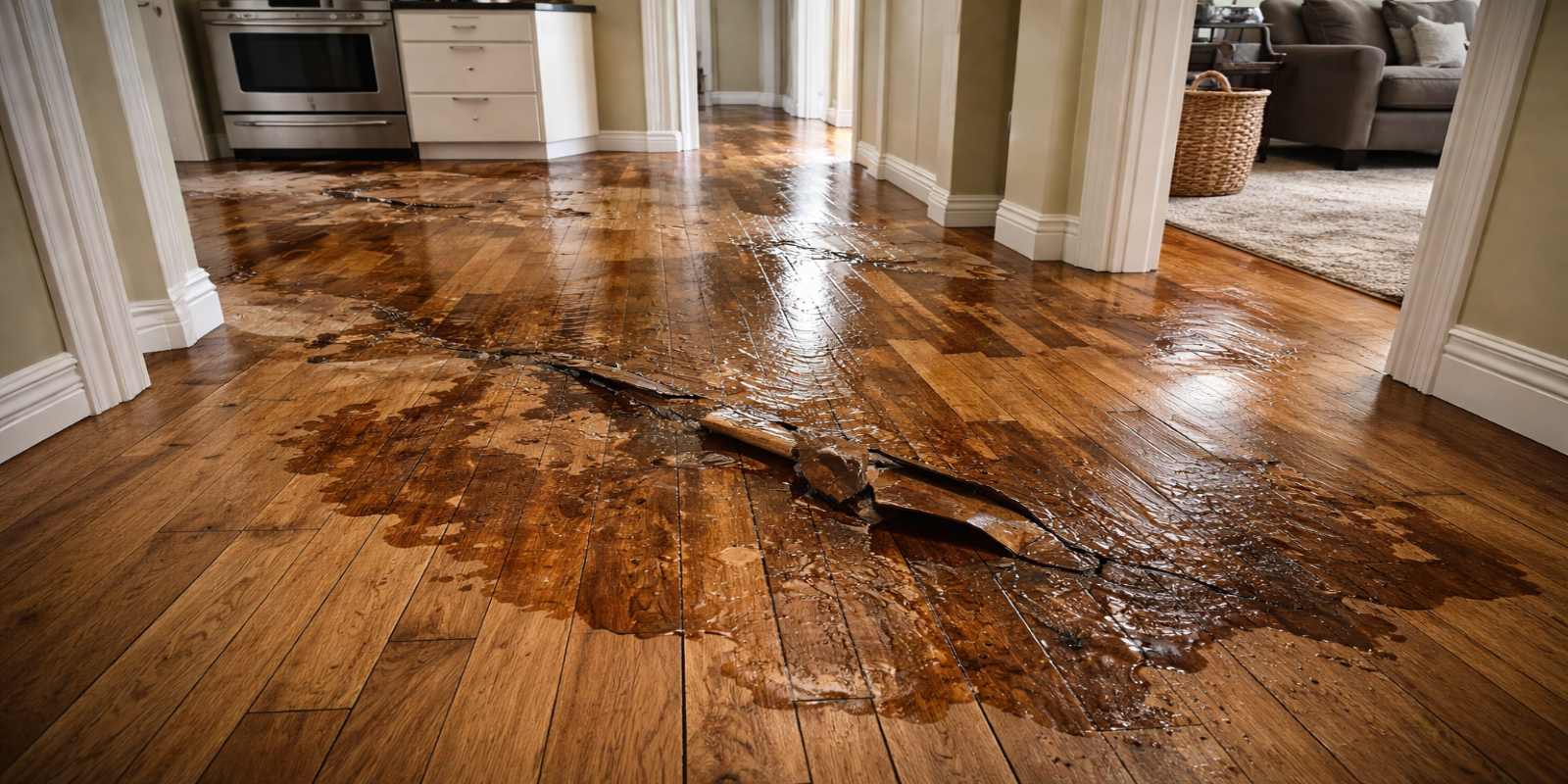
- Subfloor Penetration: Water seeps through cracks in hardwood or laminate flooring, trapping moisture between the finished floor and the subfloor. This trapped water has nowhere to go, immediately raising the wood's moisture content.
Phase 2: From the First 2 to 24 Hours
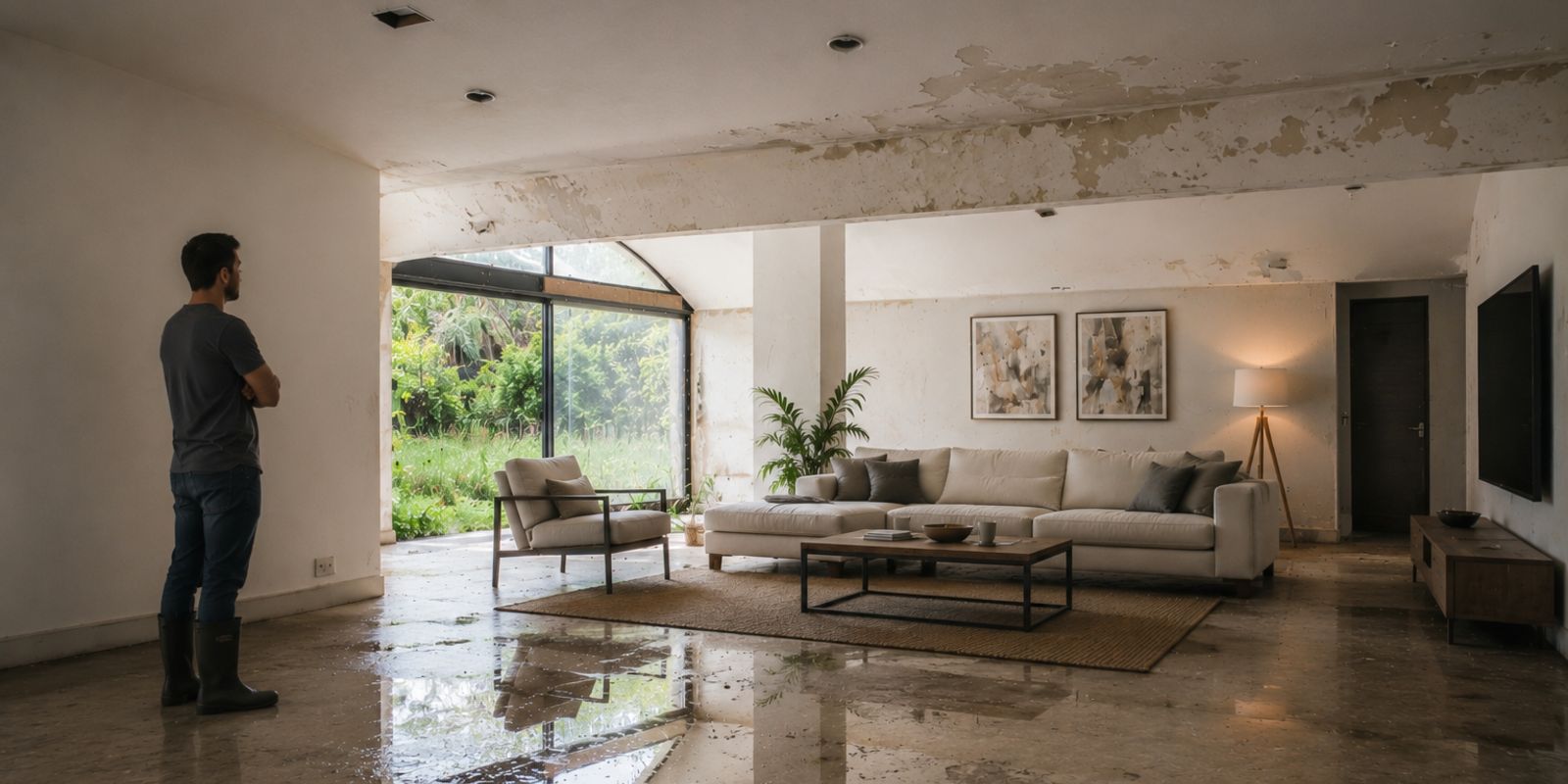
If water is allowed to sit for the first day, the damage shifts from cosmetic to structural. Materials begin to lose their physical integrity as they become fully saturated.
- Drywall Failure: Drywall acts like a wick. It pulls water up from the floor, sometimes as high as 12 inches or more inside the wall cavity. As the gypsum core gets wet, it turns into a soft paste and loses its strength. The paper backing on the drywall creates a perfect food source for future mold growth.
- Wood Swelling: Wood is hygroscopic, meaning it absorbs moisture from its environment. As furniture legs, baseboards, and door casings absorb water, they swell and crack. Pressboard or MDF (medium-density fiberboard) cabinetry will begin to crumble and bubble. With MDF flooring or furniture, it will never return to its original condition once it swells.
- Humidity Spikes: As water evaporates from the floor, it raises the room's relative humidity (RH). This excess moisture in the air can begin to affect unaffected materials, causing secondary damage to books, artwork, and electronics in the room.
Phase 3: From the First 24 to 48 Hours
This is the critical turning point. According to the U.S. Environmental Protection Agency (EPA) and the Institute of Inspection, Cleaning, and Restoration Certification (IICRC), mold can begin to grow on damp, organic surfaces within 24 to 48 hours.
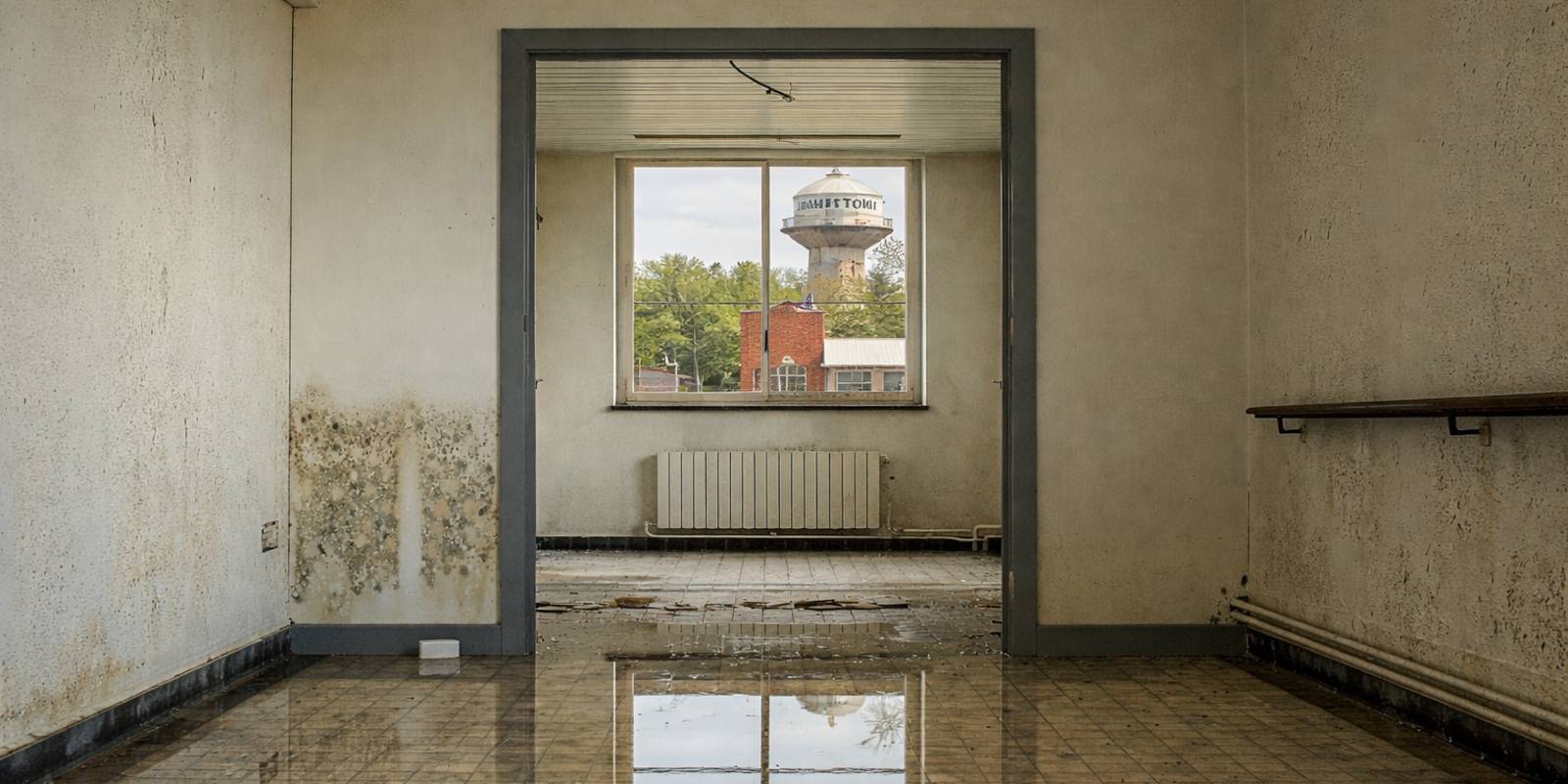
- Mold Germination: Mold spores are naturally present in the air. Once they find moisture (from the leak) and a food source (drywall paper, wood, dust), they germinate. Once mold colonies establish themselves, the restoration process shifts from "drying" to "remediation," which is significantly more expensive and intrusive.
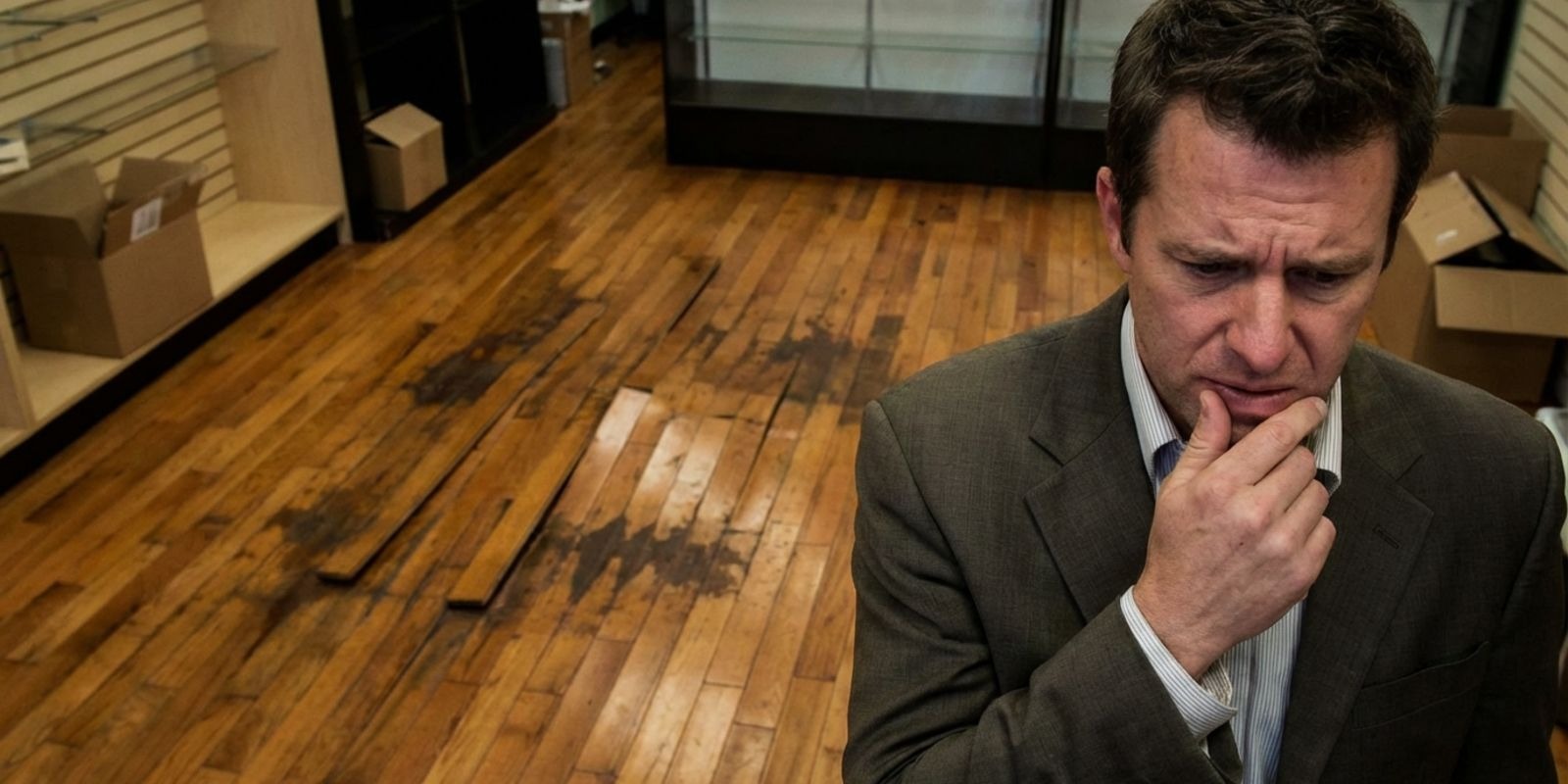
- Hardwood Cupping: By the 48-hour mark, hardwood floors will begin to show signs of "cupping," where the edges of the boards rise higher than the centers. This happens because the bottom of the board is wetter than the top. If dried immediately with specialized injector mats, floors can sometimes be saved. If left wet, the deformation may become permanent, needing the floor to be replaced.
- Metal Corrosion: Metal surfaces, such as door hinges, nail heads under the carpet, and appliance feet, begin to rust and corrode, potentially staining adjacent materials.
Phase 4: 48 Hours and Beyond
If water is left untreated for more than 2 days, the situation becomes unsafe. The water itself stagnates and degrades. Damage to the building materials can extend to the property's structural components.
- Category Change: After 48 to 72 hours of contact with building materials and soil, clean water can degrade into Category 2 (Gray Water) or even Category 3 (Black Water) due to bacterial growth and bio-contaminants.
- Total Loss of Materials: By this stage, drywall is often non-salvageable and must be cut out. The insulation behind the walls is matted and wet, requiring removal. Carpet delamination is likely permanent. The project's cost skyrockets because materials must be demolished and replaced rather than simply dried in place.
The Financial Reality: Mitigation vs. Reconstruction
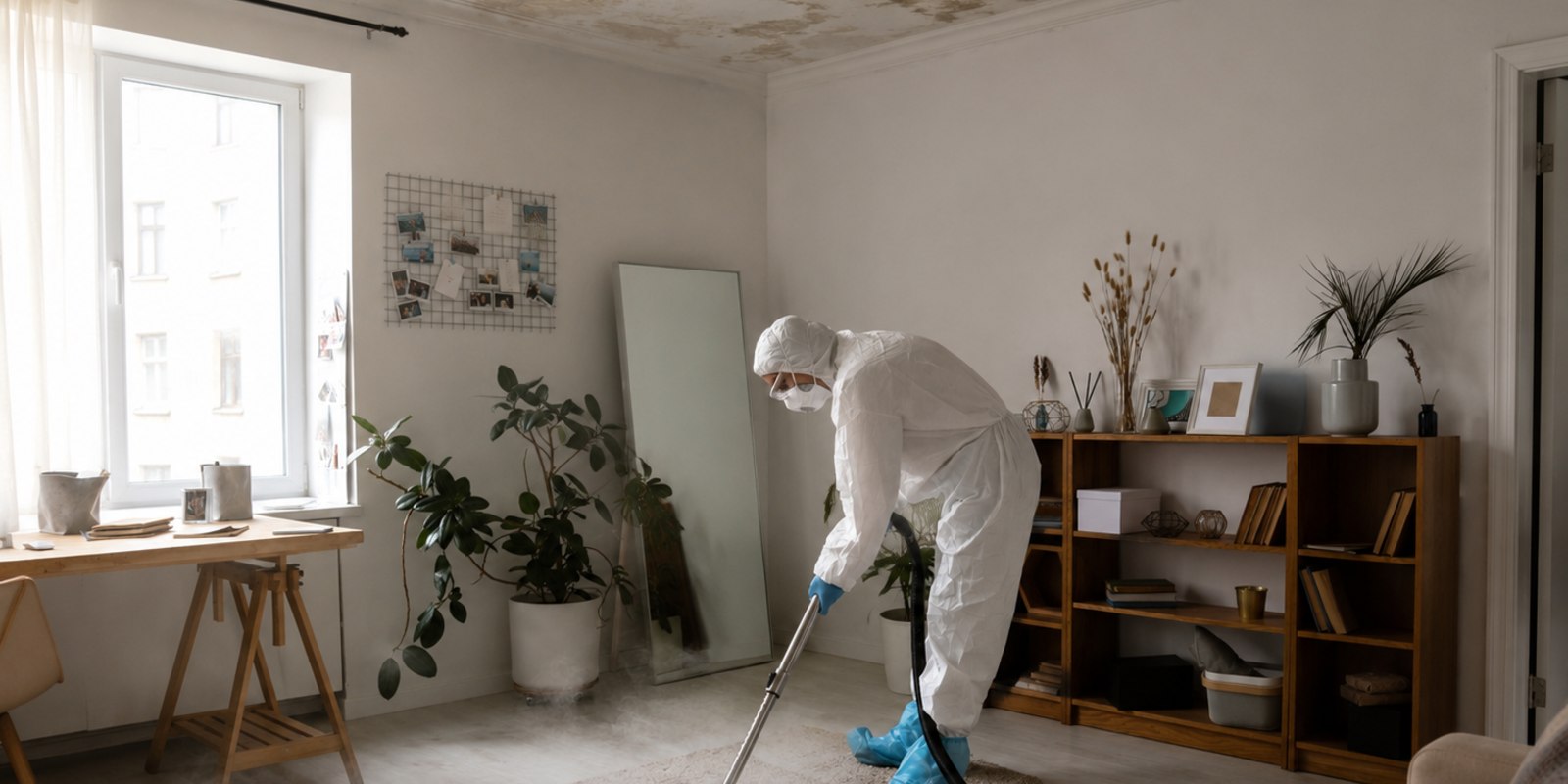
If an expert restoration team arrives within the first 24 hours, they can use professional drying techniques. First, they will use industrial vacuums with HEPA filters to remove all standing water. Then they may use dehumidifiers and air movers along with containment techniques, depending on your case. The purpose is to draw moisture out of the building materials before permanent damage occurs. While not all building materials may be salvaged, the stuff that needs to be removed is drastically reduced the faster you act.
If 48 hours or more have passed, simply drying the structure is no longer an option. We are talking about the removal, disposal, and replacement of the materials affected. For really dire cases, even demolition might be needed.
While the price difference can be in the thousands, another issue is dealing with your insurance company. If your insurance adjuster can prove that you were negligent (meaning your inaction led to the result), you may have your coverage denied.
This is why the number one action for all homeowners when there is water damage is to report it to their insurance adjuster. Immediately after, you should contact a reputable water damage restoration company.
Act Now and Get Rid of Standing Water!
You now understand that water damage is a race against time, not a static puddle, and that every passing hour allows moisture to wick deeper into your home's structure. Waiting for a plumber to fix the pipe or "letting it dry naturally" leads to structural rot and dangerous mold growth. This can turn a manageable cleanup into a massive renovation project. Your next step is to learn the steps to take immediately after discovering water damage in your home, as outlined in our handy guide.
Are you watching the clock tick as a water leak drains? Don't waste another second! Call Restore-It now for professional water damage mitigation and restoration. Our team is certified by the IICRC and follows industry-standard best practices. We are ready for 24/7 emergency calls. So call us and let's help you save your home to its previous condition.
Call Restore-It immediately for expert water damage mitigation and restoration. Our team follows industry best practices (we are IICRC-certified) to safely and efficiently remove water and prevent further damage. We offer 24/7 emergency service to help restore your home to its pre-damage condition.