
It's the middle of December in Arkansas. The heater has been running for weeks. You are walking across your living room in your socks when, suddenly, you feel something odd.
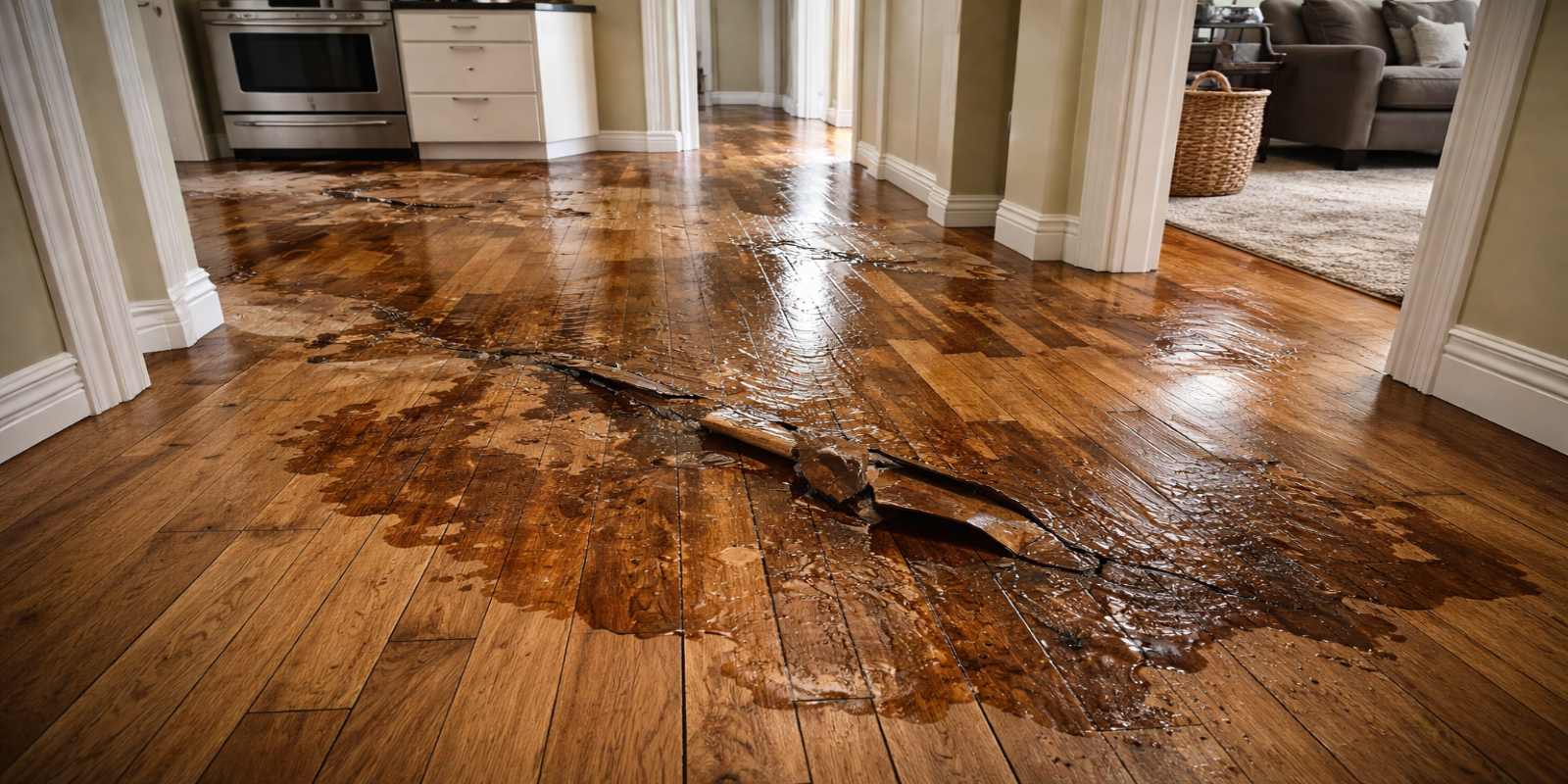
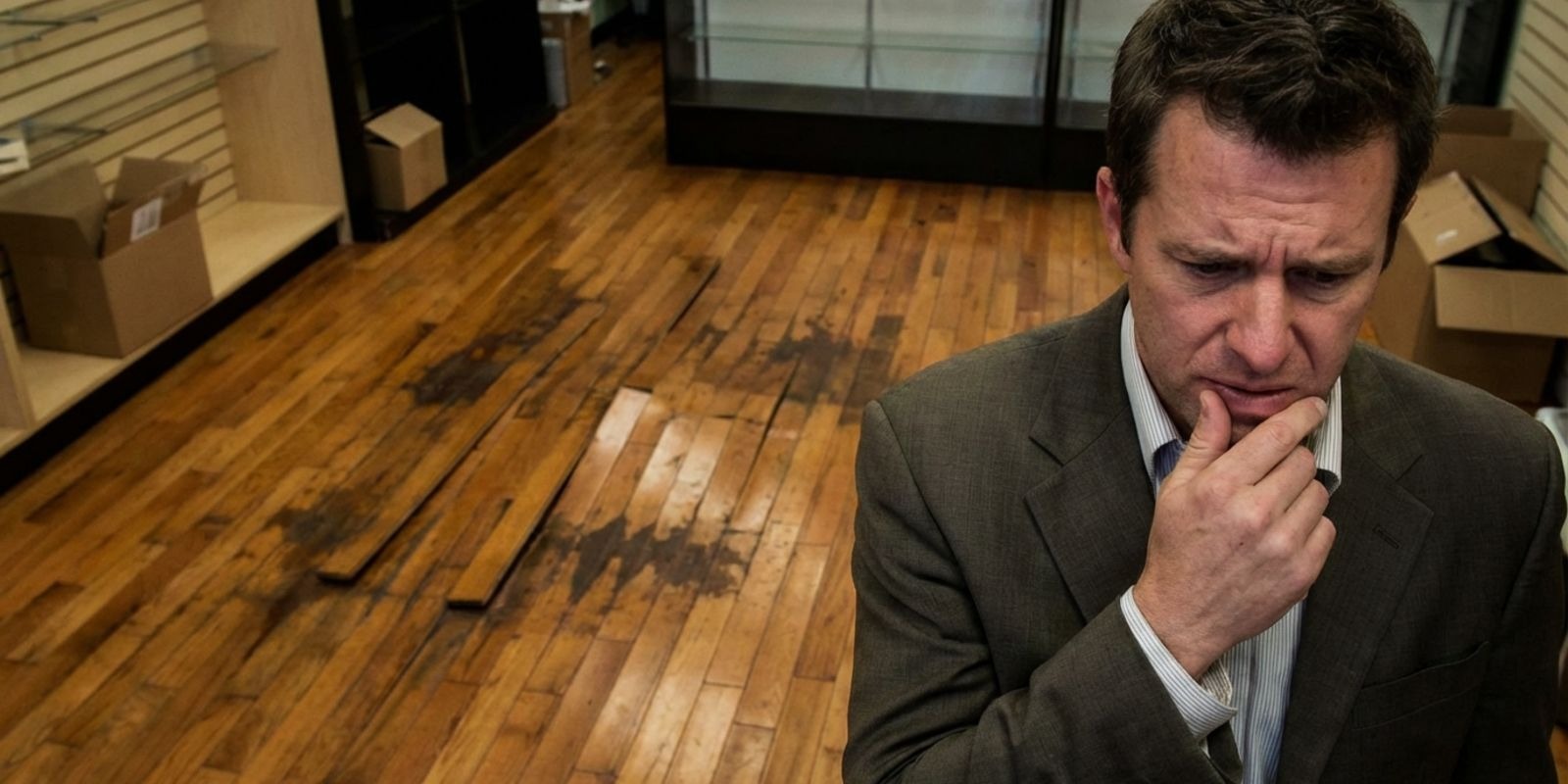
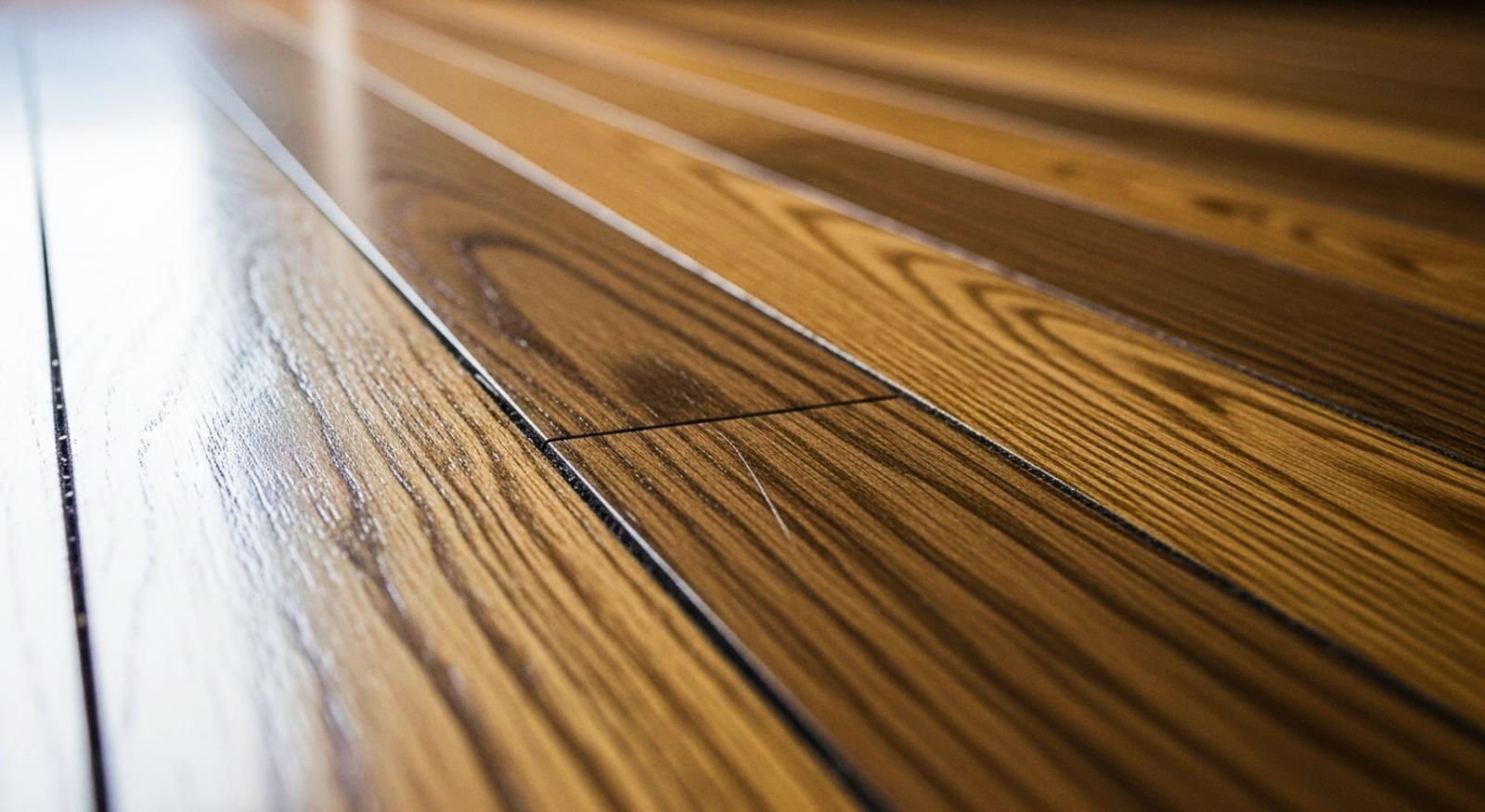
You look down. Your beautiful, smooth hardwood floor is no longer smooth.
Maybe you see dark lines between the boards that weren't there in July. Or perhaps the edges of the planks feel raised and sharp, like a washboard. Did a pipe burst? Is the floor ruined? Do you need to rip it all out?
We get it. You are panicking. But before you call a plumber or a flooring contractor, take a deep breath. As a water restoration company with over a decade of experience, we have seen this exact scenario many times before. Wood is a natural material that reacts to its environment, and sometimes what looks like a disaster is actually just a seasonal quirk.
Today, we are going to teach you how to tell the difference between a normal change and a warning sign of a hidden leak. Let's also discuss why this happens, how to diagnose the problem correctly, and when it's the right time to call the pros, before you spend a dime.
Scenario A: Seasonal Gapping (A Normal Issue)
Arkansas is not known as a cold state; however, when winter arrives, the air does get chilly. Mind you, not as cold as some other places in the States, but cold enough to make people turn on their furnaces.
When the usually dry Arkansas air cools (due to the winter season) and then warms, the relative humidity inside your home drops significantly.
Now, here is the thing: Wood is hygroscopic. "What the heck does that mean?", you ask.
Simply put, it means that wood acts like a sponge, absorbing and releasing moisture to match the surrounding air. When the air is dry, your wood floors release moisture and shrink.
Flat Boards and Open Spaces
If your floor is suffering from seasonal dryness, the boards themselves will remain flat.
- The Sign: You will see thin, dark spaces opening up between the planks.
- The Shape: If you lay a credit card flat across the gap, it should touch both boards evenly. The wood hasn't warped; it has just gotten slightly narrower.
Should You Be Concerned With This Phenomenon?
The answer is clear and loud: no. This is entirely normal. According to the National Wood Flooring Association (NWFA), wood floors naturally expand and contract with the seasons. These gaps are often called "winter gaps."
What to Do and Not to Do in this Scenario?
As we explained, this is a common occurrence during the season, but you probably still don’t want to see these gaps. Here is what to do and what NOT to do
Control Your Indoor Moisture
This is an issue caused by the relative humidity (RH) in your home. So the best solution is to control that moisture. Keep your indoor humidity between 40% and 55% to prevent this (and other issues like mold).
Do Not Fill the Gaps!
It might be tempting to go for a quick fix like using wood filler to get rid of those pesky gaps. The problem is that when the next season comes and the humidity returns, the wood will expand again. All that filler will be crushed and cracked as the wood expands, leaving you with a mess to clean up.
Scenario B: Cupping (The "Wet" Problem)
This is the scenario that requires immediate attention.
Cupping happens when there is a moisture imbalance in the wood. Specifically, the bottom of the board is wetter than its top.
Remember when we said at the beginning of this article that wood acts like a sponge? Ok, now imagine a dry one. If you set it on a wet counter, the bottom absorbs water and swells, while the top stays dry. The edges of the sponge curl upward. This is the same thing that happens to your wood floor.
The "Washboard" Effect
- The Sign: The edges of each board are higher than the center.
- The Shape: If you lay a straight edge (like a ruler) across the width of a board, it will rock back and forth. The board has become concave.
- The Feeling: It feels bumpy or sharp when you walk on it barefoot.
Should You Be Worried?
The answer in this case is yes. Cupping is not caused by dry winter air. It is caused by moisture intrusion from below. The most common causes include:
- A Plumbing Leak: A pipe sweating or leaking in the crawl space or under the slab.
- The Stack Effect: Warm air escaping your attic pulls damp, cold air from your crawl space up through the subfloor.
- Wet Subfloor: A recent spill or dishwasher leak that seeped through the cracks and trapped water underneath.
Why You Must Never Sand a Cupped Floor
Look, we get it. Your beautiful wood floor now looks out of shape, and your first instinct might be to sand it flat (or get a contractor to do it for you).
Do NOT do this.
If you sand the raised edges off a wet, cupped floor, you will be fixing the problem… in the short term, while creating a new one for the long term. Eventually, the floor will dry out. When it does, the wood will shrink back to its original shape.
Because you sanded the edges off, the center of the board will now be higher than the edges. This is called crowning (convex shape). And it basically ruins your wood floor.
You cannot fix cupping until you fix the moisture source.
Follow this Checklist to Self-Diagnosis
If you suspect something fishy is going on with your wood floors this winter, grab a flashlight and a credit card and run through this checklist:
- The Credit Card Test: Lay the card across the board.
- Does it lie flat across the gap? Likely Seasonal Gapping.
- Does it rock on the edges, with a gap under the center? Likely Cupping.
- The Location Test:
- Is the issue happening all over the house? Likely Seasonal/Low Humidity.
- Is it isolated to one area (kitchen, hallway, near a bathroom)? Likely a Leak/Cupping.
- The Time Test:
- Did it appear gradually as the weather got cold? Seasonal.
- Did it appear suddenly after a storm or appliance use? Water Damage.
When to Leave It to the Pros
Seasonal gaps are annoying, but they rarely threaten the structure of your home. Cupping, however, is a red flag. It means water is somewhere it shouldn't be.
If you have confirmed you have cupping, you need more information about the condition of your floor. You need to know exactly how wet the subfloor is and where the water is coming from.
The solution? Getting a professional inspection.
A technician from a restoration company will have tools such as moisture meters and thermal imaging cameras to determine the source of the water. Remember that when it comes to water damage, the sooner you react, the better.
Make sure to schedule a professional inspection as soon as possible. If there is water damage, you should also contact your insurance adjuster to make a claim.
How to Tell the Difference This Winter
Now you know that a simple gap between boards is usually just a humidity issue, while a board with raised edges is almost always a sign of trapped moisture beneath your feet. Attempting to fix a water problem by sanding the wood floor before it dries will only result in ruined wood and wasted money.
At Restore-It, we specialize in diagnosing the root cause of floor distortion using advanced moisture-detection technology to tell you exactly what is happening beneath your floorboards. We can accurately map the moisture in your subfloor to determine if your hardwood can be saved through specialized drying or if extraction is necessary.
To learn more about how we save wet hardwood floors, read our detailed guide on What to Do When There Is Water Damage in Your Home.
Do you see signs of cupping in your hardwood floors? Don't let the damage spread. Call Restore-It today for a professional inspection and save your floors before it's too late!

Topics: