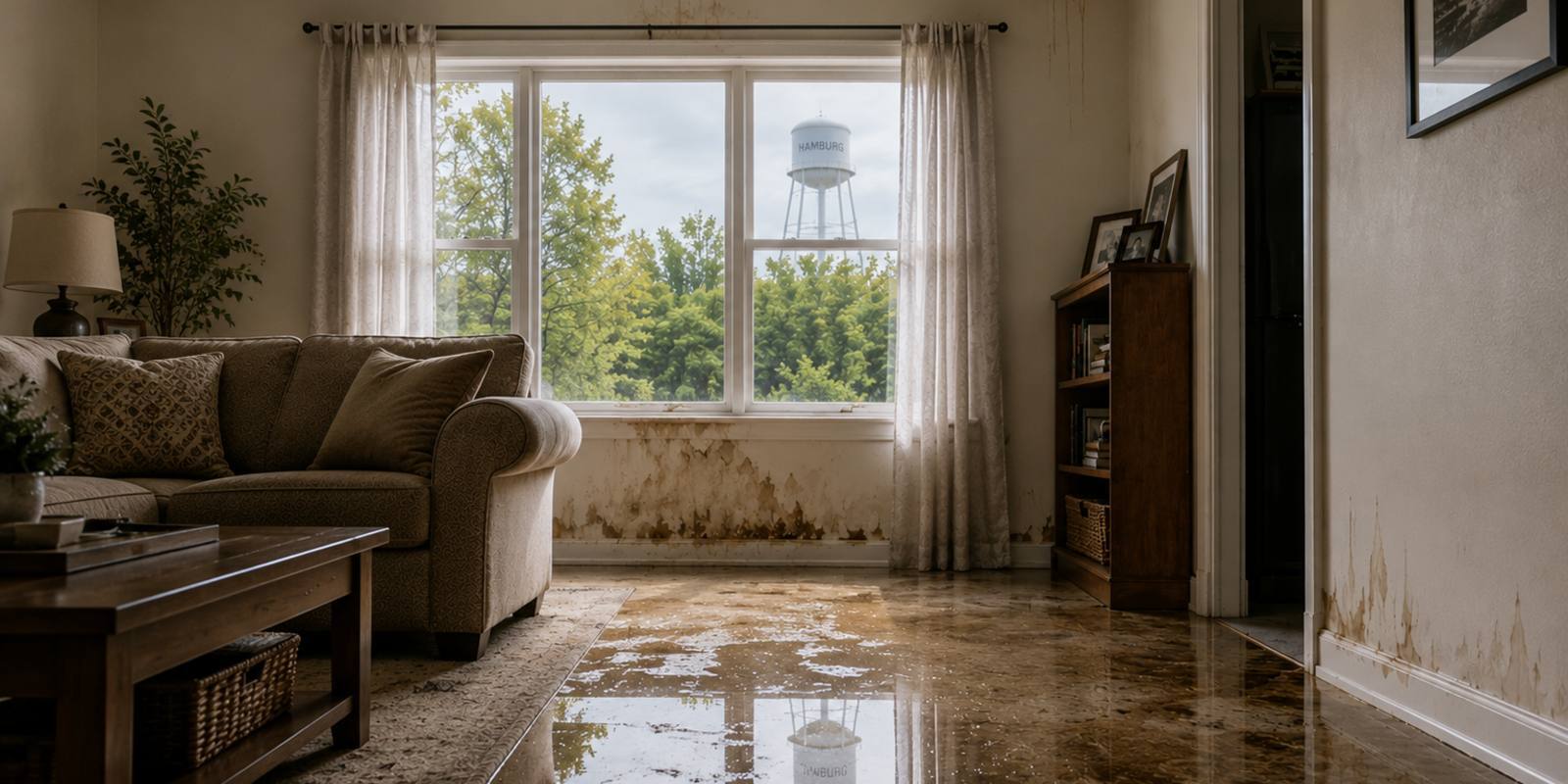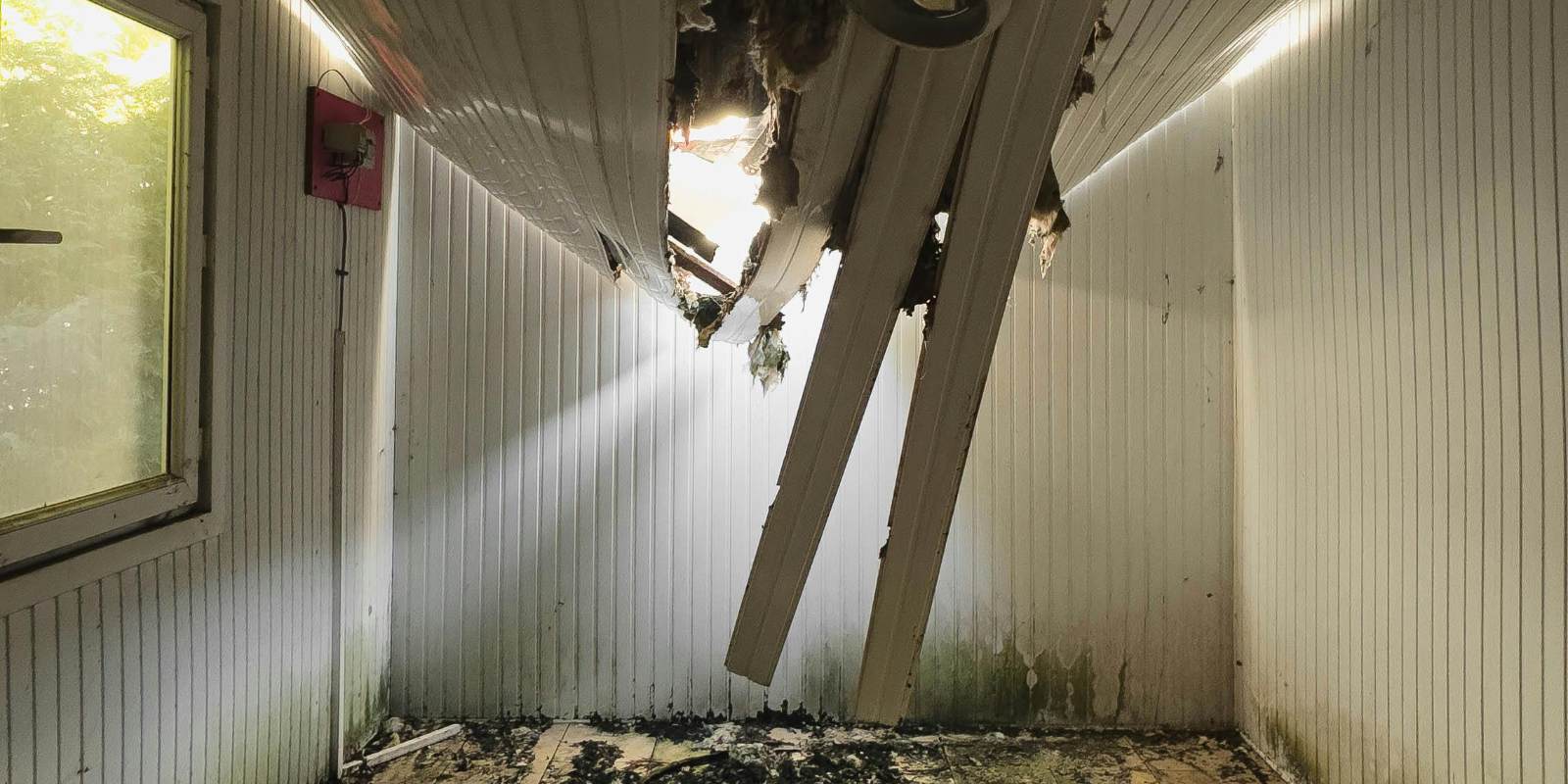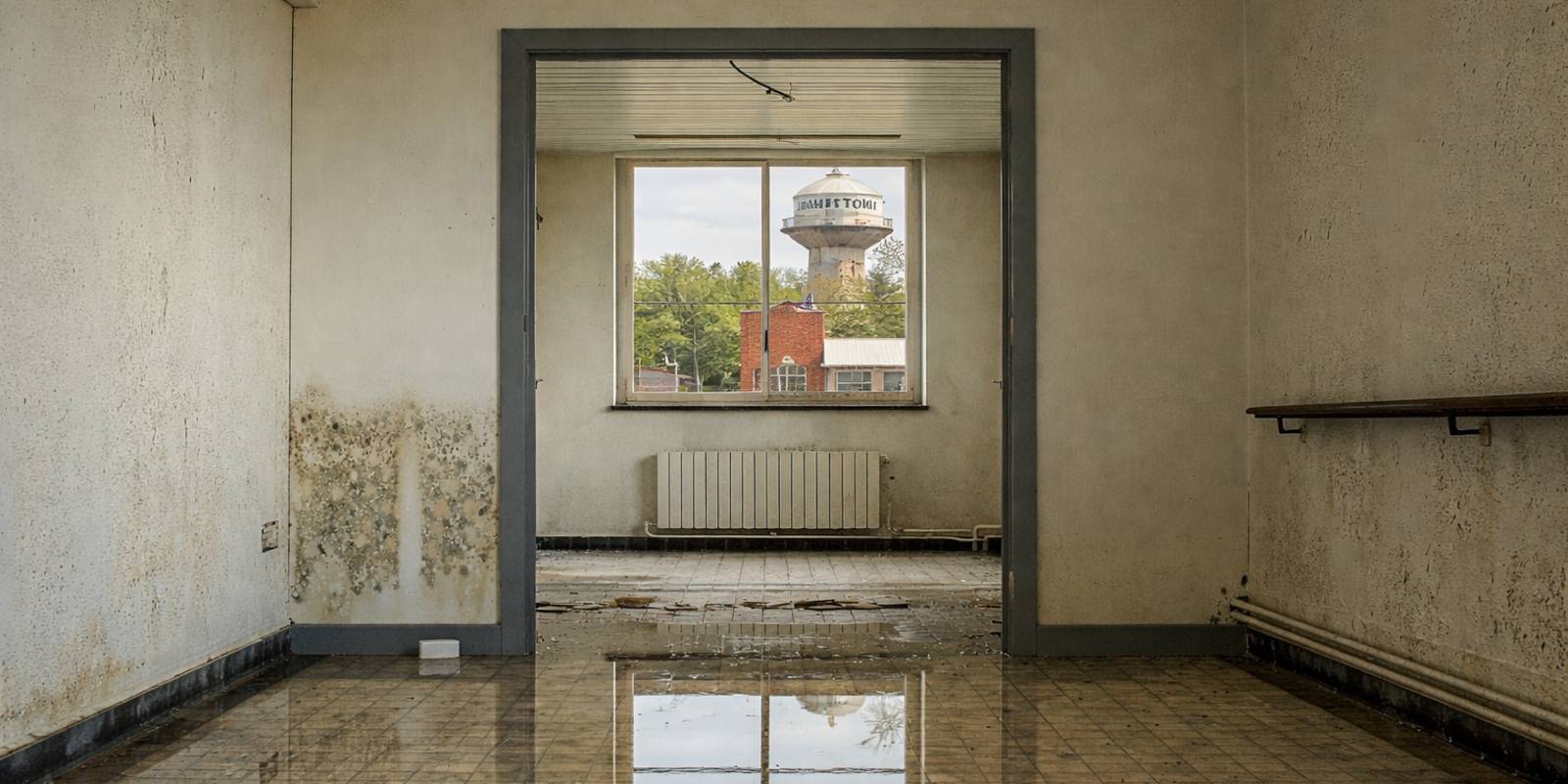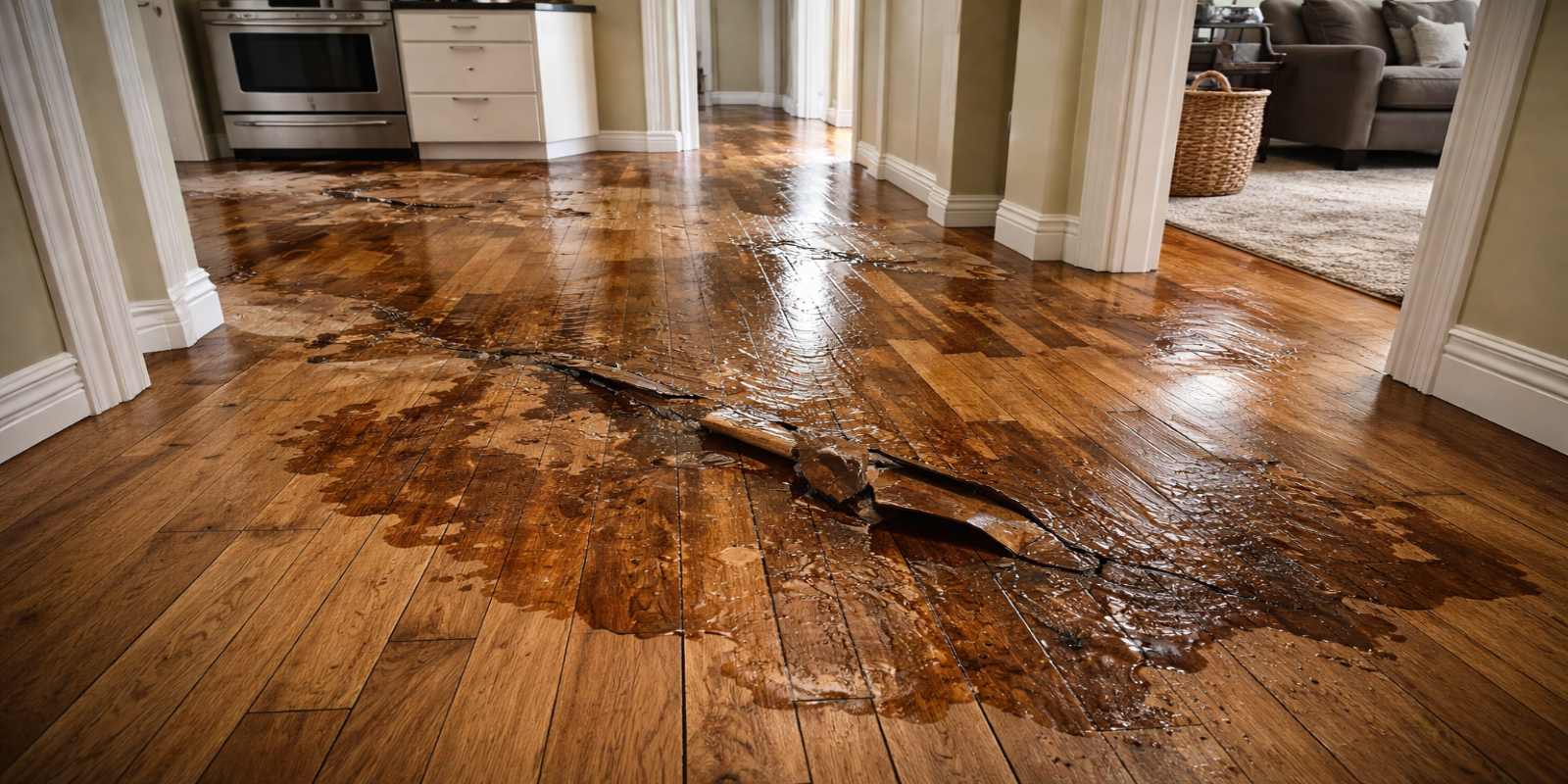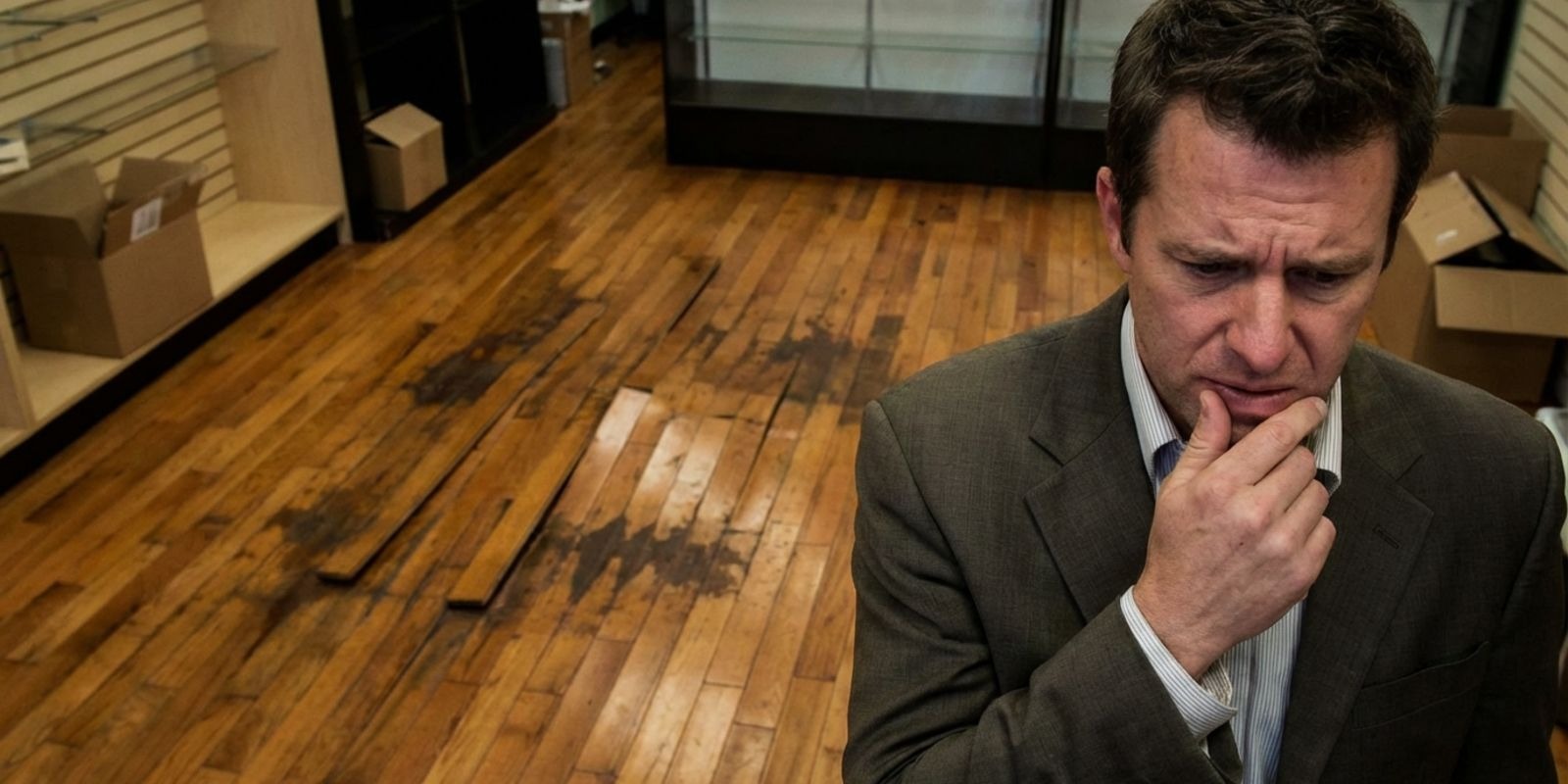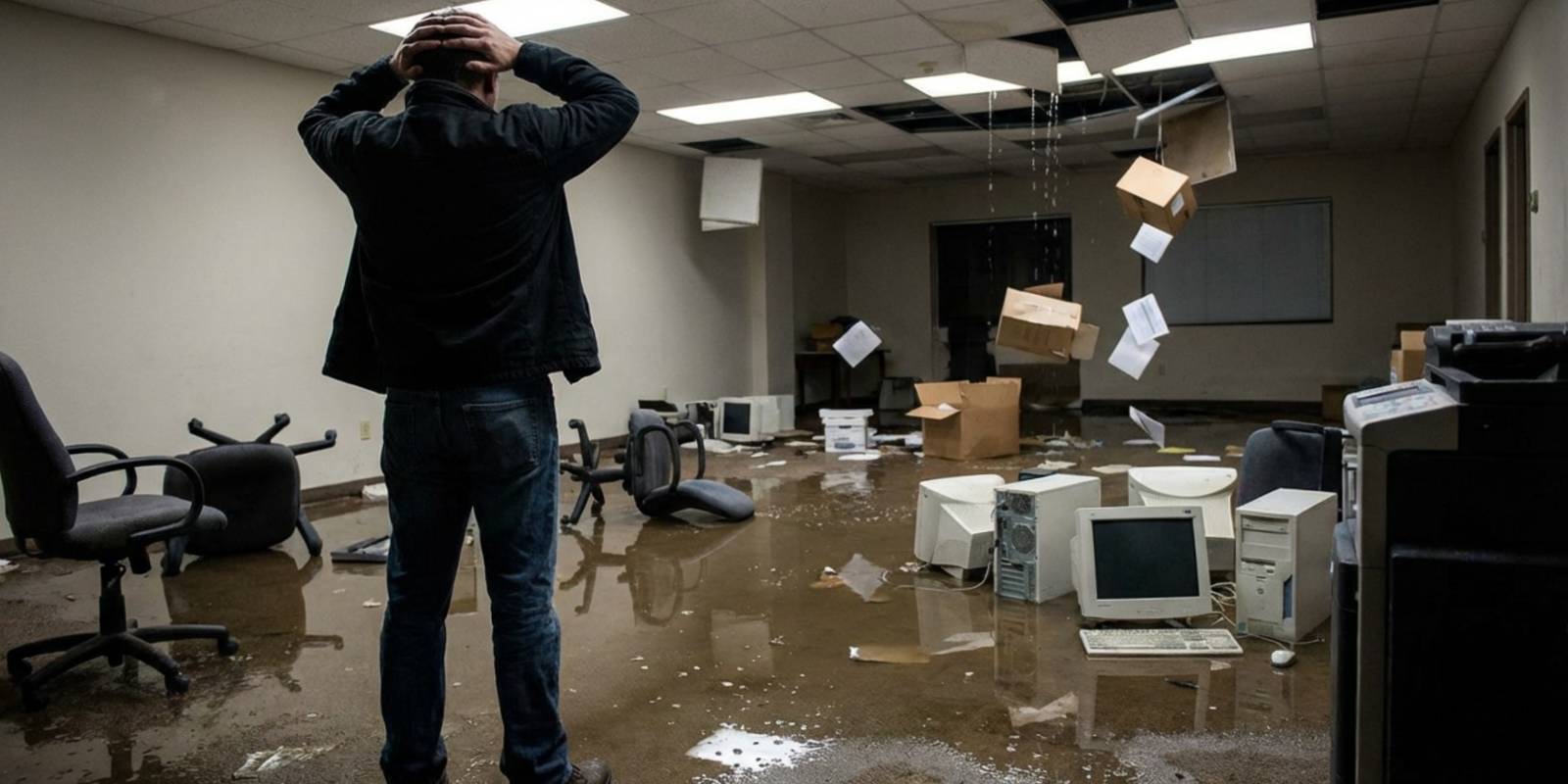


Coming back to reopen your small business on a Monday morning, only to find it in a bad condition, can turn even the most optimistic person into a bundle of nerves. What was supposed to be the start of your working week has now turned into a burning question: Will I be able to open soon?
As a restoration company, we know how much work it takes to build a small business ourselves. More than a decade ago, Restore-It began as a carpet-cleaning company and has since grown into a certified restoration company. And we have been there for others ever since. Helping local businesses recover from water, fire, and mold damage in South Arkansas is what we do.
While the statistics suggest that roughly 1 in 4 businesses that close after a major disaster never reopen, making a comeback is not impossible. And you are in luck because we are going to talk about it today!
In this article, we will talk about the importance of preparation. Let's discuss how to create a simple, practical business continuity plan focused on water and fire damage, so you can protect your data, people, cash flow, and reputation when the worst happens.
The Importance of a Business Continuity Plan
A business continuity plan (BCP) is a written guide that explains how your company will keep critical functions running during and after an emergency. Federal resources, like Ready.gov, make it clear that continuity planning is not just for big corporations. It is essential for small businesses that depend on daily cash flow to survive.
Here is why it matters so much after water or fire damage:
- Disasters hit cash flow first (rent, utilities, loans, and payroll)
- Customers may quietly move on
- Employees need clarity (staff may look for other jobs, losing key people)
A written plan will not prevent a pipe from bursting. Still, it can dramatically reduce downtime and help you make the most of resources such as insurance and professional restoration services.
Preparation: Protect Your Business Information
1. Move your essential data off-site
If your office computers were damaged, you could lose extremely important business information. This includes vital information such as customer lists, invoices, accounts receivable and payables, payroll records, and supplier contacts and contracts.
The SBA recommends keeping electronic backups of your key records in the cloud or another secure off-site location.
Here is what to do:
- Use a secure cloud backup service (for example, Microsoft 365, Google Workspace, or another specialized backup provider).
- Set backups to run automatically every day.
- Make sure at least one trusted person knows how to restore that data from home or from a temporary office.
2. Build a digital 'vital records' folder
If you file a claim, your insurance adjuster will ask you to provide documentation. This includes records such as lease agreements or property deeds, business tax returns, insurance policies and endorsements, equipment purchase records, and loan documents.
The IRS recommends scanning these documents and storing them securely in the cloud or another protected location.
Here is what to do:
- Scan paper records as PDFs and organize them into clearly labeled folders (Insurance, Taxes, Leases, Loans).
- Protect access with strong passwords and multi-factor authentication.
- Review and update this folder at least once a year.
3. Create a visual inventory of your assets
In the chaos after a fire or flood, it is easy to forget what you own and what it is worth. Photos and videos make claims smoother.
Here is what to do:
- Walk through your business with your smartphone.
- Record every room, open cabinets, pan over stock, tools, and equipment.
- Speak model numbers and approximate values as you go.
- Upload the video and photos to your off-site storage.
The IRS recommends photo or video inventories to support insurance and casualty-loss claims after disasters.
4. Review property and business income insurance
Property insurance pays to repair or replace your building materials and contents after covered events like fire or certain types of water damage. Business income (or business interruption) coverage can go further by paying for:
- Lost net income during the shutdown
- Continuing operating expenses such as rent and payroll
- Sometimes, extra expenses to speed up reopening
Standard business income forms define covered loss as net income plus continuing normal operating expenses, including payroll.
Here is what to do:
- Meet with your insurance agent before disaster strikes.
- Confirm whether you have business income coverage and what triggers it.
- Ask how long coverage lasts and whether it includes extra expense or extended business income after reopening.
Your first 24 hours after water or fire damage
When you see water pouring from the ceiling or smell smoke, panic is natural. A continuity plan gives you a checklist instead.
1. Start with safety
Before anything else:
- If there is an active fire or suspected electrical danger, call 911 and get everyone out.
- Do not enter a heavily damaged building until firefighters or city officials declare it safe.
- Avoid standing water that may be in contact with electrical systems.
2. Use your 'who to call' list
Your list should include:
- Your insurance agent or carrier’s 24/7 claims number
- A licensed, pre-vetted restoration company that offers 24/7 commercial service (water extraction, structural drying, smoke and soot cleanup)
- Your landlord or property manager
- Licensed plumber and electrician
- IT support or managed service provider
Ready.gov and other continuity resources recommend identifying key suppliers and emergency partners in advance as part of your plan. Keep this list printed near exits and stored on your phone and in a cloud folder.
3. Delegate authority in case you are away
Disasters do not wait until you are in town.
Here is what to do:
- Name a 'second in command' who can make emergency decisions.
- Give them written authority to:
- Shut off the main water and power (and show them where those controls are).
- Contact your insurance carrier.
- Sign a work authorization for emergency mitigation with a restoration contractor.
- Make sure staff know who is in charge if the owner is unavailable.
A good restoration firm can quickly stabilize the building, extract water, set up drying equipment, or provide board-up services. A faster response usually means less damage, lower total cost, and a higher chance of reopening sooner.
After the damage: Recover fast and communicate clearly
This phase often decides whether you keep your customers and team.
1. Communicate with customers early and often
Silence is dangerous. If people see a locked door with no information, they assume you are gone.
Use multiple channels:
- Update your Google Business Profile, website, and social media explaining:
- What happened in simple terms
- That you are working on repairs
- How customers can still reach or support you (phone, online orders, alternate location)
- If you have an email list, send a short update and explain any temporary options (delivery, curbside, remote services).
Federal and local business-continuity guides stress the importance of a crisis communication plan that covers employees, customers, suppliers, and the media. Draft a few templates now so you can customize and send them quickly when you need them.
2. Keep your employees in the loop
Your team is also under stress. They are worried about their jobs and pay.
Here is what to do:
- Use a group text, email list, or messaging app to send immediate updates.
- Be honest about what you know and what you do not yet know.
- Tell them when they can expect the next update.
- If you have business income coverage that can help with payroll, discuss options with your agent and accountant as soon as possible.
Clear internal communication helps reduce turnover at the very moment you need experience the most.
3. Activate your 'Plan B' location or remote setup
If your building is unusable for weeks, where will you operate?
Consider these possible options:
- Remote work for administrative and professional services
- Temporary shared space with another local business
- A portable office trailer on your lot
- A small rented space where you can provide limited but visible service
Your restoration contractor and insurer can help you understand realistic timelines so you can choose the right option.
Making Your Continuity Plan a Living Document
A plan no one has read will not help much. To turn your continuity plan into a working tool follow these instructions:
- Write it down. Even a 3–5 page document is better than a mental list.
- Store it in multiple places. Printed copy in store, digital copy in the cloud.
- Train your team. Walk through the plan once a year. Show people shut-off valves and emergency contacts.
- Update annually. Review contact lists, insurance details, and your inventory video. Add any new equipment, services, or locations.
Resources like Ready.gov’s business continuity planning guides and the U.S. Small Business Administration’s preparedness tools offer free templates and checklists you can adapt to your South Arkansas operation.
Your Next Step To Stay Open
Now you know that a simple, well-thought-out continuity plan can greatly improve your chances of reopening and staying open after serious water or fire damage. The real risk is not just the physical loss, but the weeks of missed income, confusion, and poor communication that can follow if you are not ready. As a local restoration company we are happy to teach commercial clients across South Arkansas how to recover from disasters. To better understand how insurance can support your recovery, we recommend reading our article on business interruption coverage here.
If your business is facing water, fire, or mold damage right now, call Restore-It for 24/7 commercial restoration services to help you protect your livelihood and keep your doors open.

Topics: