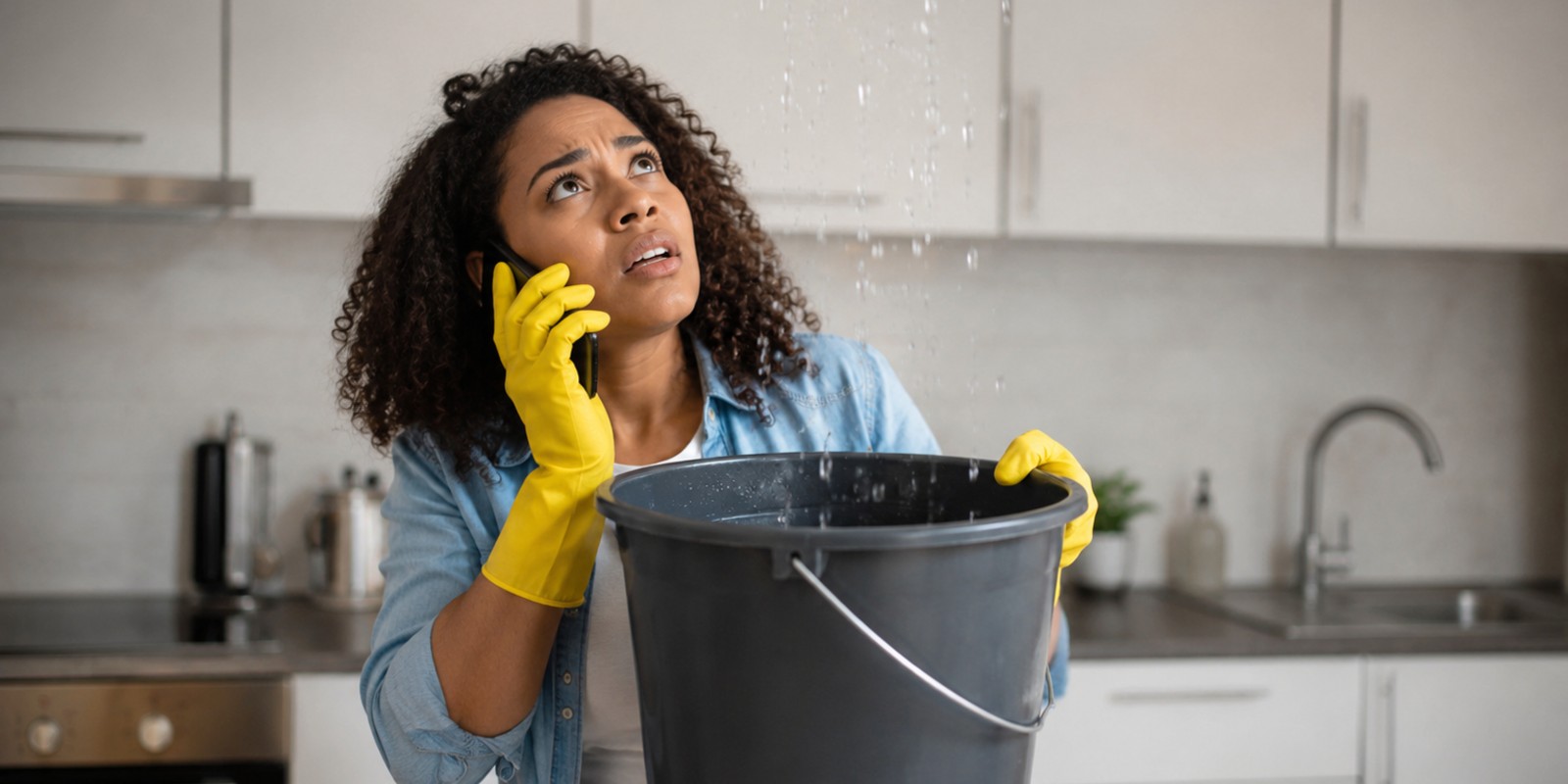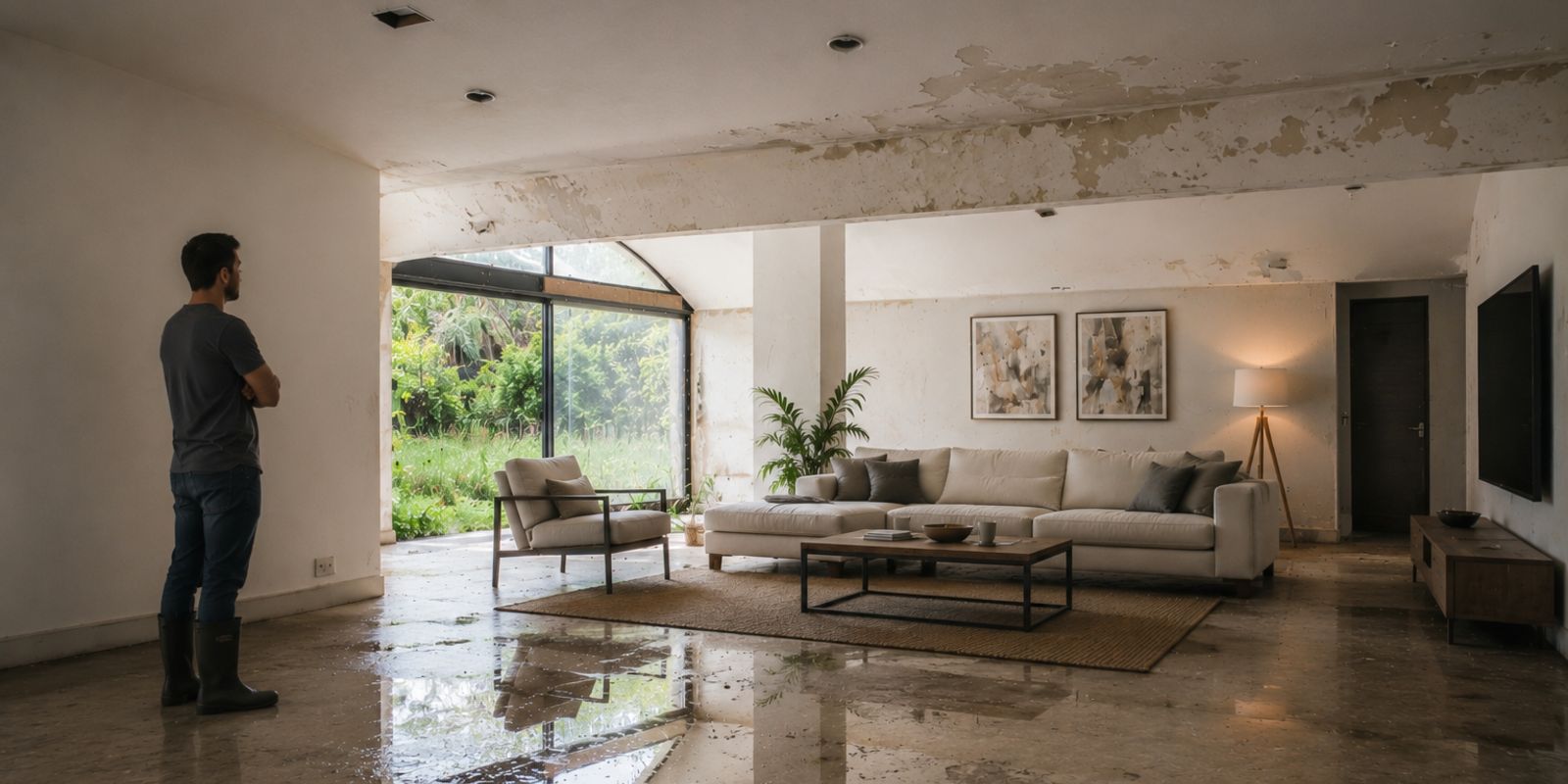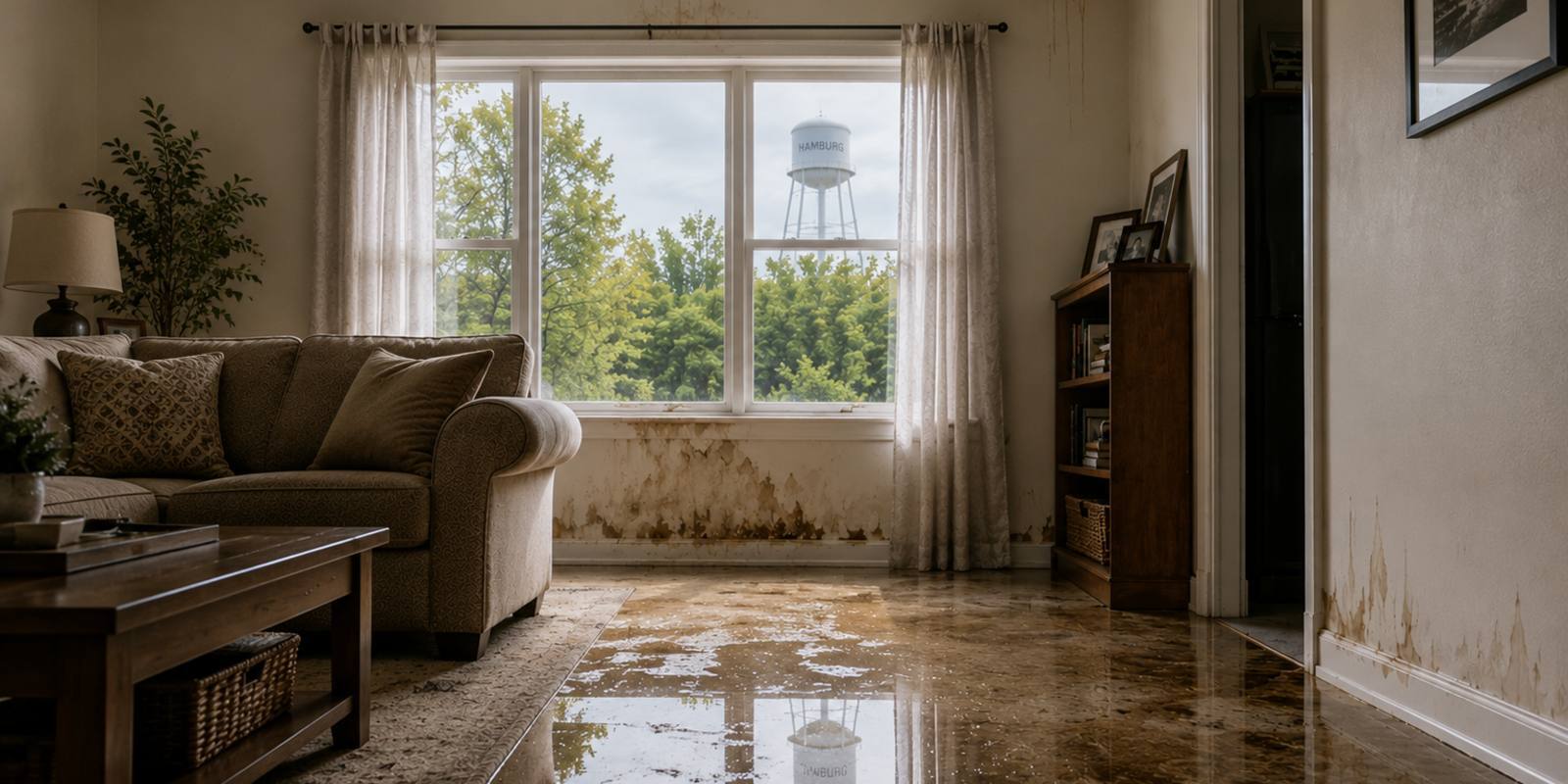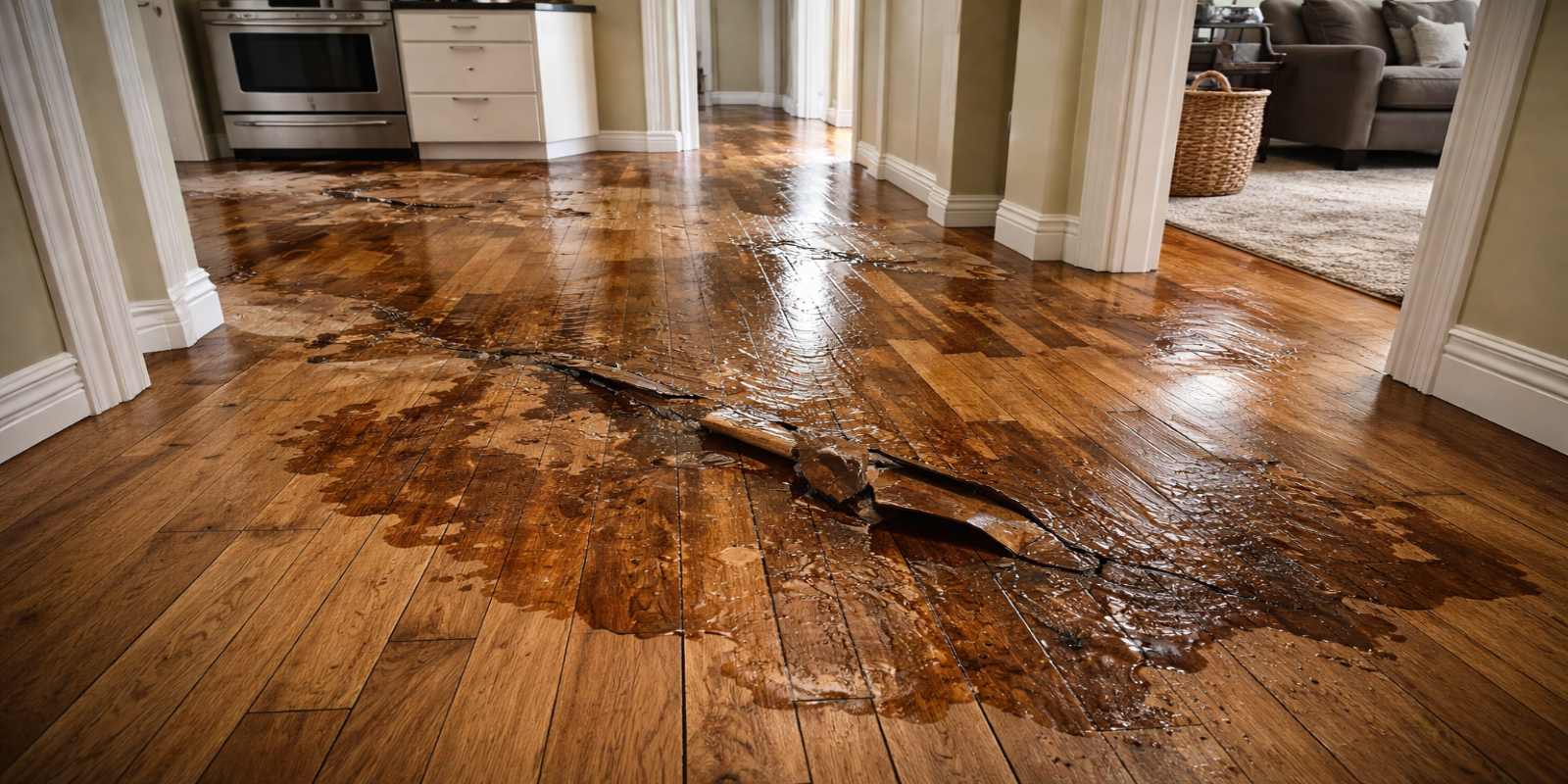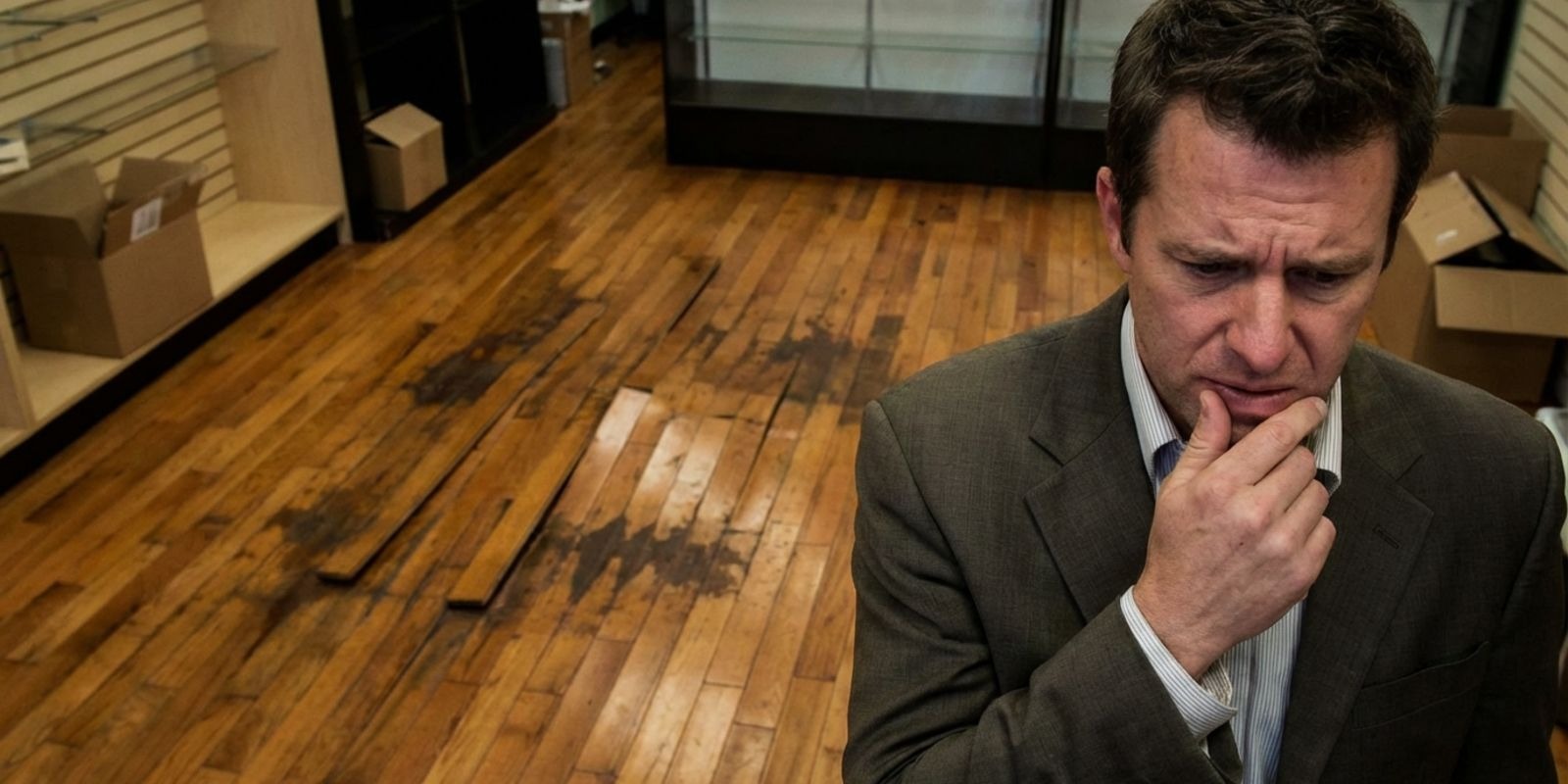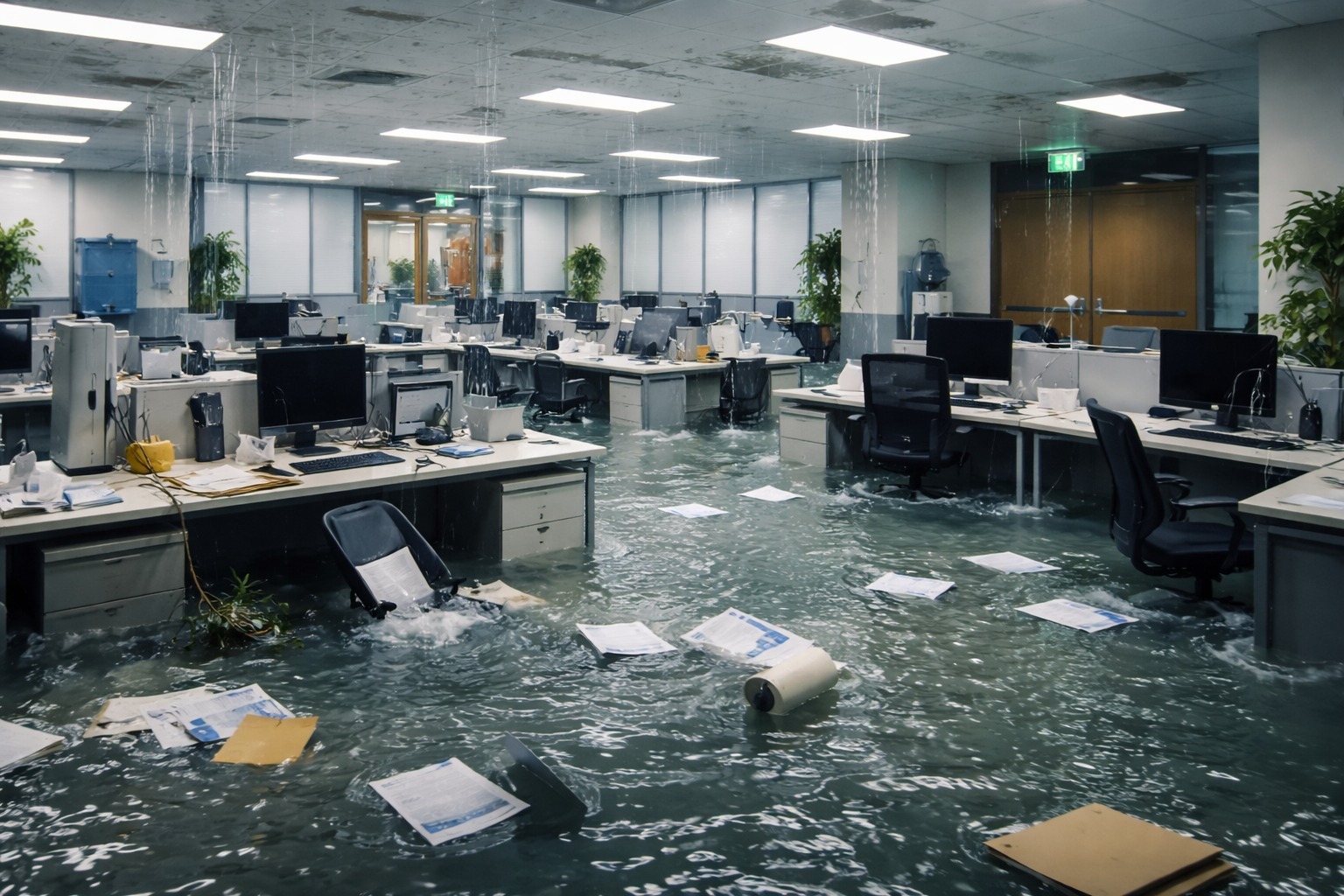

You and I both know that water damage doesn’t ask for permission. One moment, everything feels normal; the next, you’ve found yourself on wet floors. Whether it’s from a burst pipe, heavy storm, or flash flooding, it happens fast, and the urgency is real.
That uncertainty can keep you up at night. You may have some questions, like:
- Is my floor ruined?
- Do I need to replace it?
- Should I install something water-resistant?
- Will my insurance pay for it?
But before making a rush decision, there are things you should know.
After more than 10 years serving South Arkansas, our team at Restore-It has dealt with hundreds of water losses. We have seen what really happens to the flooring after a water loss… and the myths that surround it.
Today, we are going to give you the run-down on flooring for water damage. We will take a look at some common questions, such as:
- Is “waterproof flooring” really waterproof?
- Which flooring materials survive water damage?
- What must happen before any new flooring is installed?
- Which is the right flooring option for me?
- What do insurance companies say about new flooring?
So let's learn together what water damage means to your home (and your floor!).
The “Waterproof” Myth: Surface vs System after Water Damage
Most products labeled waterproof refer only to the surface layer, not the entire flooring system.
The Institute of Inspection, Cleaning, and Restoration Certification (IICRC) establishes the leading standard for the restoration industry. The IICRC warns that moisture migrates vertically and horizontally through building materials. This means water can travel:
- Through seams and joints
- Beneath floating floors
- Around baseboards
- Into plywood or OSB subfloors
- Into concrete slabs
Even if the visible flooring appears intact, moisture can remain trapped below.
The U.S. Environmental Protection Agency (EPA) states that mold can begin growing within 24 to 48 hours in damp materials. This is why installing new flooring over a damp subfloor can lead to hidden microbial growth and structural deterioration if the area is not properly dried.
The flooring may look perfect on top while problems develop underneath.
Why Flooring Fails After Water Damage (Alkali & Moisture Explained)
Another overlooked issue is the interaction between concrete and moisture.
When water saturates a concrete slab, it can dissolve naturally occurring alkaline salts. As moisture rises through concrete, it can bring alkaline salts to the surface. Over time, this can break down adhesives, causing flooring to loosen or fail. As described in building science resources from the National Institute of Building Sciences.
This reaction can cause:
- Adhesives deteriorate
- Bubbling or lifting
- Discoloration
- Brittleness
- Delamination
Even after visible water is removed, moisture inside a slab can continue affecting flooring if it has not been properly tested and dried.
That is why professional moisture verification is very important before reconstruction begins.
5 Flooring Options to Consider After Water Damage
If you are replacing flooring after water damage in El Dorado or anywhere in South Arkansas, here is how common materials perform.
Now, while we mention that some flooring is better at dealing with water than others, this doesn’t mean they will never need to be replaced. During a flood, the damage might run so deep, the whole floor will need to go. This isn’t the same for, say, a splash or a normal smaller incident.
1. Ceramic and Porcelain Tile
Tile is one of the most water-tolerant options available.
According to the Tile Council of North America, porcelain tile has very low absorption rates, making it highly resistant to water penetration at the surface.
Benefits:
- Low water absorption
- Durable
- Easy to clean after contamination
Limitations:
- Grout joints are porous
- Subfloor beneath tile can still absorb moisture
Tile survives water exposure well, but it does not protect a saturated subfloor.
2. Natural Stone
Materials such as marble, slate, and travertine are durable and largely inorganic, meaning they don’t feed mold growth.
However:
- They require proper sealing
- Grout remains vulnerable
- Substrate moisture still matters
Stone performs well, but only when installed over a properly dried base.
3. Polished or Stained Concrete
Concrete flooring eliminates surface coverings that could trap moisture.
When properly sealed and moisture tested, it is one of the most resilient options for flood-prone homes in South Arkansas.
However:
- Slabs must be tested for moisture
- Vapor transmission can still occur
- Sealing must follow manufacturer guidelines
Concrete tolerates water better than most materials, but it still requires proper mitigation.
4. Luxury Vinyl Plank and Vinyl Tile
Luxury Vinyl Plank, often called LVP, is popular for replacing water-damaged flooring.
Benefits:
- Surface is water-resistant
- Does not swell like wood
- Affordable and durable
Risks:
- Can trap moisture underneath
- Acts as a barrier that slows evaporation
- May conceal mold growth if the subfloor is damp
If installed before professional drying and verification, LVP can seal in moisture problems.
5. Hardwood and Laminate
These are the most vulnerable materials.
Hardwood:
- Prone to cupping and crowning
- Swells with moisture
- Often requires replacement after flooding
Laminate:
- Contains a fiberboard core
- Absorbs water quickly
- Usually cannot be salvaged
In most significant water damage events, laminate flooring is considered a total loss.
Why Mitigation Determines Whether Floors Last
The best flooring after water damage depends less on the product and more on the drying process.
The IICRC defines professional mitigation as moisture mapping, controlled drying, and verification of acceptable moisture levels before reconstruction.
A reputable restoration company follows this two- step process:
Step 1: Mitigation
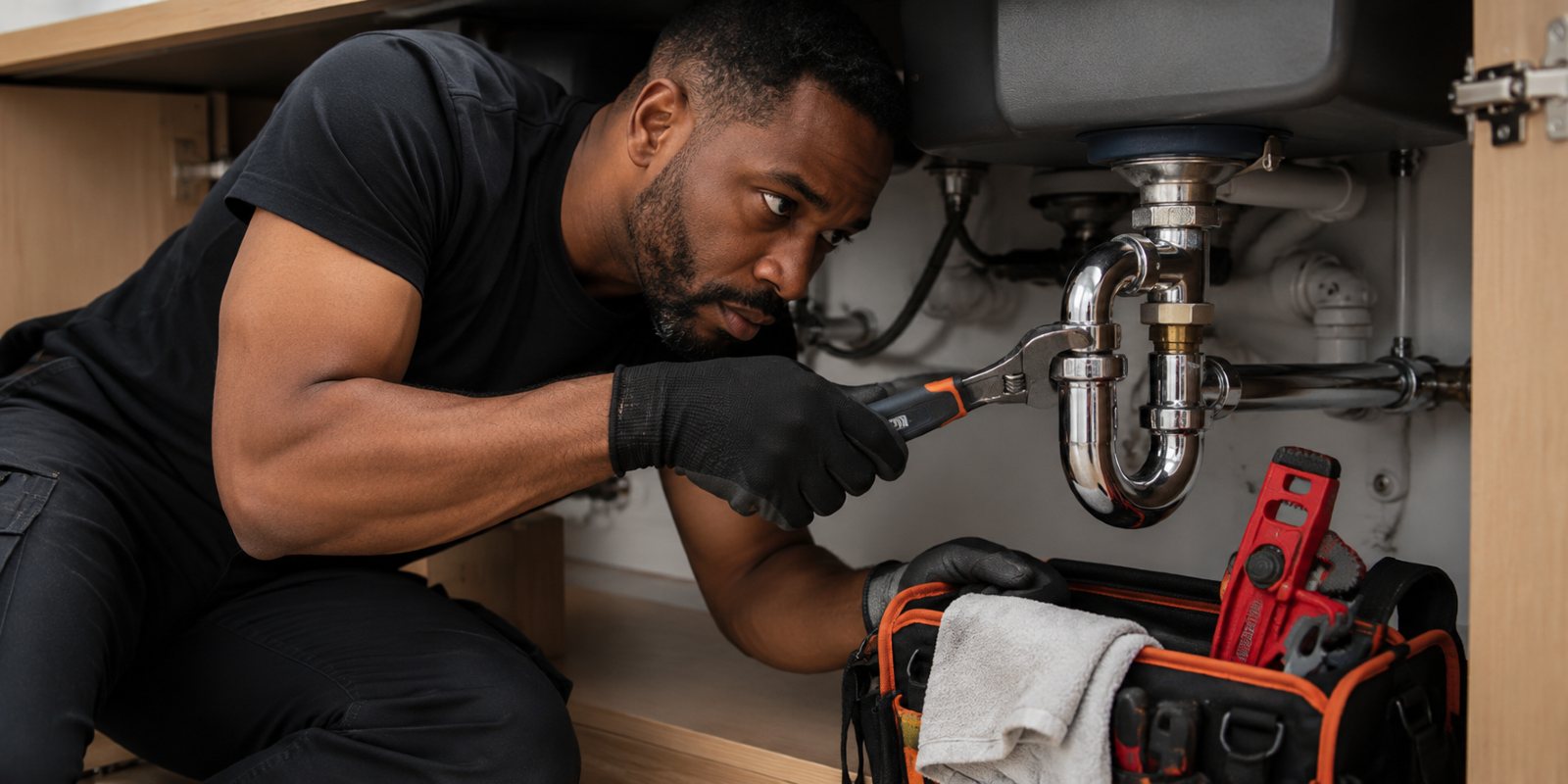
- Emergency water extraction
- Industrial dehumidifiers
- High velocity air movers
- Moisture monitoring in studs, joists, and slabs
Step 2: Restoration
- Flooring replacement
- Drywall and trim repair
- Installation according to the manufacturer's standards
New flooring should never be installed until moisture levels meet acceptable thresholds. Skipping that step is one of the most common causes of future mold problems and flooring failure. If you’d like to know more about how we handle structural damage, click below.

Will My Insurance Pay for My New Flooring?
As we said, moisture mitigation comes before new replacement. And your insurance will likely cover this cost. But what happens to the new flooring?
Insurance companies will pay for the price of your new flooring, so long as it’s the same material or a different of the same quality. If you want to, say, change your old wood flooring to marble or some other fancy material, you will have to pay the difference out-of-pocket.
Make sure to talk to your insurance adjuster and your restoration partner to understand the costs and your premium. If you'd like to know about our pricing, click below!

My Home Got Water Damaged, What Should I Do With My Floor?
If you came looking for more information on resilient flooring options against water intrusion, we hope you found what you were looking for. Now you know that the best options are:
- Porcelain or ceramic tile
- Sealed or polished concrete
- High-quality luxury vinyl plank installed over a verified dry subfloor
However, you also know that taking care of the moisture comes before restoration. With a trusted water damage restoration partner, you can ensure your new floor lasts for years to come.
Are you unsure about the dryness of your subfloor? You can dispel any doubts before considering new flooring with a professional inspection. At Restore-It, our team works 24 hours a day to provide emergency water damage mitigation and full restoration services, including inspections. Call us now and ensure your new floors are ready for installation. And remember: Mitigation first. And restoration done right.