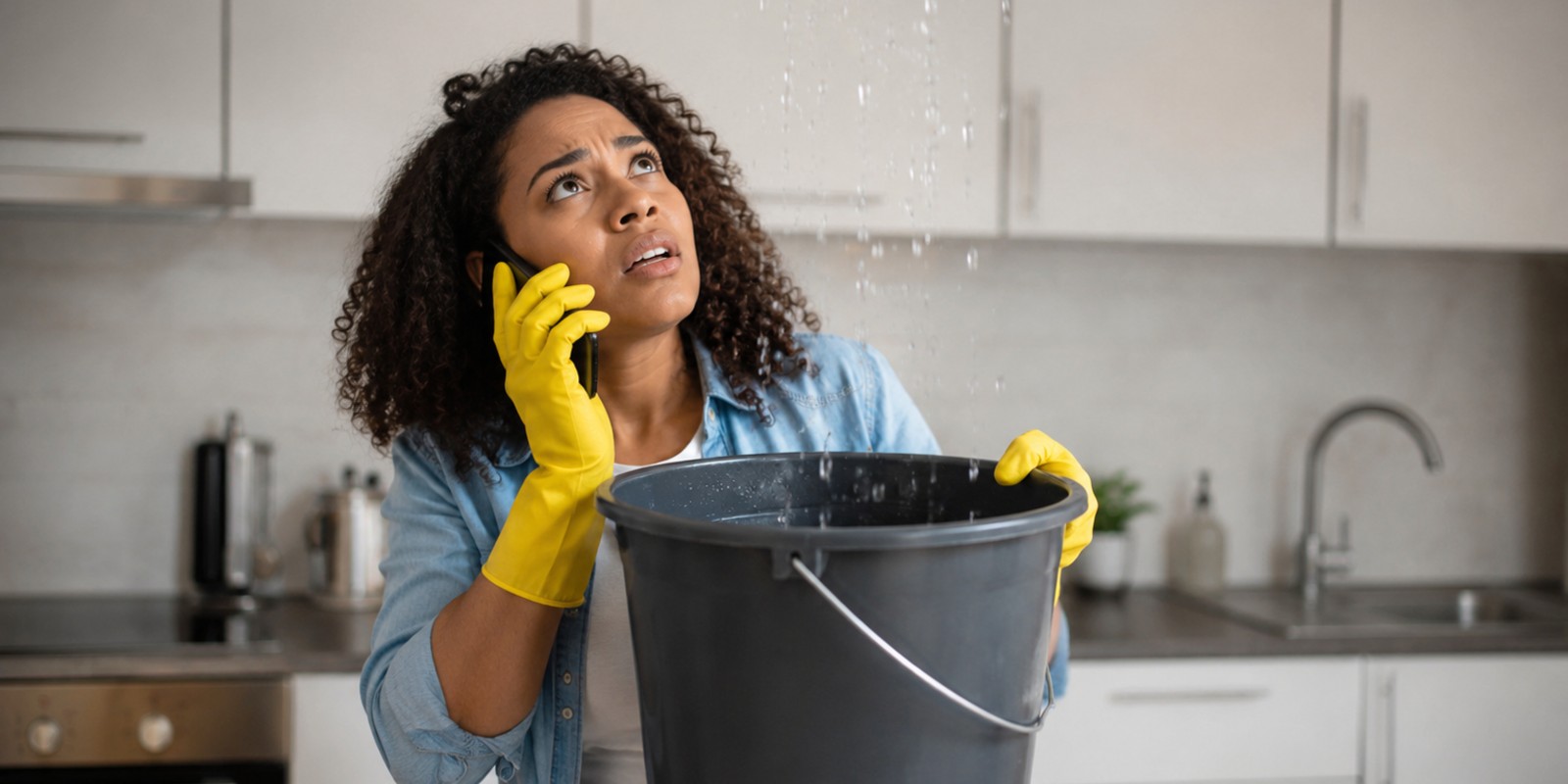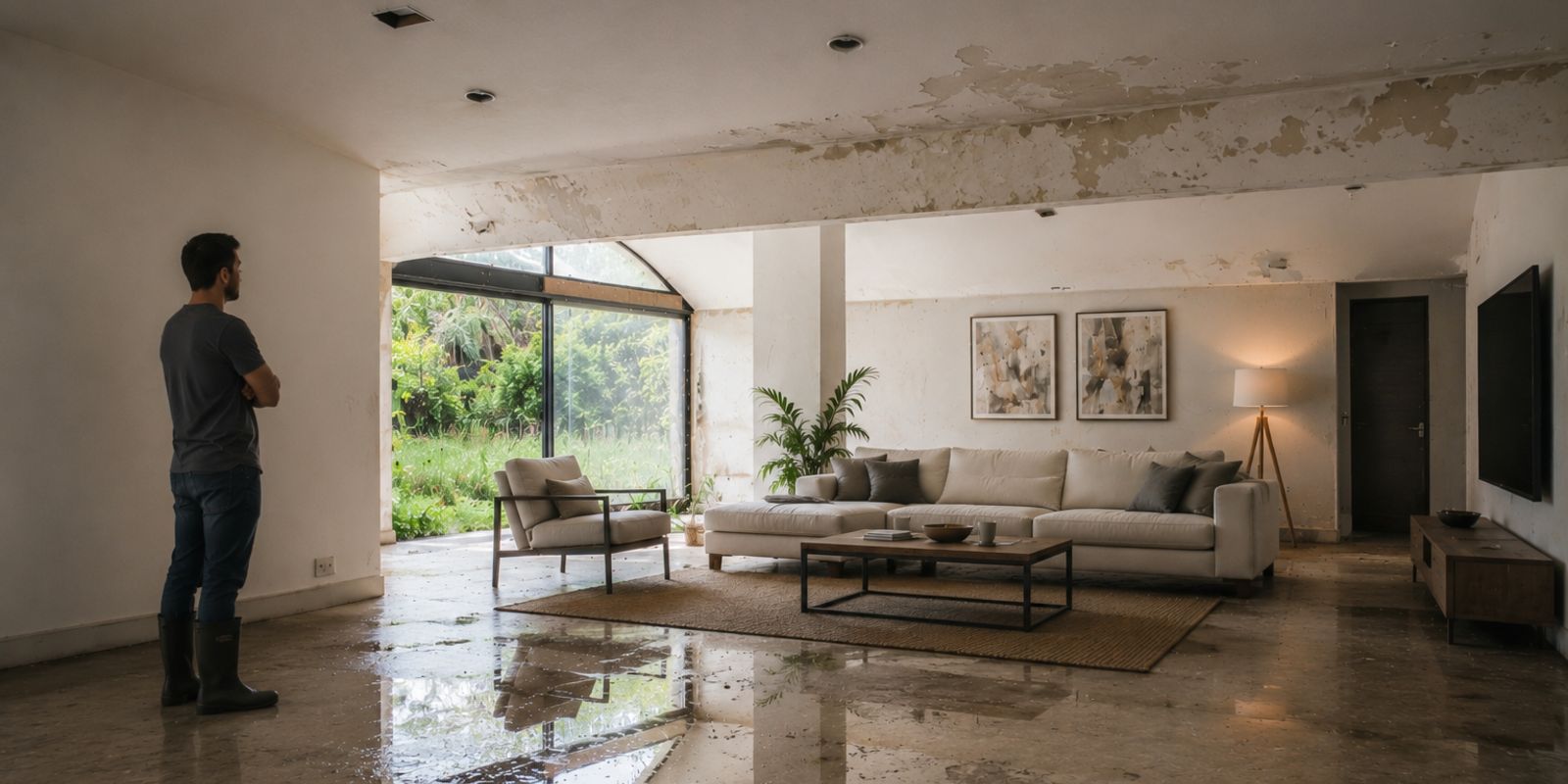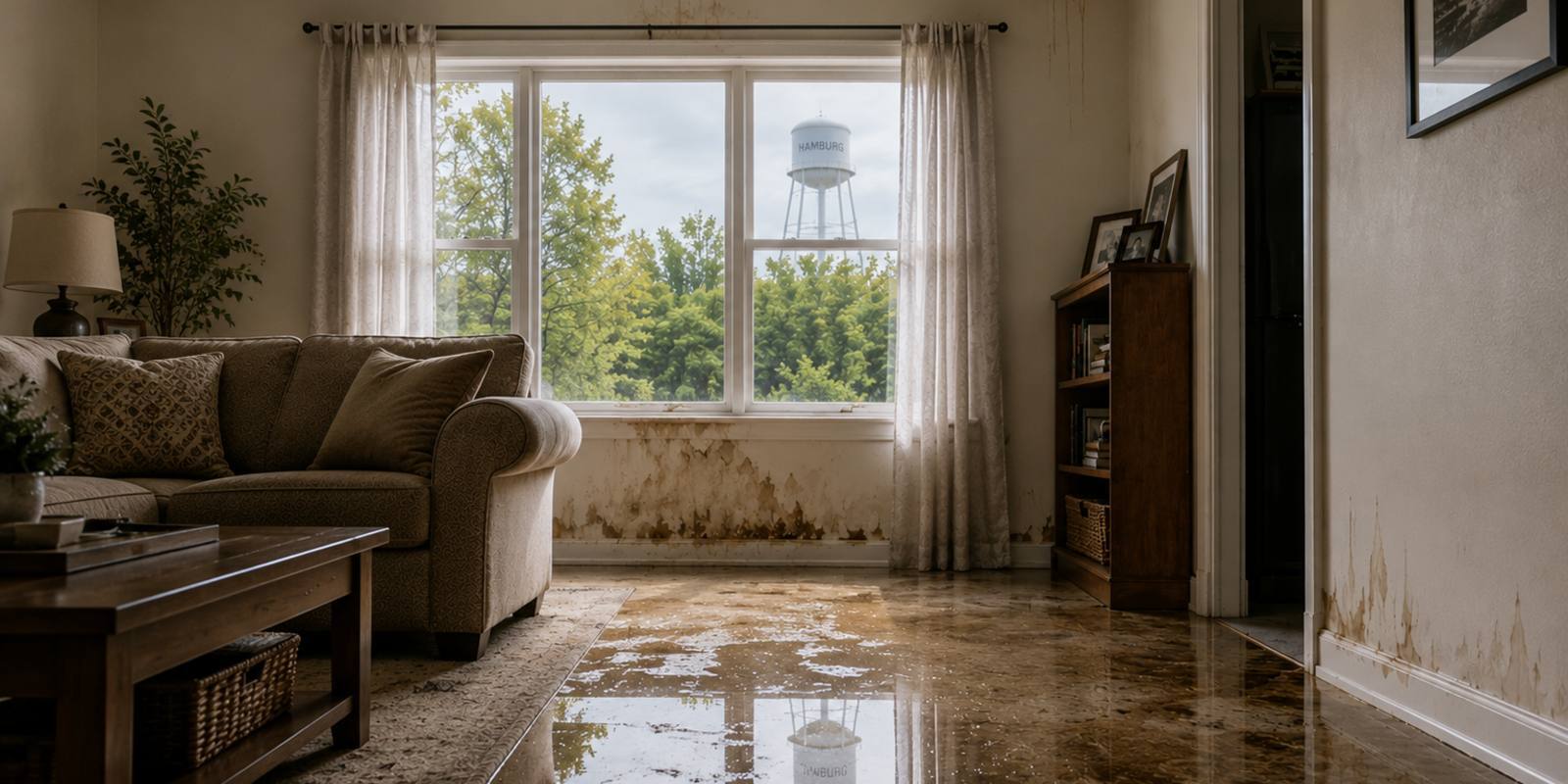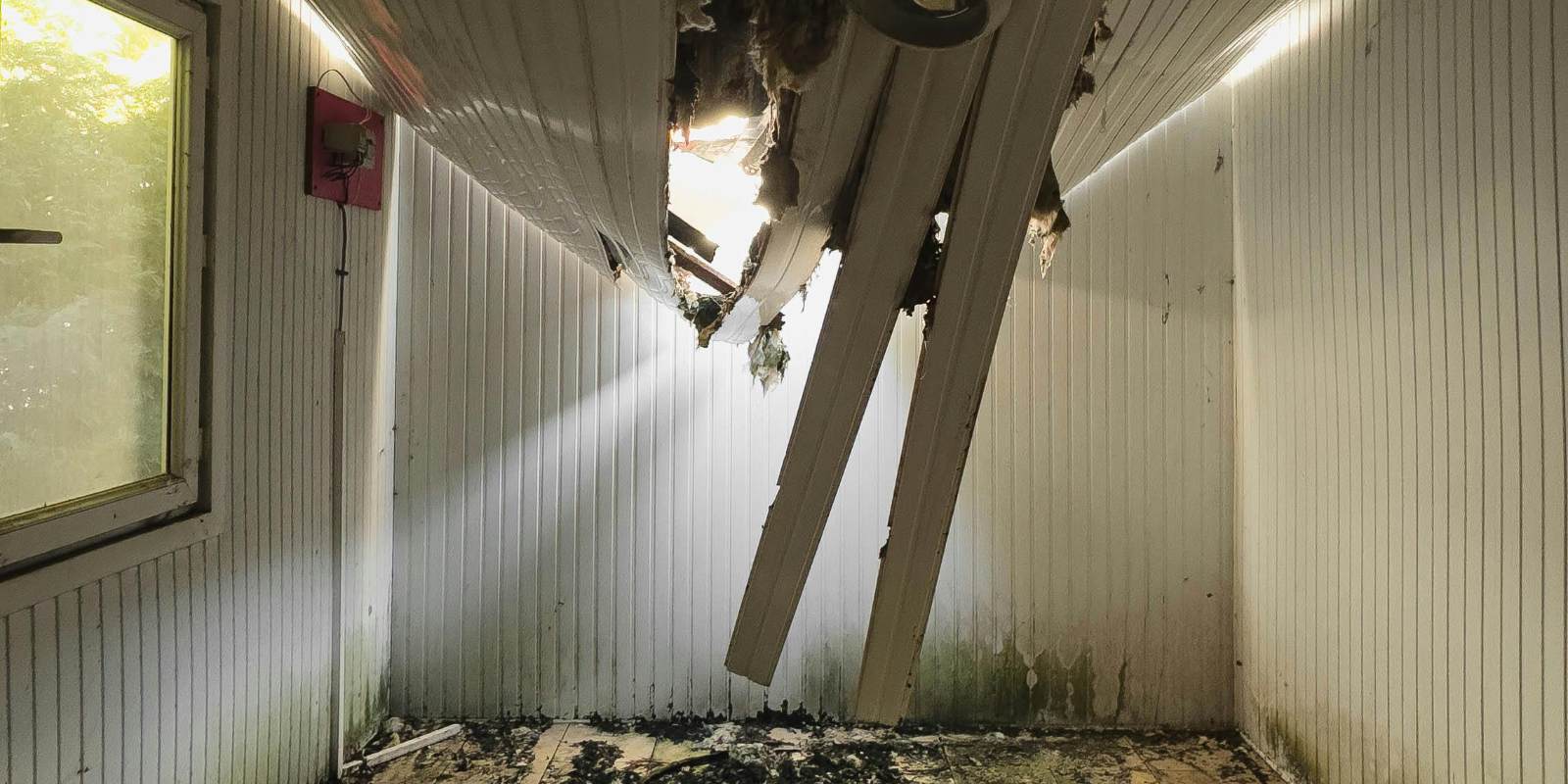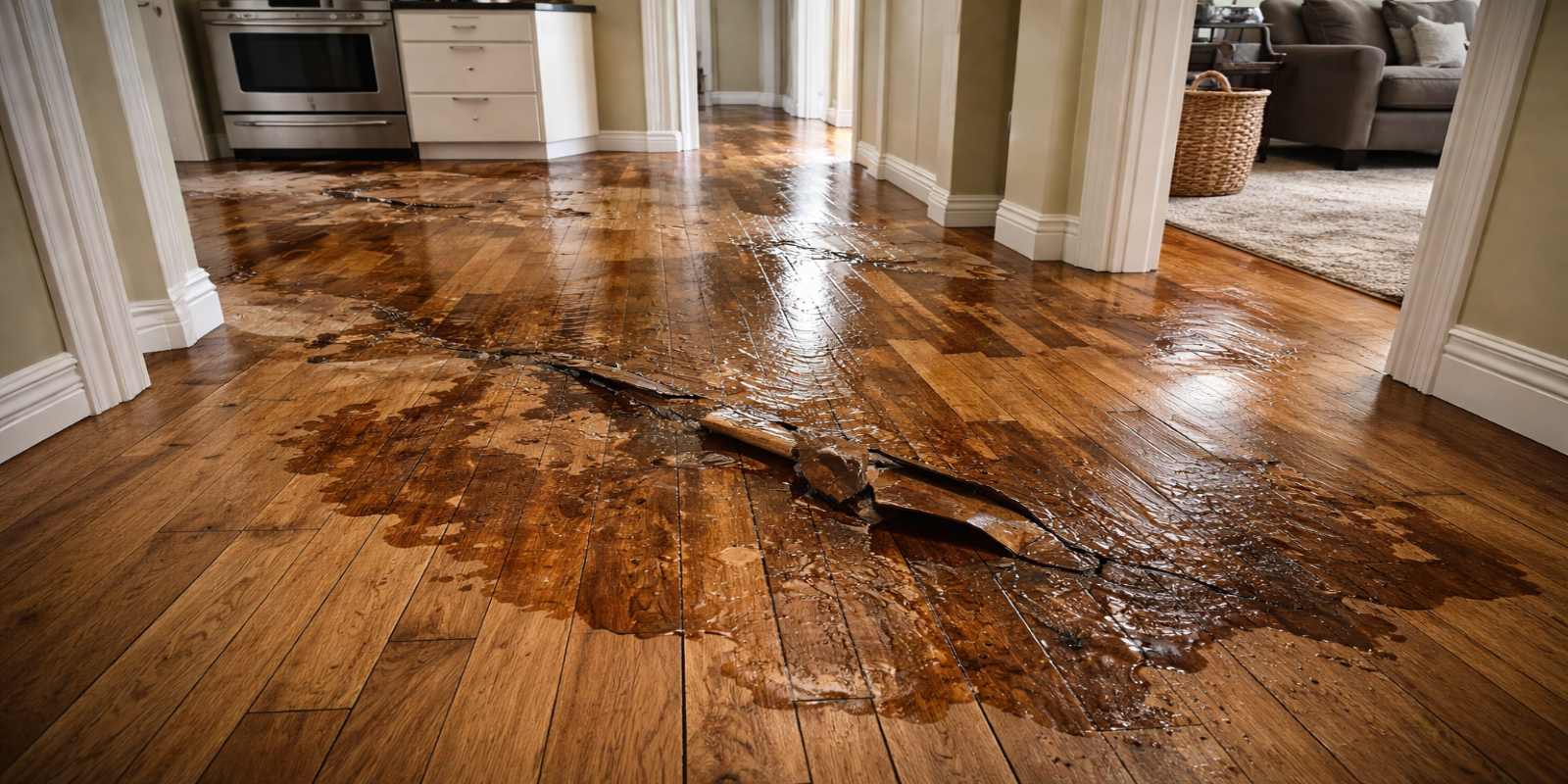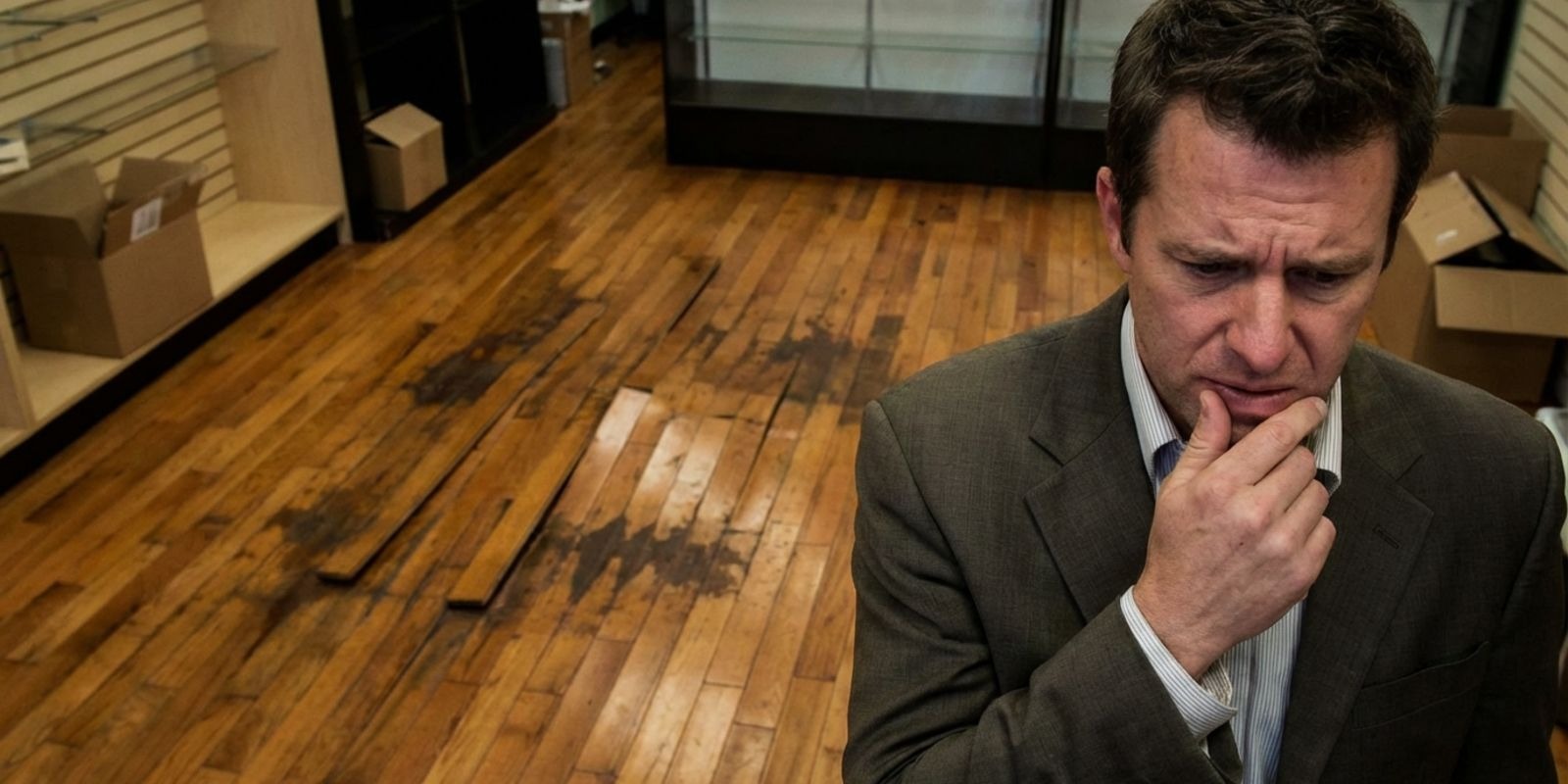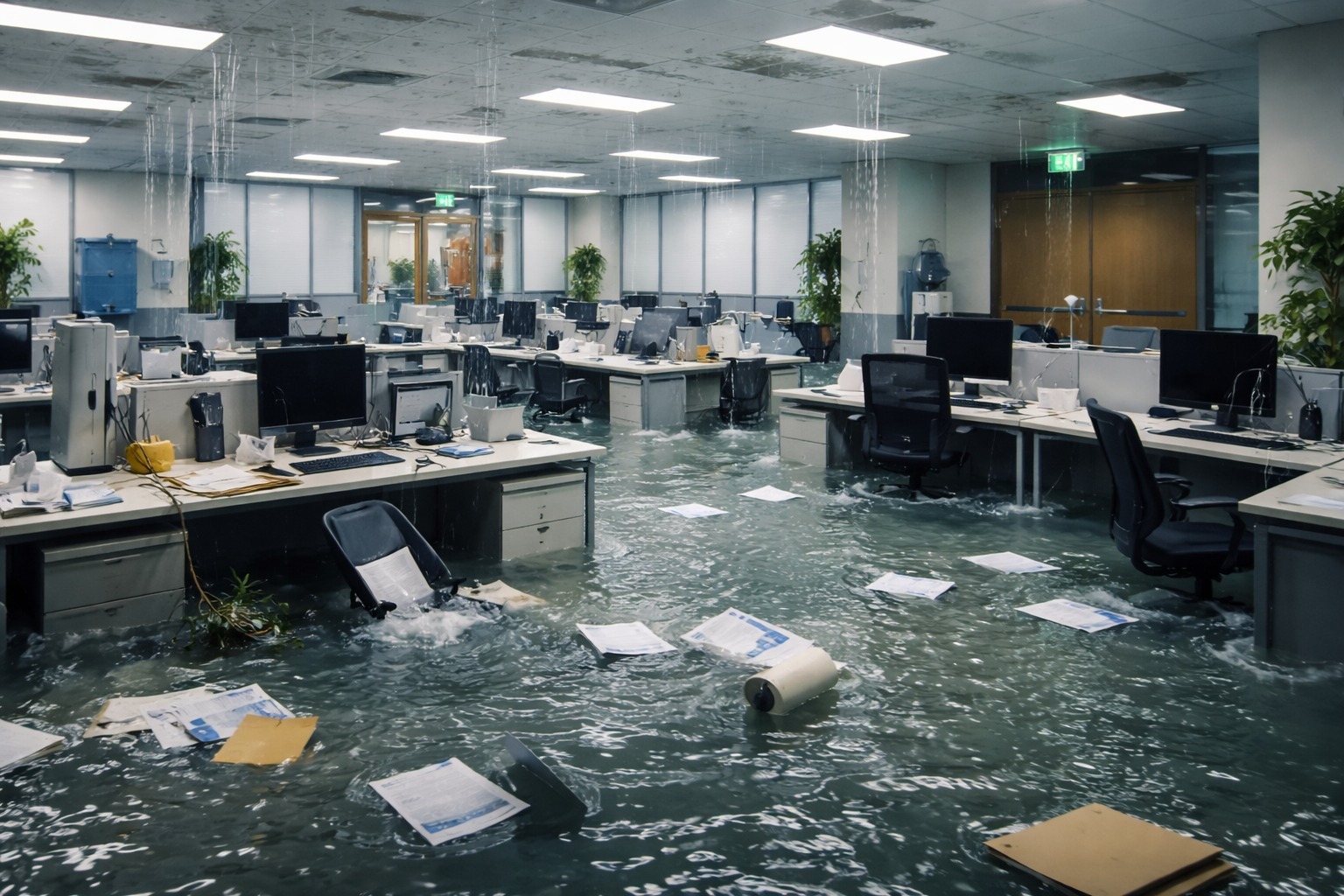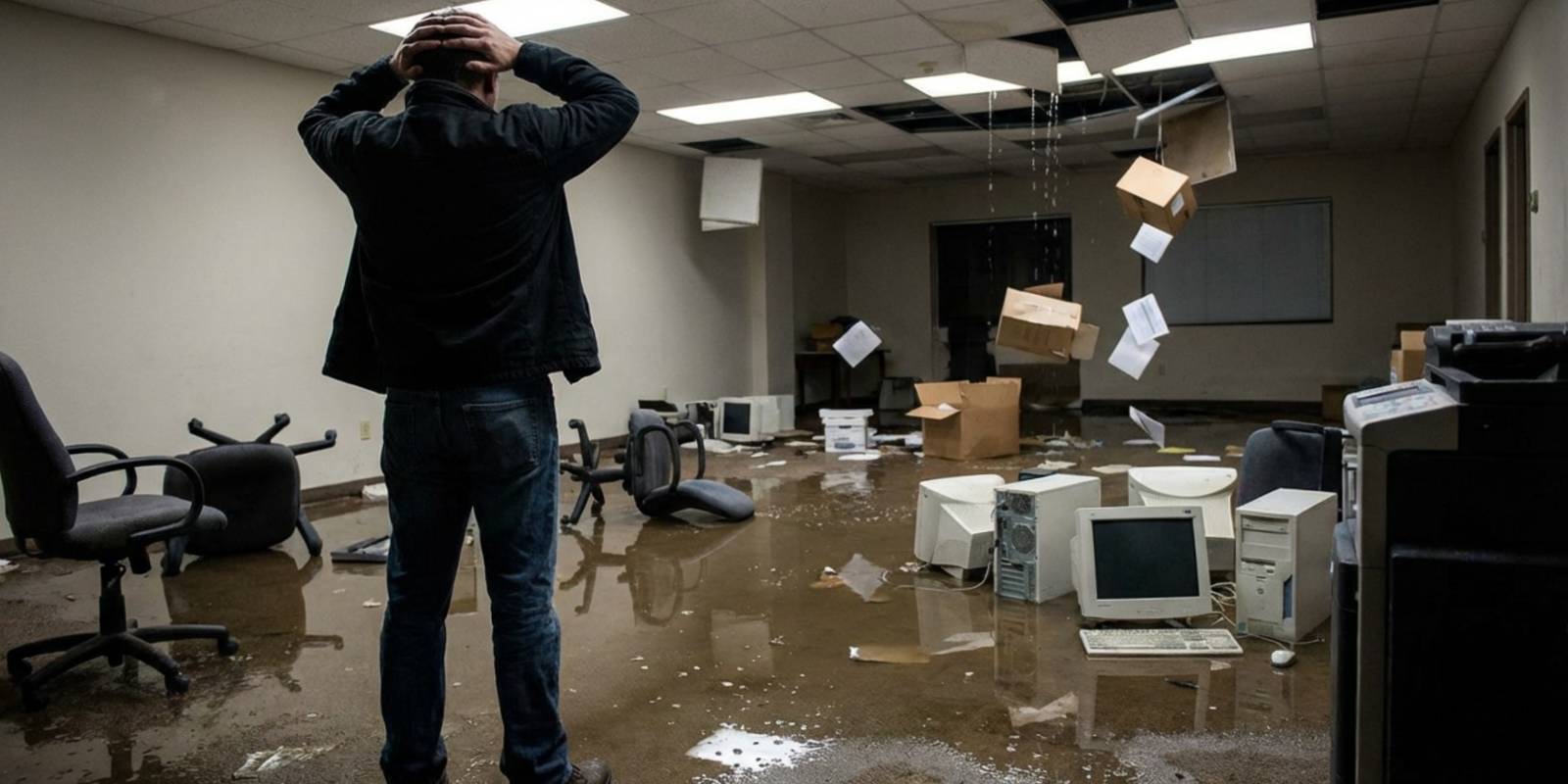

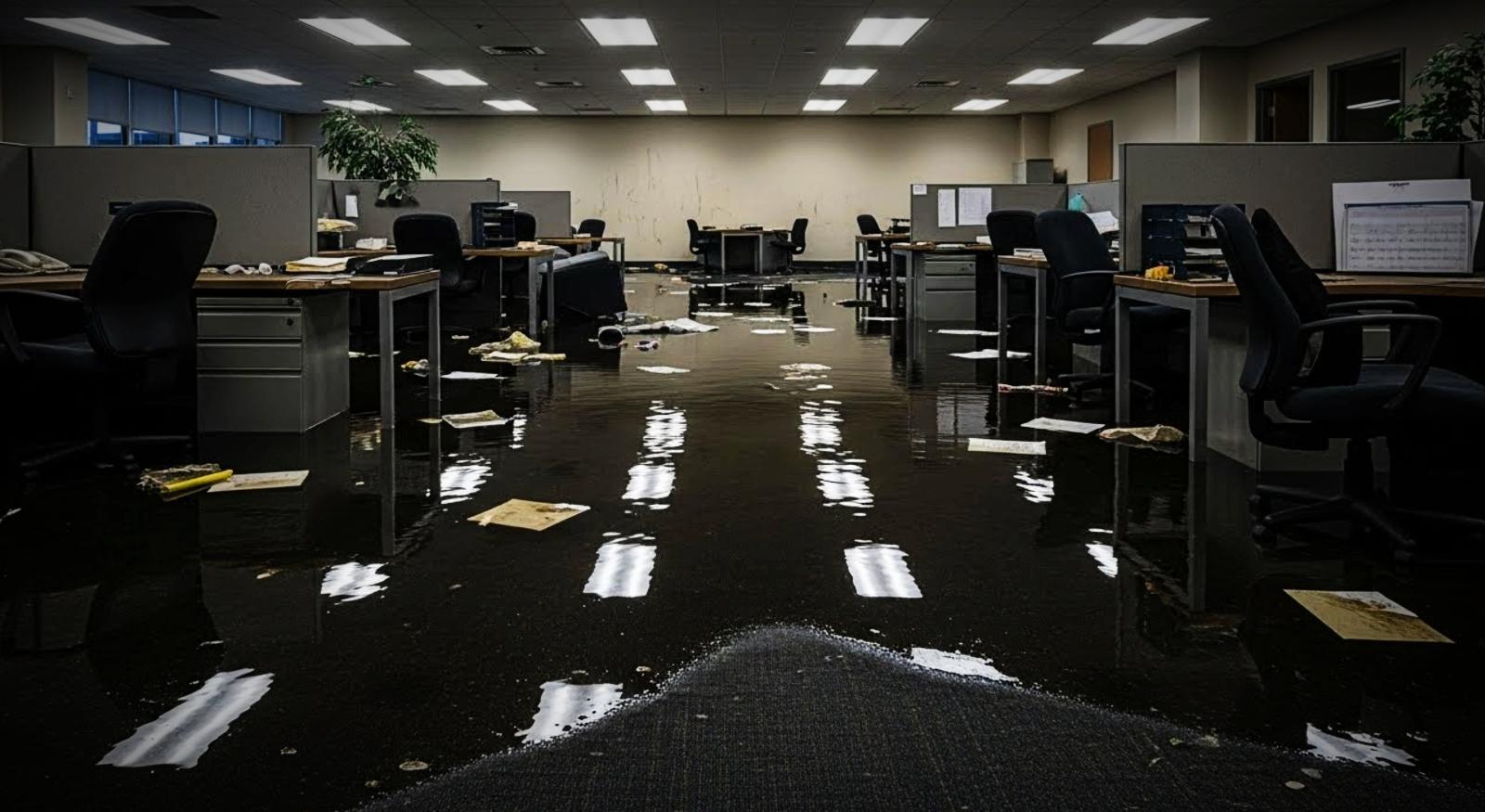
It's the first day of what promises to be a long week. You unlock the office in the morning, and you immediately feel something is off. A sour, strange odor sneaks up. You follow it only to find dark water seeping from a floor drain into your floor. Suddenly, your regular workday becomes a business emergency.
At Restore-It, we have helped offices, schools, clinics, warehouses, and other businesses recover from water damage. And we can tell you from the jump: dealing with a sewage backup is no easy task. Having this experience under our belt, we will teach you more about the restoration process and how you can help.
Let's learn some important things, such as: how the three categories of water damage are defined; how Category 3 water can affect your business; the real health dangers to staff and visitors; and the safety-first steps you should take.
The Three Categories of Water Damage
Let’s start with the basics. So the Institute of Inspection, Cleaning, and Restoration Certification (IICRC) is a nonprofit organization that sets the industry standards followed by most (if not all) restoration companies. One of those is the IICRC S500 standard, which groups water into three categories based on contamination and health risk:
Category 1: Clean Water
Water from a sanitary source, such as a broken supply line or faucet. At the source, it does not contain significant contamination. However, if it comes into contact with dirty surfaces or is left standing, it can quickly become more contaminated.
Category 2: "Gray" Water
Water contaminated with significant levels of contaminants can cause discomfort or illness if swallowed. Examples include dishwasher or washing-machine overflows or toilet overflows on the “clean” side of the trap. Over time and with warm temperatures, Category 2 water can deteriorate into Category 3.
Category 3: "Black" Water
Water that is grossly contaminated and may contain pathogenic (disease-causing) or toxigenic agents. IICRC and other guidance list these common sources:
- Sewage and waste-line backflows from beyond a plumbing trap
- Floodwater from rivers or streams entering the building
- Rainwater or outside water that has flowed across contaminated ground
- Standing water that has supported heavy microbial growth
Once water is Category 3, it is treated as a biohazard. The goal is not only to dry the structure, but to reduce health risks for everyone who uses the building.
How Category 3 Water Impacts Your Business
1. Health and Safety Risk
Sewage and sewage-contaminated water can contain a mix of bacteria, viruses, and parasites that cause gastrointestinal and other illnesses. The Centers for Disease Control and Prevention (CDC) lists organisms such as Escherichia coli, Salmonella, Campylobacter, Giardia, Cryptosporidium, and Hepatitis A among diseases linked to sewage exposure.
Both the CDC and the Occupational Safety and Health Administration (OSHA) acknowledge the health hazards of contact with raw sewage. OSHA mandates the use of personal protective equipment (PPE) for employees who may come into contact with it. Simply speaking, unprotected staff, customers, students, or patients should not be in areas affected by Category 3 water.
2. Business Interruption
A category 3 loss can force you to close part or all of the building. Staff may have to work remotely, be relocated inside the facility, or be sent home while cleanup and drying are completed. This can lead to missed deadlines, contract penalties, and lost customers (especially for small and mid-sized businesses).
3. Regulatory and Reputation Risk
For healthcare, food service, childcare, and other regulated sectors, a sewage event can trigger additional inspection and documentation requirements. If the incident is not handled correctly, you risk employee complaints, regulatory penalties, and even legal troubles.
On top of that, failure to act appropriately can permanently damage your business reputation. The way you respond during the first 24 to 48 hours can influence both the total cost of the loss and your clients' long-term trust.
Health Dangers for Staff and Visitors
In a busy commercial building, exposure can happen in several ways:
- Skin contact with contaminated water or wet materials, especially if there are cuts, scrapes, or rashes
- Hand-to-mouth transfer after touching contaminated surfaces and then eating or touching the face
- Inhalation of aerosols or dried residues that become airborne during cleanup
Symptoms from sewage-related pathogens often include diarrhea, vomiting, stomach cramps, and fever. Vulnerable groups, such as older adults, people with weakened immune systems, and those with chronic illnesses, may face more serious complications.
Because some pathogens (like norovirus) can survive on surfaces for days or longer, proper cleaning and disinfection are essential before spaces are reoccupied.
What to Do If You Have a Category 3 Loss
If you suspect sewage or other category 3 water in your office or building, use this safety-first checklist:
1. Protect people immediately
- Keep employees, customers, and visitors away from the affected area.
- Close off impacted rooms with doors or temporary barriers if possible.
- Do not let anyone without appropriate PPE walk through the water.
2. Avoid unsafe DIY cleanup
- Do not use household vacuum cleaners or fans; they can aerosolize contaminants and spread them.
- Do not try to save sewage-soaked carpet, pad, drywall, or insulation.
3. Call a professional restoration company
- Contact an IICRC-certified restoration company for water damage and biohazard cleanup.
- A professional team should:
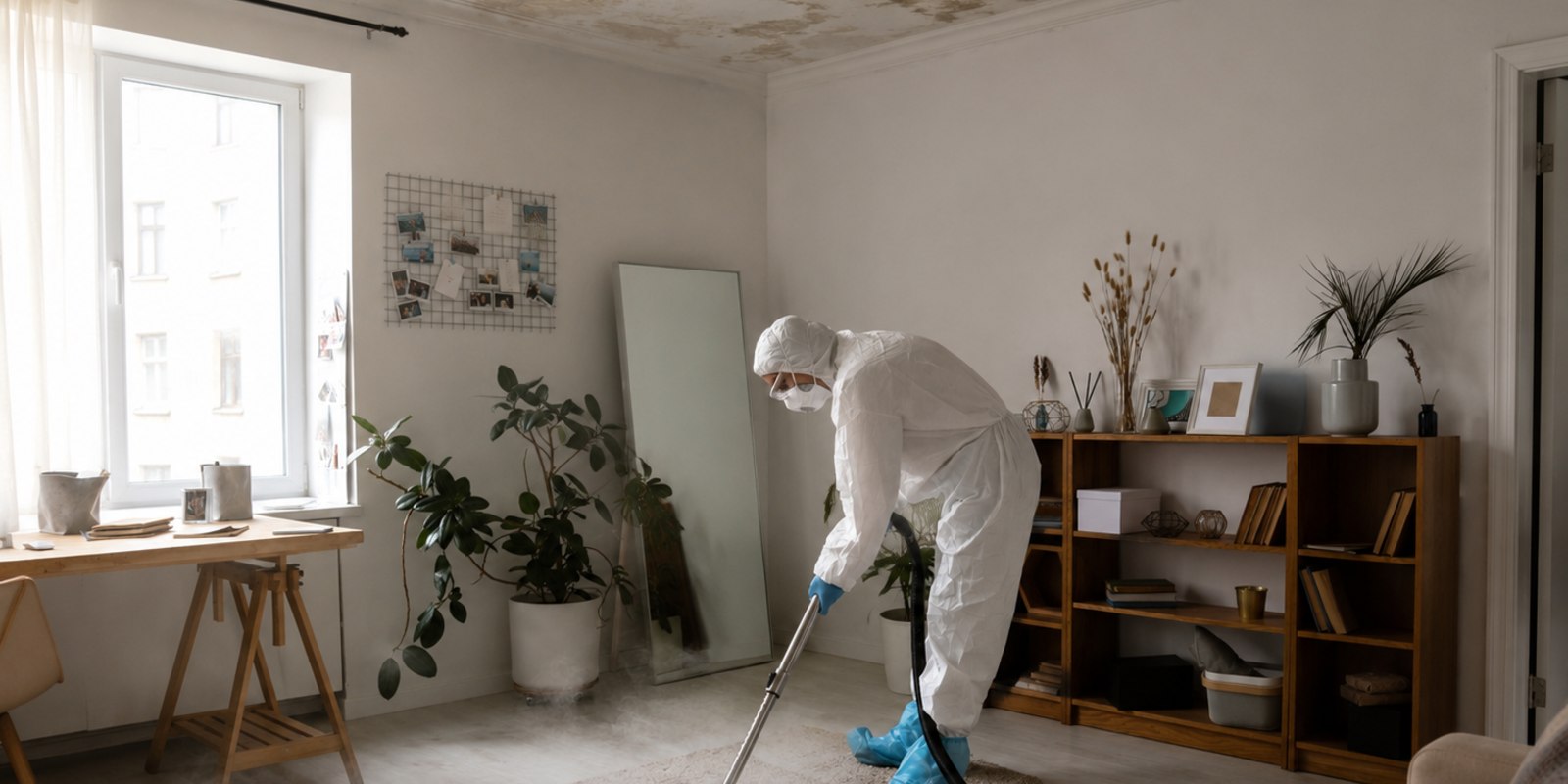
- Use appropriate PPE
- Extract contaminated water
- Set up containment areas and HEPA air filtration
- Remove unsalvageable materials
- Clean and disinfect remaining surfaces
- Dry the structure to industry-accepted moisture levels
4. Notify your insurance agent or carrier
- Report the loss as soon as possible and ask about coverage for sewer backup and business interruption.
- Take photos or video of the damage if you can do so safely before extensive demolition begins.
5. Document and communicate
- Keep notes on when the event occurred, what areas were affected, and what was done.
- Save all reports and invoices from the restoration company.
- Communicate clearly with employees about what happened and when it will be safe to return. This can reduce anxiety and protect the team’s morale.
6. Plan for temporary operations
- If possible, relocate staff to unaffected parts or enable remote work.
- For customer-facing operations, post honest updates about temporary closures or limited services.
From Panic to Prepared: Your Next Move
In this article, you learned how water damage categories work and why category 3 water damage is a serious health and business risk. When a sewage backup hits your building, knowing how to respond calmly and correctly matters more than reacting out of panic. At Restore-It, we have extensive experience helping commercial clients recover from sewage backups and other category 3 water losses while protecting their teams and their customers. For a deeper look at what happens during cleanup, we recommend reading our blog article “How Does Professional Sewage Damage Restoration Work?”
If your business is facing a sewage backup or Category 3 water damage, call Restore-It for 24/7 commercial restoration services. Our team can help you protect your people, your property, and your profits.
Topics: