
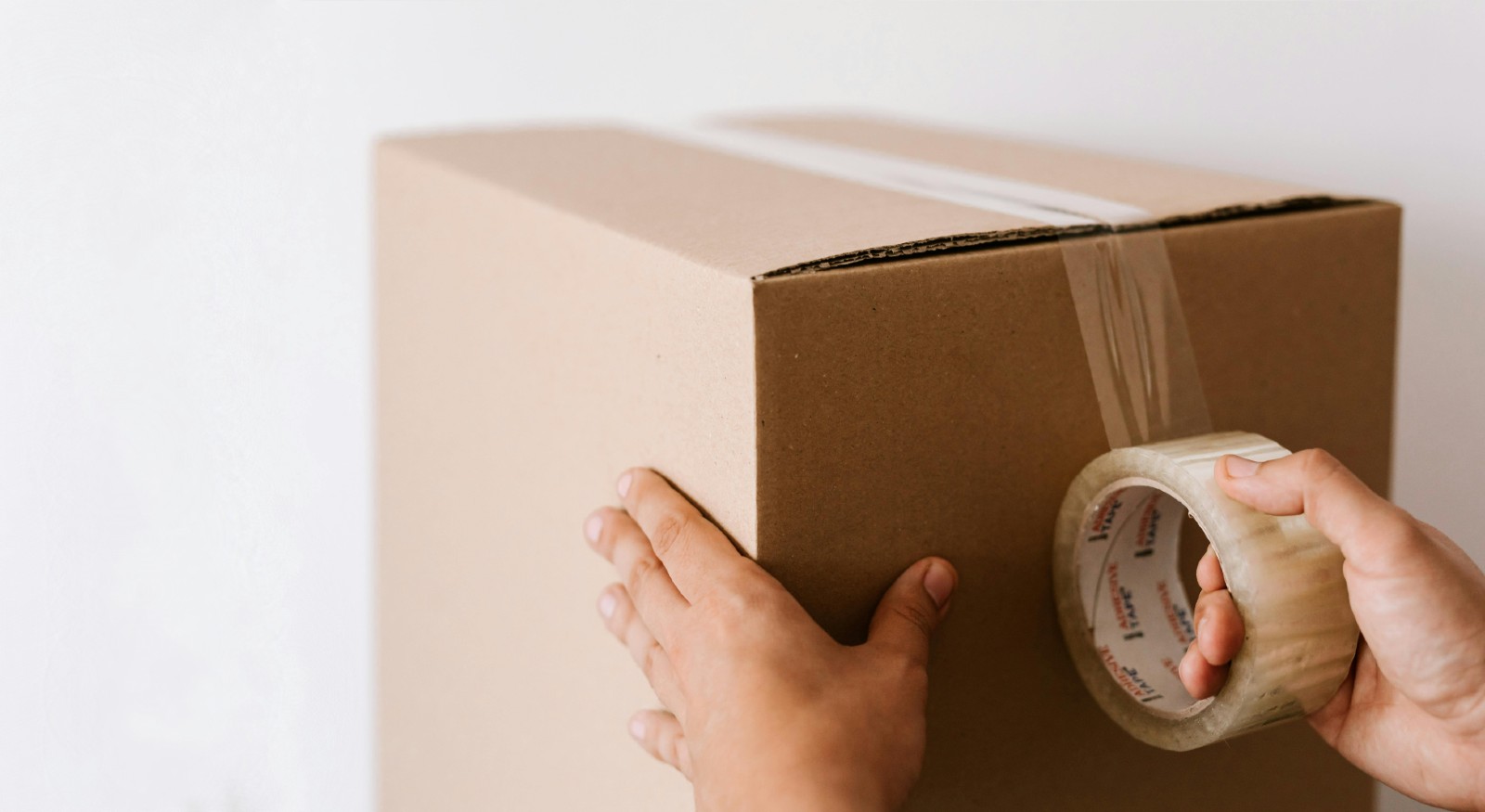
When a disaster strikes your home, you may need to face major renovations. Walls, floors, and even ceilings may need to be removed during the restoration process, depending on your case. While demolition and reconstruction are going on, you might wonder about your other stuff. What about photos, furniture, clothes, and other heirlooms?
At Restore-It, we have helped hundreds of families in South Arkansas recover from disasters. And today we are going to talk about the process of packing out your contents and how we work to restore them (if it's possible).
To put those worries away, today we are going to have an honest conversation about "pack-out" (and pack-back). We will discuss when it is needed, how inventory is conducted, and a bit about the cleaning process to restore affected items. By the end, you will have a clearer picture of how professionals protect your content.
What is a "Pack-Out" and When is It Used?
In restoration, a pack-out usually means the professional process of assessing, inventorying, packing, and moving personal property from a damaged building to a secure off-site facility for cleaning and storage. The IICRC (Institute of Inspection, Cleaning and Restoration Certification), which sets many of the industry's standards, includes pack-out as part of the restoration process.
Depending on the damage and the specific scenario, a pack-out may not be necessary. For a small leak, only the directly affected items may need to be moved. But for more serious events like fire, heavy smoke, sewage, or widespread mold, removing contents can help:
- Protect items from further damage (like from acidic soot or mold spores)
- Give reconstruction crews enough space to work safely
- Allow specialized cleaning in a controlled environment
The goal is to give it the best chance at being restored and safely stored while the building itself is repaired.

Step 1: Digital Inventory and Chain of Custody
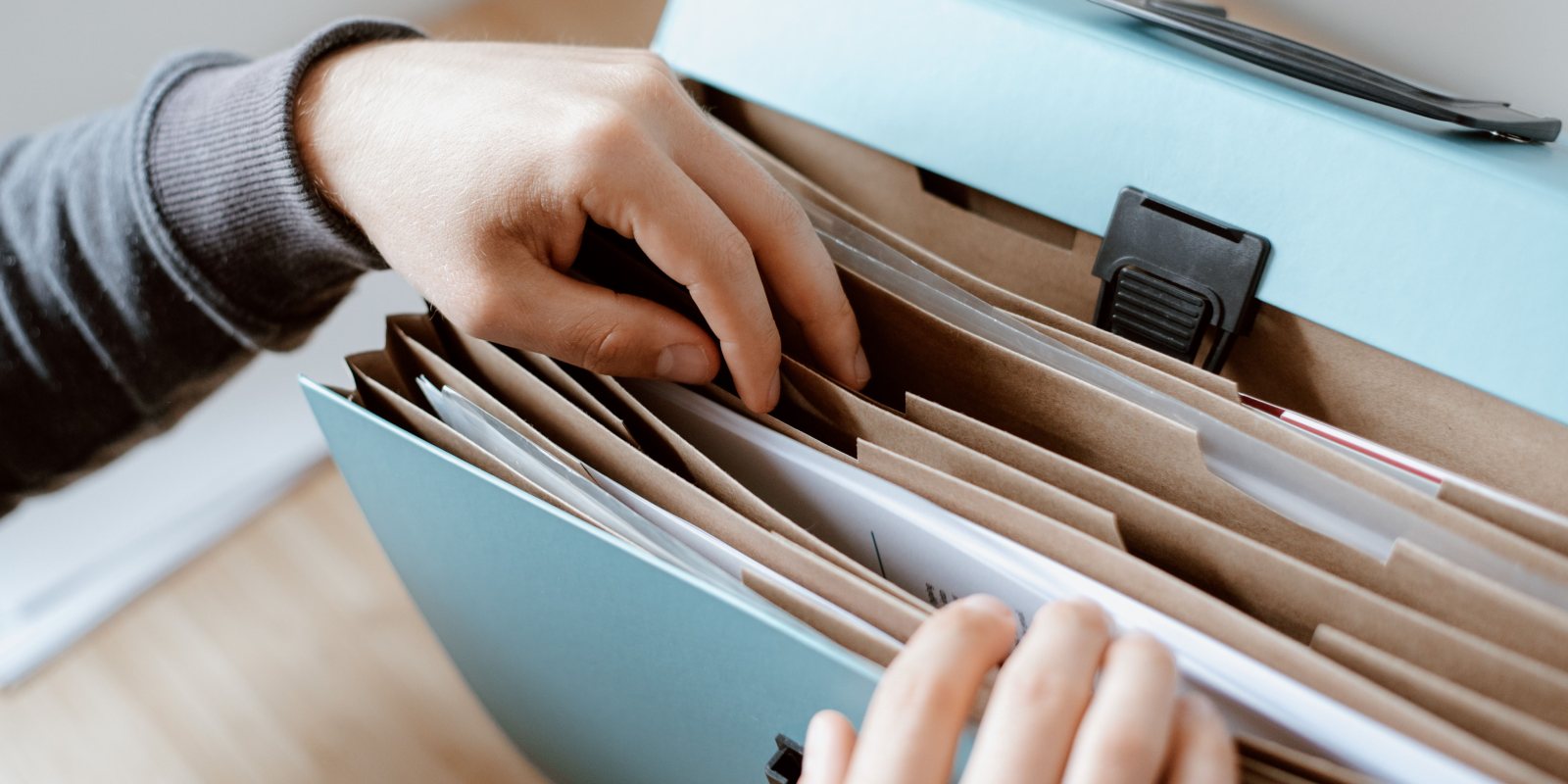
In the past, content inventory was often done on paper with vague labels like "box of books." Today, most restoration companies use digital inventory software (such as Jobdox) to capture photos, item details, and locations in a single system and generate reports for you and your insurer.
A typical modern contents inventory may include:
- Barcodes or labels on every box and on larger individual items
- Photos of each item or group of items, often including notes about pre-existing dents or scratches
- Room-by-room lists that indicate where each item came from
Some platforms even allow homeowners or adjusters to log in to a portal to view the inventory, photos, and item status in real time. While no system is perfect, this dramatically reduces the risk of lost items compared to handwritten lists.

Step 2: Triage and What Can Be Saved?
Not everything can be cleaned or is worth cleaning. After your belongings are inventoried, the contents team works with you and your insurance adjuster to sort items into three broad groups:
- Restorable items: Things that can be cleaned and safely returned, such as many types of furniture, electronics, clothes, and decor
- Non-restorable or "total loss" items: Things that are burned, melted, severely contaminated, or cost more to clean than to replace
- Immediate-need items: Essentials like a week’s worth of clothing, work laptops, prescription medications, and favorite children’s items are prioritized for quick cleaning and return
Photos and descriptions of non-restorable items are usually added to a total-loss list or schedule of loss for inclusion in the insurance claim. Restoration companies and adjusters rely on these lists and photos to decide what will be cleaned and what will be replaced.
Extra Note: You should be involved in decisions about sentimental items. Some belongings may not have high dollar value but are emotionally significant, which might justify the cost and effort to restore them.

Step 3: How Your Belongings Are Cleaned
Modern restoration companies rely on specialized equipment designed to remove soot, odors, and contamination.
Ultrasonic Cleaning for Hard Goods
These machines use high-frequency sound waves in a tank of water or cleaning solution to create microscopic bubbles. These bubbles collapse against surfaces and help dislodge soot and soil from tiny crevices without heavy scrubbing. These ultrasonic systems can clean delicate items such as fine china, figurines, glassware, and some electronics and collectibles after fire or water damage.
Specialized Washing for Soft Contents
Soft goods like clothing, bedding, shoes, and stuffed animals may be cleaned using advanced wash systems such as the Esporta Wash System. This system can remove over 99% of contaminants and decontaminate items exposed to sewage, smoke, and other biohazards, restoring them to a "food grade" level of cleanliness.
This does not mean every item will look new, but it does show that heavily contaminated textiles, like clothes from a fire or a sewage backup, can often be safely restored rather than thrown away.
Ozone and Hydroxyl for Smoke and Odor
For soft furniture and other odor-damaged items, restoration companies may use ozone chambers or hydroxyl generators. Ozone machines and hydroxyl technology are widely used to break down smoke odor molecules and improve air quality after fires.
- Ozone is usually used in sealed spaces with no people or pets
- Hydroxyl generators are described as a gentler option that can be used in occupied areas, depending on conditions.
No technology can guarantee that every item will be saved, and some items may remain stained or slightly discolored. But these tools significantly increase the number of belongings that can be cleaned, sanitized, and returned.

Step 4: Secure Storage and Delivery Back Home
Once items are cleaned and dried, they are typically:
- Re-boxed and re-labeled, keeping barcodes consistent
- Placed in wooden or plastic vaults or on shelves in a secure, often climate-controlled warehouse
- Kept off the floor and away from active construction areas
When your home is ready, the contents crew schedules the pack-back. Items are scanned out of storage and scanned in at your home, following the same room-by-room structure used during the original pack-out. This helps ensure that boxes are delivered to the correct rooms.
It is still wise for you to walk through the home, compare your inventory to what is returned, and flag any missing or damaged items so they can be addressed with the contractor and your insurer.
How to Protect Yourself and Your Belongings
You cannot prevent a disaster from happening, but you can take steps to feel more secure during a pack-out:
- Ask about the inventory system
- Point out fragile and high-value items
- Keep key documents with you
- Review the non-restorable list
Consumer guides and industry standards emphasize communication and documentation as the best ways to reduce stress and disputes.
Understanding Pack-Outs and Contents Restoration
A pack-out is a systematic, secure process for inventorying, cleaning, and storing your belongings. This addresses concerns about loss or improper disposal of salvageable or valuable items by outside parties. Having learned about this process should make you feel more comfortable with your restoration project.
For a deeper look into how we work, you can check other articles, such as what happens if your contents cannot be restored, learn more about the special washing system we use during restoration, and explore Restore-It's approach to professional odor removal.
If your Arkansas home has suffered fire, smoke, sewage, or heavy water damage and you are worried about the safety of your belongings, call Restore-It today for 24/7 restoration services. Together we will protect what matters most.