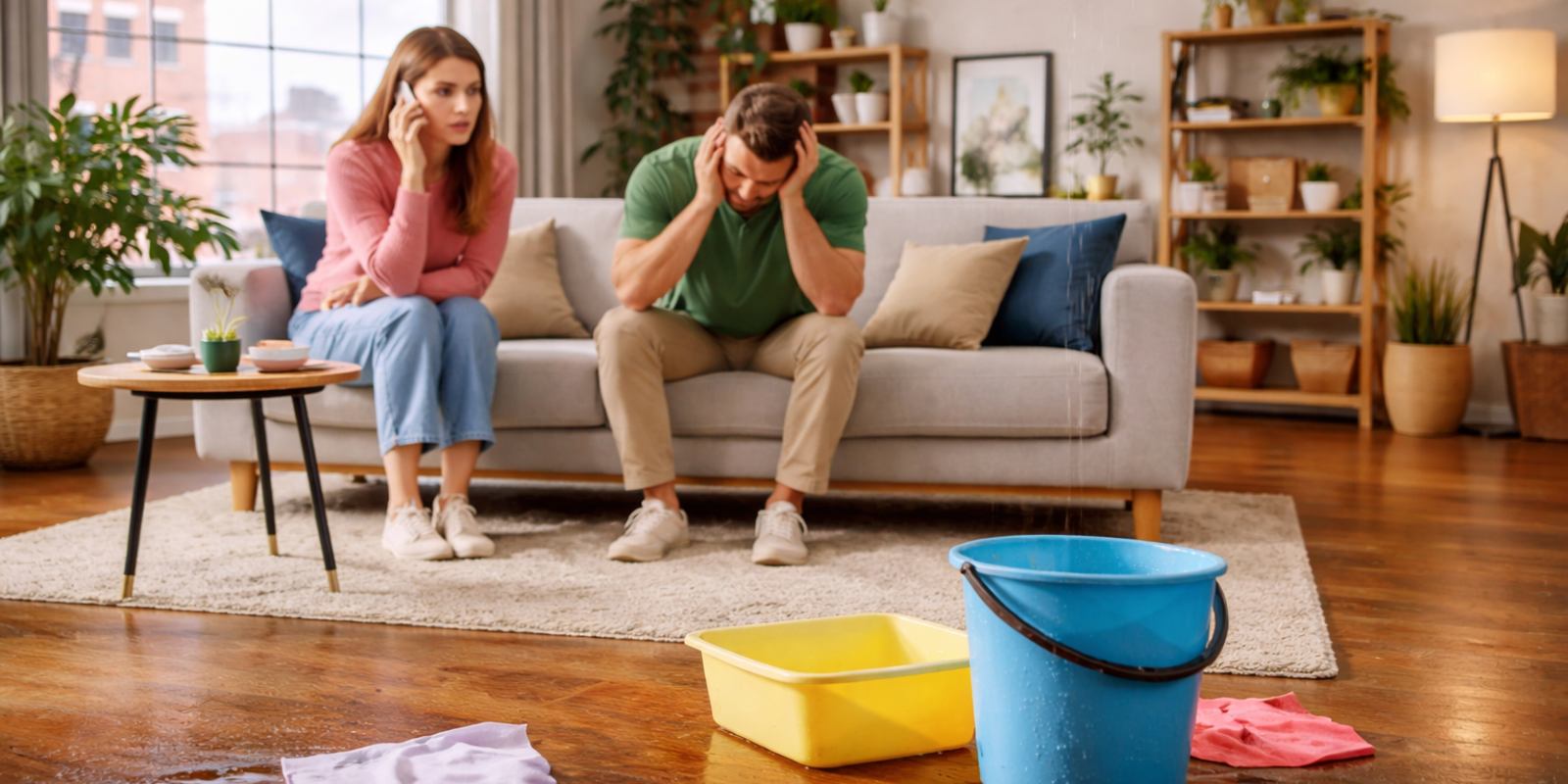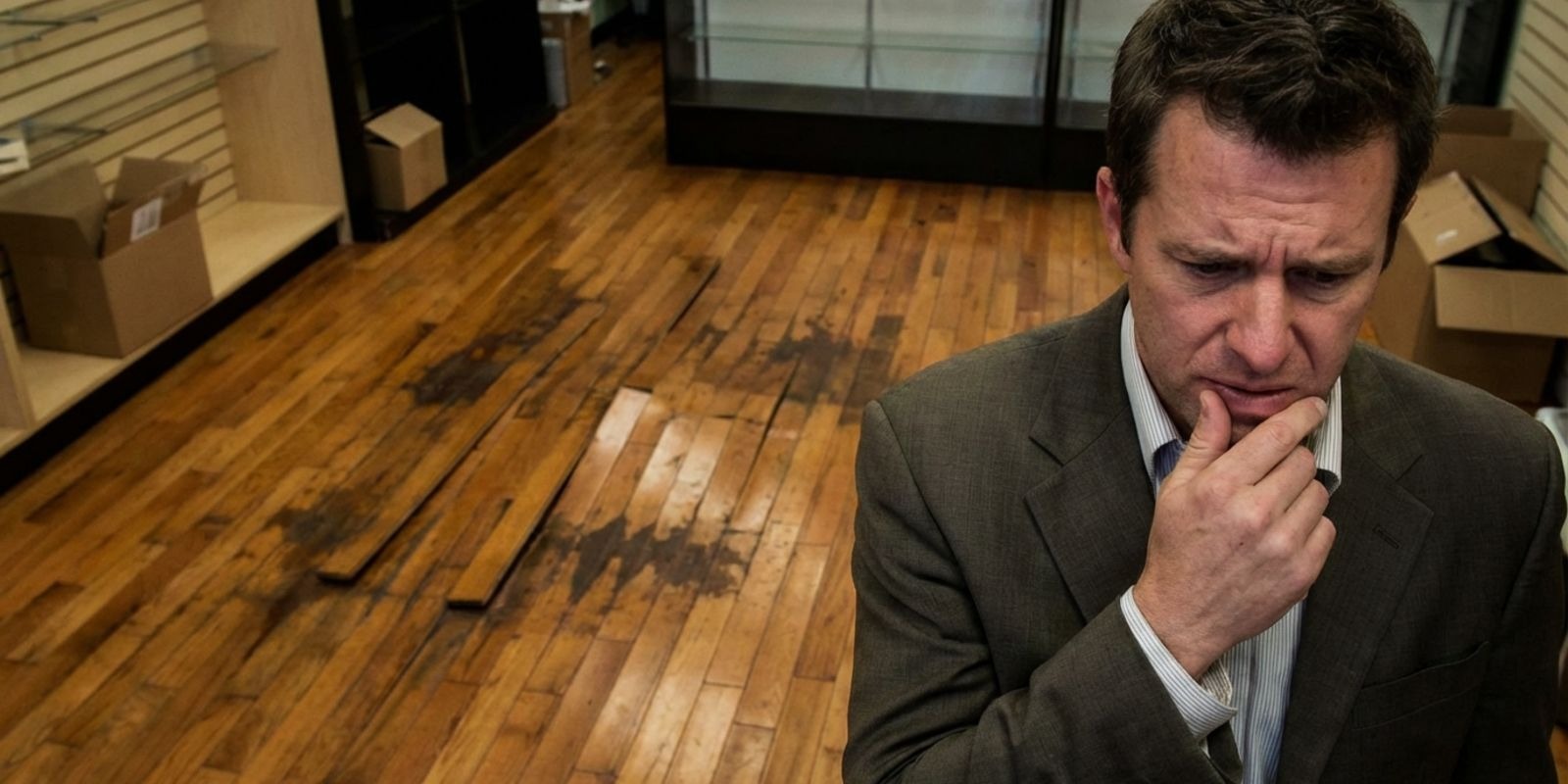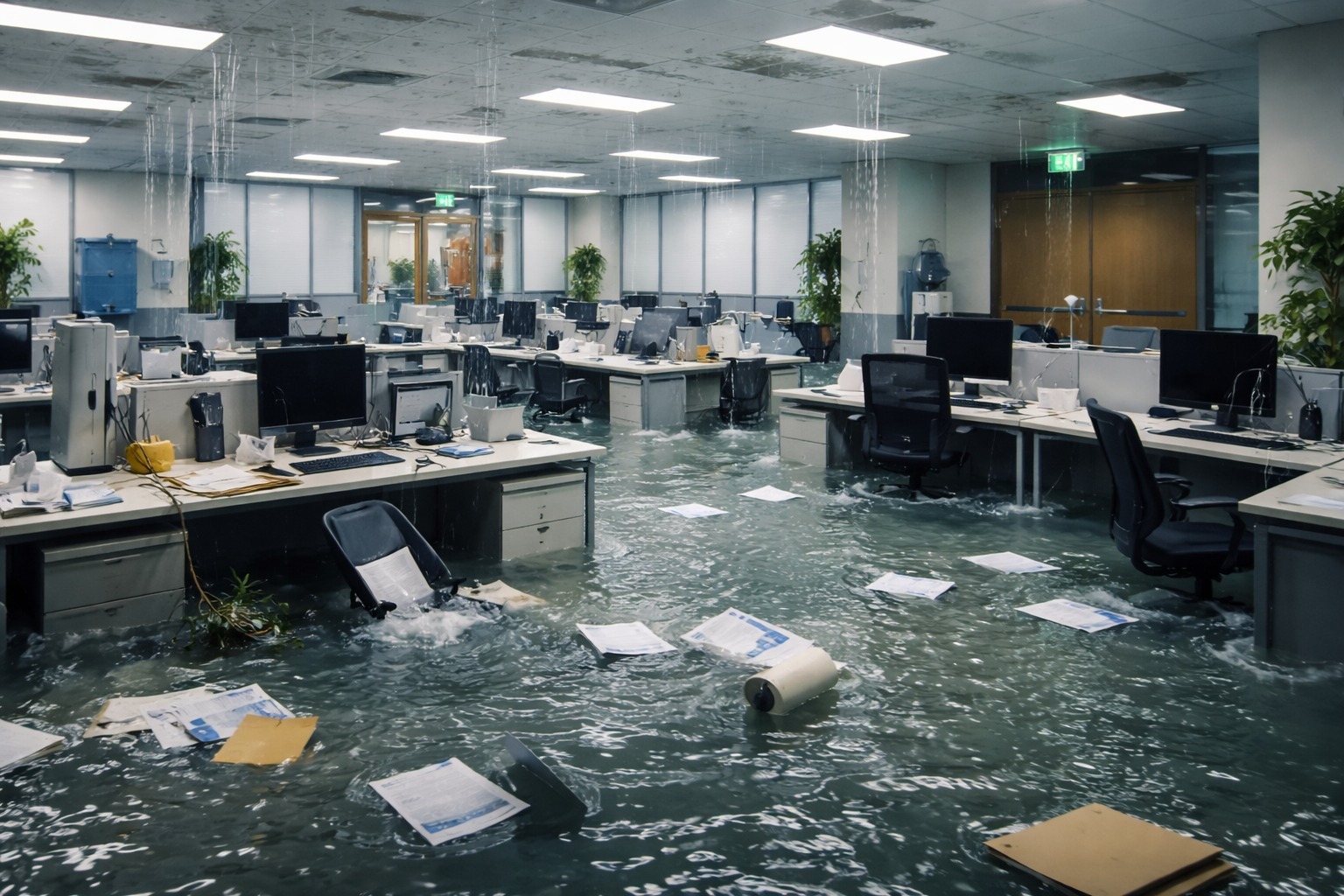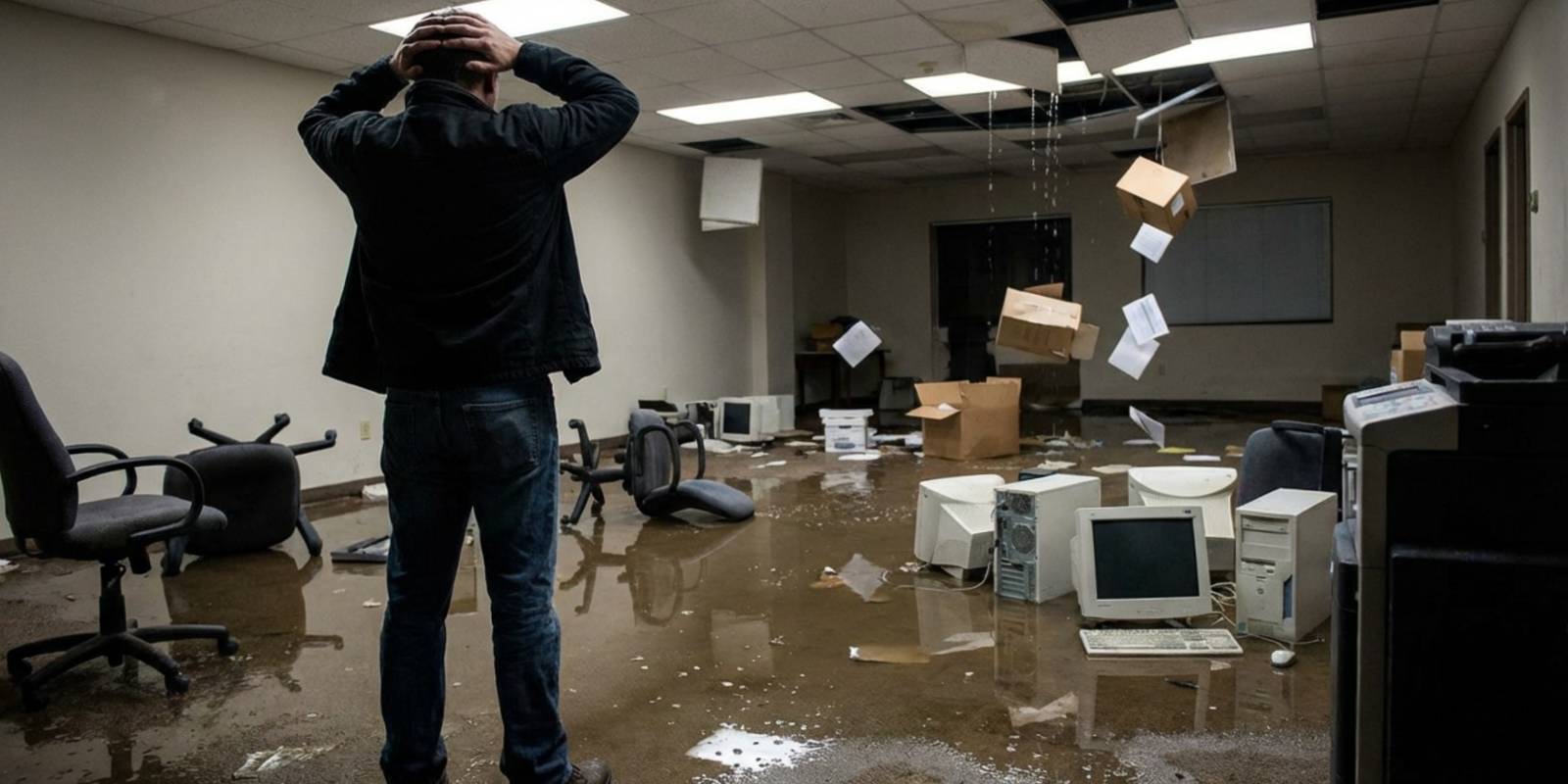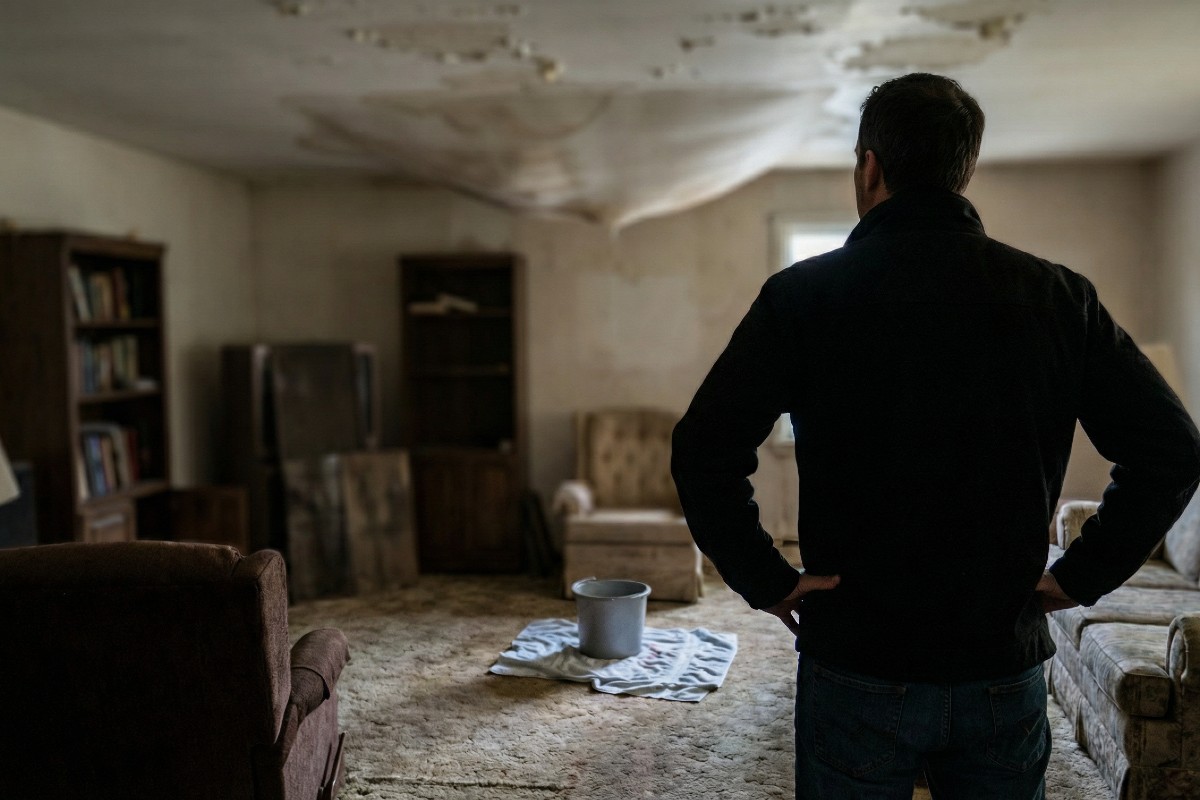

The last week of December feels like a break for your business. Offices are quiet, lights are off, and a "skeleton crew" makes quick rounds while everyone else enjoys the holidays. It is tempting to think that a locked, empty building is a safe building. But when freezing weather and plumbing problems collide with an empty facility, that silence can hide a growing disaster.
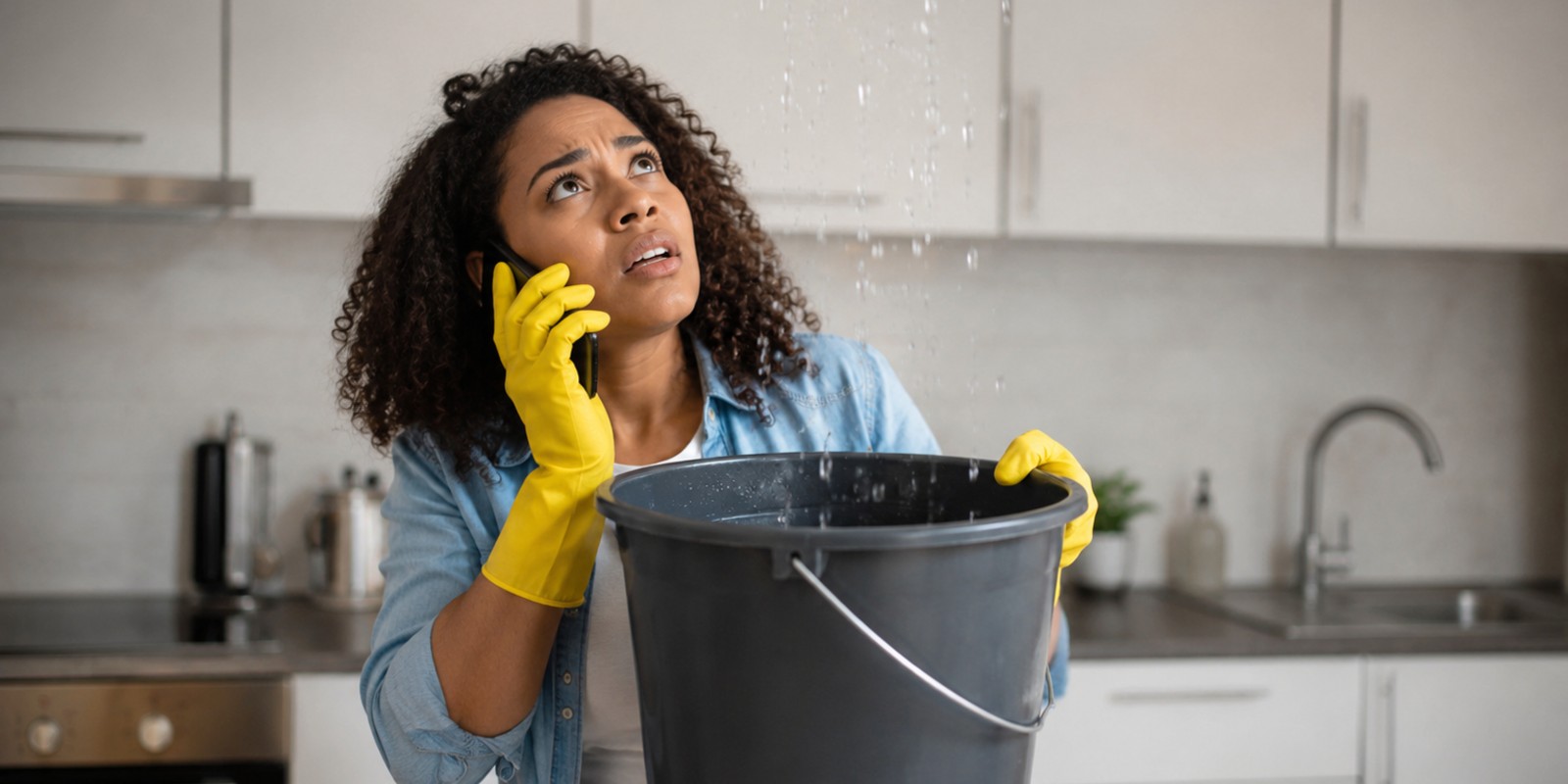
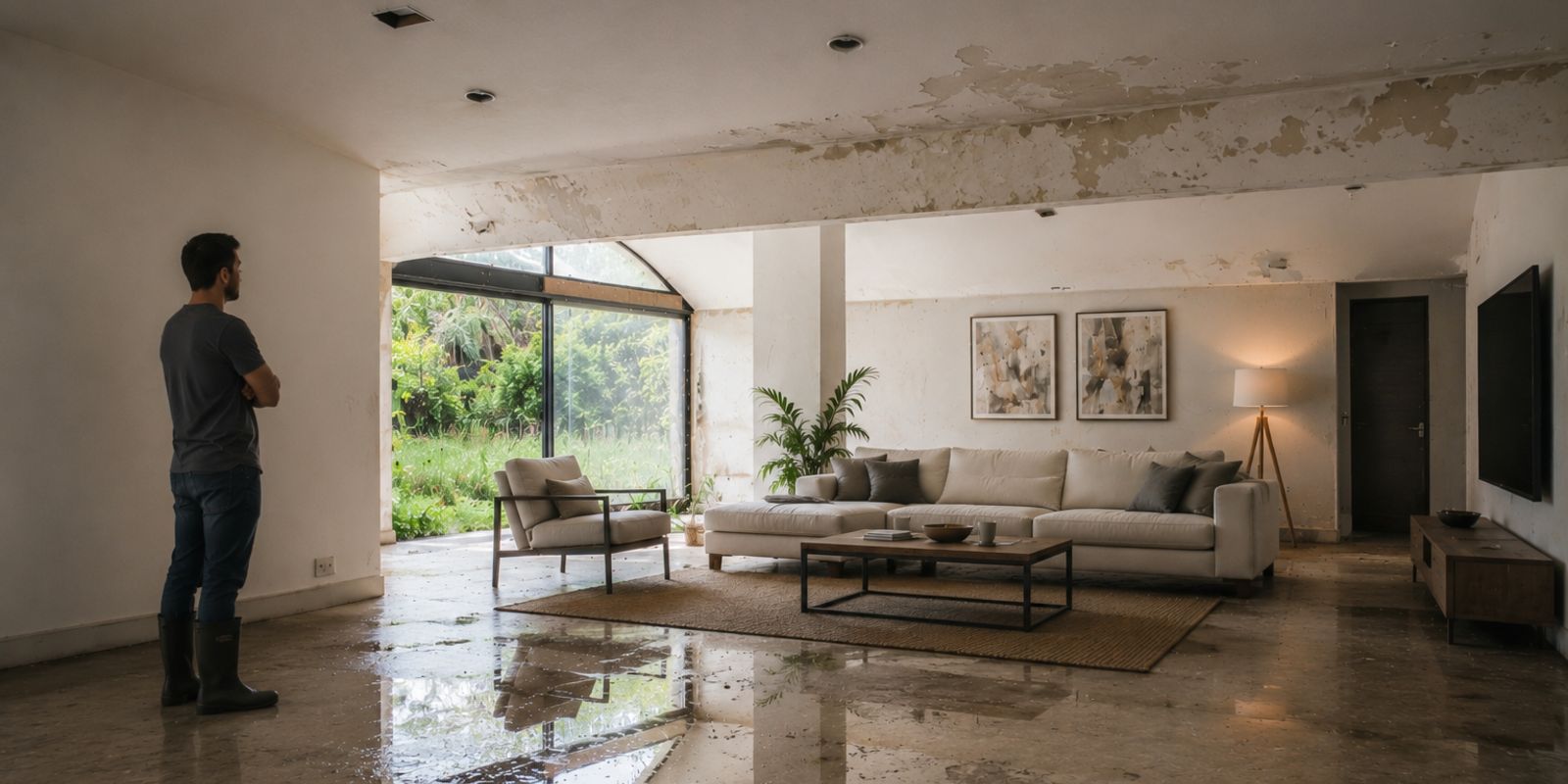
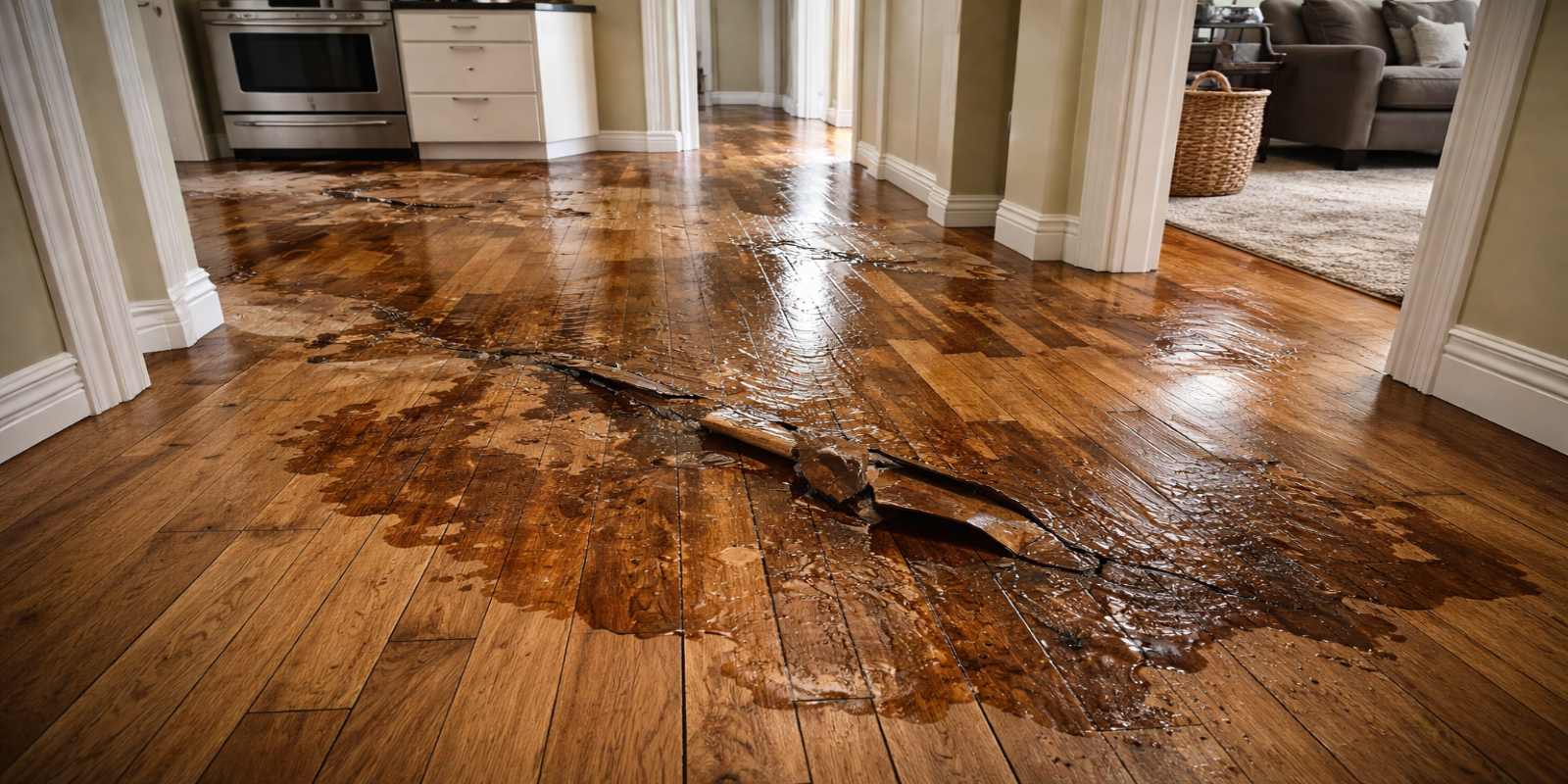
Every winter, Restore-It sees the same pattern. When no one is checking the offices, warehouses, and retail spaces, even a small leak can turn into a flood. By the time staff returns, water has had days to spread through ceilings, shafts, carpets, and electrical systems. This leads to costly repairs and business interruption.
Today, we will talk about the dangers of holiday closures for your commercial space, what insurance and engineering experts have to say about it, and the steps to take before you lock up for the New Year’s festivities. So let's learn how to reduce your chances of a nasty (and expensive) surprise when returning from the holidays.
1. Holiday Shutdowns and Water Damage Risk
1.1 Fewer People, More Exposure
When a building is fully staffed, problems are usually caught fast. Someone notices a wet ceiling tile or sees a puddle on a breakroom floor. Maintenance is called, the water is shut off, and the damage is mitigated and promptly dealt with.
During a holiday shutdown, leaks can easily go unnoticed. A guard may walk the perimeter and check doors and alarms, but they will not open every interior door or mechanical space. If a pipe bursts on New Year's Eve and no one enters the building until January 2, water can run unchecked for 48 to 72 hours.
Commercial property insurance premiums are escalating. This trend was highlighted by Horst Insurance (an independent insurance broker), which reported an average surge of 20.4% in the first quarter of 2023. This increase in both premiums and deductibles is primarily a response to the growing frequency and intensity of natural disasters, such as hurricanes, floods, and winter storms.
1.2 The High Cost of an Unnoticed Small Water Leak
According to many plumbing and inspection sources, a 1/8-inch crack in a pipe can release around 250 gallons of water per day.
Over a long holiday weekend, that can approach 1,000 gallons of water:
- Day 1: 250 gallons
- Day 2: 250 more
- Day 3–4: hundreds more, depending on pressure and duration
In commercial buildings, the situation can be even worse when larger-diameter pipes or sprinkler systems fail. Larger (2–4 inch) broken commercial pipes can reach hundreds to thousands of gallons per minute in some scenarios.
This is why unmonitored leaks in multi-story commercial structures often cause floor-to-floor damage and very high claim amounts.
2. Don’t Turn Down the Heat
2.1 Keep Your Pipes from Freezing
As a property manager, you probably think: “If no one is going to be in the office, what’s the point of keeping the temperature up?” While this sounds like a savvy way to keep utility costs down, it can lead to problems. Here is what to know:
- Thermostats Mislead: Room-temperature readings often fail to reflect colder "hidden" zones such as drop ceilings, wall cavities, and shafts.
- High-Risk Areas: Pipes in unheated spaces (attics, basements, garages) or along exterior walls are the most vulnerable, according to Consumer Reports.
- The Danger Zone: Setting thermostats to 50–55°F risks allowing these hidden spots to drop below freezing, which can cause pipes to burst.
When water in the pipes freezes, it expands, creating cracks. And when temperatures rise, the compromised pipe fails, leaking and leading to a flood.
2.2 The Cost of Bad Temperature Setting
Frozen pipes and sprinklers are a big commercial risk:
- Burst pipes can lead to tens or hundreds of thousands of dollars in repairs, equipment damage, and business interruption in larger facilities.
- A Risk & Insurance study found an average loss of about $27,000 for burst pipe claims, with some exceeding $1.7 million.
The energy savings from slightly lowering the thermostat for a few days are minimal compared to the potential cost of significant water damage.
3. What Your Insurance Policy Expects From You
- Requirements: Most policies mandate "reasonable care" and specific protective safeguards (maintaining heat, alarms, and sprinklers).
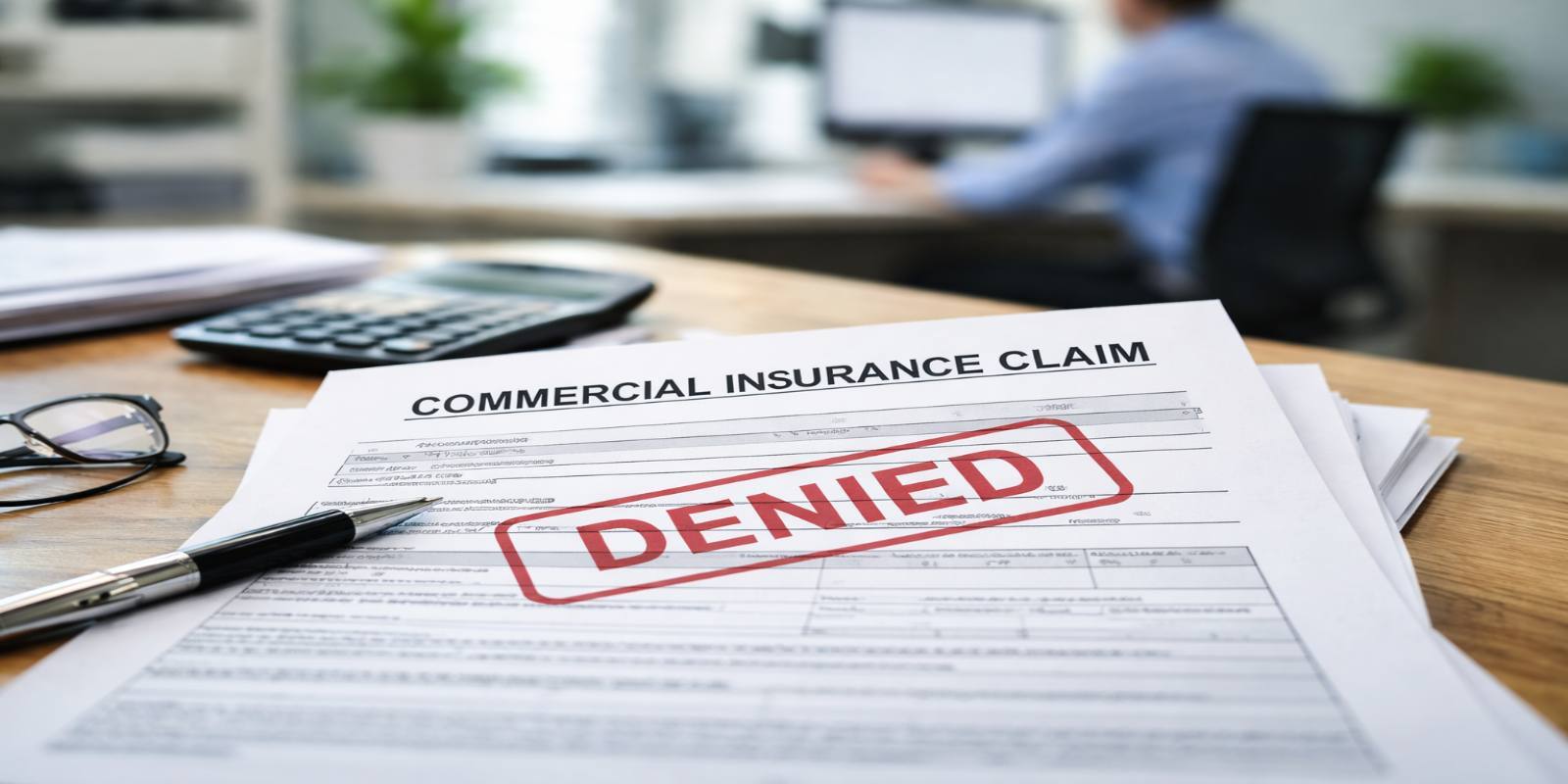
- Risk of Dispute: Insurers may deny frozen-pipe claims if the building was left unmonitored or if indoor temperatures dropped below the required minimums.
- Proof of Care: Document all inspections and procedures. Written logs are your primary evidence of due diligence if you need to file a claim.
This does not mean every claim will be denied. To be entirely sure, you should read your own policy, especially any heat or occupancy requirements.
4. Holiday Shutdown Checklist
The goal of this checklist is to reduce risk without requiring you to keep the building fully staffed. Make sure to adapt the steps to your specific systems and local codes, and coordinate with your contractors, plumber, and fire protection provider.
- Maintain Temperature: Set thermostats to a minimum of 55–60°F to protect pipes in walls and ceilings.
- Maximize Airflow: Proactively open interior doors, mechanical room doors, and under-sink cabinets (kitchen/restroom) to let warm air reach plumbing.
- Daily "Wet Zone" Inspections: Require security/staff to check restrooms, kitchens, and boiler rooms daily. Look and listen for standing water, drips, or running water sounds.
- Isolate Water Supply: If operations allow, shut off the main domestic water supply and drain non-essential lines in unheated areas.
- Critical Safety Note: Ensure fire protection systems remain fully operational and untouched when shutting off domestic water.
5. How To Prioritize When Budgets Are Tight
Not every organization can do everything at once. When planning for this holiday season and for future winters:
- Focus on People & Policy: Update written procedures, review insurance requirements, and train staff on specific winter risks (low-cost, high-impact).
- Target Vulnerable Zones: Prioritize protection for pipes in unheated spaces and critical areas (e.g., server rooms) where damage would be catastrophic.
- Scale Technology: Start with inexpensive Wi-Fi leak detectors in high-risk rooms now; plan for automatic shutoff systems in future budgets.
By combining modest heating, simple inspections, and basic monitoring, many businesses can significantly reduce the risk that a holiday closure becomes a six-figure disaster.
Protect Your Business this Winter Season
Investing in planning can save your business thousands of dollars this winter season. Having a clearer view of the dangers of water damage during a shutdown should let you be more prepared for the upcoming festivities. Now your next step is to learn more about frozen pipes, from preventive measures to how to deal with them, in our article.
If prevention fails, and you suspect water damage in your commercial property, call Restore-It for our restoration services. Our team can answer emergency calls 24/7 and mitigate the damage to get your operations back online as soon as possible.

Topics: