

January 1. It's the morning, and you are walking through your house trying to see how bad the New Year’s Eve damage really is. Then, you start to notice it, clear as day: a red wine stain on your light carpet, or some other mess a guest made in a drunken mood.
One of the first things that comes to mind is “will my insurance cover this, or am I on my own?” Depending on your specific coverage, the answer may shock you.
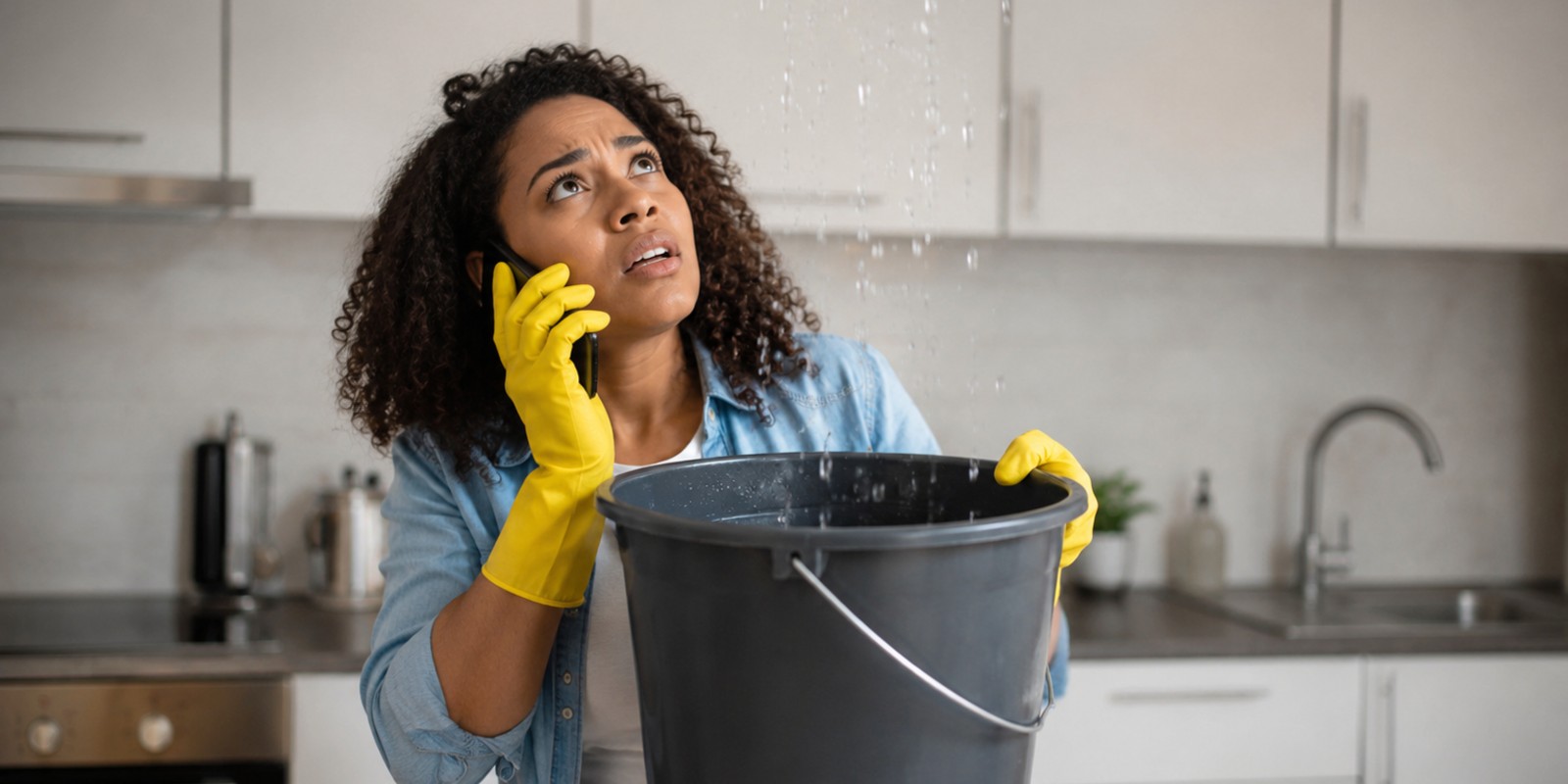
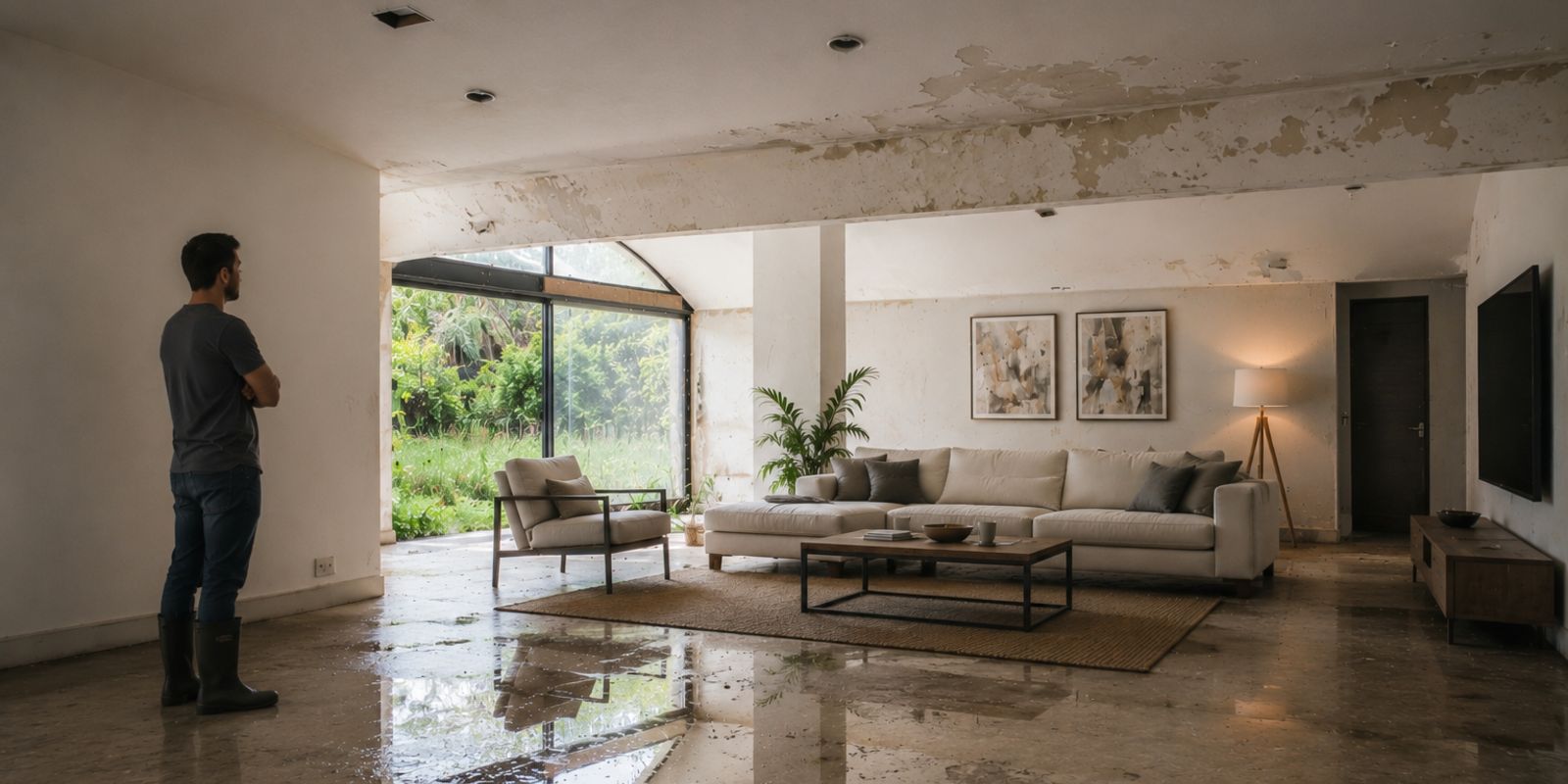
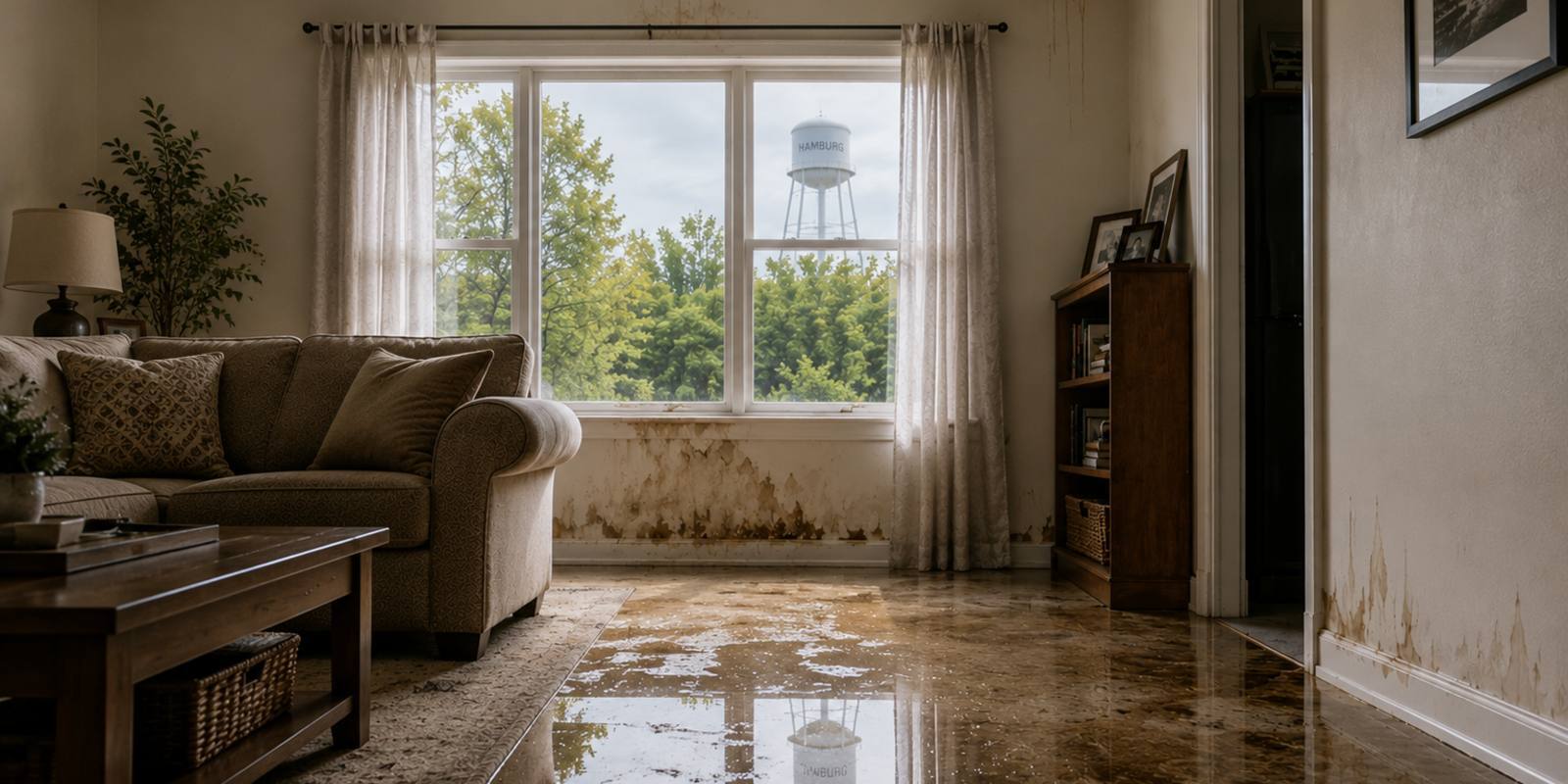
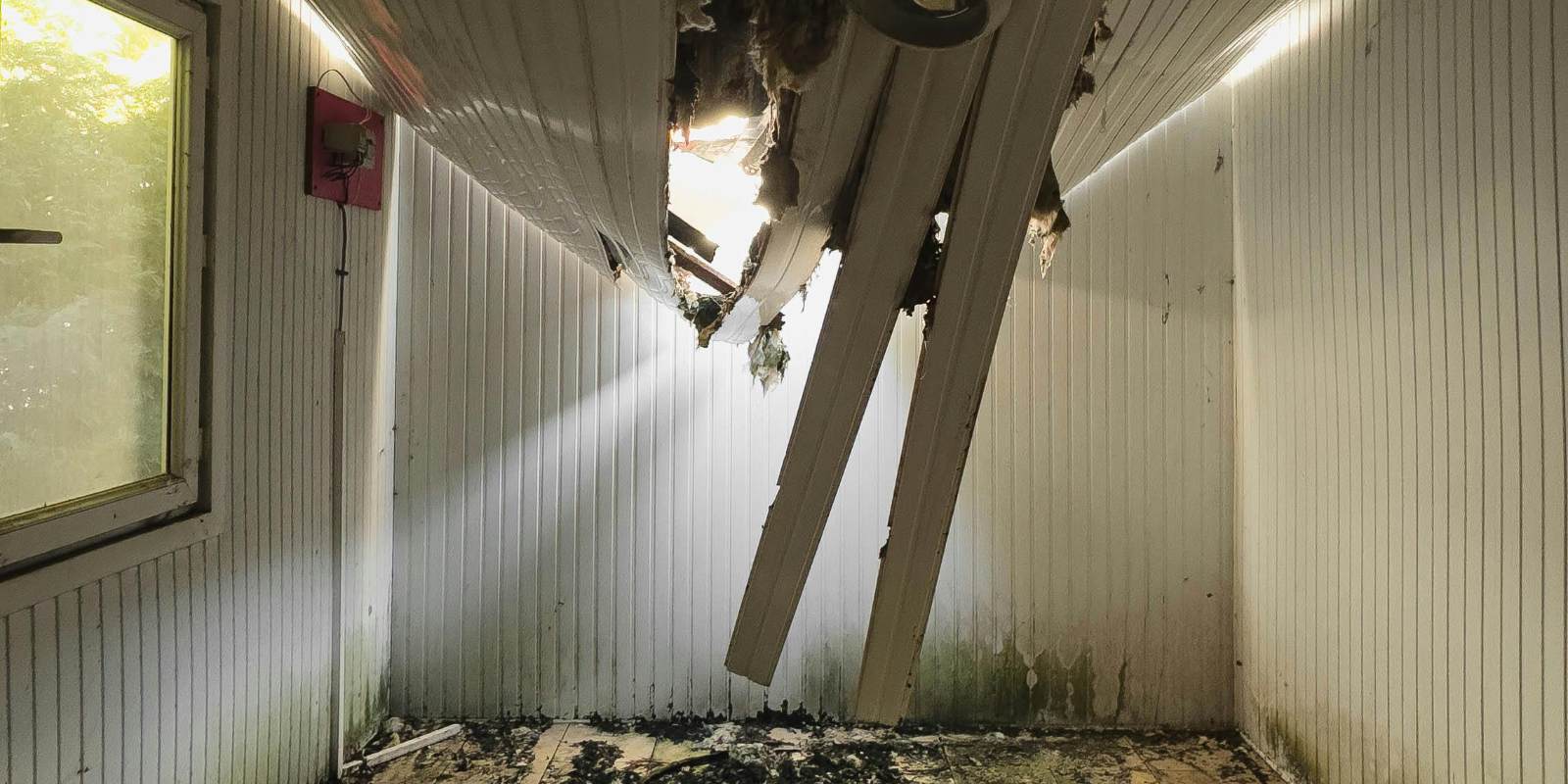
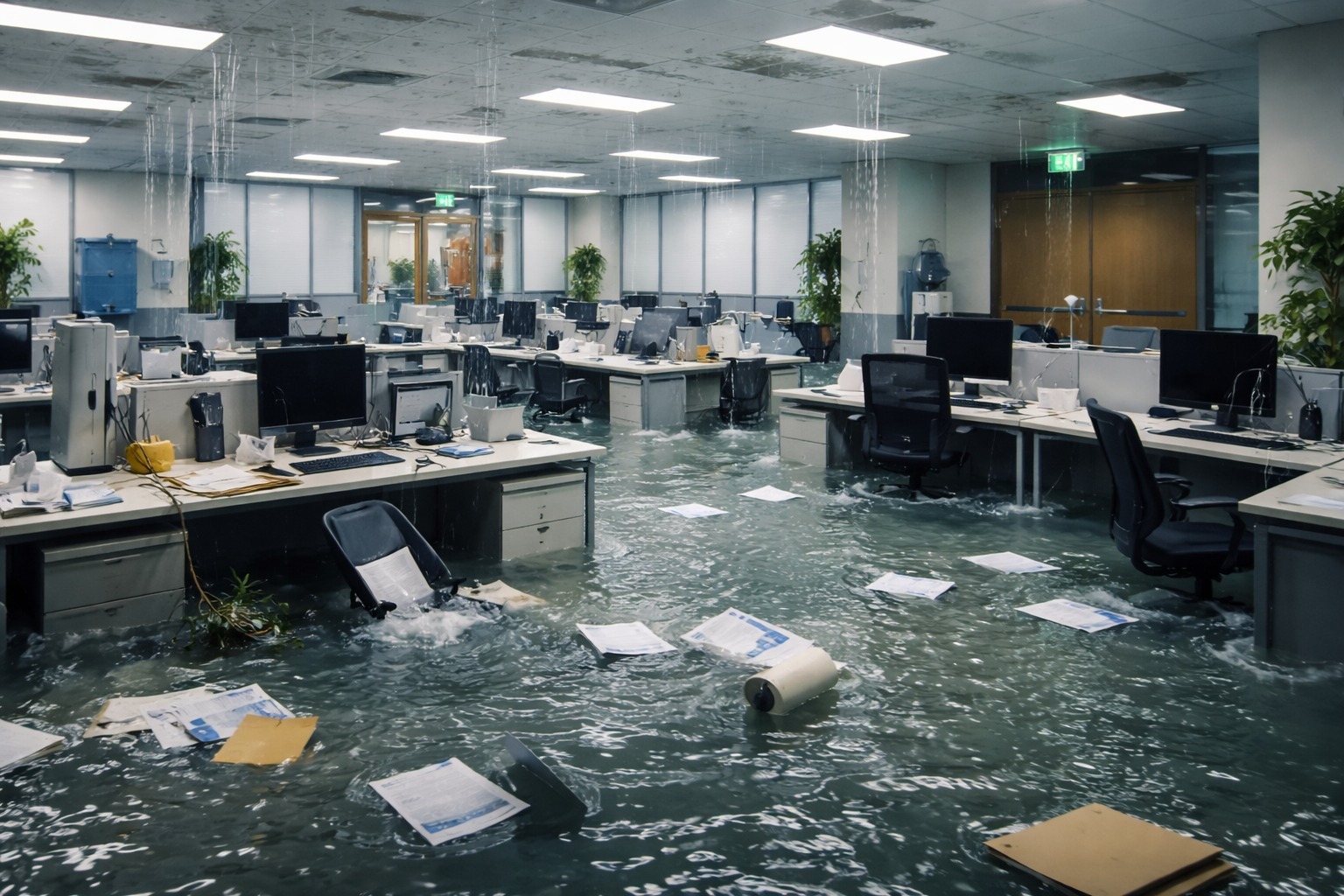
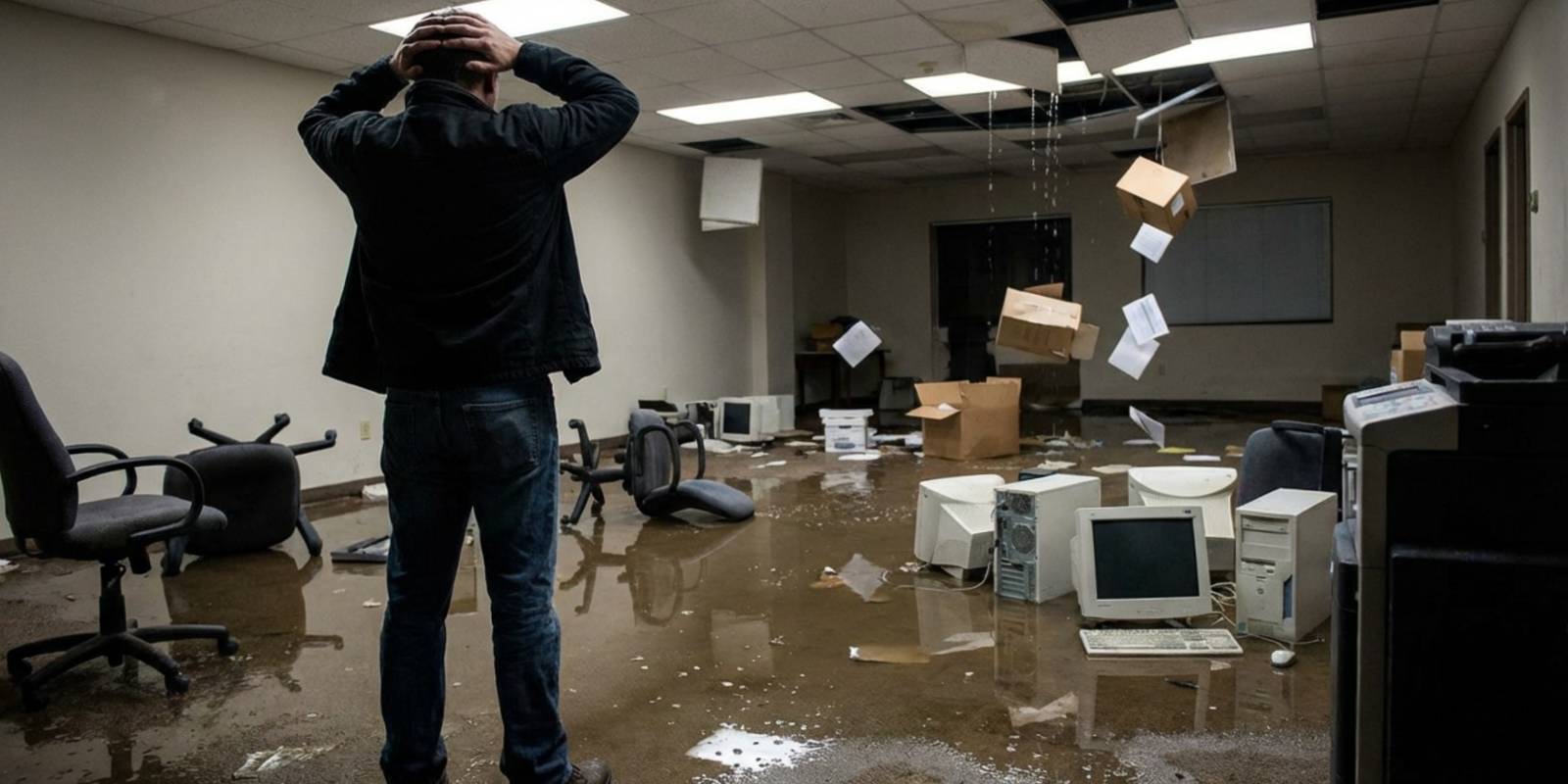
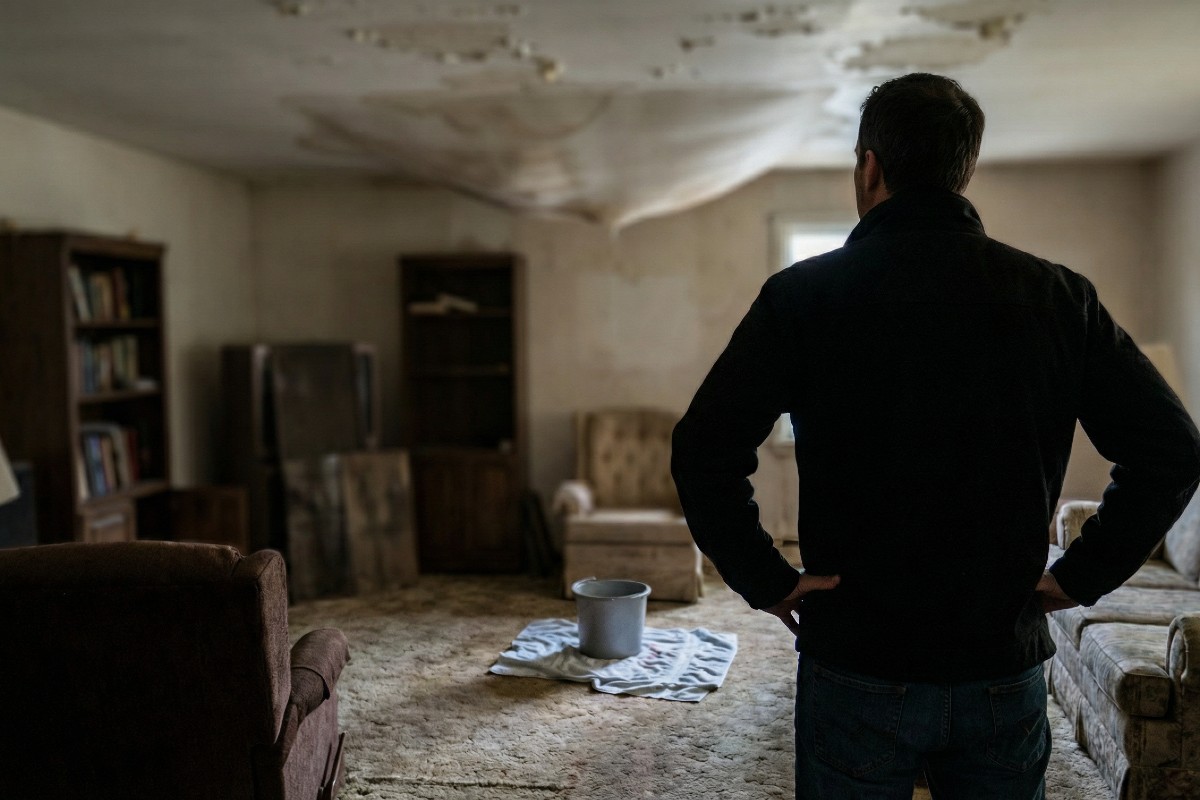
At Restore-It, we don't sell insurance or give legal advice, but we do come in after the party to see what actually happened to the homes. While small cosmetic mishaps don't justify a claim, an accident that turns into serious water, fire, or smoke damage is different. When this happens, you will need to contact your insurance adjuster and a restoration company.
With these scenarios in mind, we will discuss how homeowners' insurance typically handles guest-caused damage, along with related topics such as the difference between liability and property coverage, common policy types, and more.
1. Liability vs. Property Coverage
The key to understanding your coverage is to first distinguish between liability and property coverage. Let's take a deeper look into each one:
1.1 What Is Liability Coverage?
Many insurance policies include personal liability coverage that helps if a guest is injured and you are legally responsible.
For example, if someone trips on a rug and breaks an ankle, or gets hit in the eye by a champagne cork, liability coverage kicks in. It helps cover medical bills and your legal defense if they sue.
This is all about injuries to other people, not damage to your own belongings.
1.2 When Does Property Coverage Kick In?
This applies under your standard property insurance and covers damage to your home or belongings.
Think of the scenario where a guest falls into your glass coffee table, breaks a lamp, or spills wine on your carpet. This is where your property coverage may come in to save the day… in some cases.
Sadly, coverage isn't automatic, and it depends on your policy type (HO-3 vs. HO-5) and the exact cause of the damage (a fire vs. a clumsy guest). So let’s take a look at where policy forms like HO-3 and HO-5 come in.
2. The Difference Between HO-3 and HO-5 Coverage
Both HO-3 and HO-5 insurance policies cover damage to your property. This includes your home's structure and your personal belongings. And works based on two types of perils:
- Named Perils: These are the specific dangers listed in your policy.
- Oper Perils: This covers all damage except what is excluded. Examples of standard exclusions are floods or earthquakes.
However, these policies are different in other ways. Let’s explore them.
2.1 HO-3 and Personal Property
The HO-3 Special Form, which is the most common homeowner policy, treats your home and your belongings differently:
- Your Home (Dwelling): Has broad coverage ("open perils"). It is protected against almost any sudden accident unless specifically excluded.
- Your Stuff (Personal Property): Has limited coverage ("named perils"). Your belongings are only protected against specific disasters, such as fire or theft.
Because personal property coverage is limited, the HO-3 policy typically does not cover common party accidents, such as clumsiness, accidental breakage (dropping a TV), or red wine spills.
2.2 How HO-5 broadens protection
The HO-5 Comprehensive Form provides the broadest level of protection for your belongings.
- Open-Perils for Belongings: Unlike the standard HO-3, the HO-5 covers your personal property for almost all sudden and accidental losses, unless the policy specifically excludes them.
- Better Party Protection: Because it covers accidental damage, an HO-5 (or an HO-3 with specific endorsements) is much more likely to reimburse you for party mishaps, like a spilled drink on electronics or a broken vase.
Despite the broader coverage, exclusions and sublimits still exist. Whether the damage caused by a guest is covered depends entirely on your specific form, endorsements, and policy language. You should check your declarations page or speak with an agent to resolve any issues before you host.
3. Fire vs Scorch Marks
3.1 When fire damage is usually covered
The good news: fire is a standard covered peril in homeowners' policies. If a guest accidentally starts a real fire—say, a cigarette ignites the sofa, or a candle catches the curtains—damage from that fire is usually covered, as long as it wasn’t intentional.
Policies also generally cover many types of smoke and soot damage, though claims can be complex, and you still need to document everything carefully.
3.2 When scorch marks may be excluded
The tricky part is when there is heat but no flame. Some insurers define “fire” as involving visible flames and explicitly exclude scorching, singeing, warping, or melting without fire. In those cases, a small black burn spot on the carpet from a cigarette or hot object might be treated as accidental damage, not as fire damage.
This doesn’t mean scorch marks are never covered. It means:
- Sometimes they are treated as fire damage
- Sometimes they are considered accidental damage and excluded unless you have broader coverage
- Again, the exact wording of your policy is what counts.
4. Deductibles, Rate Hikes, and When to File a Claim
4.1 How deductibles affect small party losses
Many homeowners today carry deductibles of $1,000, $2,500, or even higher to keep premiums lower.
If the repair cost is $1,500 and your deductible is $1,000:
- The insurer would pay $500 if the claim is covered.
- You would pay the first $1,000 out of pocket.
If the loss is close to your deductible, it may not be worth filing a claim, especially when you consider future premiums.
4.2 How much can one claim raise your premiums?
Research shows that home insurance premiums often go up after a claim. Analyses suggest:
- Average increases after a claim can range from 7% to 10% in some studies.
- Some breakdowns show that certain claim types (water, liability, fire, theft) are associated with increases of 15%–22%.
Insurers, states, and claim histories all vary, so there is no universal number. But small payouts can sometimes trigger multi-year premium increases that cost more than the claim check.
A standard financial-planning guideline (not a hard rule) is:
- Consider paying out of pocket when damage is near your deductible.
- Consider a claim when damage exceeds your deductible by a significant amount and affects key building systems, the structure, or safety.
When in doubt, many people call their agent anonymously (without filing a claim yet) to talk through the options.
5. Subrogation: Your Insurer Vs. Your Guest
If your insurer pays a considerable loss caused by a guest, it may pursue subrogation to recover those costs. Subrogation is the legal process where the insurer “steps into your shoes” and pursues the at-fault party or their insurer.
This is standard, but it can lead to awkward conversations if your guest receives a demand letter. If you decide to file a claim, you’re also accepting that your insurer may pursue that guest later.
6. When to Call the Restoration Pros
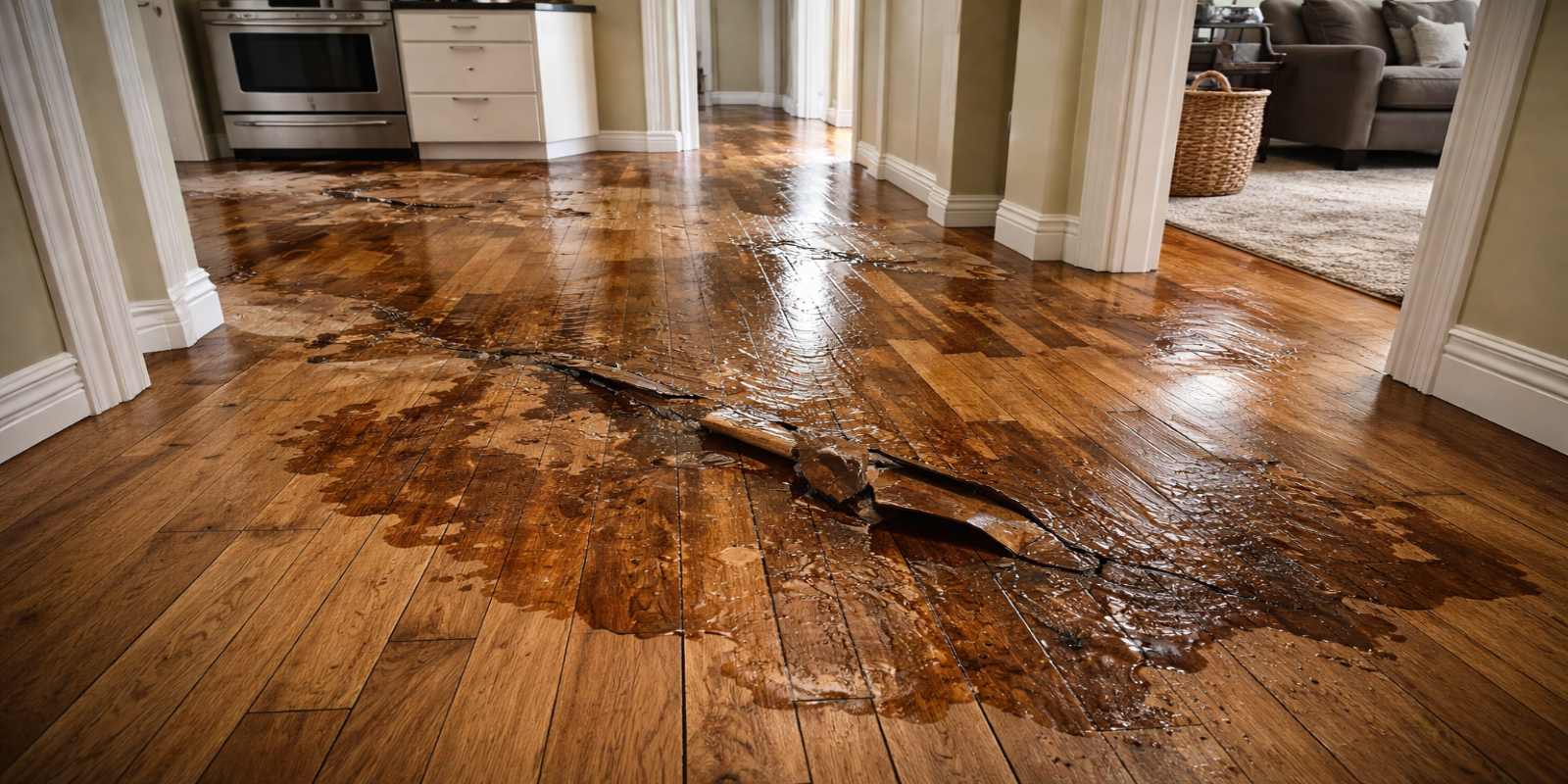
Some party damage is cosmetic: a broken lamp, a small wine spill, a scuffed wall. For the most part, you can go the DIY route or pay a contractor for repairs. However, here are two scenarios where restoration professionals should be involved:
- Water Damage
- Water from overflows (like from a toilet) is often Category 2 or 3, meaning it can contain contaminants and requires careful cleaning and structural drying.
- Kitchen Fires or Heavy Smoke
- Smoke residues can be acidic and conductive, damaging electronics, metal, and finishes over time.
In these situations, a reputable restoration company (ideally IICRC-certified) can:
- Stabilize and dry the structure
- Document damages for your insurer
- Clean or inventory salvageable contents
- Help reduce long-term issues like mold or corrosion
Whether you file a claim or pay out of pocket, professional mitigation can protect your home’s value and your health.
Claims, Cleanup, and the Next Step
By now, you have a clearer picture of how homeowners' insurance typically treats New Year’s "party foul" damage, and why the difference between accidents, covered perils, and policy forms like HO-3 and HO-5 matters for your wallet. As a restoration company ourselves, we hope this article helped you answer the questions regarding property damage caused by guests and your insurance coverage. For a deeper look at how to document property damage for your insurance claim, check our article right here.
If your New Year’s celebration (or any gathering) ends with serious water, fire, or smoke damage, call Restore-It right away for professional 24/7 restoration services. Our team is ready to help you get your home back to its pre-damaged condition and restore your peace of mind.