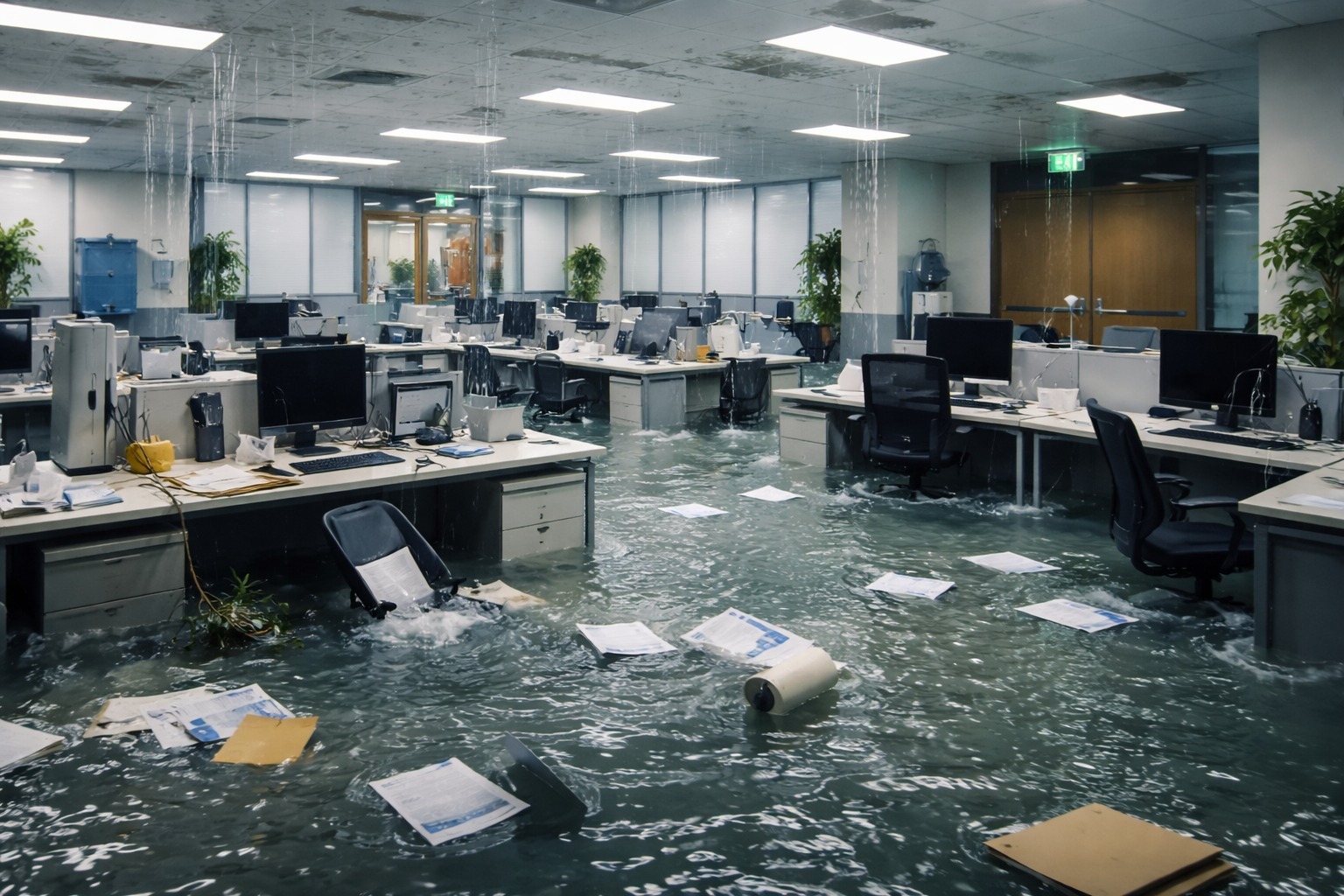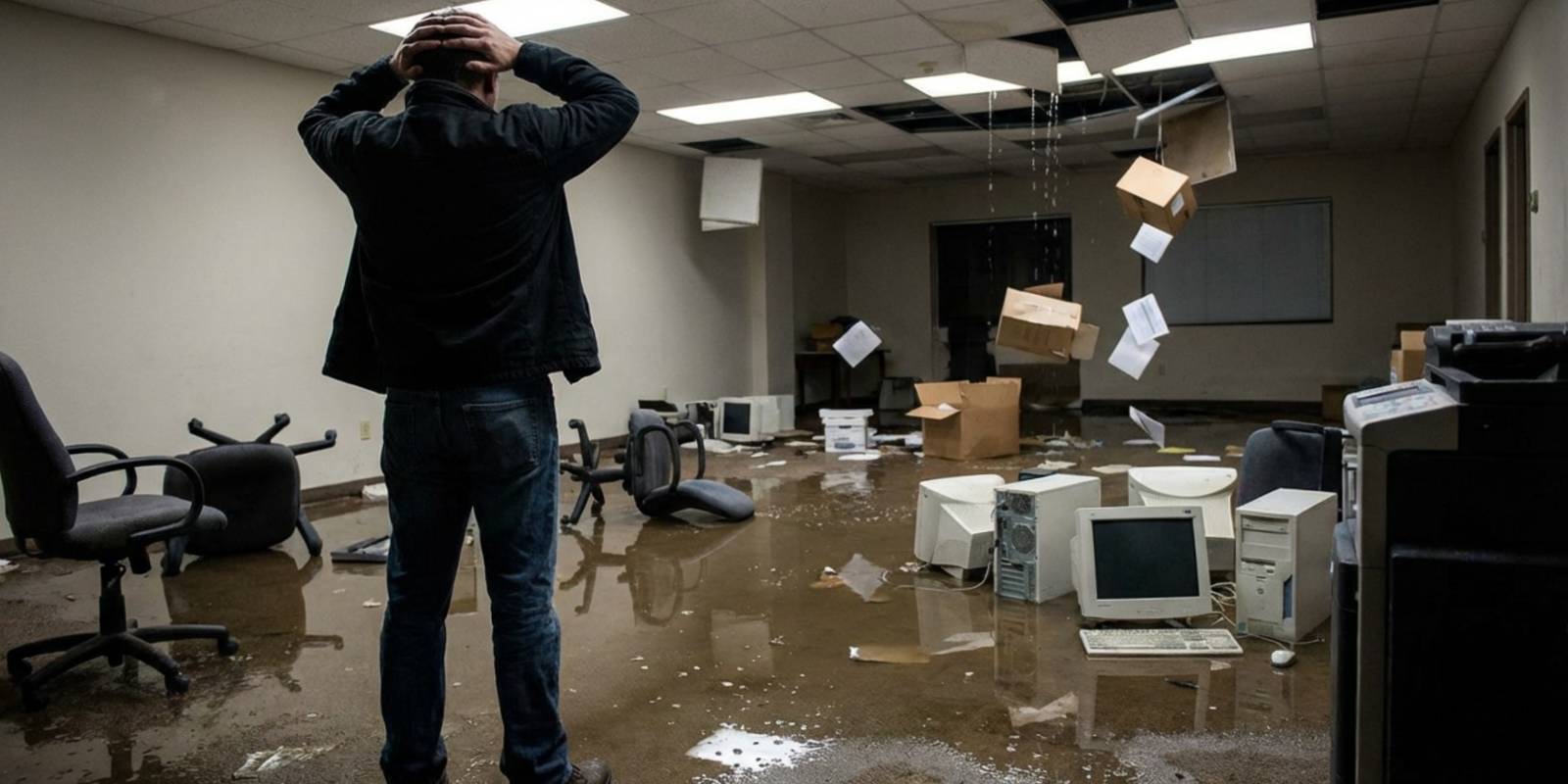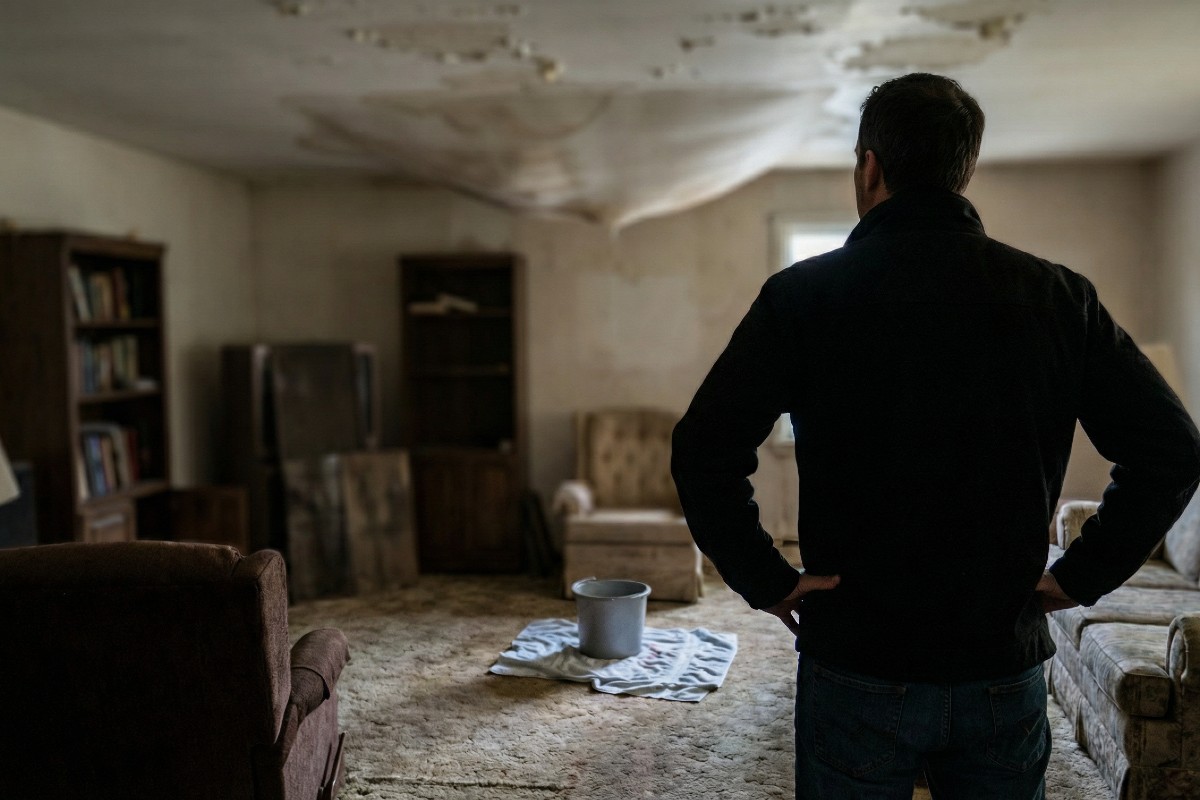

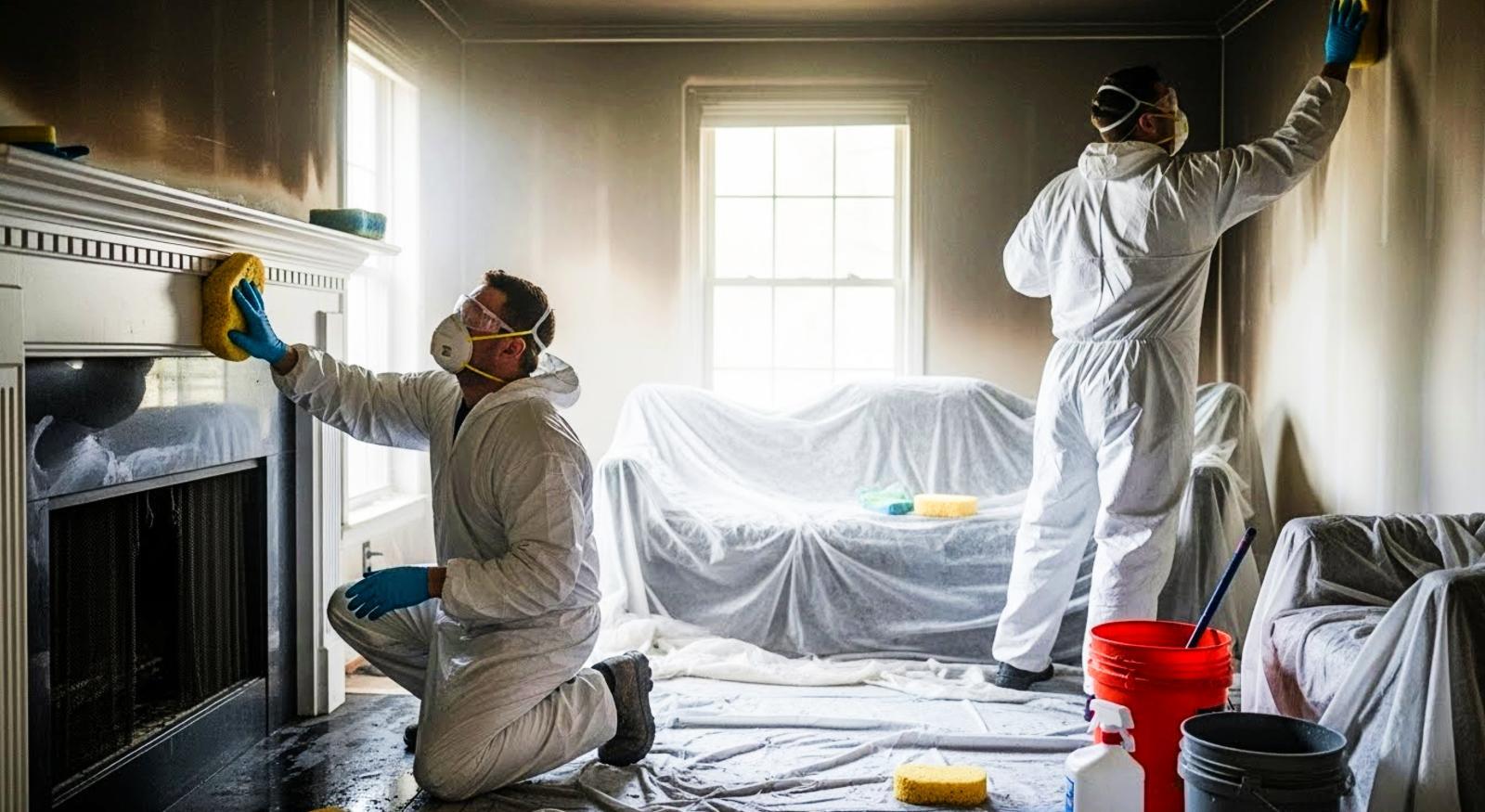
When a pipe bursts or a kitchen fire coats your property in a blanket of smoke, the last thing you want to do is take your time shopping around contractors. You want quick action, but how do you tell which companies are trustworthy from the ones that are scams? Here is where the IICRC certification comes into the picture.
We have talked about how we are a certified firm by the Institute of Inspection, Cleaning and Restoration Certification (IICRC). This is no simple licence: it's the difference between a company trained to follow restoration industry standards and one that isn't.
Bad contractors can leave more problems once they "finish" their jobs. From wet materials sealed inside walls to smoke-damaged contents that could have been saved, these issues could have been prevented.
This article is here to help you avoid these outcomes. You will learn what IICRC certification is, what it can and cannot guarantee, and how it fits into a larger checklist for evaluating any fire, water, or mold restoration company. By the end, you will know how to ask better questions, verify claims, and choose a team that treats your home with scientific care instead of guesswork.
What is the IICRC?
The Institute of Inspection, Cleaning and Restoration Certification (IICRC) is a non-profit standards and certification body for the cleaning, inspection, and restoration industries. It was founded in 1972 and has grown into a global organization with tens of thousands of certified technicians and thousands of certified firms.
The IICRC does three main things:
- Develops technical standards that describe best practices for water, fire, and mold jobs. These standards are ANSI-accredited and are widely referenced by restoration companies, insurance professionals, and courts.
- Trains and certifies technicians through courses and exams (for example, Water Damage Restoration Technician, Fire and Smoke Restoration Technician, and Applied Microbial Remediation Technician).
- Maintains public directories that allow consumers to verify whether a firm or technician claims the IICRC credentials they actually hold.
It is important to understand that IICRC is not a government regulator. Following IICRC standards is voluntary, but they are treated as the "standard of care" in the industry, not only by restoration companies but also by insurance companies.
Why Standards Matter After Fire or Water Damage
At first glance, water damage cleanup can look simple: extract water, set fans, and wait. Fire damage can look like "wipe off the soot and repaint." In reality, both are driven by building science and health considerations.
- Mold can begin growing quickly. The U.S. Environmental Protection Agency notes that wet materials should be dried within 24–48 hours to reduce the risk of mold growth.
- Moisture hides where you cannot see it. Water often travels behind baseboards, under flooring, and inside wall cavities. Even if surfaces feel dry, residual moisture behind walls or in porous materials can support mold growth and structural decay.
- Soot and smoke residues are chemically complex. Different fires (such as those from cooking, plastics, or wood) leave other types of residues. Using the wrong cleaning products or adding water at the wrong time can smear soot, set stains, or cause additional corrosion and odor.
IICRC standards, such as S500 (Professional Water Damage Restoration) and S520 (Professional Mold Remediation), are designed to address these issues in a structured way. They outline how to classify the loss, what materials may be salvageable, how to dry or remove them, and how to document the work so that your insurer can see what was done and why.

When a restoration contractor follows these standards, it lowers the chance of hidden moisture, uncontrolled mold growth, or preventable secondary damage.
Key IICRC Certifications Homeowners Should Know
You may see several acronyms on websites, uniforms, or trucks. Here are three that are especially relevant to fire, water, and mold jobs:
WRT – Water Damage Restoration Technician
The WRT certification focuses on:
- How water moves through building materials
- How to classify water by contamination level (clean, gray, black)
- Psychrometrics (the science of air, humidity, and temperature)
- Correct use of extraction, air movement, and dehumidification equipment
A WRT-certified technician is trained to do more than just "set some fans." They are expected to design and monitor a drying plan based on measurements, not guesswork.

FSRT – Fire and Smoke Restoration Technician
The FSRT certification covers:
- Types of smoke and soot (for example, wet smoke, dry smoke, protein residues)
- How fire residues affect different materials such as wood, plastics, metals, and textiles
- Proper cleaning and deodorization methods
- Documentation and safety considerations
A technician with FSRT training is better equipped to decide which contents can be cleaned and which are too damaged, and to avoid making stains or odors worse.

AMRT – Applied Microbial Remediation Technician
The AMRT certification is an advanced course that focuses on:
- Mold and other microbial contamination
- Containment and negative air pressure
- Personal protective equipment
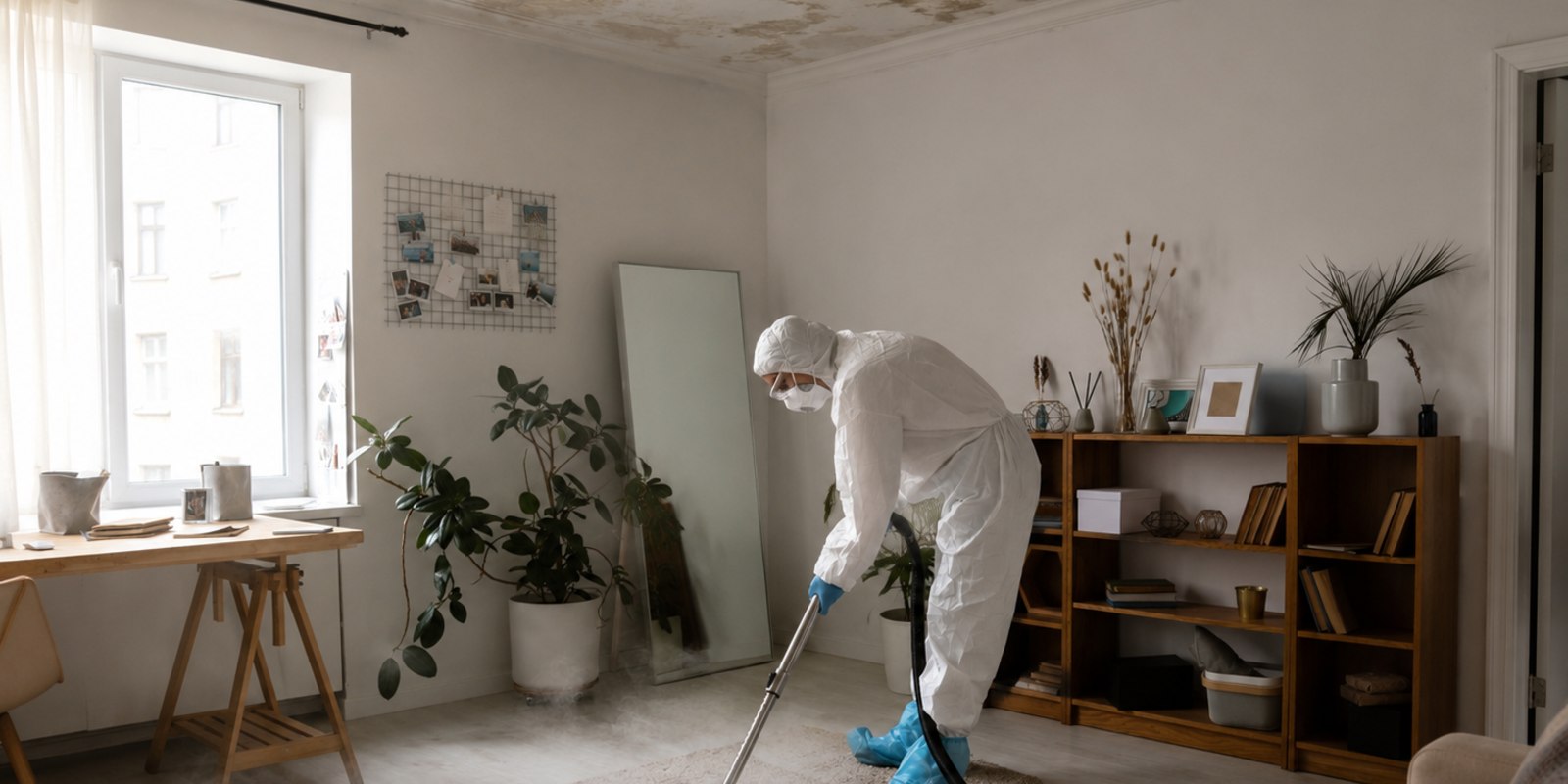
- Safe removal and cleaning methods
This certification is fundamental if your water loss involves long-term leaks, sewage, or visible mold growth indoors.

Remember: certification is not a guarantee of perfection, but it is a signal that the technician has completed formal training and passed an exam based on industry-wide recognized standards.
How Regulated is Restoration Work in the US?
One confusing aspect of this topic is regulation. In many U.S. states, no specific state license is required to perform water damage restoration, though a general contractor or home improvement license may still be needed for structural repairs.
On the other hand, mold remediation is handled differently by each state. Some states, like Florida, New York, Louisiana, and Texas, require a dedicated mold license, while many others don’t.
What this means for you:
- Someone can market themselves as a "water damage expert" with minimal formal training.
- Licensing rules vary widely by state and sometimes by city or county.
- IICRC certification is voluntary, but it is widely used as a benchmark of technical competence and as a reference point in insurance and legal contexts.
So, instead of assuming credentials mean the same thing everywhere, you want to look at both licensing/insurance requirements where you live and voluntary certifications like IICRC.
How to Verify IICRC Certification
You do not have to take a website logo at face value. The IICRC makes it possible to verify firms and technicians directly:
- Go to the IICRC Global Locator.
- Search by your ZIP code or the company name.
- Confirm whether the firm is listed as an IICRC Certified Firm.
If a company claims to be an IICRC-certified firm but does not appear in the directory, that is a red flag and worth questioning.
Putting the IICRC Certification into Perspective
Now you know that the IICRC certification is a lot more than just a logo. It's a commitment to rigorous training and science-based standards for safe water, fire, and mold remediation that reputable companies follow to a T. Now that you know more about this certification, your next step is to learn about other signs of a good restoration company in our article here.
If your home or business is experiencing fire, water, or mold damage, call Restore-It for certified restoration services. Our team can help you protect your property and restore your peace of mind as quickly and safely as possible.

Topics: