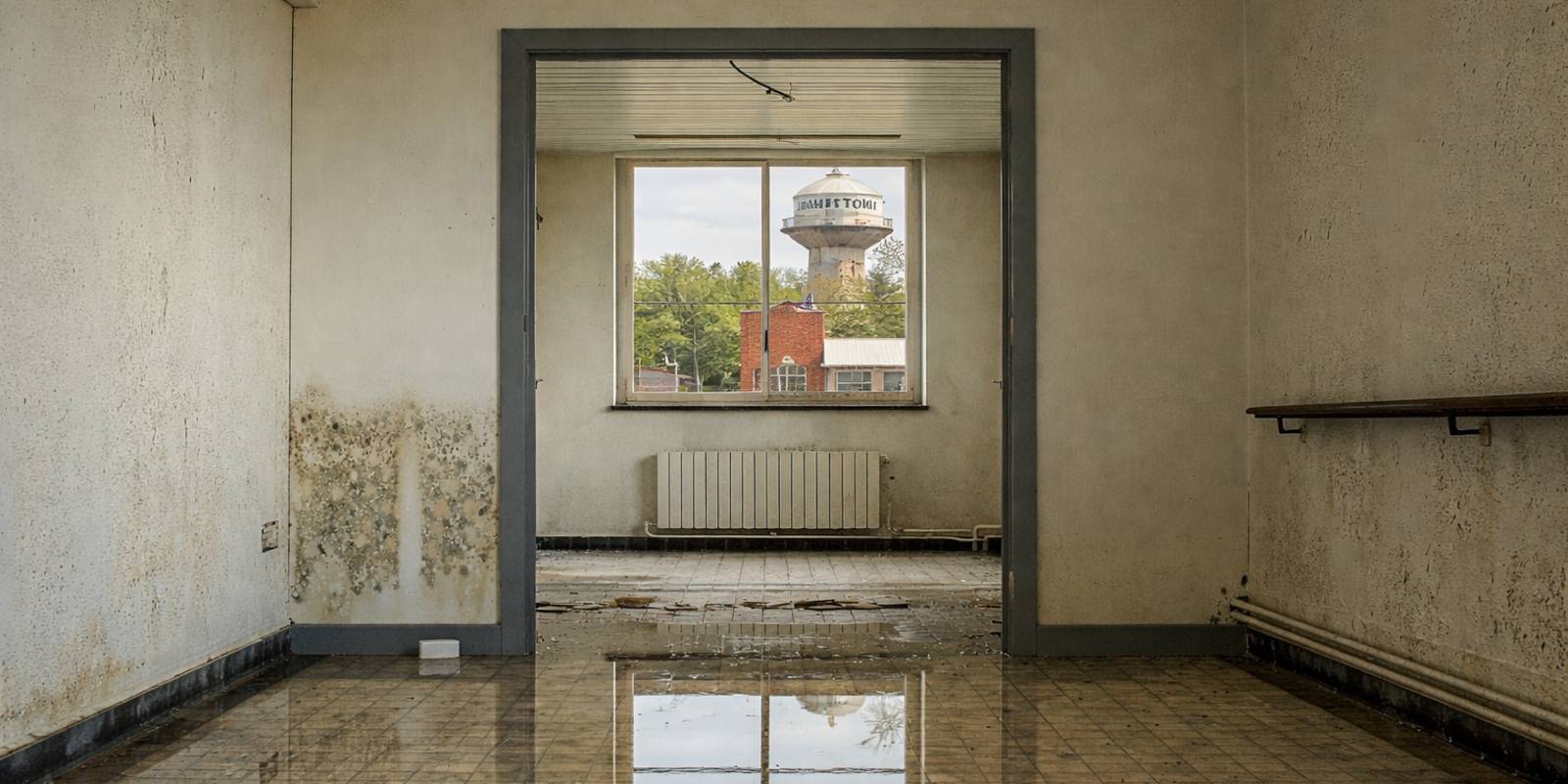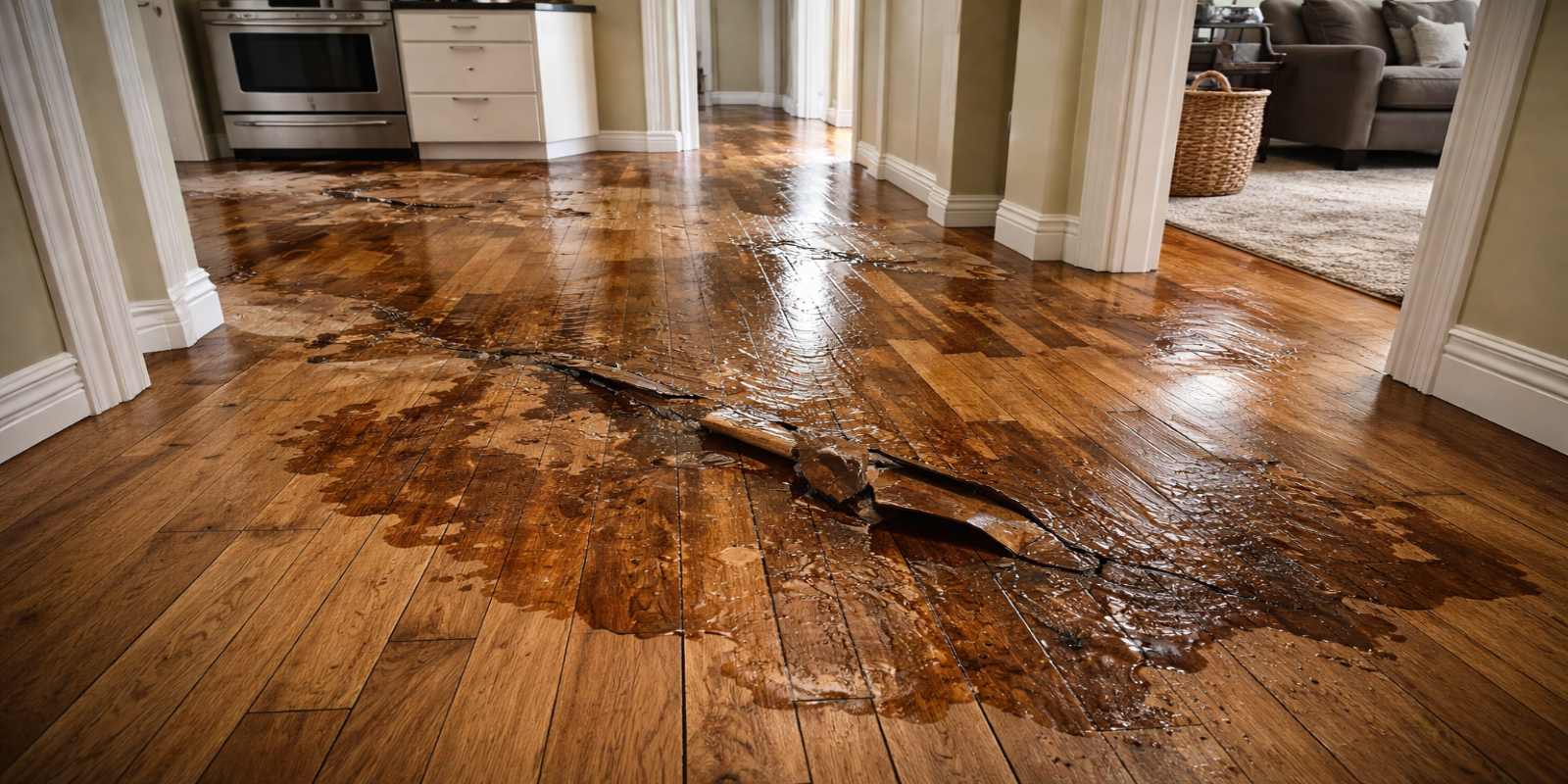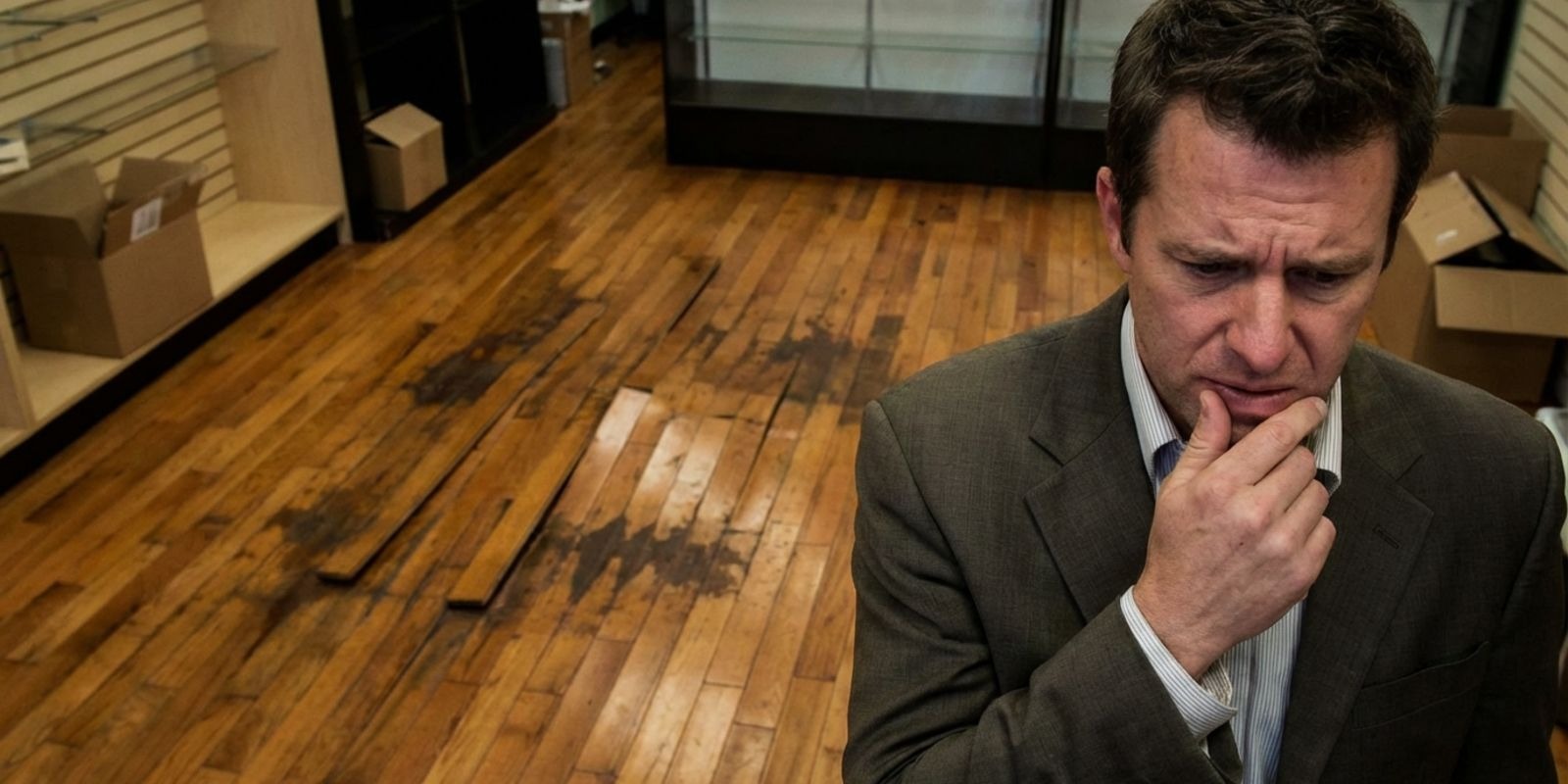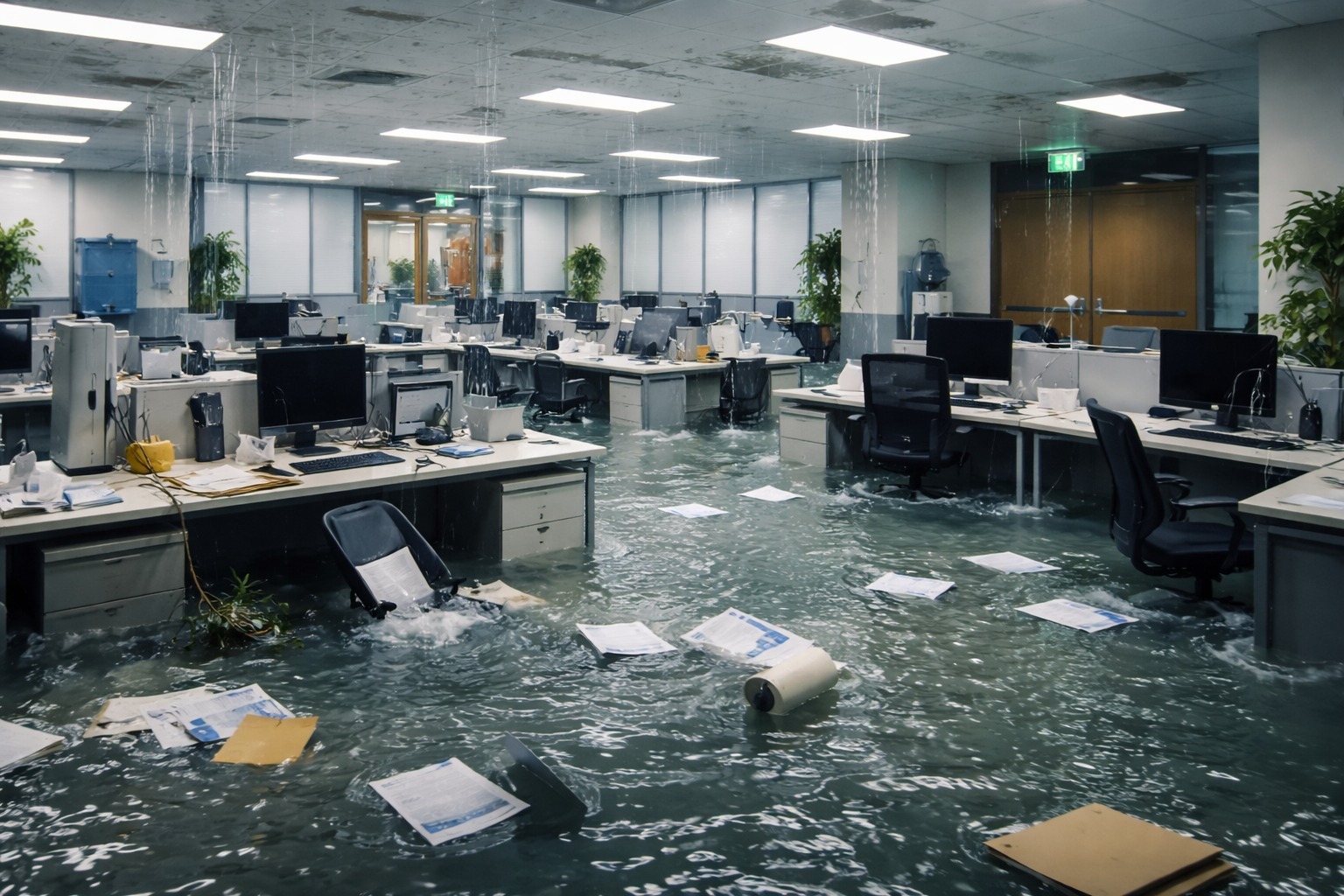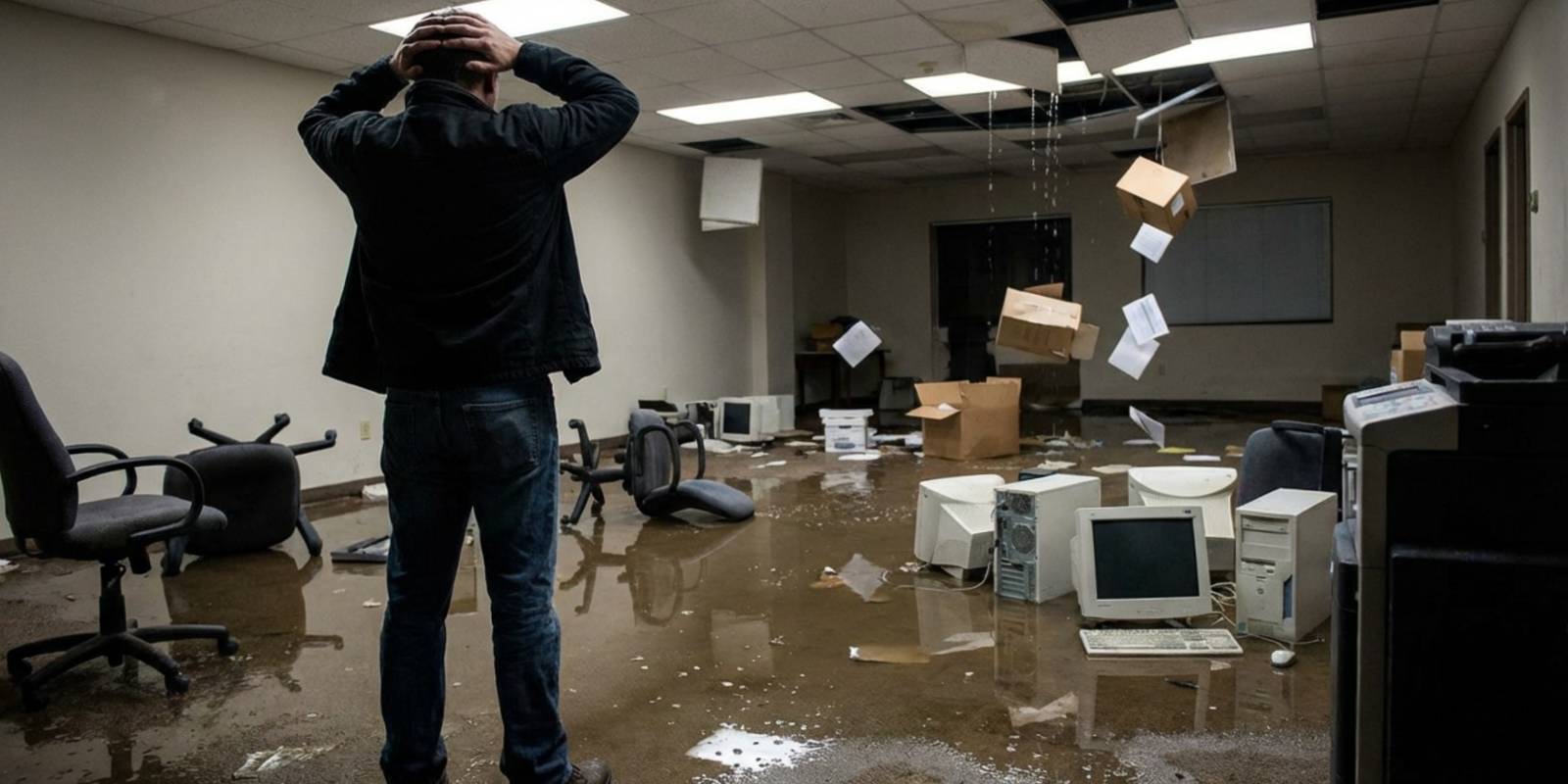

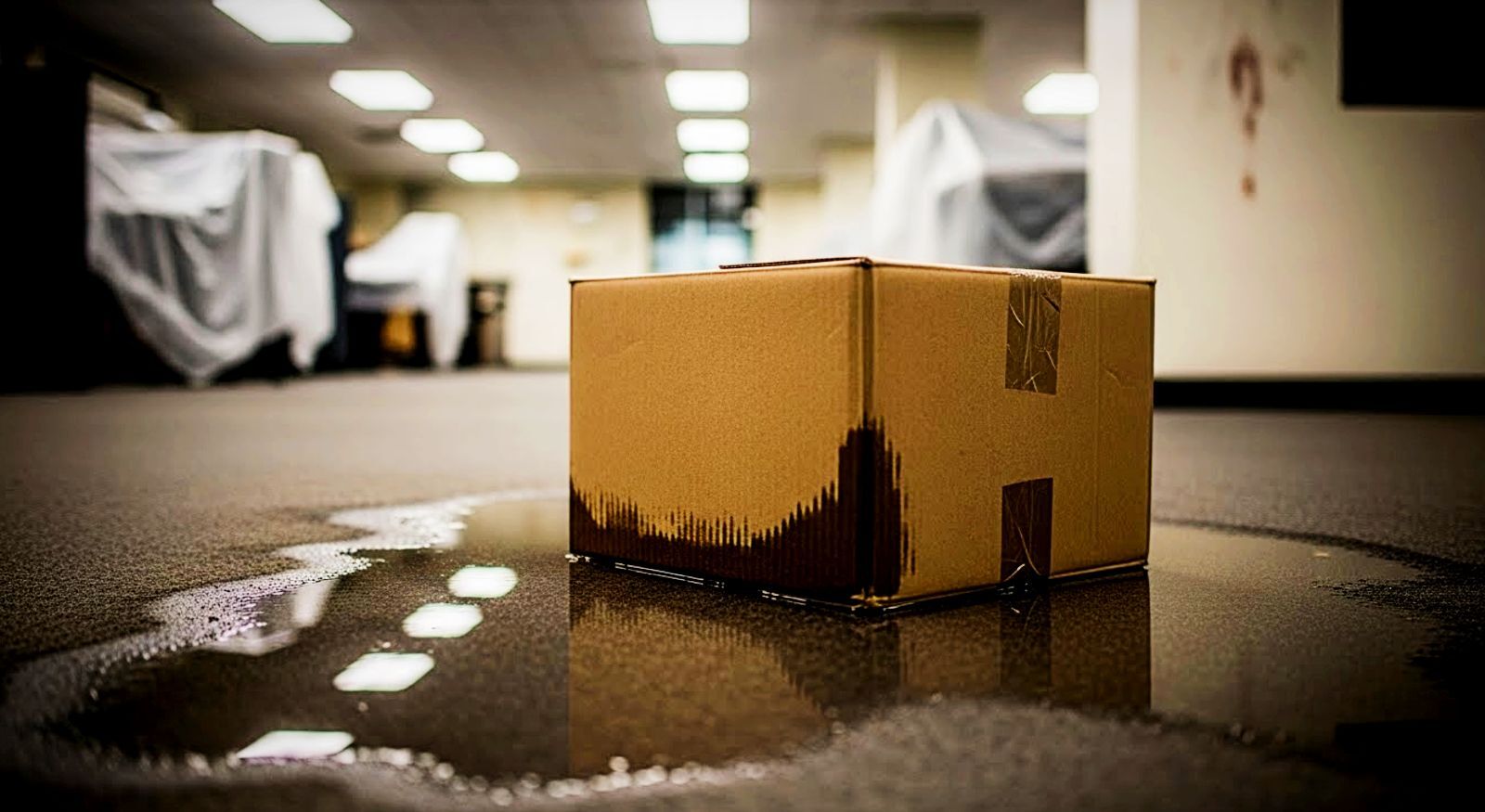
When you walk into your office and find sewage on the floor, you know you need to act fast. While you prioritize safety first, your immediate second thought is "How much is this gonna cost me?"
The answer to this question is complex, but if you don't have experience with restoration, there is one important factor that might not have crossed your mind. That is what can actually be saved and what needs to be removed and discarded.
At Restore-It, we have helped offices, schools, clinics, and industrial facilities address this exact problem following Category 3 water losses. Knowing why some things have to be removed can prepare you for the restoration project ahead.
Today, we are going to focus on answering one key question: after a sewage or Category 3 water incident, what can be saved, and what must go? We are going to dive deep into why porous items are often non-salvageable. At the same time, we will discuss why hard surfaces and electronics can be restored, and how all these choices can affect your business.
Why Category 3 Water Changes the Rules
In the restoration industry, sewage and other highly contaminated water are classified as category 3 (black water). This category covers water that may contain disease-causing microorganisms or other hazardous substances. It is treated as a biohazard, not just dirty water.
That difference matters for one main reason: safety. Dealing with category 3 water damage is not only about drying the building and affected items. Instead, it's about reducing contamination through removal or specialized cleaning techniques. That means some items might be contaminated but salvageable, while others might not.
Porous Materials: Why Many Items Must Be Discarded
Highly contaminated water can penetrate deeply into porous materials. Once they are contaminated, they can only be discarded. In a commercial building with category 3 water damage, these porous items include:
- Drywall and insulation that were directly in contact with the water
- Carpet and pad in the contaminated areas
- Rugs with backing that traps moisture and residues
- Fabric-covered wall and cubicle panels
- Saturated particleboard or low-grade engineered wood furniture
- Paper files, cardboard boxes, and soft contents stored on or near the floor
From a business perspective, this can feel brutal. But keeping contaminated porous materials can lead to odors, poor indoor air quality, and mold growth. It also violates accepted guidance for these situations, exposing you to legal troubles.
When Porous Items Can Sometimes Be Saved
But not every porous item is the same! Some materials can be restored if contamination is limited and the item is cleaned and dried professionally. Some examples include:
- Clothing, uniforms, and other washable textiles
- Drapes and some window treatments
- Rugs without backing that can be cleaned and thoroughly dried
Professional restoration companies use specialized textile-washing and decontamination systems that go beyond your everyday washing machine. For high-value items, restoration may be more cost-effective than replacement.
Even then, every item should be evaluated for:
- The level of contamination
- The likelihood of full decontamination
- The total cost compared with buying a replacement
A good restoration partner should be able to explain these decisions and give you clear options moving forward.
Non-Porous Materials: Often Salvageable
The good news is that many hard surfaces and non-porous materials can usually be cleaned and kept, even after Category 3 water, if the work is done correctly.
Common examples in commercial buildings include:
- Sealed concrete floors
- Glazed ceramic tile and intact grout
- Metal file cabinets, shelving, and desks
- Plastic chairs, tables, and storage bins
- High-pressure laminate surfaces that are not swollen or delaminated
A professional crew will:
- Remove unsalvageable porous materials
- Extract standing water
- Clean remaining surfaces
- Apply appropriate disinfectants
- Use HEPA vacuums and air movers to dry the structure
This combination of removal, cleaning, and drying is what makes non-porous surfaces safe to use again.
Even with non-porous items, there are a few important exceptions:
- Food and drink, even in sealed containers, must be discarded
- Vacuum cleaners and other equipment with internal filters or soft components can also become contamination traps.
- Very low-value items may not be worth the cost of detailed decontamination.
What About Electronics and Office Equipment?
Computers, servers, printers, and other electronics are expensive and critical for operations. The idea of losing them all in a sewage incident is stressful, but many electronics can be restored if handled by specialists.
Electronics exposed to contaminated water may require:
- Careful disassembly
- Cleaning to remove residues
- Thorough drying
- Testing before they go back into service
This work is usually done in a dedicated electronics-restoration facility, not in the middle of your busy office. For high-value items like servers, lab equipment, or specialty controls, restoration may make sense. For older, low-value gear, replacement is often the cost-effective choice.
How a Professional Restoration Company Helps You
A qualified water-damage restoration company will not make random decisions about your property. Instead, they will:
- Inspect and map the affected areas
- Proceed with mitigation (like removing standing water)
- Identify materials by type and level of contamination
- Explain which items are candidates for restoration versus required removal
They can also help you with documentation such as photos, moisture readings, and itemized lists to support your insurance claim. If needed, they can coordinate with industrial hygiene professionals to ensure everyone is confident the space is ready for reoccupation.
Your role will be to ask questions, understand your options, and balance cost, safety, and downtime. When you and your restoration team are on the same page, you can move faster and avoid costly do-overs.
What to Save After Sewage Damage in Your Business
When commercial buildings suffer Category 3 sewage damage, the key challenge is determining which materials must be discarded and which can be restored. Following industry guidelines and working with a professional restoration team is the best way to protect your staff and your business. We hope this article has helped you feel confident when the time comes to make a decision. If you want to learn more about how professional sewage damage restoration works, check our article here!
If your business is currently dealing with sewage or Category 3 water damage, call Restore-It for 24/7 commercial restoration services. Our team can help you decide what can be saved, what must go, and how to get your building back to safe operation as quickly as possible.