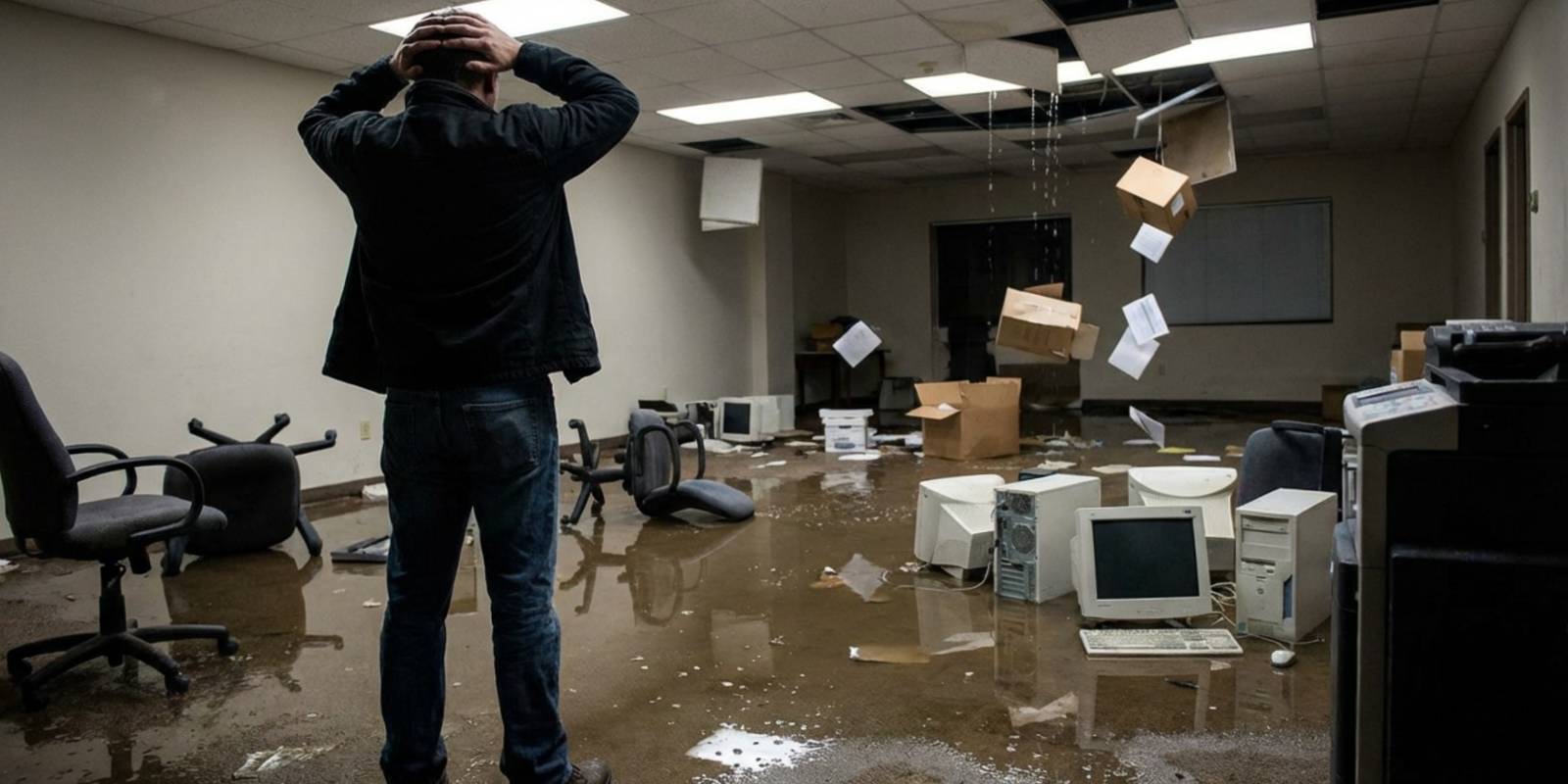

Imagine this: You decide to escape the Arkansas winter for a week. You head to warmer lands, relax on the beach, and return home feeling refreshed. But when you open your front door, you step into a nightmare.
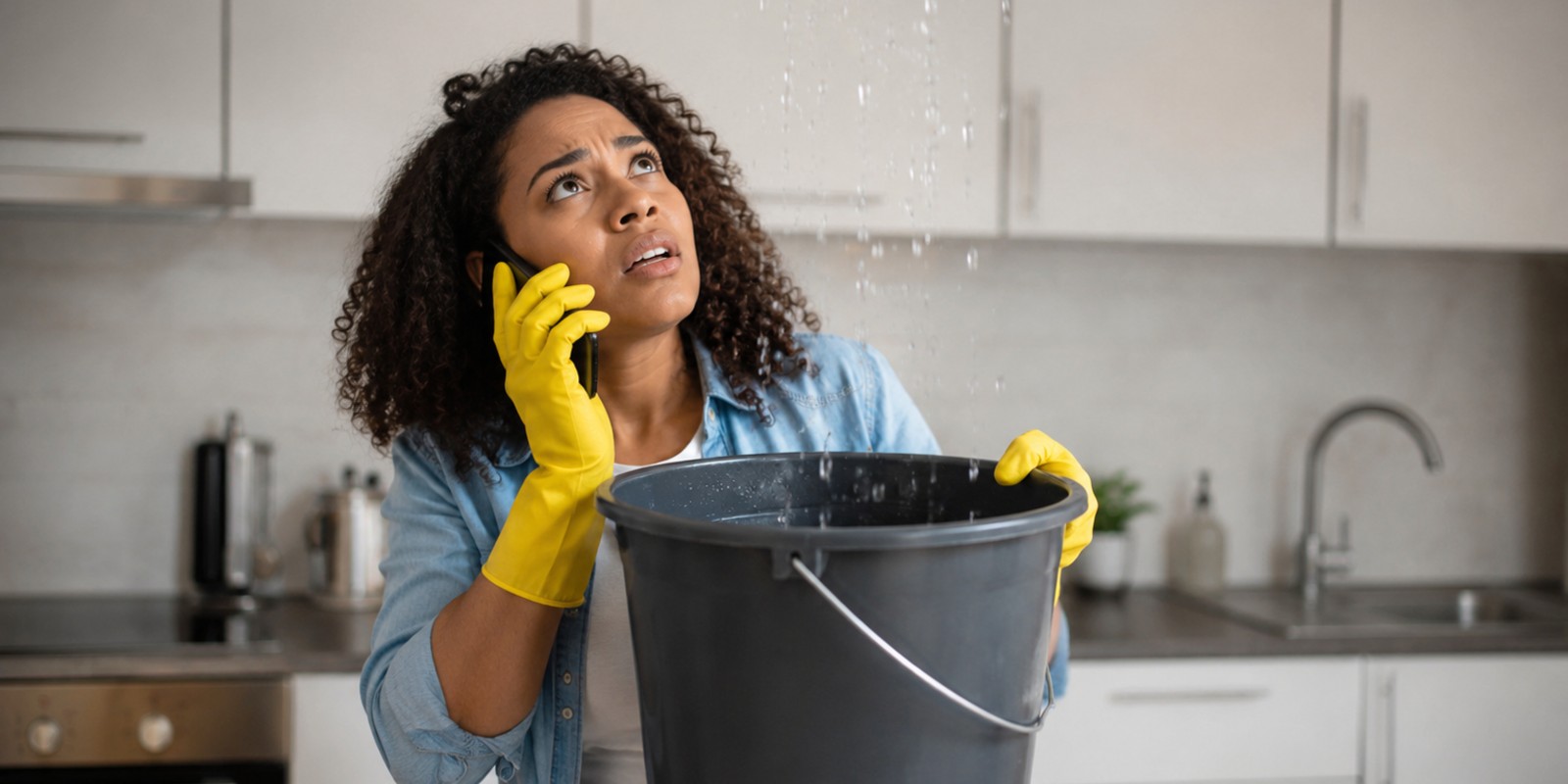
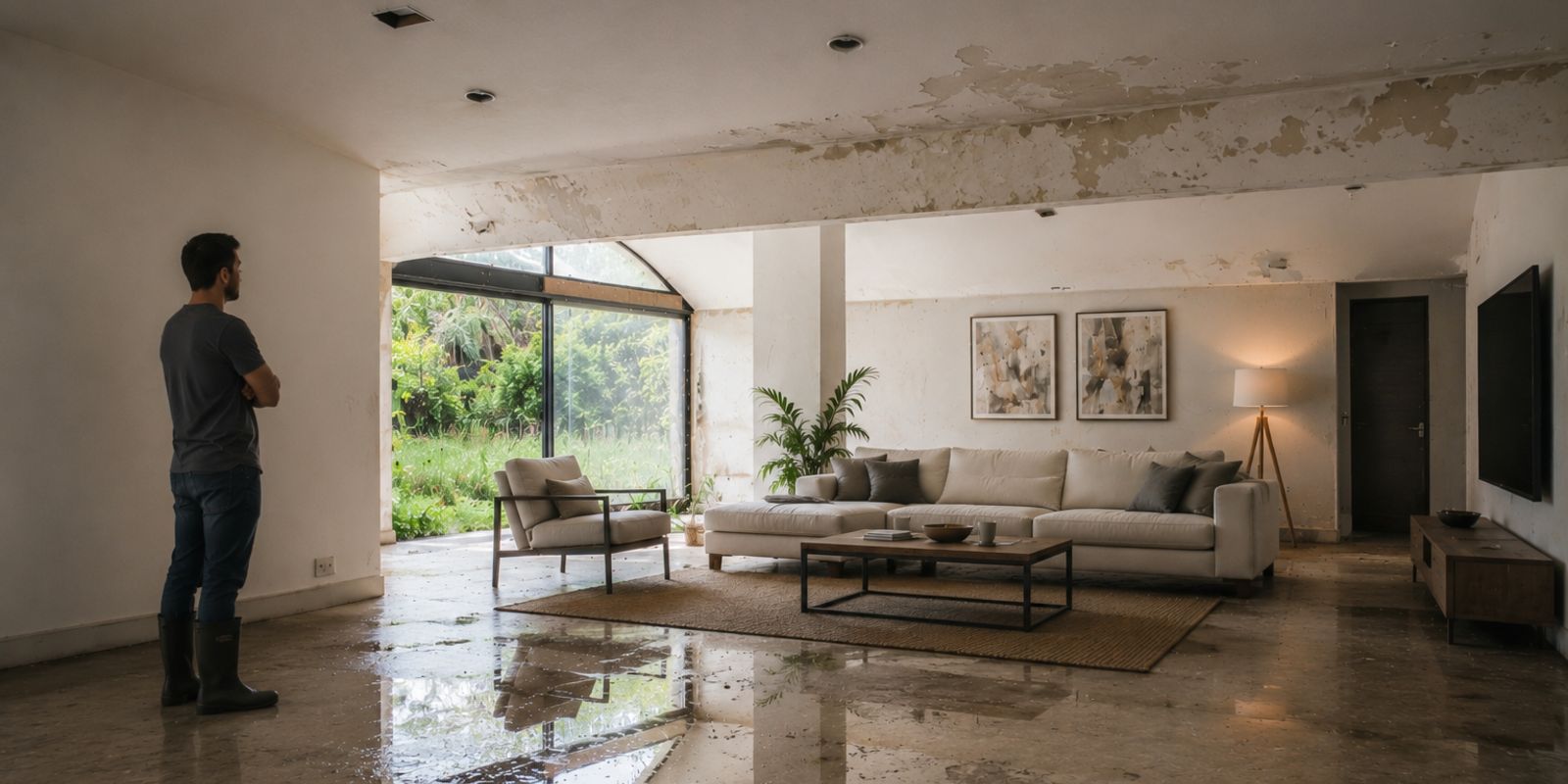
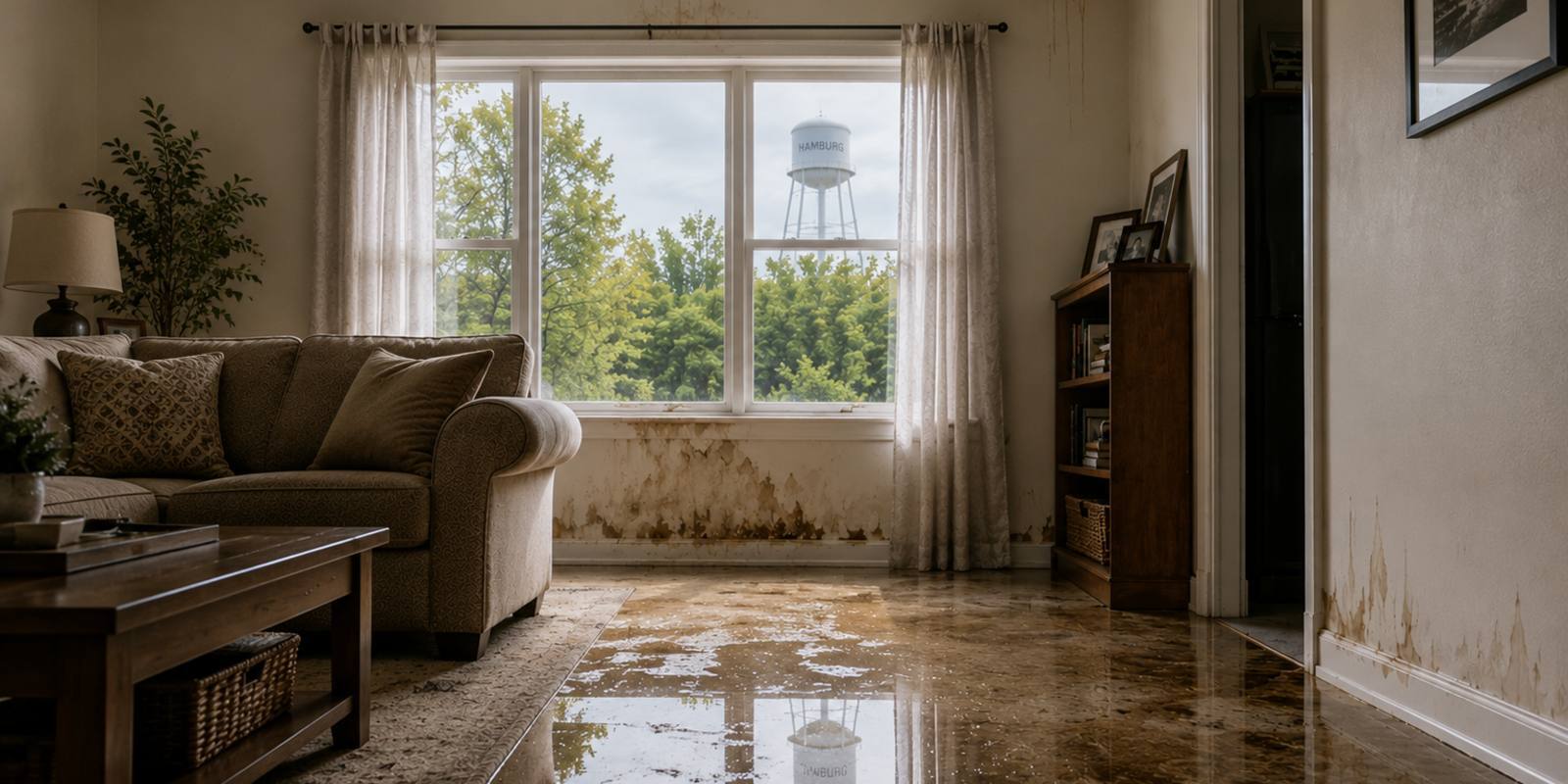
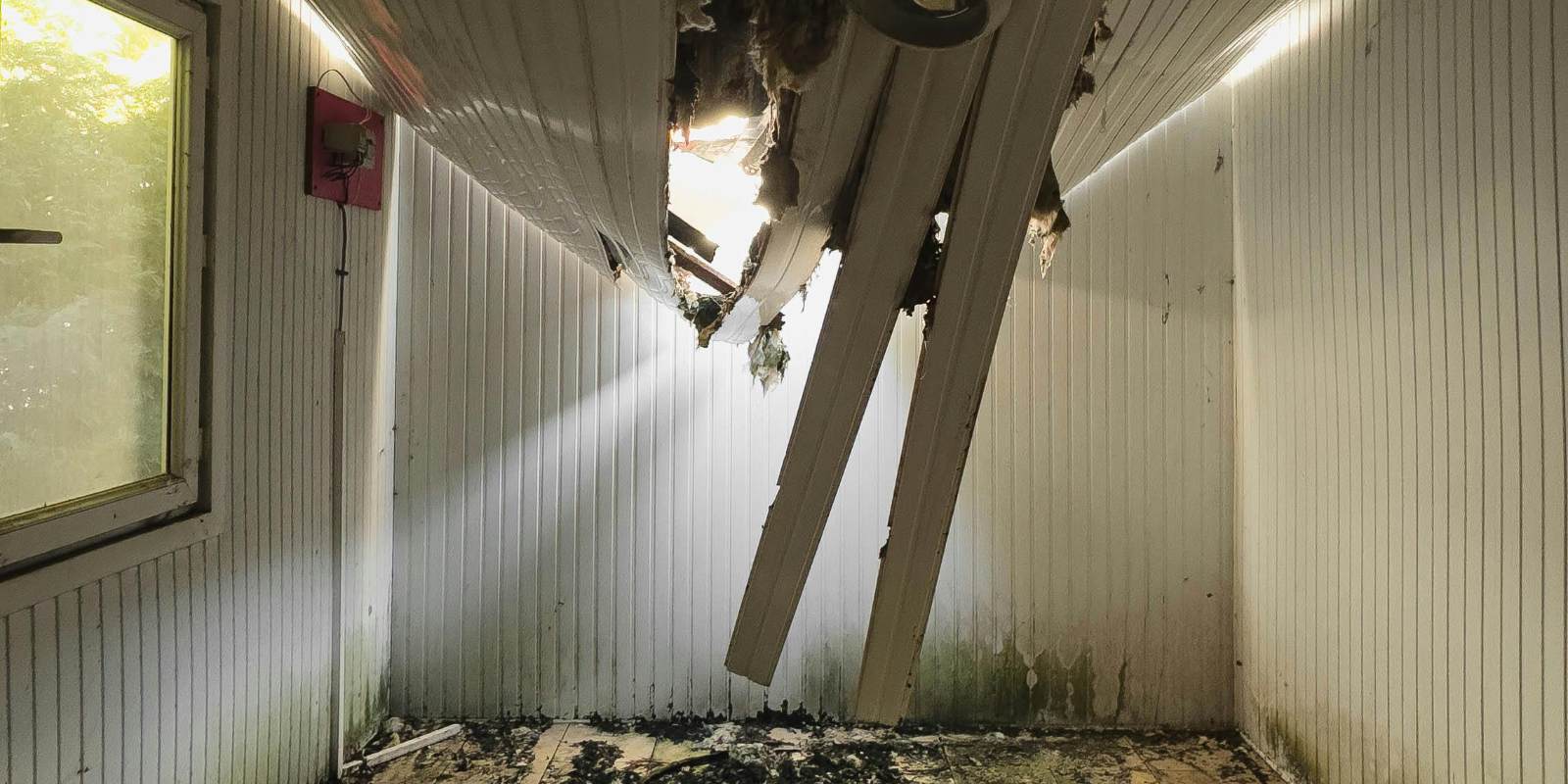
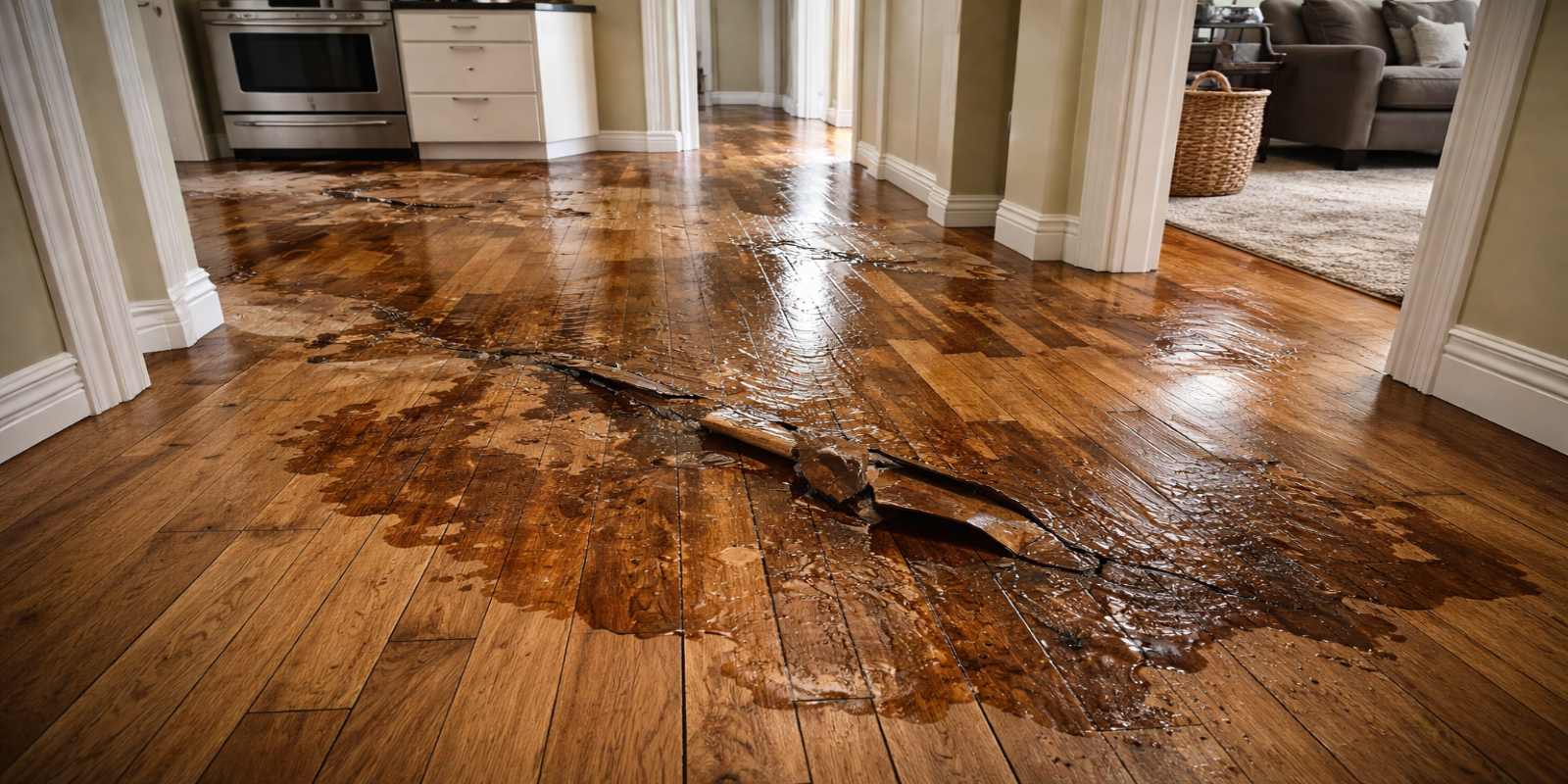
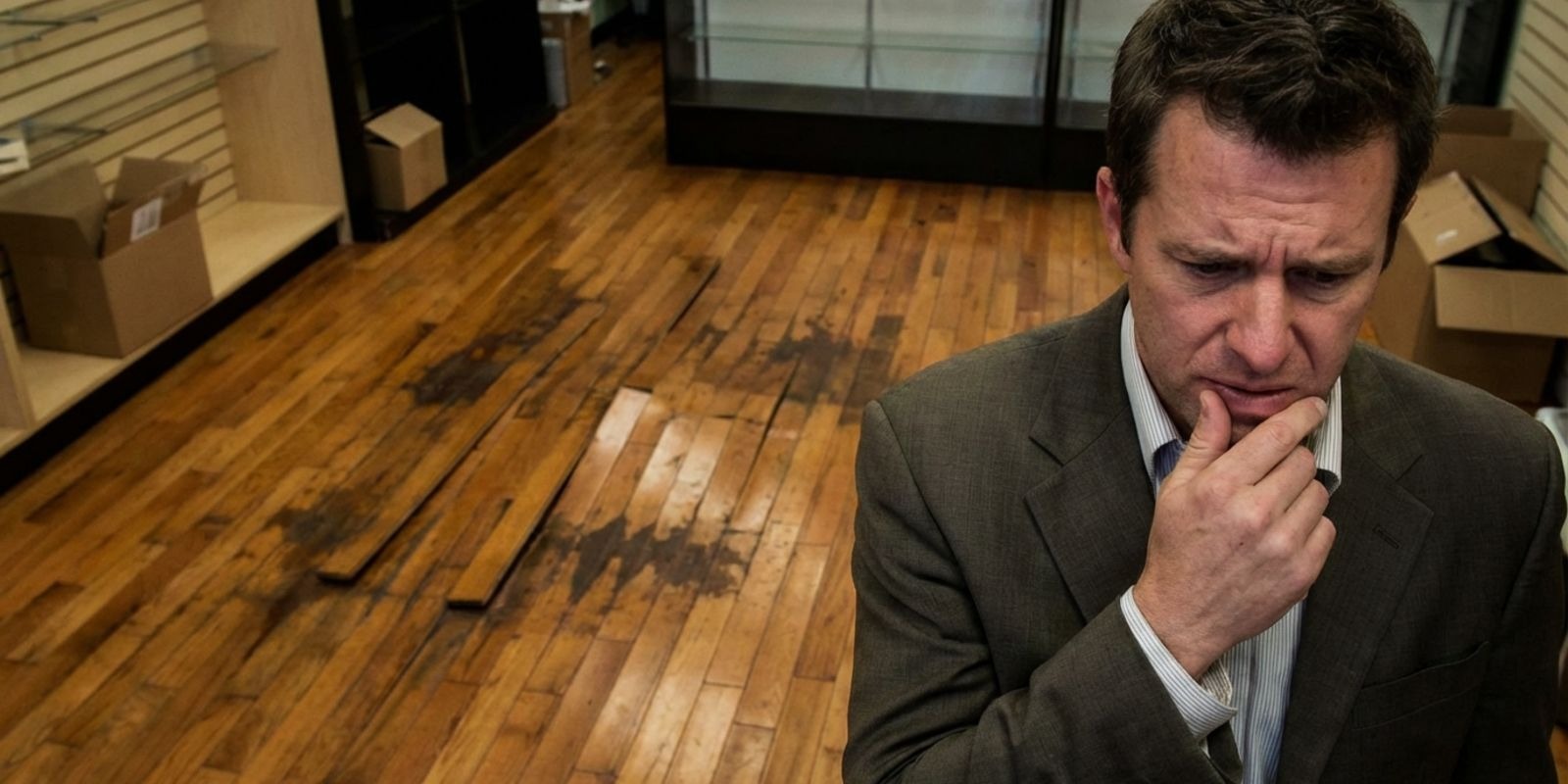
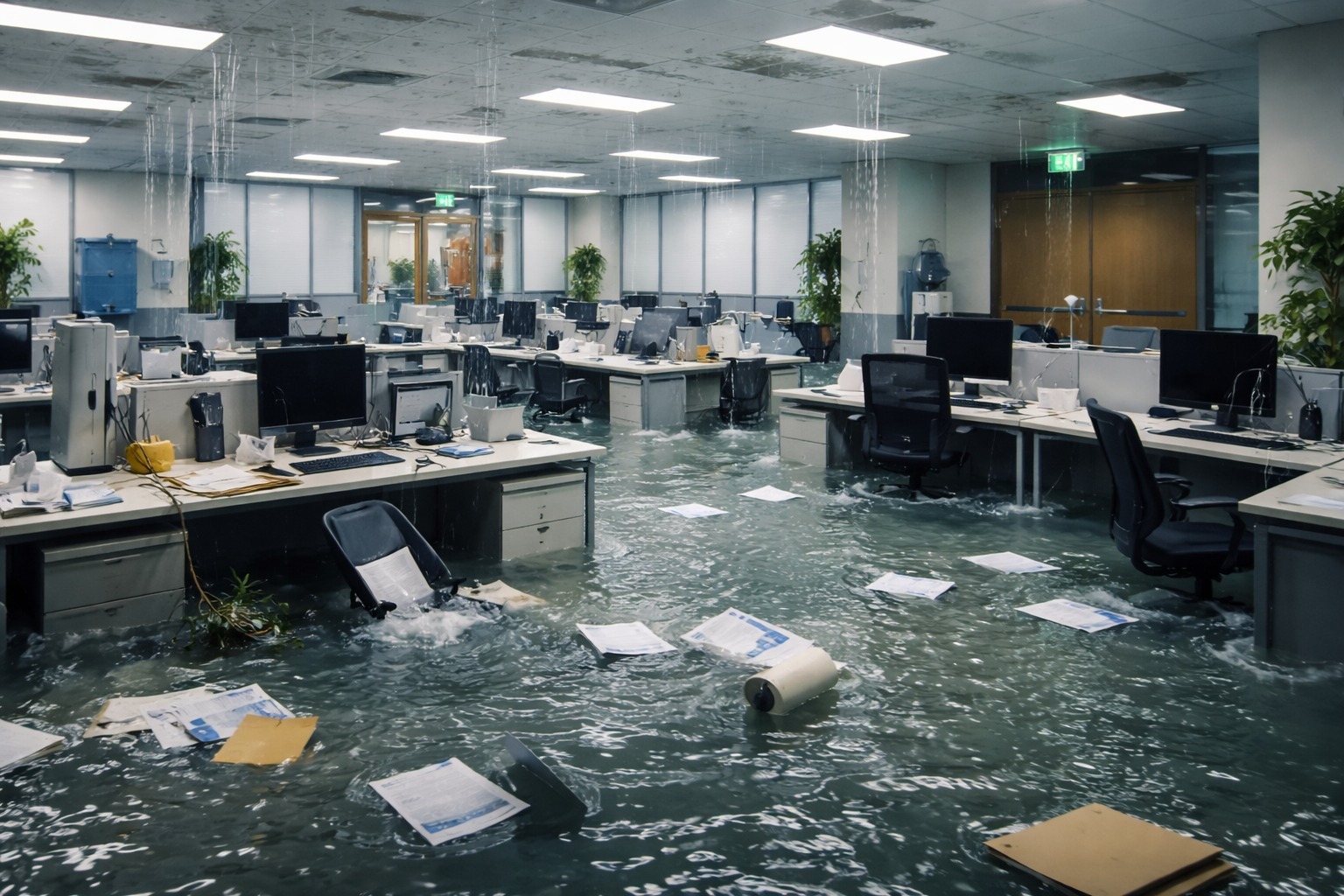
There is water everywhere. A pipe in the attic froze and burst while you were gone. The ceiling has collapsed, the hardwood floors are ruined, and your furniture is soaked.
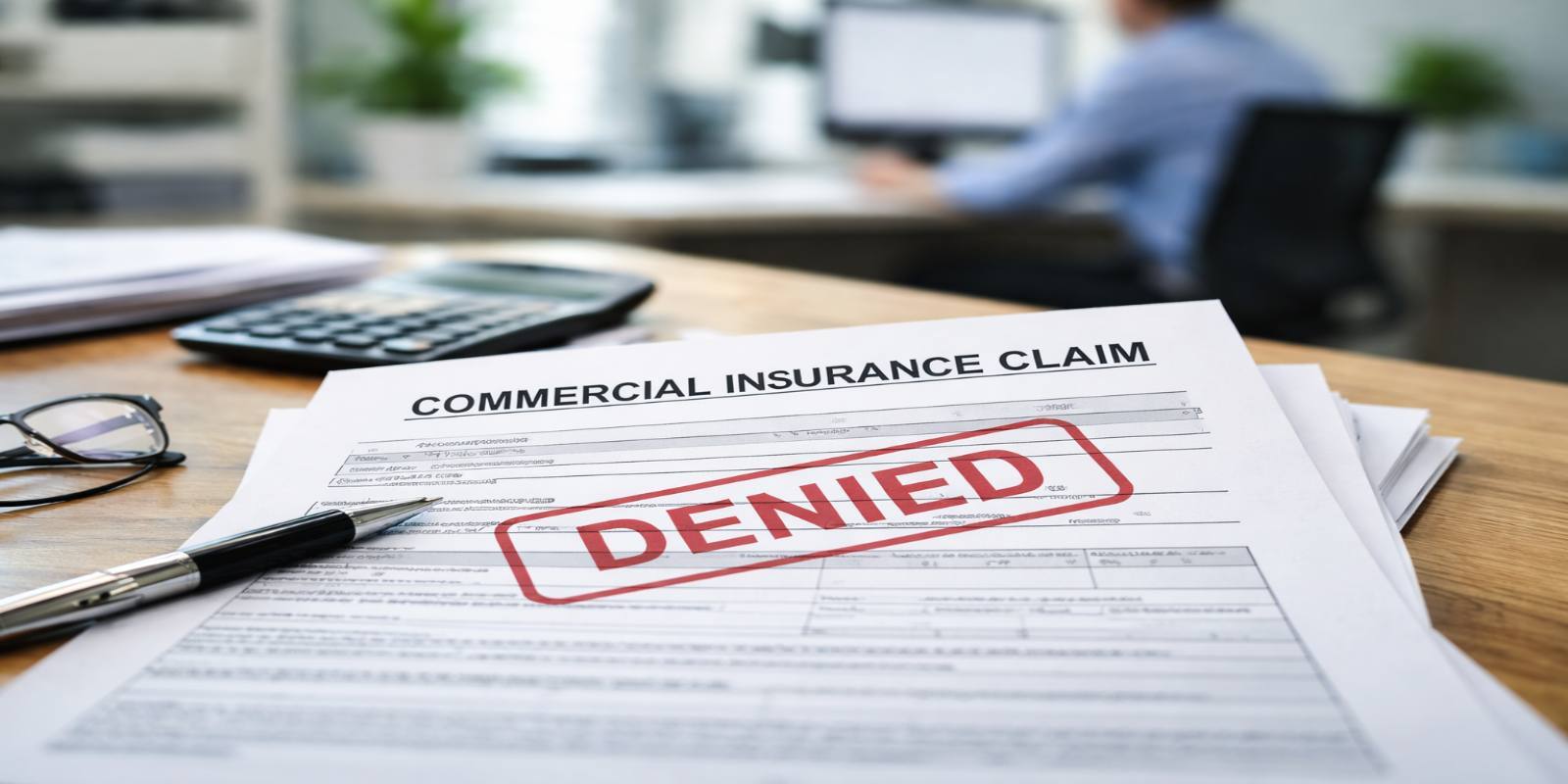
After the initial panic, you get in contact with your insurance adjuster. While most cases of frozen pipes that burst are covered, there are rare instances when the claim may be denied.
At Restore-It, we work with insurance adjusters every day. We see the good, the bad, and the ugly of the claims process. While we cannot offer legal advice, we can share what we have seen on the front lines to help you protect yourself.
Today, we are going to talk about the specific conditions under which an insurance claim for a frozen pipe burst may be denied and how to prevent this scenario.
What is the "Negligence Clause" and What Does It Mean?
Most standard homeowners' insurance policies use some very specific language. They typically state that they will not cover water damage unless you have used "reasonable care" in maintaining your property. This is the "negligence cause".
In simple terms, that means if the damage happened because you didn’t maintain the heat or water system properly, your claim can be denied.
This means that in some cases, homeowners need to demonstrate they have taken measures to prevent a disaster.
For example, keep the thermostat set to "On" to maintain your home's temperature. Or turning off the main water valve before leaving for prolonged periods of time. Or setting up cameras or other sensors on their property to check on it when they leave. Otherwise, the insurance company may argue that the damage was not an accident, but a predictable result of your inaction.
How to Prove You Were a Responsible Homeowner
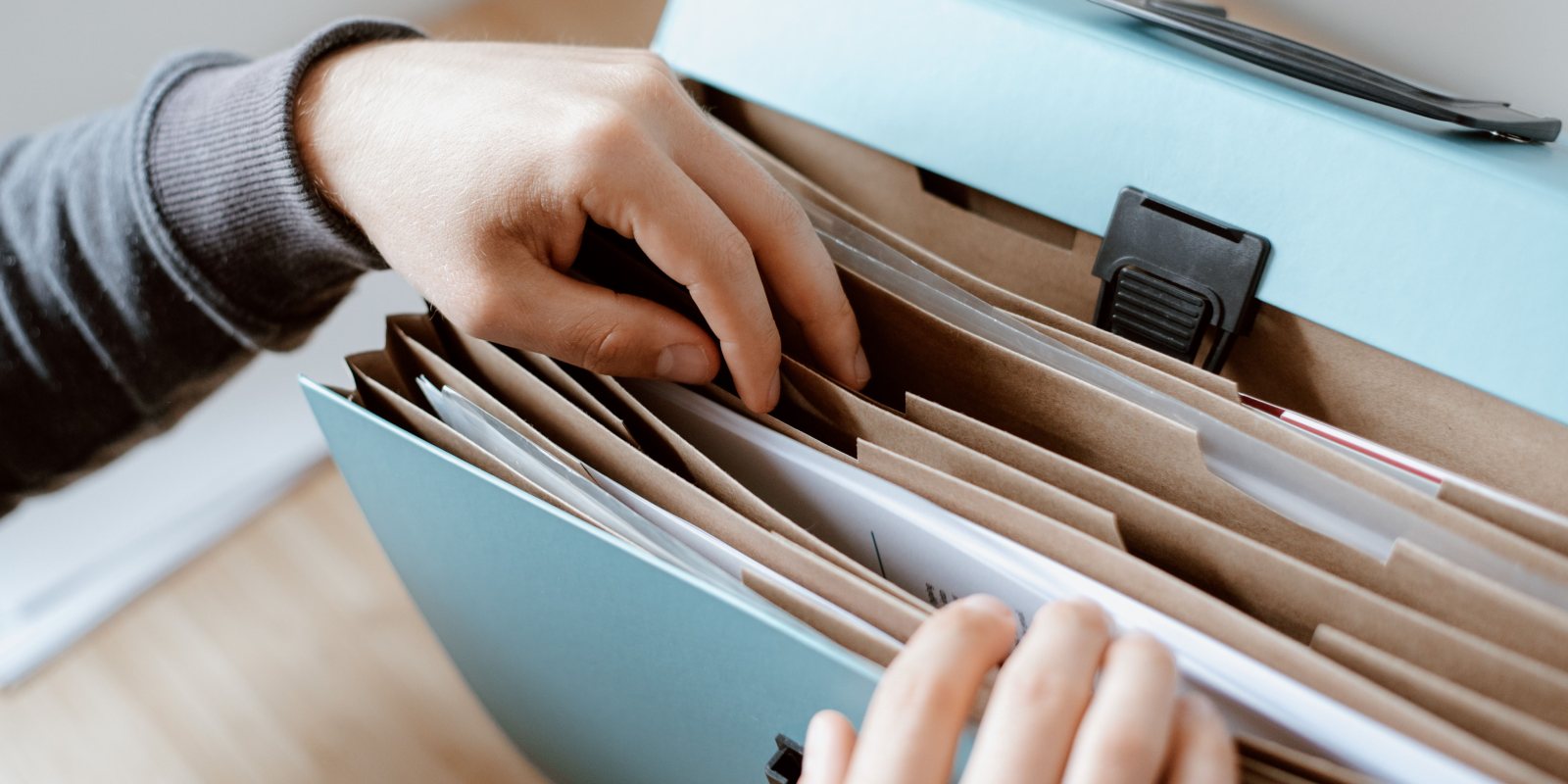
When it comes to getting an insurance claim approved, the burden of proof lies on you, the homeowner, and the coverage recipient. This is why documentation (and prompt action!) is so necessary. To defend against any negligence allegations, your documentation is key.
If you plan to stay away from your home during the winter, it's a good idea to leave a "paper trail" of the preventive actions you take. That way, if a pipe bursts, you will have evidence that you did everything a reasonable homeowner would do. Here are some steps you can take to prove you were not negligent:
1. Smart Thermostat Logs
This is the single most powerful tool for modern homeowners. Old thermostats tell no tales. If a dial thermostat fails, it's your word against the adjuster's suspicion.
However, smart thermostats (from brands like Nest or Ecobee) can keep a detailed history of your home's temperature and your system's run times.
Imagine that you set the heat to 60°F, but the power went out and the temperature dropped. With a smart thermostat, you can download the data logs showing that your thermostat called for heat, but the temperature continued to fall. This proves the failure was mechanical (accidental), not negligent.
2. The Utility Bill
Keep your utility bills on hand. You can show it to your adjuster to demonstrate the heat was on when you were gone. If the power went out, you should call your utility company to prove it wasn’t your fault that your heating system was out.
A bill showing consistent energy usage while you were gone can prove there was the intent to keep the temperatures under control. Conversely, a bill showing zero usage is a red flag that can lead to a denial.
3. The "Neighbor Log"
If you are going away for more than a few days, ask a neighbor or friend to check on your home. But don't just give them a key; ask them to text you when they visit. Think of something simple like "Checked the house. Temp is 65. No leaks."
And then save these texts. If a pipe bursts between visits, you will have the perfect record that your property was regularly monitored.
4. Maintenance Records
Did you have your furnace tuned up this fall? Keep the receipt. Did you add insulation to your attic last year? Keep the invoice.
Showing that you actively maintain your home's heating and plumbing systems helps defeat the argument that the damage was due to "long-term neglect" or "wear and tear". It proves you are a responsible homeowner who cares for your property.
Fully Drain the Pipes to Prevent Bursts with this Checklist
If you want to be extra sure a frozen pipe won't burst during your Christmas vacation, there is one thing you can do: drain it completely and shut off the water. After all, if there's no water in the pipes, they can't burst, even if they freeze. Before leaving, make sure to tick all the boxes:
☐ Turn off the main water valve
☐ Open all faucets to drain the pipes
☐ Flush toilets to clear the tanks
My Frozen Pipe Burst and Flooded my Home, What Now?
Sometimes, no matter how careful we are, accidents happen. That doesn't mean we need to give in to fear and panic. Instead, follow these instructions:
- Immediately report the incident to your insurance adjuster
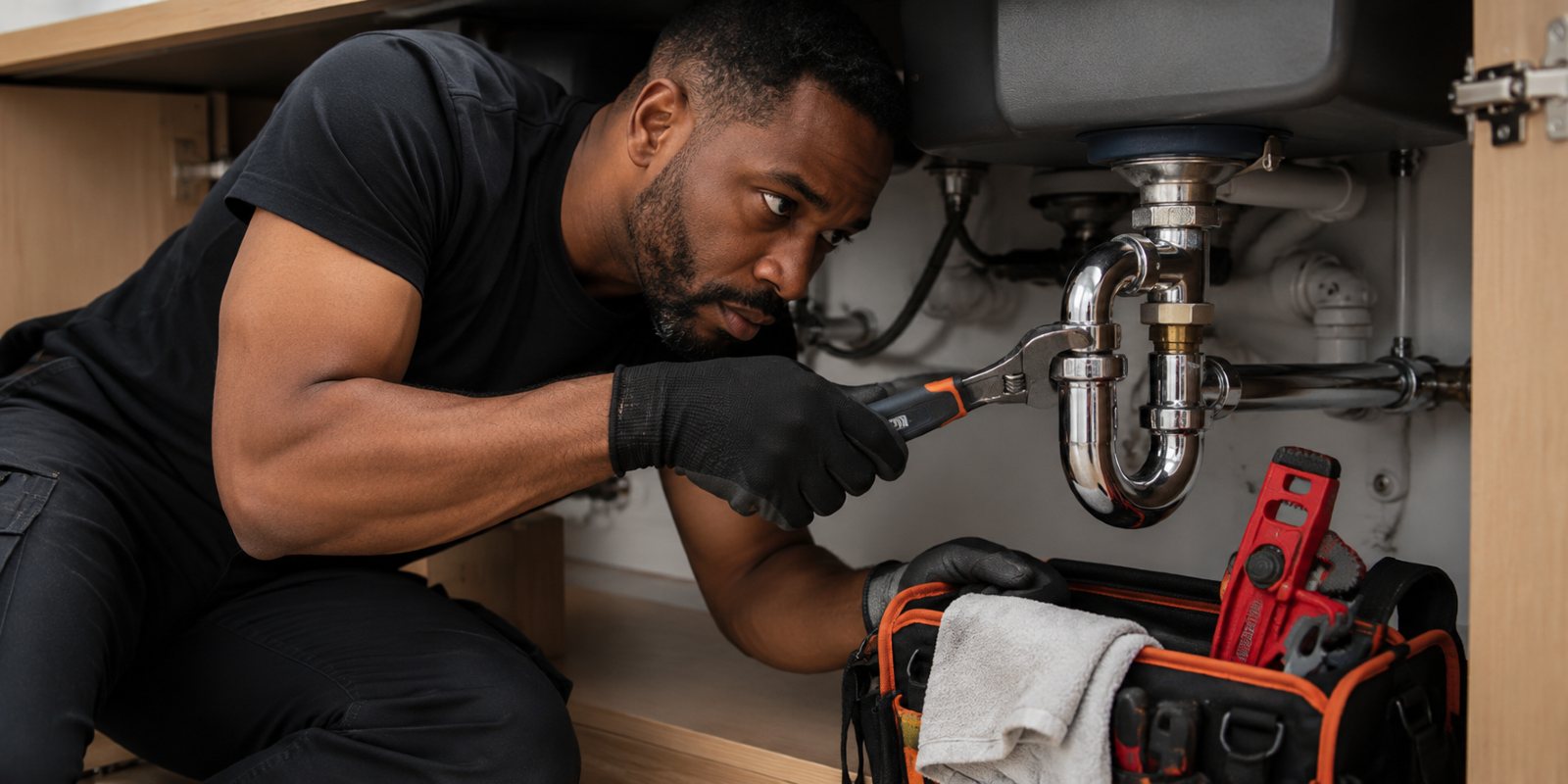
- Call a local restoration company to begin mitigation ASAP
- Shut off your main water valve (if it's safe to do so)
- Take as many pictures and videos of the damage as you can
- Check for any extra documentation that could help you during your claim
Don’t Face a Frozen Pipe Burst Alone
Every winter in the States, frozen pipes cost homeowners millions of dollars in property damage. And many of those losses could have been covered, had they been prepared with the correct documentation.
Before your next winter trip, follow these steps:
- Install a smart thermostat
- Save your utility bills
- Ask someone to check your house
- Keep all maintenance receipts
If the worst happens and you do suffer water damage this winter, consider calling Restore-It as your local professional restoration company. Our team will not only get you out of standing water, but we can also help you with the documentation so you can have a smoother insurance claim.
Don't let a frozen pipe turn into a financial disaster. Call Restore-It for 24/7 emergency water damage restoration. We will get your home back to its normal condition.

Topics: