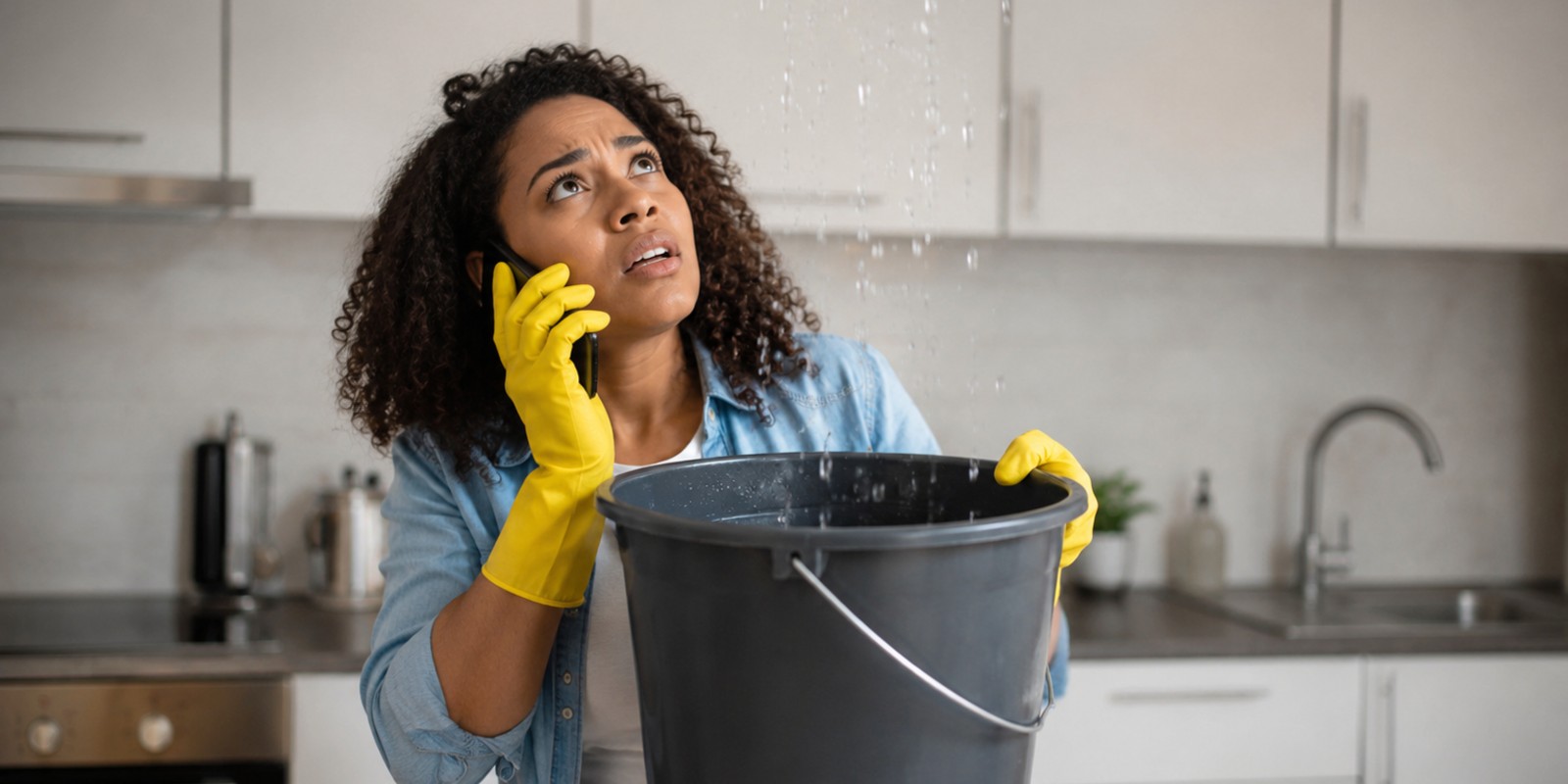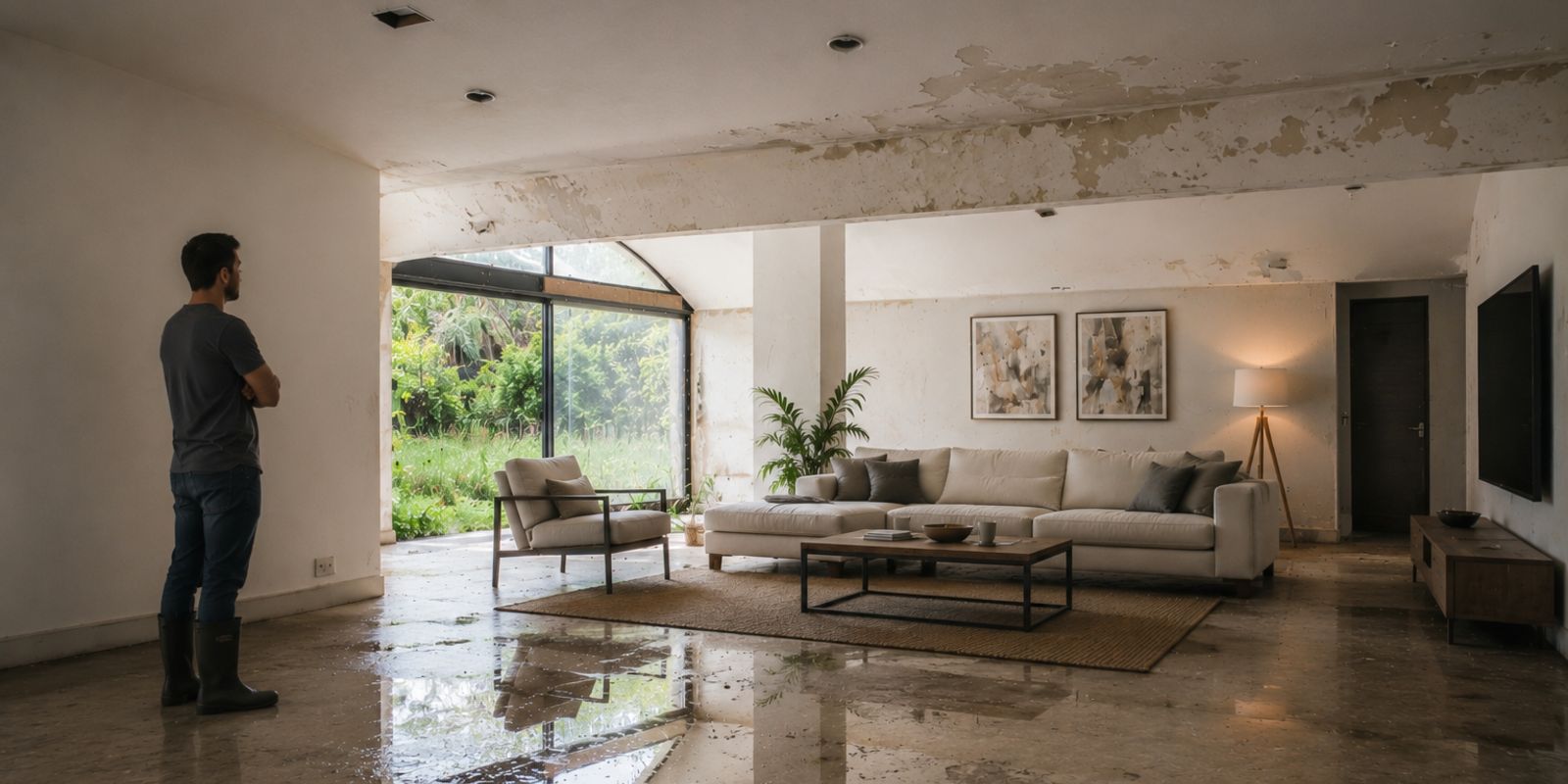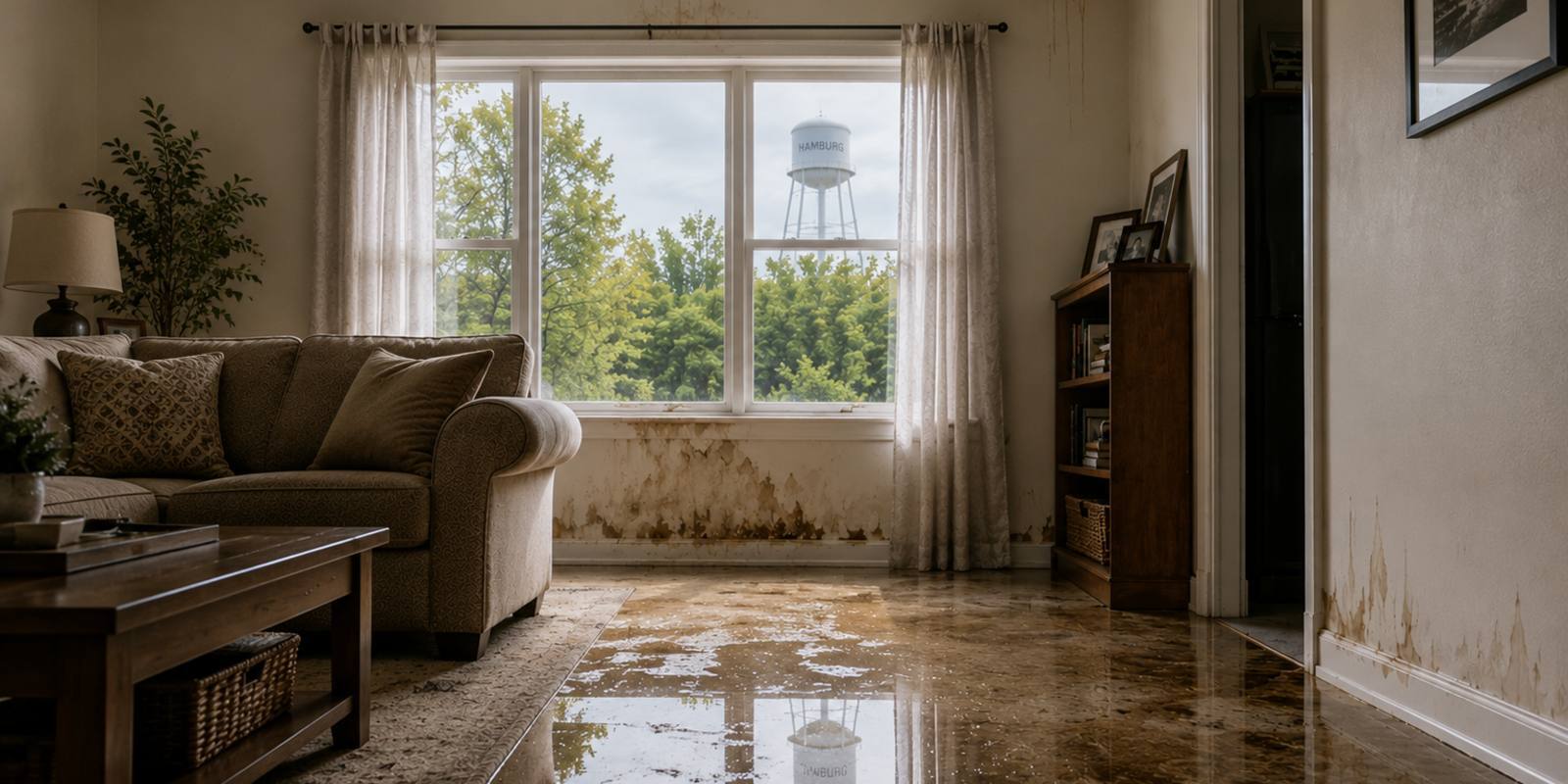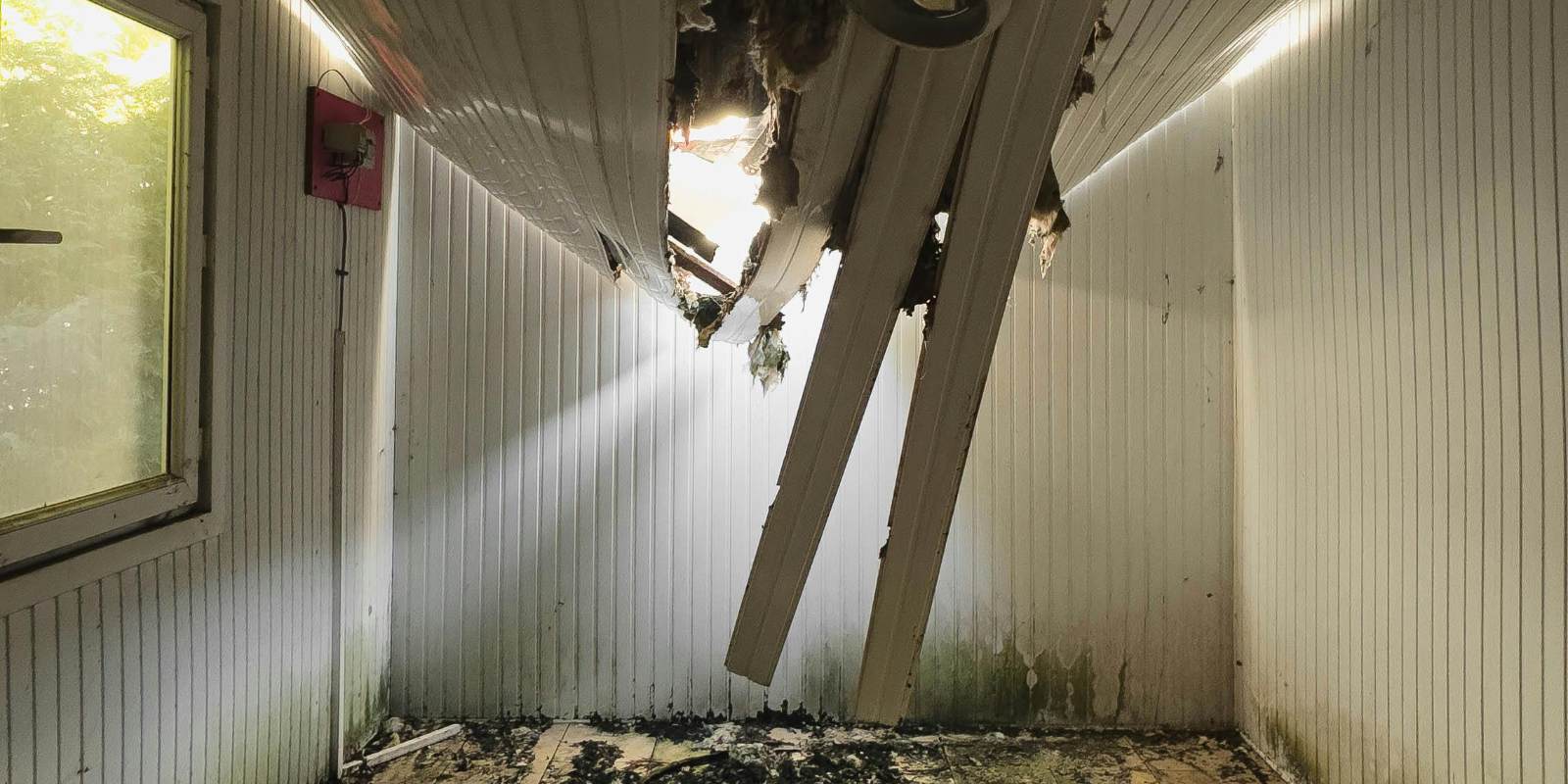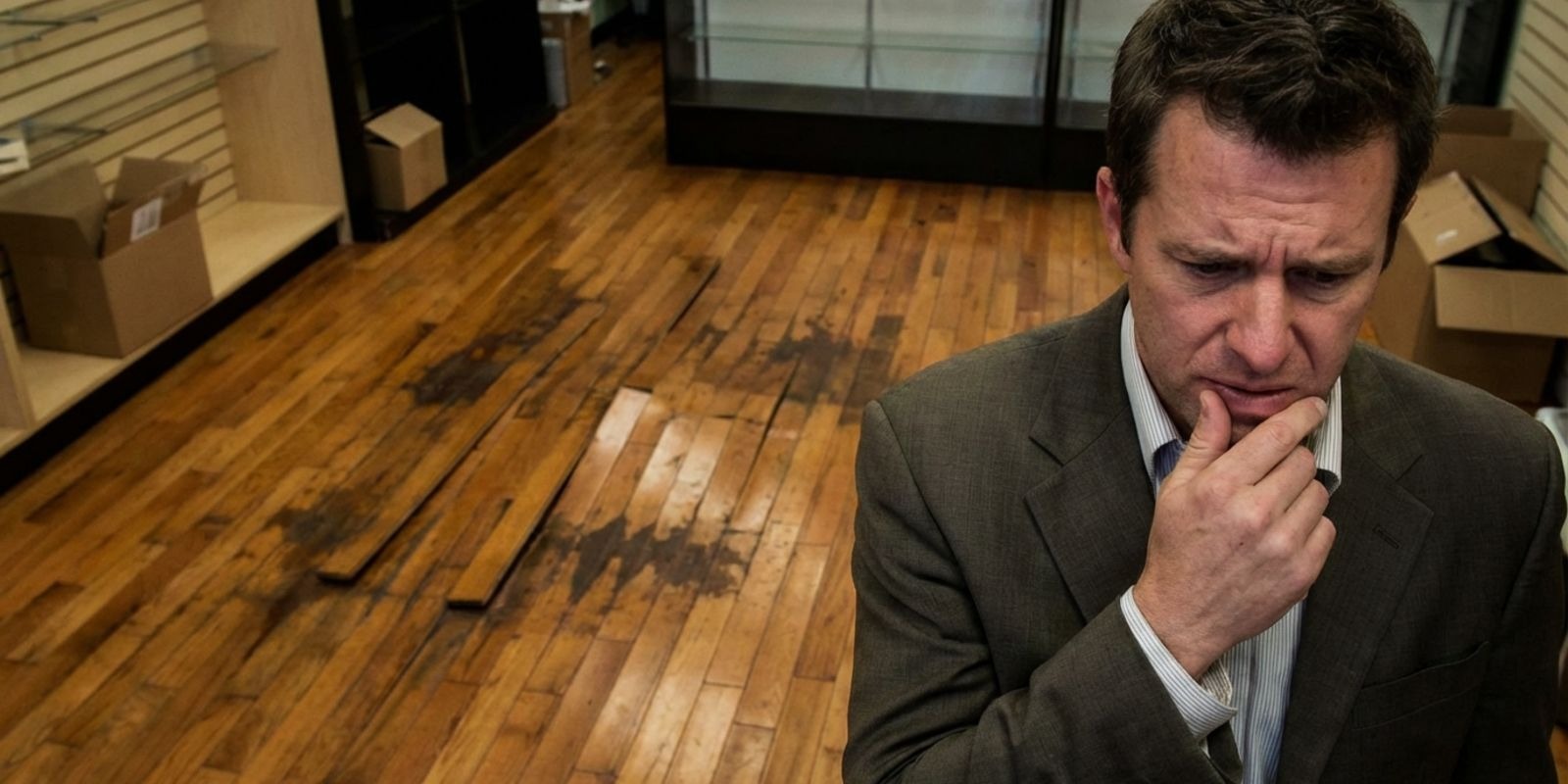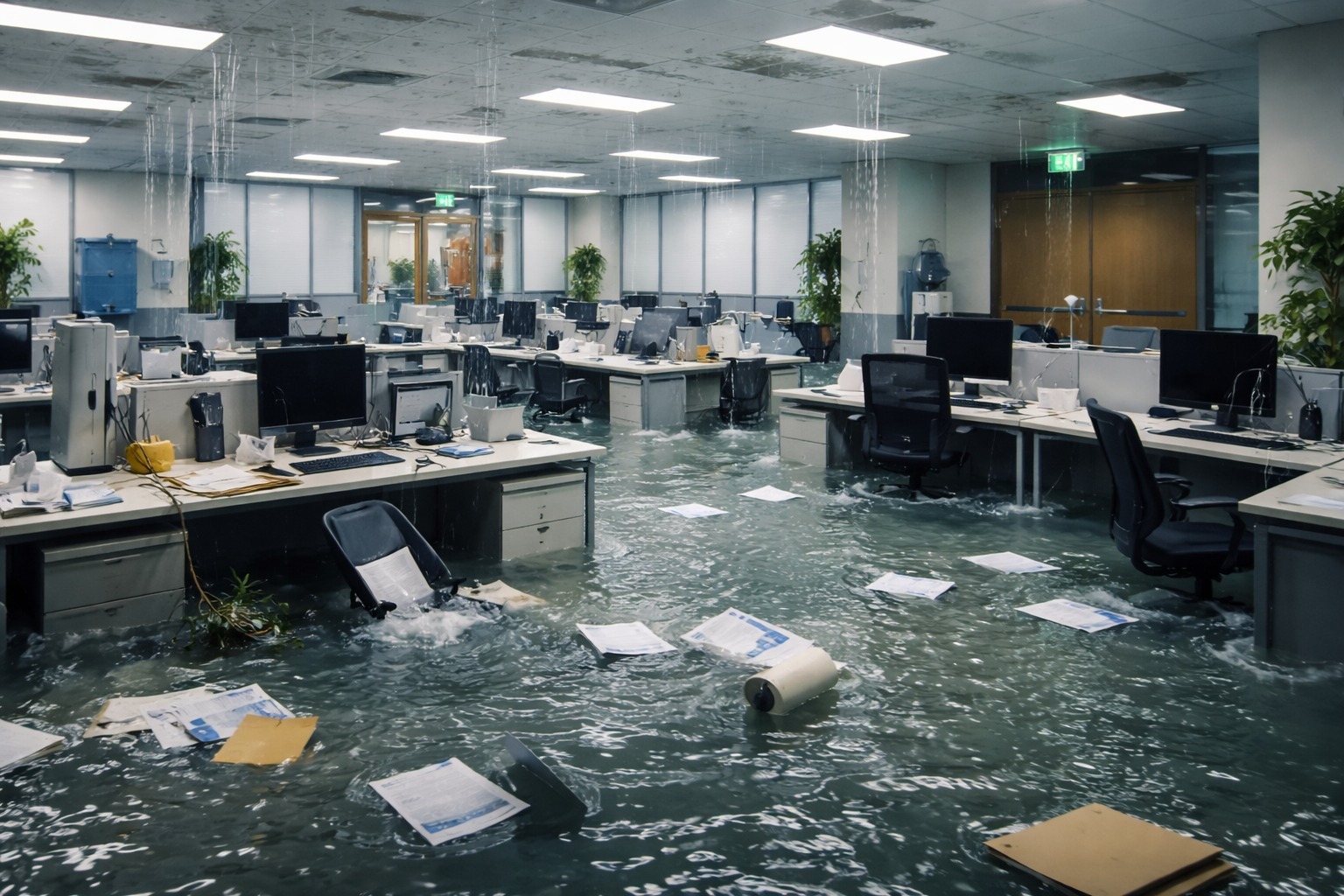

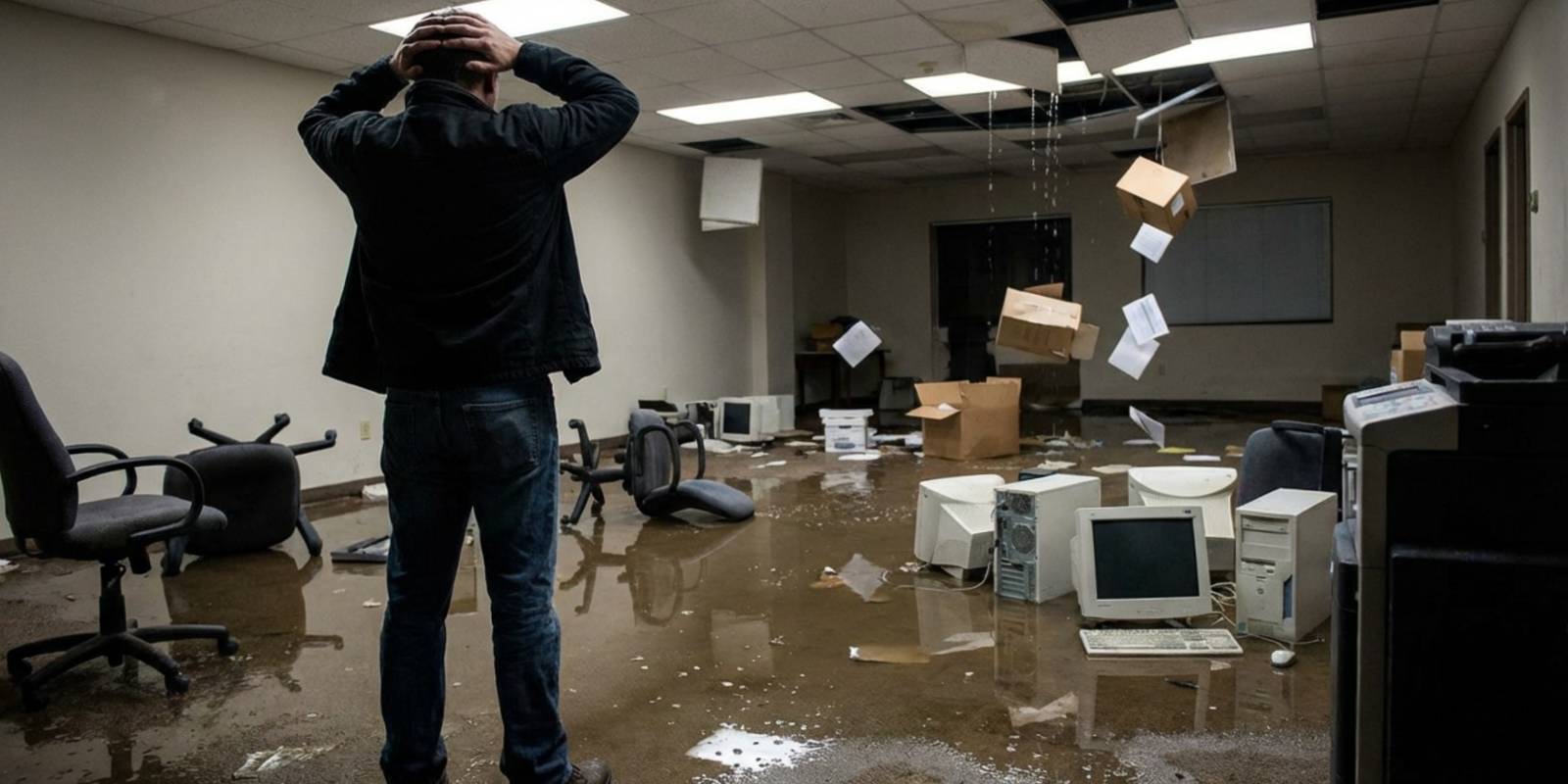
Running a business can be stressful. More so when you’re anxious about facing a business interruption. Dealing with water loss in your office is overwhelming enough without the added burden of managing employee logistics, insurance claims, and administrative tasks.
Commercial water damage restoration follows a structured process designed to protect operations and limit financial exposure.
For property managers and building owners, uncertainty is often the hardest part. In the first few hours, these questions feel urgent:
- How much will this disrupt daily operations?
- Will this turn into an expensive, unnecessary project?
- What documentation will my insurance need?
At Restore-It, we’ve worked with businesses across Southern Arkansas for more than 10 years. During that time, our IICRC-certified firm and technicians coordinated mitigation in active commercial environments. We understand the difference between residential and commercial cleanup. There are more stakeholders. More square footage. More coordination. And more is at stake.
Today, we’ll walk through what typically happens from the first 24 hours to the final stages. Below, you'll see:
- The usual timeline
- How coordination works in multi-tenant buildings
- How to reduce disruption along the way.
Let’s begin!
The First 24 Hours of Commercial Water Damage: Stabilization and Business Protection
The first day is about control.
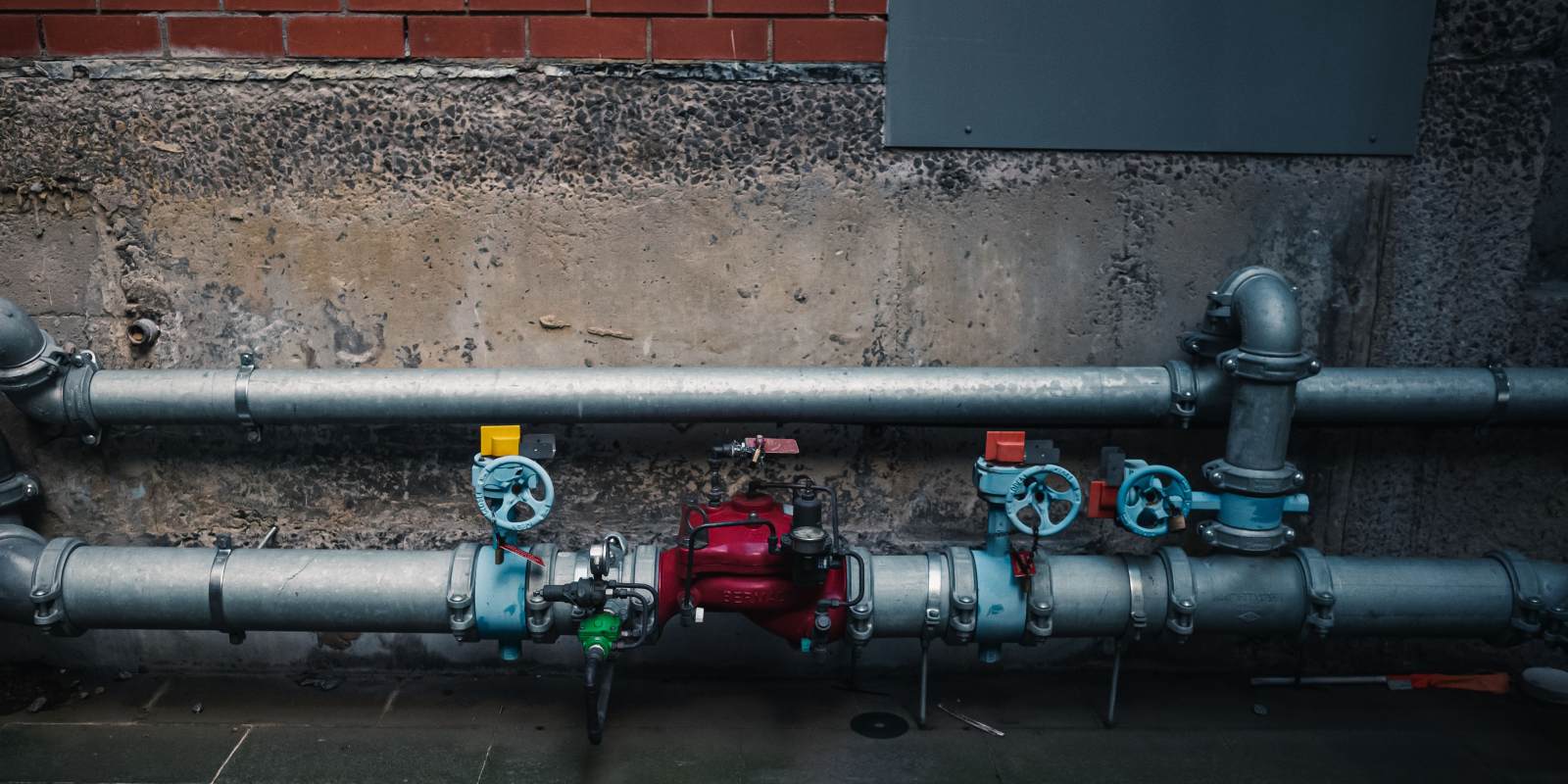
It starts with identifying and stopping the source of water. Whether it involves plumbing coordination, roof intrusion, or internal system failure. Water shutoff coordination may involve maintenance staff, plumbers, or building engineers.
Next comes a safety assessment. Commercial buildings present extra risks compared to homes:
- Electrical hazards in shared walls
- Elevator systems
- IT rooms and server closets
- Fire suppression systems
Containment barriers are set up right away to stop water from spreading. Protecting hallways, lobbies, and shared restrooms becomes a priority.
At the same time, tenant communication should begin. Clear and early updates reduce panic. They also prevent misinformation from spreading between businesses.
The first 24 hours often determine how much damage spreads and how long recovery will take.
Fast stabilization protects your building and helps reduce business interruption.
Days 1–3: Commercial Water Damage Drying and Moisture Control
Once the building is stable, drying begins.
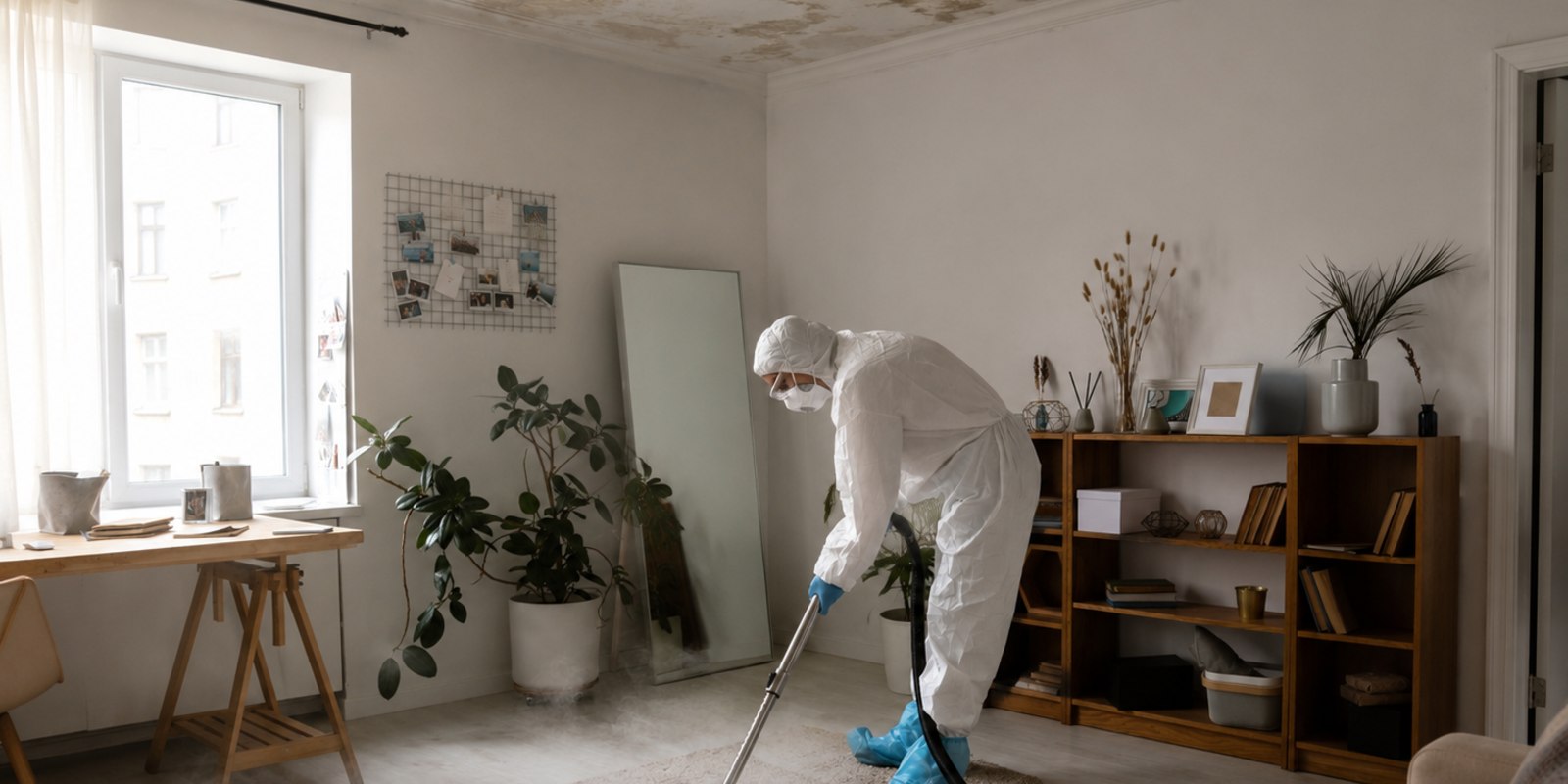
Commercial restoration relies on high-capacity equipment designed for larger spaces:
- Large dehumidifiers
- High-speed air movers
- Containment barriers
- Moisture detection tools
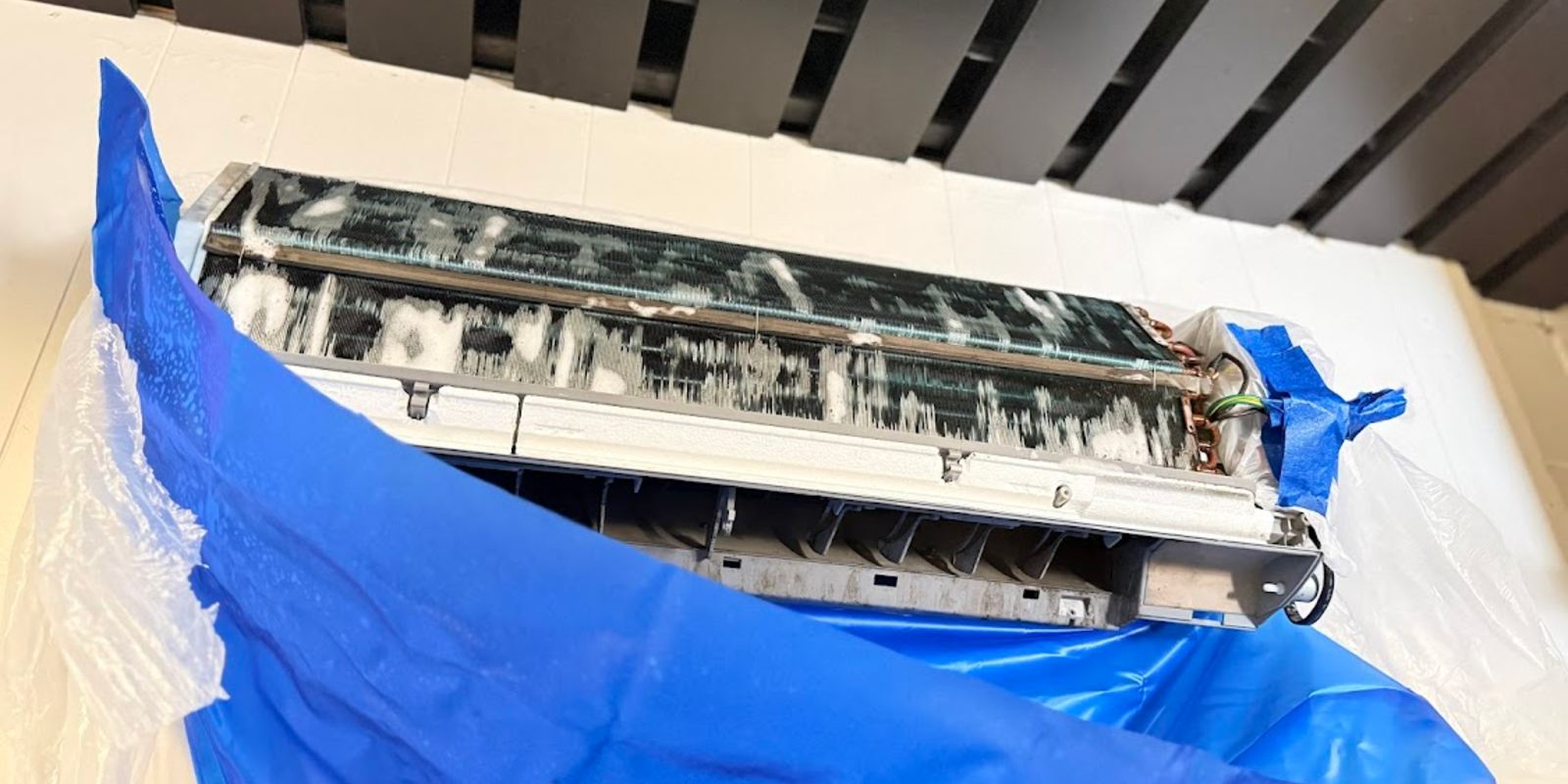
- HVAC protection
These tools pull moisture out of floors, walls, and the air.
Moisture meters help find water you cannot see. This helps crews dry the right areas. It also prevents tearing out materials that can still be saved.
In an office building, placement matters. Equipment cannot block exits, hallways, or elevators.
You may be wondering:
- Will the machines be loud?
- Can tenants stay open?
- Will common areas be blocked?
Often, unaffected suites can keep operating. Drying is often done in sections to reduce disruption.
The goal is simple: dry the building while keeping your business running.
Coordinating Restoration in a Multi-Tenant Office Building
Residential projects usually involve one family. Commercial buildings are different. There are many tenants, many schedules, and many moving parts.
In a multi-tenant office building, planning is critical. Teams must coordinate:
- Access to each suite
- After-hours work
- Elevator use for equipment
- Shared restrooms and common areas
- Safety rules
- Tenant-specific requirements
Some tenants, such as medical or financial offices, may have strict privacy rules. This makes communication even more important:
- Clear updates help everyone feel informed
- Daily progress reports reduce confusion
- Signs and restricted areas help prevent accidents and keep tenants safe
Commercial restoration isn't only about fixing damage. It is about managing operations while the work gets done. Strong coordination often determines whether tenants can stay open during the process.
How Long Does Commercial Water Damage Restoration Take in an Office Building?
One of the most common questions property managers ask is simple:
“How long will we be down?”
The answer depends on the scope of damage, but here are general ranges:
- Minor suite loss: 3 to 5 days drying plus minor repairs
- Single floor loss: 1 to 2 weeks
- Multi-floor or contaminated water loss: 2 to 4+ weeks
- Mold involvement: Longer, depending on remediation scope
Several variables influence the timeline:
- Category of water. It could be category 1 (clean water from sanitary sources), category 2 (gray, contaminated water that can cause illness), or category 3 (black or grossly contaminated water, treated as biohazard).
- How fast mitigation began
- Damaged materials
- The size of the affected area
- How fast do insurance approvals move
Downtime is often determined by how fast action is taken, not by how much water you see. The sooner mitigation starts, the more disruption you can avoid. Wondering how to protect your business and staff from Category 3 Water Damage? Click below!

Insurance Documentation During Commercial Water Damage Restoration
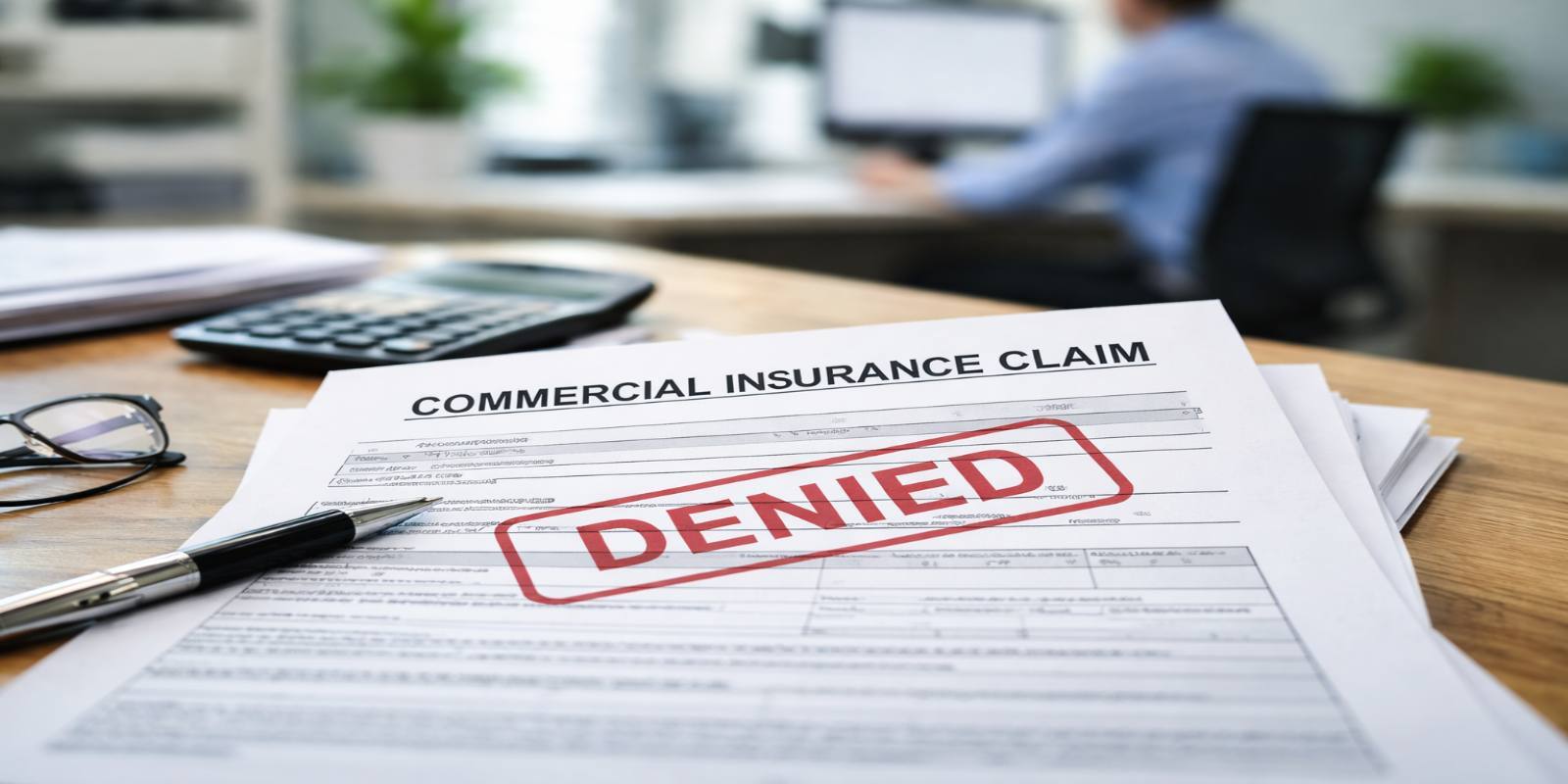
In commercial losses, documentation is not optional; it's crucial.
Professional restoration teams provide:
- Detailed photo documentation
- Moisture readings and mapping reports
- Equipment logs
- Daily progress reports
- Communication summaries for adjusters
This documentation supports both structural repair claims and potential business interruption claims. Delays in mitigation or incomplete records can complicate coverage decisions.
Accurate documentation protects your building's financial recovery. And it's as important as the drying process that protects the structure.
Restoration is both a physical and financial process.
When Does Your Office Building Not Need Full Commercial Restoration?
Not every water incident needs to turn into a full water damage restoration project. You or your staff might be able to deal with the issue if:
- The water is clean (Category 1)
- The affected area is small and contained
- Non-porous materials were involved
- The source was stopped immediately
- Drying began right away
Minor events may only need surface-level drying and monitoring. However, to be fully sure that you are not harboring hidden mold or other issues underneath, a professional moisture inspection is recommended. This will let you know if you, in fact, need full restoration or if limited drying is enough.
What Commercial Water Damage Restoration Means for Your Office Building
Water damage in an office building can feel rough. Dealing with tenant concerns, operational disruption, and insurance questions all at once.
Now you understand what to expect:
- Immediate stabilization within the first 24 hours
- Structured drying during the first several days
- Coordinated access planning in multi-tenant environments
- Clear timeline ranges depending on the scope
- Detailed documentation to support insurance recovery
Commercial restoration isn't only about drying materials. It’s about protecting operations while restoring the structure. Whether your office building has experienced water damage or you want to understand how to prepare, call us!
At Restore-It, we work with property managers and building owners to reduce downtime, coordinate tenant communication, and document the mitigation process. We’re here to help you get things under control without delay. Our goal is to protect both your building and your operations from day one.