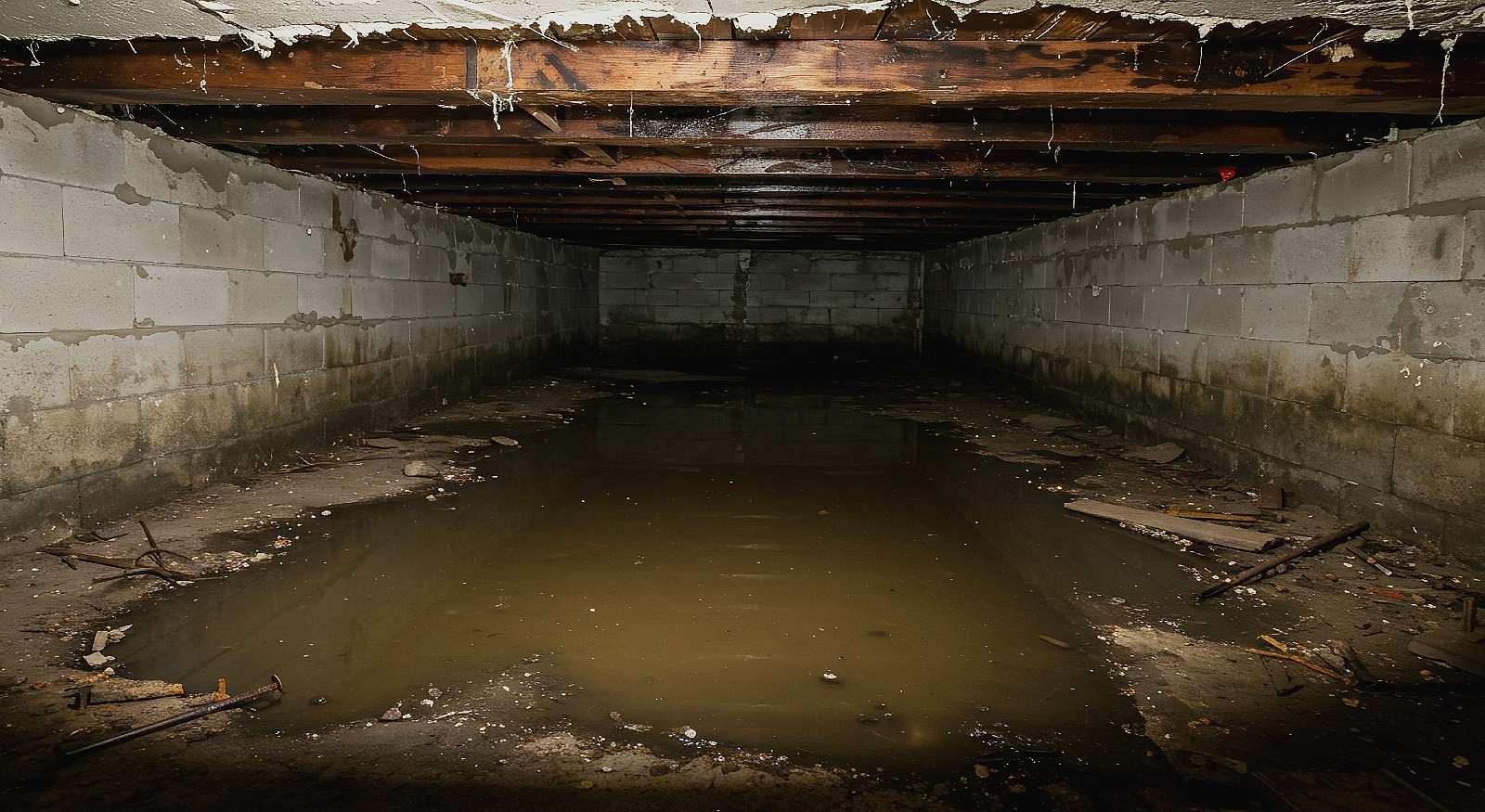

As an Arkansan, you are used to the rain. Whether it is a brief mist or a flood, rain is less of a surprise and more of a constant. What may shock you is how much it can affect your home. Crawl spaces, the small areas underneath the home, are particularly vulnerable to the elements, especially rainwater.
You know that humidity indoors is the perfect environment for mold growth. But how to prevent your crawl space from becoming a damp place? Is a dehumidifier enough? What about encapsulation? Could you save some money by encapsulating without putting a dehumidifier there as well?
As a company dedicated to professional crawl space encapsulation in South Arkansas, we have heard these questions again and again. And we are here to provide you with a final answer.
Let's talk about why crawl spaces stay humid in our region, why a dehumidifier is not enough, and how a true encapsulation system works. We will also discuss some other issues, including how costs compare over time. The goal is to help you make an informed decision for the long-term benefit of your home.
Why Your Crawl Space is Susceptible to Humidity
For many years, builders put vents in crawl space walls. The idea was simple. Let outside air blow through and dry out moisture. In a hot, humid climate like much of Arkansas, building science has shown that this often does not work.
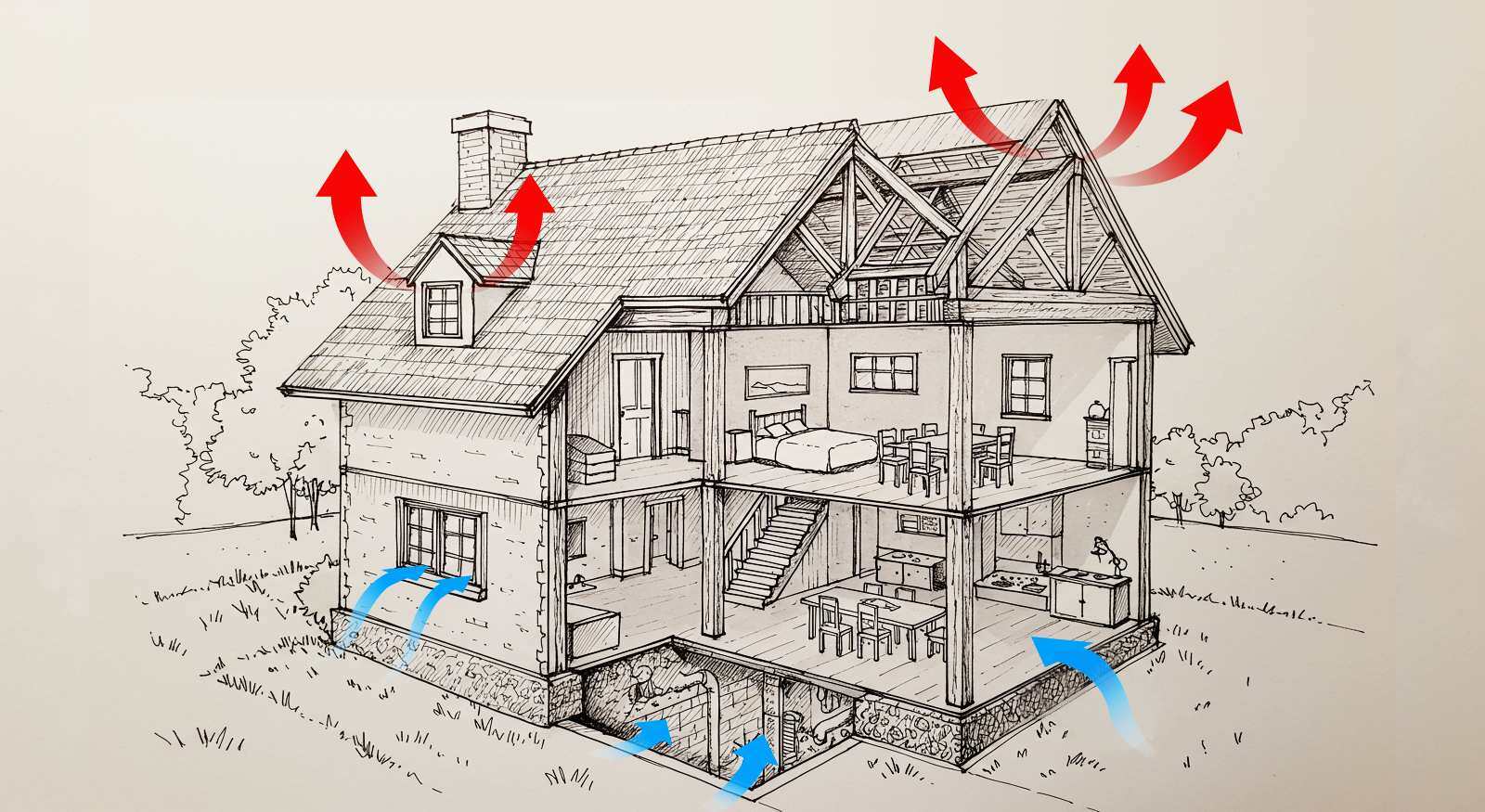
The summer air outside is warm and heavy with moisture. Your crawl space is usually cooler than the outside air. When that warm, humid air moves into the cooler space, it cools down. When air cools, its relative humidity goes up. If the crawl space surfaces are cool enough, moisture can condense on wood, insulation, and ducts.
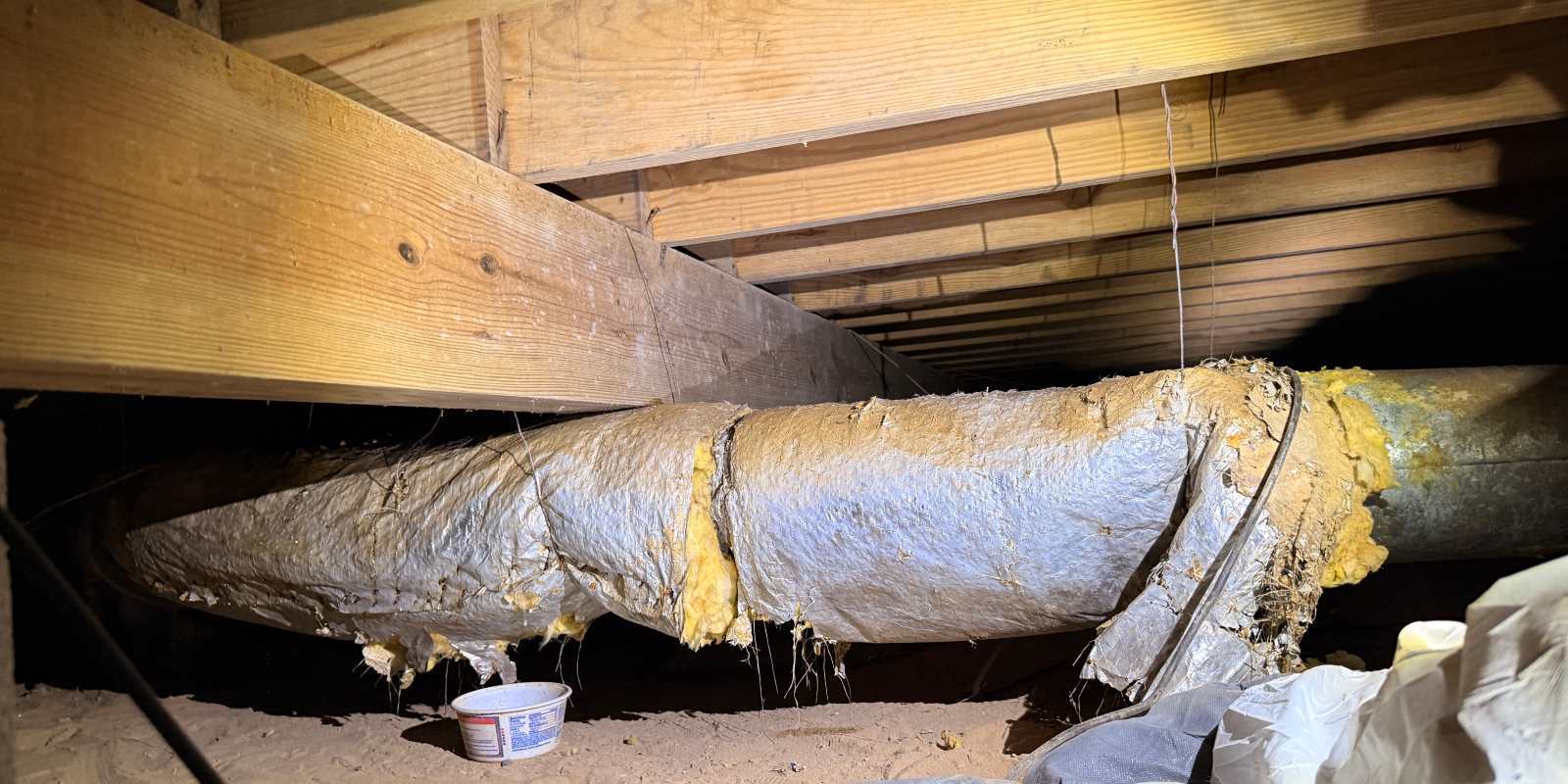
Warm, humid summer air entering the cooler crawl space raises relative humidity as it cools. This can cause moisture to condense on crawl-space surfaces, such as wood, insulation, and ducts.
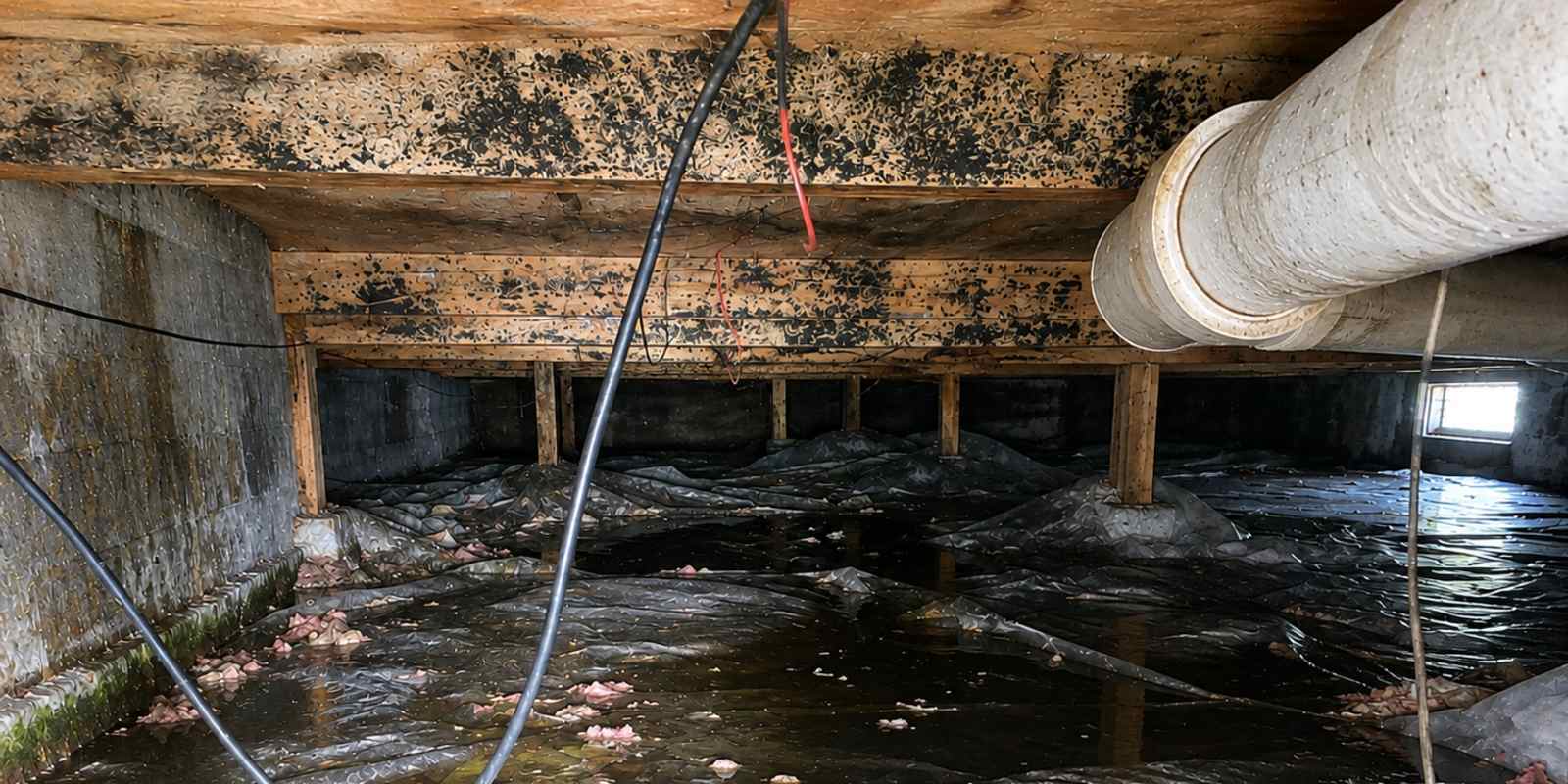
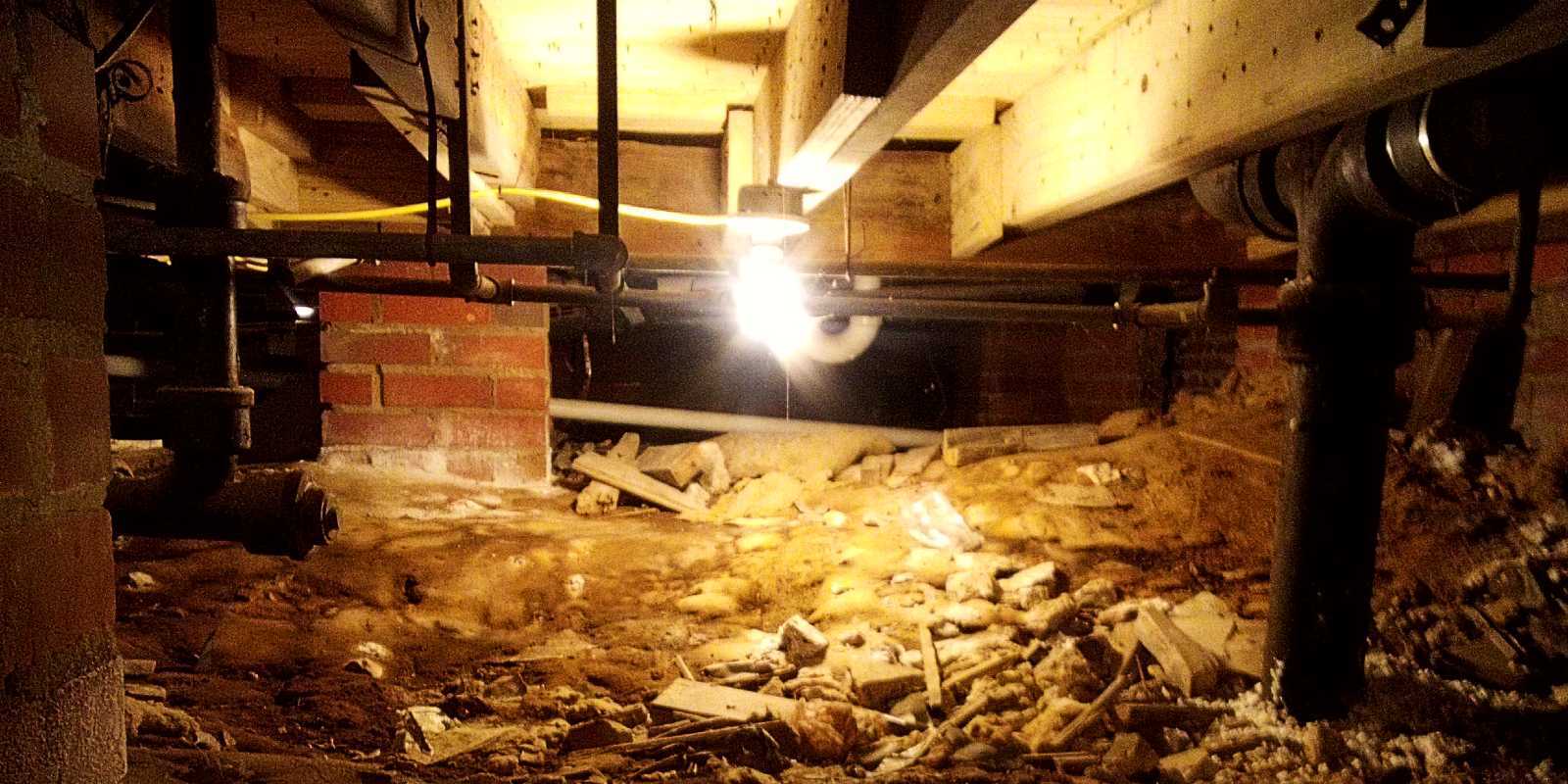
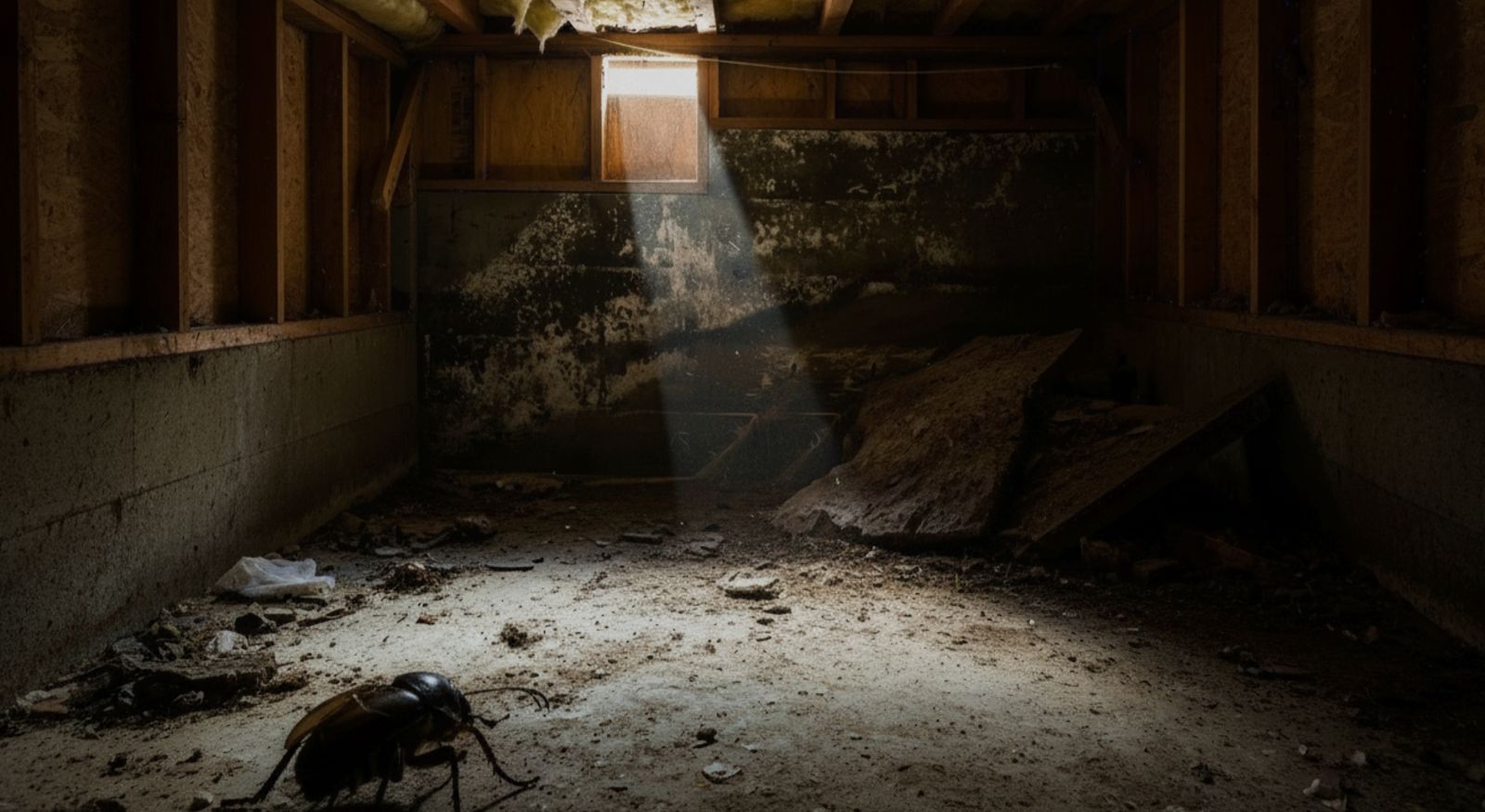
Bare soil introduces moisture by allowing water vapor to rise into the air. The Department of Energy (DOE) advises covering dirt floors with plastic to curb ground moisture. Without a floor cover and with open vents, moisture constantly enters from the ground and outside. This often leads to vented crawl spaces becoming damp and moldy, affecting the air quality inside the home.
Why You Need More than a Dehumidifier
A dehumidifier may seem like a quick fix for your crawl space humidity by pulling moisture from the air. However, it fails to address the root causes: open vents from the space to the humid outdoors and ground moisture from bare soil. This constant influx of new moisture forces the unit to run nearly non-stop, wasting energy and shortening its lifespan.
Without sealing vents, subfloor gaps, or stopping ground vapor, a dehumidifier will always struggle to keep up. In the best-case scenario, it will offer only a slight improvement rather than thoroughly drying the space or protecting the structure. At worst, it will break down, making your investment a waste of money.

Encapsulation and Dehumidifiers: The Winner Team
Some shady contractors may offer you crawl space solutions, such as installing a vapor barrier or encapsulating the area without including the dehumidifier, to lower the cost. Beware these promises! True professionals know that real encapsulation is only a practical solution with a dehumidifier.
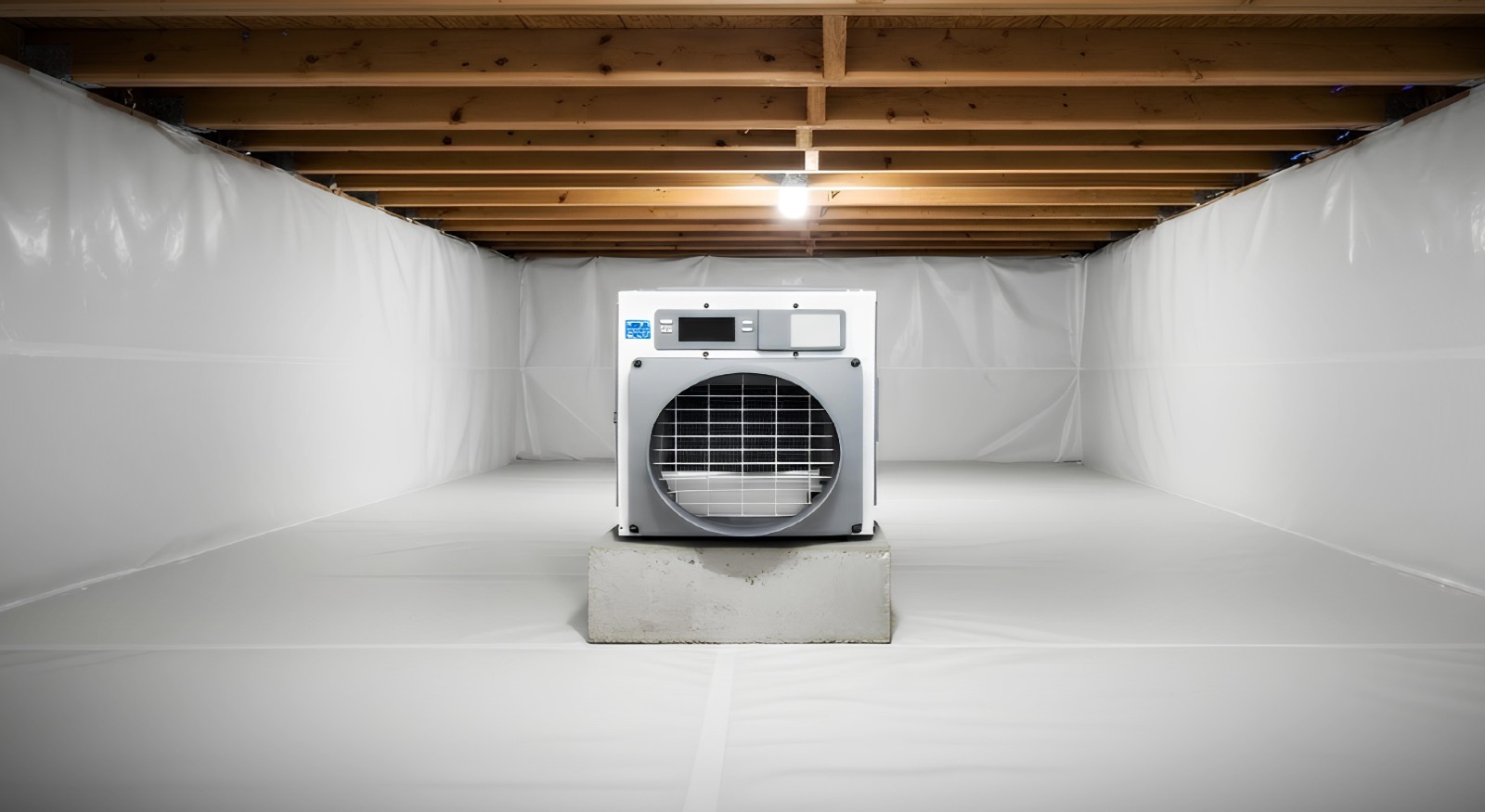
The strategy is not about drying an open, vented space, but rather controlling the source of the moisture. A true closed crawl space needs mechanical drying, such as a dehumidifier, to work long-term.
Here is what this type of project includes:
- Sealing vents and major air leaks: This prevents humid air from entering, protecting your building materials and improving indoor air quality.
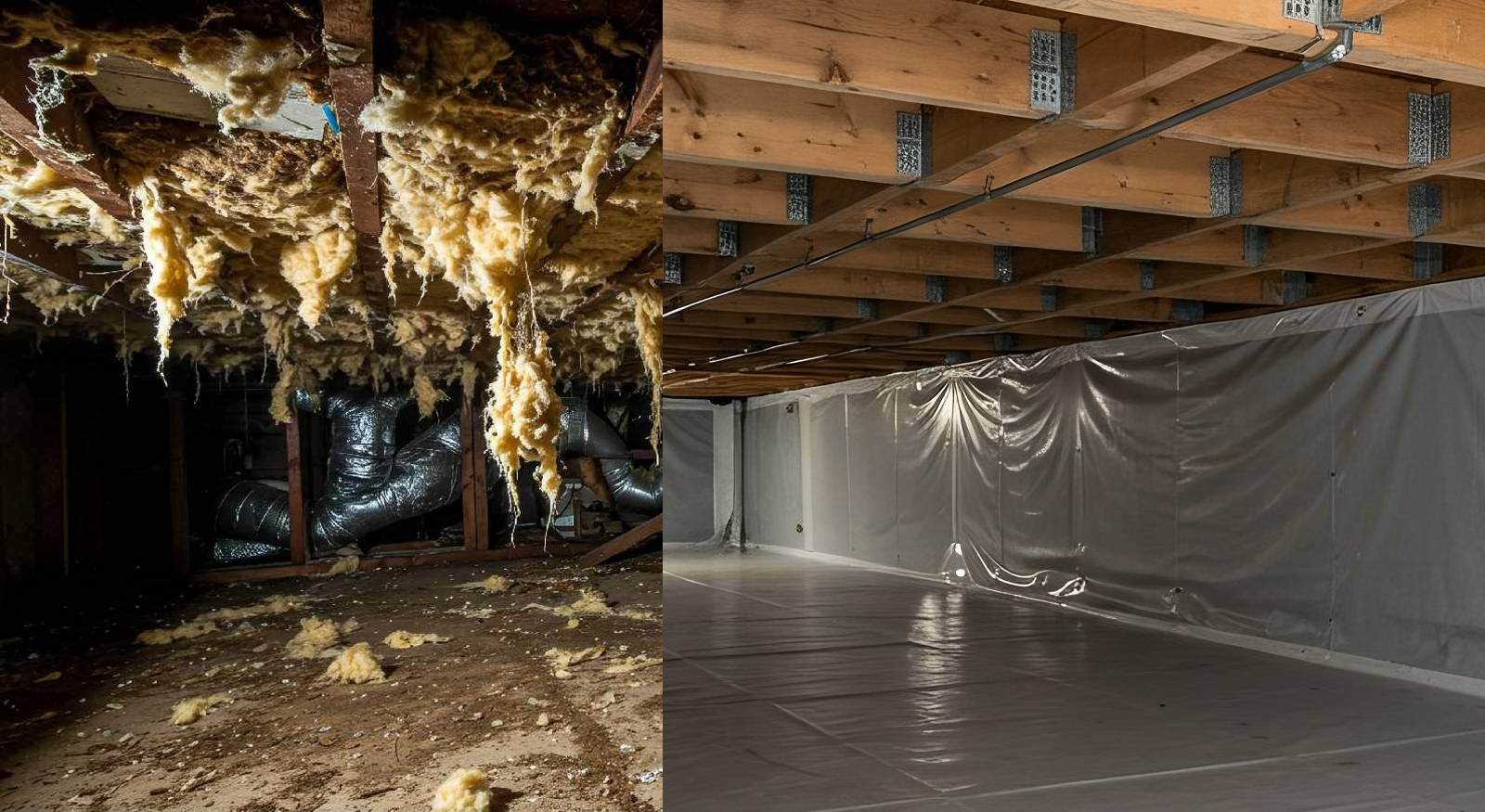
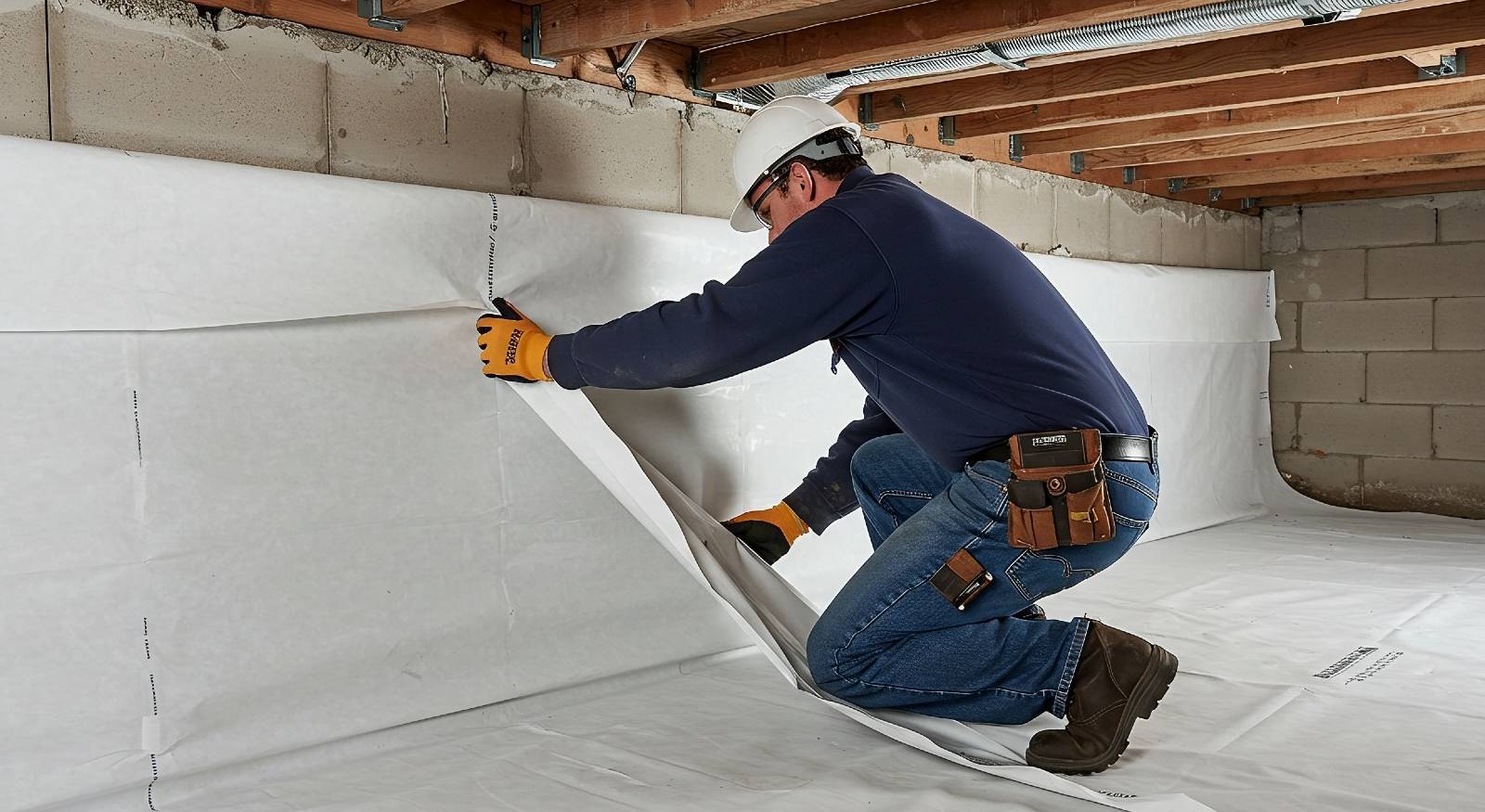
- Installing a ground vapor barrier: A heavy plastic liner is installed on the dirt floor, drastically reducing ground moisture.
- Sealing and insulating the crawl space walls: This stabilizes temperatures, reduces condensation, improves comfort, energy efficiency, and durability.
- Adding a dehumidifier: This can maintain a safe humidity level with shorter run times, reducing energy use and cutting moisture problems.
In this setup, the dehumidifier is not fighting outdoor air. It maintains conditions in a protected space for the long term.

Cost Comparison: Dehumidifier vs. Full Encapsulation
Every home is different, but you can look at the two options in simple terms: upfront cost and long-term value.
Dehumidifier Only
- Lower upfront cost
A portable residential dehumidifier is cheaper than a complete encapsulation project. Plus, you could install it yourself, saving on labor costs. - Ongoing electric use
In a vented crawl space, the unit may run many hours a day in humid weather. That can add a noticeable amount to your power bill each month. - Limited control of moisture
The dehumidifier can reduce humidity levels in the air, but it does not stop outside air from entering through vents or moisture from rising from the soil. The structure will still present high humidity levels over time. - Shorter effective life
Running often in a damp, dusty crawl space can shorten the life of a standard unit compared with operating in a clean, conditioned area.
Complete Encapsulation (with Dehumidification)
- Higher upfront investment
Encapsulation includes materials, labor, and sometimes drainage work. It costs more upfront, but it also protects the building in the long term. - Lower moisture load
Sealed vents, a ground vapor barrier, and insulated walls cut the moisture at the source. This reduces the work the dehumidifier has to do. - Energy savings potential
Energy Star, a U.S. government-backed program run by the EPA and DOE, states that unvented, insulated crawl spaces are a good way to cut energy bills and moisture risk. - Protection and comfort
Better moisture control reduces mold risk and protects wood materials over time. Floors above the crawl space often feel less damp in summer and less cold in winter once the space is sealed and conditioned.
So there you have it. Whether your budget is small or not, we still suggest you reach out to a professional encapsulation company to get a quote and see your options.

Get Ready to Protect Your Crawl Space Today!
Now you know that the real choice is not simply “buy a dehumidifier or not,” but whether to adjust the moisture levels and control the outside air entering your crawl space. Your next step is to review our article on crawl space encapsulation pricing, or our other article that dives deeper into how encapsulation can actually save you money in the long term.

If you suspect crawl space moisture is affecting your comfort, air quality, or energy bills, call Restore-It today for a professional inspection. Our team will drop by, assess the condition of your crawl space, and develop a plan tailored to your needs.

Topics: