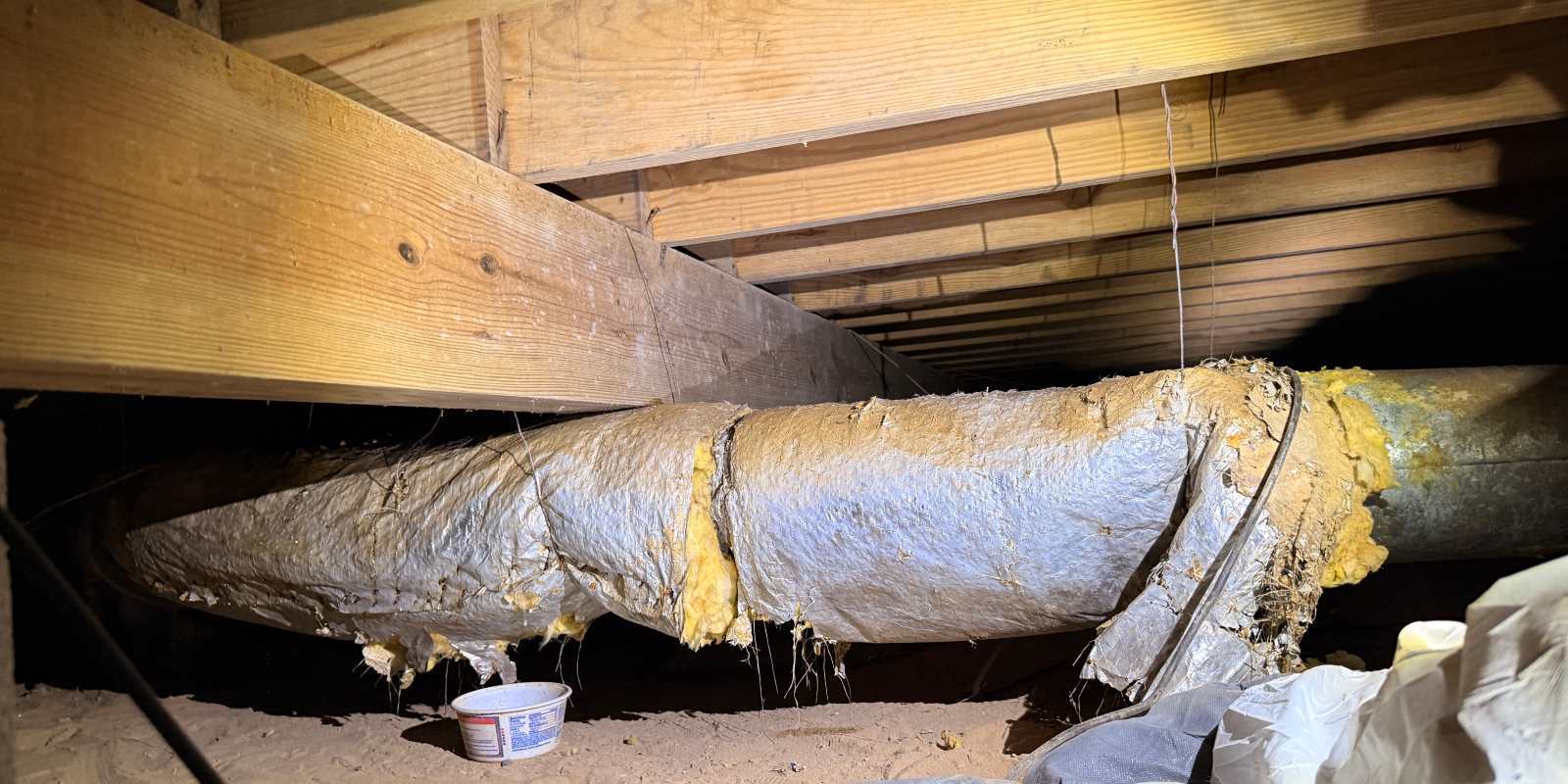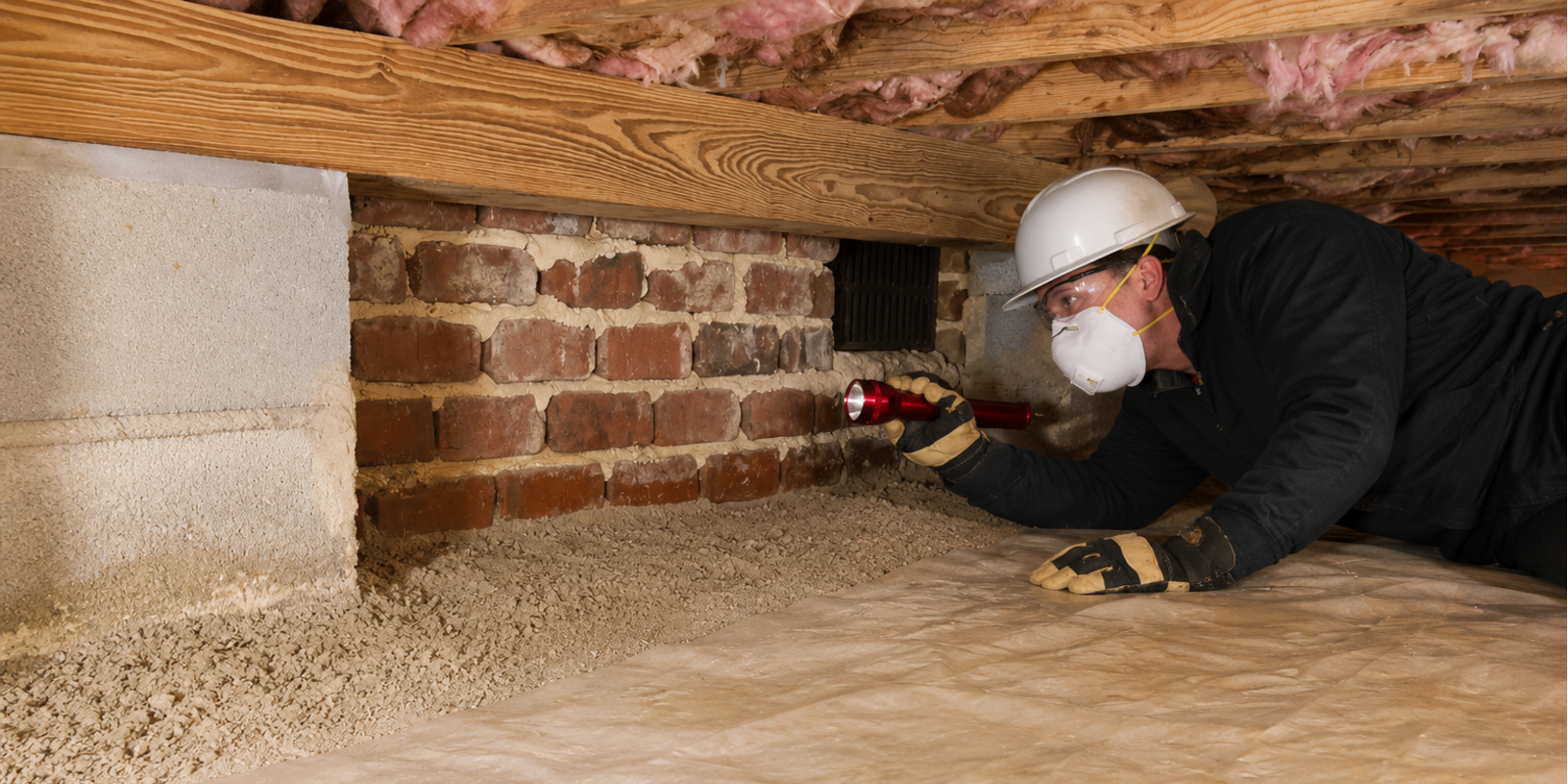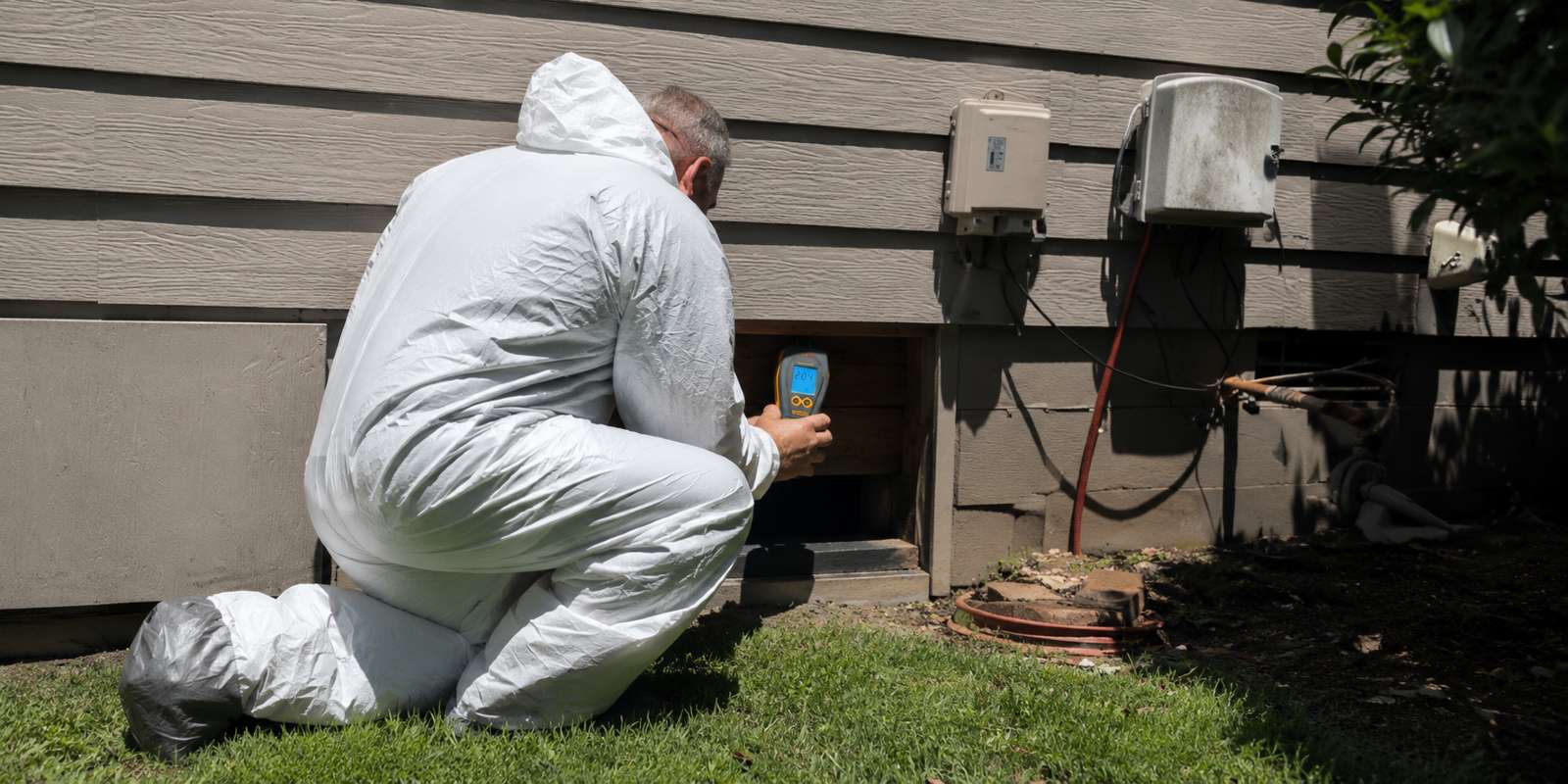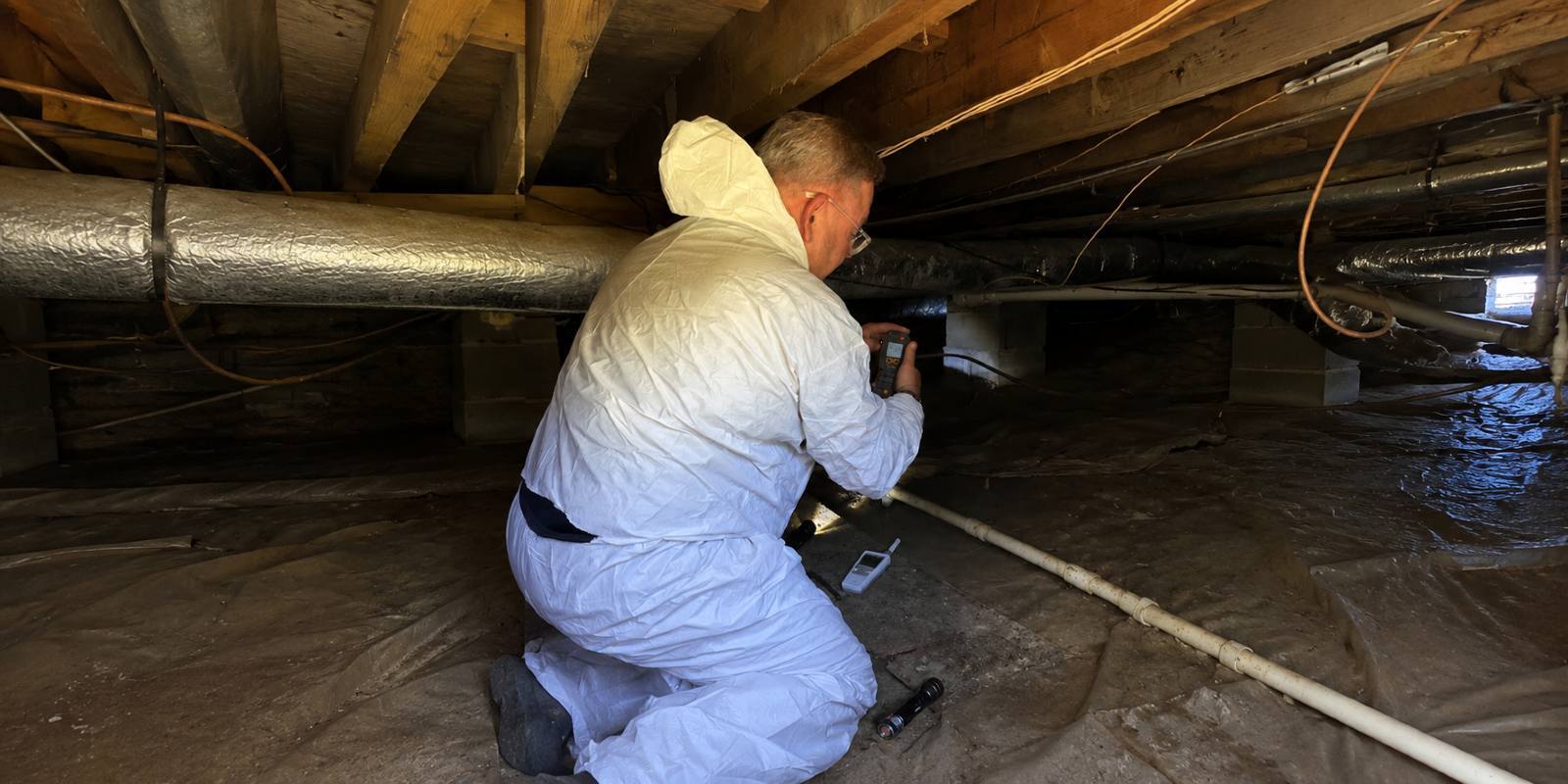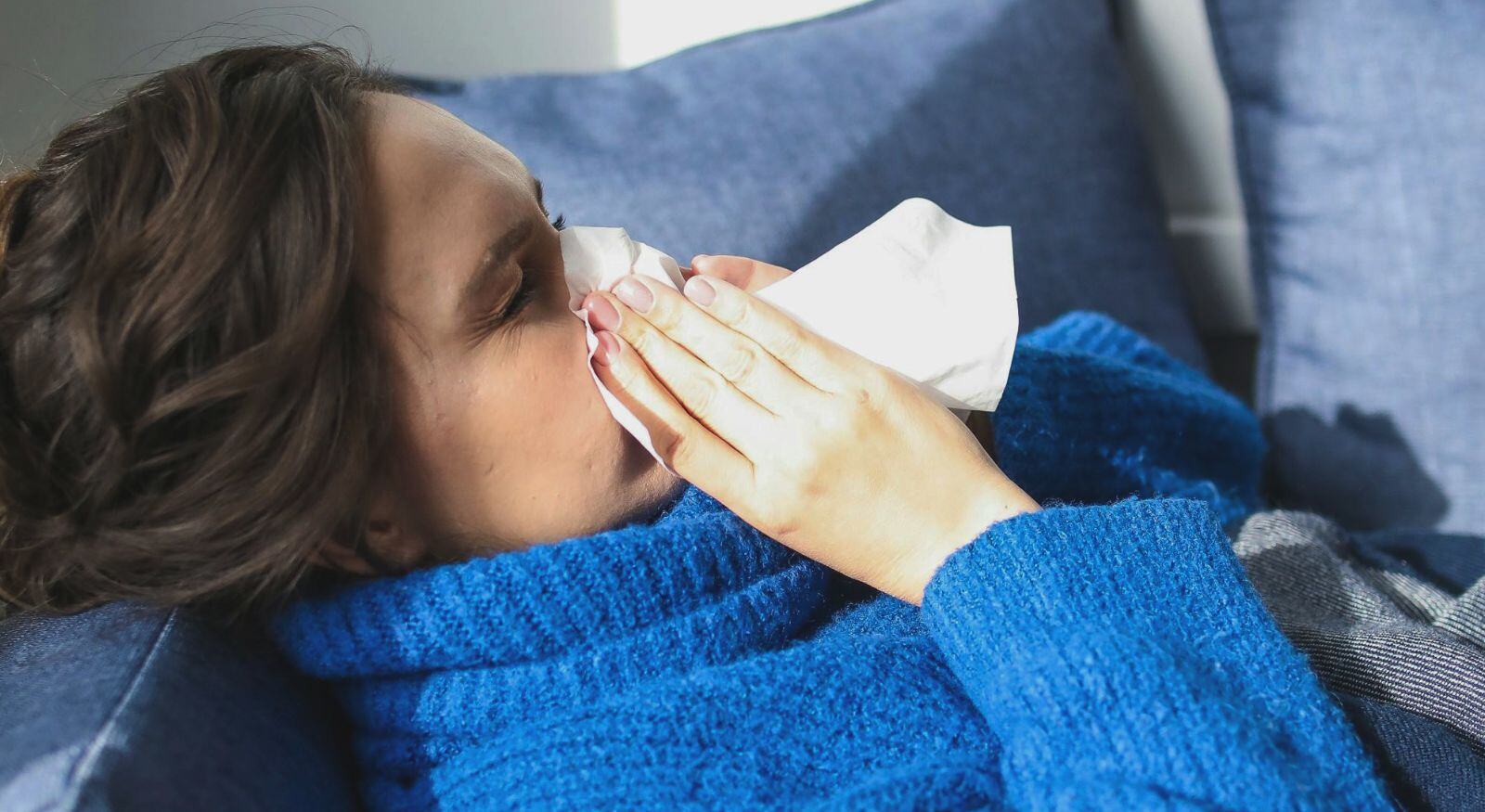


Many families wake up feeling congested, deal with constant allergies at home, or notice their children coughing during the night. Some people experience frequent headaches. Others feel fatigue or breathing symptoms that seem worse when they are indoors.
What many homeowners do not realize is that the air inside the home can sometimes be the cause.
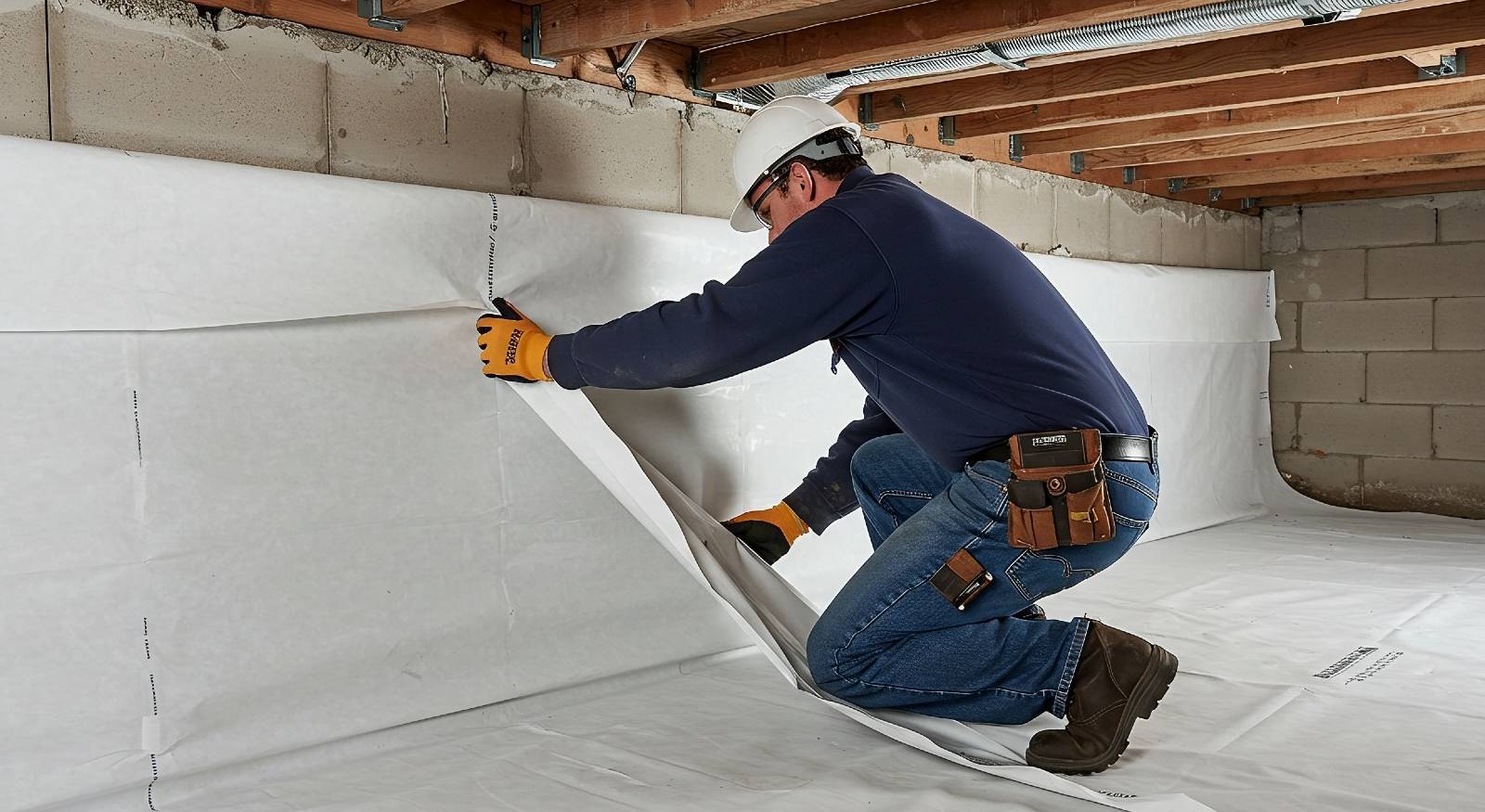
At Restore-It, with more than 50 years of combined experience, we help homeowners improve comfort and indoor air quality through crawlspace encapsulation and home maintenance. So, we’re familiar with heating and cooling systems; they do more than control temperature. They also help filter the air, manage humidity, and keep fresh air moving through the house.
In this guide, you’ll learn how indoor air quality affects your health, what warning signs to watch for, and how your HVAC system can help improve the air your family breathes.
Why Indoor Air Quality Problems Are Becoming More Common
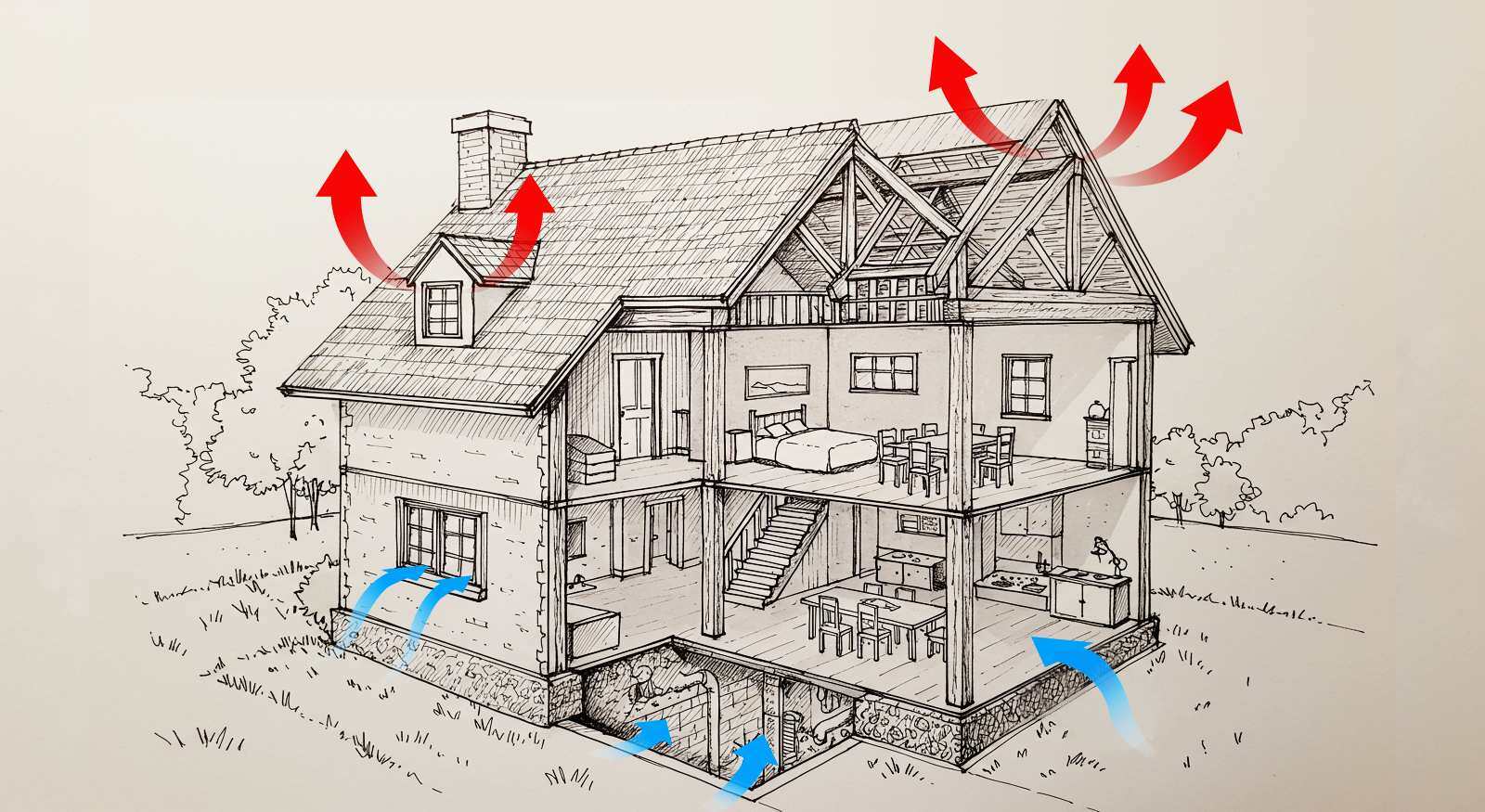
Modern homes are designed to be more energy-efficient and tightly sealed than older homes.
While this helps reduce heating and cooling costs, it also means less fresh air enters the home naturally.
As a result:
- Pollutants stay trapped indoors longer
- Air circulation becomes more important
- HVAC filtration plays a larger role in air quality
Homes with pets, high humidity, or older duct systems may experience indoor air problems more quickly.
Without proper ventilation and filtration, pollutants can continue circulating through the home.
How Poor Indoor Air Quality Affects Your Health
Poor indoor air quality happens when pollutants build up and continue circulating through your home.
These pollutants often come from everyday sources such as pets, dust, moisture, cleaning products, and even cooking. When they remain trapped indoors, they can irritate the lungs, trigger allergies, and affect overall comfort.
The table below shows some of the most common indoor air pollutants, where they typically come from, and how they can affect your health.
|
Pollutant |
Where It Comes From |
Possible Symptoms |
|
Dust & Dust Mites |
Bedding, carpets, furniture |
Sneezing, itchy eyes, allergy flare-ups |
|
Pet Dander |
Cats, dogs, animals |
Allergy symptoms, congestion |
|
Mold Spores |
Damp basements, bathrooms & ducts |
Respiratory irritation, coughing |
|
Pollen |
Open windows, clothing & pets |
Seasonal allergies |
|
Cleaning Chemicals |
Household cleaners, sprays |
Headaches, throat irritation |
|
Smoke Particles |
Cooking, candles, smoking |
Lung irritation, breathing discomfort |
When these pollutants circulate through the air, they may cause symptoms such as:
- Allergies or congestion
- Frequent headaches
- Fatigue or difficulty focusing
- Coughing or throat irritation
Some people are more sensitive to indoor air pollution, especially:
- Children
- Older adults
- People with asthma
- People with allergies
- Individuals with respiratory conditions
Because their lungs and immune systems react more strongly to airborne particles, even small changes in indoor air quality can cause noticeable symptoms.
For families with these risk factors, maintaining clean indoor air becomes even more important.
Common Causes of Poor Air Quality in Homes
Indoor air pollution often develops slowly, and many homeowners do not notice the problem until symptoms start to appear.
Several common household issues can lower the quality of air inside a home.
|
Cause |
Why It Happens |
Result |
|
Dirty HVAC filters |
Filters become clogged with dust and particles |
Pollutants continue circulating through the home |
|
Poor ventilation |
Energy-efficient homes trap indoor air |
Stale air and pollutants build up |
|
Mold & humidity |
Moisture collects in bathrooms, basements, or ducts |
Mold spores spread through the air |
|
Dust & pet dander |
Pets and heavy foot traffic increase airborne particles |
Allergens remain in circulation |
When these issues occur inside a home, pollutants can build up and circulate through the air. Over time, this can reduce indoor air quality and affect comfort and health.
Interested in learning more about how your pets’ accidents may be worsening your health? Check our article below to find out more:
 Signs the Air in Your Home May Be Unhealthy
Indoor air problems often show warning signs before they become serious.
Homeowners should pay attention to symptoms that appear mainly while indoors.
Common signs include:
- Allergy symptoms that appear mostly at home
- Stuffy or stale air
- Frequent headaches or fatigue
- Musty odors that may signal mold
- Dust is building up quickly after cleaning
Sometimes people feel better after leaving the house and worse when they return.
This can be a sign that something in the indoor air needs attention.
How Your HVAC System Helps Improve Indoor Air Quality
Your heating and cooling system does more than keep your home comfortable.
HVAC systems play an important role in controlling indoor air quality.
When working properly, the system helps:
- Filter dust and allergens from the air
- Circulate fresh air through the home
- Control humidity levels
- Reduce airborne pollutants
When HVAC systems are not maintained, these functions become less effective.
Regular HVAC maintenance helps keep indoor air cleaner and healthier.
Simple Ways to Improve the Air in Your Home
Improving indoor air quality often starts with a few simple steps.
Homeowners can begin with these actions:
- Replace HVAC filters every one to three months
- Keep vents and air returns clear
- Control humidity levels to prevent mold
- Schedule regular HVAC maintenance
- Clean regularly to reduce dust buildup
Small changes in maintenance and airflow can greatly improve the air your family breathes.
Creating a Healthier Home for Your Family
Poor indoor air quality can affect comfort, health, and daily life inside your home. Allergies, headaches, fatigue, and breathing irritation are often linked to the air people breathe indoors.
Understanding indoor air pollution is the first step toward creating a healthier home.
When airflow, filtration, and humidity are properly controlled, indoor air becomes cleaner and more comfortable.
Poor indoor air quality often has an underlying cause, such as hidden mold growth. If you want to understand more about mold and air quality, your next step is to read Prevent Mold Growth in Your HVAC System.

There are, however, many other reasons the air in your home might be stale. From dampness in your crawl space to an uncleaned carpet flooring, to deal with the issue, you must know what is causing it first. At Restore-It, our team can provide ample solutions to improve your indoor quality. Call us today and schedule a professional inspection at your earliest convenience. Together, we can make your home smell fresh and clean once more!