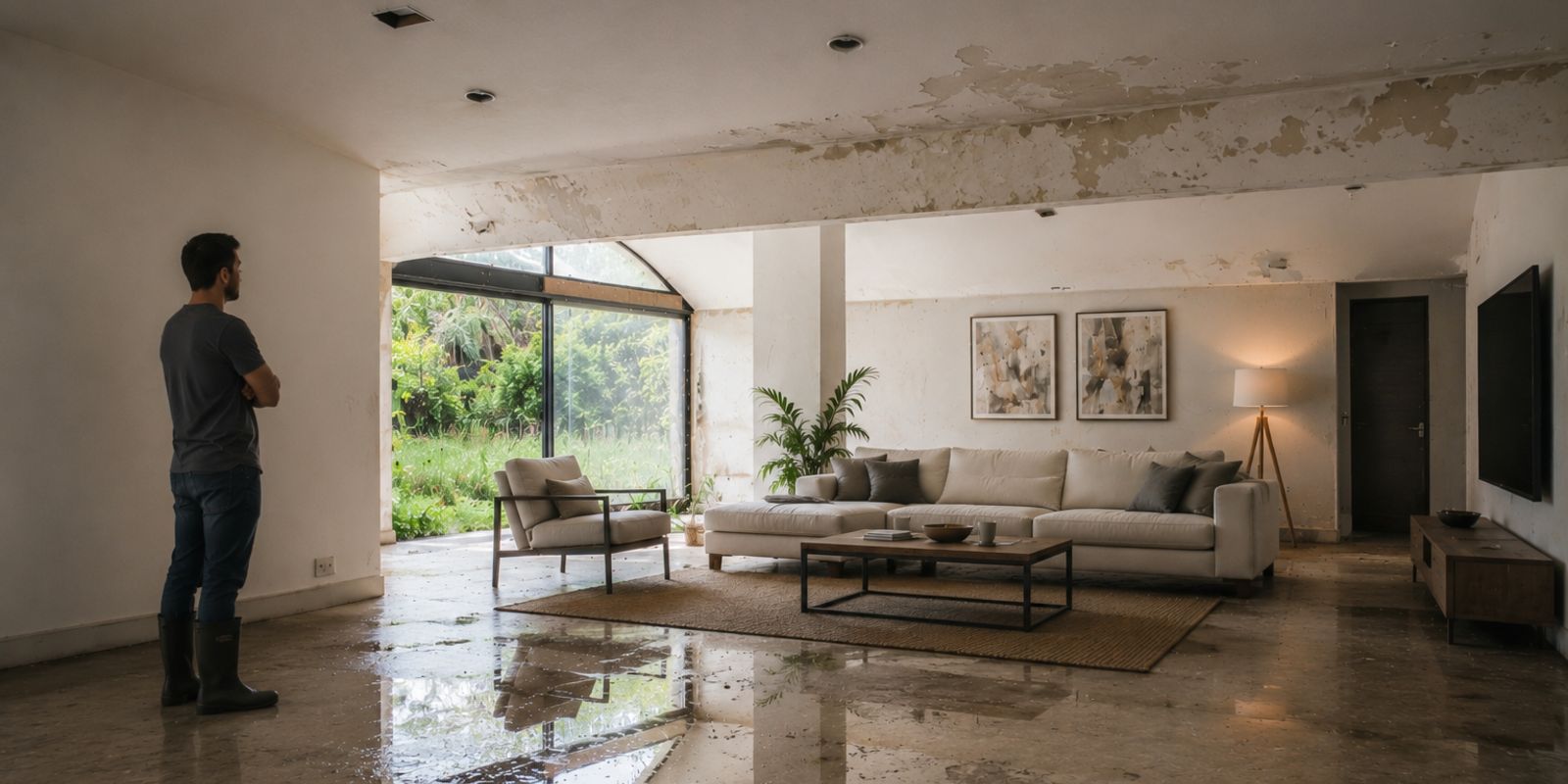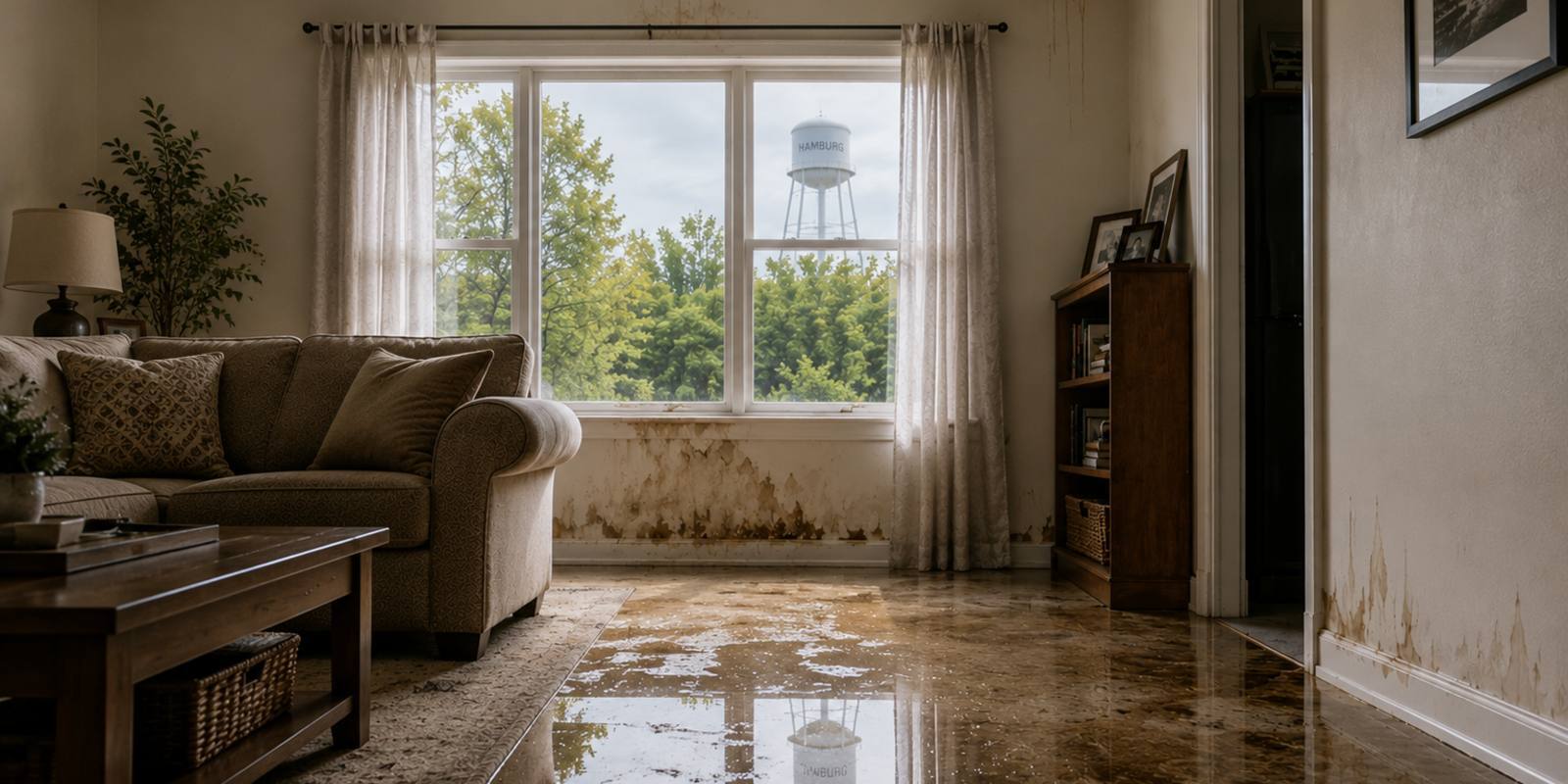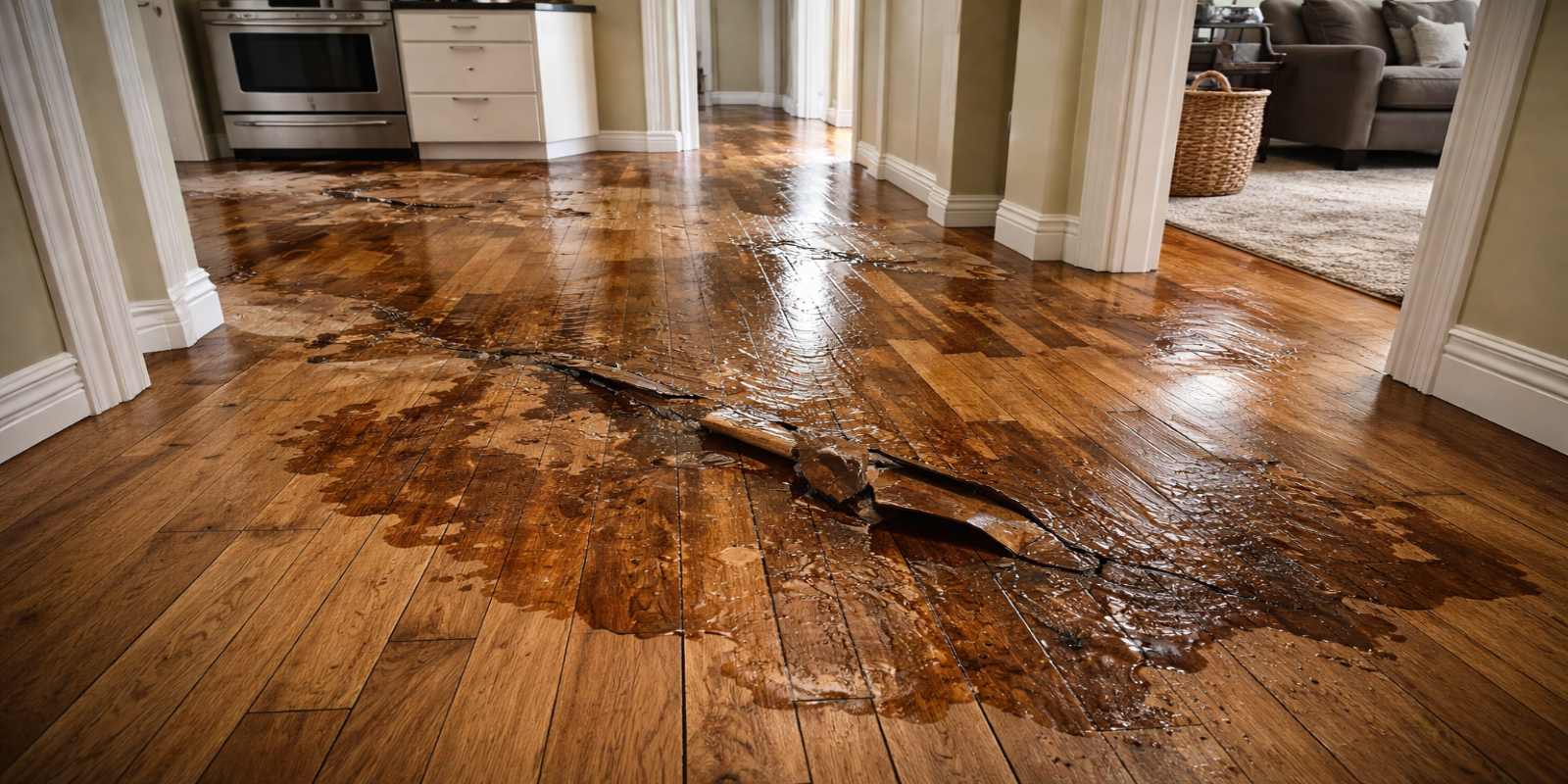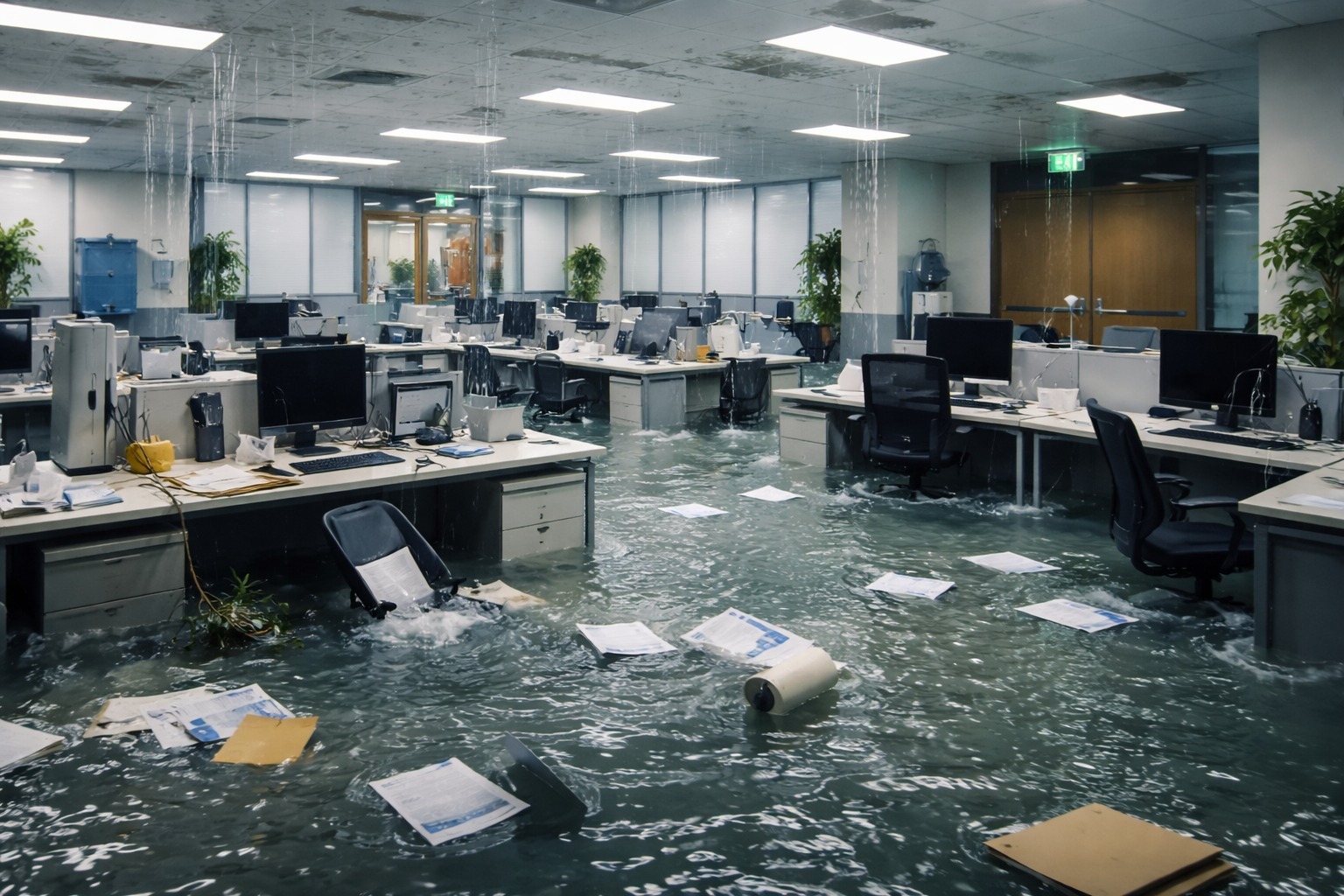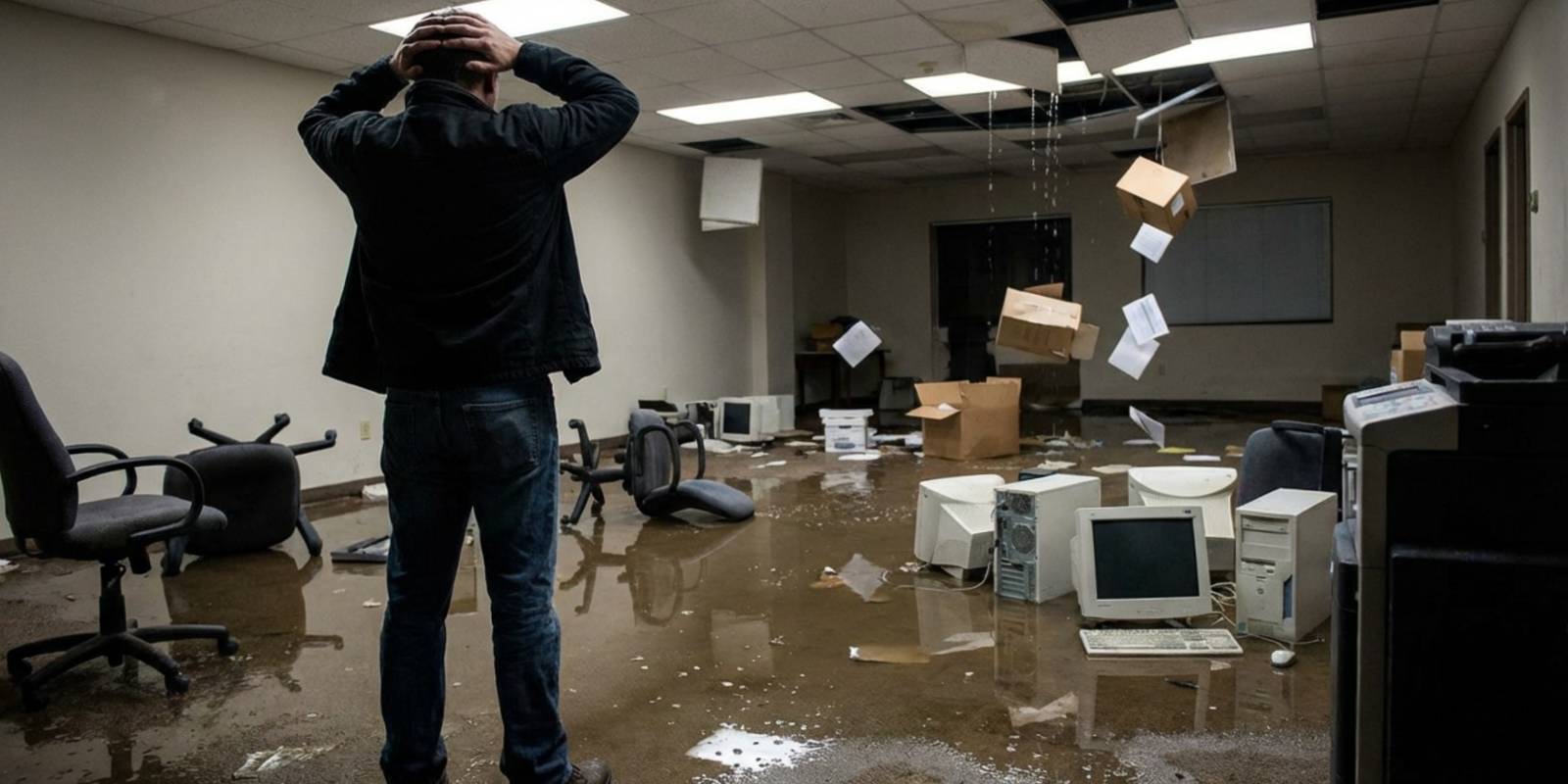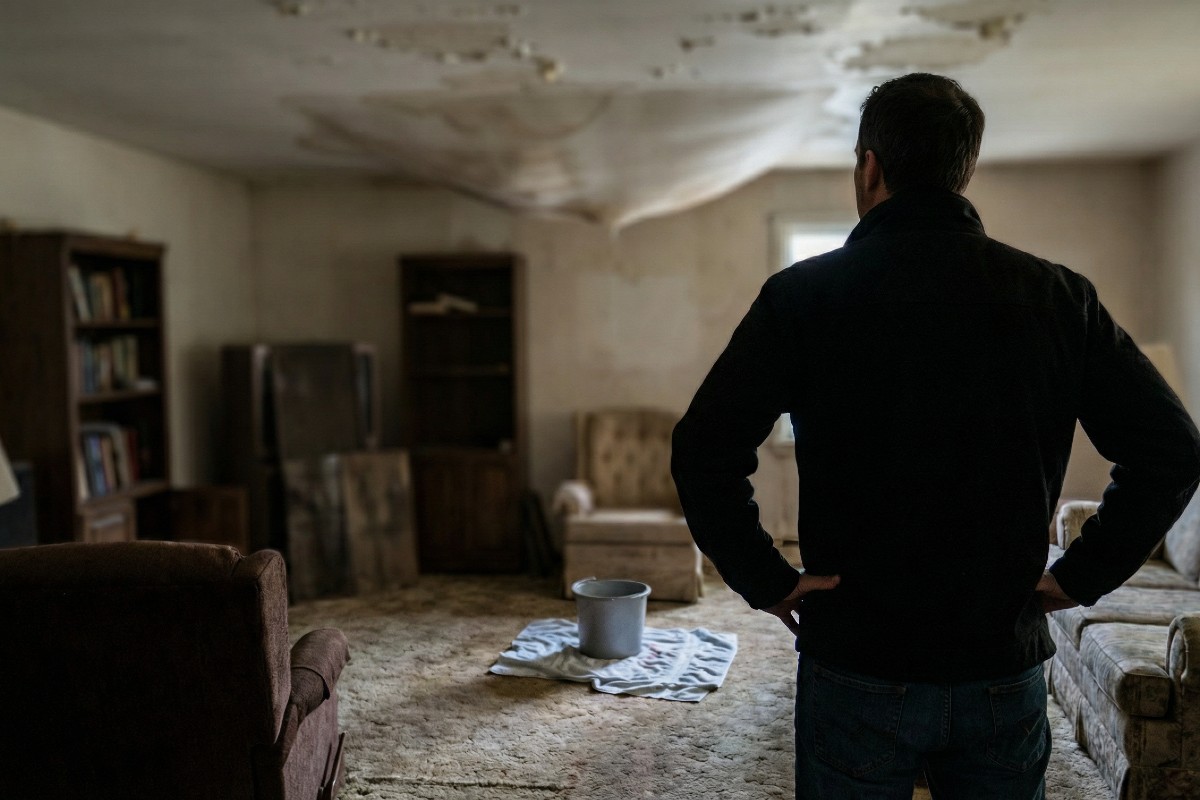


You go to your kitchen for a midnight snack. As you walk in, your feet get wet, and you immediately realize what happened: a pipe broke somewhere, and now an inch of water covers the floor.
Your heart starts racing fast. You grab your phone and look for help. You call the first number you find online. You explain the situation and ask: "How much is this going to cost me?"
The voice on the other end gives you an offer that just so happens to fit your budget. You let out a sigh of relief and ask them to come over. And just like that, without you knowing, you just made a huge mistake.
Having over a decade of experience working in the restoration industry, we can tell you that any contractor who gives you a hard price without inspecting the damage first is a red flag. The reality is that no reputable restoration company will ever give you an estimate over the phone.
So, let's discuss these "phone quotes": what makes them such a bad idea, and what actually happens behind the scenes to determine your restoration estimate. Let's learn more about these issues so you can avoid professional malpractice (and the extra costs that come from it!). Save yourself and your wallet by checking the article below.
The "Bait & Switch": A Dishonest Sales Tactic
With most services, you usually get a clear answer when you ask for a price. That way, you can see if it fits your budget, or if you need a loan, or if you cancel the service. So it's easy to understand why most people would expect the same for a restoration project. Sadly, this is just not how the industry works.
But, if that's the case, then where do these magical offers come from?
The reality is this is a classic sales tactic called the "bait and switch."
Basically, an unscrupulous contractor would use a homeowner's emotional state and lack of knowledge (which is why you are reading this article!) to take advantage of them. After the hard price, the crew will find "unexpected" damage. And, what do you know? They will say they need "special" equipment. And, as more and more excuses pile up, you face a larger and larger bill. By the end, you may be paying thousands of dollars more than you expected (or you actually need).
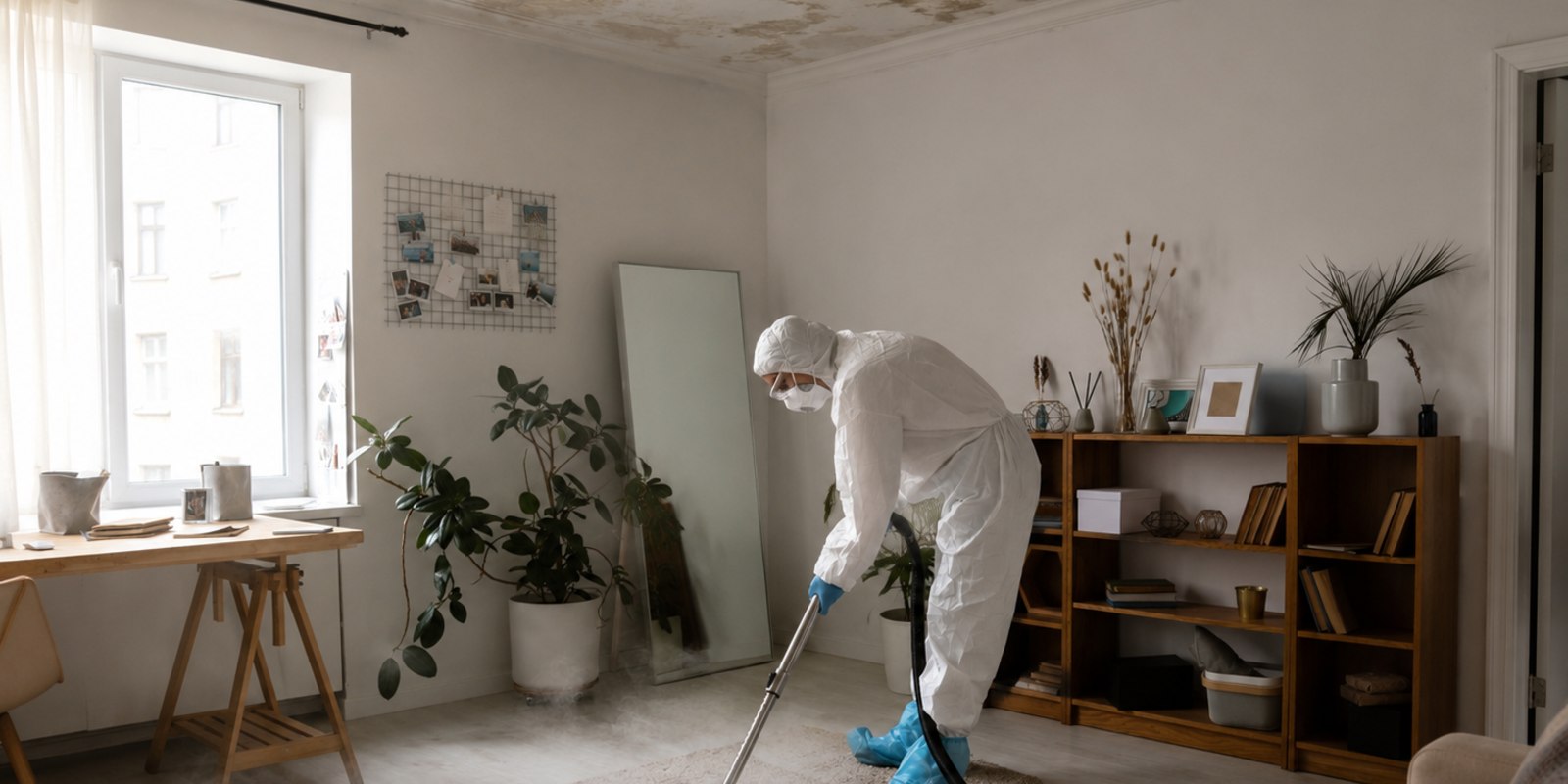
This practice isn't just unethical; it is predatory. It happens because water and fire damage are impossible to diagnose from a simple verbal description. Even when they are in place, technicians may need specialized tools, such as moisture meters, to fully assess the extent of the damage.
Why "Hard Quotes" for Restoration Projects Are Tricky
We are not saying you are lying when you describe the damage to a contractor. It’s just that you can't see the whole picture.
Take water damage, for example: it is like an iceberg. What you see on the surface (like the pool of standing water) is just the surface of the problem. The rest is hidden inside your walls, under your subfloor, and in your insulation. Depending on how long it took you to call for help, there might even be a mold infestation, and that’s a whole different issue.
Here are three critical factors that determine the price, none of which can be seen over the phone:
1. The Category of Water
The amount of work needed depends heavily on the level of contamination in the water.
- Category 1 (Clean Water): This may come from a "clean" source, such as a burst pipe. This is easier to deal with, as less material would have to be removed.
- Category 2 (Contaminated or "Gray" Water): The source of this water may be contaminated by a dishwasher (with food particles) or a washing machine (with harsh soaps).
- Category 3 (Black Water): This is highly contaminated water from a sewage backup or a flood. It's the hardest to deal with.
It's important to note that even if a leak is "clean" in its origin, if it passes through soil or touches the floor, it may become a biohazard.

2. The Class of Destruction
While the origin of the water is important, the extent of the damage is also another factor in how the restoration project will go. These classes describe the extent of water intrusion and absorption that has affected the property. They determine the drying techniques and equipment.
- Class 1: Only part of a room is wet, and materials don't absorb much water (like concrete).
- Class 2: Here, water affects less than half of a confined surface. Air movers and dehumidifiers are used to control moisture levels.
- Class 3: More of the surface area is involved. Heavily porous materials require more drying equipment to fully restore the space.
- Class 4: This happens when water has soaked into "low permeance" materials like hardwood floors, plaster, or brick. Drying a Class 4 hardwood floor takes specialized, expensive equipment and twice as long as drying a Class 1 concrete floor.
No contractor can determine the damage class without using moisture meters on every surface. These tools can check the moisture content inside the building materials.

3. The Water Migration
The thing about water is that it travels, so if you see a wet spot on your ceiling, expect it to run along joists, down the inside of wall cavities, and pool in places you wouldn't expect. That's how a "small leak" in the bathroom can travel 20 feet and saturate the subfloor under your hallway. This is also why the longer it takes for the restoration project to start, the further the damage can spread.
The Tools Required for a Real Price
An honest estimate requires data, not guesses. When a certified technician arrives at a home, they don't just look around. They investigate using advanced technology, including:
- Thermal Imaging Cameras: They let experts see temperature differences in your walls, revealing hidden pockets of cold moisture that are invisible to the naked eye.
- Moisture Meters: Technicians scan walls and floors to map where the water stops.
- Thermo-Hygrometers: These measure air temperature and humidity to determine how many dehumidifiers are needed to dry the structure effectively.
Without this data, any price given is a fantasy. A contractor would either have to quote a big number to cover all their bases (which isn't fair to you) or quote low and surprise you later (which isn't honest).
The Reality of Standard Pricing
Here is some good news: You don't have to worry about a reputable company making up prices on the fly. As we mentioned before, the initial cost is determined using a software program called Xactimate. This is the industry-standard software used by all legitimate restoration companies and insurance adjusters.
- How it works: Xactimate has a set price list for every task in your specific zip code. There is a set price per square foot for extracting water. A set daily rate for renting a fan. A set price for removing drywall. These price changes can also be adjusted for after-hours, emergency, and holiday rates.
- The Fairness Guarantee: The contractor doesn't set the price; instead, the scope of work determines it.
Companies can only provide an estimate if they understand the extent of the damage to log it into Xactimate. A contractor who gives a "flat rate" over the phone is likely just guessing, and your insurance carrier may refuse to pay their bill if it doesn't align with industry standards.

Don't Fall for the "Phone Quotes" for Your Restoration Project
Getting a simple answer over the phone may "feel" good. But in the restoration industry, this "nice and simple" answer is usually the wrong one.
Refusing to give a phone quote isn't about being difficult. It is about being professional. Now that you know that rejecting a phone quote protects you from surprise bills and insurance denials, you need to know what other signs to look for. Read our guide to ensure you hire the best team for your home.
Do you have water or fire damage right now? Don't settle for a guess. Call Restore-It immediately. We will dispatch a certified crew to your South Arkansas home 24/7 to assess the real damage and provide a plan you can trust.