A floor can look dirty because of everyday foot traffic, cleaning-product residue, or soil trapped in grout lines. But whether your home has marble, travertine, granite, ceramic, or porcelain flooring, the right cleaning method depends on the material.
Using the wrong cleaner on natural stone can leave dull marks or damage its finish. Ceramic and porcelain tile have different care requirements, too, particularly when the surface is textured or the grout needs attention.
Restore-It helps homeowners and businesses care for their floors through professional tile and grout cleaning. Understanding a few key differences can help you maintain your floors between professional cleanings and recognize when a problem requires more than another round of mopping.
Why Can't You Clean Natural Stone the Same Way as Ceramic or Porcelain Tile?
Natural stone is quarried from the earth, so its mineral composition, porosity, and finish vary by material. Ceramic and porcelain tiles are manufactured and fired at high temperatures, giving them different surface characteristics.
These differences affect how flooring responds to cleaning products.
|
Flooring material |
Important characteristic |
Main cleaning consideration |
|
Marble |
Calcium-based natural stone |
Sensitive to acids that can etch the finish |
|
Travertine |
Calcium-based natural stone with characteristic pores |
Requires stone-compatible products and appropriate care |
|
Limestone |
Calcium-based natural stone |
Acidic products can dull or etch the surface |
|
Granite |
Natural stone with varying mineral composition |
Use products suited to the specific stone and finish |
|
Ceramic tile |
Manufactured tile that may be glazed or unglazed |
Cleaning requirements vary by finish and manufacturer |
|
Porcelain tile |
Dense, low-absorption manufactured tile |
Consider the surface finish, grout, and product instructions |
Marble, travertine, and limestone are particularly sensitive to acids. Granite generally tolerates many common household acids better, but its mineral composition can vary, so stone-safe products remain the better choice for routine care.
Don't forget the grout. A product that is safe for the tile may not be suitable for the grout or an existing sealer. If you cannot identify your flooring material, avoid experimenting with stronger chemicals.
What Cleaner Should You Use on Natural Stone Floors?
For routine maintenance, choose a neutral-pH cleaner formulated for natural stone. The Natural Stone Institute also recommends stone soap or mild liquid dishwashing detergent diluted in warm water for general stone cleaning.
Follow the product's directions. Using too much cleaner can leave a film that makes your floor appear dull or streaky.
A Simple Routine for Natural Stone Floors
- Remove loose dirt first. Sweep or use a clean, non-treated dust mop to collect grit, dust, and sand. These particles can scratch some stone surfaces as people walk across them.
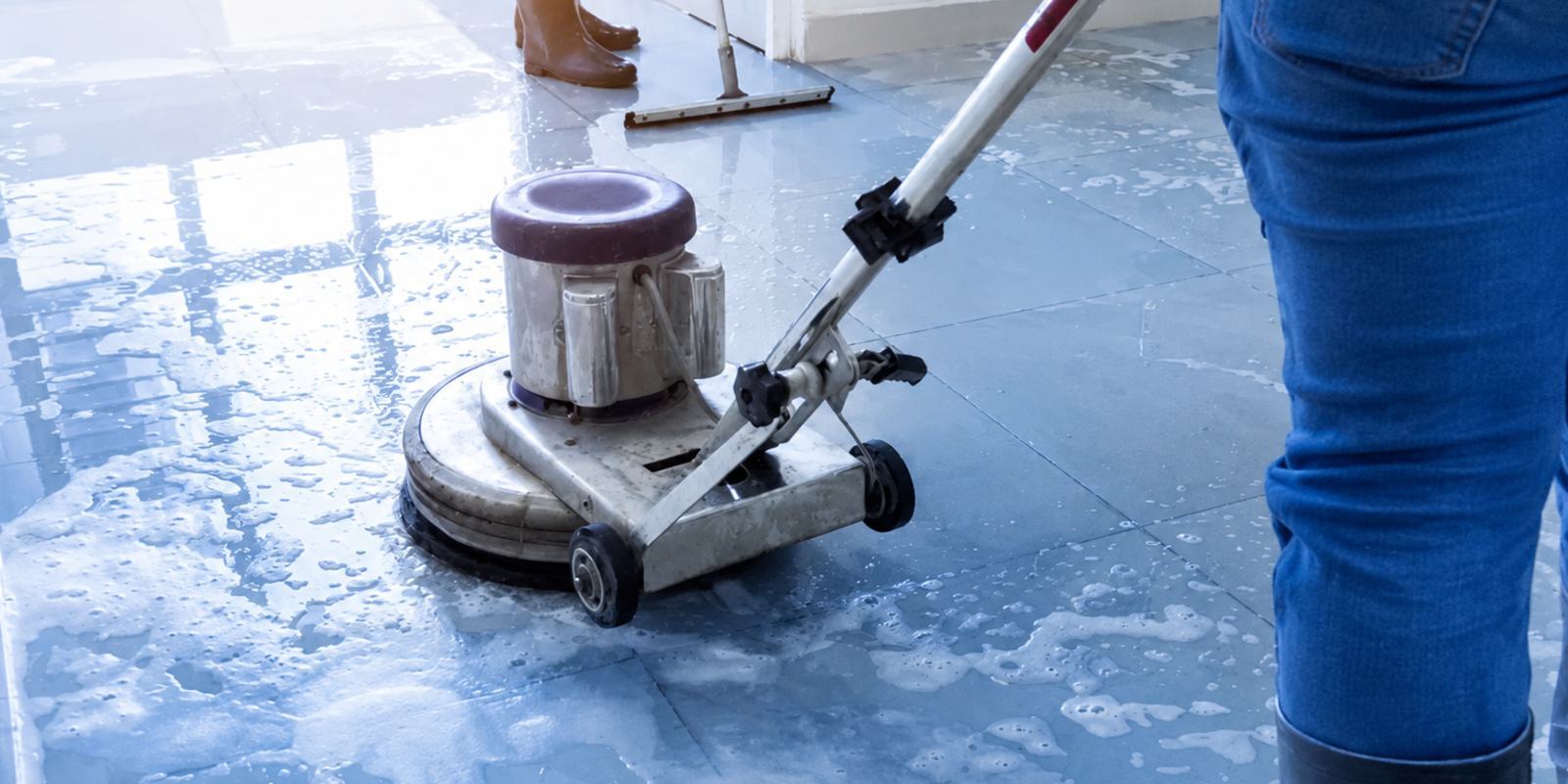
- Damp mop with a suitable cleaner. Use a clean mop and the recommended dilution. Avoid saturating the floor, especially if you are unsure about its condition or installation.
- Rinse when needed. Follow the cleaner's instructions. If you use a soap-based solution that requires rinsing, change the rinse water frequently so you don't redistribute residue.
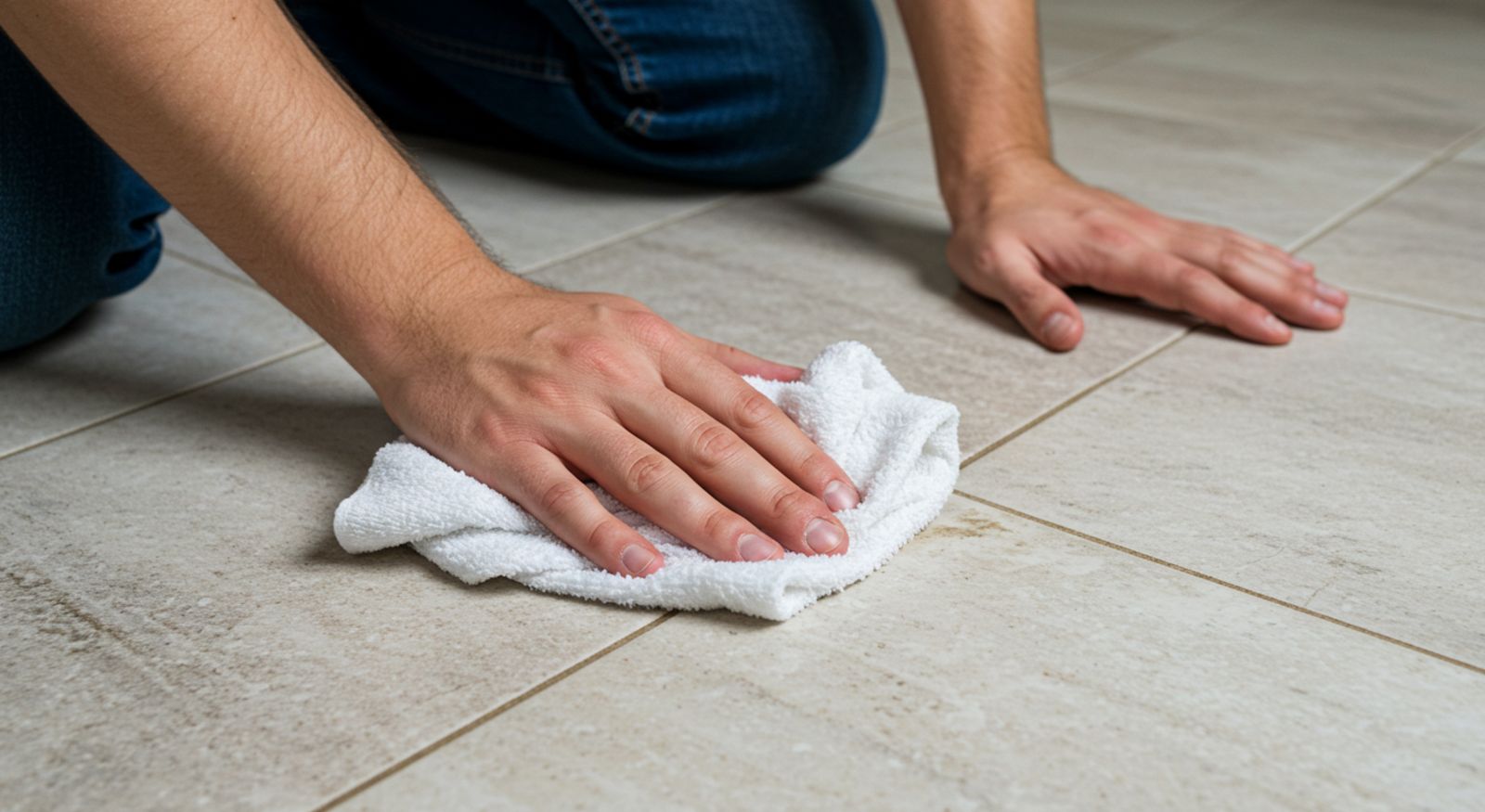
- Dry the floor. Use a soft, clean cloth or another suitable drying method to remove excess moisture and reduce streaks.
- Address spills promptly. Blot spills rather than spreading them across the surface. This is particularly important for liquids that can stain or etch sensitive stone.
Vinegar and other acidic products deserve special attention. They can react with calcium-based stones such as marble, travertine, and limestone, leaving dull spots or marks that ordinary cleaning cannot remove. A product marketed as a natural or multipurpose cleaner isn't automatically safe for every stone.
Does Sealing Protect Natural Stone Floors?
Sealing can help certain stones resist staining by reducing liquid penetration. However, it does not make stone completely stain-proof, prevent scratches, or protect an acid-sensitive surface from etching.
Not every stone needs the same sealing treatment or schedule. The right approach depends on the stone, finish, installation, and product manufacturer's instructions. Ask your stone supplier or a qualified stone-care professional if you're unsure whether sealing is appropriate.
How Should You Clean Ceramic and Porcelain Tile Floors?
Ceramic and porcelain tile are generally straightforward to maintain, but the correct method still depends on the surface finish and the surrounding grout.
For routine care:
- Remove dust and grit: Sweep or vacuum with equipment that won't scratch the surface.
- Use a compatible cleaner: Follow the tile manufacturer's recommendations.
- Avoid excessive detergent: Too much product can leave residue that attracts soil or creates streaks.
- Rinse when directed: Remove loosened soil and cleaner residue as instructed.
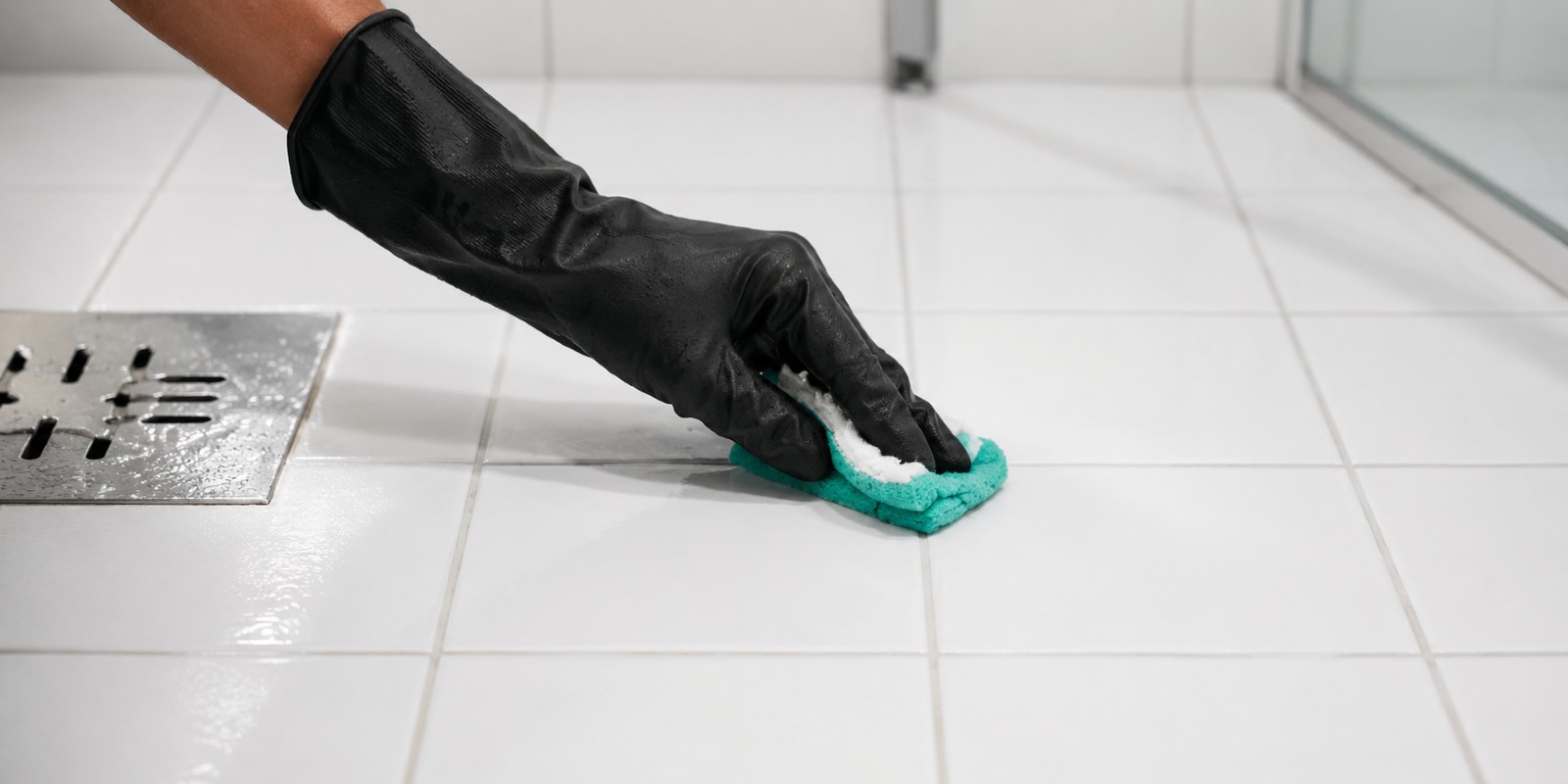
- Pay attention to grout: Dirt can accumulate in grout lines even when the tile itself looks clean.
Porcelain generally absorbs little water, but polished, textured, and specialty finishes may require different care. Ceramic tile also varies, particularly between glazed and unglazed surfaces.
If you're comparing products for routine maintenance, see our guide to the best tile and grout cleaners!
 Which Cleaning Products Can Damage Natural Stone?
The risk isn't limited to using the wrong cleaner. Abrasive tools, unsuitable stain removers, and attempts to correct surface damage with more aggressive scrubbing can also make a floor look worse.
Here are some common mistakes to avoid.
|
Product or approach |
Why it can cause problems |
|
Vinegar and acidic cleaners |
Can etch marble, limestone, travertine, and other acid-sensitive stone |
|
Abrasive powders or scouring pads |
May scratch or dull certain stone finishes |
|
Strong stain removers |
May discolor or chemically damage stone, depending on the ingredients |
|
Excessive detergent |
Can leave residue or streaks that make the floor look dull |
|
Unverified cleaning mixtures |
May react with the stone, grout, or existing treatments |
Is That Mark a Stain or An Etch?
Understanding the difference helps you determine the appropriate next step.
- A stain occurs when a substance discolors the stone, sometimes by penetrating its surface. The right treatment depends on what caused it.
- An etch mark results from a chemical reaction that affects the surface. On polished marble, it may appear as a cloudy or dull patch where the shine has disappeared.
These problems can look similar but require different solutions. Cleaning may remove residue or a stain without restoring an etched finish. Repeated scrubbing won't necessarily correct surface damage and could make it worse.
If a mark remains after appropriate routine cleaning, stop experimenting with stronger products. A qualified stone-care professional can assess whether the issue involves staining, etching, residue, or another surface problem.
When Should You Call a Professional Tile and Stone Cleaner?
Routine mopping helps maintain your floors, but some problems need a closer look. Consider professional advice when:
- Grout remains discolored: Soil may be embedded in the grout or residue may have accumulated.
- The floor looks dull after cleaning: The cause could be residue, etching, wear, or a change in the finish.
- Stains keep returning: The substance may have penetrated the material, or the underlying cause may remain.
- Textured tile holds stubborn soil: Ordinary mopping may not fully address accumulated buildup.
- You're unsure what the floor is made of: Identifying the material helps prevent avoidable cleaning damage.
Professional tile and grout cleaning can help address accumulated soil and buildup that routine maintenance leaves behind. However, cleaning alone may not correct etching, deep staining, scratches, or other natural stone damage. These issues may require specialized stone restoration.
If you're unsure which approach is right for your home, Restore-It's article on choosing the right tile and grout cleaning method in South Arkansas offers another starting point.
 What Should You Do Next?
Natural stone, ceramic, and porcelain floors can all benefit from regular care, but they don't always respond to the same cleaning products. Natural stone requires particular attention to chemical compatibility, while ceramic and porcelain still need products suited to their finishes and grout.
Your next course of action is to identify your flooring material, check its care instructions, and choose a cleaning method that addresses the actual problem. If stubborn buildup persists or your floor looks dull despite routine cleaning, professional advice can help you determine what it needs.
For more information about the potential benefits and costs of professional service, read below!

Restoring what matters starts with caring for the surfaces you use every day!
Topics: