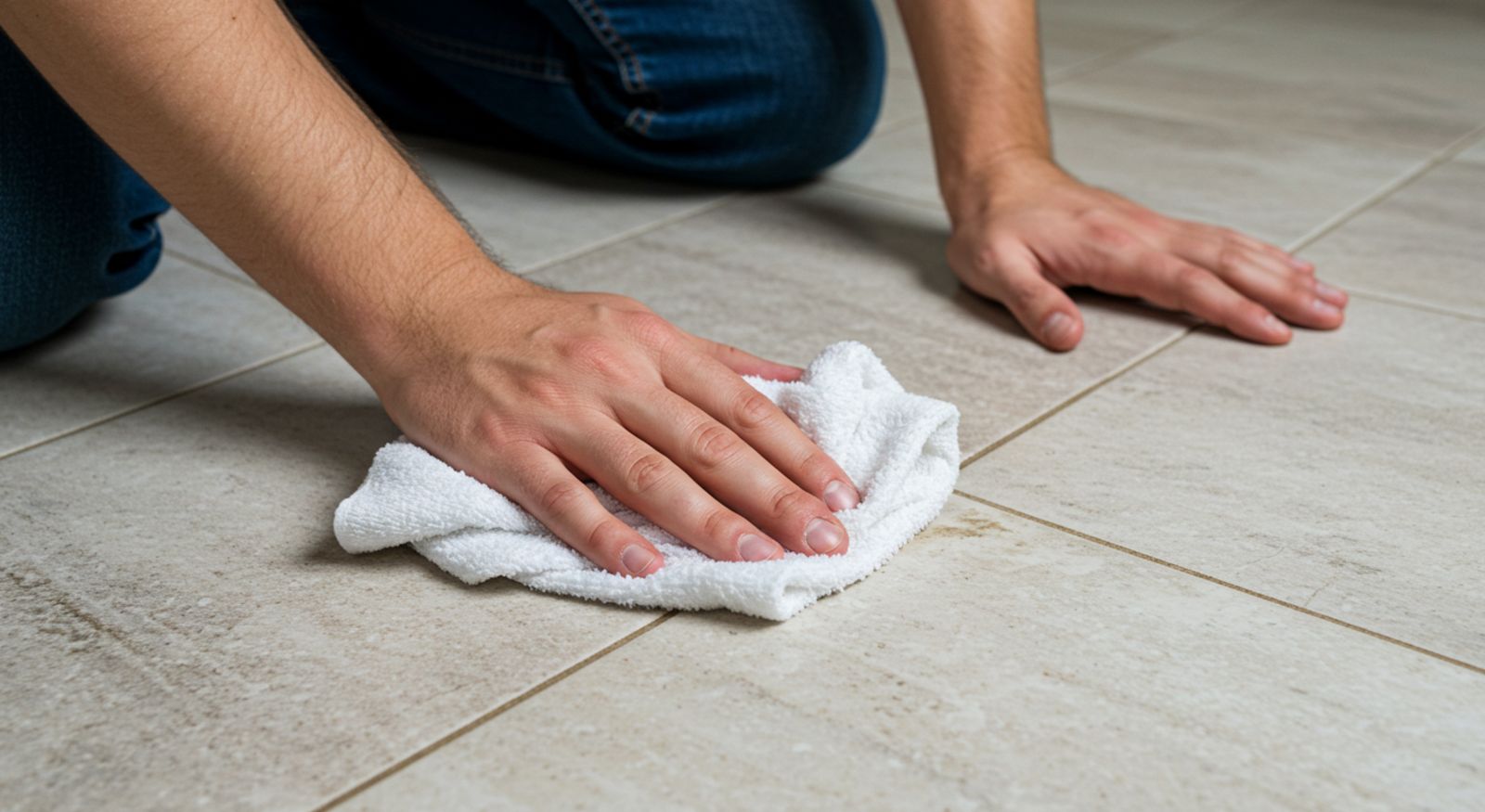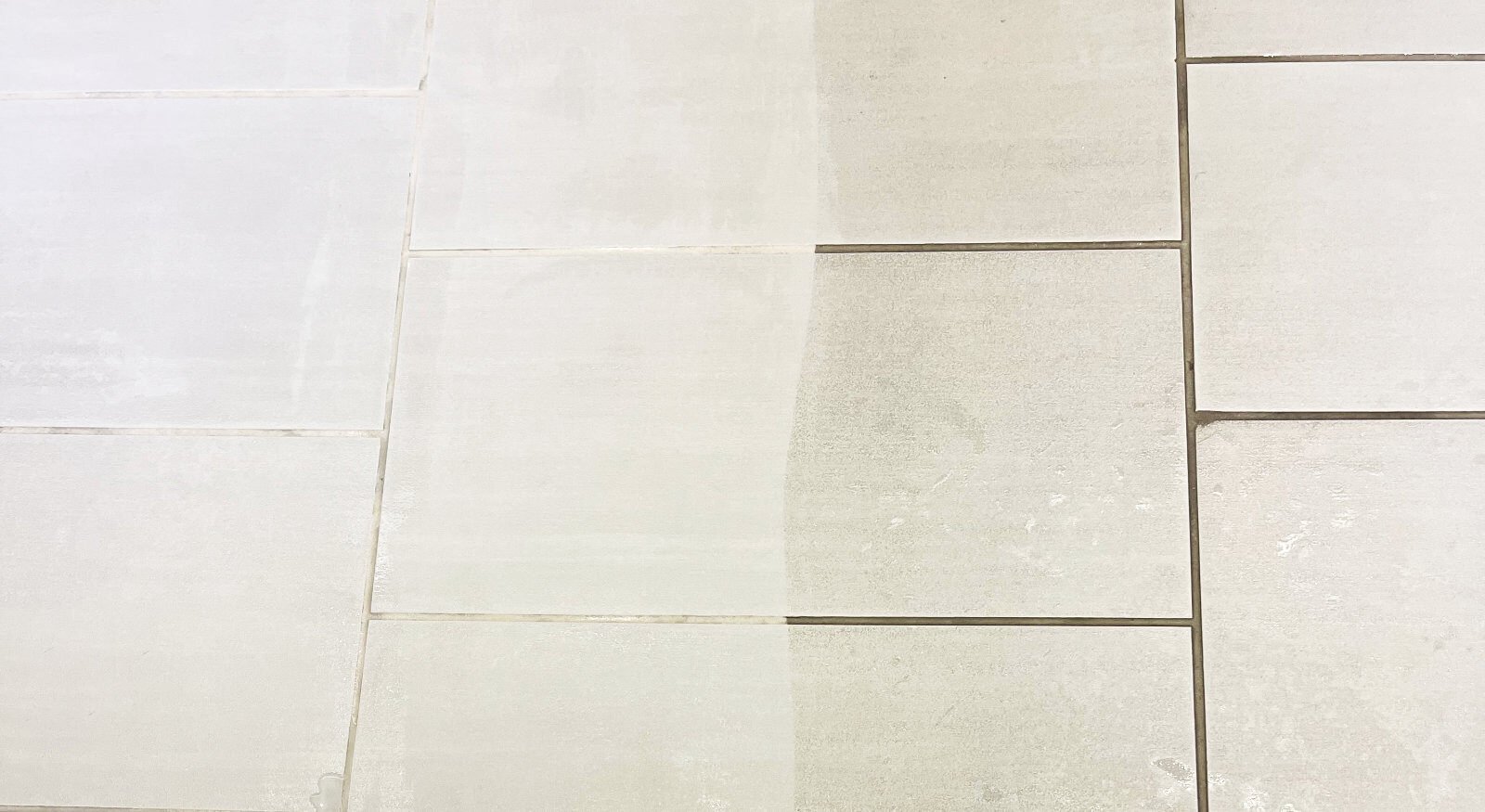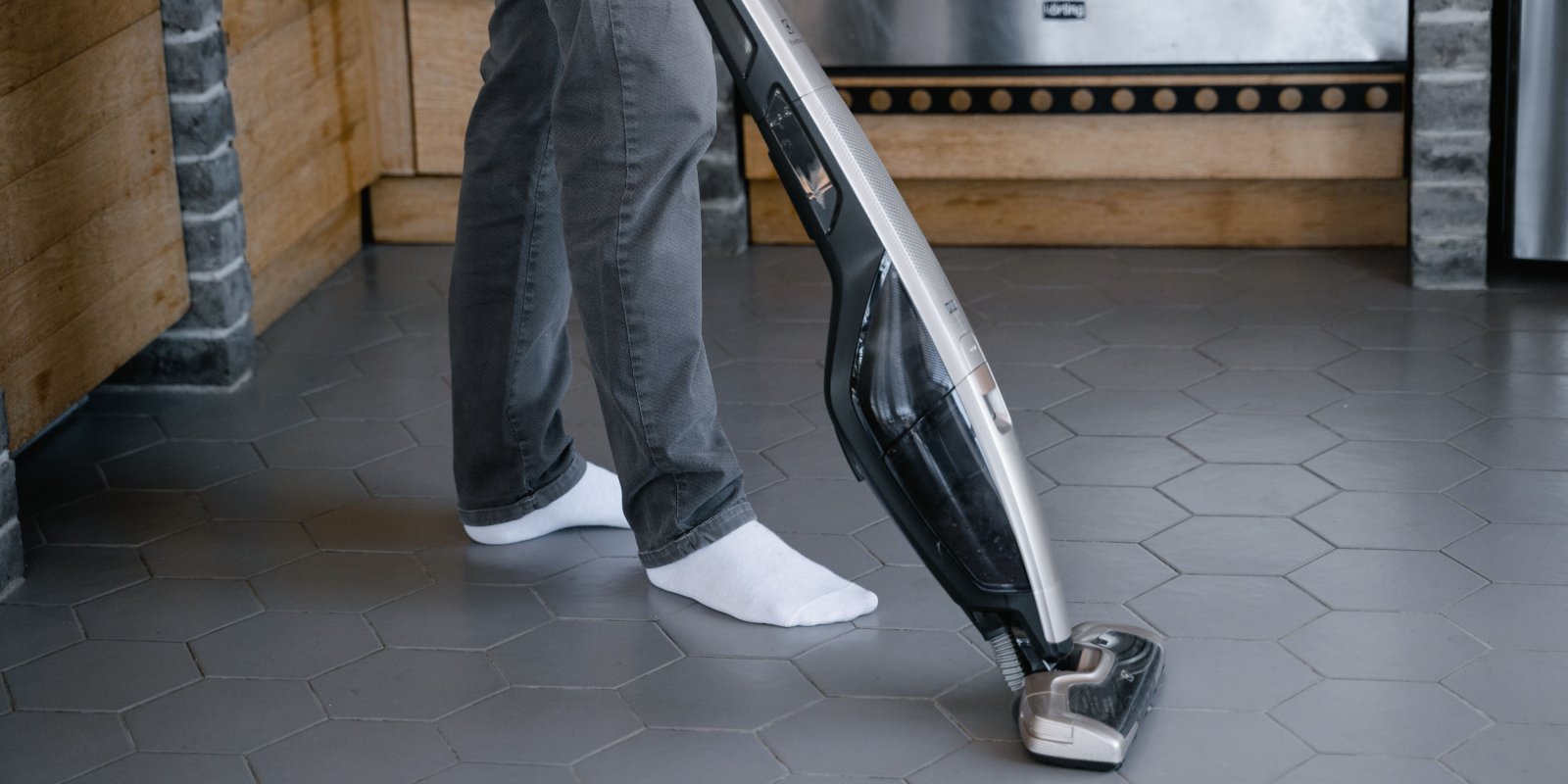
Have you ever scrubbed your tile floor, applied bleach to the grout, and still noticed dark lines between the tiles? You may have expected a stronger cleaning product to make a bigger difference. Yet, even after all that effort, the floor still doesn't look as clean as you hoped.
The problem may not be how hard you scrub or how much cleaner you use. Grout can hold soil and stains differently than the tile surrounding it. Bleach may affect certain types of discoloration, but that doesn't necessarily mean it removes the dirt causing the problem.
Here in South Arkansas, everyday foot traffic, spills, and routine cleaning can gradually change the appearance of tile floors in homes and businesses. With over 14 years of restoration experience, Restore-It understands why choosing the right cleaning method matters. Before reaching for a stronger chemical, it's worth understanding what your floor actually needs.
So, can you use bleach to clean tile and grout? Let's look at its limitations, the risks to consider, and how professional cleaning approaches the problem differently.
Does Bleach Actually Clean Tile and Grout?
Bleach has legitimate uses in household cleaning. It can disinfect certain surfaces and affect some types of stains and discoloration. However, disinfecting and removing accumulated dirt are two different tasks.
The Centers for Disease Control and Prevention (CDC) explains that cleaning removes dirt and impurities, while disinfecting uses chemicals to kill remaining germs. It also recommends cleaning visibly dirty surfaces before disinfecting them.
This distinction matters when you're dealing with dirty grout. A product may change the appearance of a stain without removing the soil and residue that have collected in the grout joints.
There is also no single cleaning recommendation for every floor. The American Cleaning Institute includes diluted bleach among possible options for certain grout-cleaning situations. However, that doesn't mean every tile, grout, or sealer manufacturer recommends it.
Before choosing a product, consider:
- The type of buildup: Everyday soil, grease, soap residue, and mineral deposits may need different cleaning approaches.
- The flooring material: Ceramic, porcelain, and natural stone have different care requirements.
- The grout and sealer: Cement-based grout, epoxy grout, and protective finishes may respond differently to cleaning products.
- Manufacturer instructions: Check the care recommendations for your specific flooring and grout.
Why Restore-It Doesn't Use Bleach for Tile and Grout Cleaning
Bleach may seem like a convenient solution for cleaning dirty tile and grout, but the decision to use it involves more than the floor itself. In a home, tile rarely exists in isolation. It may meet carpet at a doorway, sit beneath upholstered furniture, or surround area rugs and other household belongings.
Even when a cleaning product is suitable for a particular hard surface, accidental contact with nearby materials can create problems. For example, bleach residue transferred on a technician's footwear could reach carpet, while a small splash could land on upholstered furniture or nearby rugs. These accidents can cause permanent discoloration. The IICRC identifies bleach exposure as a cause of color loss in textiles.
Surface compatibility is another consideration. Not every tile, grout joint, or existing sealer responds the same way to household cleaning products. For example, LATICRETE's ceramic and porcelain tile care guidance advises against bleach and several other household cleaners because they may damage surfaces or degrade grout sealers that help protect against staining.
At Restore-It, we do not use bleach in our tile and grout cleaning process. This is a deliberate professional practice rooted in being mindful of the entire cleaning environment. Our technicians consider the floor, surrounding materials, and condition of the surfaces before selecting appropriate cleaning products. The goal is to clean the tile and grout without creating unnecessary risks for the rest of the home.
Grout Can Absorb More Than You Think
Unlike many glazed ceramic and porcelain tiles, cement-based grout has a porous structure. It can absorb moisture and allow certain stains and contaminants to settle into the material.
The Tile Council of North America explains that different grout problems require different cleaning approaches. For example, removing soapy dirt may require brushing and repeated rinsing with clean water.
Applying more cleaning solution does not necessarily solve the problem. If dirty water and cleaning residue remain in the grout joints, the floor may continue to look dingy.
Your Floor's Material Makes a Difference
|
Flooring material |
What to consider |
|
Ceramic tile |
Glazed surfaces are generally stain-resistant, but grout joints can collect soil. |
|
Porcelain tile |
Dense and low-absorption, but its finish, texture, grout, and protective treatments still matter. |
|
Natural stone |
Marble, travertine, limestone, and granite have different care requirements. Use products approved for the specific stone. |
|
Cement-based grout |
Porous and more likely to absorb certain stains. Cleaning and rinsing methods matter. |
|
Epoxy grout |
Generally more stain-resistant than cement-based grout, but still needs appropriate maintenance. |
If you aren't sure what material your floor contains, avoid experimenting with increasingly aggressive chemicals. Identifying the surface first can help prevent unnecessary damage.
What Should You Use Instead of Bleach?
The right cleaning product depends on what you're trying to remove. For routine maintenance, a neutral-pH cleaner formulated for your type of tile and grout is a reasonable starting point for many floors.
|
Cleaning concern |
Approach to consider |
|
Everyday dirt and dust |
Sweep or vacuum, then use a compatible neutral-pH cleaner. |
|
Kitchen grease |
Choose a tile- and grout-compatible grease cleaner. |
|
Soap residue |
Use a product designed for soap and detergent buildup. |
|
Dirty grout lines |
Select a grout cleaner suitable for the grout type. |
|
Mineral deposits |
Use a product approved for the surface. Avoid acidic products on acid-sensitive stone. |
|
Natural stone |
Choose a cleaner recommended for the specific stone. |
|
Heavy or embedded soil |
Consider professional tile and grout cleaning. |
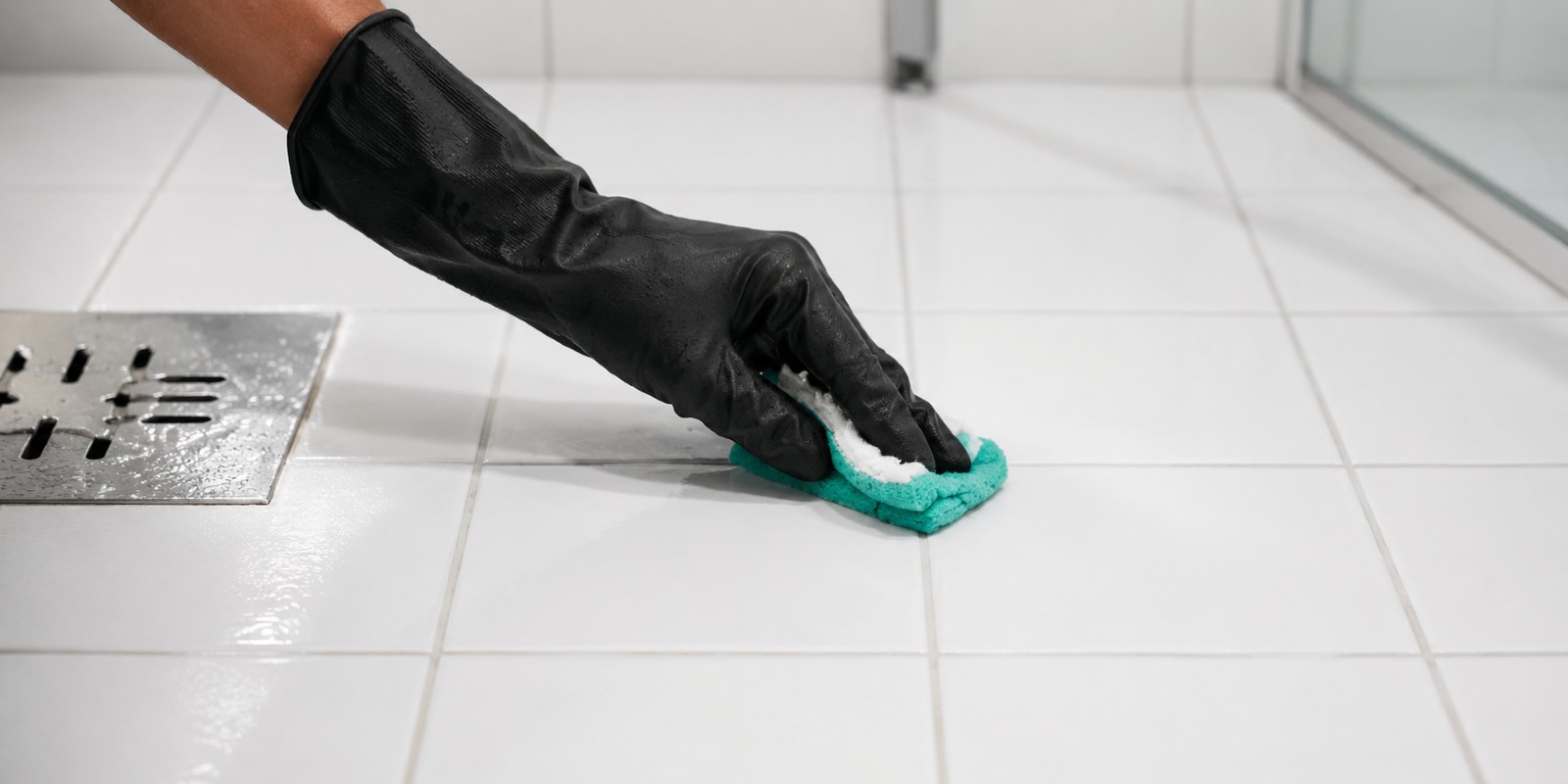
If you decide to use bleach at home, understand the risks before applying it. Always read the label, confirm that the product is appropriate for the surface, and follow its dilution and application instructions.
The CDC also recommends good ventilation and appropriate protective equipment, such as gloves or eye protection when needed. Never mix bleach with other household cleaners or disinfectants. Combining products can release dangerous vapors. If you've already applied bleach, don't layer another cleaning chemical over it.
For more guidance on choosing products, read our article below!

When Is Professional Tile and Grout Cleaning Worth Considering?
Sometimes, routine cleaning isn't enough to improve the appearance of your floors. You may have tried different products, scrubbed the grout lines, and rinsed the surface, only to find that the discoloration remains.
Consider a professional assessment if:
- Grout remains dark after appropriate routine cleaning.
- Soil appears to be embedded in the grout joints.
- Buildup keeps returning after mopping.
- You aren't sure what caused the staining.
- You're concerned about damaging natural stone, grout, or a protective finish.
At Restore-It, we look at the tile material, grout, existing condition, and type of buildup before choosing a cleaning approach. Our process is not based on applying a stronger chemical and hoping for a better result.
What Happens During Restore-It's Tile and Grout Cleaning Process?
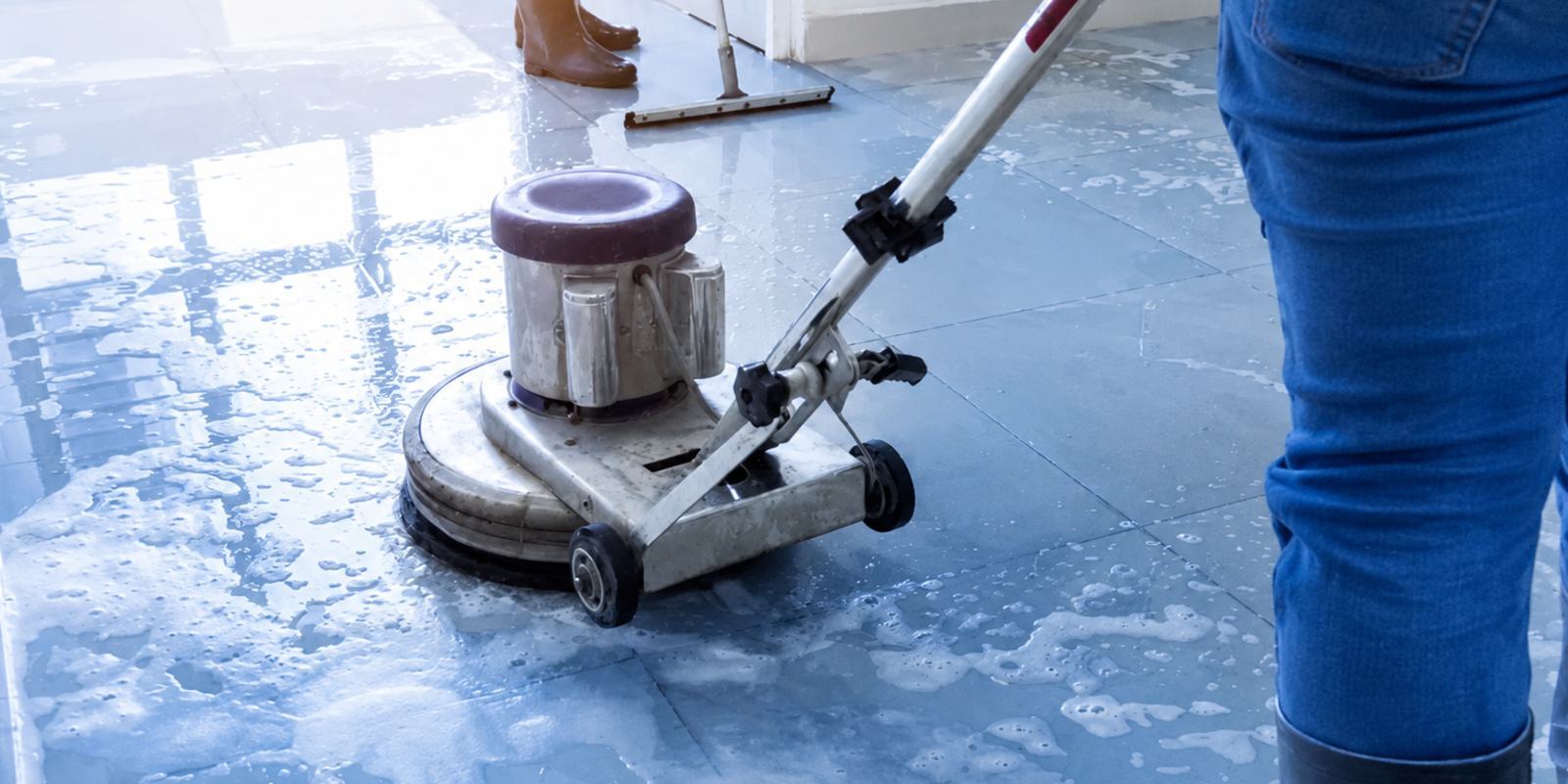
Depending on the floor and the condition of the surface, professional cleaning may involve several steps:
|
Step |
What happens |
Why it matters |
|
1. Inspection |
Evaluate the tile, grout, visible buildup, and existing condition. |
Helps identify the materials and determine an appropriate approach. |
|
2. Pre-treatment |
Apply a compatible cleaning solution to the affected areas. |
Helps loosen accumulated soil. |
|
3. Agitation |
Work the solution into the surface and grout joints using suitable tools or equipment. |
Helps release soil that routine mopping may leave behind. |
|
4. Rinsing and soil removal |
Remove loosened dirt and cleaning solution. |
Helps prevent dirty water and excess residue from remaining on the floor. |
|
5. Final evaluation |
Review the results and any remaining discoloration. |
Helps determine whether further treatment or repairs may be needed. |
The important difference is that the process focuses on loosening and removing soil, not simply changing the appearance of a stain. Not every stain can be removed through cleaning alone. Some discoloration may be permanent, while worn or damaged grout may need repair.
You can learn more about our cleaning process and what to expect from professional service.

Choose the Right Cleaning Method for Your Floor
When grout starts looking dark, or tile loses its clean appearance, reaching for bleach may seem like the easiest solution. But stronger chemicals don't automatically mean better cleaning results.
Bleach has specific household uses, but it is not a universal solution for dirty tile and grout. Its suitability depends on the surface, the type of buildup, and the manufacturer's care instructions. At Restore-It, we choose not to use bleach in our cleaning process because we believe in assessing the materials and selecting an appropriate method for the job.
If your floors still look dirty after routine cleaning, your next step may be a professional assessment. Restore-It helps homeowners and businesses throughout South Arkansas understand what their tile and grout need. Contact our team to learn more about our tile and grout cleaning services!