

Have you ever called around for HVAC cleaning in South Arkansas and noticed how different the pricing can be? Why do some homeowners pay a few hundred dollars for HVAC cleaning, while others spend over $3,000 for what seems like the same service?
And more importantly, how do you know if you’re actually getting what you paid for or being upsold on services you don’t need?
For many homeowners, HVAC cleaning isn’t just confusing. It feels like a guessing game. Pricing varies, recommendations differ, and it’s hard to tell who to trust.
At Restore-It, we’ve worked with homeowners throughout South Arkansas who were trying to figure that out, and we’ve seen how easy it is to overpay when the details aren’t clearly explained.
In this guide, you’ll learn the most common mistakes that lead to overpaying for HVAC cleaning and how to avoid them so you can make a confident, informed decision.
7 HVAC Cleaning Mistakes That Lead to Overpaying
Most homeowners who overpay don’t do so intentionally. It usually comes down to a few common missteps.
Understanding these mistakes can help you avoid unnecessary costs and get the service your system actually needs.
Mistake #1: Paying for HVAC Cleaning When You Don’t Need It
One of the biggest reasons homeowners overpay is simple: they schedule cleaning when it isn’t necessary.
HVAC systems do not need to be cleaned on a fixed schedule. Instead, cleaning should be based on your system's condition.
You may need HVAC cleaning if you notice:
- Visible dust buildup around vents
- Musty or stale odors when the system runs
- Increased allergy symptoms indoors
- Uneven airflow between rooms
If none of these signs are present, cleaning may not be necessary right now.
Still unsure if your system actually needs cleaning? Check our guide:

Mistake #2: Choosing the Cheapest Quote
Low advertised prices are one of the most common traps homeowners fall into.
Offers like “$99 whole-house cleaning” sound appealing, but they rarely include a full system cleaning. In many cases, they only cover basic ductwork and leave out critical components.
This often leads to:
- Upsells once the technician arrives
- Incomplete cleaning
- Additional charges for essential services
What starts as a low-cost service can quickly become more expensive than a properly priced, comprehensive cleaning.
The lowest price is rarely the best value when it comes to HVAC cleaning.
Mistake #3: Not Understanding What’s Included
Every HVAC cleaning service is the same, and this is where many homeowners get caught off guard.
Some companies clean only the visible ductwork, while others clean the entire system.
A proper HVAC cleaning should include:
- Full system inspection
- Cleaning of supply and return ducts
- Air handler and blower components
- Coil cleaning when needed
- Access to all parts of the system
If these elements are not included, you may be paying for a partial service that does not fully address the issue.
Want to see exactly what happens during a complete cleaning? Read more on this article:
[CTA: What Happens During HVAC Cleaning? Step-by-Step Process Explained]
Mistake #4: Skipping the Inspection Before Pricing
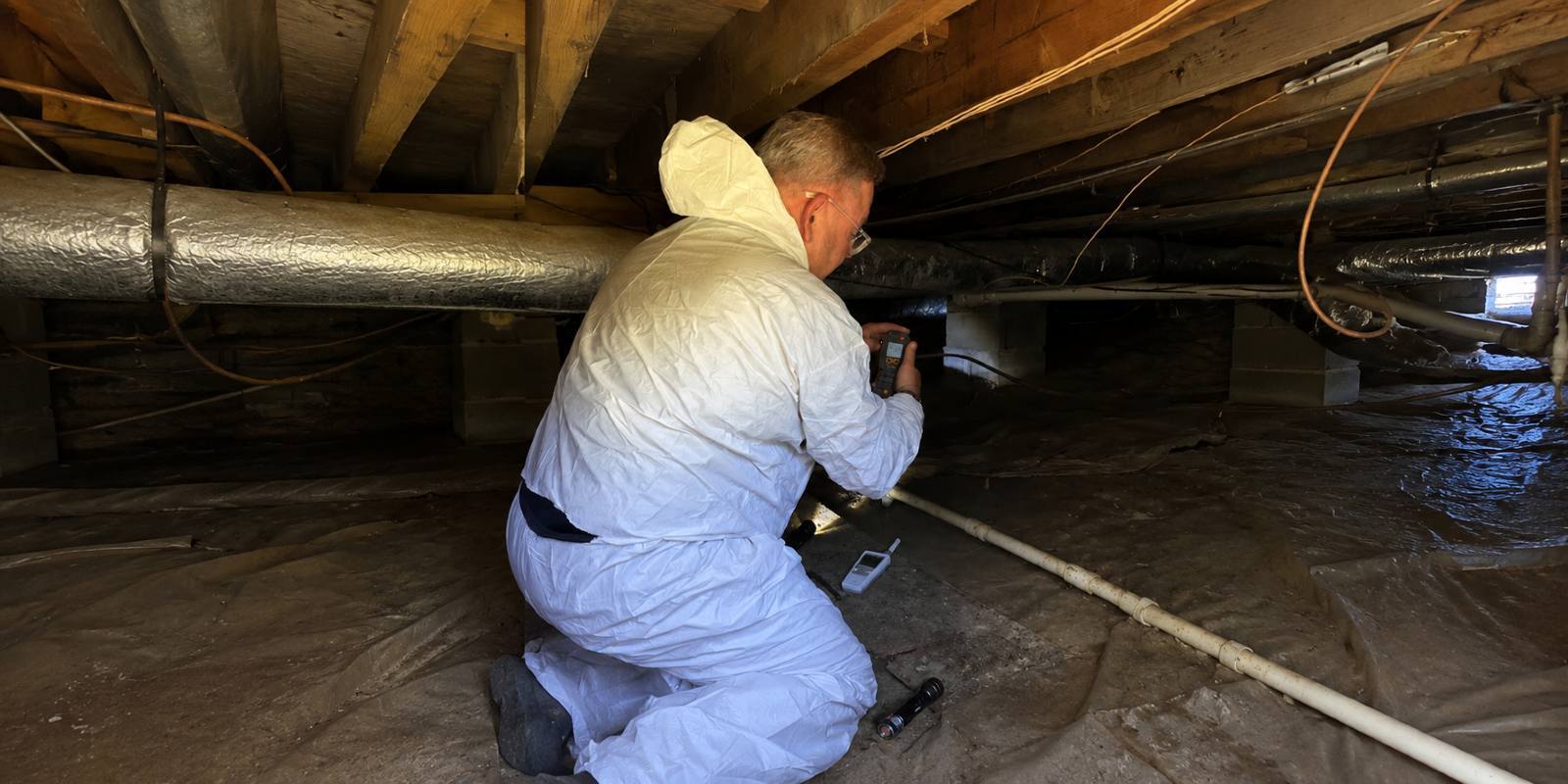
A reputable HVAC cleaning company should evaluate your system before giving a final price.
Without an inspection, there is no way to accurately assess:
- The level of contamination
- The complexity of your ductwork
- Accessibility challenges
When companies provide flat pricing without seeing your system, it often results in one of two outcomes:
- You overpay for services you don’t need
- You are hit with unexpected charges later
An inspection ensures that the service matches your system’s actual condition, not a generic estimate.
Mistake #5: Paying for Add-Ons You Don’t Need
Many homeowners end up paying for extra services that may not be necessary for their situation.
Common add-ons include:
- Sanitizing treatments
- Deodorizing services
- Deep cleaning upgrades
While these services can be useful in certain situations, they are not always required.
For example, a system with light dust buildup typically does not need the same level of treatment as one with heavy contamination or mold concerns.
If additional services are recommended, ask:
- Why is this necessary for my system?
- What problem does it solve?
- Is there evidence to support it?
Understanding the purpose behind each recommendation helps you avoid unnecessary costs.
Mistake #6: Ignoring System Condition
Not every HVAC system requires the same level of cleaning, yet many homeowners pay for the most extensive service regardless of condition.
Light buildup requires less time, labor, and equipment than heavy contamination.
When you pay for a deep cleaning you don't need, you are essentially paying for work that adds no additional value.
A thorough inspection should determine:
- How dirty the system actually is
- What level of cleaning is appropriate
- Whether cleaning is needed at all
The more tailored the service is to your system, the less likely you are to overpay.
Mistake #7: Choosing a Company Based on Price Alone
Focusing only on price often leads to poor outcomes.
The cheapest option can result in:
- Incomplete cleaning
- Missed issues within the system
- Additional charges after the initial service
Instead of looking only at cost, consider the overall value of the service.
Look for a company that offers:
- Clear, upfront pricing
- Full system cleaning
- Proper certifications, such as NADCA
- A strong local reputation
Before hiring a company, ask:
- What exactly is included in the service?
- Do you clean the entire system or just parts of it?
- Are there any additional costs I should expect?
What Actually Affects HVAC Cleaning Costs
While this article focuses on avoiding mistakes, it’s still helpful to understand what drives pricing at a high level.
Costs can vary based on:
- Home size and number of vents
- Length and complexity of ductwork
- Number of HVAC systems
- Accessibility, such as attics or crawlspaces
- Level of contamination
The more time, labor, and equipment required, the higher the cost.
Want to know what HVAC cleaning should really cost? This guide breaks down pricing and what’s actually included.

Simple Ways to Reduce HVAC Cleaning Costs Over Time
While you cannot eliminate the need for HVAC cleaning, you can reduce how often it is needed.
|
Tip |
Description |
Why It Helps Reduce Costs |
|
Replace air filters regularly |
Dirty filters allow dust and debris to build up in your system. Check and replace filters every 1 to 3 months. |
Prevents buildup that can lead to more frequent and expensive cleanings. |
|
Keep vents clean and unblocked |
Dust buildup near vents can circulate through your system. Regular cleaning helps reduce contamination. |
Reduces the spread of debris throughout the system, lowering cleaning frequency. |
|
Schedule periodic inspections |
Routine inspections can catch buildup early before it becomes severe. |
Helps avoid major cleanings by addressing issues before they worsen. |
These small maintenance steps can make a noticeable difference over time.
How to Make the Right HVAC Cleaning Decision
Most cases of overpaying for HVAC cleaning come down to the same issues: paying for services you do not need, not knowing what is included, or choosing a provider based on price alone.
Now that you know what to watch for, you can evaluate recommendations more clearly, compare quotes with confidence, and avoid unnecessary costs.
If you’re trying to figure out which company is actually worth hiring, this guide breaks down exactly what to look for and what to avoid.
At Restore-It, we work with homeowners across South Arkansas to provide clear recommendations without unnecessary add-ons, so you can make a decision based on value, not guesswork.
If you are ready to get honest guidance on your HVAC cleaning, give us a call and let’s talk about what your home actually needs.

Topics: