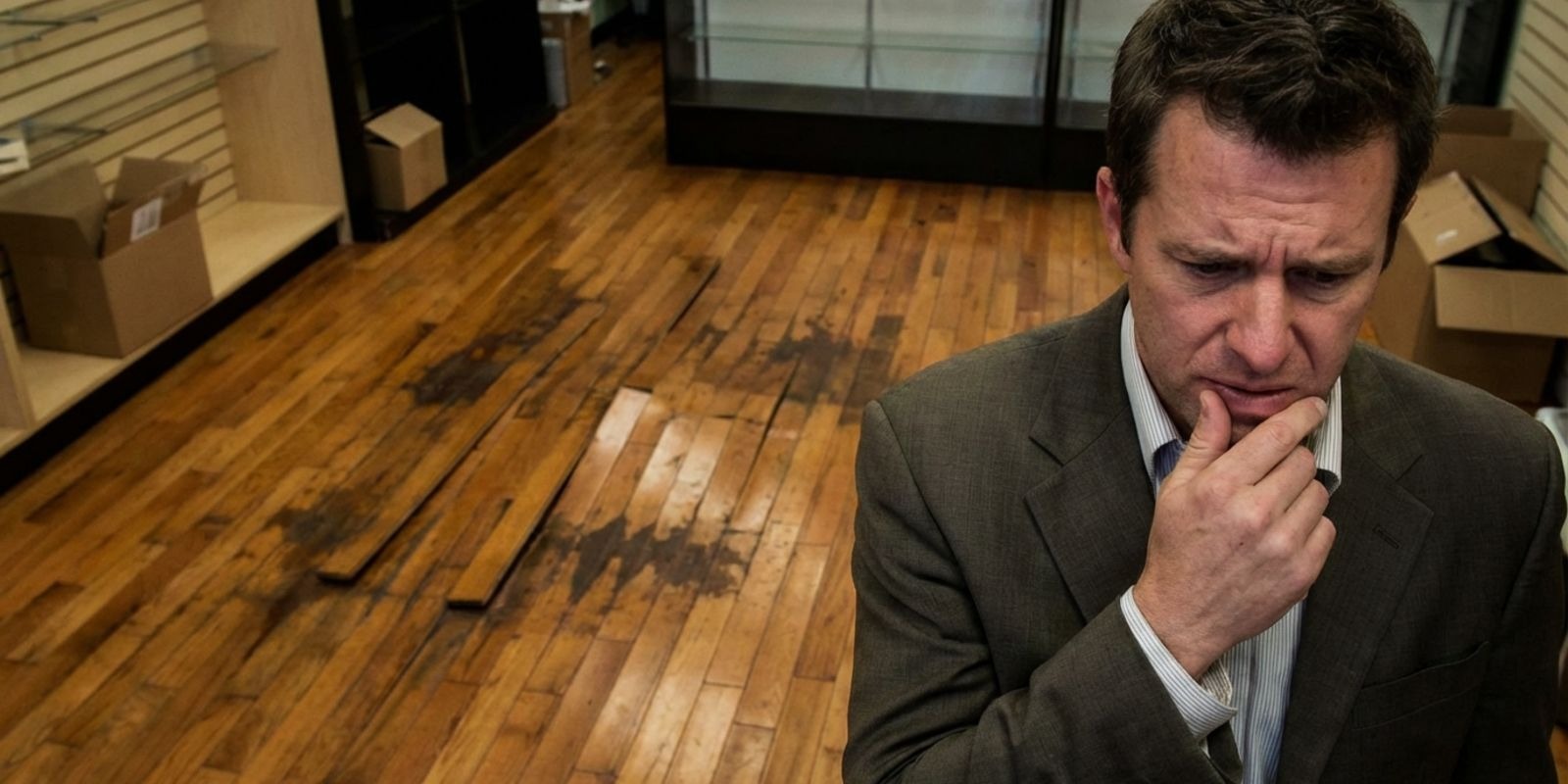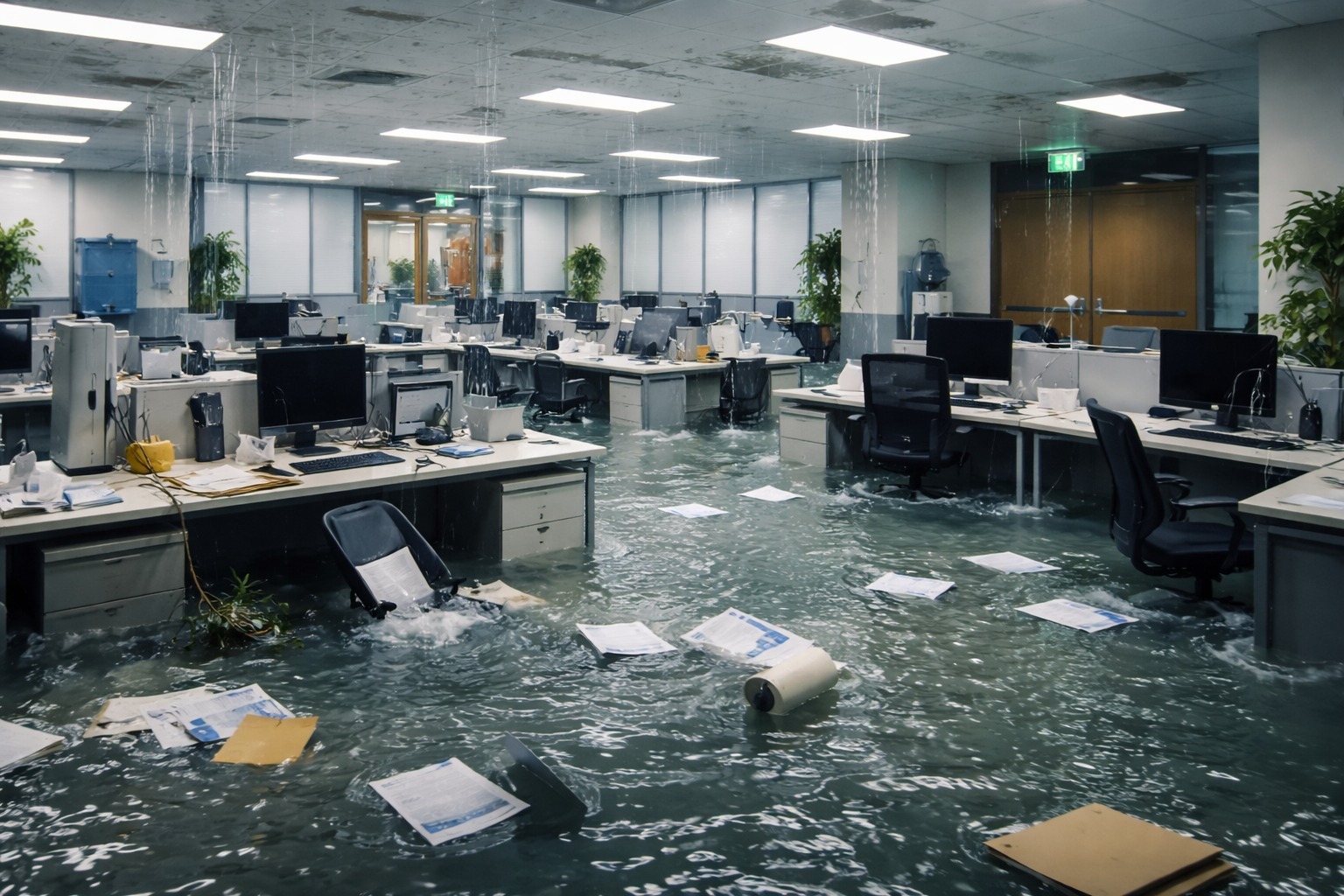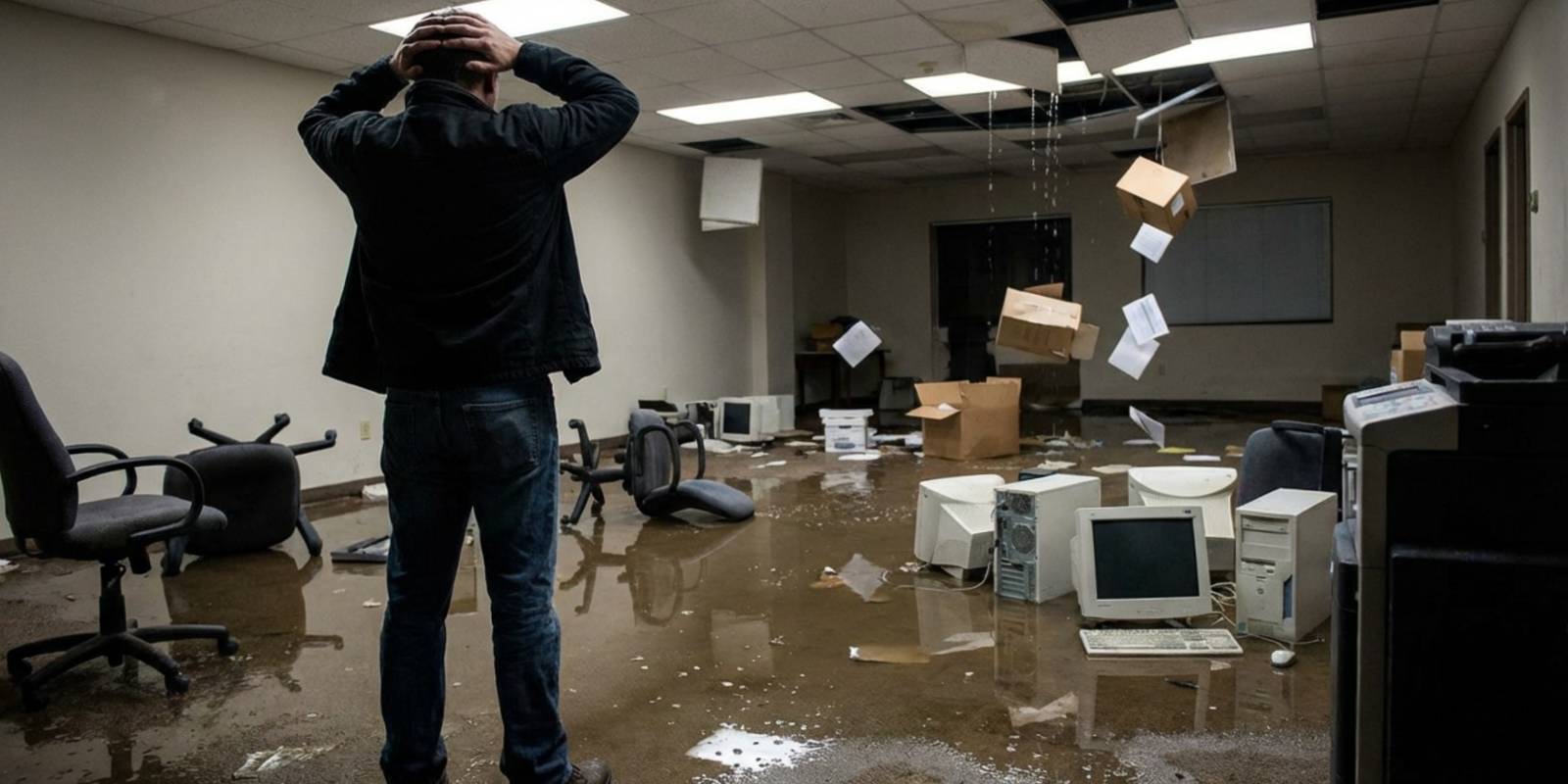

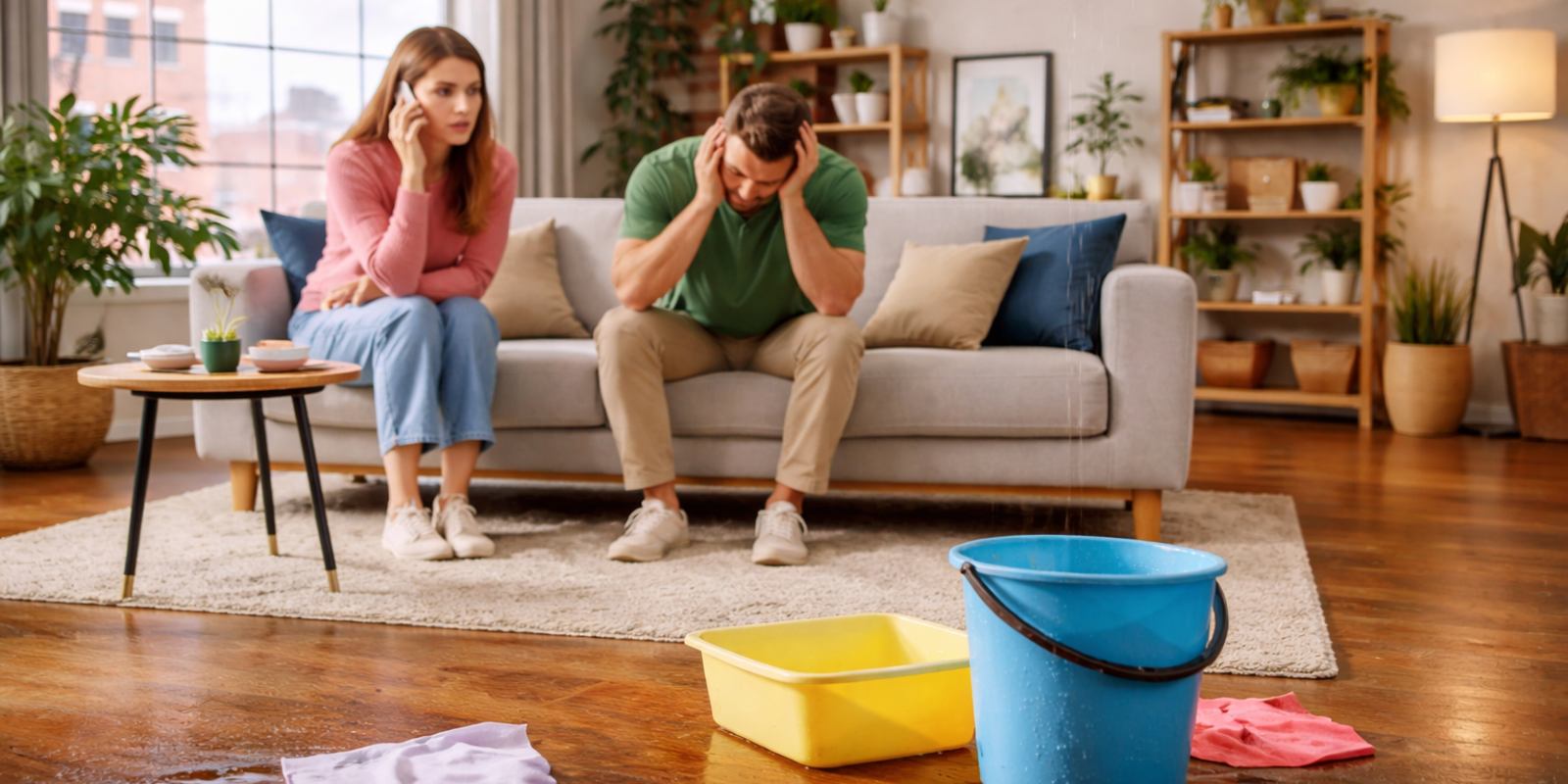
Water damage might seem simple, but do you actually know what type of water is in your home and how dangerous it could be? If a pipe bursts, a drain backs up, or water sits too long, how can you tell whether it’s safe to handle or a serious health risk?
Many homeowners assume all water damage is the same, but clean, grey, and black water each carries different levels of contamination and risk. Using the wrong cleanup method can worsen damage and increase health hazards.
At Restore-It, our IICRC-certified team has guided hundreds of South Arkansas homeowners through every type of water emergency. We focus on restoring homes quickly and safely while minimizing costs and stress.
In this guide, you’ll learn:
- How to identify clean, grey, and black water
- The risks each type poses
- When you can handle it and when to call a professional
By the end, you’ll be prepared to protect your home and family from costly water damage.
Clean vs Grey vs Black Water: Key Differences Homeowners Must Know
Understanding the difference between water types helps you take the right action immediately.
|
Water Type |
Contamination Level |
Health Risk |
Common Sources |
Recommended Cleanup |
|
Clean Water (Category 1) |
Clean (initially) |
Low at first, increases over time |
Broken pipes, rainwater, appliance leaks |
DIY is possible if handled quickly |
|
Grey Water (Category 2) |
Moderately contaminated |
Medium risk of illness |
Washing machines, sinks, showers |
Use caution, Personal Protective Equipment (PPE) required, may need professionals |
|
Black Water (Category 3) |
Highly contaminated |
Severe health risks |
Sewage backups, floodwater, stagnant water |
Professional cleanup only |
Understanding these three water categories is critical because the level of contamination directly affects the urgency, safety precautions, and whether professional help is needed.
What should you do immediately if water damage suddenly hits your home? If you’re anxious about your next steps, check our article below.

What Is Clean Water (Category 1 Water Damage)?
Clean water, also known as Category 1 water, comes from a clean and sanitary source. According to the IICRC, this type of water does not initially pose a threat to human health.
Risks of Clean Water
Although clean water is considered safe, it can become hazardous if it sits too long. The Environmental Protection Agency (EPA) warns that within 24–48 hours, bacteria and mold can start to grow, increasing the risk of property damage and health problems.
Wondering how dangerous mold growth can really be after water damage? Learn the difference between mold spores and mycotoxins and what it means for your home and health.

Cleanup Tips for Homeowners
- Shut off the water source immediately
- Remove standing water as fast as possible
- Dry affected areas using fans or dehumidifiers to prevent mold growth
- Watch for hidden moisture behind walls or floors
Even clean water can turn hazardous; quick action prevents expensive repairs.
What Is Grey Water (Category 2 Water Damage)?
Grey water, or Category 2 water, contains contaminants that can cause discomfort or illness if exposed. The IICRC classifies this water as significantly contaminated.
Risks of Grey Water in Your Arkansas Home
It contains bacteria, chemicals, and microorganisms that pose health risks. Unlike clean water, it requires careful cleanup to prevent illness and damage.
According to the Centers for Disease Control and Prevention (CDC), exposure can lead to skin irritation, gastrointestinal illness, and respiratory issues.
What Homeowners Should Do
- Wear protective gear such as gloves and boots.
- Remove water immediately using proper equipment.
- Disinfect all affected surfaces thoroughly.
- Call professionals if large or porous areas are affected.
If left untreated, grey water can quickly become black water, turning a manageable situation into a serious health hazard that requires professional cleanup.
What Is Black Water (Category 3 Water Damage)?
Black water is the most contaminated type of water damage. It poses serious health risks. It contains harmful bacteria, viruses, and toxins that can cause severe illness. The EPA classifies floodwater as contaminated.
Risks of Black Water
Black water is always an emergency and should never be handled without professional help.
The CDC warns that sewage-contaminated water may lead to:
- Severe infections
- Long-term health complications
- Respiratory hazards
It can also cause permanent damage to:
- Drywall
- Insulation
- Flooring
What Homeowners Should Do
- Avoid all contact with the water
- Evacuate affected areas
- Do not attempt DIY cleanup
- Call certified restoration professionals immediately
- Document damage for insurance
- Contain the area by closing doors or using barriers
When water comes from an unknown source or has been sitting, treat it as black water, even if it looks clean.
What Happens If You Use the Wrong Cleanup Method?
Using the wrong water damage cleanup method can quickly spread contamination and drive up repair costs.
|
Mistake |
Potential Consequence |
|
Treating grey water as clean |
Spread of bacteria and contamination |
|
Delaying cleanup |
Mold growth within 24 to 48 hours |
|
Attempting black water cleanup |
Serious health risks |
|
Missing hidden moisture |
Long-term structural damage |
A small mistake early on can end up costing you thousands in repairs later. If you’re unsure what type of water you’re dealing with, call Restore-It for a professional inspection so you can avoid unnecessary risks and protect your home.

Preventing Water Damage and Staying Safe
While understanding water categories helps you respond correctly, preventing water damage in the first place can save you time, money, and stress. Here’s what Arkansas homeowners can do to reduce their risk:
Water Damage Prevention vs Emergency Response
|
Situation |
What to Focus On |
|
Prevention |
Routine maintenance and moisture control |
|
During Water Damage |
Stop the source and limit the spread |
|
Contaminated Water |
Avoid exposure and use protection or professionals |
General Prevention Tips:
- Inspect plumbing regularly: Look for leaks, corrosion, or weak pipes and fix issues early.
- Maintain appliances: Check washing machines, dishwashers, and water heaters for worn parts or small leaks.
- Seal your home: Ensure windows, doors, and foundations are properly sealed to prevent water intrusion.
- Install sump pumps and backflow valves: Help protect basements and sewer lines from flooding.
Track humidity levels: Use dehumidifiers in damp areas to reduce the risk of mold growth.
Safety Measures During Water Incidents:
|
Action |
What to Do |
Why It Matters |
|
Utilities |
Shut off electricity and gas if needed |
Prevents electrical hazards and fire risks |
|
Personal Protection (PPE) |
Wear gloves, boots, and masks |
Reduces exposure to bacteria and contaminants |
|
Exposure Control |
Keep children and pets away from affected areas |
Minimizes health risks |
|
Documentation |
Take photos before cleanup begins |
Supports insurance claims and documentation |
|
Professional Help |
Call experts for grey or black water situations |
Ensures safe cleanup and prevents further damage |
Even small water issues can get worse quickly. Acting early and taking the right precautions can help prevent costly damage, reduce health risks, and keep your home safe.
You Don't Have To Face Water Damage Alone
Now that you understand the differences between clean, grey, and black water, you’re better prepared to respond quickly and safely when water damage happens. Water in your home isn’t just inconvenient. It can affect your property, your health, and your peace of mind.
At Restore-It, we help homeowners in South Arkansas identify water damage correctly and take the right steps from the very beginning. The key is not just removing water but handling it properly based on the level of contamination. Waiting too long or using the wrong cleanup method can lead to serious health risks and expensive repairs.
Dealing with water damage and need to understand the professional process for restoring your home? Our next guide breaks down mitigation vs. remediation so you know exactly what to expect and how to protect your property.