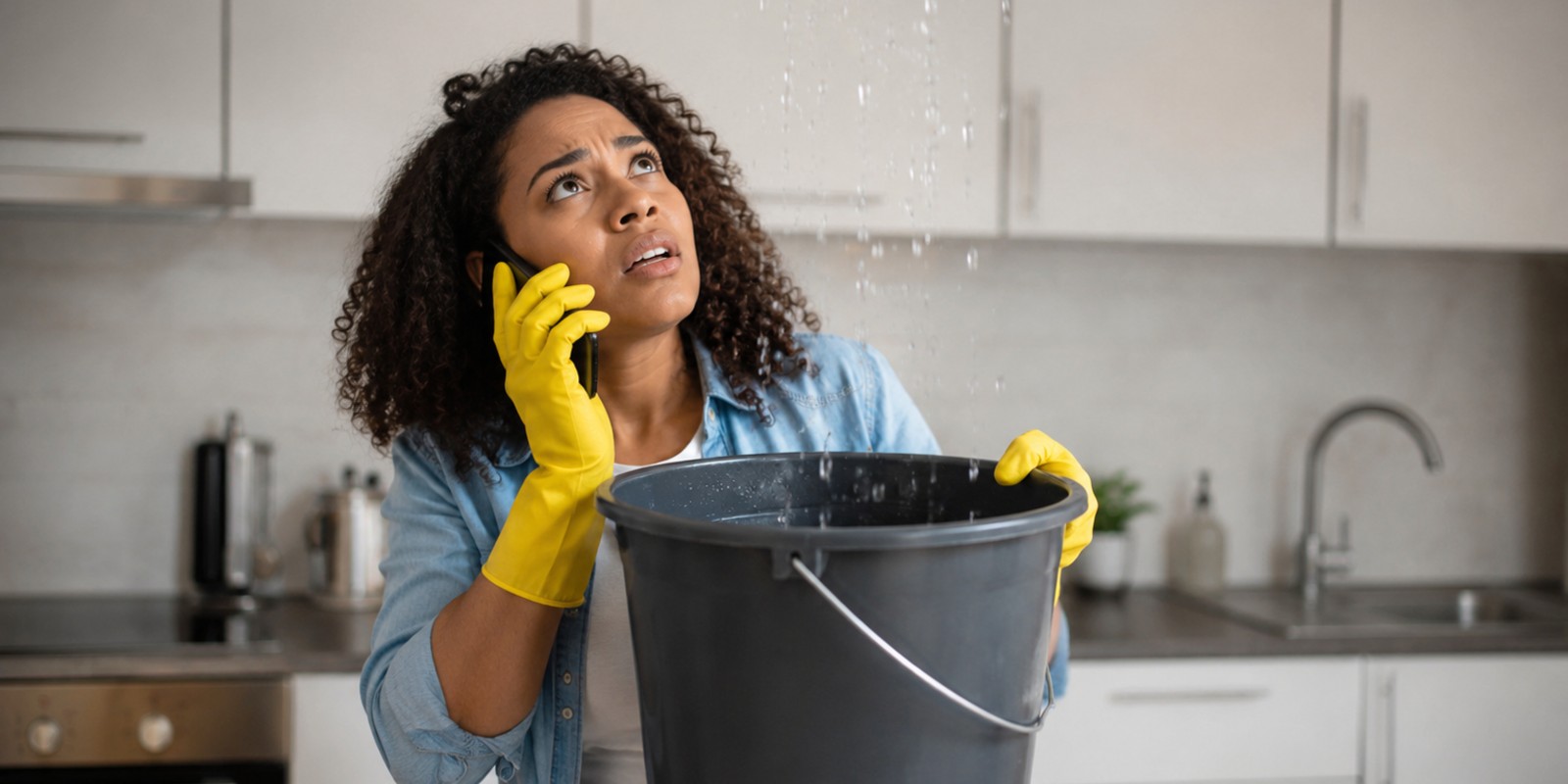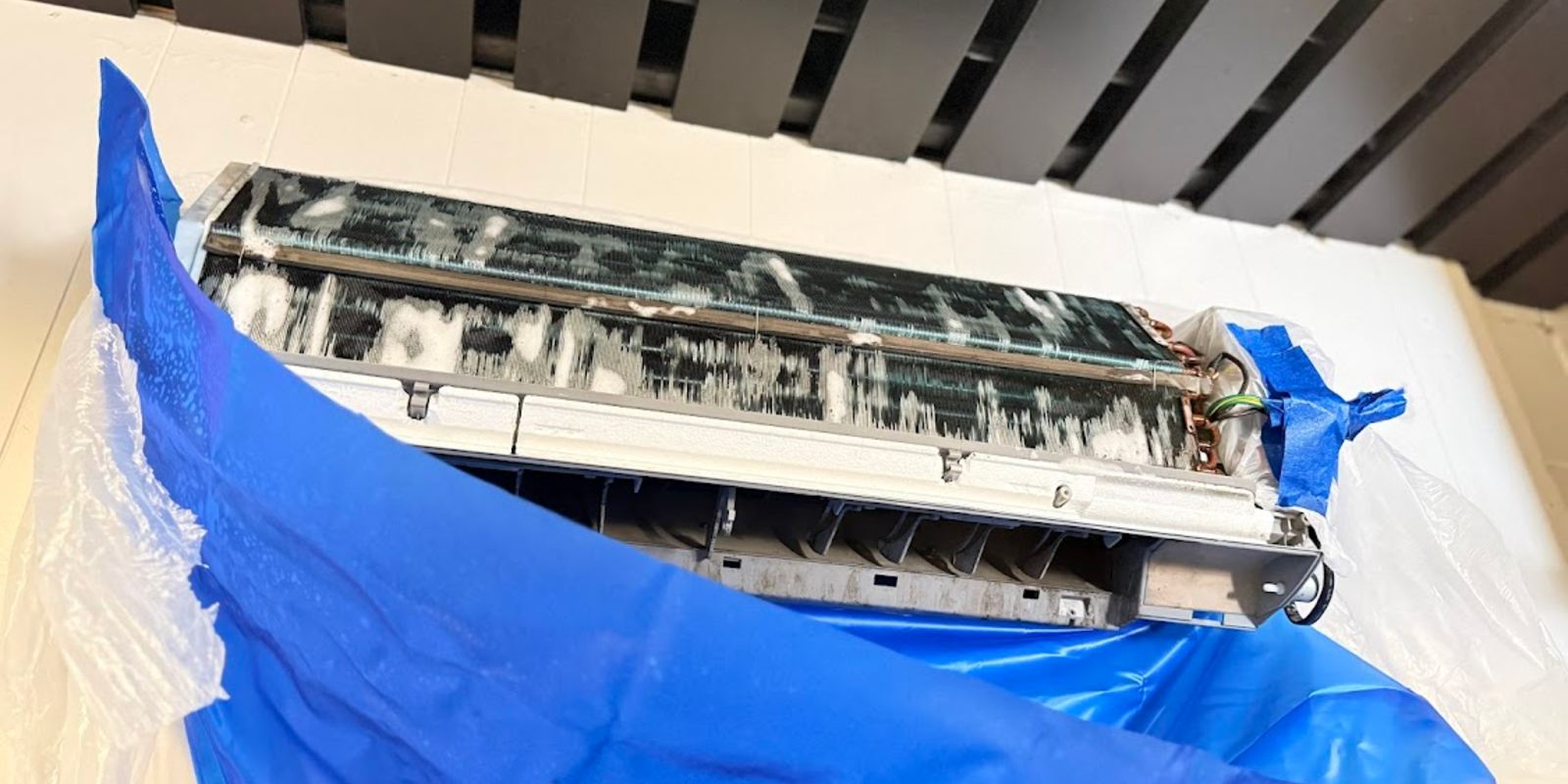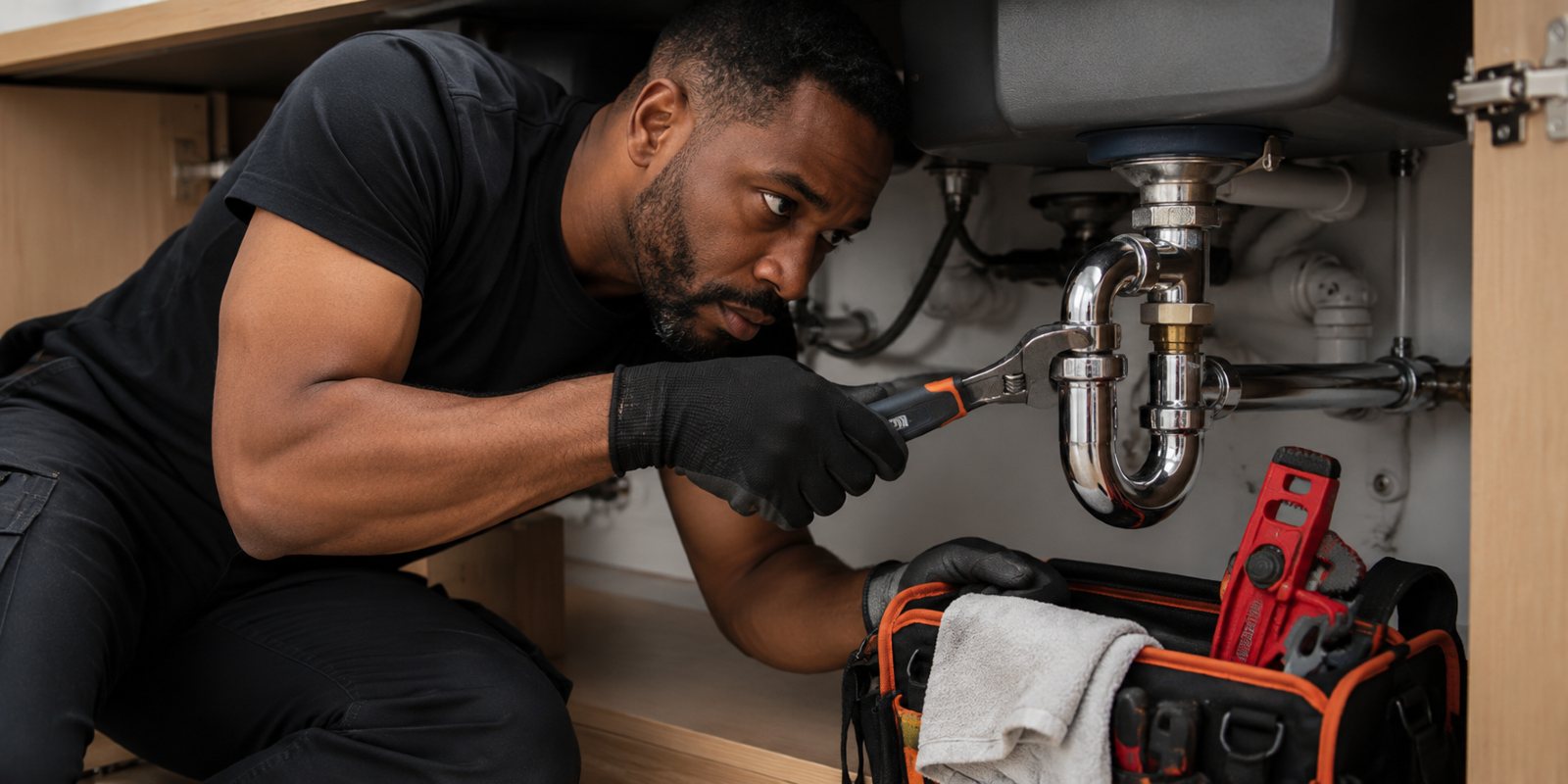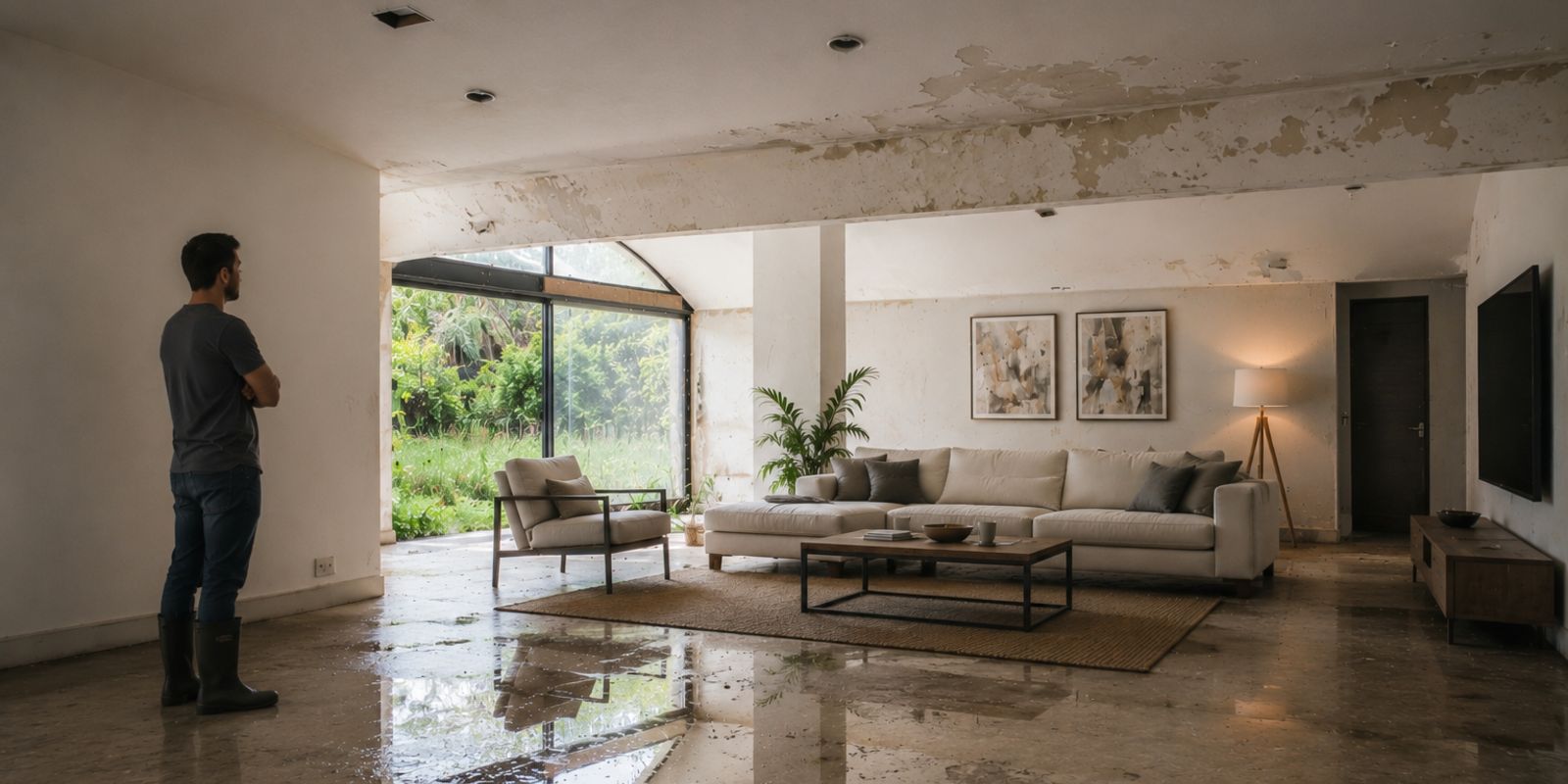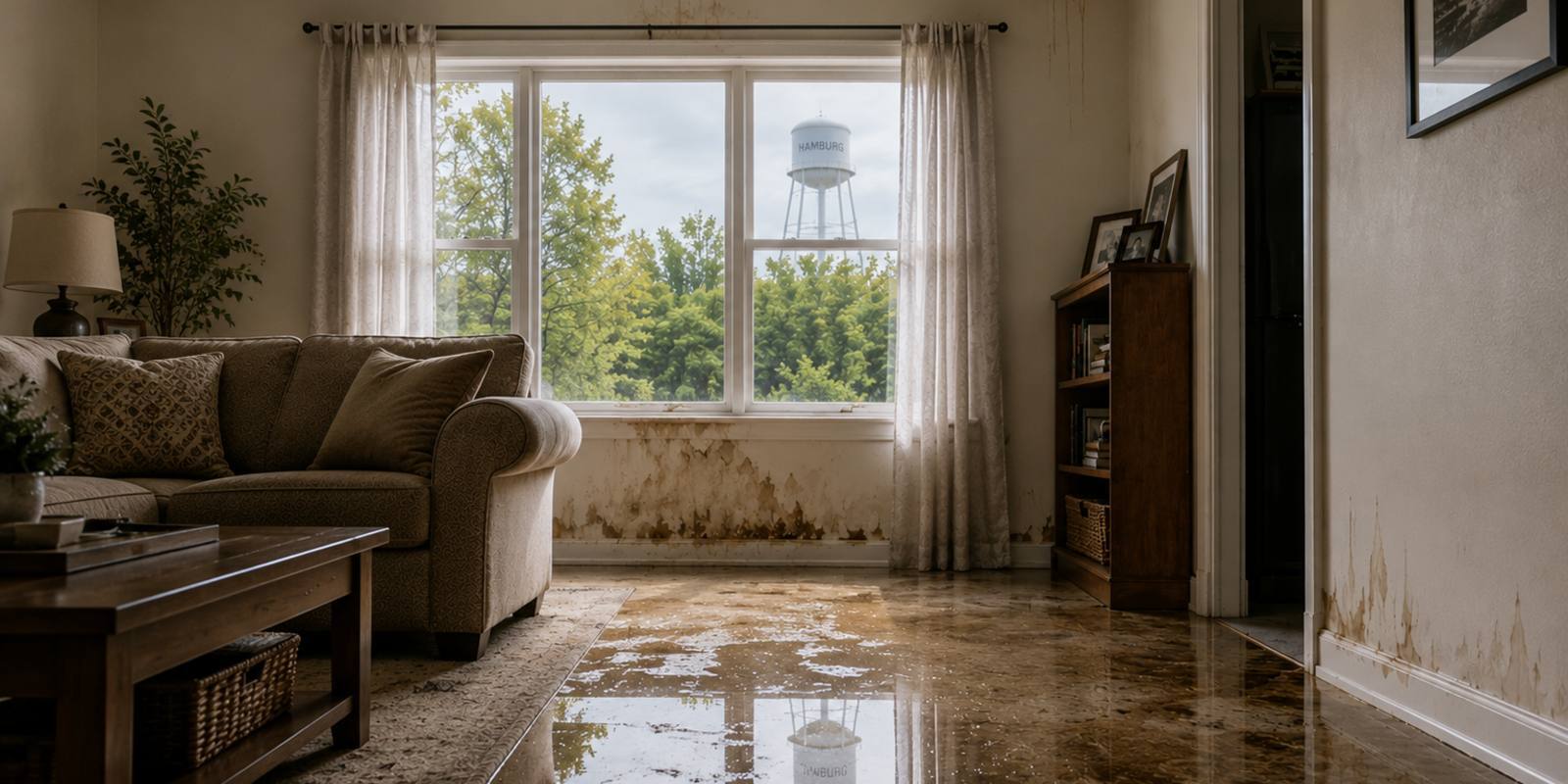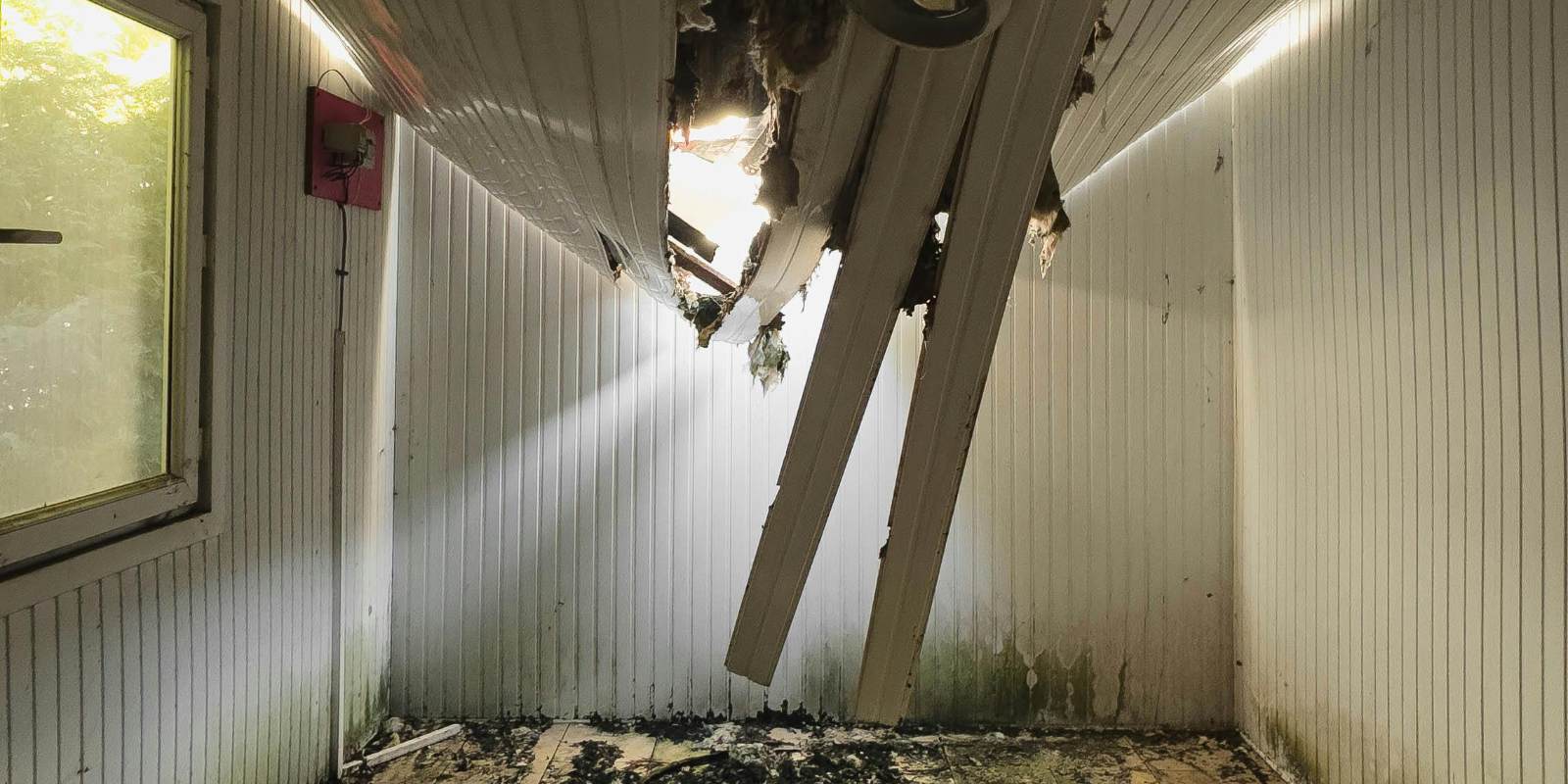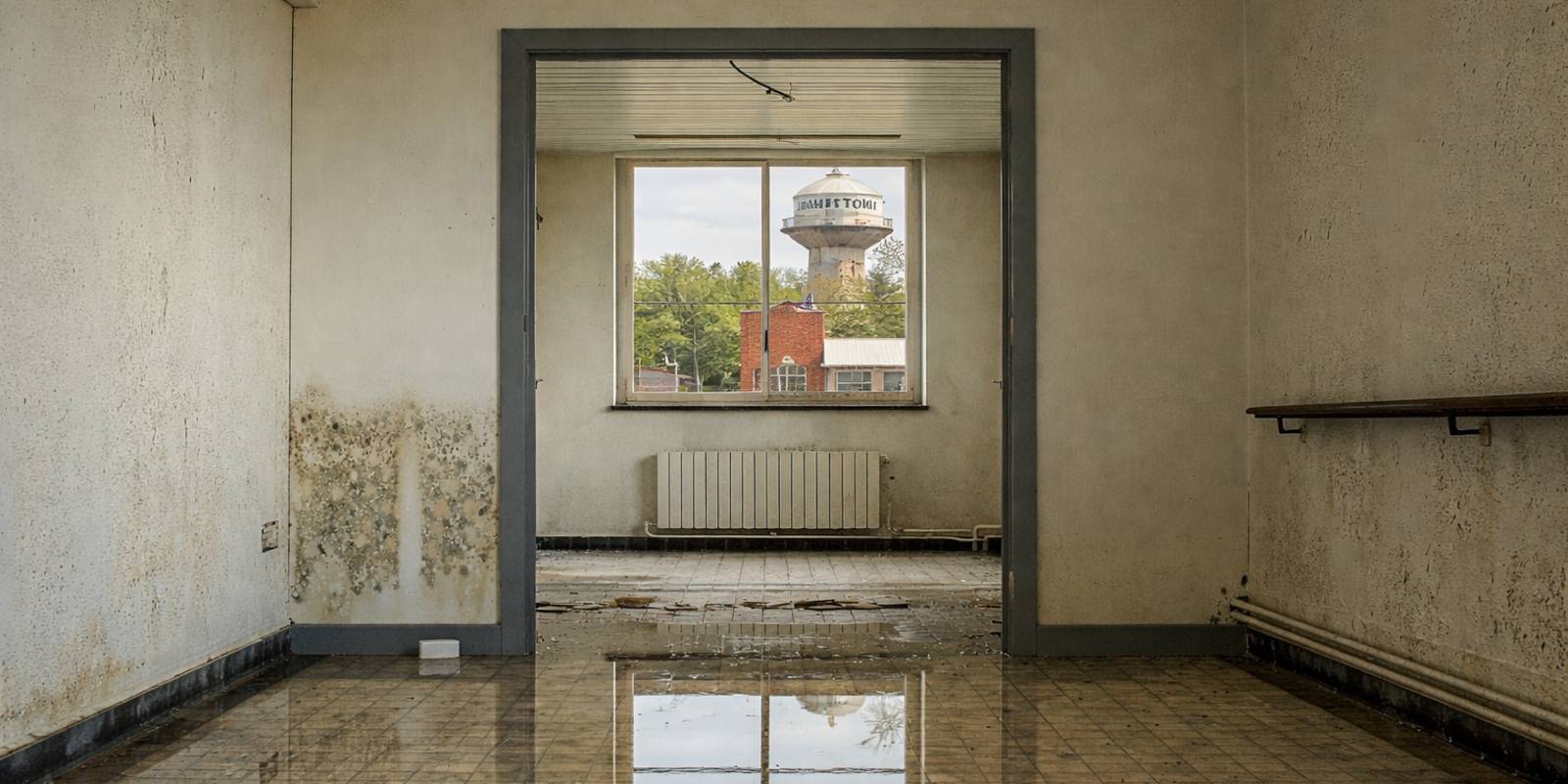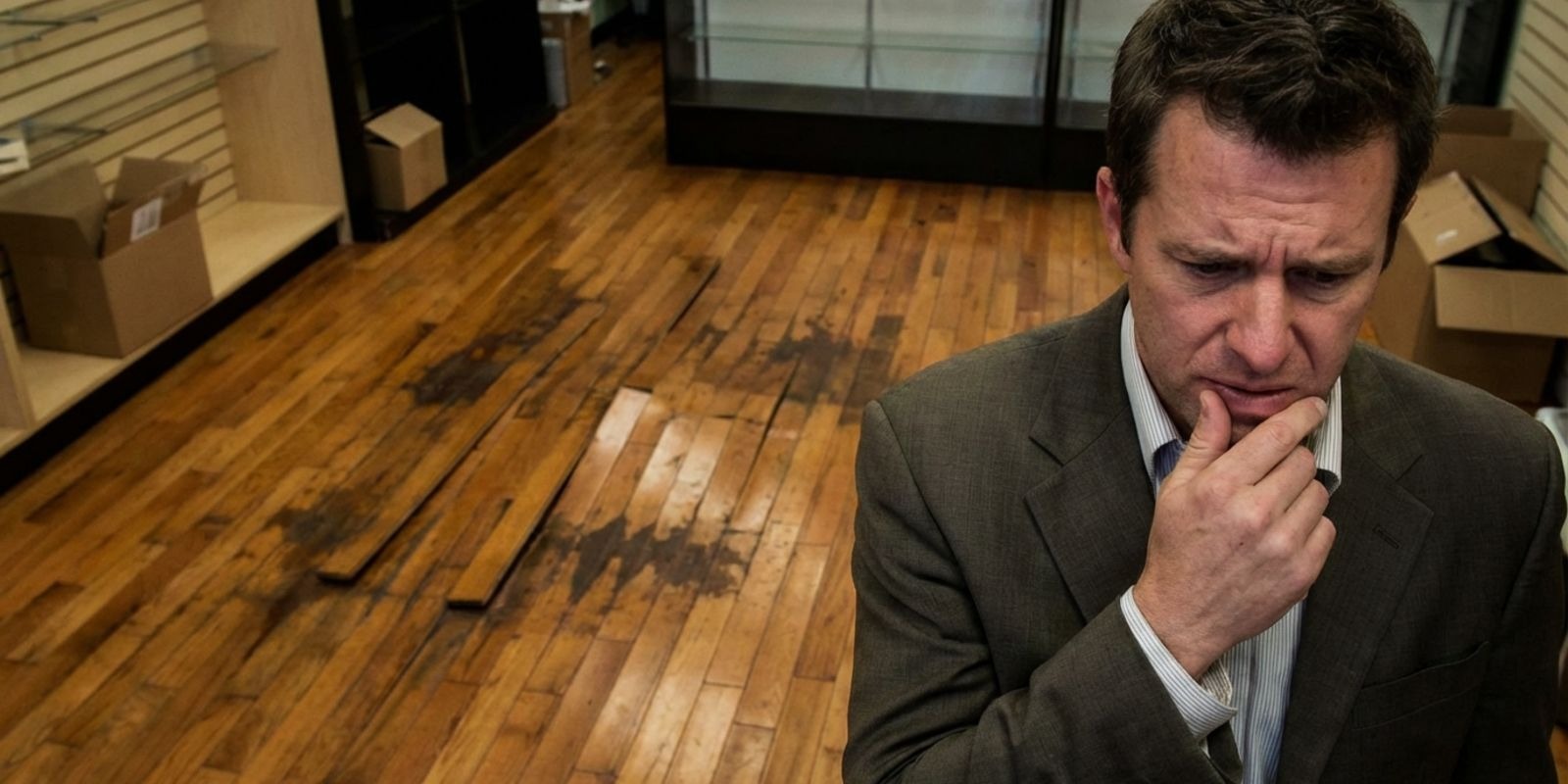

A small leak under your sink or behind a wall may not seem urgent, but inside a home, water rarely stays where the problem begins.
Moisture can move through drywall, flooring, insulation, and structural framing, spreading quietly into areas you can’t see. This can easily turn into mold, which begins rotting your frame, all the while you are not aware.
At Restore-It, we have over 14 years of experience helping homeowners across South Arkansas with water damage. We’ve been conducting inspections to prevent damage from plumbing leaks, roof failures, appliance malfunctions, and severe storms.
By the end of this guide, you’ll learn:
- How water travels through a home
- Which building materials absorb moisture fastest
- Warning signs that water damage has already spread
Identifying problems earlier can help you take action before a small leak turns into a larger restoration project.
Why Water Damage Spreads Through Walls and Floors
Once water enters your home, it can move through materials and hidden spaces in several ways. Gravity pulls water downward through floors and ceilings, while porous materials absorb moisture and allow it to spread outward.
For example, a leak inside a bathroom wall may travel:
- Down through the wall cavity
- Across drywall and insulation
- Under the flooring in nearby rooms
This is why homeowners often notice water stains appearing far from the original problem.
The source of the leak isn’t always directly above or next to the visible damage.
What Materials Absorb Water the Fastest?
Different building materials react to water in different ways. Here are some common materials:
|
Material |
How Water Affects It |
Why It Matters |
|
Drywall |
Absorbs water quickly and weakens when saturated. |
Can lead to stains, bubbling paint, and structural breakdown. |
|
Wood framing |
Slowly absorbs moisture and can warp and weaken over time. |
Structural components can weaken if left wet. |
|
Insulation |
Traps moisture inside its walls. |
Wet insulation stops regulating temperature and can promote mold. |
|
Carpet and padding |
Padding retains moisture long after the carpet has dried. |
Hidden moisture may cause odors or mold growth. |
|
Subflooring |
Absorbs water through finished flooring. |
Allows moisture to spread into nearby rooms and wall bases. |
Some absorb moisture quickly and hold it longer, while some materials dry slowly, which allows moisture to travel farther through the home.
Two Ways Water Spreads Through a Home
One of the biggest misconceptions homeowners have is that water stays near the original leak. In reality, moisture can move through hidden spaces.
Two main processes allow water to spread behind walls and beneath floors.
1. Water Absorbing and Spreading Through Materials
Many building materials, such as drywall, wood, and insulation, are porous, meaning they can absorb and hold moisture. Once water enters these materials, it can spread outward through a process called “capillary action”.
This means moisture can move sideways and upward through small pores in materials, similar to how a sponge spreads water. Because of this, water doesn't always move only downward with gravity. It can travel across drywall panels, along wooden framing, or through subfloor layers.
For a more nerdy breakdown on this physical property, check this article from BuildingScience.com.
This is why a leak in one wall can sometimes cause damage several feet away from the original source.
2. Water Moving Through Framing Spaces
Walls and floors contain open spaces around studs, joists, and insulation. When water enters these areas, it can travel along these pathways and spread to other parts of the house without being noticed.
For example, water from a leaking pipe inside a wall may run downward along a stud, reach a horizontal framing member, and then spread across the subfloor beneath the room.
Professional restoration inspections often rely on moisture meters, infrared cameras, and thermal imaging to detect water that cannot be seen on the surface.
Common Hidden Areas Where Water Damage Spreads
Some of the most serious water damage occurs in areas homeowners rarely inspect.
|
Hidden Areas |
How Water Gets There |
|
Under flooring |
Moisture travels beneath tile, laminate, or hardwood and soaks into subfloor |
|
Inside wall cavities |
Water spreads through insulation and framing without appearing on the surface immediately |
|
Crawl spaces |
Water from leaks or flooding collects here and can damage floor structures |
|
Attics |
Roof leaks soak insulation and spread across ceiling drywall before stains appear below. |
|
Baseboards and trim |
Often hide moisture trapped inside lower wall sections |
Because these spaces are hidden, water damage can grow for days or weeks before it becomes obvious.
How Quickly Can Water Damage Grow in My Arkansas Home?
Water damage doesn’t require a large flood. Even a slow leak can expand into a major problem over time.
Moisture spreads because several materials absorb water at once. As drywall, wood, insulation, and flooring become saturated, the affected area grows.
A small plumbing leak may eventually impact:
- Nearby walls
- Flooring in adjacent rooms
- Cabinets or built-in structures
- Structural framing
What starts as a small leak can quickly turn into a much larger restoration project.
6 Signs Water Has Spread Beyond the Original Leak
Since water moves through hidden materials, damage may appear in unexpected places.
Watch for these warning signs:
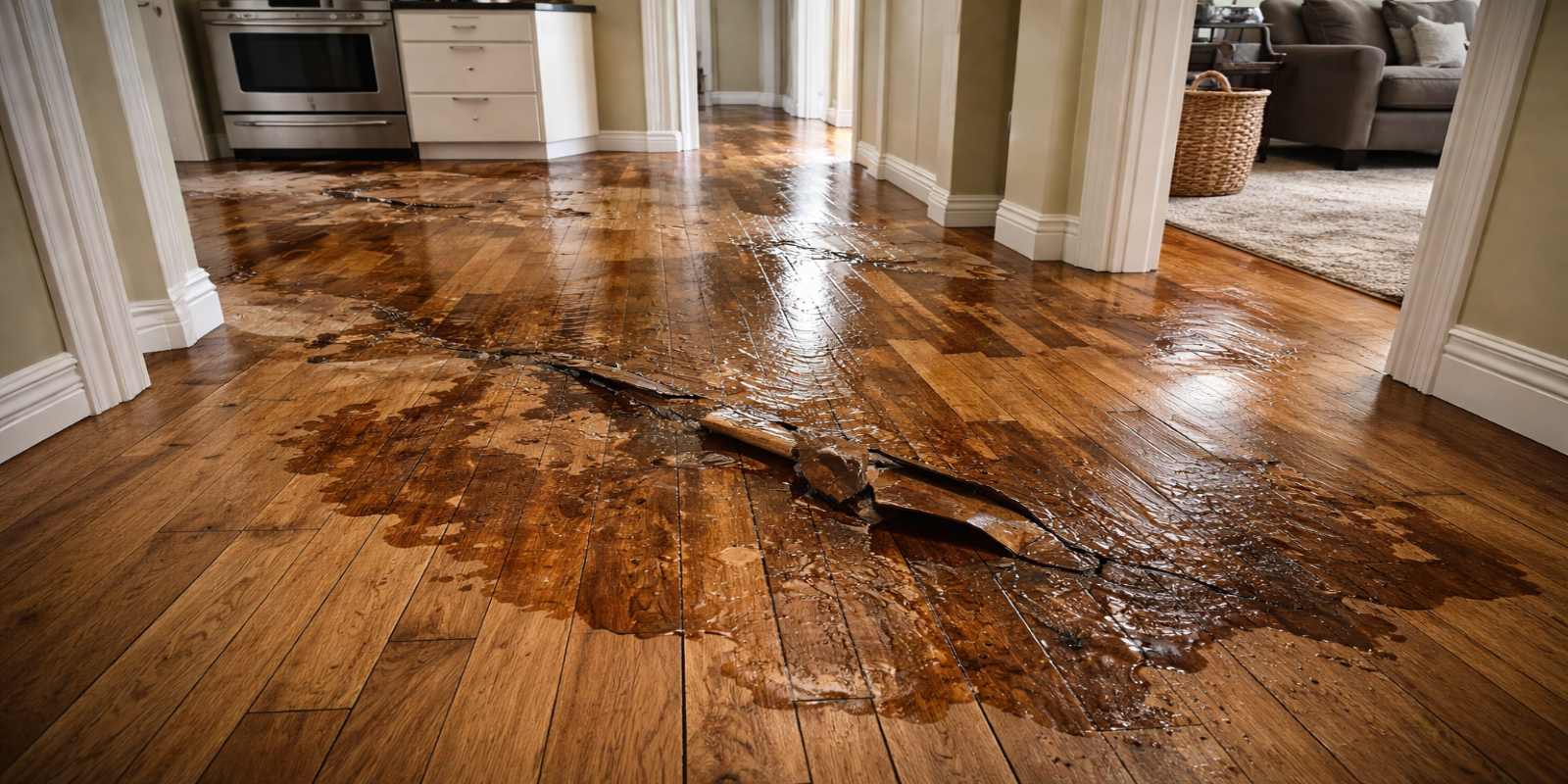
- Warped or buckling flooring
- Bubbling or peeling paint
- Musty or damp odors
- Water stains appearing in new areas
- Soft drywall or sagging ceilings
- Higher than normal indoor humidity
If multiple areas show signs of water damage, the water may be spreading within walls or beneath floors. This means you need to call a professional for immediate mitigation.
When is Professional Drying Necessary?
Many homeowners attempt to dry water-damaged areas using household fans or dehumidifiers. While these tools may help with surface moisture, they often cannot remove water trapped inside building materials.
Depending on whether the water is classified as Category 1, Category 2, or Category 3, the situation can range from relatively clean water to highly contaminated water that may pose health risks.
Professional restoration teams use specialized equipment to locate and remove hidden moisture.
This often includes:
- Moisture detection tools that locate water behind walls
- Industrial air movers that circulate air through materials
- High-capacity dehumidifiers that remove moisture from the structure
This process, called structural drying, helps prevent long-term issues such as mold growth or structural deterioration. The Environmental Protection Agency (EPA) notes that mold can begin growing within 24–48 hours when materials remain wet.
Surface drying alone often leaves hidden moisture behind.
If you're unsure how far water damage has spread in your home, our team can assess the situation and help you decide what to do next. At Restore-It, we help homeowners across South Arkansas locate and dry water-damaged materials after leaks or flooding. Call us and let us restore your peace of mind!

Why Understanding How Water Damage Spreads Matters for Homeowners
Water damage rarely stays in one place, and when moisture spreads through walls or flooring unnoticed, it can lead to structural damage, mold growth, and costly repairs.
Understanding how water moves helps homeowners identify issues earlier and avoid more costly repairs.
Did you recently discover a leak and suspect that water has spread beyond what appears? Your next step should be understanding how professional water damage inspections work. Read our guide to learn about how restoration teams detect damage behind walls and under floors.