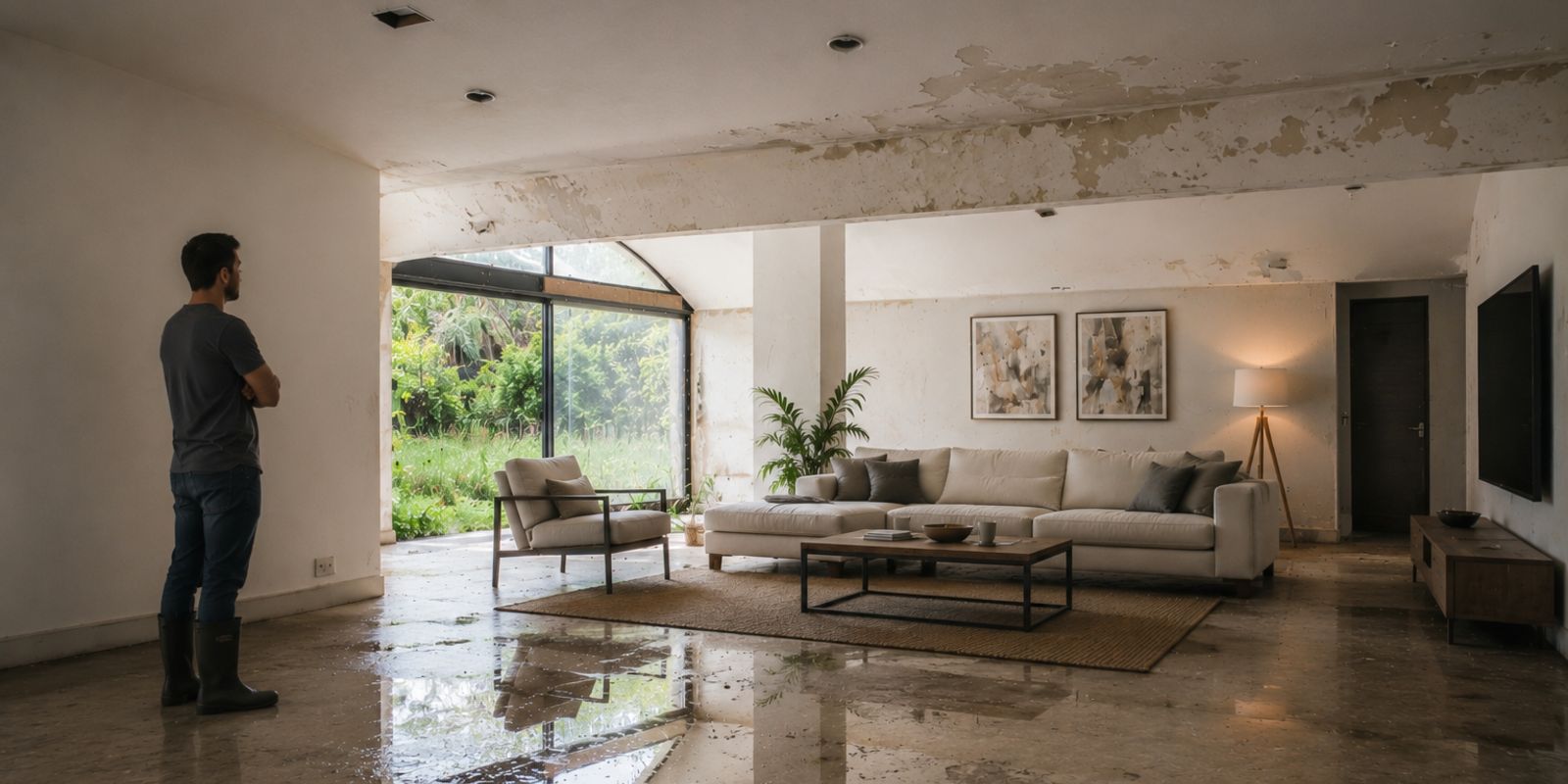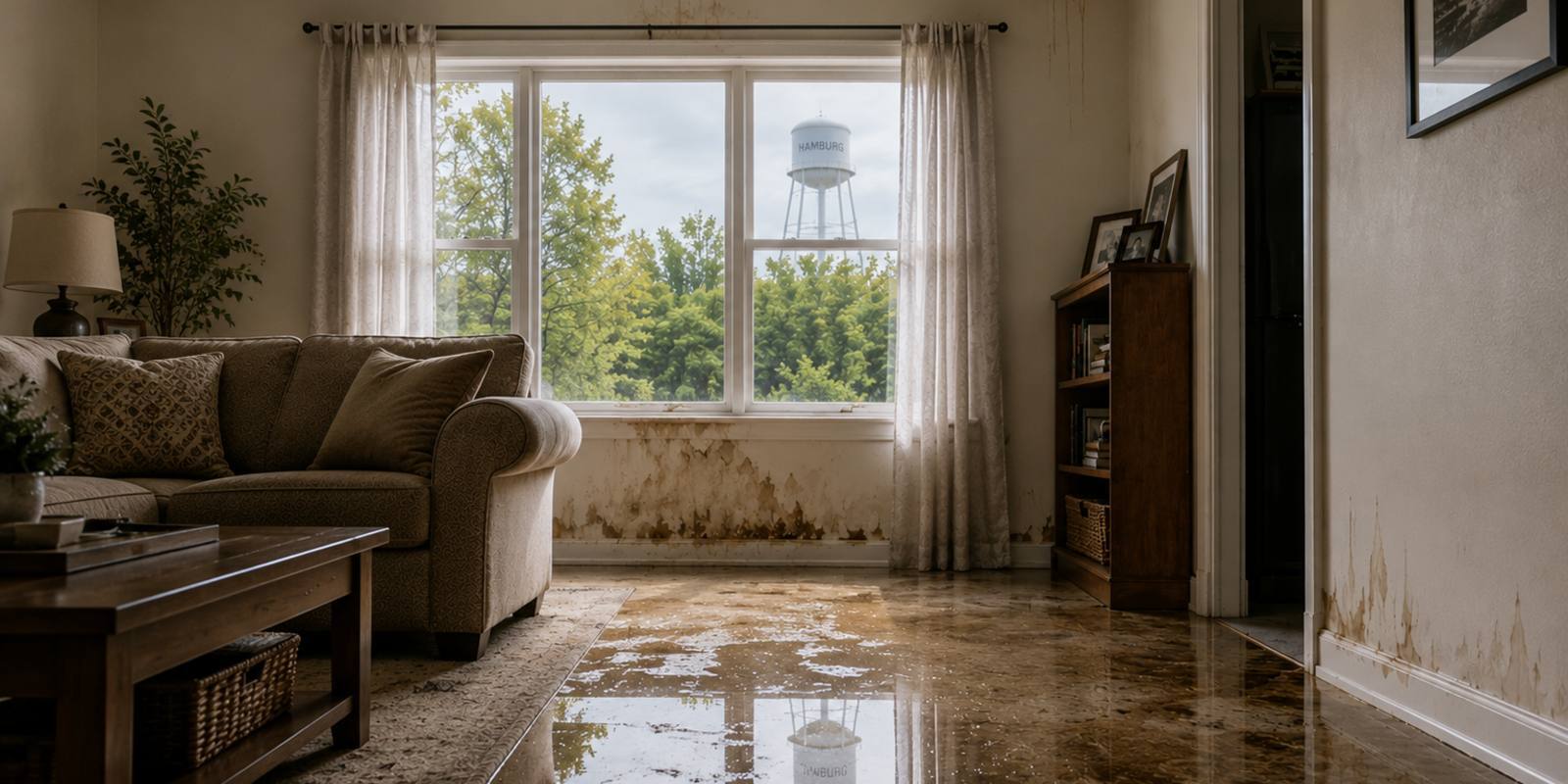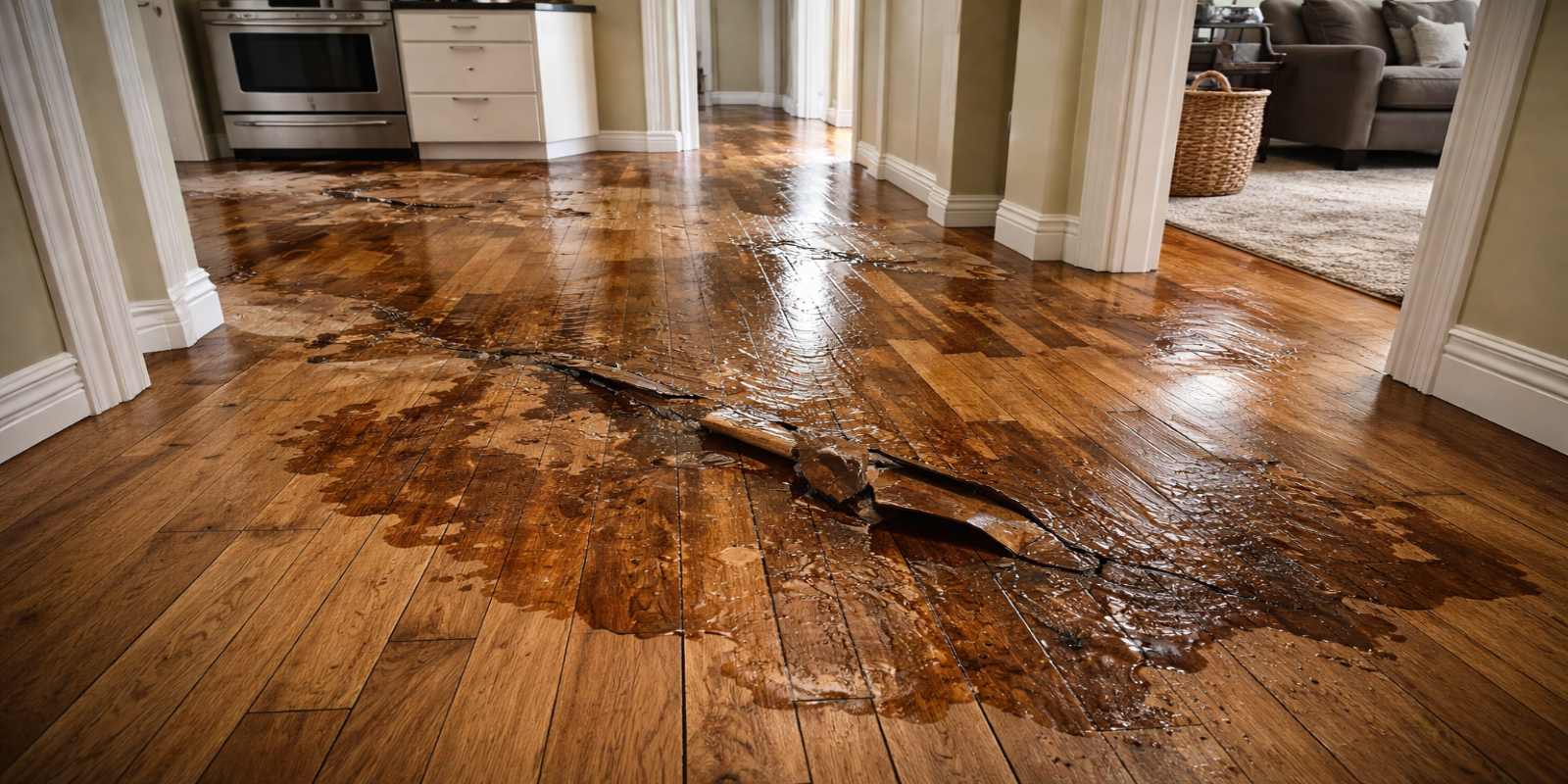

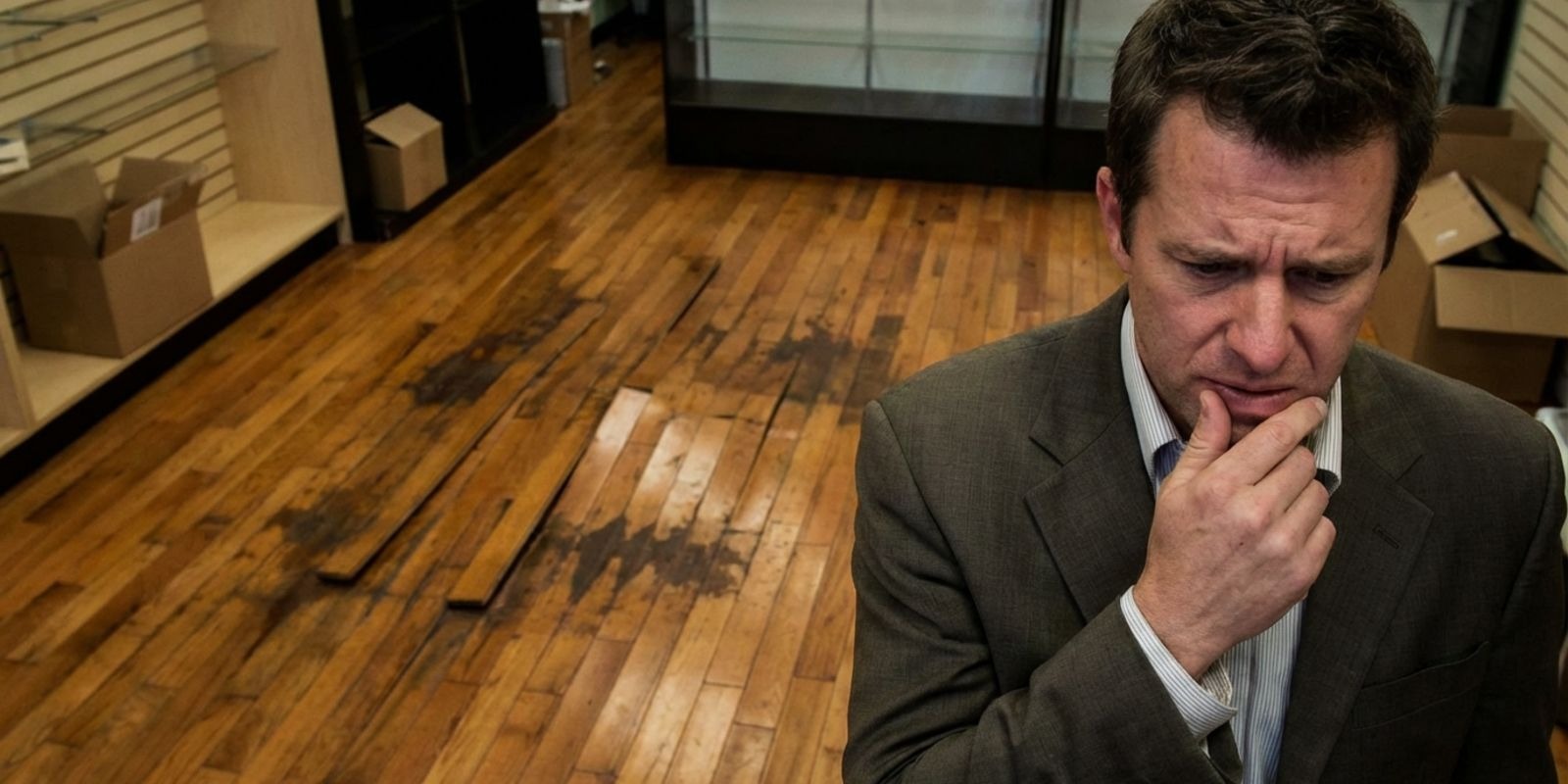
When water spreads across your hardwood floors, you don’t have time to wait around.
Whether in your home or business, water-damaged hardwood creates safety hazards, structural risks, and potential liability… within hours.
But then a pressing question pops up: Can the floor be dried, or does it need replacing?
The difference can mean thousands of dollars and long-term consequences for your property.
At Restore-It, we’ve inspected and restored hundreds of water-damaged hardwood floors. As an IICRC-certified firm, we’ve seen situations where removal was the only safe and responsible option. In every case, we prioritized protecting the property and the people inside.
In this article, you will learn exactly:
- When hardwood can be professionally dried
- When replacement is required by industry standards
- What determines the difference
- What each option typically costs
By the end, you’ll know how to make the right decision for your property and the people who depend on it.
The 4 Factors that Determine Whether Hardwood Can Be Saved
The decision to dry or replace hardwood floors depends on four key factors.
1. Water Category
Not all water damage is the same.
- Category 1 (Clean water): broken clean supply line
- Category 2 (Gray water): dishwasher charge, washing machine overflow
- Category 3 (Black water): sewage, floodwater
Contaminated water (category 2 or 3) requires removal. Even if the boards look fine, dangerous microorganisms may remain trapped underneath.
Clean water offers the best restoration potential, but it's extremely rare.
Want to learn more about this topic? Check our breakdown of water damage categories below!

2. Time Since Exposure
Time dramatically affects the outcome.
- Within 24-48 hours: Drying can be enough
- After 48 hours: Moisture migrates deeper, promoting microbial growth and structural damage
The longer the hardwood stays wet, the less likely it can be safely restored.
3. Type of Hardwood Flooring
Your flooring type is important.
- Solid hardwood: Made from a single piece of wood. It can be dried safely with prompt action, but if left, it can be damaged by moisture and become a hazard.
- Engineered hardwood: Made from layers bonded together. A little more moisture-resistant than solid hardwood, but it can still be affected if saturated.
Floor construction may determine the success of a restoration process.
4. Moisture Saturation Level
This is both the most important factor and the one you cannot see.
A professional will take moisture readings to:
- The hardwood planks
- The subfloor beneath
- Adjacent areas for comparison
If the subfloor is saturated or if the structural integrity of the board is compromised, replacement is the only safe option. At the end of the day, the decision lies on the moisture data, not visual appearance alone.
When Drying Hardwood Floors After Water Damage Is Enough
Professional hardwood floor drying can be enough when:
- The water is Category 1 (clean water)
- The damage is addressed within 24 to 48 hours
- Moisture has not penetrated the subfloor
- The board remains structurally stable
- There is no visible mold or odor
A restoration professional will use:
- Commercial-grade dehumidifiers
- High-speed air movers
- Special floor drying mats
These equipments extract trapped moisture without removing the flooring.
Under the right conditions, professional drying can save both the floor and the subfloor as well as the costs of demolition and renovation.
When Hardwood Replacement Is Required
There are times when drying is no longer safe or effective.
Replacement is usually required when:
- The water is Category 2 or Category 3
- Floodwater entered the building
- The flooring stayed wet for several days
- Boards are buckling or pulling apart
- Engineered flooring has begun delaminating
- The subfloor shows high moisture readings
If contaminated water is involved, removal is necessary.
Safety, sanitation, and structural integrity come first.
Cost to Dry vs Replace Hardwood Floors in El Dorado
The financial difference can be significant.
|
Factor |
Drying |
Replacement |
|
Cost (estimated) |
$3 to 8/sq ft |
$15 to 20+/sq ft Solid Hardwood |
|
Timeline |
7 to 14 days |
1 to 3+ weeks |
|
Works Best for |
Clean water (category 1) |
Polluted water (category 2 & 3) |
|
Risk If Incorrect |
Hidden moisture, mold, and structural damage |
Unnecessary demolition and expense |
These are general ranges. Actual costs depend on:
- Square footage
- Flooring type
- Extent of saturation
- Local labor & material pricing
The only way to determine a more realistic range for your specific case is with a professional inspection.
How Insurance Handles Water-Damaged Hardwood Floors
Most property insurance policies cover sudden and accidental water damage, such as:
- Burst pipes
- Appliance failures
- Accidental overflows
Approval for drying or replacement depends on:
- Water category classification
- Documented moisture readings
- The condition of the flooring and subfloor
- Ability to restore to pre-loss condition
If contamination is present or structural integrity is compromised, replacement is more likely to be approved for sudden water damage. Insurance decisions are always made based on measurable data, not on appearance alone.
What Happens If You Choose the Wrong Option?
Making the wrong decision can cause more damage than the original water loss.
If You Dry When You Should Replace
Trapped moisture beneath the floors can lead to:
- Mold growth
- Persistent bad odors
- Subfloor damage
- Structural weakening
Surface drying may make the floor look normal, while not addressing the problem underneath. Drying a contaminated or deeply saturated floor can lead to bigger, more expensive problems later.
If You Replace When Drying Was Possible
Unnecessary replacement can cause:
- Avoidable demolition
- Higher material and labor costs
- Longer downtime and business interruption
Delaying proper removal can lead to recurring damage.
So, Should You Dry or Replace?
As mentioned before, the answer depends on four factors:
- Water category
- Time exposed
- Flooring type
- Moisture saturation
Some hardwood floors may be safely restored with controlled drying. Others must be removed to protect structural integrity and indoor air quality.
The key is not guessing.
A professional moisture inspection provides the data needed to make the right call the first time.
Should You Dry or Replace Hardwood After Water Damage?
When your home or business faces water damage, you are pressured to act fast. But the wrong choice can lead to higher costs or long-term problems.
The key is knowing the conditions of the incident:
- The water category
- How long the flooring was exposed
- The measurable moisture levels beneath the surface
Some hardwood floors can be safely restored through controlled drying. Others require removal to protect structural integrity and indoor air quality. The difference isn’t based on appearance; it’s based on data.
To guide you on your next course of action, you need a professional moisture evaluation.
As a locally-owned business, Restore-It’s team is always ready to inspect and document the damage so you can make a decision pronto. Being local means shorter response times and more available personnel for your needs. This way, you can make the right call, drying or full replacement, and get back to normal safely and quickly.