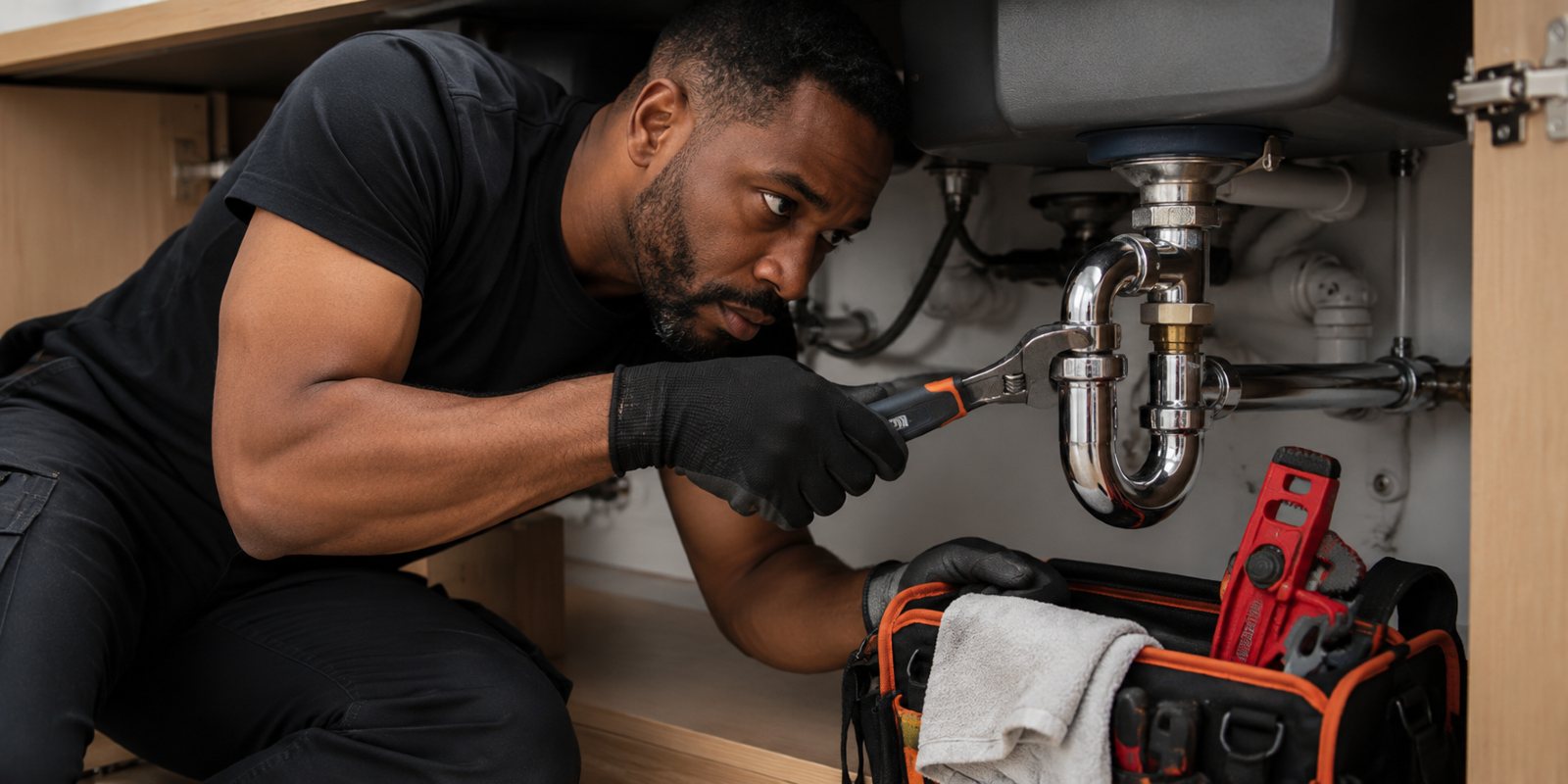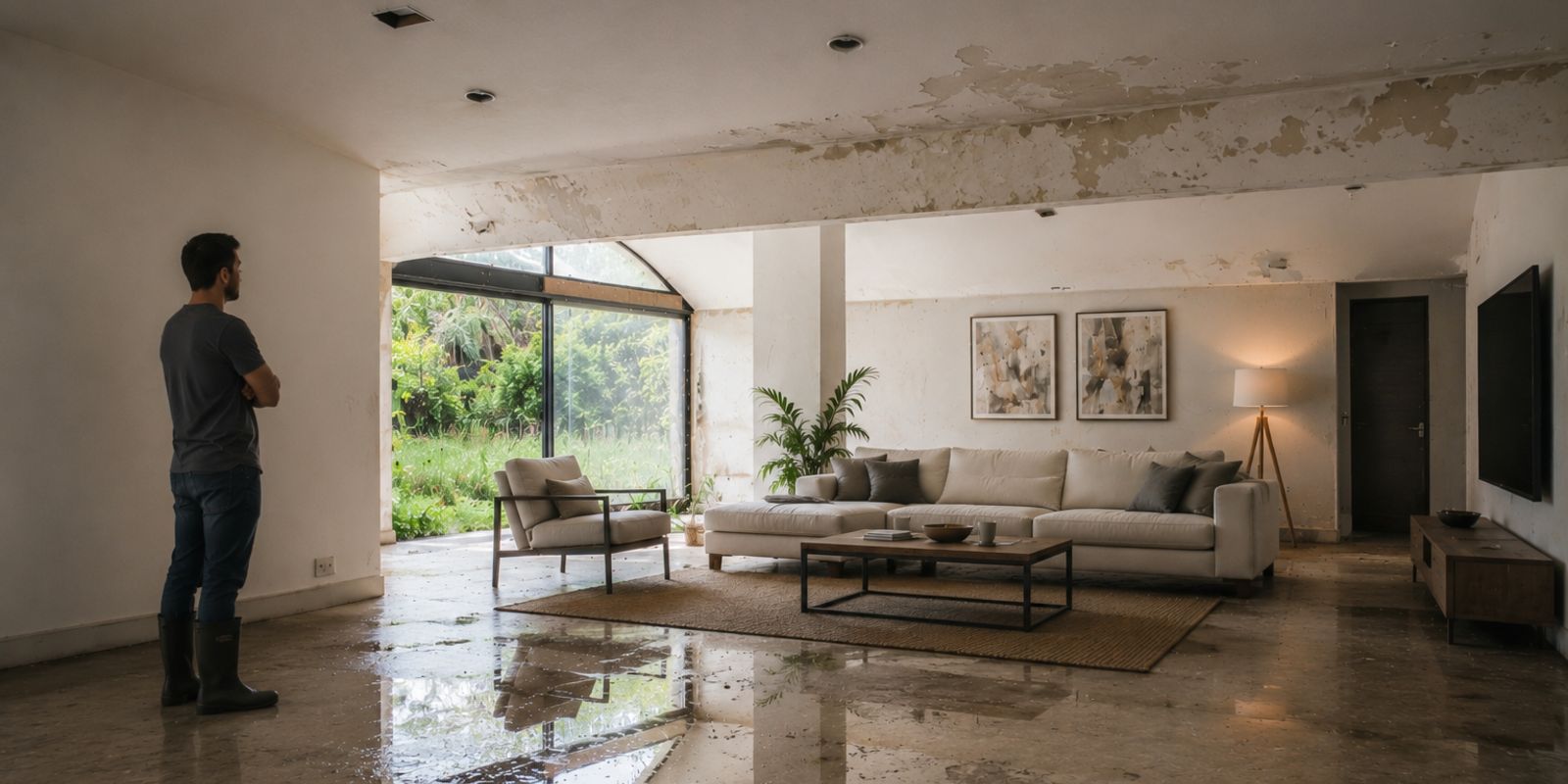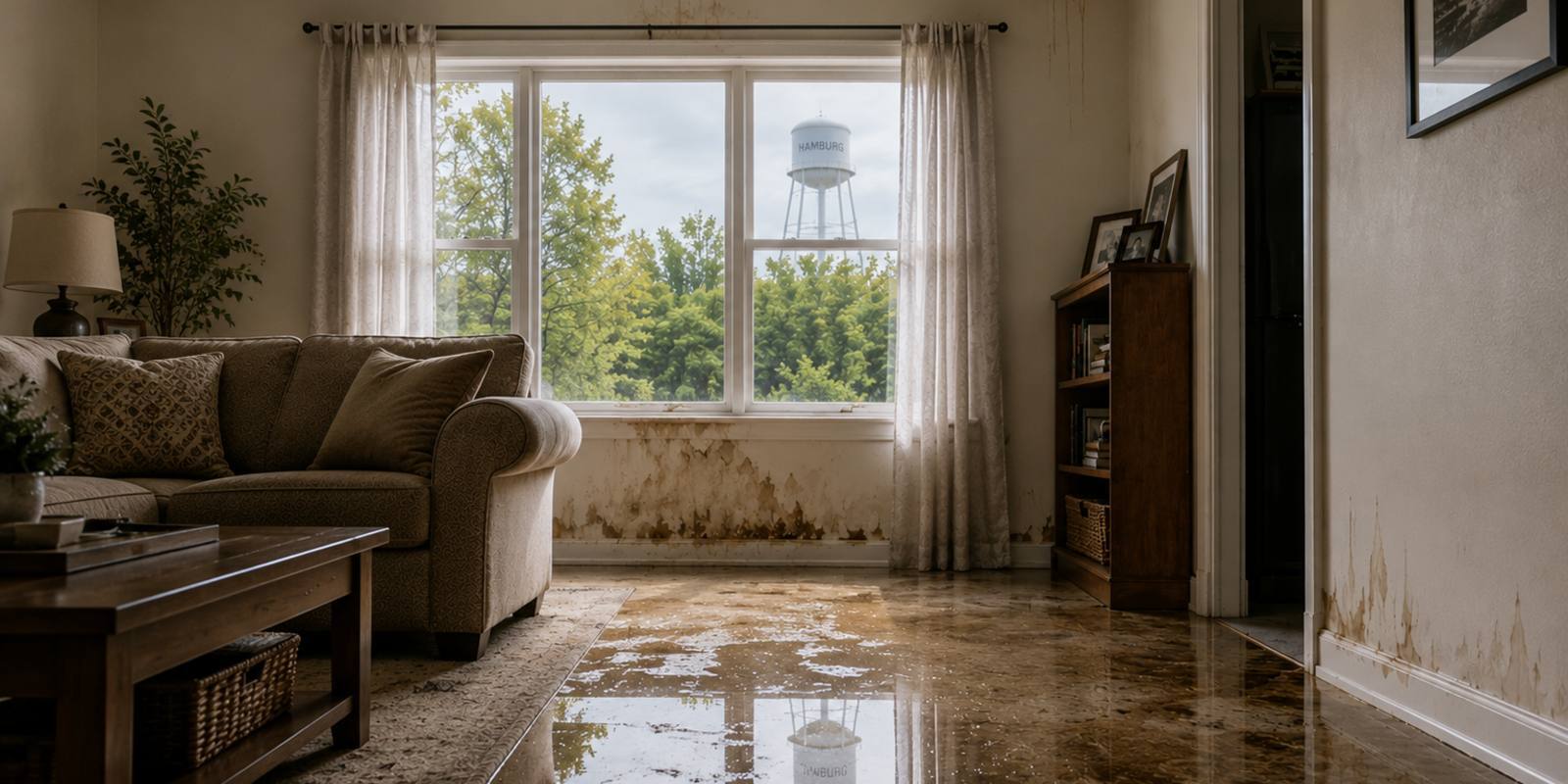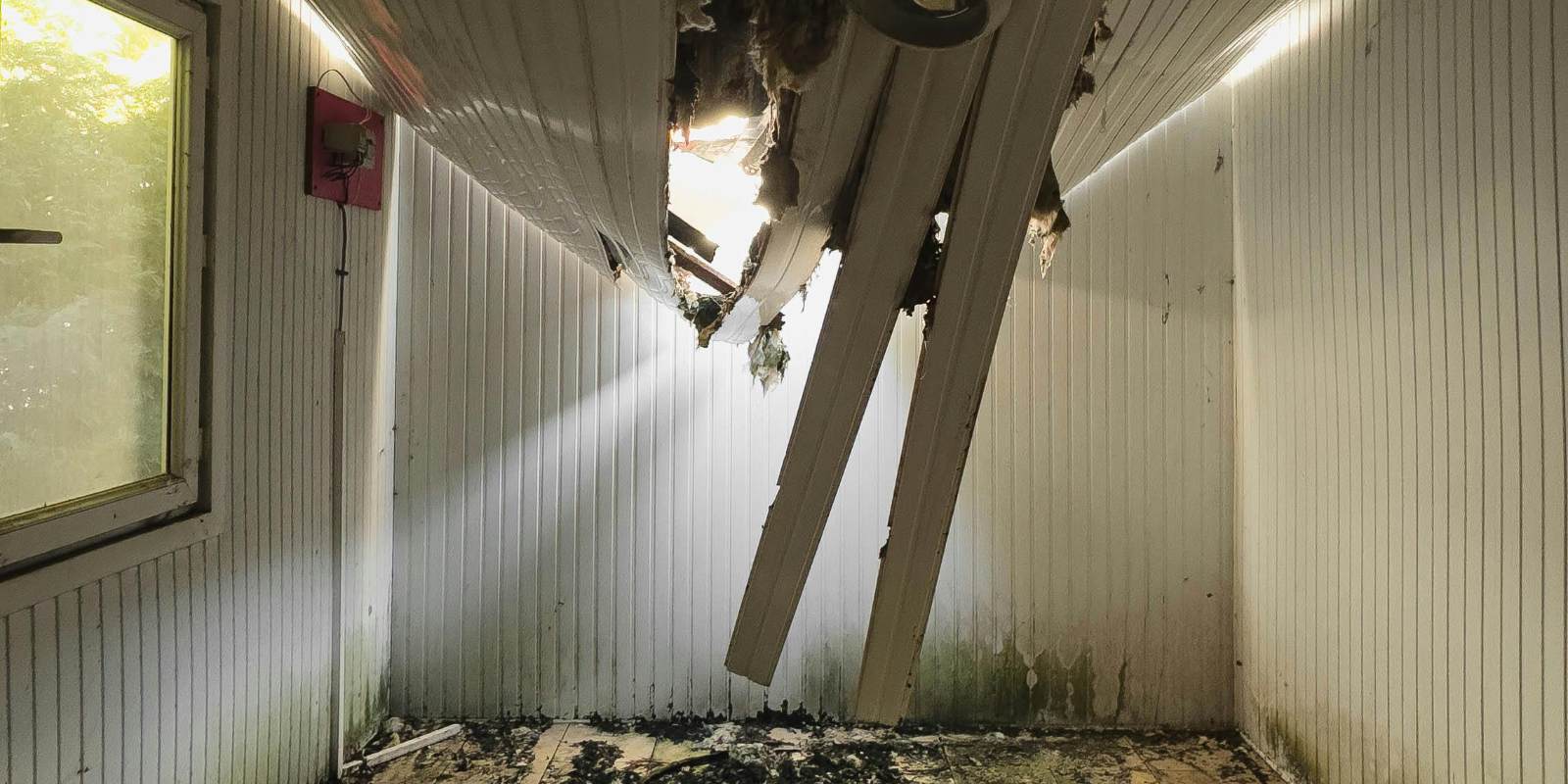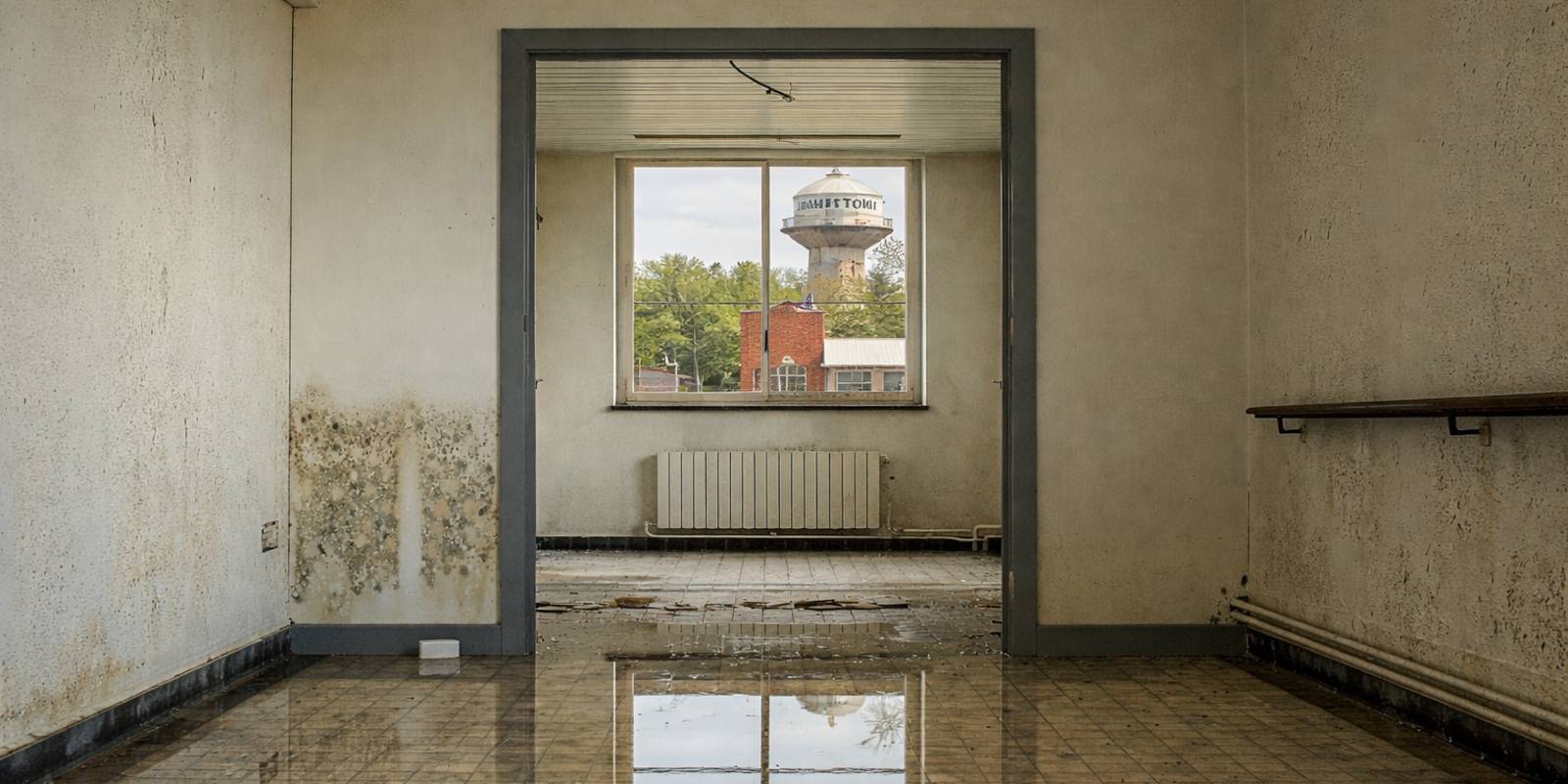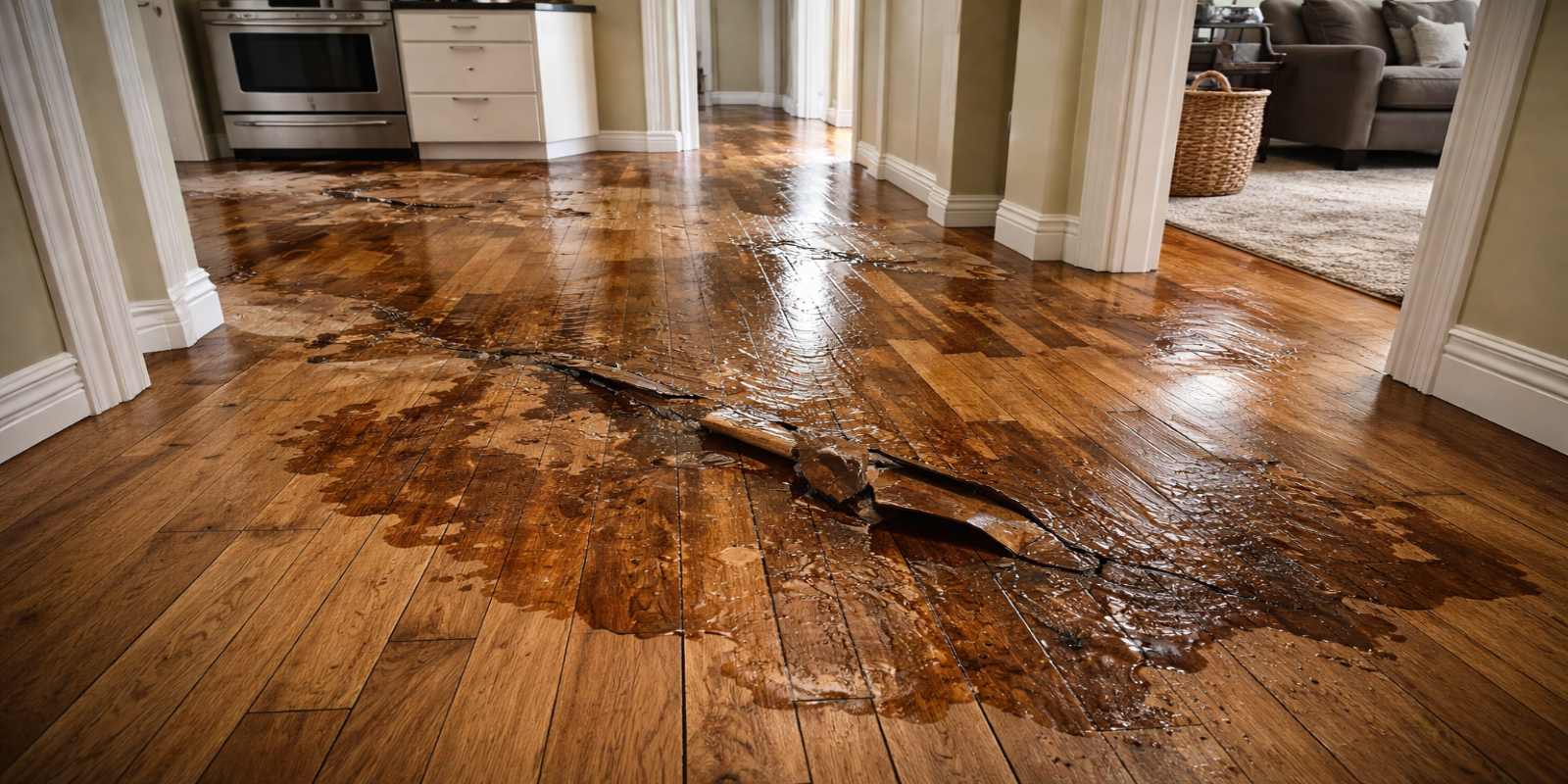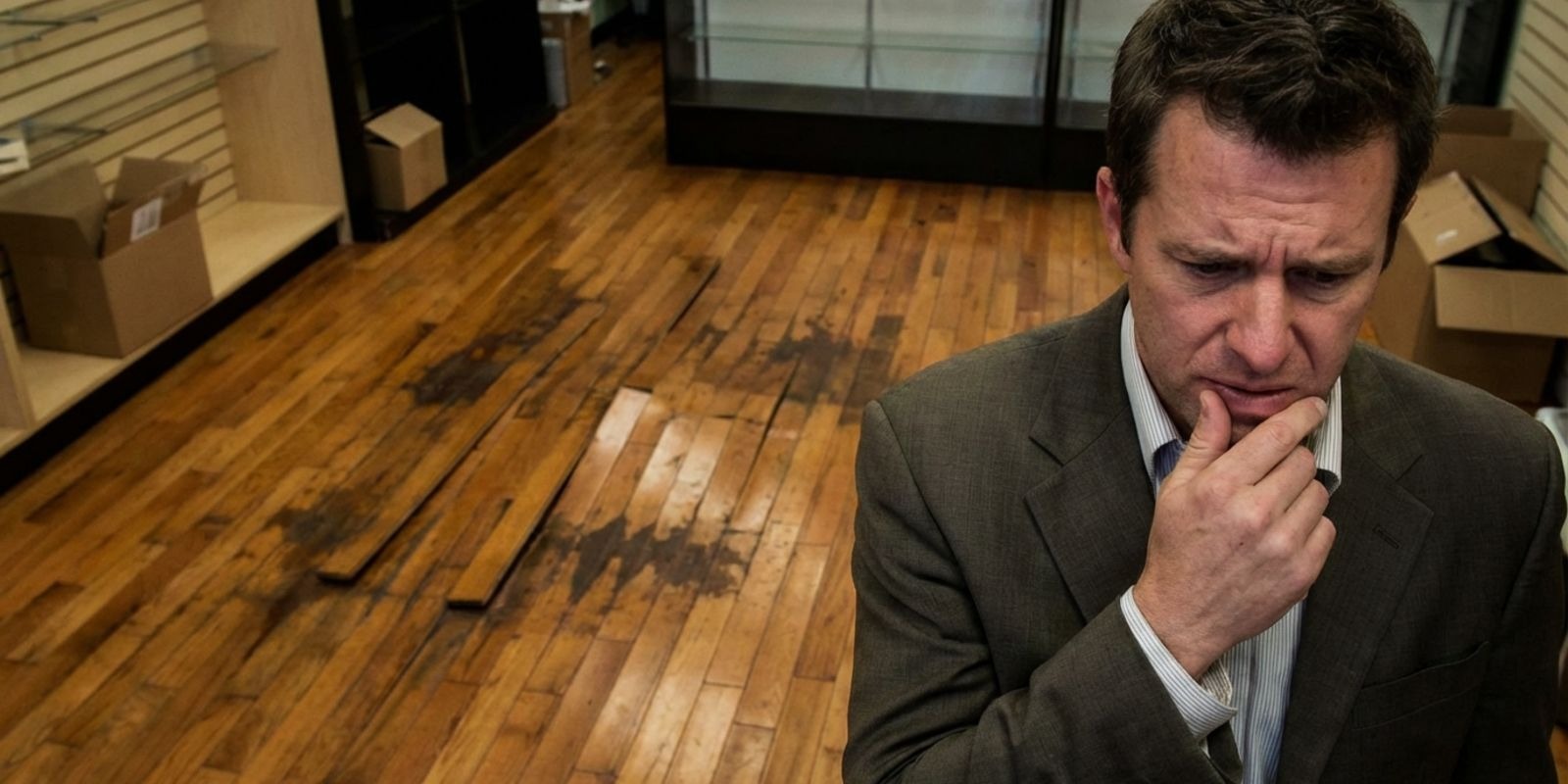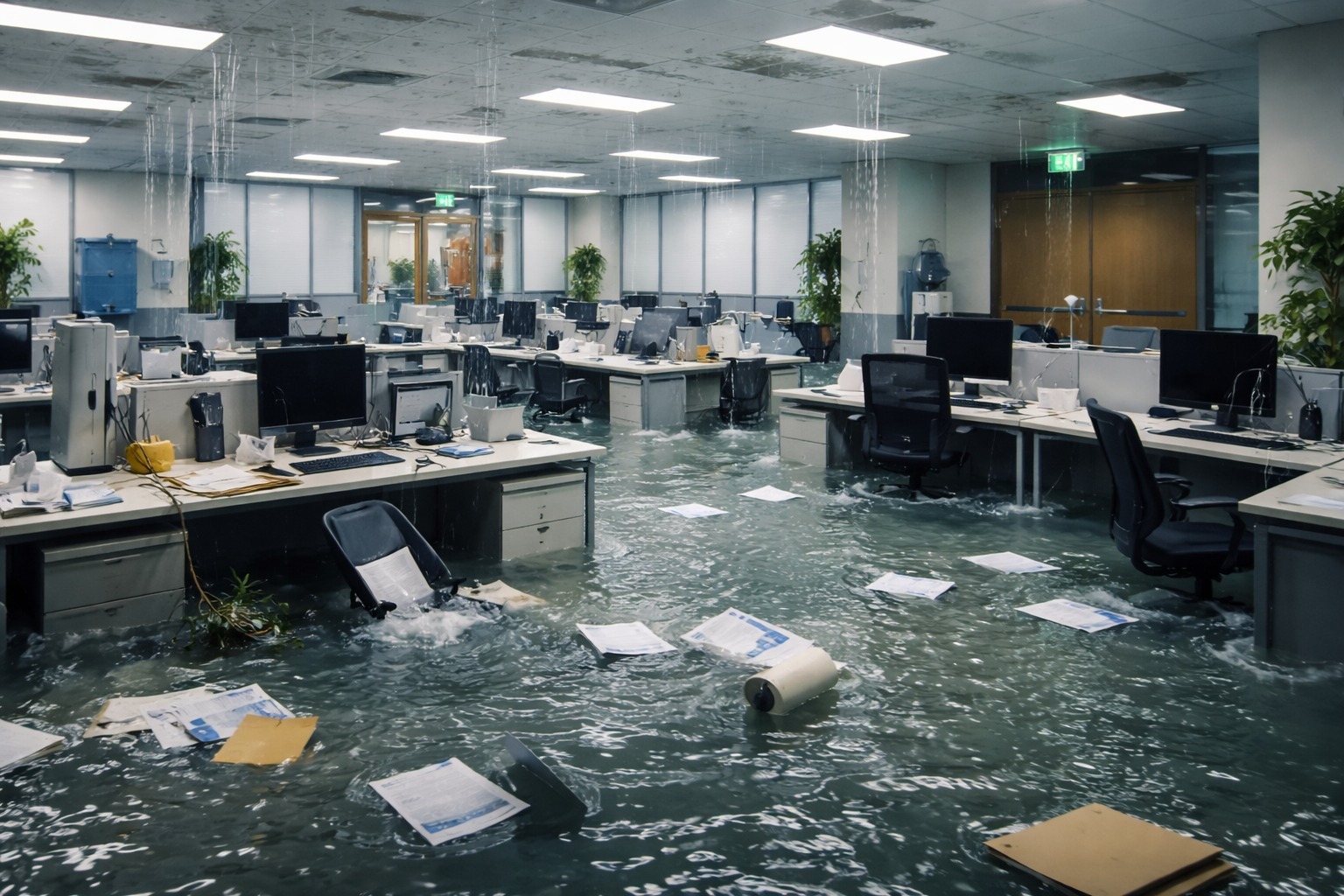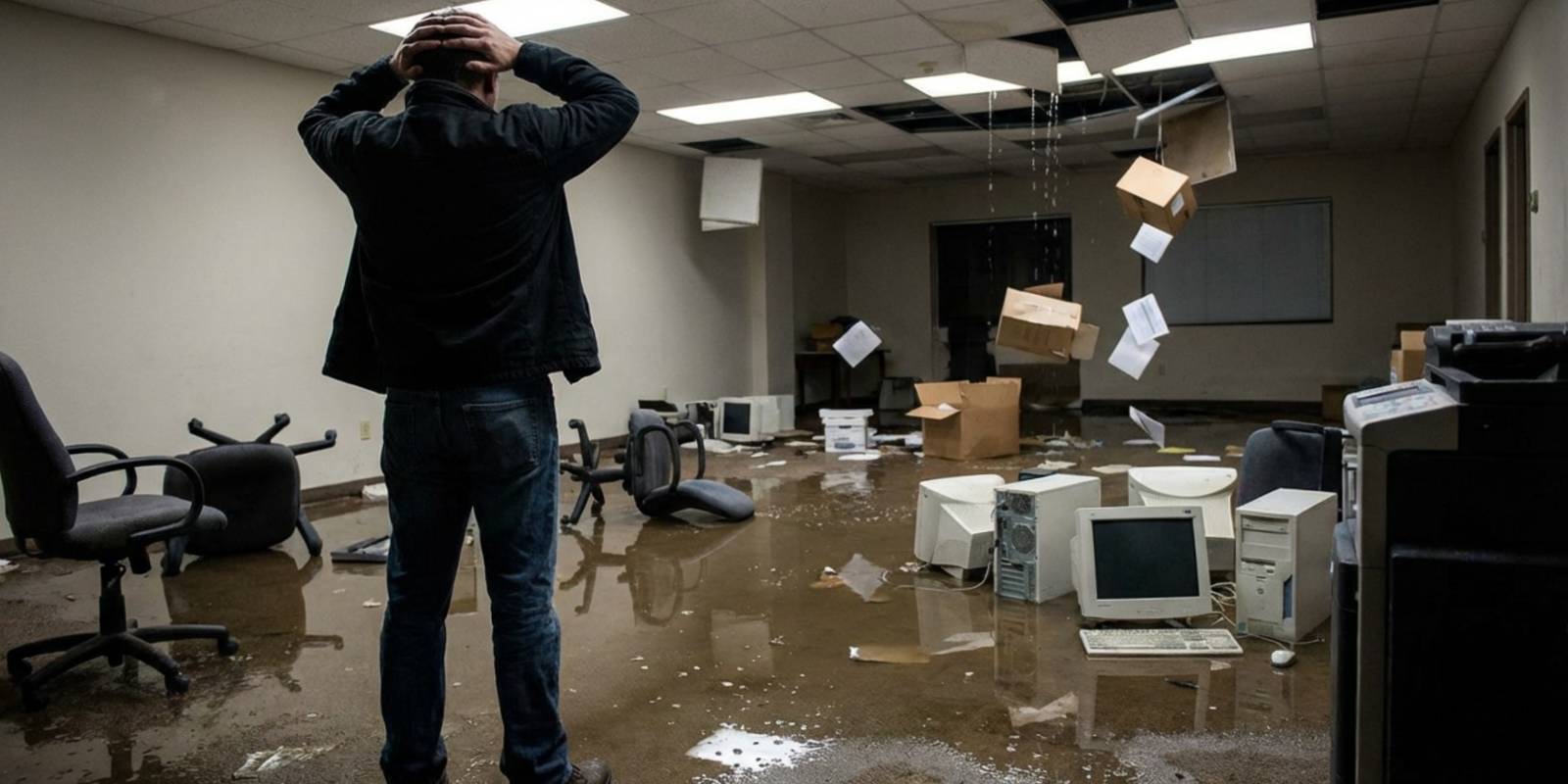


Water’s flooding your floors. The roof’s leaking. A fire has shut down operations. Every hour your business is closed, you lose money. And we are not talking about hundreds, but instead thousands of dollars in revenue.
Then, imagine this: your commercial insurance claim gets denied.
At Restore-It, we’ve spent over 10 years helping Arkansas businesses navigate property damage and insurance claims. We understand the stress. Restoration doesn’t happen separately from the claims process; it happens alongside it.
As IICRC-certified restoration professionals, our job is simple: minimize damage, document conditions clearly, and prevent further loss. When we handle these first steps correctly, the claims process often becomes smoother.
We work directly with adjusters, document the damage thoroughly, and help you understand exactly what the insurance company needs. We’ve seen how easily small mistakes like delayed reporting or poor documentation can lead to denied claims.
We know how frustrating this is. That’s why we’re here to help.
As we walk you through some key insights, you'll discover:
- Common reasons commercial property insurance claims get denied in Arkansas
- How to protect your business before and after damage strikes
- What to do if your claim is denied
Clear answers, no fluff. Let’s dive in and help you avoid these pitfalls.
The 8 Most Common Reasons For Commercial Property Insurance Claims Denial in El Dorado, Arkansas
1. Late Reporting of Damage
The Insurance Information Institute (III) shares that most commercial policies require prompt reporting of damage. But what’s considered “prompt”? Even a delay of 48 to 72 hours can raise concerns.
Business owners often wait because they are:
- Assessing the damage
- Assuming it’s minor
- Unsure if it’s worth filing
As soon as you can, report the loss to your insurer and call a reputable restoration company for a professional inspection. Delaying too long may lead insurers to argue that the damage worsened over time, resulting in a denial.
2. Pre-Existing Damage
Insurance covers sudden, accidental events, not:
- Wear and tear
- Deferred maintenance
- Long-term deterioration
For example, if a roof leaks for months and mold develops, the insurer might view it as neglect, not a covered claim.
This is where many denied water damage insurance claims originate. The insurer may argue that the issue existed before the reported date of loss.
If the damage wasn’t sudden, securing coverage can be difficult.
Want to learn more about your insurance coverage for business interruption after water damage? Click below!

3. Policy Exclusions Most Business Owners Miss
Policies don't treat all water damage the same.
A few common distinctions that confuse:
- Flood vs. internal water damage
- Mold exclusions
- Sewage backup requiring special endorsements
- Business interruption limits
A denied water damage insurance claim often comes down to policy language. The Federal Emergency Management Agency (FEMA) says flooding usually requires separate flood coverage.
Business owners often skip endorsements, leaving coverage gaps. If the policy excludes something, the insurer will follow that wording.
We strongly advise that you review your specific insurance policy to learn what the insurance is willing to cover.
4. Improper Documentation
The Insurance Information Institute (III) states that when filing a business insurance claim, documentation is everything.
Common mistakes include:
- No photos were taken immediately after the loss
- No inventory list of damaged contents
- No moisture readings
- No written timeline of events
Without proper documentation, it turns into a fight between your word and the adjuster’s interpretation.
The more detailed your evidence, the stronger your position. Claims are often decided on paperwork, not emotion. To avoid common evidence mistakes, refer to our guide:

5. Disputed Cause of Loss
This one is more common than most people realize.
Example:
- The insurer says it was a long-term plumbing leak.
- The business owner says it was a sudden pipe burst.
Those two conclusions lead to completely different outcomes.
If the carrier determines the damage was gradual, they may deny the claim. If it was sudden and accidental, it may be covered.
When the cause of loss is disputed, the claim becomes technical and often controversial.
6. Underinsurance and Coinsurance Penalties
Many Arkansas businesses are underinsured without realizing it. This can happen when:
- Building values are outdated
- Renovations weren’t reported
- Inflation raised replacement costs
- Policy limits are too low
Some policies include coinsurance clauses: If your coverage is less than a certain percentage of your property’s value, you may only get a partial payout.
Business owners often find out about underinsurance after filing a claim. While it doesn’t always lead to a denial, it can significantly reduce your payout.
7. Negligence or Lack of Maintenance
Insurance can deny a property damage claim if it finds:
- Roof neglect
- Ignored plumbing issues
- Clogged drains
- Lack of routine maintenance
The reason is simple: Insurance covers accidents, not preventable damage.
Being honest about this builds trust. Regular inspections and maintenance logs can protect you from denial.
Failing to provide maintenance records may risk your coverage.
8. Missed Deadlines or Incomplete Forms
Once you file a claim, the clock starts ticking. Policies often require:
- Proof of loss forms by a specific deadline
- Supplemental documentation when requested
- Recorded statements
Missing these deadlines can turn into an insurance claim denial. Sometimes, it's not about the damage; it’s about paperwork. Administrative errors can cost you coverage.
The best way to prevent an insurance claim denial is to get prepared before it happens.
How Arkansas Business Owners Can Protect Themselves Before and After Damage
Now let’s shift from reactive to proactive.
Here is how you can reduce the risk of a commercial insurance claim denial.
- Sit down with your policy agent and ask direct questions.
- What is not covered?
- Do you need flood insurance?
- Sewage backup coverage?
- If something is unclear, ask for written explanations of coverage interpretations.
- Document Everything Immediately After Damage
- Take photos and videos before restoration begins.
- Save invoices.
- Call an expert for proper mitigation
- Prevents further damage
- Strengthens your claim file.
Clarity now prevents awkward surprises. Mitigation and documentation protect you long-term.
My Arkansas Business Insurance Claim Was Denied. What Now?
If you are facing a denied business insurance claim, do not panic. You still have options.
1. Request a Written Explanation
Ask the insurer to cite the exact policy language supporting the denial.
2. Review the Policy Carefully
Compare the denial reasoning with your actual coverage wording.
3. File an Appeal
Many claims can be reconsidered with additional documentation.
4. Consult an Attorney if Necessary
If large sums are involved and disputes persist, legal guidance may be appropriate.
A denial is not always the final word.
Avoid Mistakes and Protect Your Business Before Disaster Strikes
If you’re reading this, you likely fall into one of two groups:
- Your business had damage (water, fire, or other), and your commercial insurance claim was denied.
- You want to avoid that happening to you.
Now you know the common reasons business insurance claims get denied. You understand how things like documentation, maintenance, exclusions, and timing impact the outcome. And you know there are steps you can take to protect yourself in the future.
At Restore-It, we’ve spent over a decade helping Arkansas business owners avoid the mistakes that lead to denied claims.
If you need clarity on your commercial property damage, call us for a professional assessment. We’ll evaluate the situation, explain your options, and ensure the right steps are taken right away.
You can’t always prevent damage, but you can avoid costly mistakes. With us, your business will be protected.

Topics: