
If you’ve been told you need HVAC cleaning, the first question is usually simple: what actually happens during the process, and how do you know it’s being done the right way?
The challenge is that HVAC cleaning is not always performed the same way. Some companies follow strict industry standards, while others skip steps, rush the job, or only clean part of the system. That difference can directly affect what you pay for and the results you get.
At Restore-It, we’ve helped homeowners across South Arkansas understand what a proper HVAC cleaning should look like. As a NADCA-certified company with 50+ years of combined experience, we follow established industry procedures to ensure each system is cleaned thoroughly and safely.
In this guide, you’ll learn:
- The step-by-step HVAC cleaning process professionals should follow
- What a complete cleaning includes and what it should never skip
- The equipment used in a proper system cleaning
- How to tell if the job was done correctly
Why Understanding the HVAC Cleaning Process Matters
Most homeowners don’t think about HVAC cleaning until someone tells them they “might need it.” At that point, it’s hard to know what’s real and what’s just a sales pitch.
Understanding the process helps you:
- Avoid paying for incomplete or unnecessary work
- Know whether the job was done correctly
- Protect your indoor air quality
- Extend the life of your HVAC system
So, if you don’t know the process, you can’t judge the quality of the work.
Step-by-Step HVAC Cleaning Process (What a Professional Should Do)
A proper HVAC cleaning follows industry-established procedures designed to remove contaminants at the source, not just surface dust. NADCA emphasizes that effective cleaning requires both mechanical agitation and continuous negative air pressure to ensure debris is fully extracted from the system.
|
Step |
What Happens |
Tools Used |
Why It Matters |
|
|
1. |
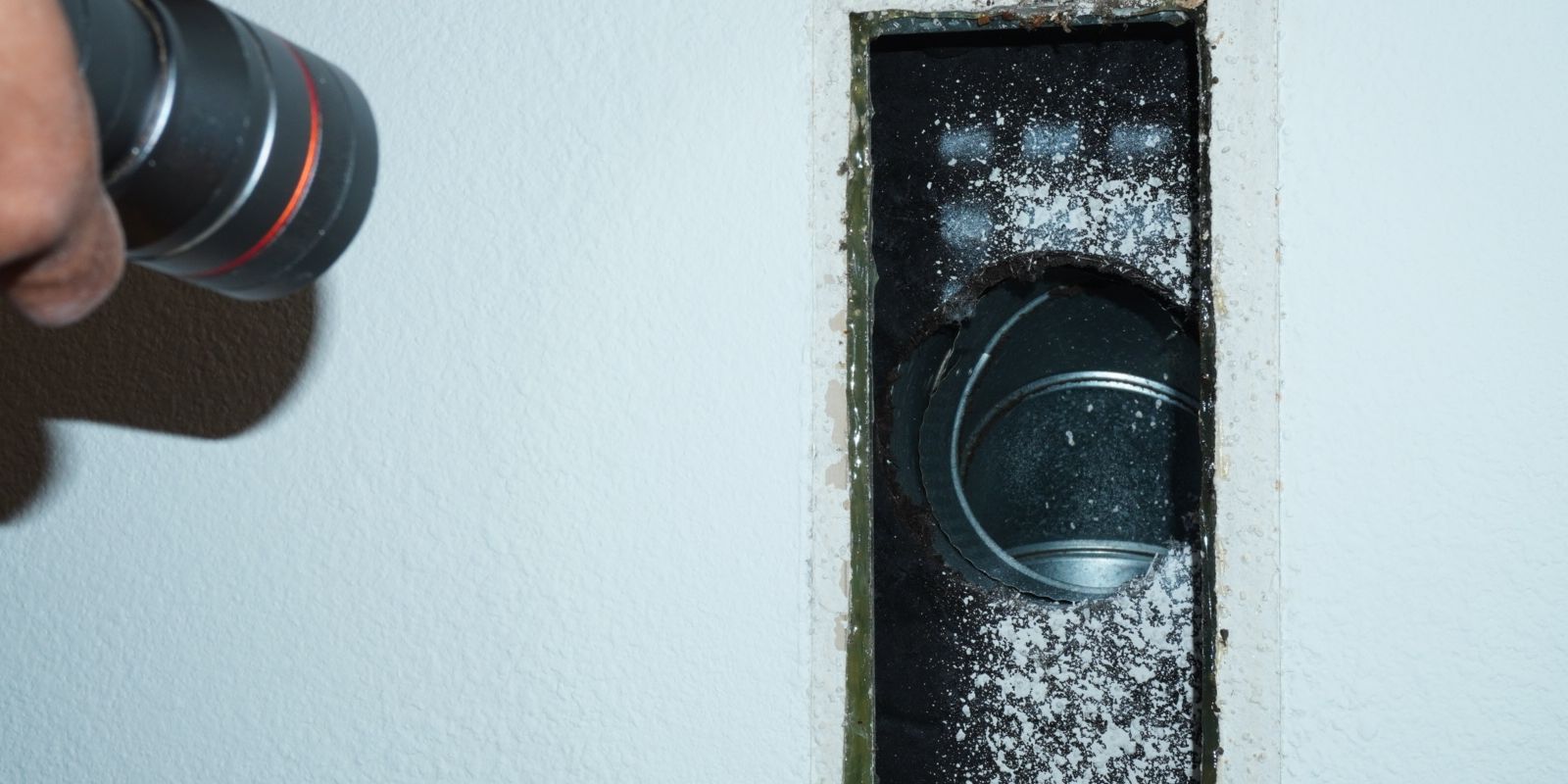
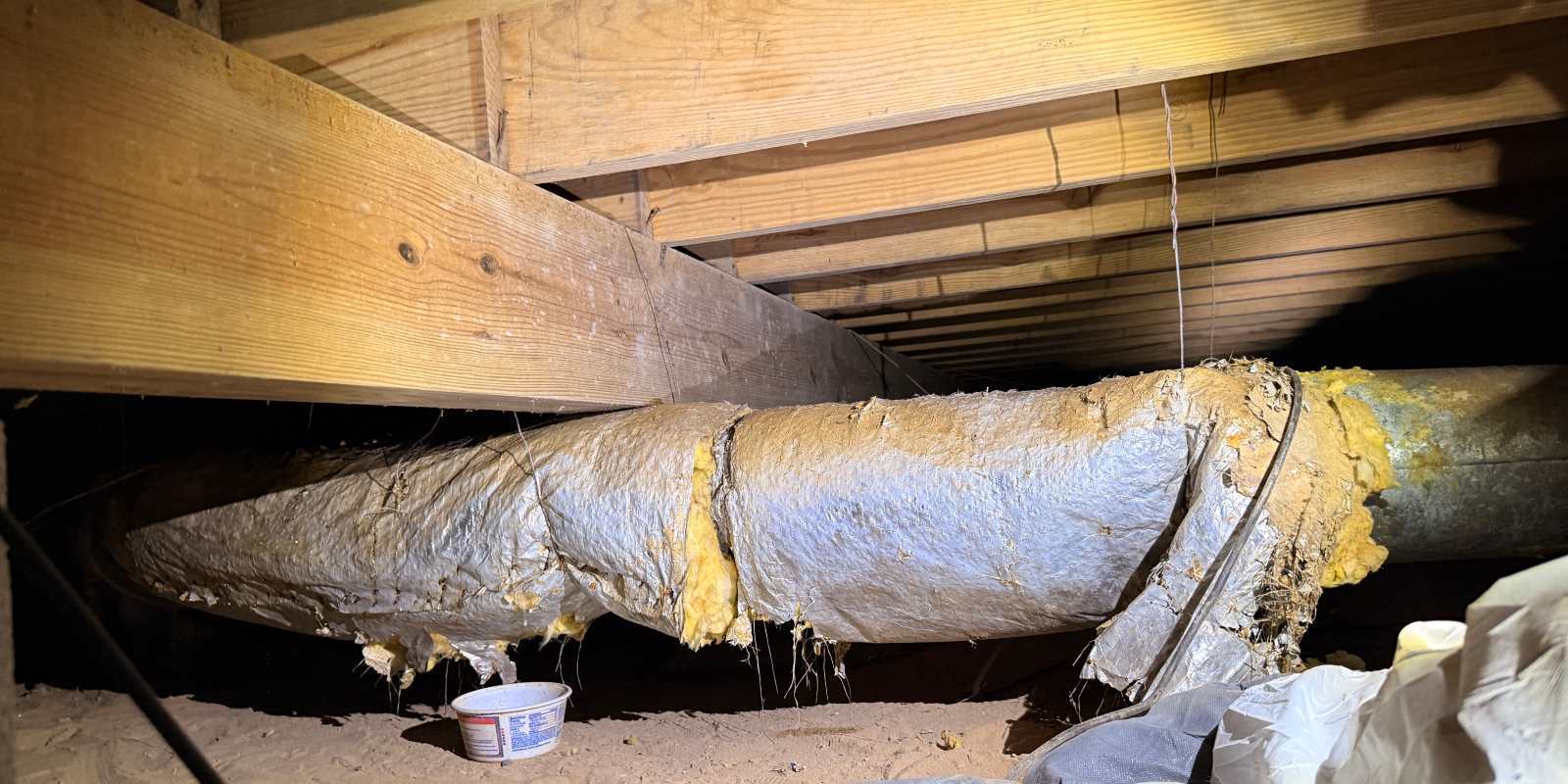
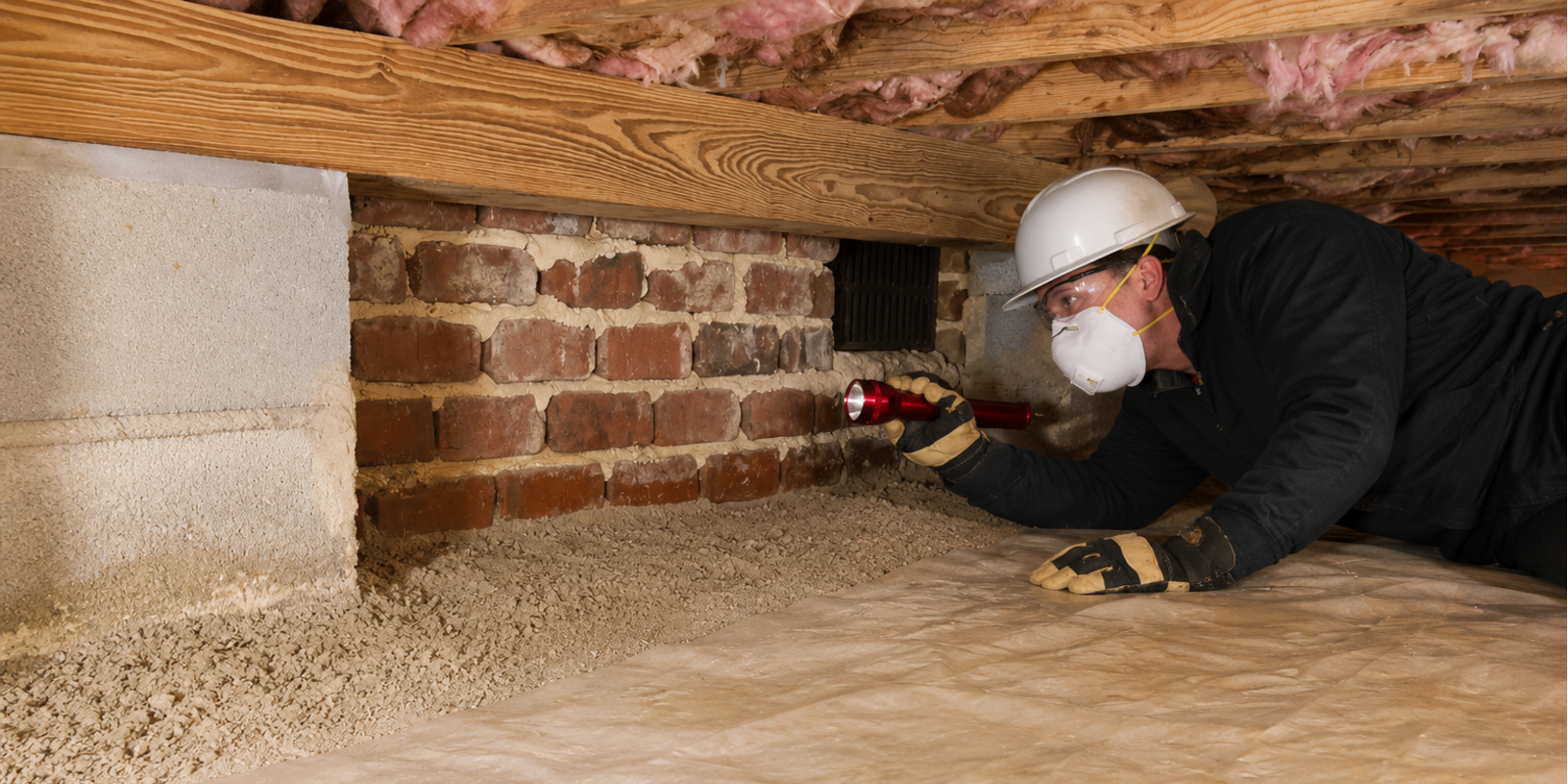
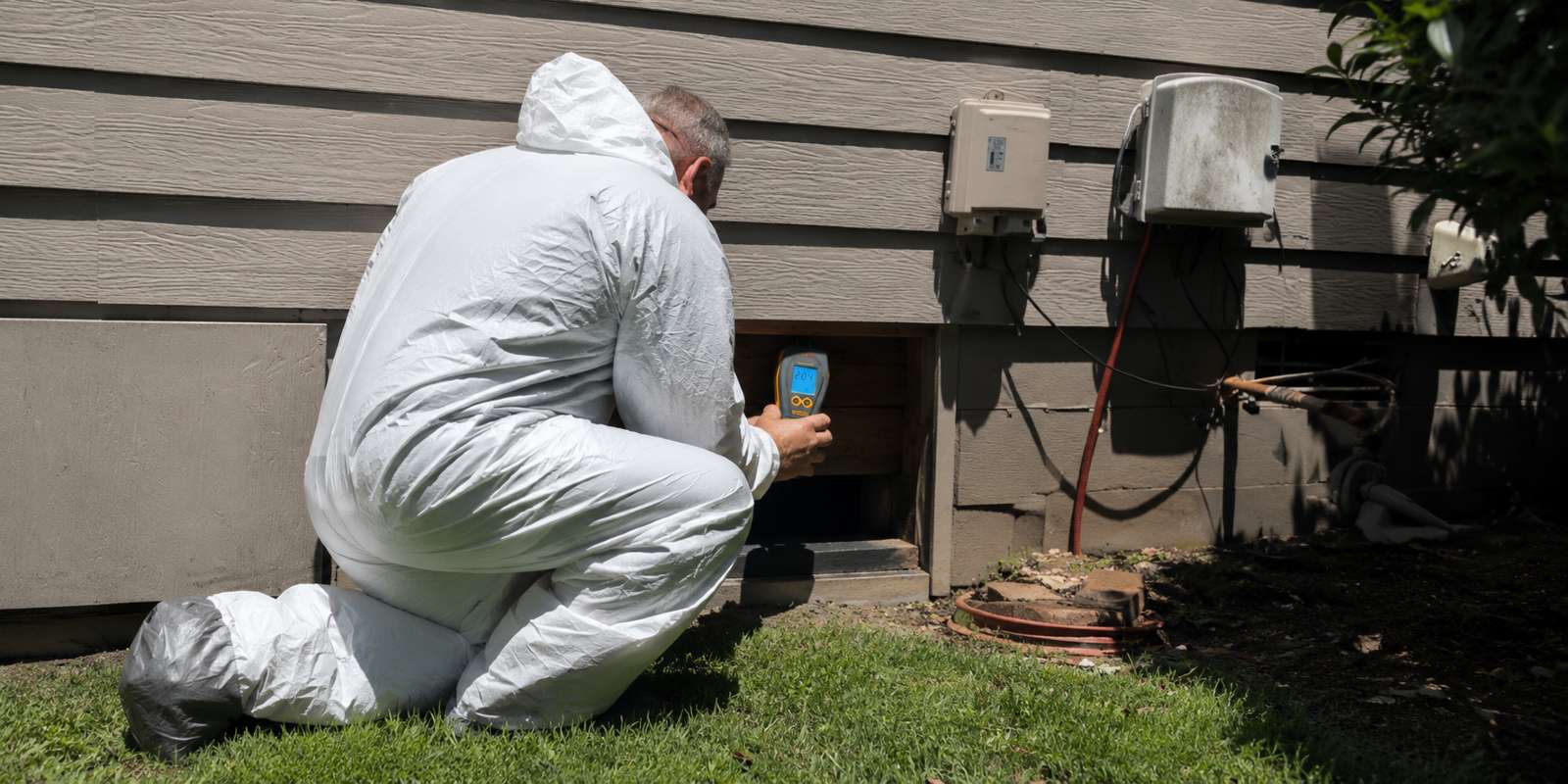
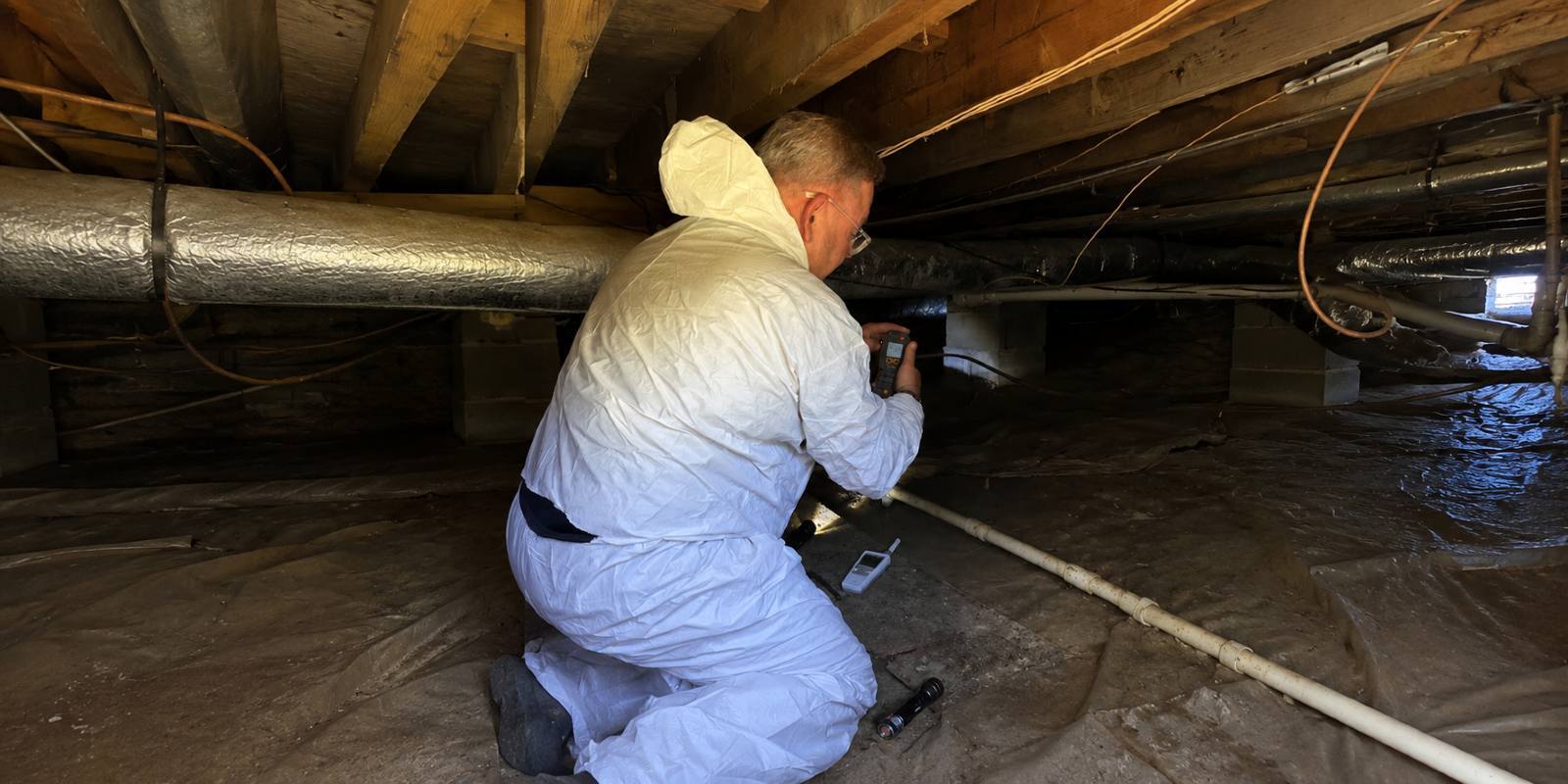
Inspection & Assessment |
Evaluate ductwork, check for dust, mold, and airflow issues. Cameras may be used. |
Inspection cameras, diagnostic tools |
Identifies problem areas and ensures the cleaning is done correctly from the start |
|
2. |
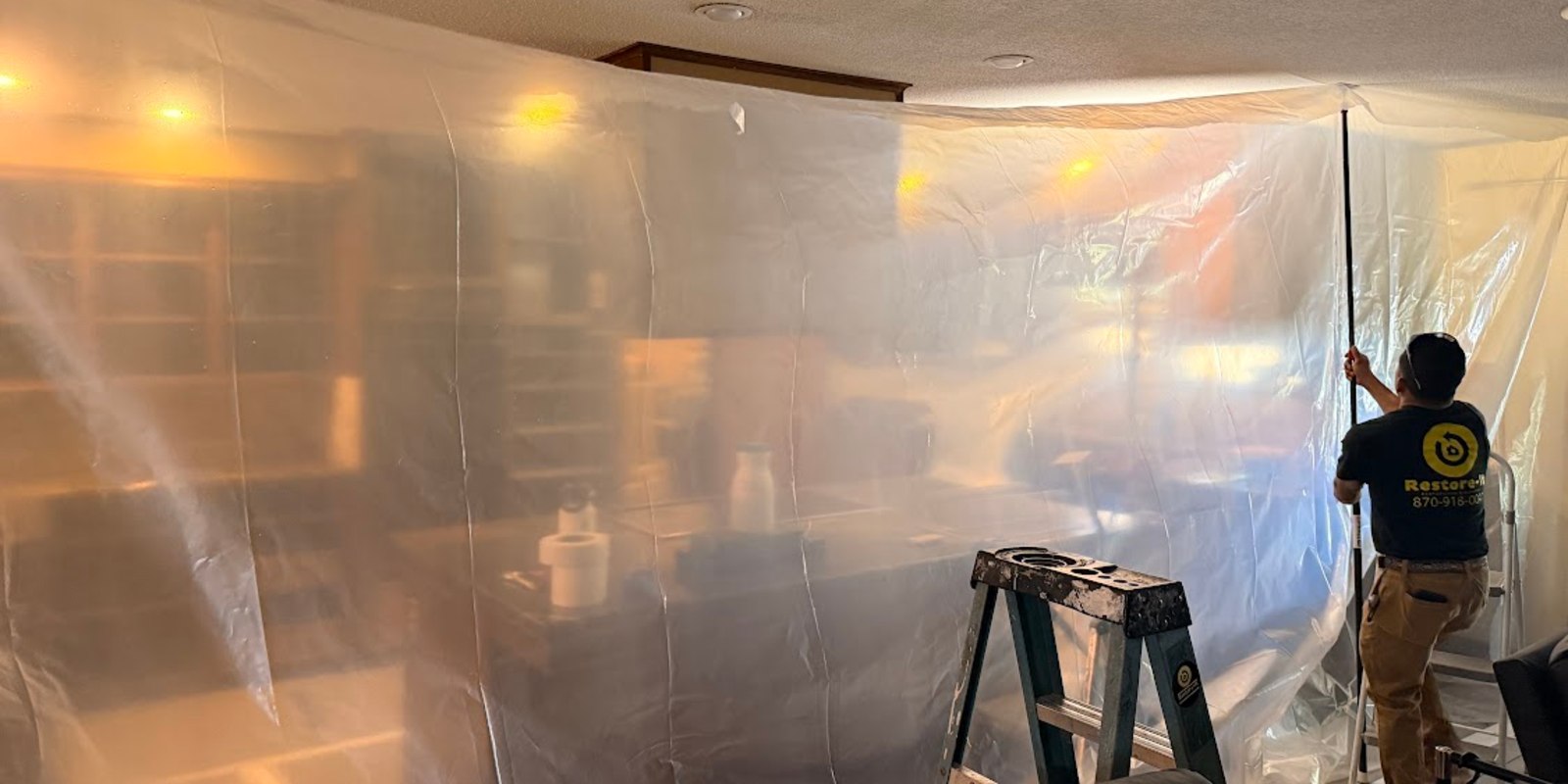
Protecting Your Home |
Prepare the area with coverings and safeguards. Seal vents if needed. |
Drop cloths, corner guards, protective coverings |
Prevents damage and keeps your home clean during the process |
|
3. |
Creating Negative Air Pressure |
Attach a high-powered vacuum system to remove debris from ducts. |
Truck-mounted or portable vacuum system |
Ensures contaminants are removed safely without spreading into your home |
|
4. |
Loosening Debris |
Break up dust and buildup inside ducts. |
Rotary brushes, air whips, compressed air tools |
Makes it possible to fully remove stubborn debris and contaminants |
|
5. |
Cleaning Supply & Return Ducts |
Clean each duct line and vent individually, not just the main trunk line. |
Agitation tools, vacuum system |
Ensures a complete cleaning across the entire system |
|
6. |
Cleaning HVAC Components |
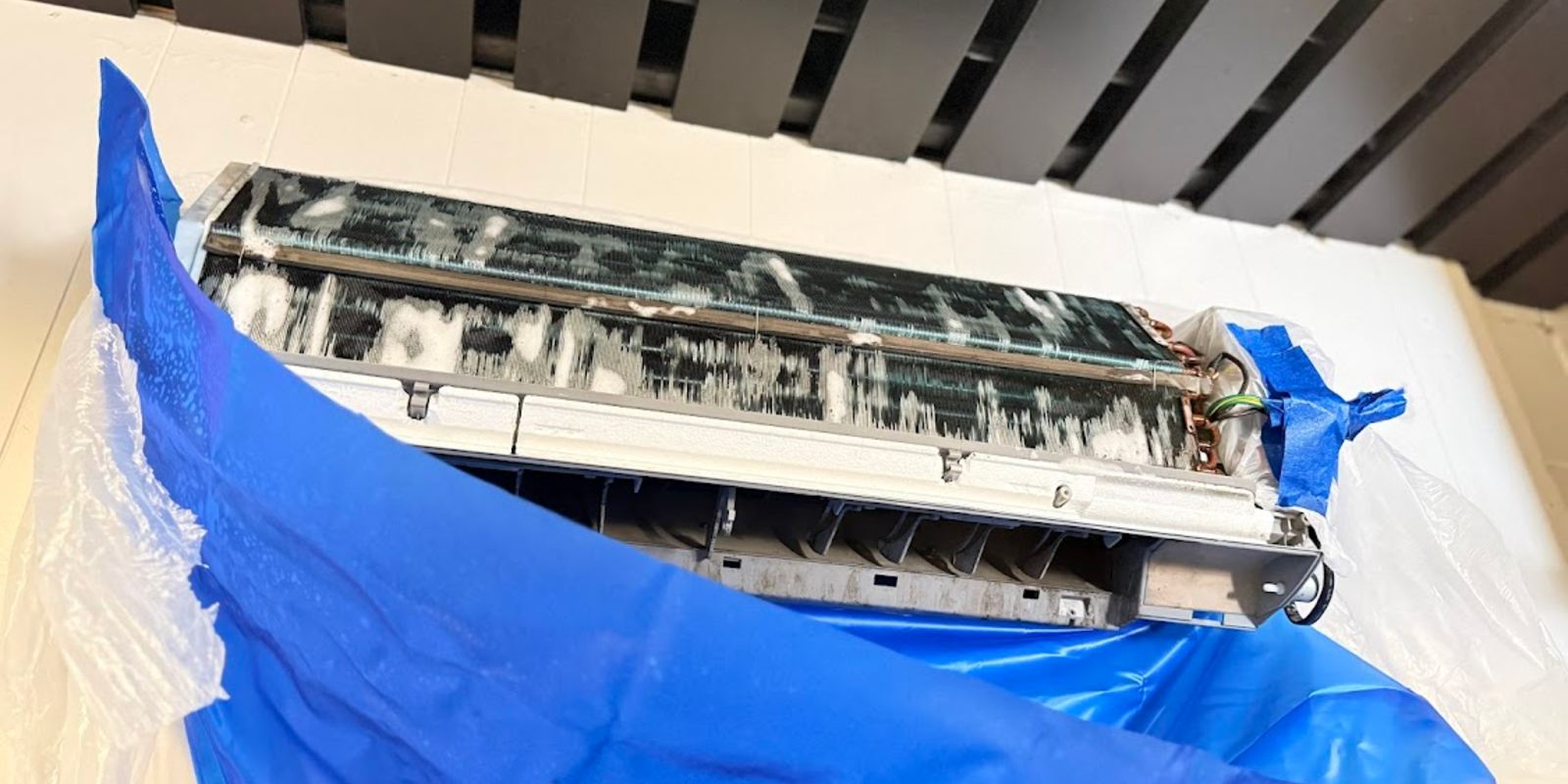
Clean internal components like the blower motor and coils. |
Hand tools, specialized HVAC cleaning equipment |
Improves system efficiency and indoor air quality |
|
7. |
Optional Treatment Only When Necessary |
Apply treatment only when necessary for mold or odors. |
EPA-approved sanitizers (when required) |
Prevents unnecessary chemical use and avoids upsells |
|
8. |
Final Inspection & Testing |
Verify cleanliness and system performance. Provide before/after comparison. |
Airflow meters, visual inspection tools |
Confirms the job was done correctly and the system is working properly |
If any of these steps are skipped or rushed, the cleaning may not be effective, which is why choosing a qualified, standards-driven company matters.
If you’re unsure whether your ducts were cleaned properly, your next step is to schedule a visual HVAC inspection so you can see exactly what’s inside before spending money on cleaning

How Long HVAC Cleaning Takes for a Typical Home?
Once you understand the process, the next question is usually timing.
The answer depends on system size, access, and condition. A standard residential system may include a 3-ton unit, around 2,000 square feet of ductwork, and moderate buildup.
For example, a recent residential cleaning involved:
- Two technicians working 9.5 hours
- One technician continuing for another 2.5 hours
- A total of 12 labor hours
Proper HVAC cleaning is not a quick service. It requires detailed, hands-on work to address the entire system thoroughly.
What Equipment Is Used for Professional HVAC Cleaning?
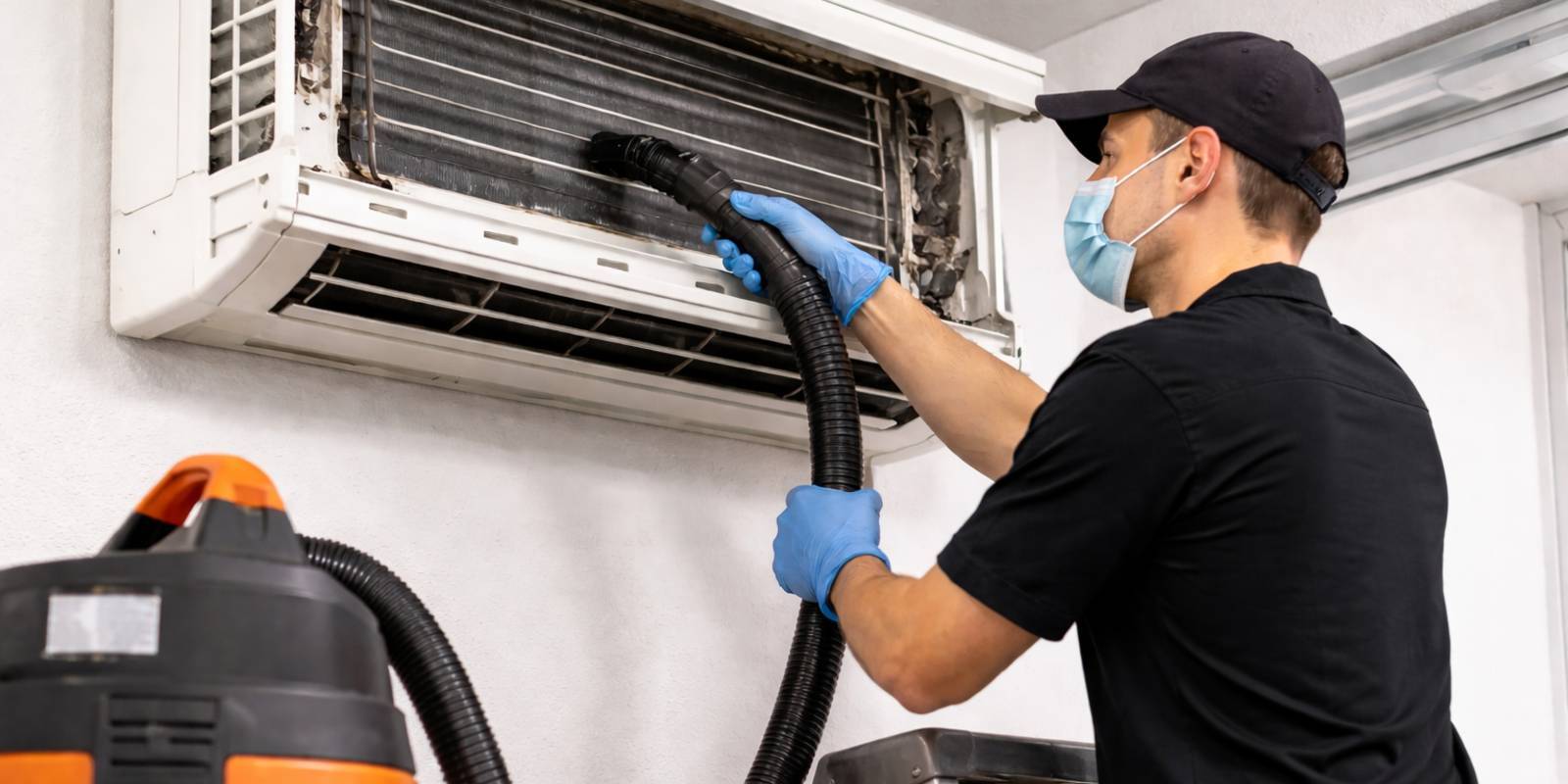
HVAC cleaning requires specialized equipment designed to inspect, loosen, and remove contaminants from the entire system.
NADCA emphasizes that proper cleaning typically uses truck-mounted or portable vacuum systems combined with agitation tools to extract debris fully.
Industry guidance from Home Depot Pro similarly highlights that professional cleaning requires inspection tools, agitation devices, and high-powered extraction systems rather than basic household equipment.
Together, these standards confirm the same expectation: HVAC cleaning must be a full-system process supported by professional-grade tools.
|
Category |
Equipment Used |
|
Inspection |
Cameras, periscopes, robotic inspection tools |
|
Cleaning Tools |
Rotary brushes, spiral/cylindrical brushes, air whips, flexible rods |
|
Debris Removal |
Truck-mounted or portable vacuums, containment bags |
|
Air Tools |
Compressors, air blow guns for dislodging debris |
|
Accessories |
HEPA filters, nozzles, wands, extensions, and sealing tape |
These tools work together to ensure contaminants are fully removed, not redistributed.
How to Know If HVAC Cleaning Was Done Correctly?
HVAC systems naturally collect dust, pet dander, and other airborne particles that circulate throughout the home. NADCA notes that these particles can recirculate multiple times per day through the system, which can impact indoor air quality over time.
After a proper cleaning, you should notice:
- Reduced dust around vents
- Improved airflow in rooms
- Visible before-and-after documentation
- No leftover debris near access points
- A fresher overall indoor environment
If these signs are not present, it is reasonable to ask for documentation of what was completed.
Common HVAC Cleaning Scams and Shortcuts to Avoid
Some HVAC cleaning services do not follow full industry standards. In many cases, homeowners do not realize steps were missed until after the job is finished.
Be cautious if a company:
- Offers extremely low whole-home pricing without inspection
- Only cleans vents without accessing the full system
- Does not use negative pressure equipment
- Relies heavily on chemical add-ons
- Skips before-and-after verification
A proper HVAC cleaning should be clear, explainable, and fully documented.
Is HVAC Cleaning Messy or Disruptive?
When done correctly, HVAC cleaning should be controlled and contained.
Professional technicians use sealed systems, protective coverings, and negative pressure equipment to prevent dust from entering the home.
Homeowners may still notice:
- Equipment noise during service
- Movement between vents and access points
- Minor adjustments to nearby furniture
In some cases, filters may load faster immediately after cleaning. This is normal as the system stabilizes.
Do You Really Need HVAC Cleaning?
Now that you understand what a typical HVAC cleaning process involves, a professional inspection is what determines whether your system actually needs one.
A technician evaluates your ductwork and HVAC components for buildup, moisture, debris, or airflow issues that would justify service.
Because these conditions cannot be identified from vents or surface access alone, an internal inspection is required to establish what is actually happening inside the system.
Once that is determined, the next question is what HVAC cleaning typically costs.
Pricing varies by system and condition, so it should always be considered in the context of inspection results. If you want a breakdown of typical costs before you schedule a service, you can review our HVAC pricing guide below.

Topics: