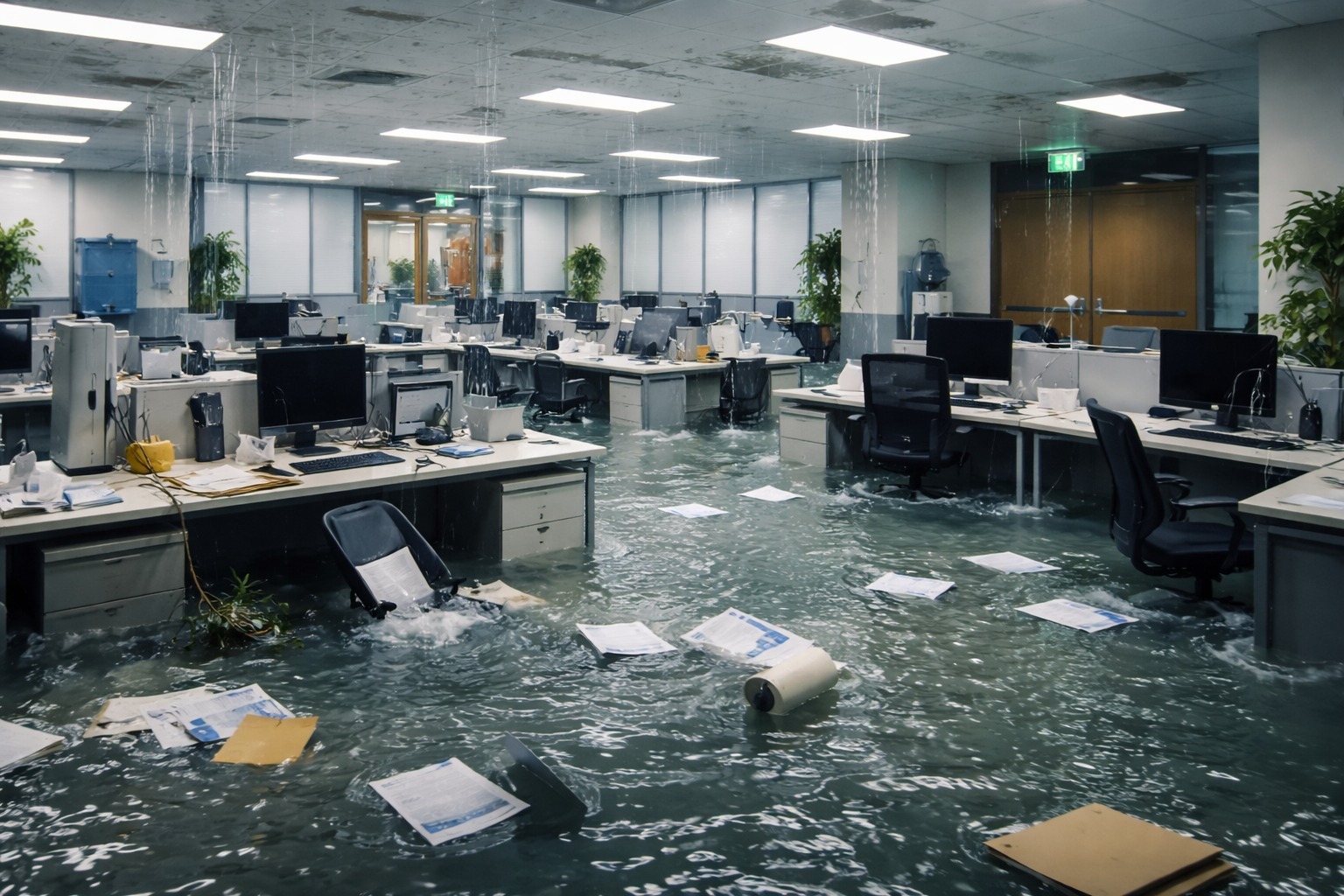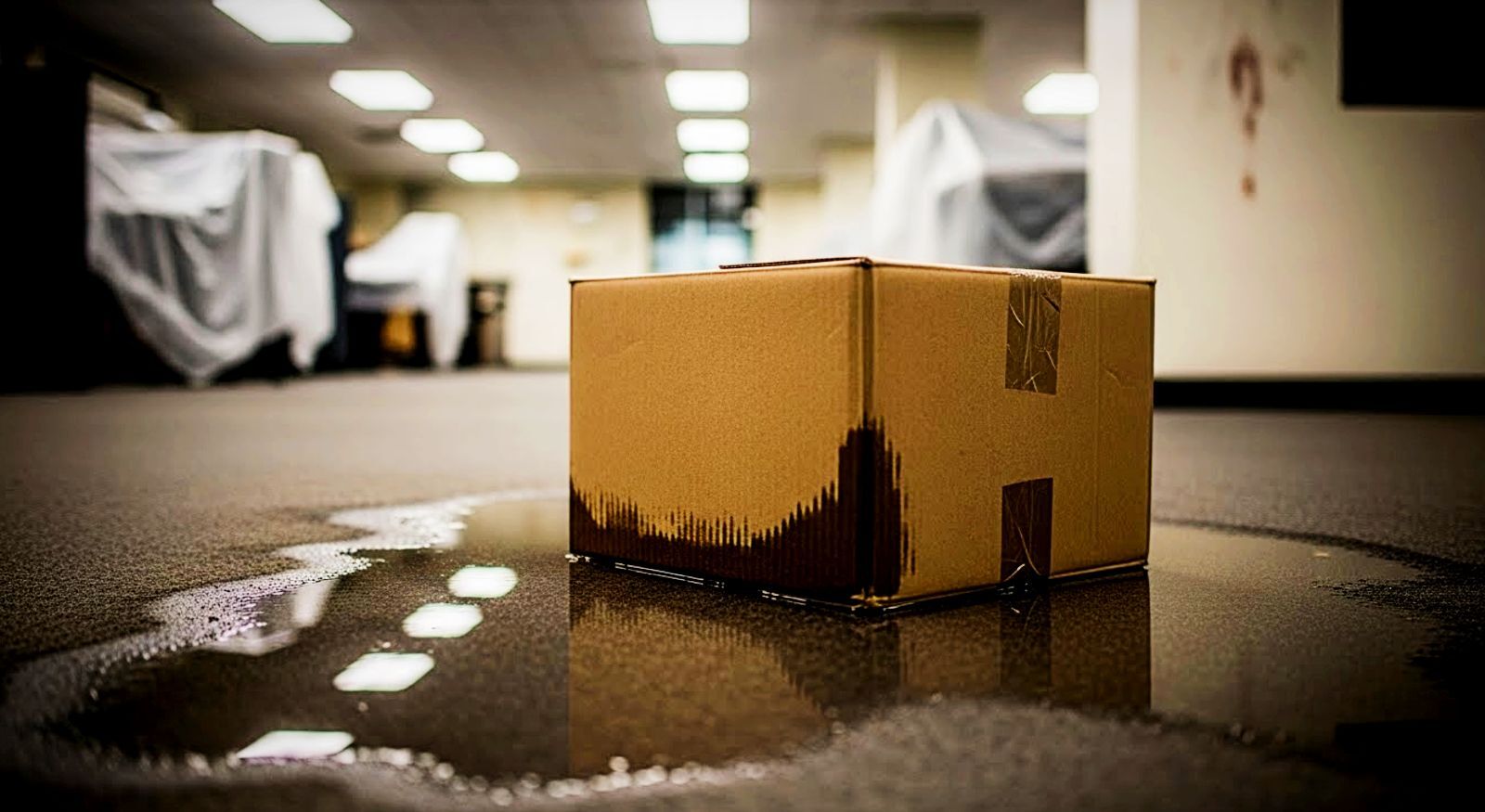

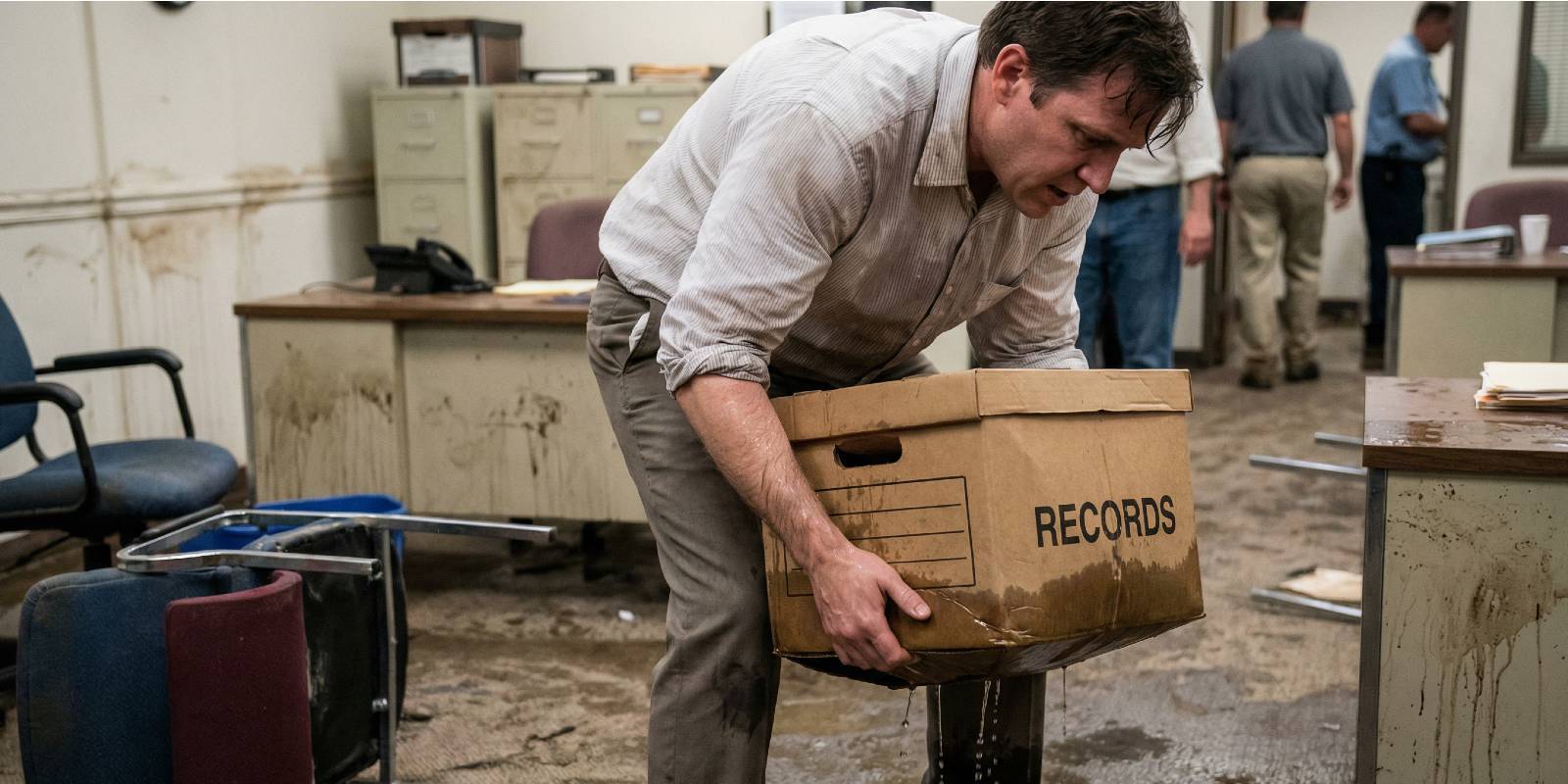
Flooding can quickly damage offices and commercial buildings across Arkansas, soaking paperwork, computers, and other critical business records.
If your business has experienced water damage, you may be wondering whether those important documents are lost for good.
In many cases, they’re not. Depending on the type of water exposure and how quickly action is taken, flood-damaged records and electronics can often be recovered.
At Restore-It, we’ve helped Arkansas businesses recover damaged records for more than 14 years using specialized drying and restoration techniques.
In this article, you’ll learn when flood-damaged documents can be saved, what factors affect recovery, and the steps you should take right away to improve your chances of restoring them.
Flood Damage: Is It Actually Possible to Recover Affected Business Records?
Yes, in many cases, flood-damaged business records can be recovered. While water can seriously damage paper documents and electronics, it doesn’t always destroy the information they contain.
Wet paperwork may appear ruined at first. Pages can wrinkle, stick together, or stain. However, professional restoration techniques can often dry and stabilize the documents so the information remains readable.
The same can apply to electronics. Computers, servers, and external drives exposed to water may look unusable, but technicians can sometimes clean, dry, and recover the stored data.
What Determines If Flood-Damaged Business Records Can Be Recovered?
In professional restoration standards, floodwater is classified as Category 3 (black water), the most contaminated type. It may contain sewage, mud, bacteria, chemicals, and other hazardous substances carried by the flood.
Because of these risks, floods require strict safety procedures and specialized equipment, including personal protective equipment (PPE) such as respirators, gloves, and protective suits. Materials that come into direct contact often need to be removed and disposed of.
All that extra protection and removal work adds to the expense.
How Long the Materials Were Wet
Time is one of the most important factors in record recovery. The longer documents and electronics remain wet, the greater the risk of damage.
Paper materials can quickly absorb water, causing pages to stick together or ink to spread. Moist conditions can also lead to mold growth within 24 to 48 hours, according to the Environmental Protection Agency (EPA).
Electronics face similar risks. Moisture trapped inside devices can lead to corrosion and damage internal circuits if the equipment is not properly dried.
The Condition of the Equipment or Documents
The physical condition of the records also affects whether they can be restored.
For example, paper documents may suffer from:
- Warping or curling
- Ink running or fading
- Pages sticking together
Electronic devices may experience:
- Water trapped inside circuits
- Internal corrosion
- Damage to connectors or storage components
Even when damage is visible, however, the information inside these items may still be recoverable.
How Professionals Restore Flood-Damaged Paper Documents
When paper documents are water-damaged, restoration professionals use controlled drying techniques to prevent further deterioration.
Wet papers are carefully removed, separated, and placed in a cool, dry environment so air can circulate between pages and prevent them from sticking together.
According to the US National Archives and Records Administration (NARA), proper airflow and moderate drying conditions are critical when stabilizing wet records. High heat or direct sunlight should be avoided because it can permanently damage paper materials.
If large quantities of records are affected, documents may be temporarily frozen to stop deterioration until specialized drying methods can be used.
Even with proper restoration, some cosmetic damage may remain, such as slight ink bleeding or page distortion. However, the primary goal is to preserve the information so the records can be used.
Can Flood-Damaged Computers and Hard Drives Be Saved?
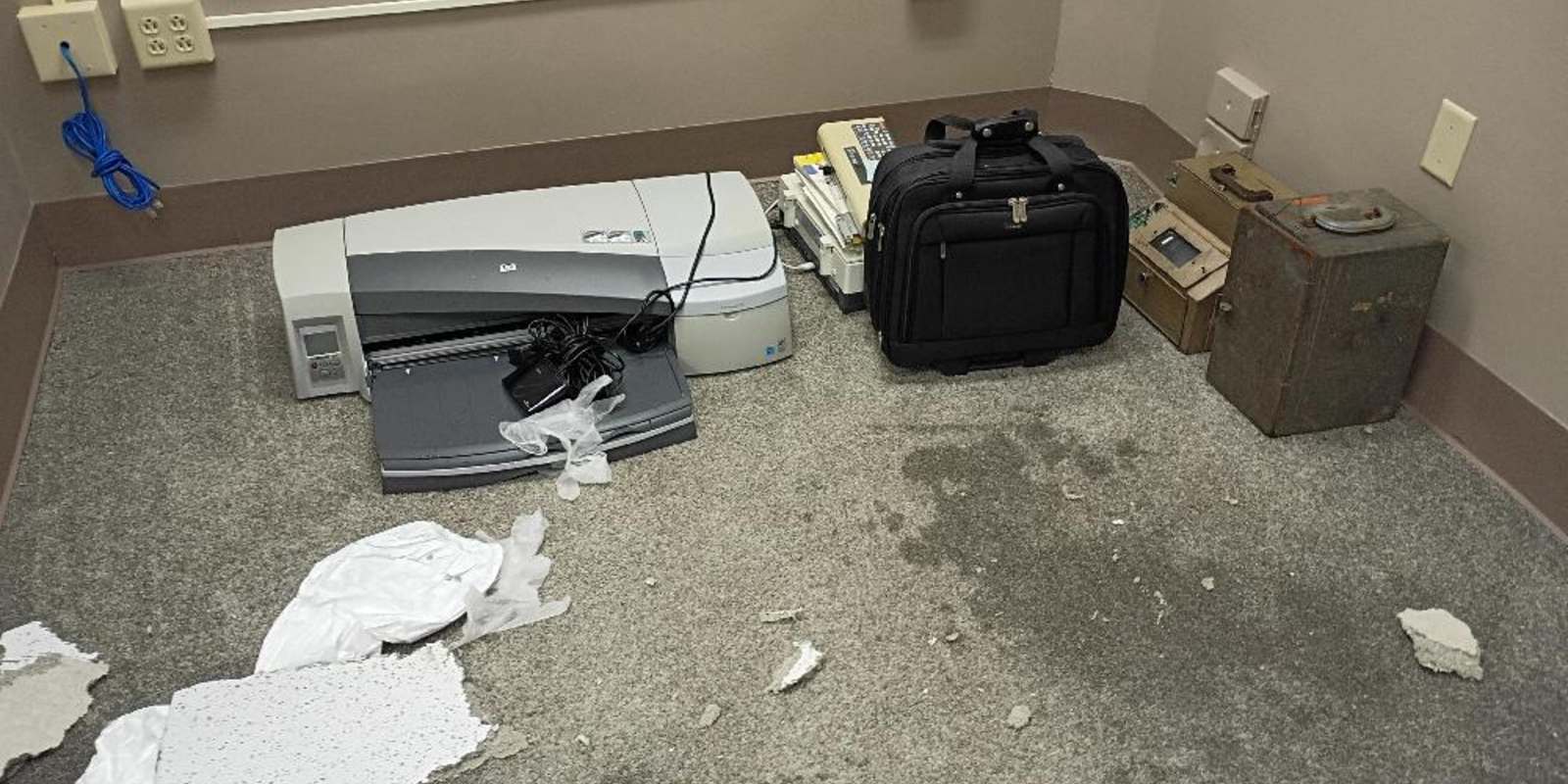
Floods can also damage electronic equipment that stores critical business information, including computers, hard drives, and servers.
In some cases, restoration professionals can clean and dry these devices using specialized equipment designed to remove moisture from internal components. This process may allow technicians to access the stored data and recover important files.
However, it is important to understand that long-term functionality is not always guaranteed. Even if the device itself cannot be fully restored, technicians can sometimes retrieve the data stored on the device.
Because corrosion can begin quickly, electronics should never be turned on after water exposure. Attempting to power on wet equipment can cause additional damage and reduce the chances of recovering the information.
If My Business Records Are Very Damaged, Can They Be Saved?
Although many materials can be recovered, restoration is not always possible.
In some cases, records may be too severely damaged to restore. This may happen when documents have been exposed to heavily contaminated floodwater or when mold has significantly deteriorated the paper.
Electronics can also reach a point where corrosion or structural damage prevents recovery.
Situations where restoration may not be possible include:
- Severe contamination from floodwater
- Extended mold growth on paper materials
- Completely deteriorated documents
- Electronics with irreversible corrosion
A professional assessment is the best way to determine whether records can be saved.
What To Do After a Flood to Protect Business Records
If your business experiences flooding, the steps you take immediately afterward can influence whether records can be recovered.
- Handle documents carefully: Avoid moving or separating wet papers to prevent tearing or further damage.
- Do not power on electronics: Turning on water-exposed devices can damage circuits and reduce the chances of recovering data.
- Remove items from water: If possible, move documents and equipment out of standing water and into a dry area to slow deterioration.
- Contact restoration professionals quickly: Early professional intervention can significantly improve the chances of saving both paper records and digital data.
Looking for immediate help after a flood? Restore-It provides emergency water damage response for Arkansas businesses.

Why Acting Quickly Makes Record Recovery More Likely
Time is one of the biggest factors in successful record recovery. The longer materials remain wet, the more damage they can suffer.
Moisture encourages mold growth, which can quickly spread across paper documents. Ink can also continue to spread or fade if the pages remain wet for extended periods.
Electronics face a similar challenge. Water trapped inside components can lead to corrosion that permanently damages circuits and storage devices.
The sooner restoration begins, the better the chances of recovering your important business records.
Flooded Doesn’t Always Mean Finished
Flood damage doesn’t always mean your business records are lost forever. When documents and electronics are exposed to water, the situation can feel overwhelming.
A professional restoration team can evaluate the damage and determine whether your records, computers, and storage devices can be restored.
However, recovery isn’t just about restoration. Business owners often face another important question: Will insurance help cover the financial impact? Find out here: