
Have you ever walked through your home in spring and felt like everything was fine, only to wonder what might be happening underneath your floors?
Most homeowners assume that if nothing looks or smells wrong inside the house, there is no reason to worry. But crawl space problems rarely start where you can see them.
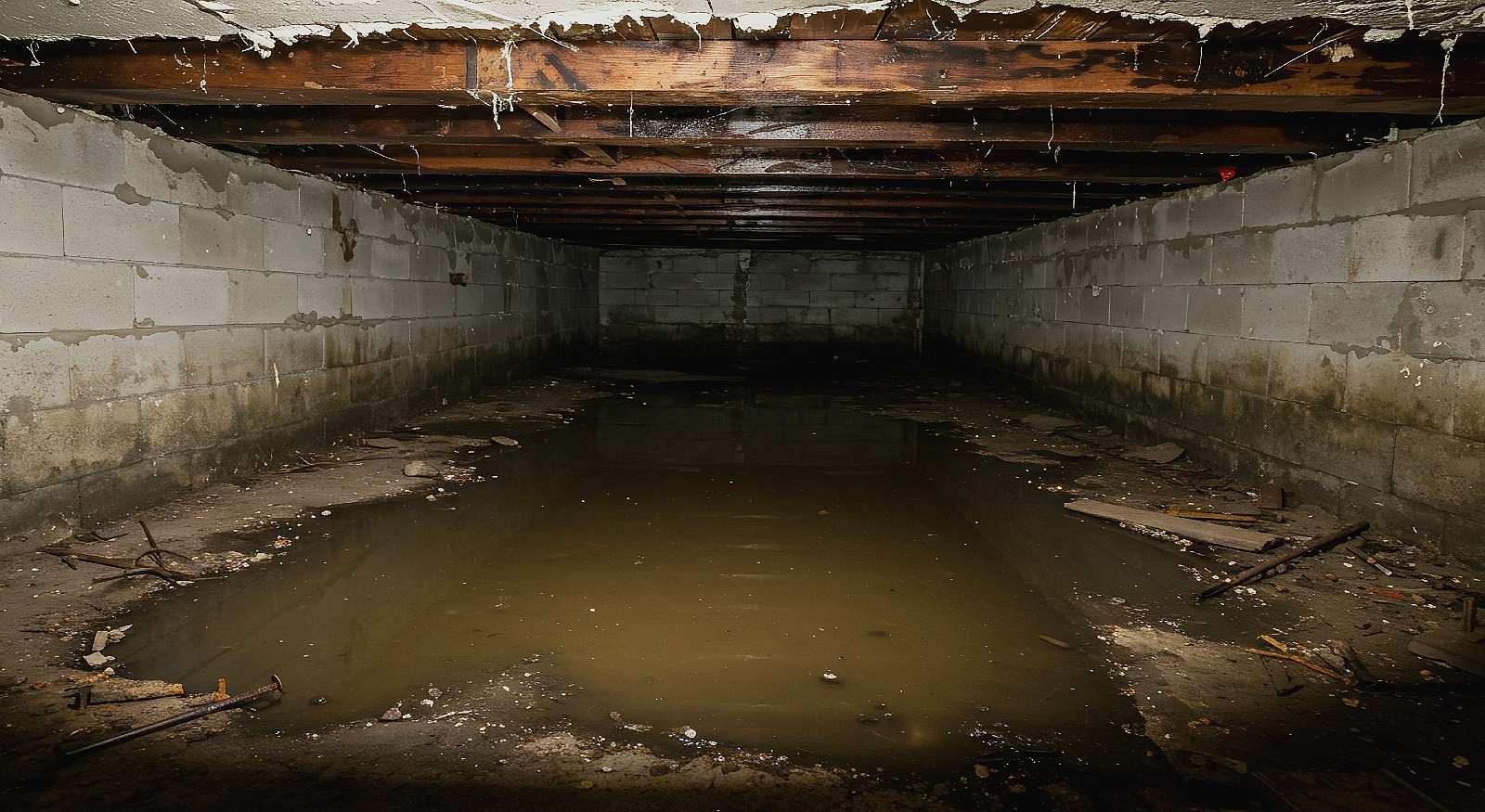
As winter ends and temperatures rise, moisture often begins to build beneath the home. Even if the living space feels normal, the crawl space can be dealing with rising humidity, ground moisture, and condensation that quietly create the right conditions for damage.
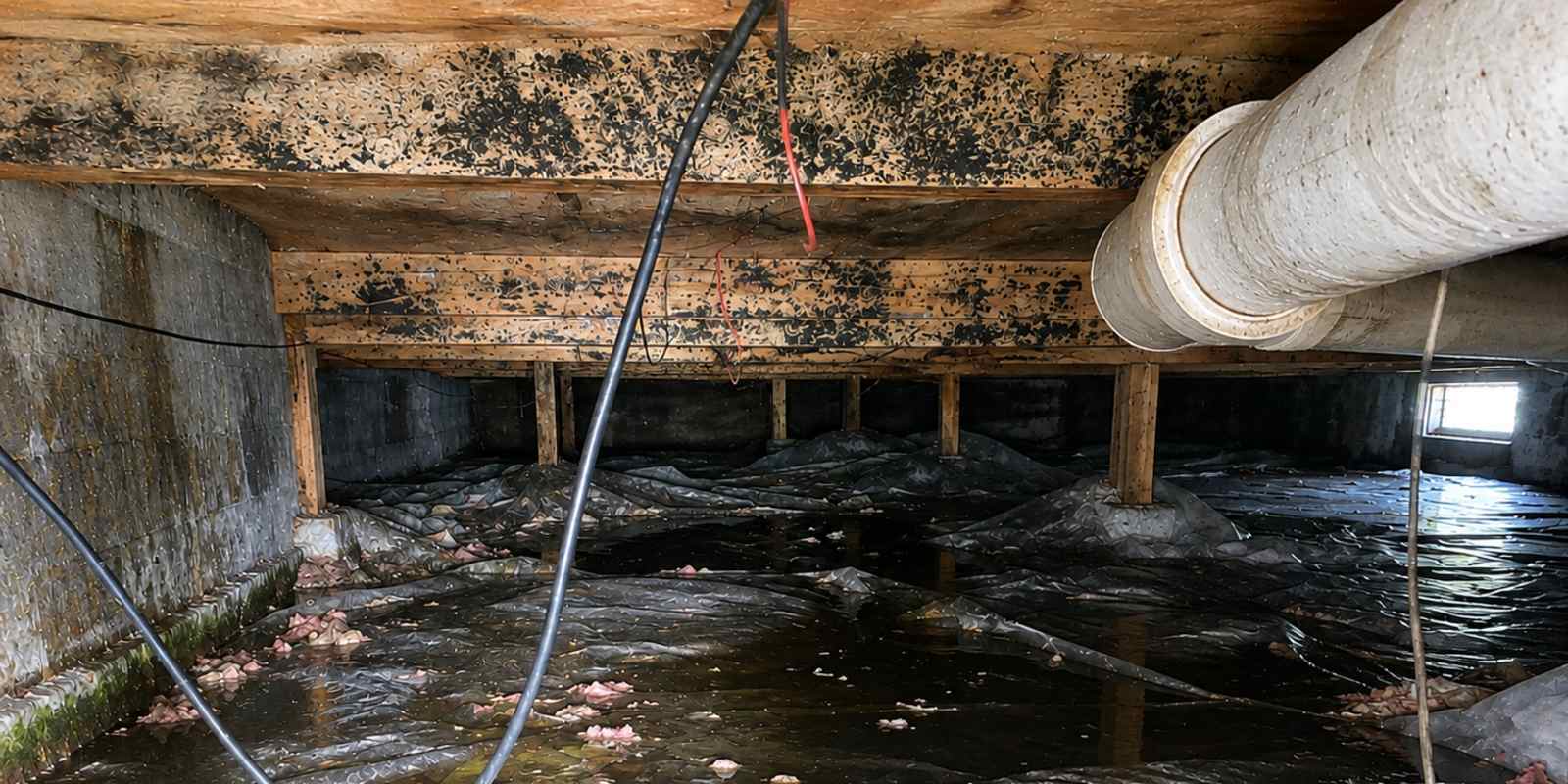
That is why crawl space issues often seem to appear in the spring. The seasonal shift exposes what has been developing out of sight for months, including mold growth, wood rot, poor air quality, and structural concerns.
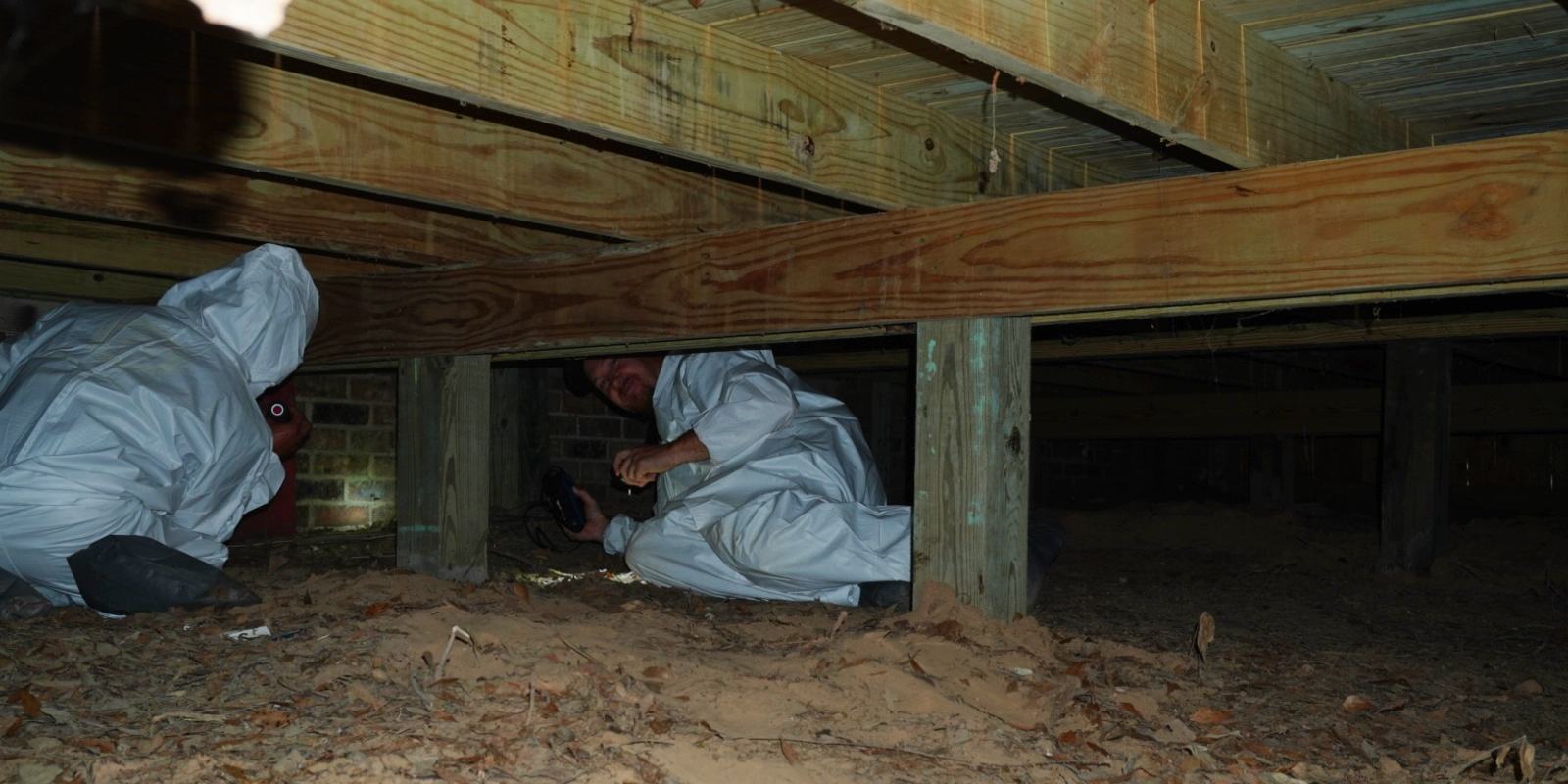
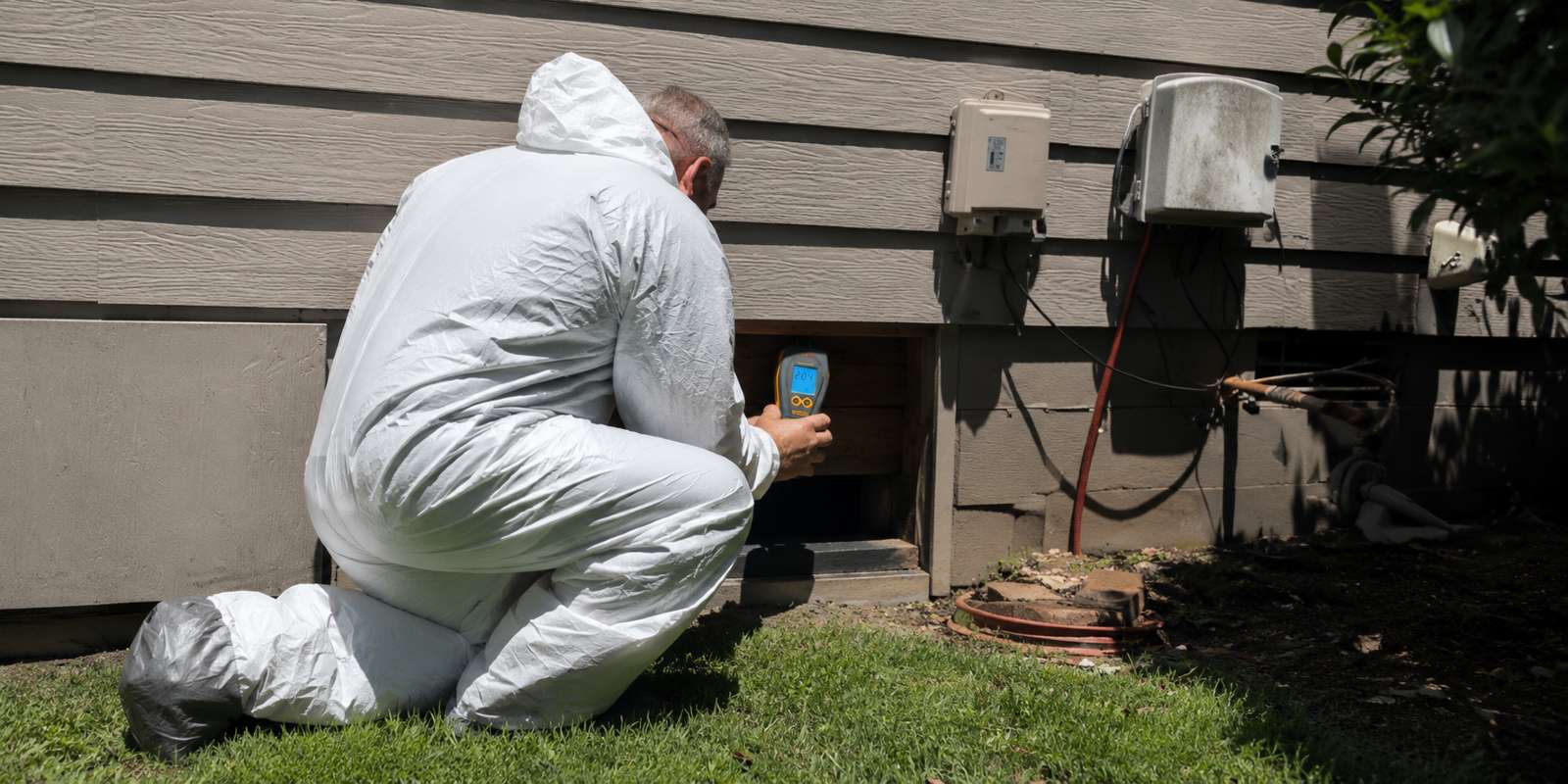
At Restore-It, we have spent over 14 years helping South Arkansas homeowners identify and fix crawl space problems. Our certified technicians see the same pattern every year. Spring is when hidden moisture issues begin to surface and can turn into costly repairs if not addressed early.
In this article, you will learn:
- Why does crawl space moisture increase in the spring
- What is happening beneath your home during seasonal changes
- The early warning signs most homeowners miss
- What you can do to prevent long-term damage
Let’s take a closer look at what is really happening under your home and how you can stay ahead of it.
Why Crawl Space Moisture Spikes in Spring in South Arkansas
Spring in South Arkansas creates ideal conditions for crawl space moisture issues, as warm, humid air clashes with cooler winter-ground temperatures. This temperature difference leads to condensation forming under your home.
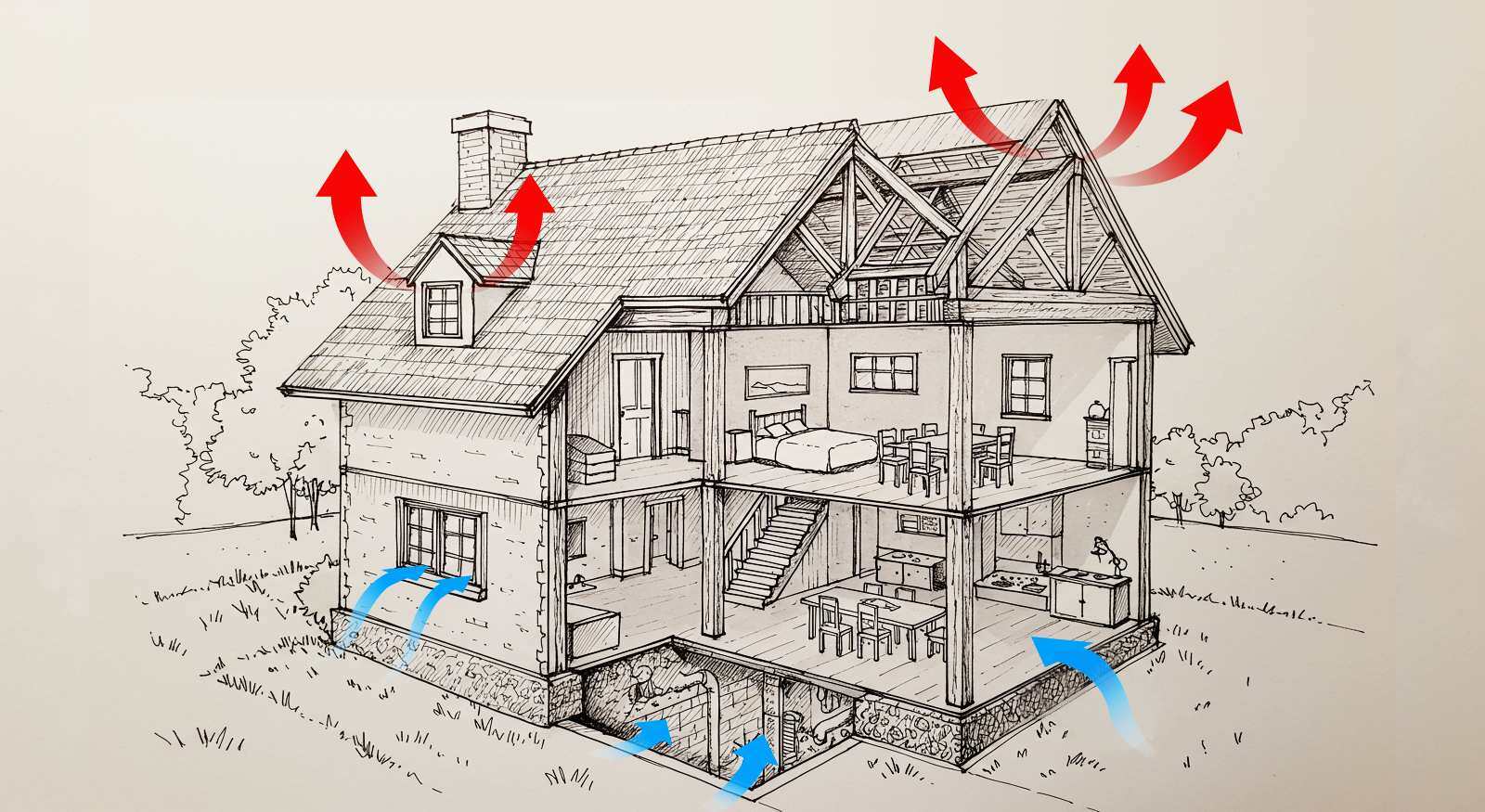
During winter, crawl spaces stay relatively cold and stable. But in spring, warm outside air enters through vents, gaps, or unsealed openings. When that air meets cooler surfaces, it condenses, forming moisture on wood, pipes, and foundation walls.
At the same time, spring rains raise groundwater levels, increasing soil moisture beneath your home. That moisture then evaporates upward into the crawl space, adding even more humidity.
As moisture control experts like ATMOX explain, warmer air holds more moisture, and when it meets cooler crawl space surfaces, it can quickly lead to condensation, mold, and structural issues.
In short, spring humidity spikes happen because warm air, cold surfaces, and wet soil combine to trap moisture under your home.
Why Your Home Can Look Fine While the Crawl Space Gets Worse
One of the most confusing parts for homeowners is this: if moisture is a problem, why don’t you see it inside your home?
The answer is simple: your living space is conditioned, but your crawl space is not.
Your HVAC system regulates temperature and humidity inside your home, which keeps indoor conditions relatively stable. Your crawl space, however, is exposed to outside air, soil moisture, and seasonal changes with very little protection.
That separation means problems can develop silently for weeks or even months before they show up indoors.
You might not notice anything until:
- A musty smell starts coming through the floorboards.
- Humidity feels higher inside the home.
- Wood flooring begins to feel uneven or soft.
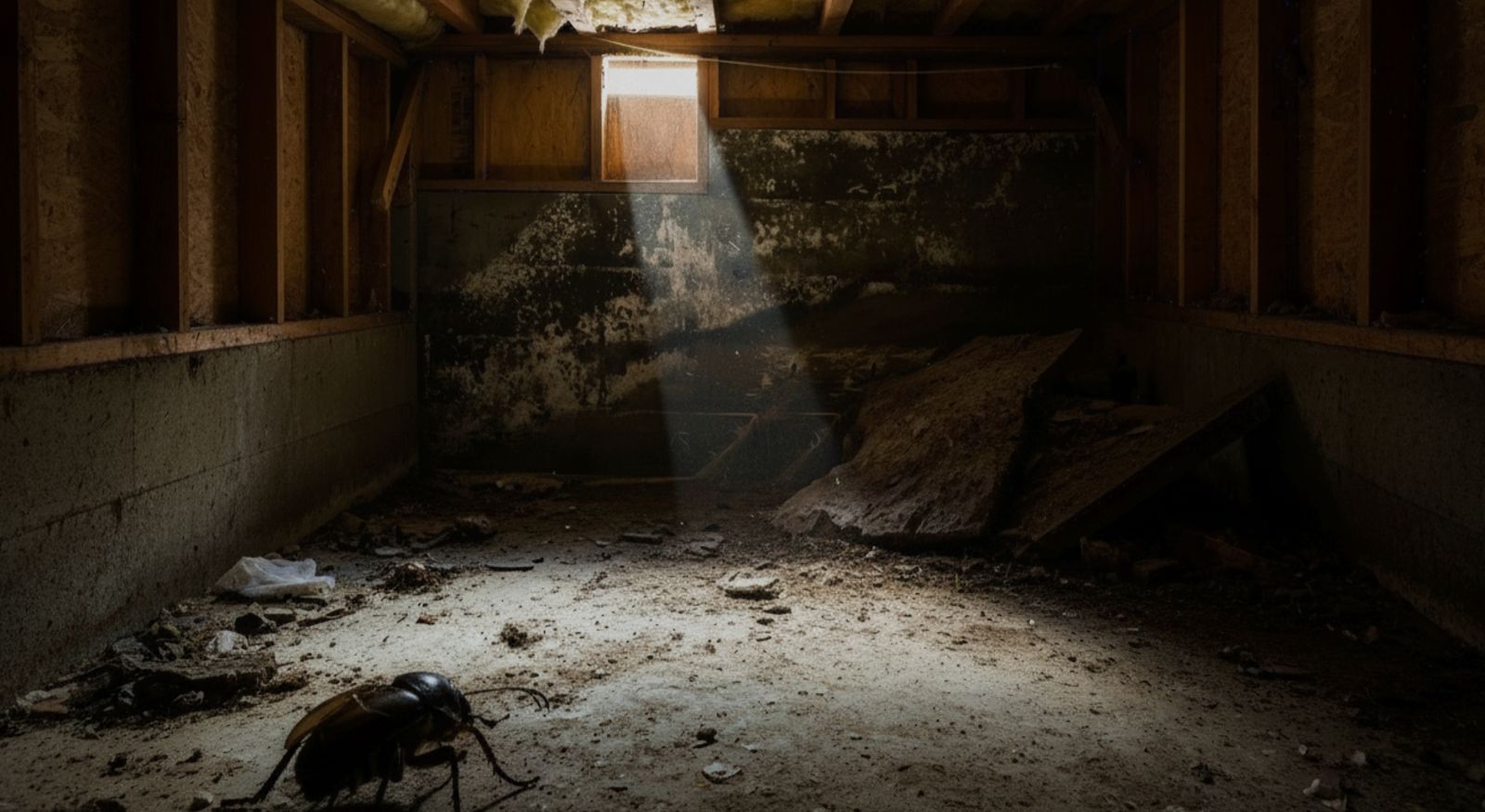
- Mold begins forming on joists or insulation.
By the time these signs appear upstairs, the issue has already been developing below for some time.
Hidden Warning Signs of Crawl Space Moisture Problems
Even if your home looks fine, your crawl space may already be showing early signs of trouble.
Watch for:
- Musty odors coming from floors or vents
- Higher indoor humidity levels during spring
- Soft or sagging floors in certain areas
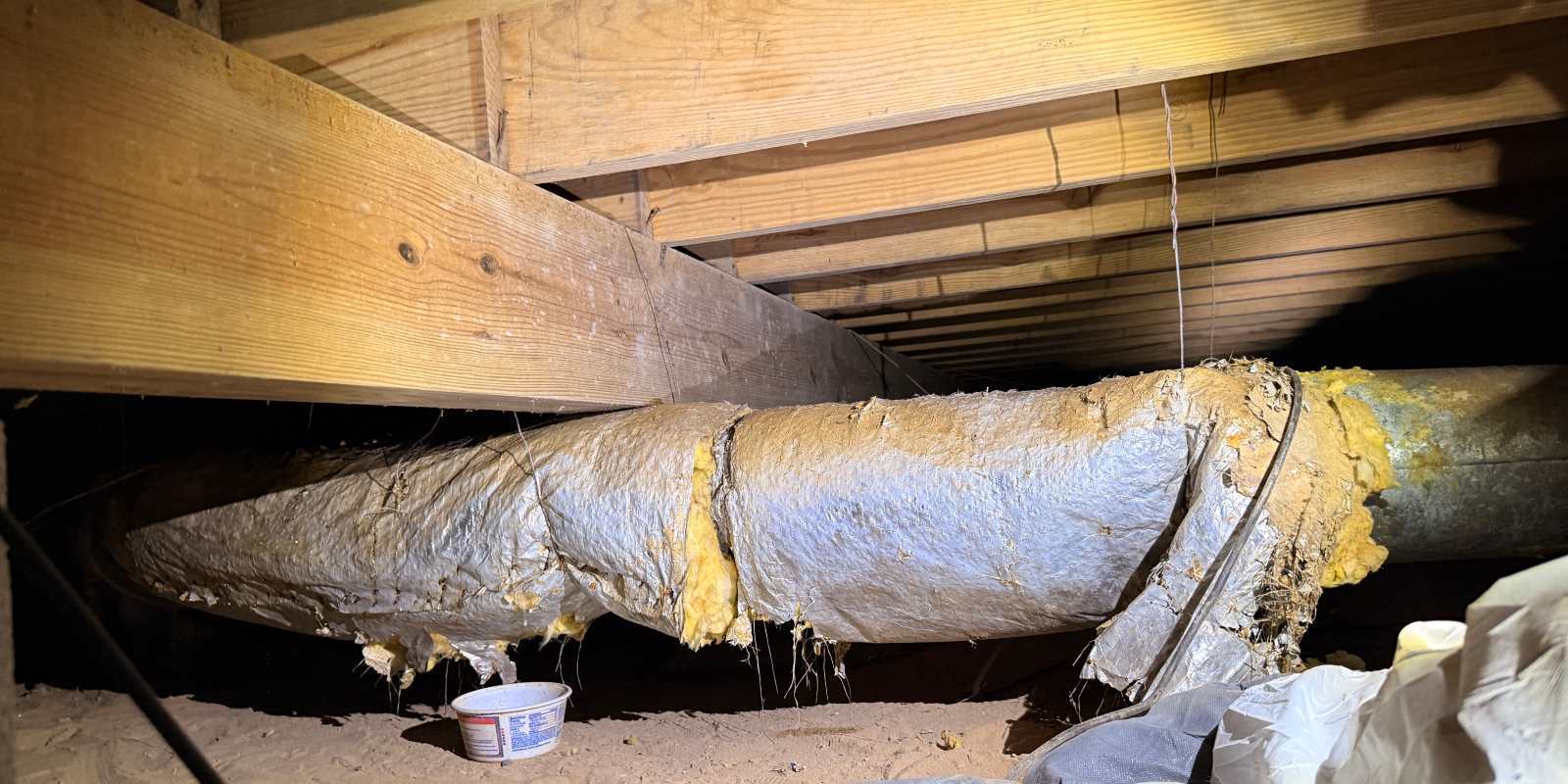
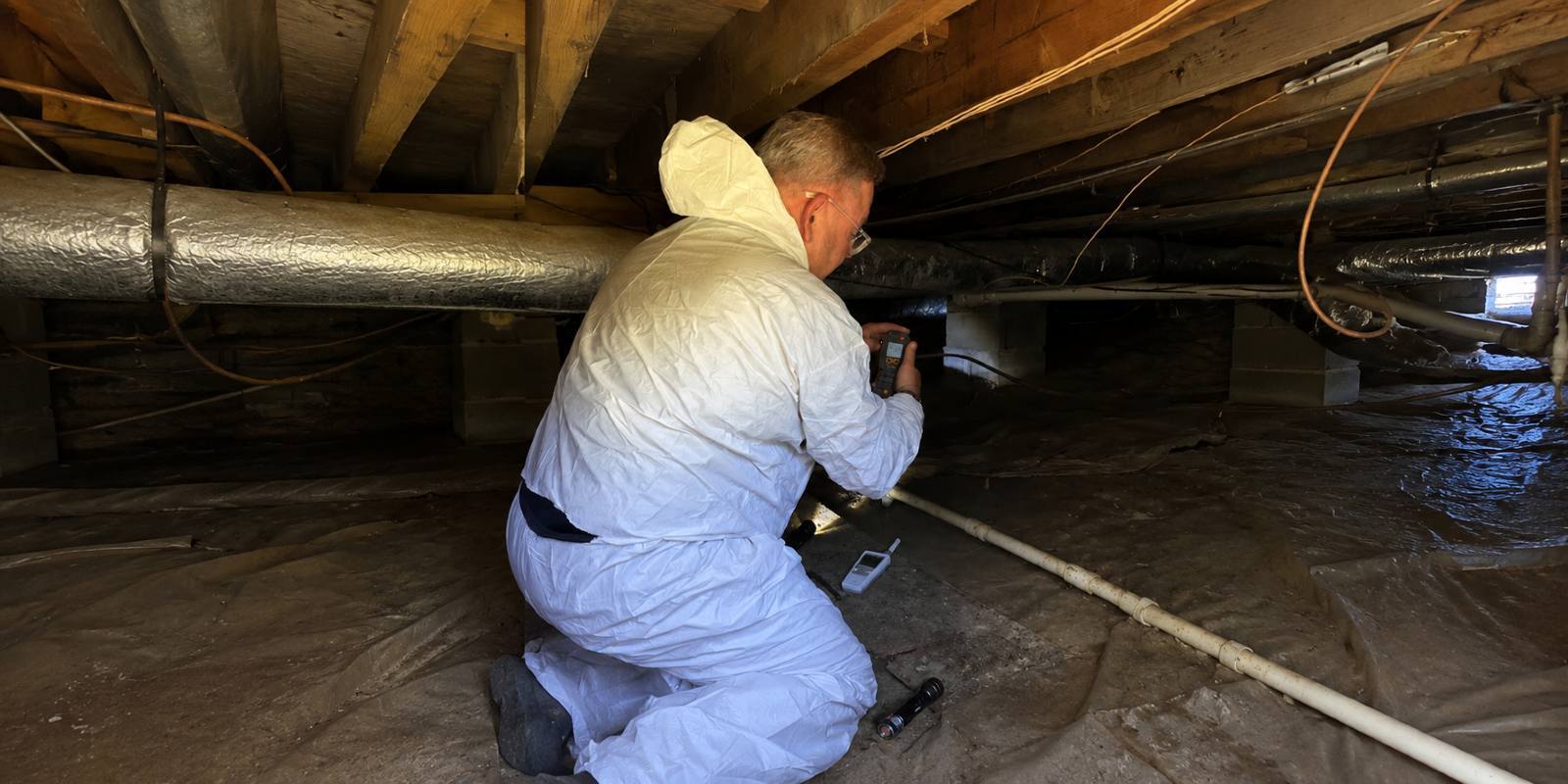
- Visible condensation on pipes or ductwork
- Increased pest activity, such as insects or rodents
- Dark staining or discoloration on wood structures
These signs often appear gradually, which is why many homeowners miss them until the issue becomes serious.
Crawl space moisture rarely shows up as a sudden leak. Instead, it builds quietly over time.
What Actually Causes Crawl Space Humidity to Spike in Spring
Understanding the root causes helps explain why this is such a seasonal issue.
|
Cause |
What’s Happening |
Why It Matters |
|
Temperature differences |
Warm air hits cool crawl space surfaces |
Causes instant condensation |
|
Ground moisture |
Rain and snowmelt saturate the soil |
Pushes moisture upward into the crawl space |
|
Poor ventilation |
Humid air gets pulled inside |
Raises overall humidity levels |
|
No vapor barrier |
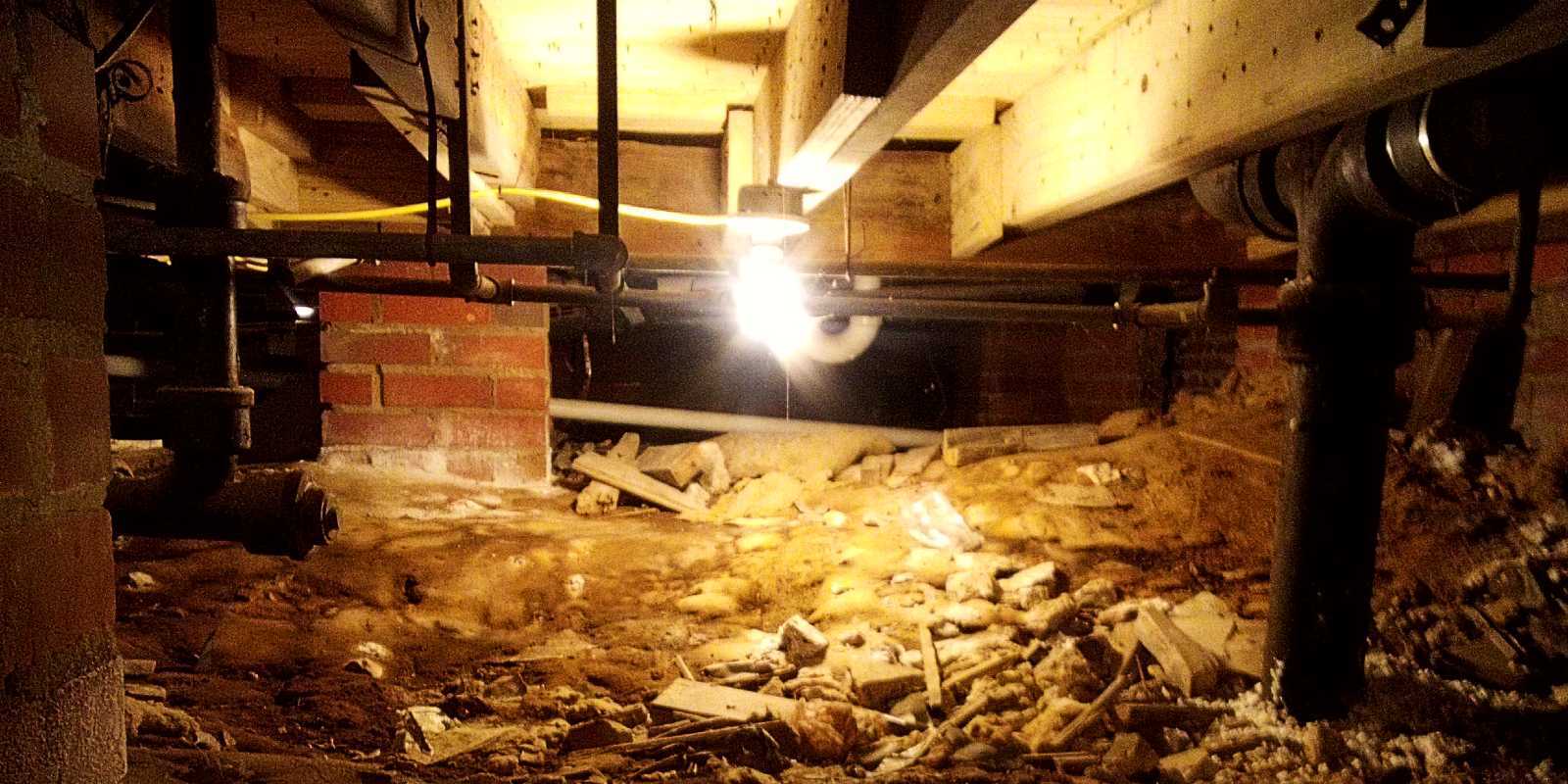
Exposed soil releases moisture |
Continuous humidity source |
|
Air leakage |
Warm indoor air escapes downward |
Adds extra moisture below the home |
All of these factors combine in spring, making crawl spaces especially vulnerable to hidden moisture problems even when everything looks normal inside the home.
Crawl Space Humidity: Is a Dehumidifier Enough?
Once homeowners realize they have a moisture issue, the next question is usually about solutions…
Can a dehumidifier fix crawl space humidity, or is something more permanent needed?
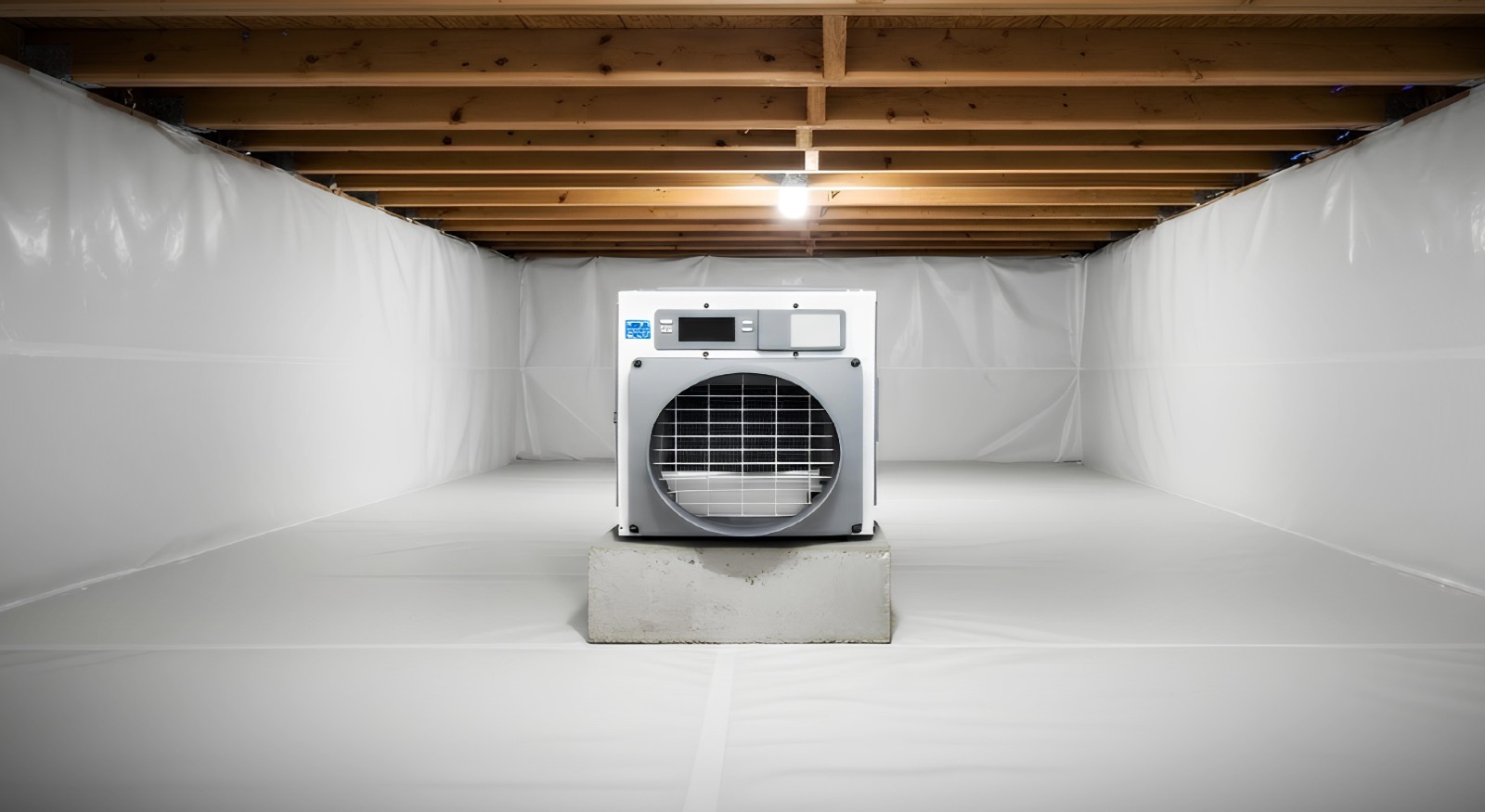
Often, a dehumidifier can help manage symptoms, but it doesn’t stop the source of the problem. Moisture can still enter from the ground, walls, and outside air.
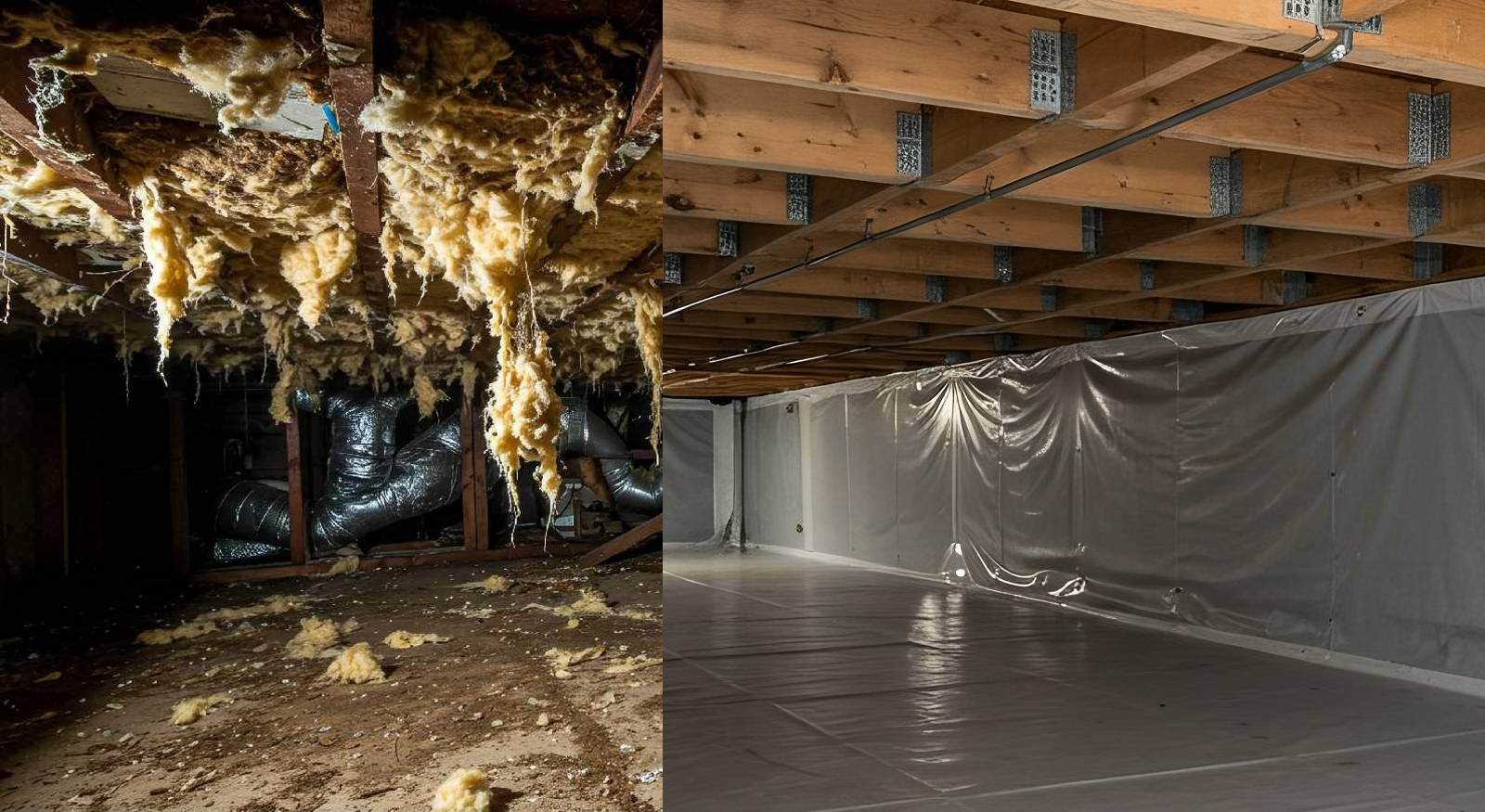
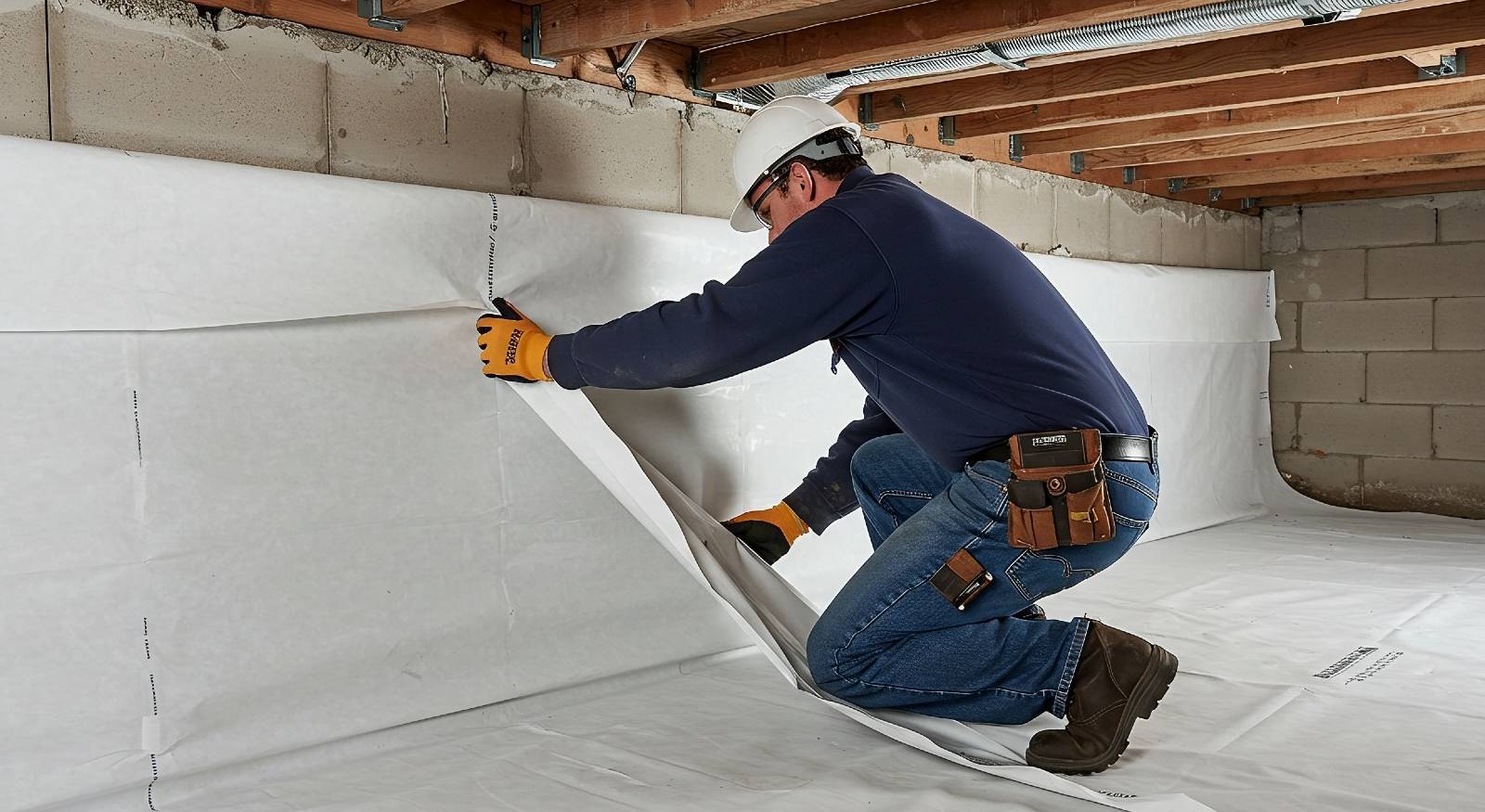
That’s why many homes require a full encapsulation system, which seals the crawl space and controls moisture at the source.
To better understand the difference between temporary control and long-term protection, you can explore this breakdown:

This comparison helps clarify whether you’re treating the symptom or solving the actual problem.
The Myths That Lead to Ongoing Crawl Space Problems
Many homeowners are given outdated or incomplete information about crawl spaces, which leads to repeated issues.
Myth 1: “Ventilation solves moisture problems.”
In reality, vents often bring in more humid air during spring and summer.
Myth 2: “Crawl space moisture only matters in summer.”
Spring is often when moisture actually starts building and causing damage.
Myth 3: “Plastic sheeting is the same as encapsulation.”
Thin plastic on the ground does not seal the entire environment or control humidity levels.
Myth 4: “If I don’t see water, there’s no problem.”
Moisture vapor can cause just as much damage as standing water over time.
Understanding these myths is important because they often delay proper repairs.
For a deeper look at common misconceptions, you can read our guide below:

Why Is Spring the Best Time to Address Crawl Space Issues?
Spring moisture problems don’t stay contained to one season. Once humidity enters your crawl space, it can:
- Promote mold growth
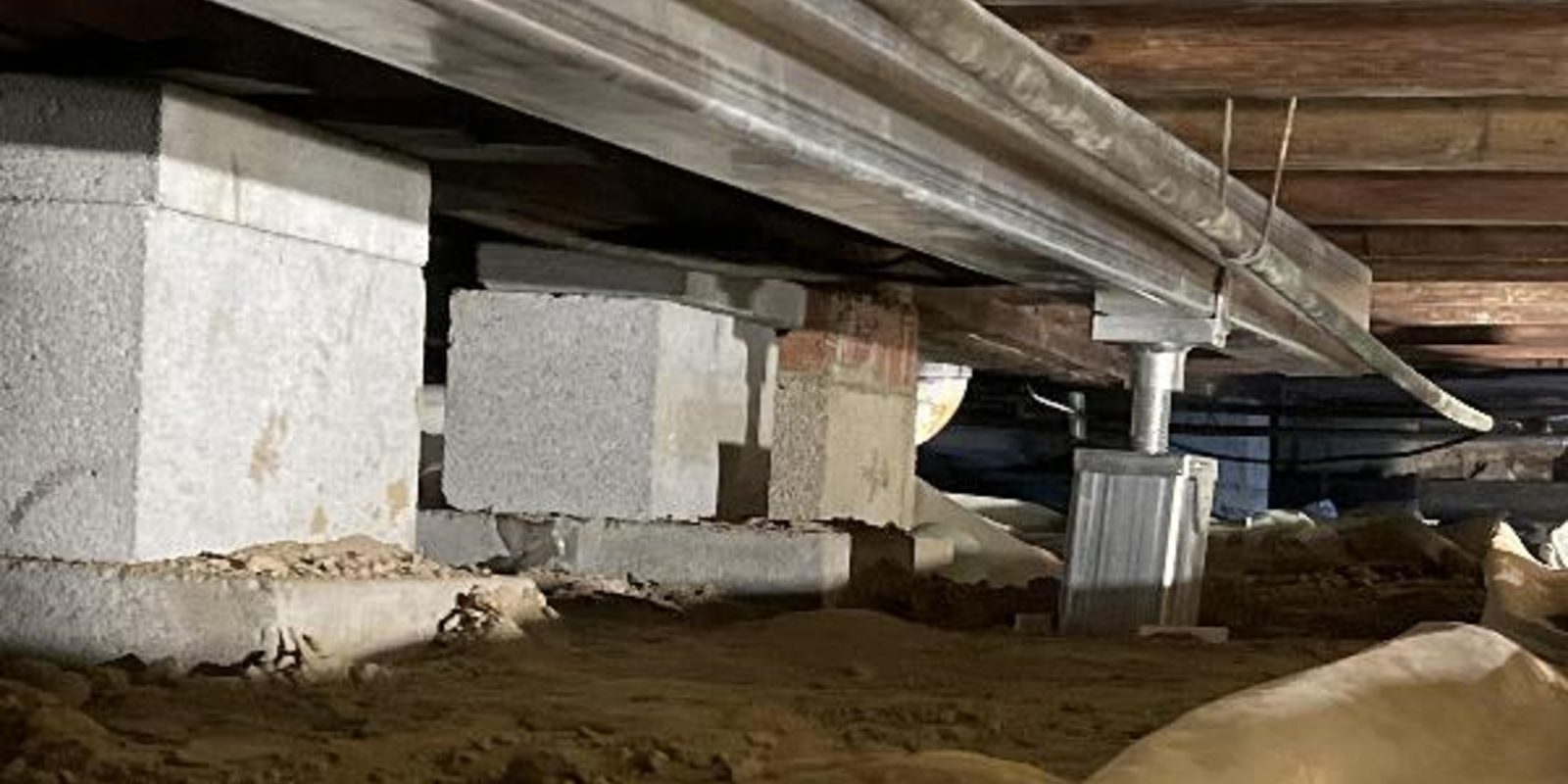
- Damage wooden structural supports
- Increase energy bills
- Reduce indoor air quality
What starts as seasonal humidity often becomes a year-round issue if left untreated.
The earlier you address it, the easier and more cost-effective the solution tends to be.
So, What’s Really Happening Under Your Home?
Crawl space moisture increases in spring because warm, humid air, wet soil, and temperature differences create condensation and trapped humidity under your home.
Even if your home looks fine inside, hidden moisture beneath it can still be building silently and affecting your structure and air quality.
Understanding what causes crawl space moisture in spring is the first step in preventing long-term damage.
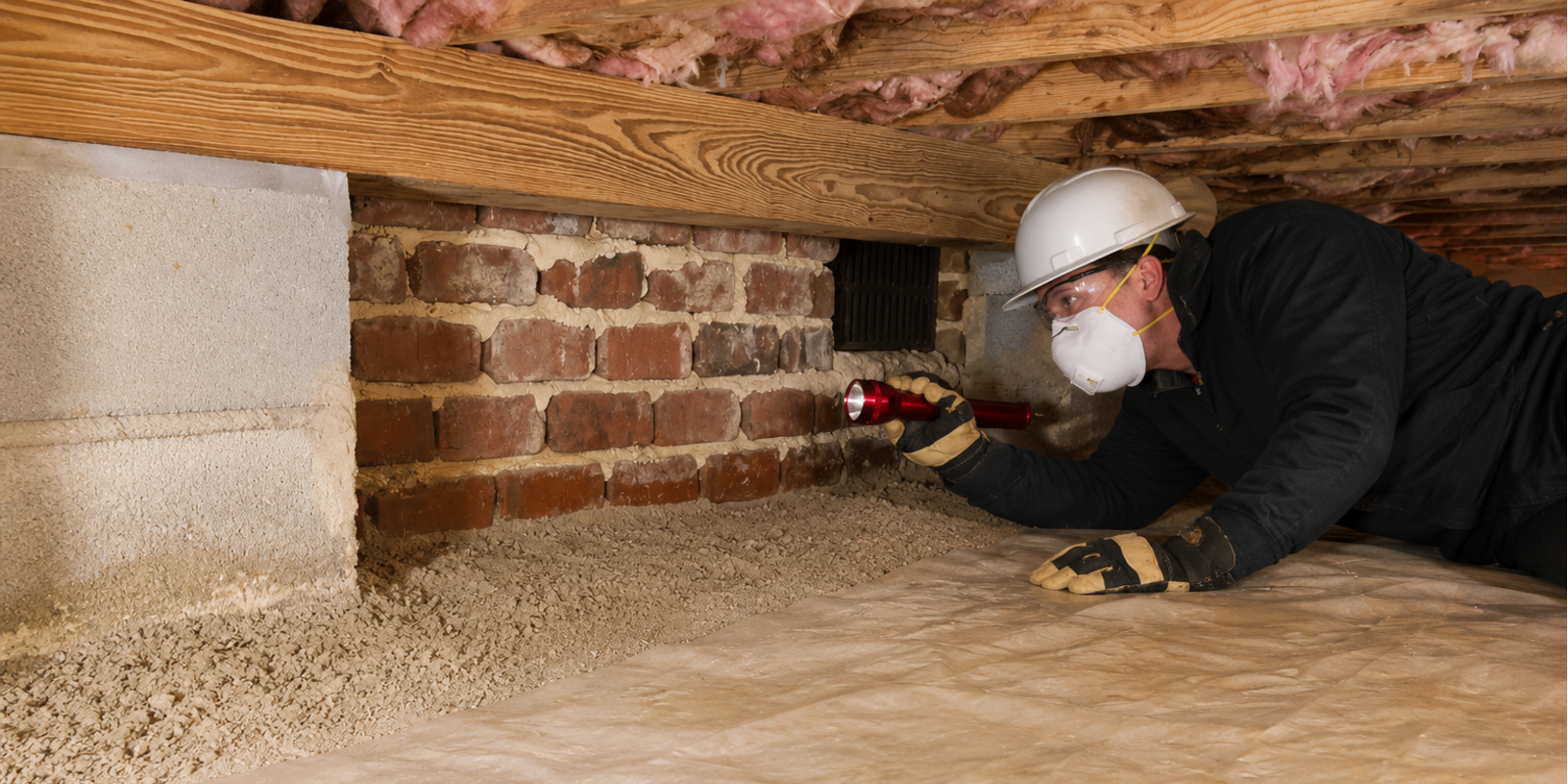
If you’re unsure what condition your crawl space is in, a professional inspection can help you identify whether moisture is starting to build before it turns into a larger issue.

At Restore-It, our certified technicians have spent over 14 years diagnosing crawl space moisture problems across South Arkansas. We help homeowners move from uncertainty to clarity by identifying the real source of the problem and recommending the right long-term solution.