
Many homeowners notice dampness, condensation, or a musty smell in their crawl space during warmer months and immediately wonder if something is wrong.
In many cases, crawl space moisture can be seasonal, especially during humid Arkansas summers. However, excess moisture can also point to underlying issues such as poor ventilation, standing water, plumbing leaks, or conditions that may eventually lead to mold growth, wood rot, or even structural damage.
At Restore-It, with over 14 years of experience, we’ve seen how crawl space moisture can quietly disrupt a home’s comfort, air quality, and long-term stability. Our goal is to help homeowners understand what they are seeing so they can make informed decisions with confidence.
So how do you know whether what you’re noticing is normal seasonal humidity or a sign of a more serious problem?
This guide will walk you through:
- When crawl space moisture is considered normal
- Why crawl spaces often feel damp in summer
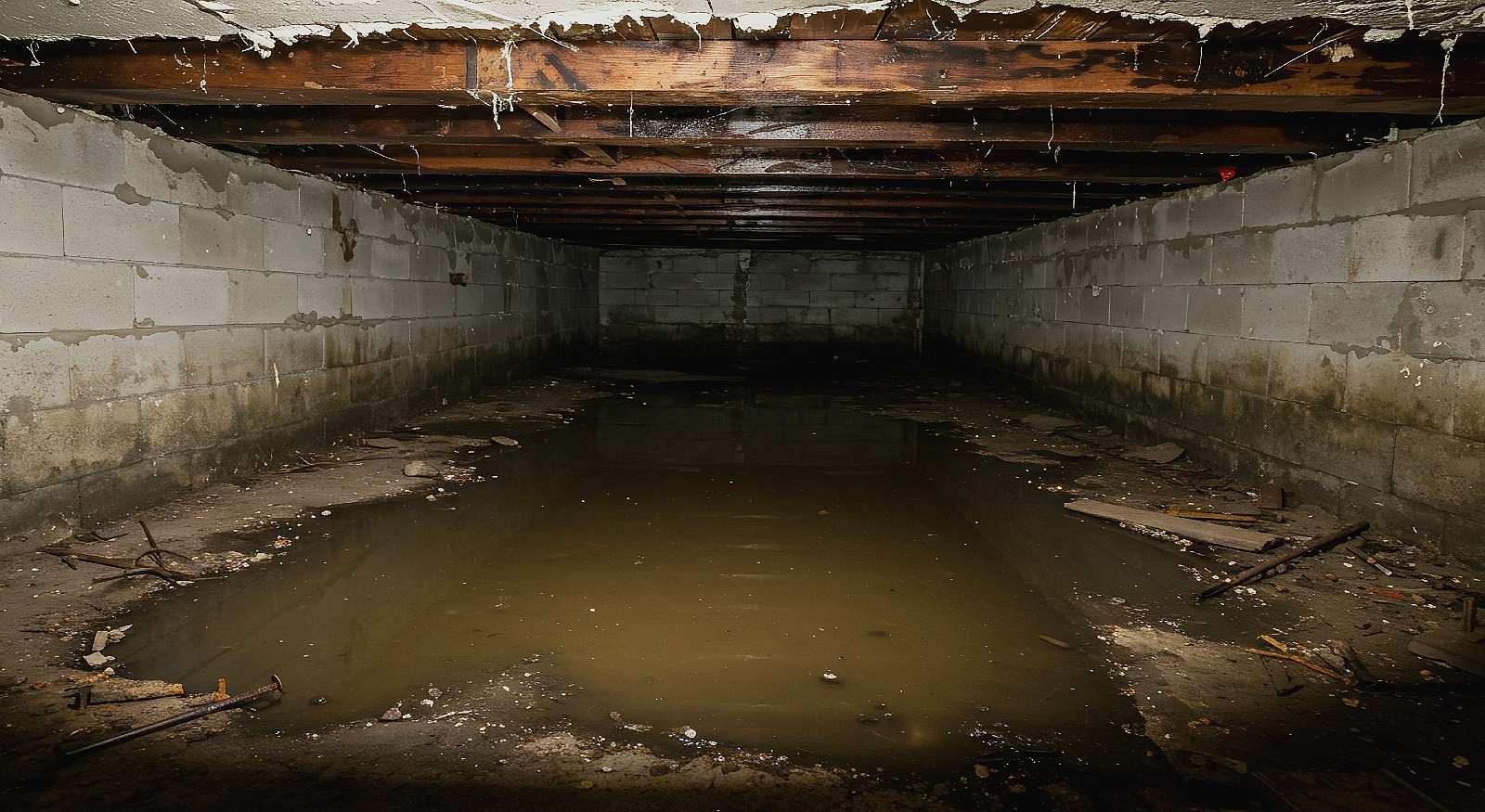
- Warning signs that moisture may be causing damage
- When it’s time to call a professional
Normal vs Concerning Moisture in a Crawl Space
Some moisture in a crawl space is normal, especially during periods of high humidity or heavy rain. Because crawl spaces sit below ground level, they naturally collect moisture from humid outdoor air, rainwater runoff, ground evaporation, and temperature changes that create condensation.
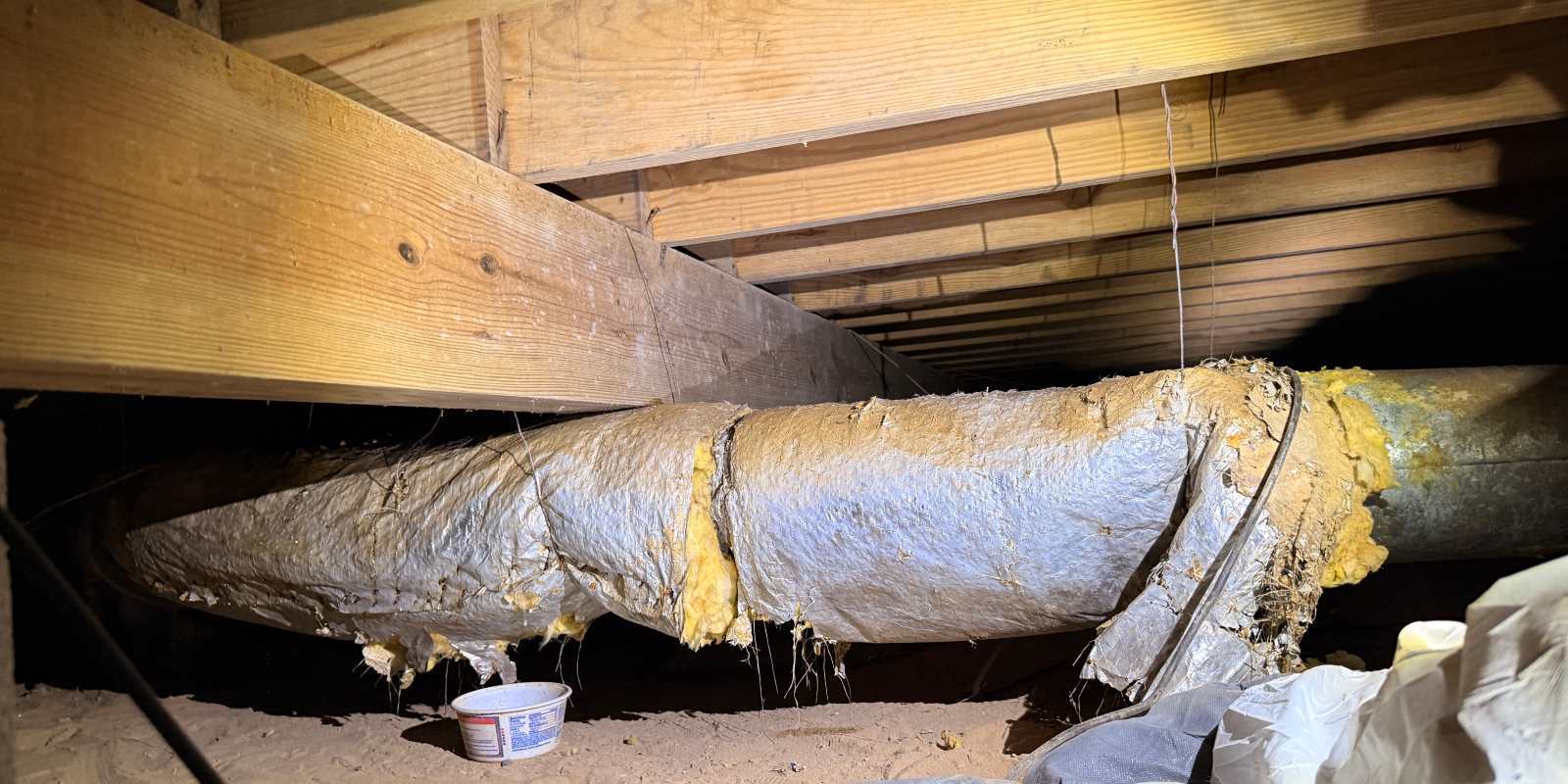
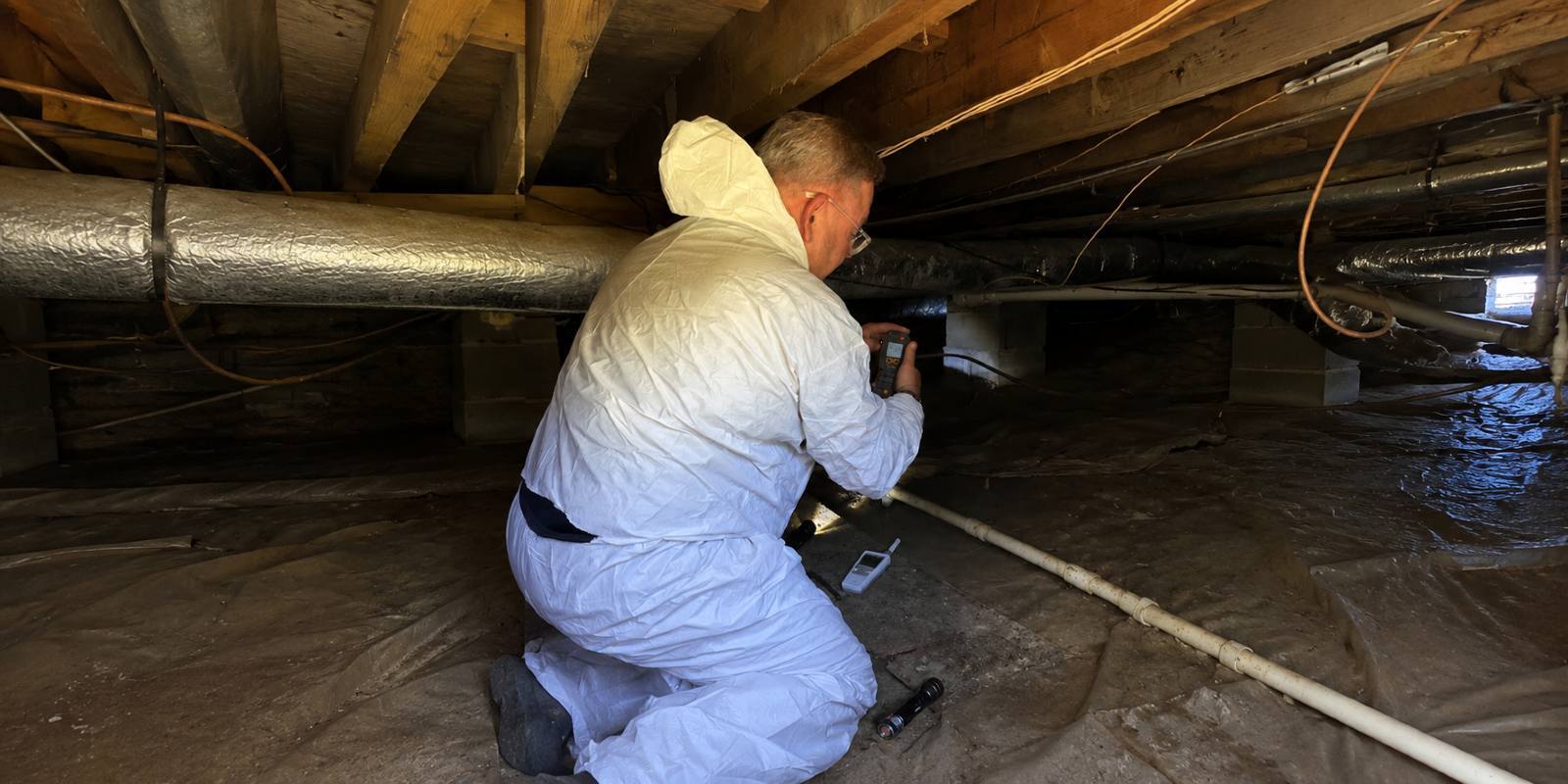
During summer, warm, humid air often condenses on cooler surfaces like pipes, ductwork, and wood framing, making dampness more noticeable.
However, there is a difference between temporary seasonal moisture and a developing moisture problem. Moisture that lingers, worsens over time, produces musty odors, or leads to visible mold or wood damage should not be ignored.
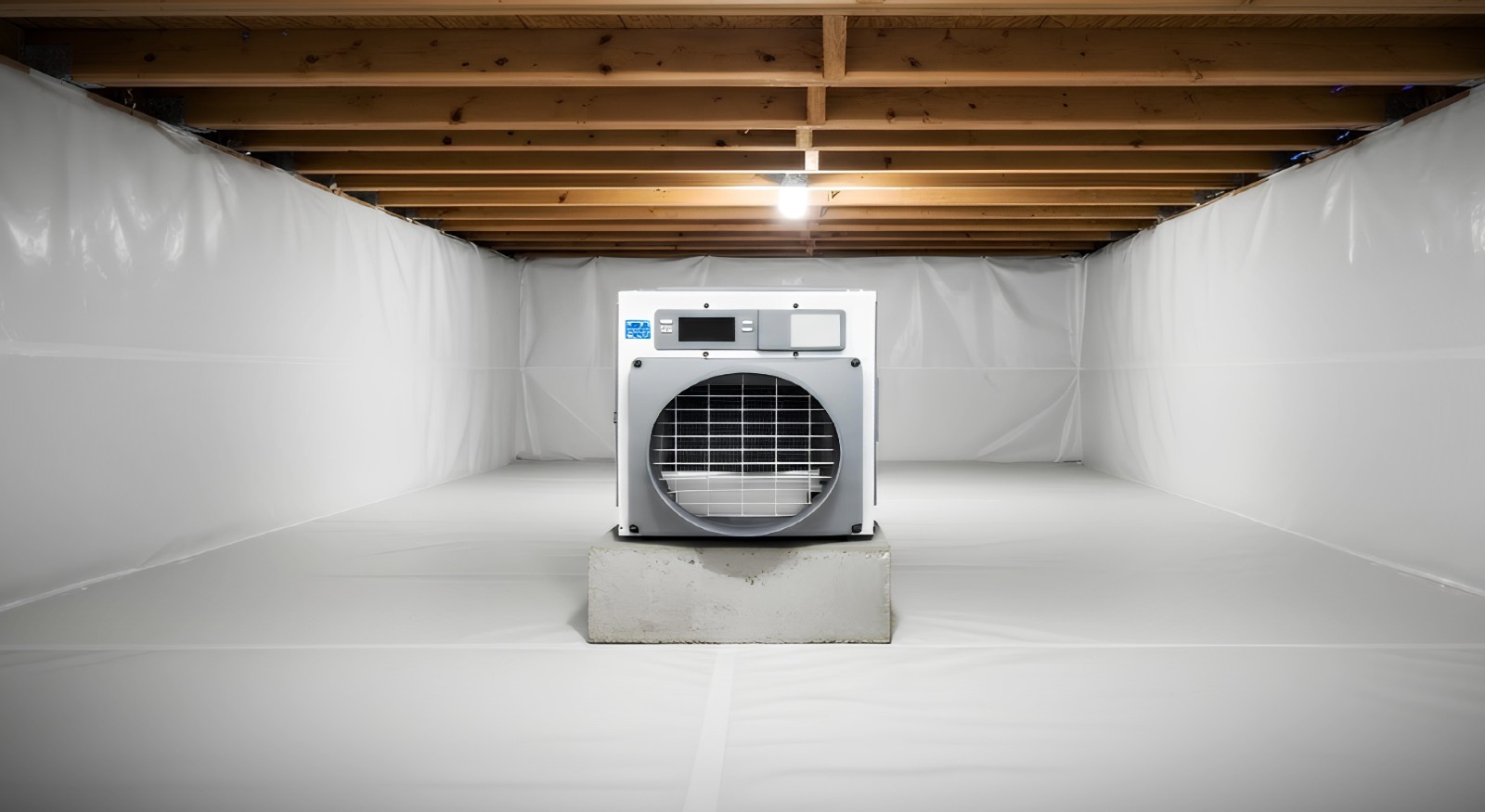
Industry sources like Crawlspace Ninja note that uncontrolled humidity is one of the leading causes of crawl space problems. Because of this, many professionals rely on dehumidifiers to maintain stable humidity levels and help prevent long-term moisture damage.
Why Is My Crawl Space Damp in Summer?
Summer is one of the most common times for crawl space moisture issues to appear in Southern Arkansas. Warm air naturally holds more humidity, and when that humid air enters a cooler crawl space, condensation can quickly form on wood framing, ductwork, pipes, and other surfaces. This is why many homeowners notice dampness, musty odors, or condensation during hotter months, even if no major structural issue is immediately visible.
Common Causes of Summer Crawl Space Moisture
|
Cause |
How It Contributes |
What It Usually Means |
|
Poor ventilation |
Traps humid outdoor air inside |
Can be seasonal or design-related |
|
Missing vapor barrier |
Moisture rises from exposed soil |
Often indicates a moisture control issue |
|
Heavy rainfall |
Water collects near the foundation |
May point to drainage problems |
|
Plumbing condensation |
Cold pipes sweat in humid weather |
Usually localized but persistent |
|
HVAC duct condensation |
Cool ductwork attracts moisture |
May signal insulation or sealing issues |
Summer moisture is not always an emergency, but recurring dampness should not be ignored. Crawlspace Ninja notes that moisture often builds up behind vapor barriers due to groundwater seepage, poor installation gaps, humid air condensation, plumbing leaks, foundation cracks, or heavy rain entering through vents and drainage areas.
In many cases, short-term dampness is seasonal. However, when moisture becomes persistent or begins affecting wood, insulation, or indoor air quality, it usually points to a crawl space system that is no longer managing humidity effectively.
So what happens if excess humidity continues unchecked for months or even years? Understanding the long-term effects can help homeowners recognize when seasonal moisture may be turning into a larger crawl space problem. Learn more about it below!

How Do I Know If Crawl Space Moisture Is Serious?
The biggest difference between seasonal humidity and a real moisture problem is persistence and damage.
If moisture remains trapped in the crawl space for long periods, it can begin affecting materials beneath your home.
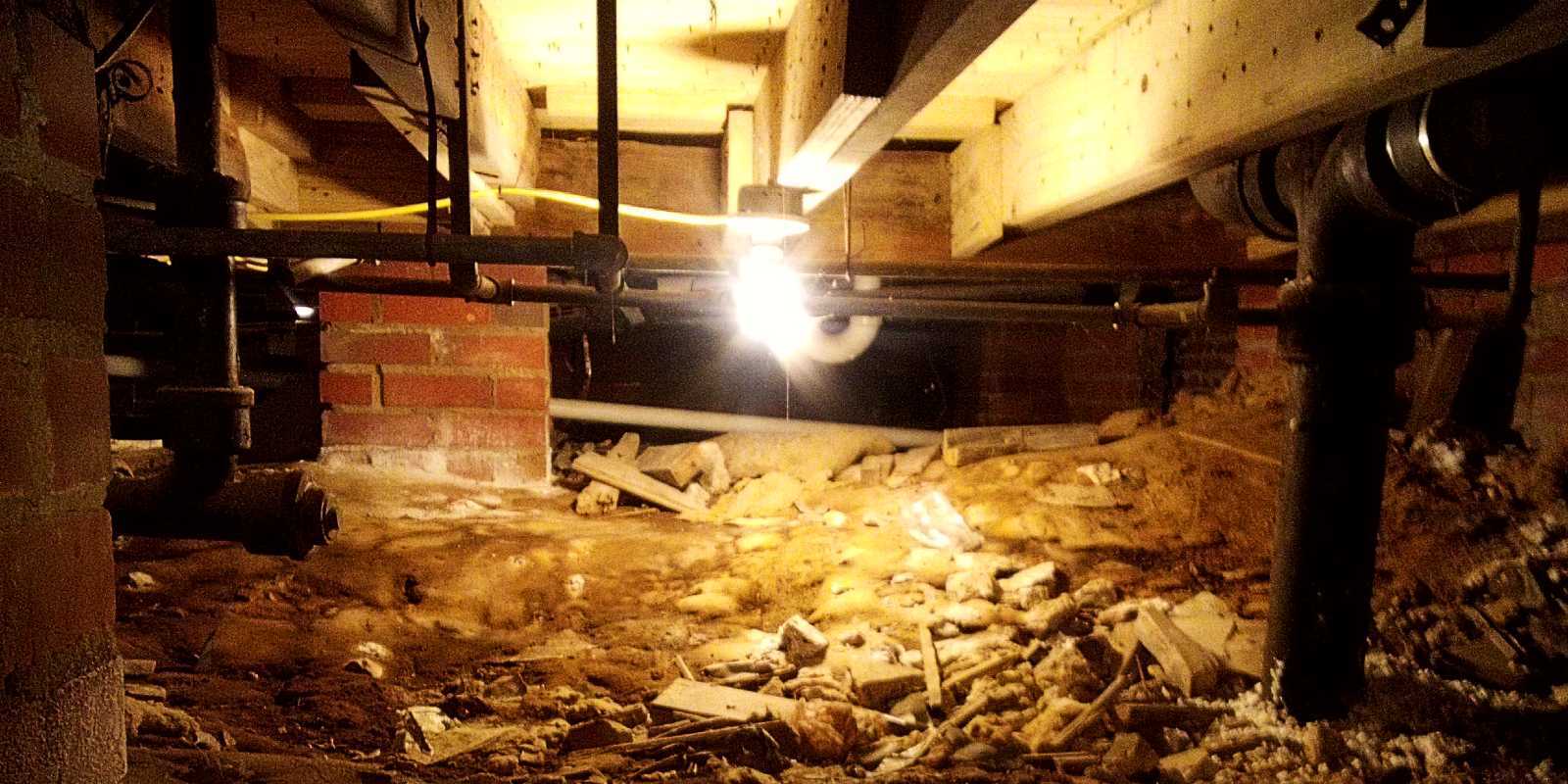
Warning Signs You Shouldn’t Ignore
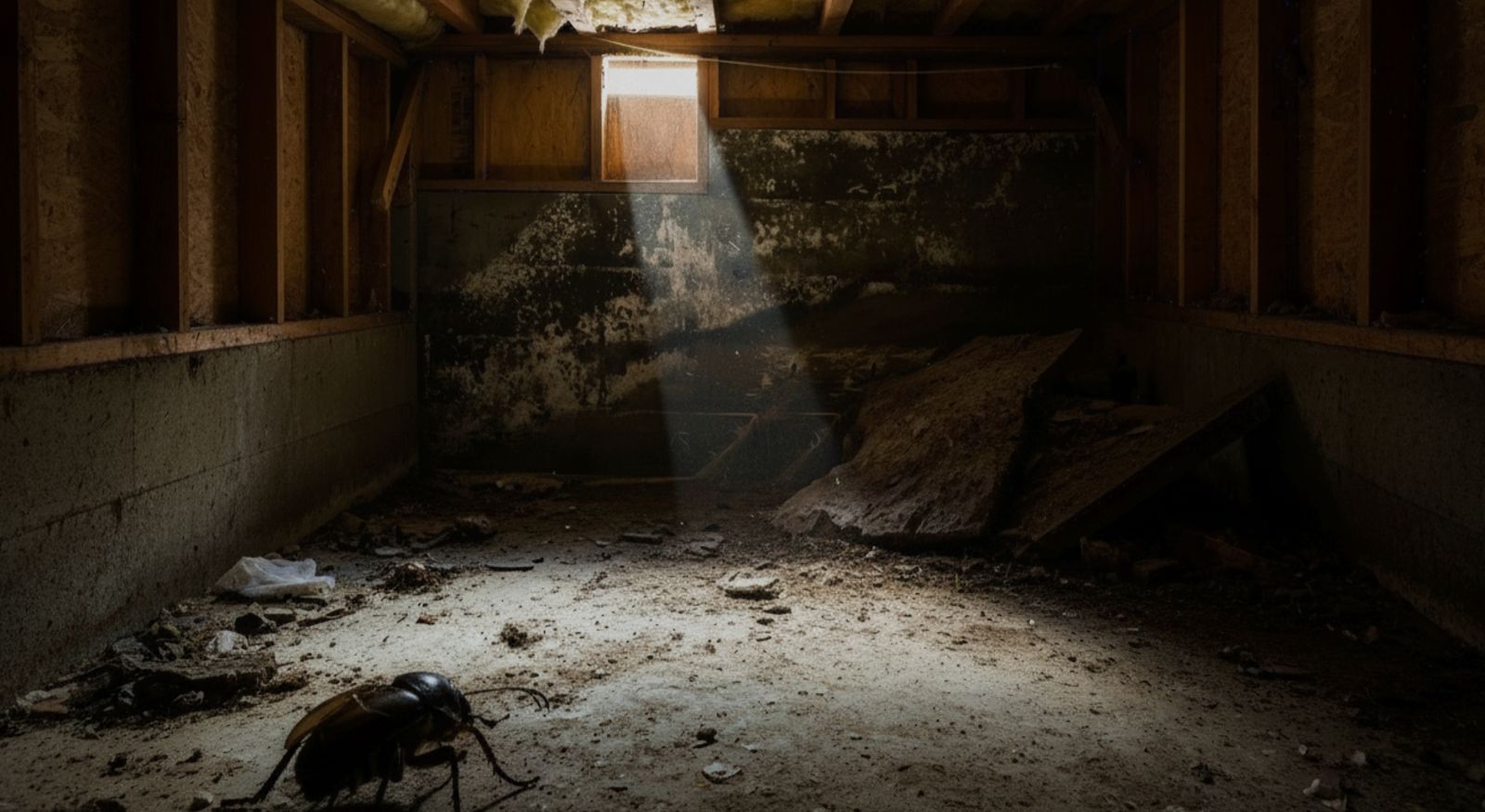
- Persistent musty odors inside the home
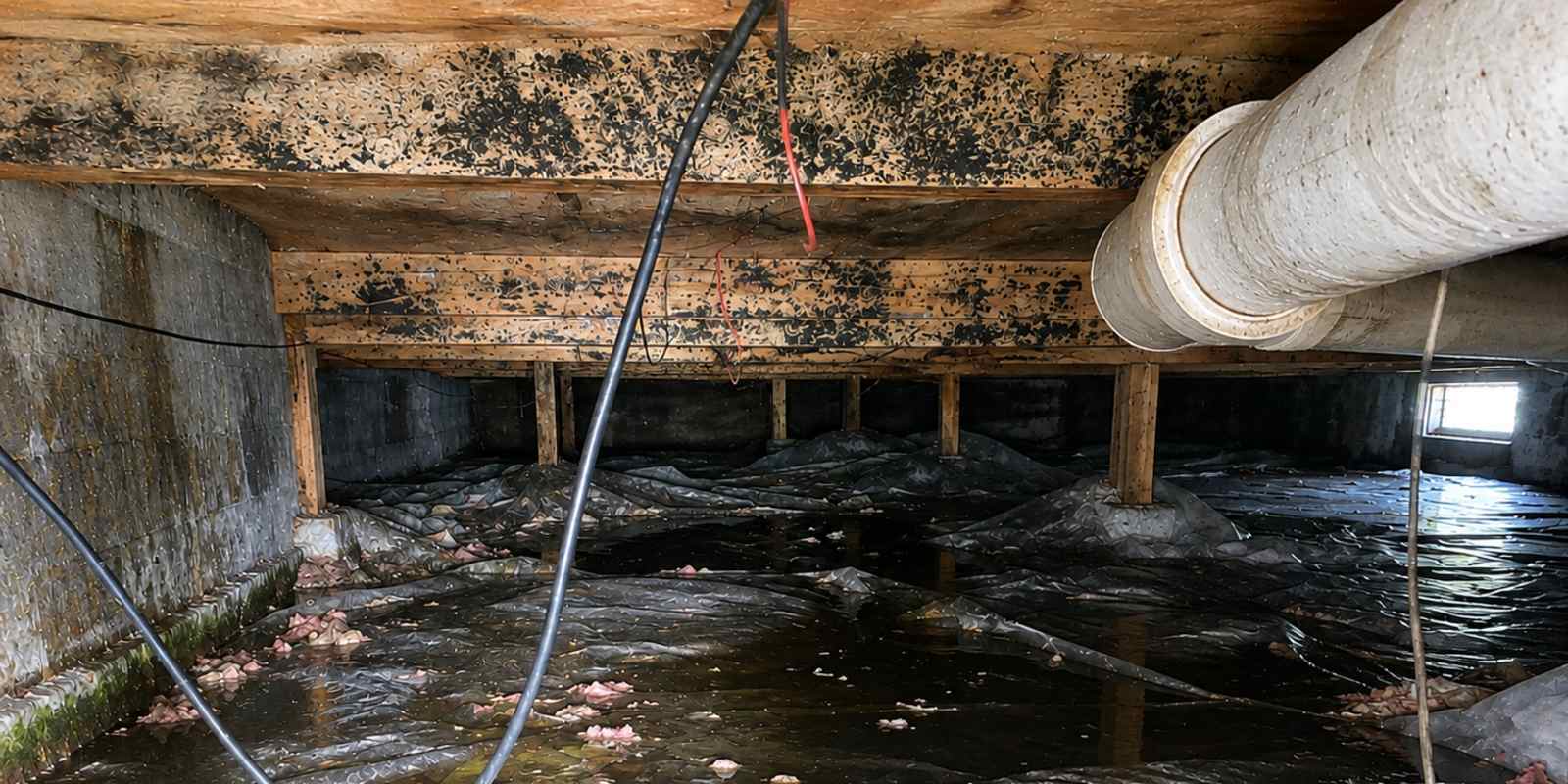
- Visible mold growth on wood or insulation
- Standing water or muddy areas
- Sagging or soft floors above the crawl space
- Condensation covering pipes or ductwork
- High indoor humidity levels
- Increased allergy-like symptoms indoors
Seasonal Moisture vs. Serious Moisture Problem
|
Seasonal Humidity |
Serious Moisture Problem |
|
Appears mainly during humid weather |
Remains present for long periods |
|
Minor condensation |
Standing water or soaked materials |
|
No visible damage |
Mold, rot, or structural deterioration |
|
Temporary damp smell |
Strong, persistent, musty odors |
|
Improves as the weather changes |
Continues getting worse over time |
If you notice multiple warning signs at once, it may be time for a professional crawl space inspection.
What’s at Stake if Crawl Space Moisture Is Ignored?
Untreated crawl space moisture can gradually affect homes throughout Southern Arkansas. Excess moisture beneath a home can lead to:
Foundation Damage
Long-term moisture exposure can weaken wooden supports and contribute to structural instability.
Poor Indoor Air Quality
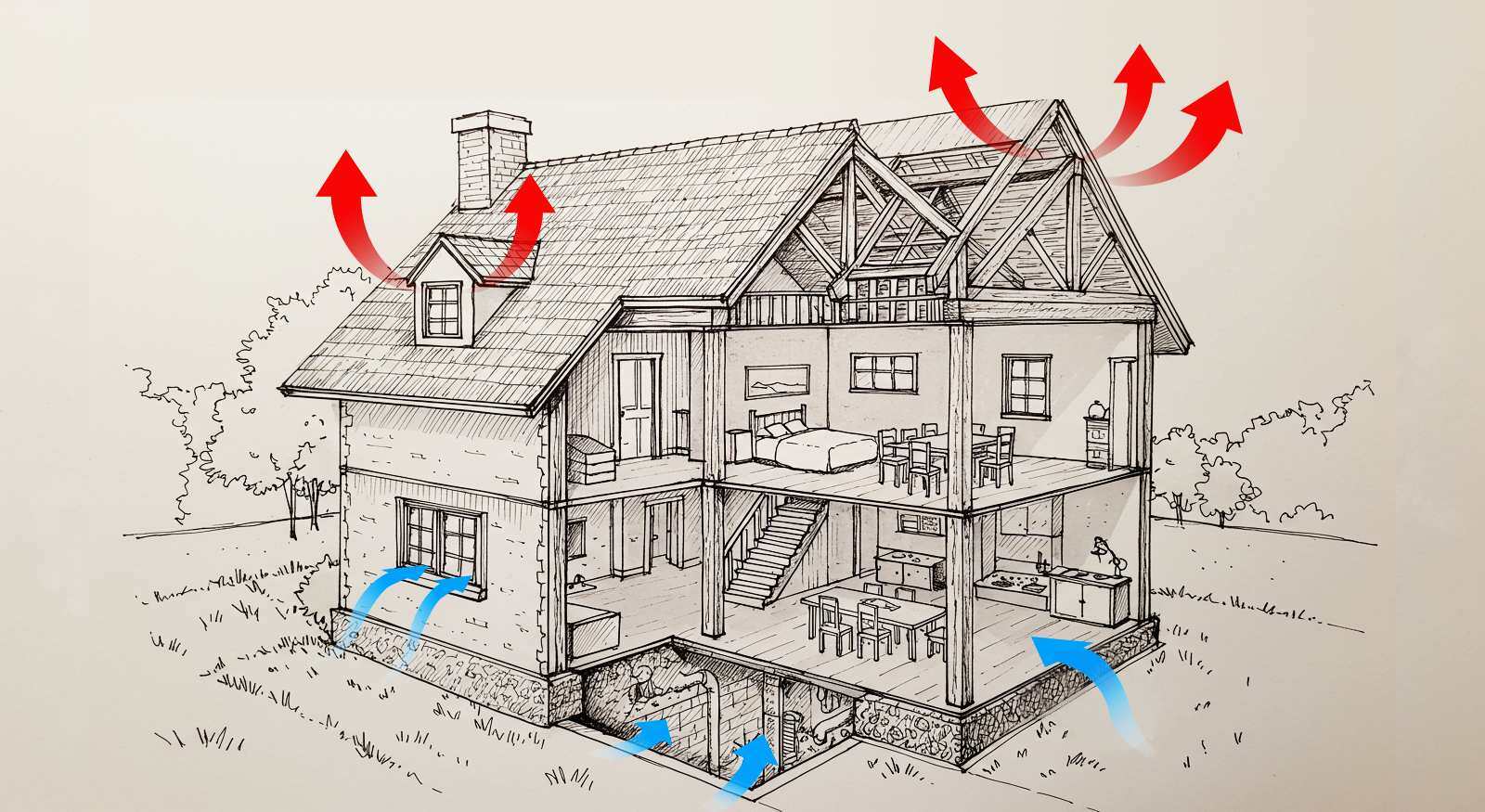
Air from the crawl space can move upward into the home, carrying moisture, odors, and potential contaminants with it.
Higher Energy Costs
Moisture and humidity can make HVAC systems work harder to maintain indoor temperatures.
When Should You Call a Professional?
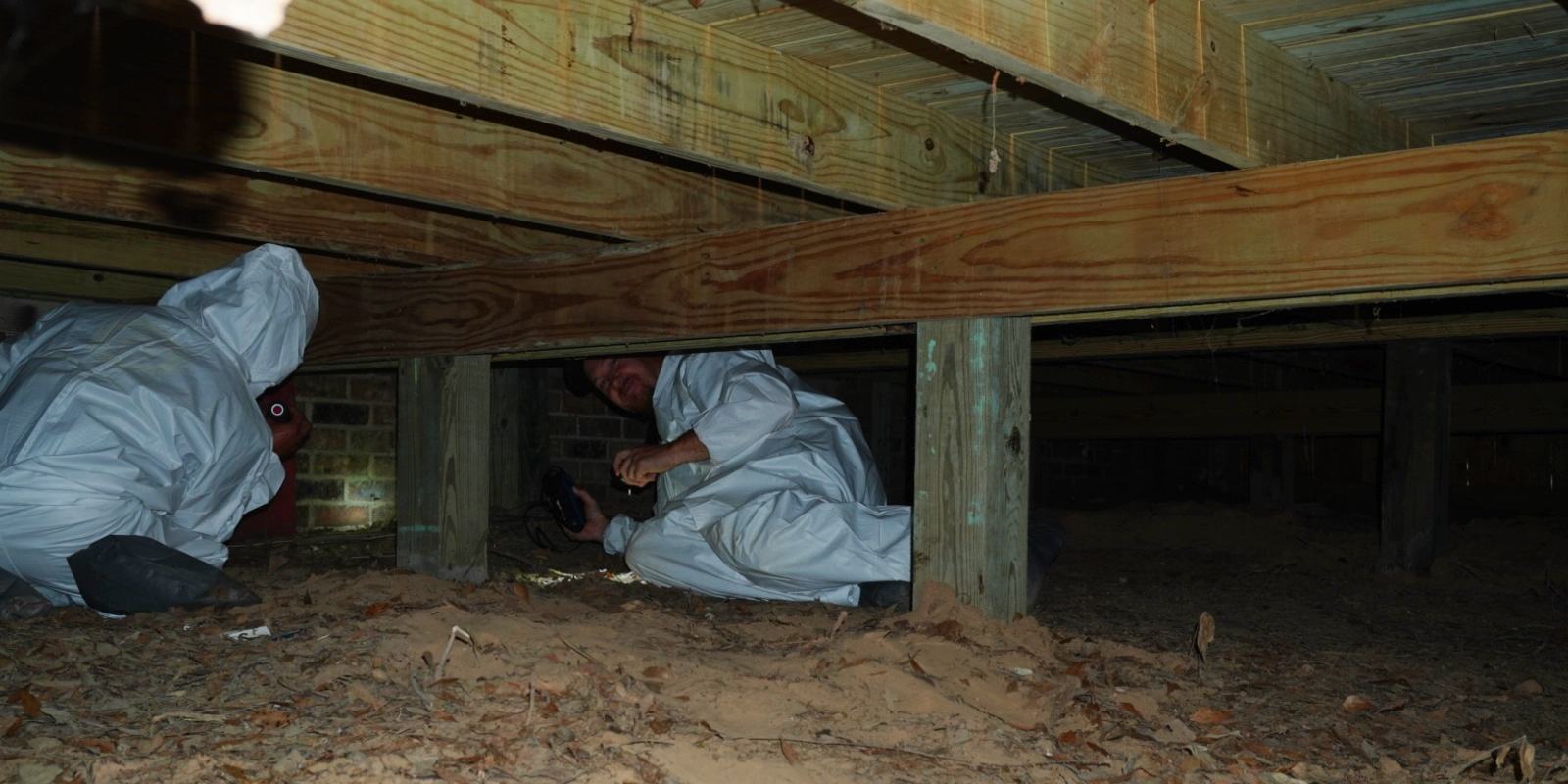
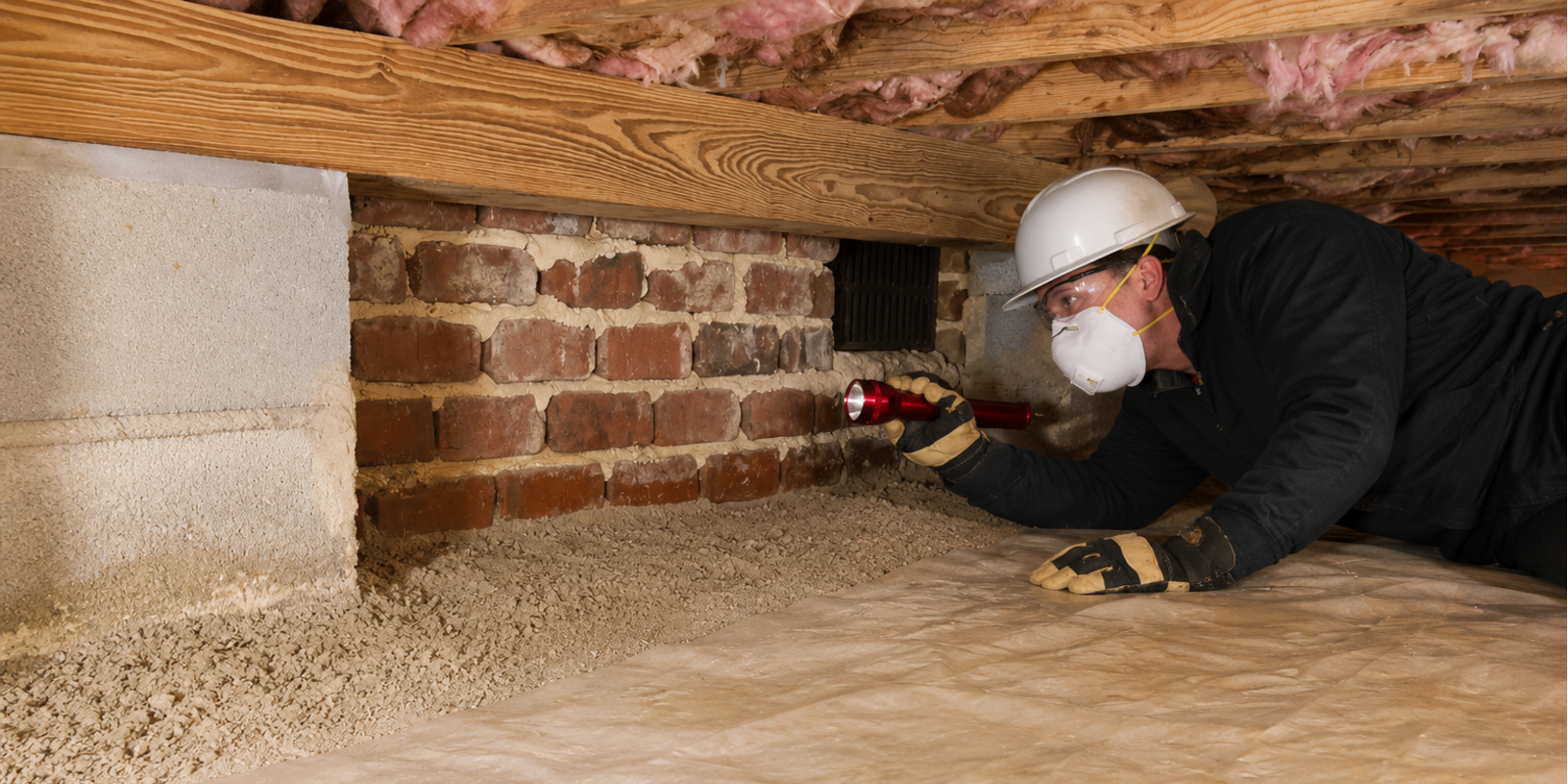
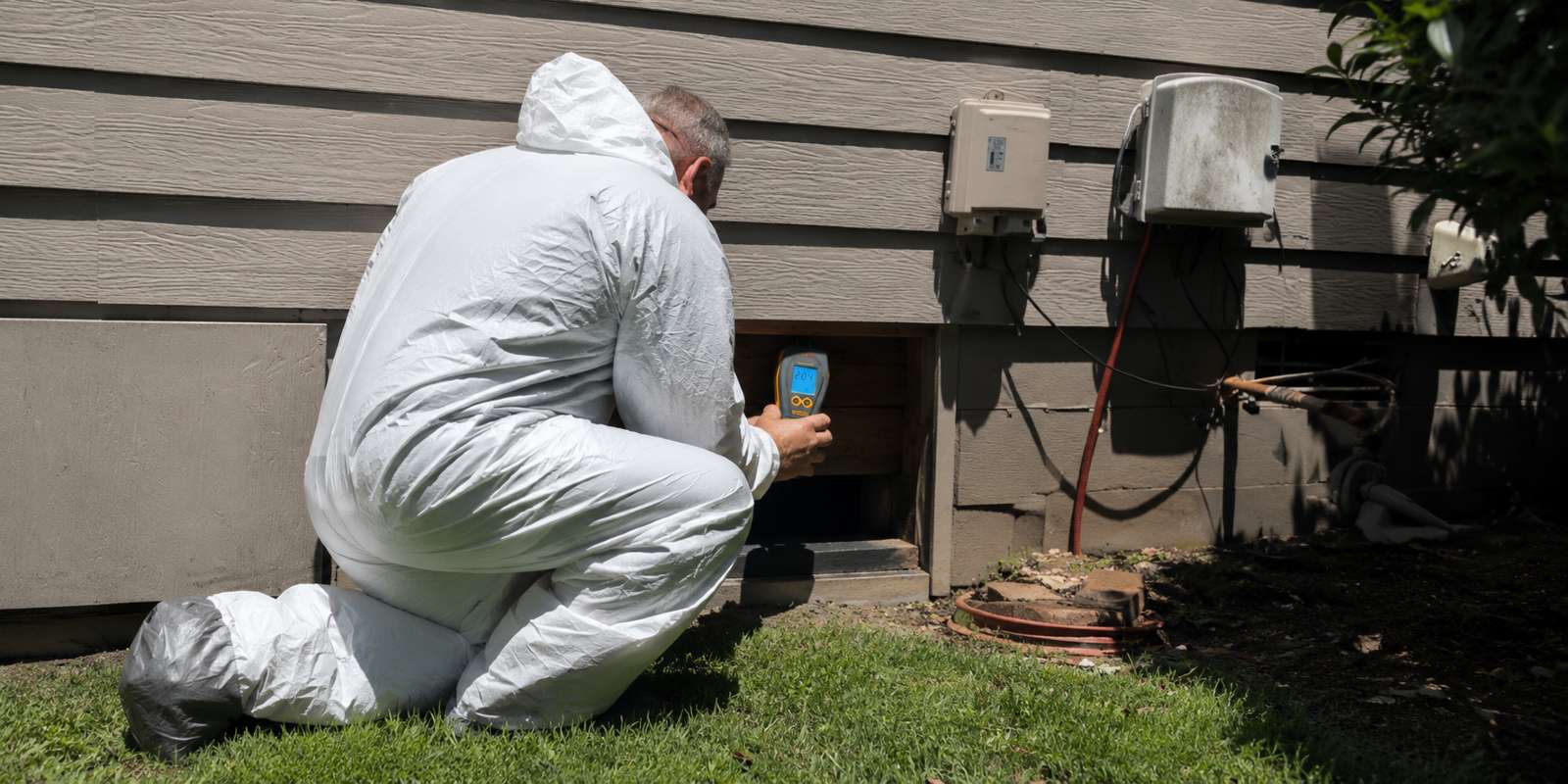
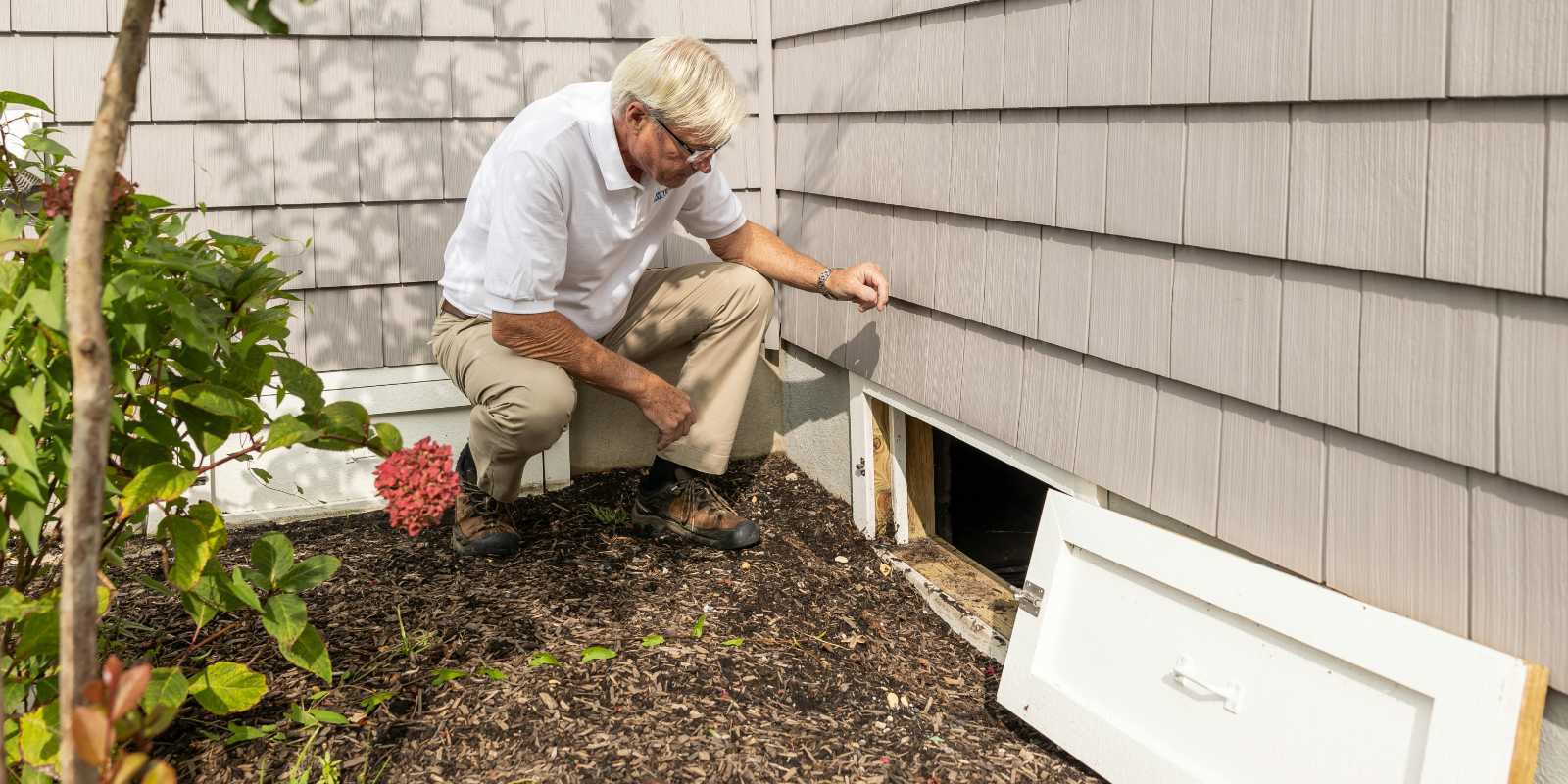
If crawl space moisture keeps returning or you notice signs of damage, it’s a good idea to schedule an inspection.
A restoration or moisture professional can help identify:
- Whether moisture is seasonal or excessive
- Hidden mold growth
- Water intrusion sources
- Drainage or ventilation issues
- Recommended solutions like vapor barriers, dehumidification, or repairs
Addressing moisture early can help prevent larger structural repairs and indoor air quality problems later.
To better understand how these solutions compare and learn the key differences, benefits, and long-term considerations of each approach, continue reading our guide below:

When Can Crawl Space Encapsulation Help?
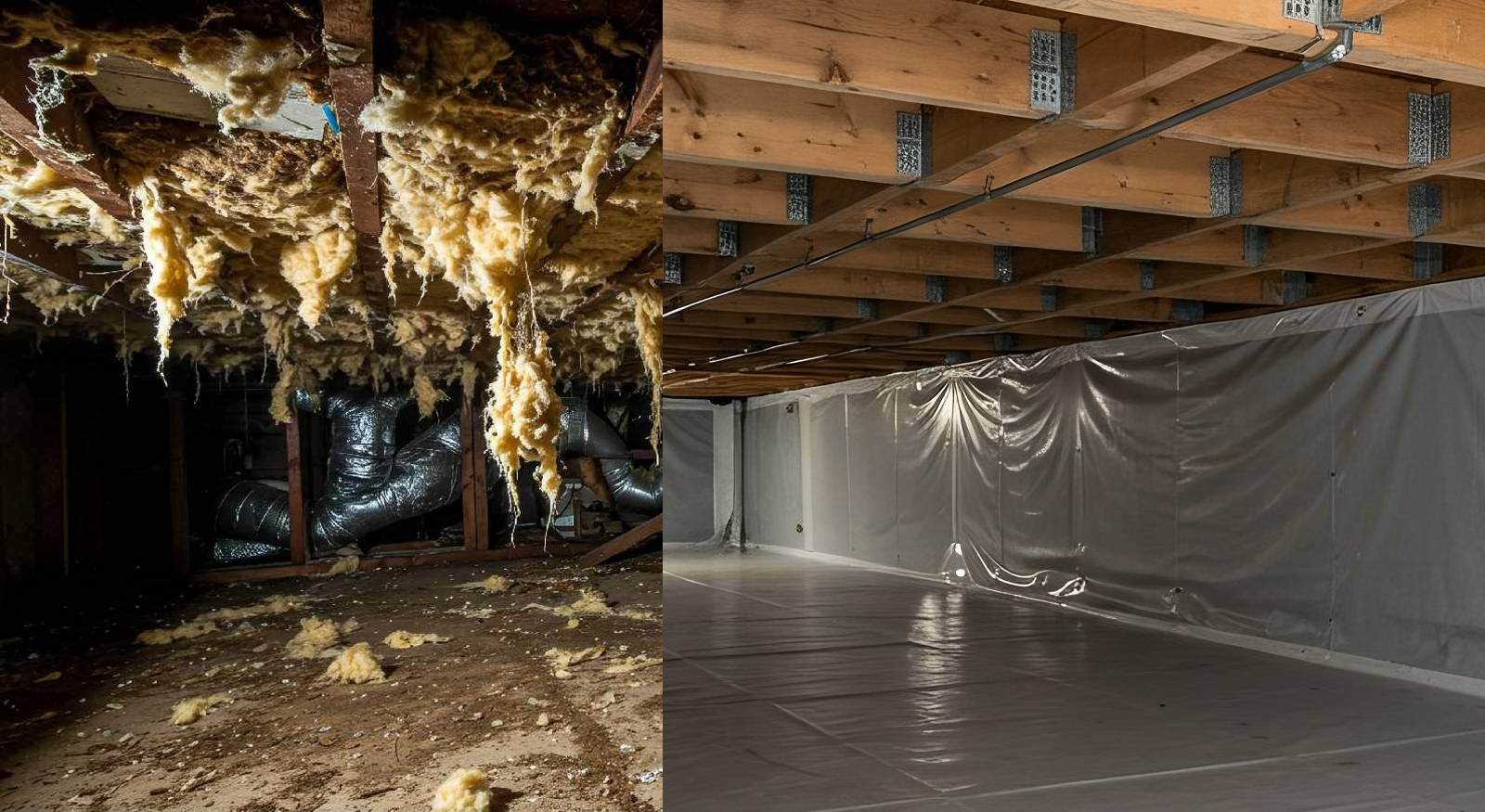
If moisture problems keep returning, crawl space encapsulation may help create a drier and more controlled environment beneath your home.
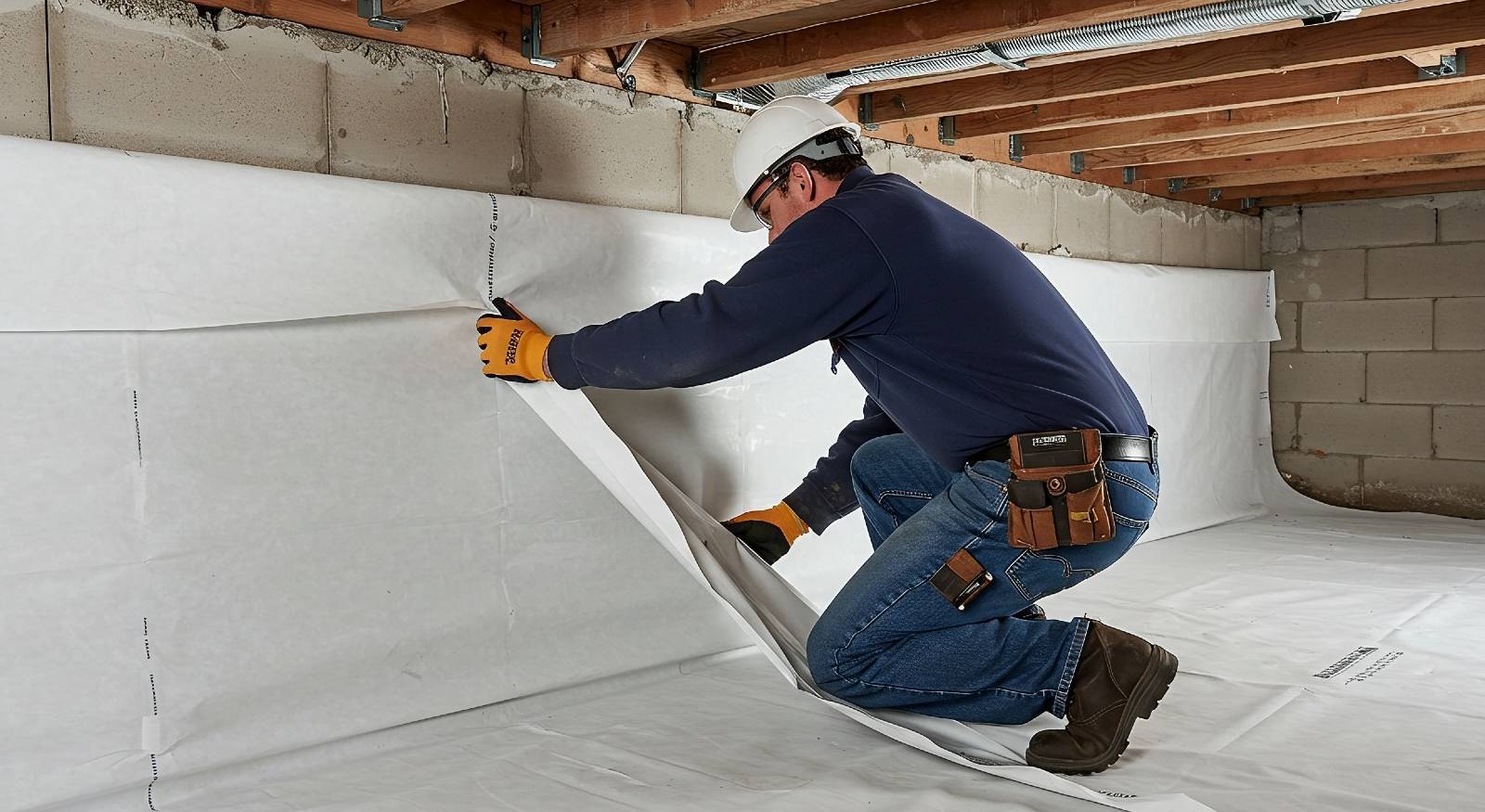
Encapsulation typically involves:
- Installing a vapor barrier
- Sealing vents and gaps
- Managing humidity levels
- Improving moisture control beneath the structure
For many homeowners, encapsulation can help:
- Reduce moisture buildup
- Improve indoor comfort
- Protect structural materials
- Support healthier indoor air quality
- Improve energy efficiency
How to Tell Seasonal Humidity From a Serious Problem
Some crawl space moisture is normal during humid months, especially in summer. In many cases, this is just seasonal humidity that comes and goes without causing damage.
But if moisture becomes persistent, leads to standing water, causes musty odors, or results in visible damage, it may indicate a more serious crawl space issue.
If you’re noticing consistent dampness, odors, or signs of water under your home, Restore-It can help inspect your crawl space to determine the cause and recommend next steps.

Knowing the difference between seasonal humidity and ongoing crawl space moisture problems helps homeowners avoid costly structural damage and indoor air quality issues.
When crawl space moisture goes beyond normal seasonal conditions, the next step is learning how to properly protect your home with crawl space encapsulation.