
Did your electric bill suddenly increase?
If so, you're probably trying to figure out what changed. Maybe your HVAC system seems to be running more often than usual. Maybe your home feels more humid than it did last year. Or perhaps you've noticed higher utility bills without a clear explanation.
When that happens, most homeowners look at their thermostat, air conditioner, or insulation first. Few think about the crawl space beneath their home.
However, excess moisture in a crawl space can affect more than the area under your floors. It may contribute to higher indoor humidity levels, reduce insulation performance, and place additional demands on your HVAC system.
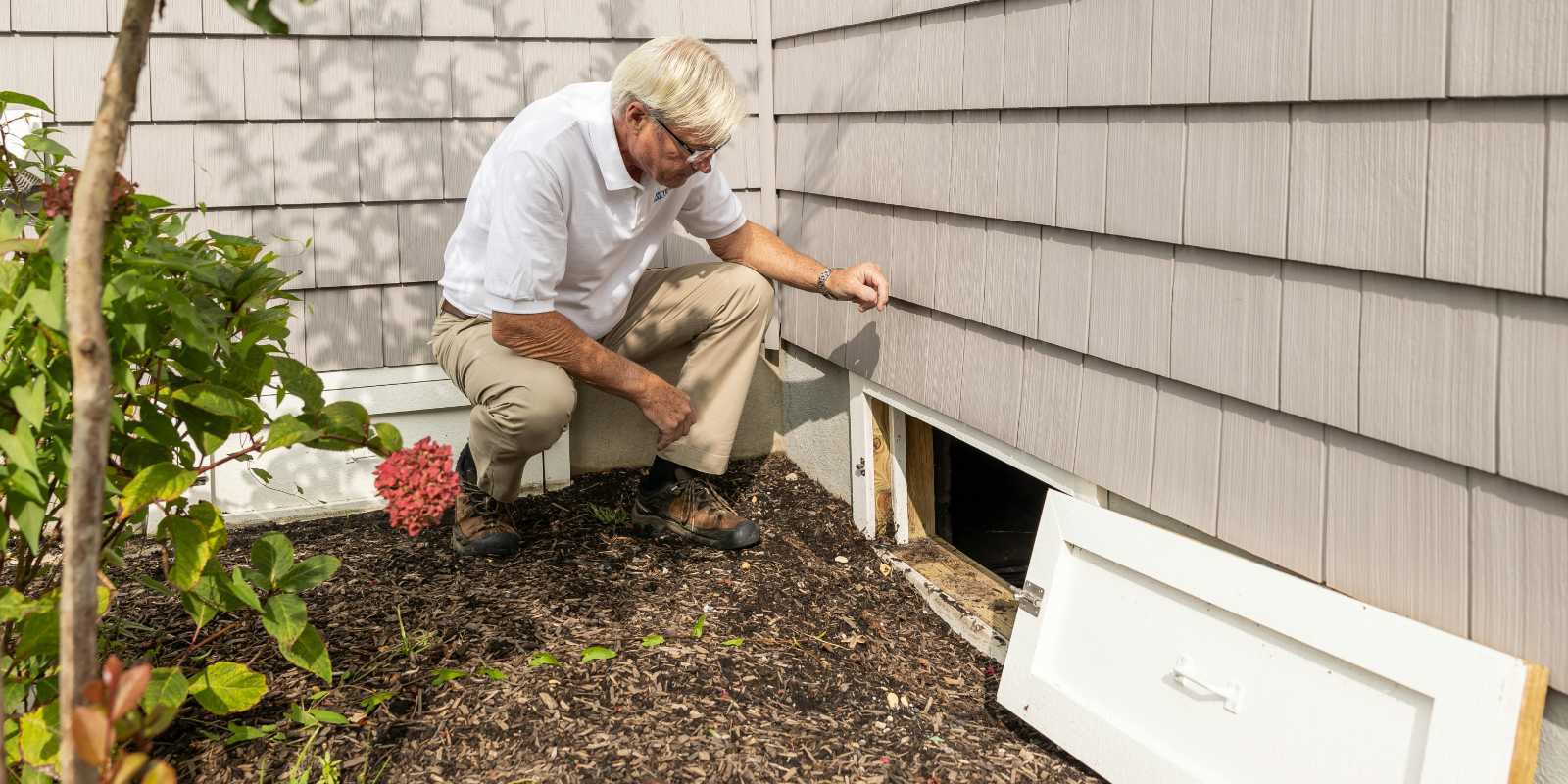
For more than 14 years, Restore-It has helped homeowners throughout El Dorado and South Arkansas address crawl space concerns before they develop into larger problems. What many people don't realize is that crawl space moisture can affect both the comfort of their home and the efficiency of the systems they rely on every day.
In this article, we’ll explore how moisture beneath your floors can influence your home's energy efficiency and the warning signs that may indicate a crawl space problem.
By the end, you’ll understand why addressing excess moisture early can help protect both your property and your monthly budget.
How a Wet Crawl Space Affects Your Home's Energy Efficiency
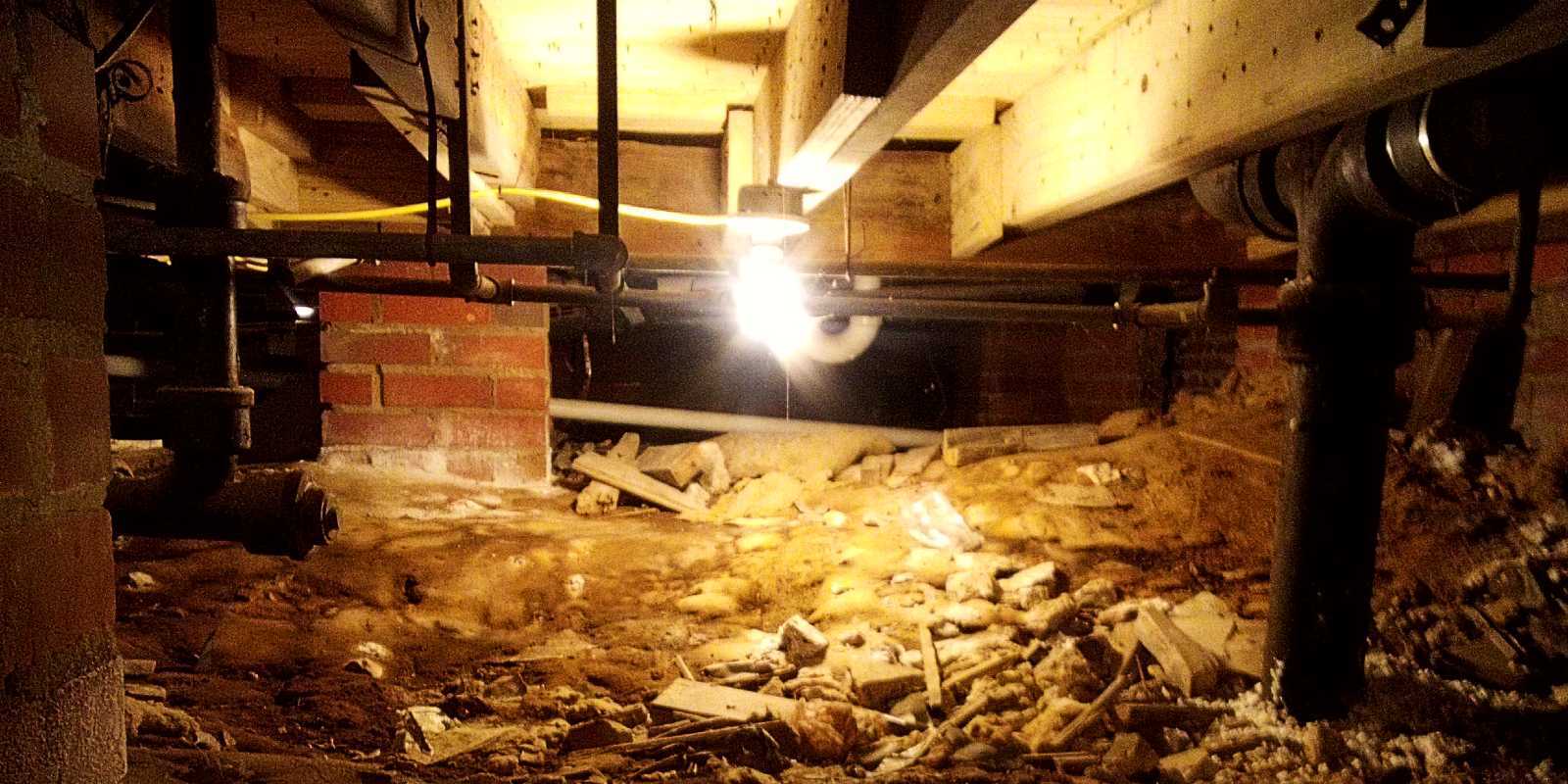
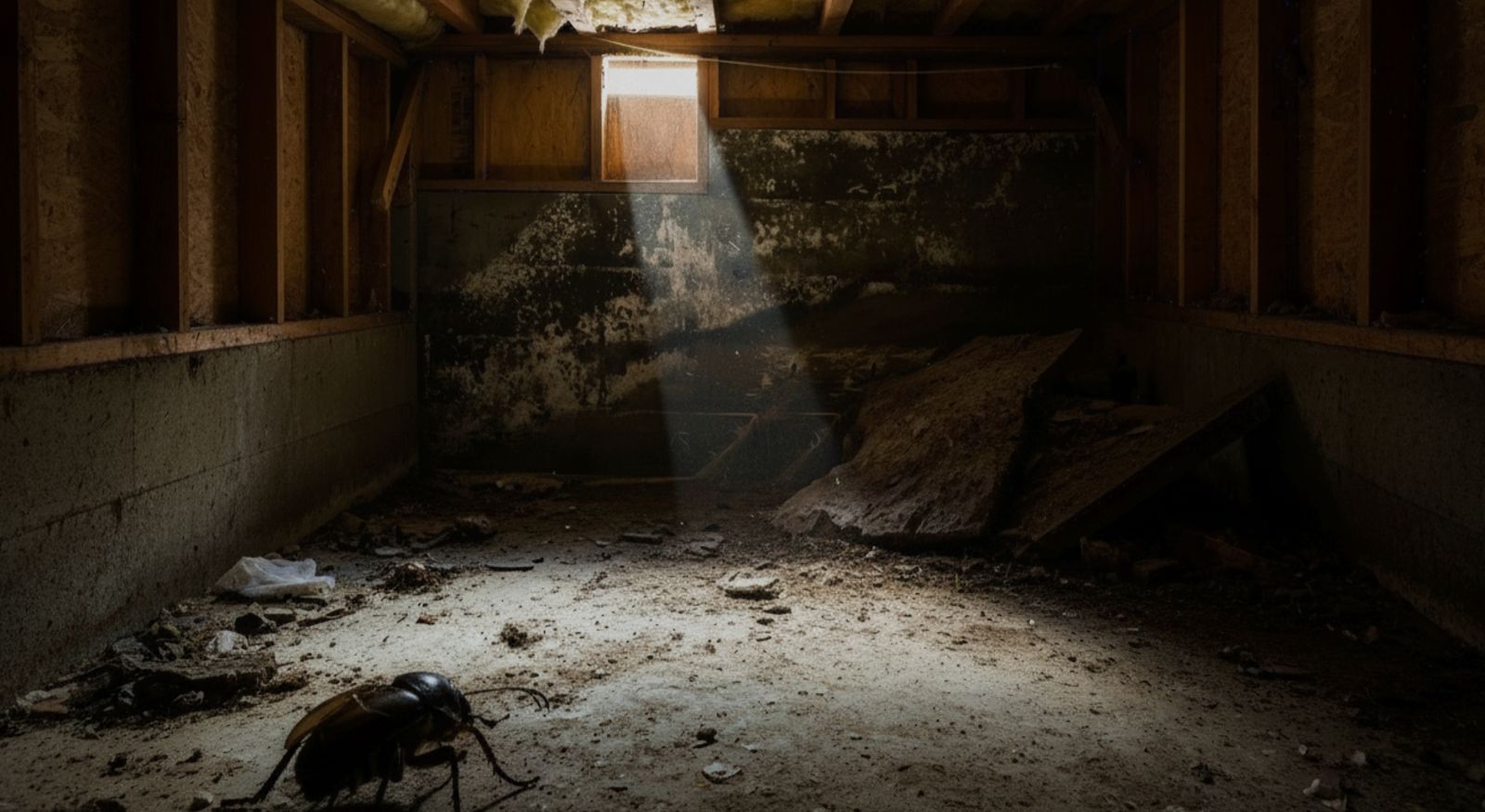
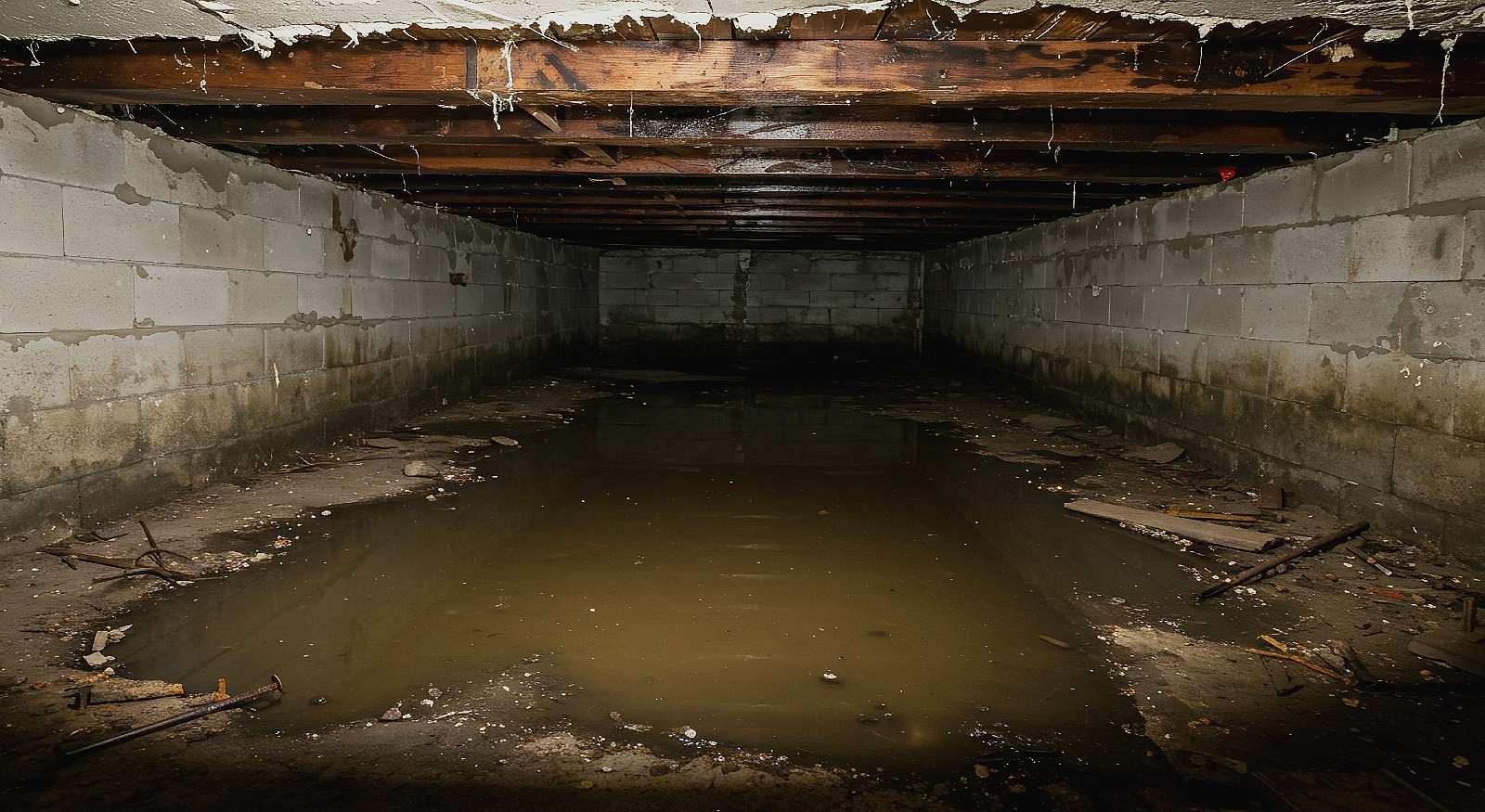
Many homeowners are surprised to learn that conditions beneath the home can affect comfort and energy use upstairs. In homes with vented or unprotected crawl spaces, moisture can enter through the soil, foundation vents, or small water intrusions. Once that moisture accumulates, it doesn't always stay below the floor.
|
Crawl Space Problem |
Possible Effect |
|
Excess moisture enters the crawl space |
Humidity levels increase |
|
Moist air moves upward through the home |
Indoor comfort decreases |
|
HVAC system works harder to remove moisture |
Cooling demand increases |
|
Damp insulation performs less effectively |
Heat transfer becomes easier |
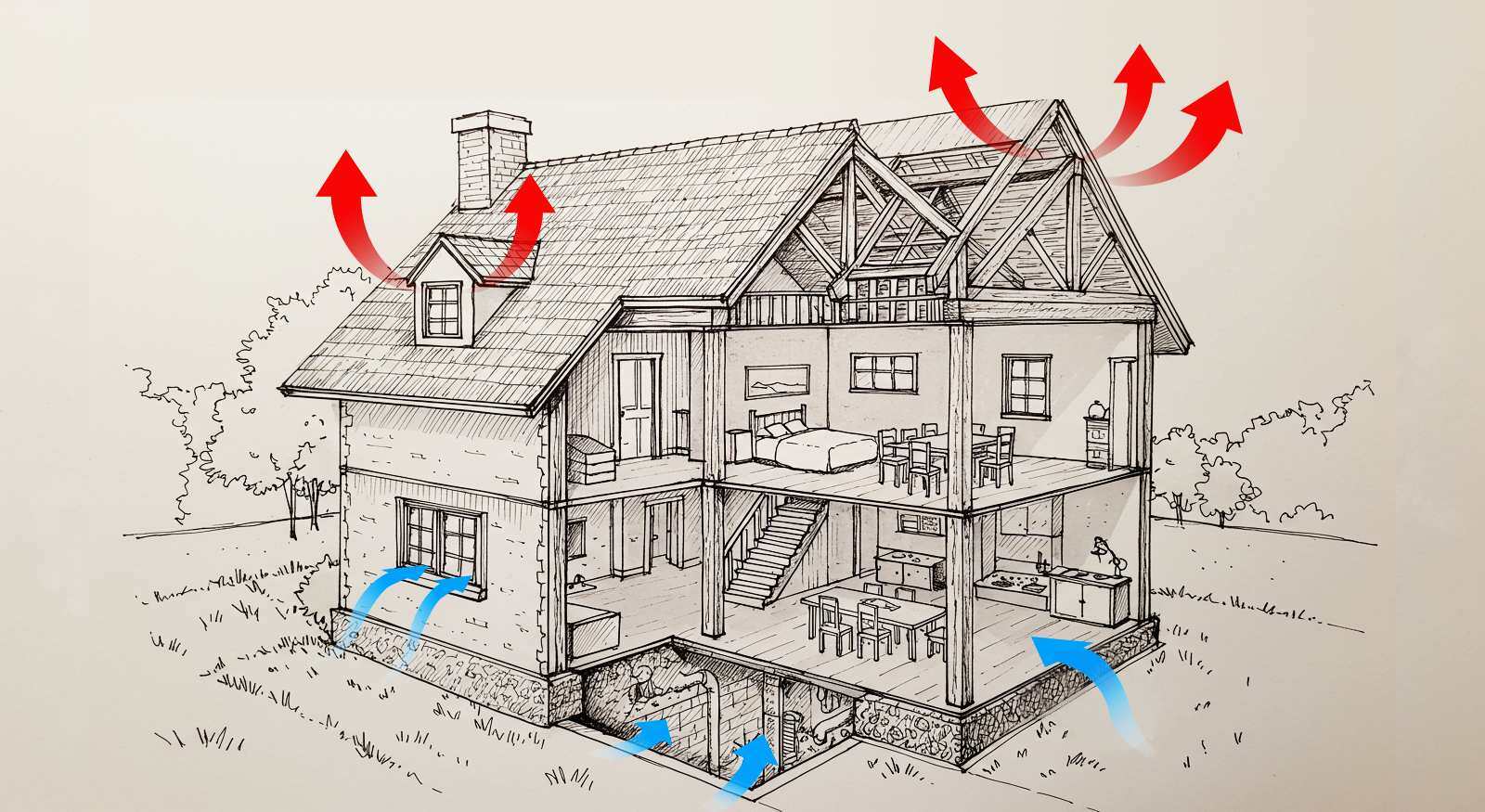
As air naturally moves through a home, moisture from the crawl space can migrate into living areas through a process known as the stack effect. Warm air rises and escapes through the upper portions of the home, drawing replacement air upward from lower areas, including the crawl space. This movement can introduce excess humidity into the home's indoor environment.
When indoor humidity rises, rooms often feel warmer and less comfortable, which can lead homeowners to run their air conditioning systems more frequently. At the same time, insulation exposed to moisture may become less effective at slowing heat transfer, further increasing demand on HVAC equipment.
 Your HVAC System May Have to Work Harder
Higher indoor humidity can make rooms feel warmer than they actually are. As a result, your air conditioning system may need to run longer to maintain comfortable conditions.
According to Energy Star, energy-efficient HVAC systems can help reduce energy consumption and utility costs. However, when indoor humidity rises due to excess moisture, cooling equipment may need to work harder to maintain comfort, reducing overall efficiency.
Signs Crawl Space Moisture May Be Increasing Your Utility Bills
Humidity and HVAC-related signs
- Rising electric bills without major lifestyle changes
- Air conditioner running longer than usual
- Rooms that feel warmer or more humid than others
- Indoor air that feels sticky even when thermostat settings are normal
Visible or physical signs
- Condensation on windows
- Musty odors after rainstorms
- Floors that feel damp or unusually cool
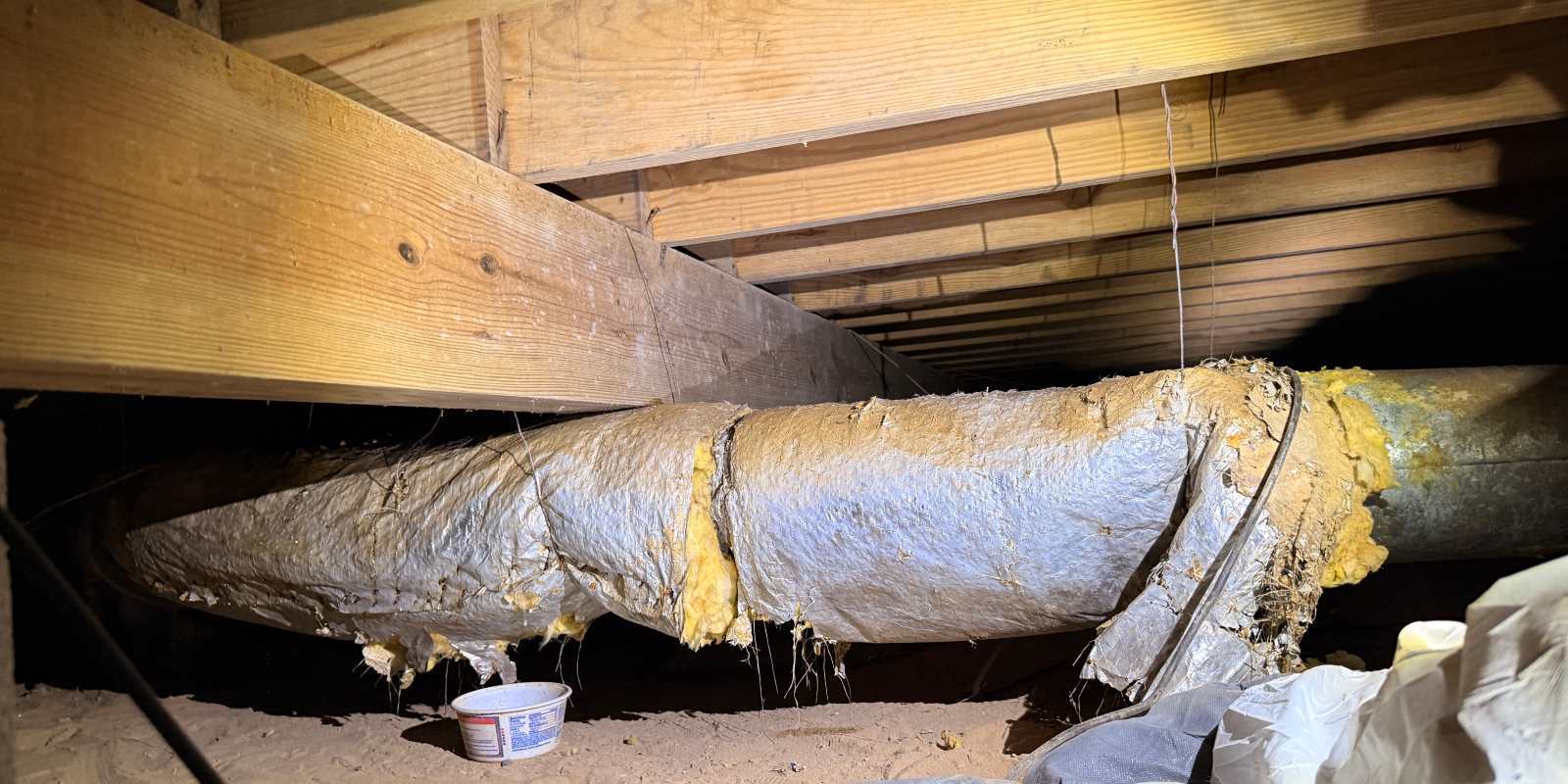
- Visible moisture in the crawl space
Because crawl space moisture problems often develop gradually, homeowners may first notice indirect changes in comfort and energy usage before seeing visible water or condensation. Excess moisture beneath the home can influence indoor humidity levels, which may cause HVAC systems to run longer and reduce overall efficiency.
Other warning signs may include rooms that feel warmer than others, an HVAC system that seems to run constantly, or indoor air that feels sticky even when the thermostat is set to a comfortable temperature. Some homeowners also notice condensation forming on windows or musty odors that become stronger after periods of heavy rain.
Not sure whether your crawl space moisture is a temporary seasonal issue or a sign of a larger problem? Read our article to learn the warning signs homeowners should watch for.

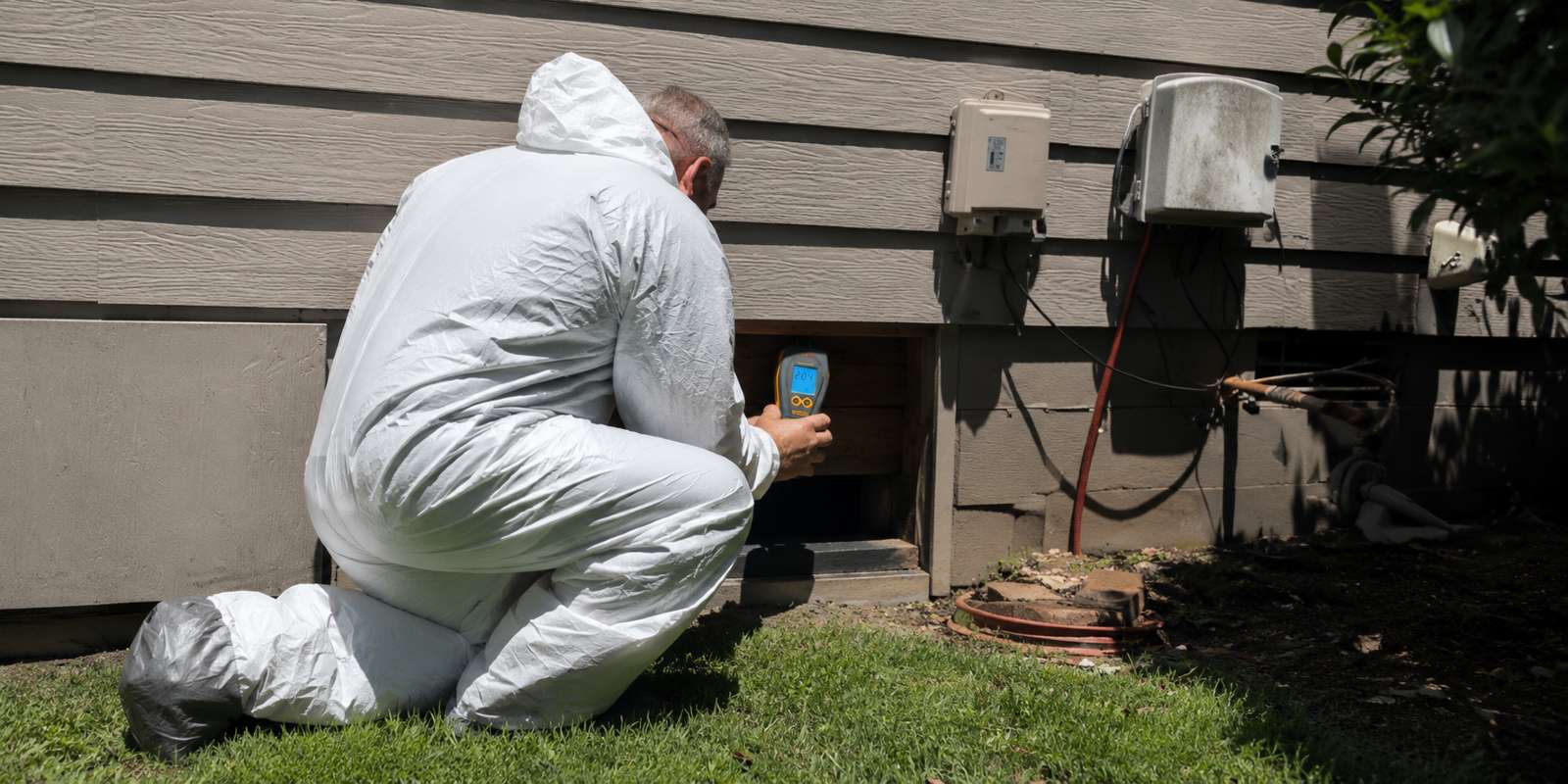
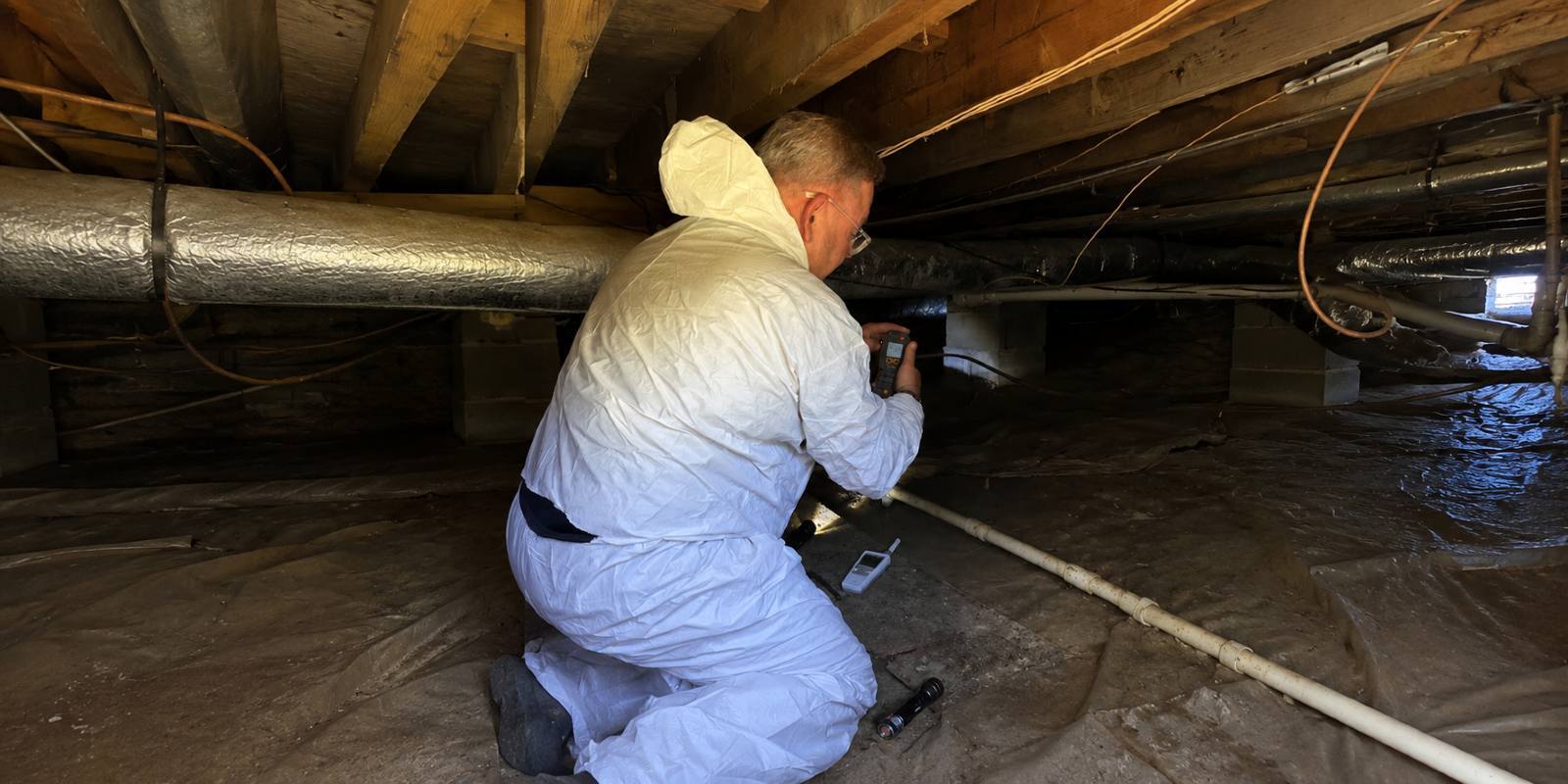
While these symptoms do not automatically confirm a crawl space issue, they can indicate that moisture may be affecting your home’s performance. A professional inspection can help determine whether crawl space conditions are contributing to higher utility usage and comfort issues.
Can Encapsulation Help Reduce Energy Costs?
If moisture is contributing to efficiency issues in your home, the next question becomes how to prevent it from returning.
Portable fans or dehumidifiers may provide short-term relief, but they don’t always address the underlying source of crawl space moisture. When moisture consistently enters a crawl space, treating the source is often more effective than repeatedly addressing symptoms.
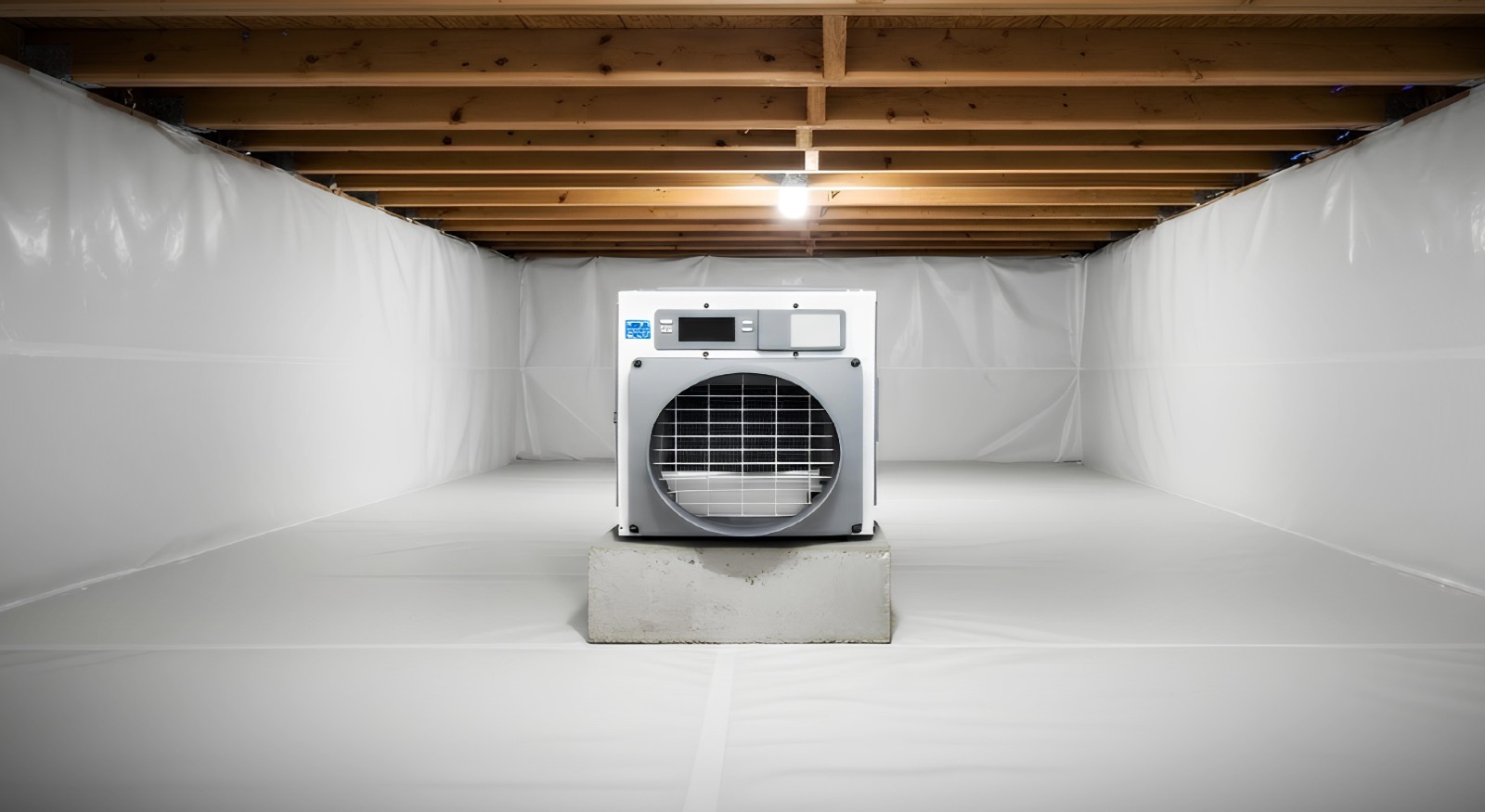
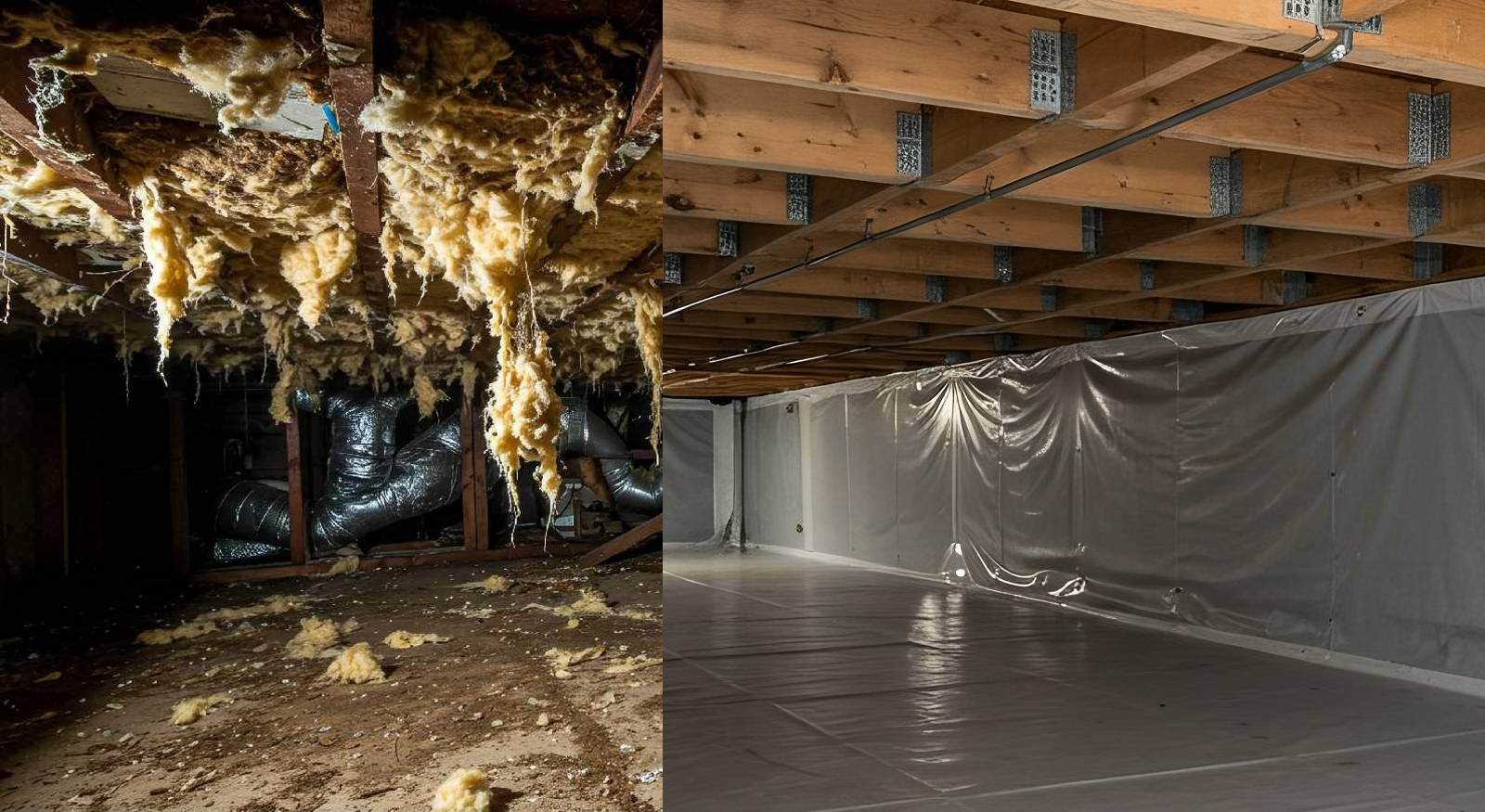
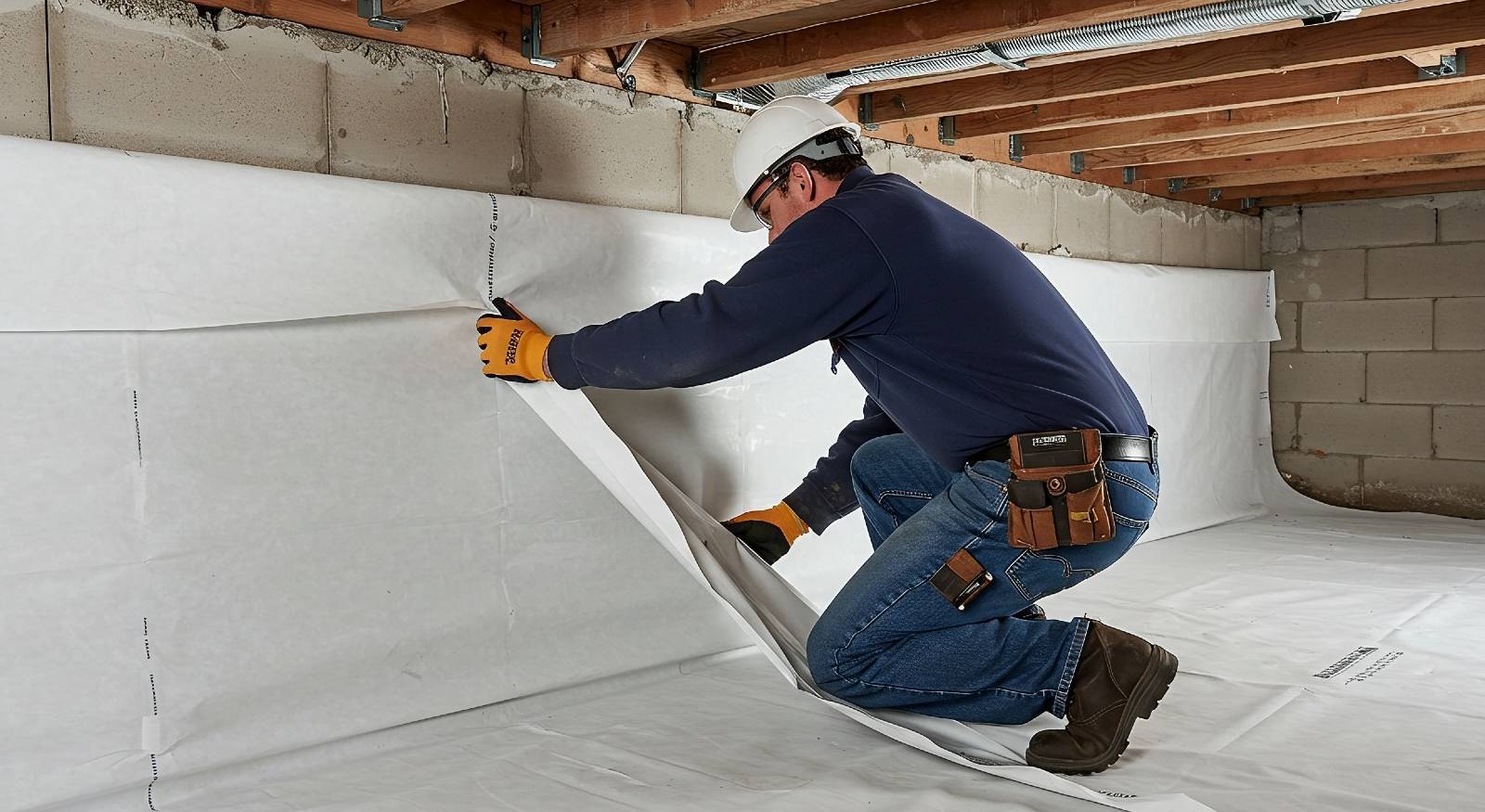
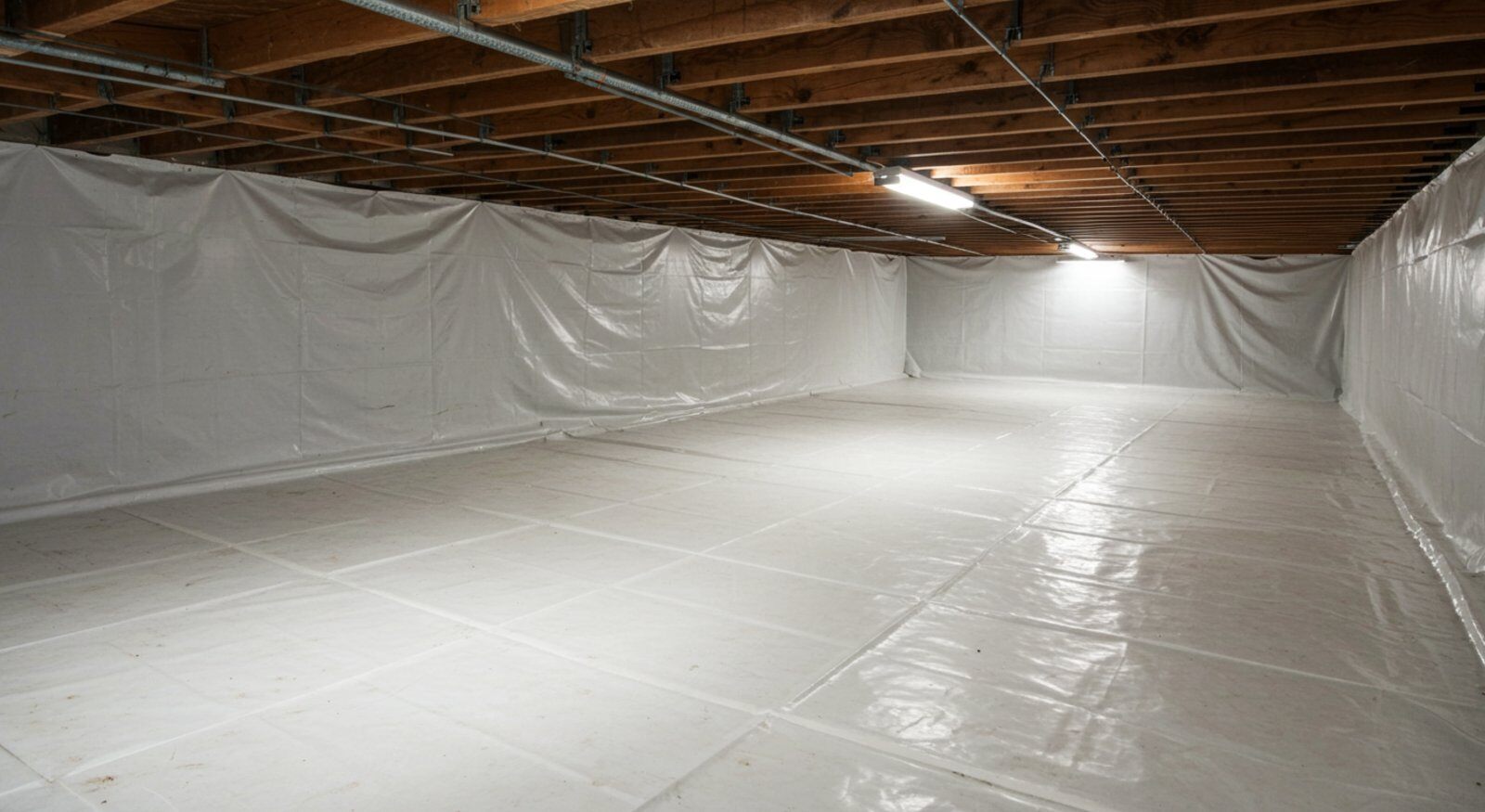
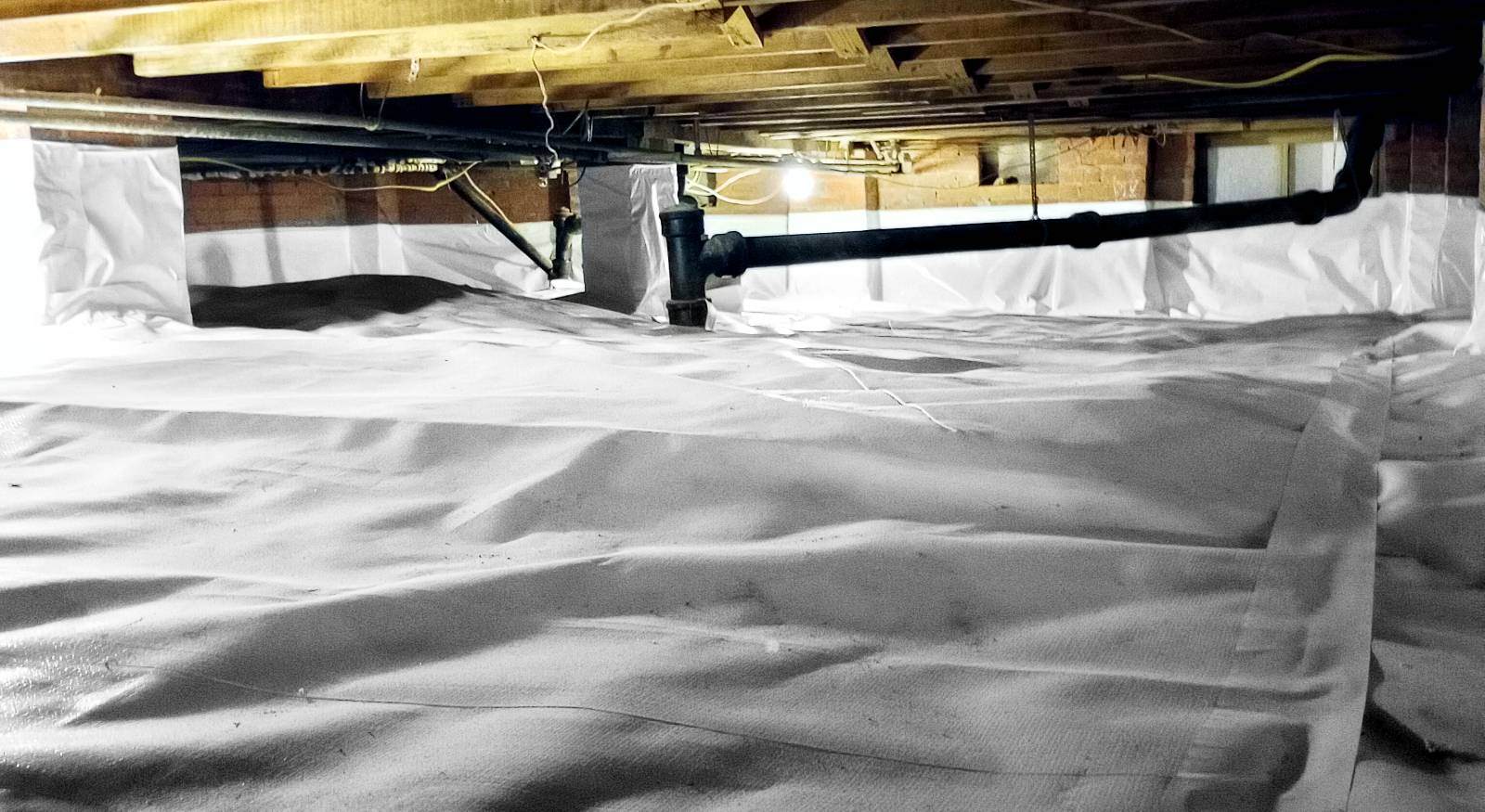
Crawl space encapsulation is designed to help limit moisture intrusion by sealing exposed soil and creating a more controlled environment beneath the home. Reducing humidity levels in the crawl space may help support more stable conditions throughout the home and reduce moisture transfer into living spaces.
Encapsulation can also help protect insulation, wood framing, and other structural materials from prolonged exposure to moisture. While results vary by home, many homeowners pursue encapsulation for its potential benefits related to comfort, moisture control, and long-term structural protection.
Why Moisture and Insulation Matter
According to the U.S. Department of Energy, insulation plays an important role in reducing heating and cooling costs by slowing heat flow between areas of different temperatures. The DOE also notes that moisture accumulation can impact insulation performance.
In a damp crawl space, excess moisture may reduce the effectiveness of insulation, potentially contributing to greater heating and cooling demands throughout the home.
Could Your Crawl Space Be Contributing to Higher Energy Bills?
Rising electric bills can be frustrating, especially when the cause isn't immediately clear. While many homeowners focus on appliances or HVAC equipment, the area beneath the home is often overlooked.
A wet or poorly sealed crawl space can increase indoor humidity, reduce insulation performance, and force heating and cooling systems to work harder than necessary. Over time, these conditions can contribute to higher energy costs, reduced comfort, and added strain on your home's systems.
When rising utility bills are accompanied by persistent humidity, musty odors, or uneven temperatures throughout the home, it's worth considering whether crawl space moisture may be part of the problem. Addressing moisture issues early can help improve comfort, support energy efficiency, and protect your home from long-term damage.
For homeowners looking to address the root cause of crawl space moisture, encapsulation is often one of the most effective long-term solutions. Understanding how encapsulation works and the value it can provide can help you determine whether it's the right next step for your home. Read about this investment for your home in our guide:

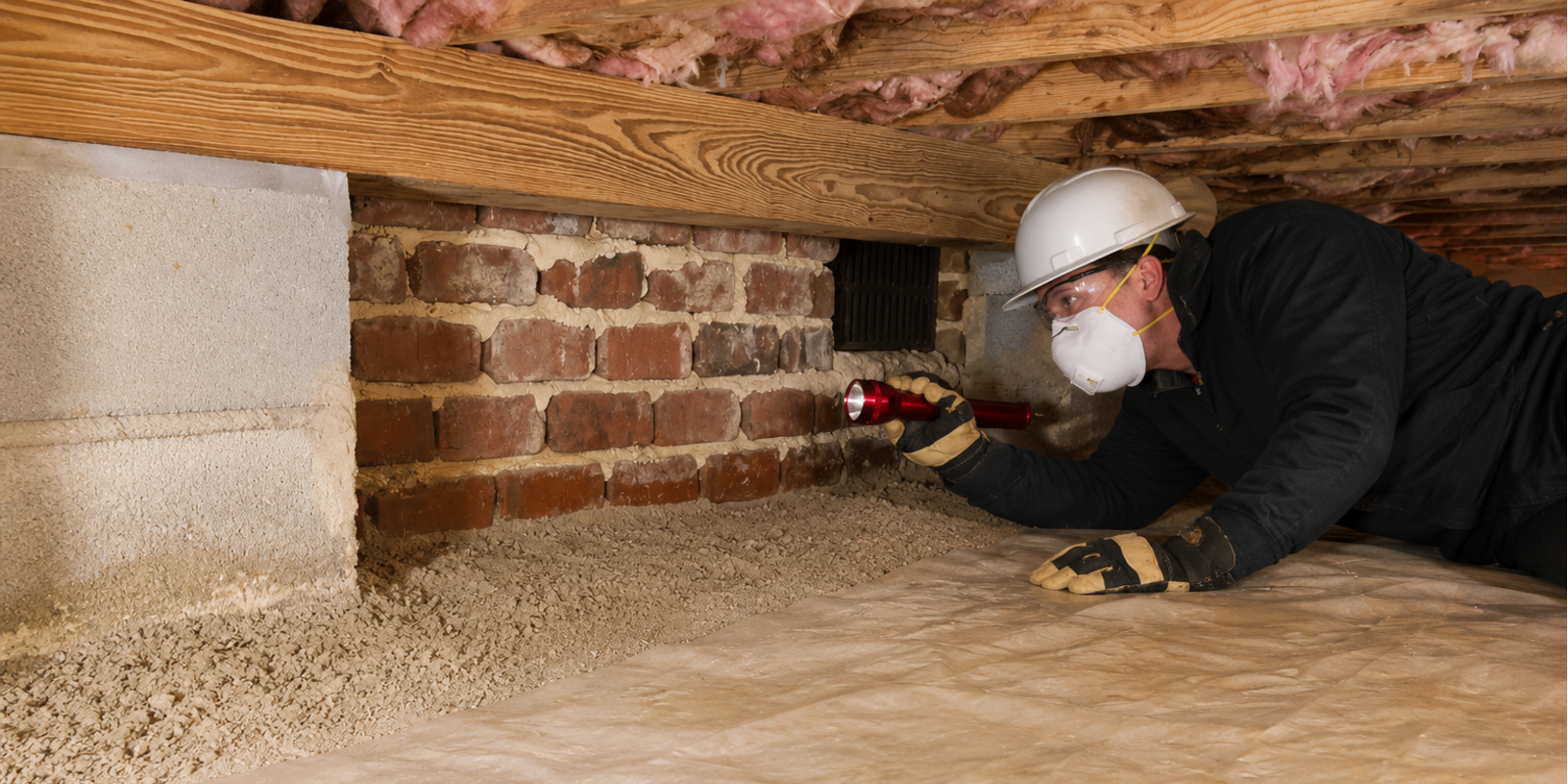
Need answers before deciding on a solution? Restore-It has helped homeowners throughout South Arkansas identify and address crawl space issues for more than 14 years. A professional crawl space inspection can help determine whether moisture is contributing to the comfort and efficiency problems you're experiencing.