
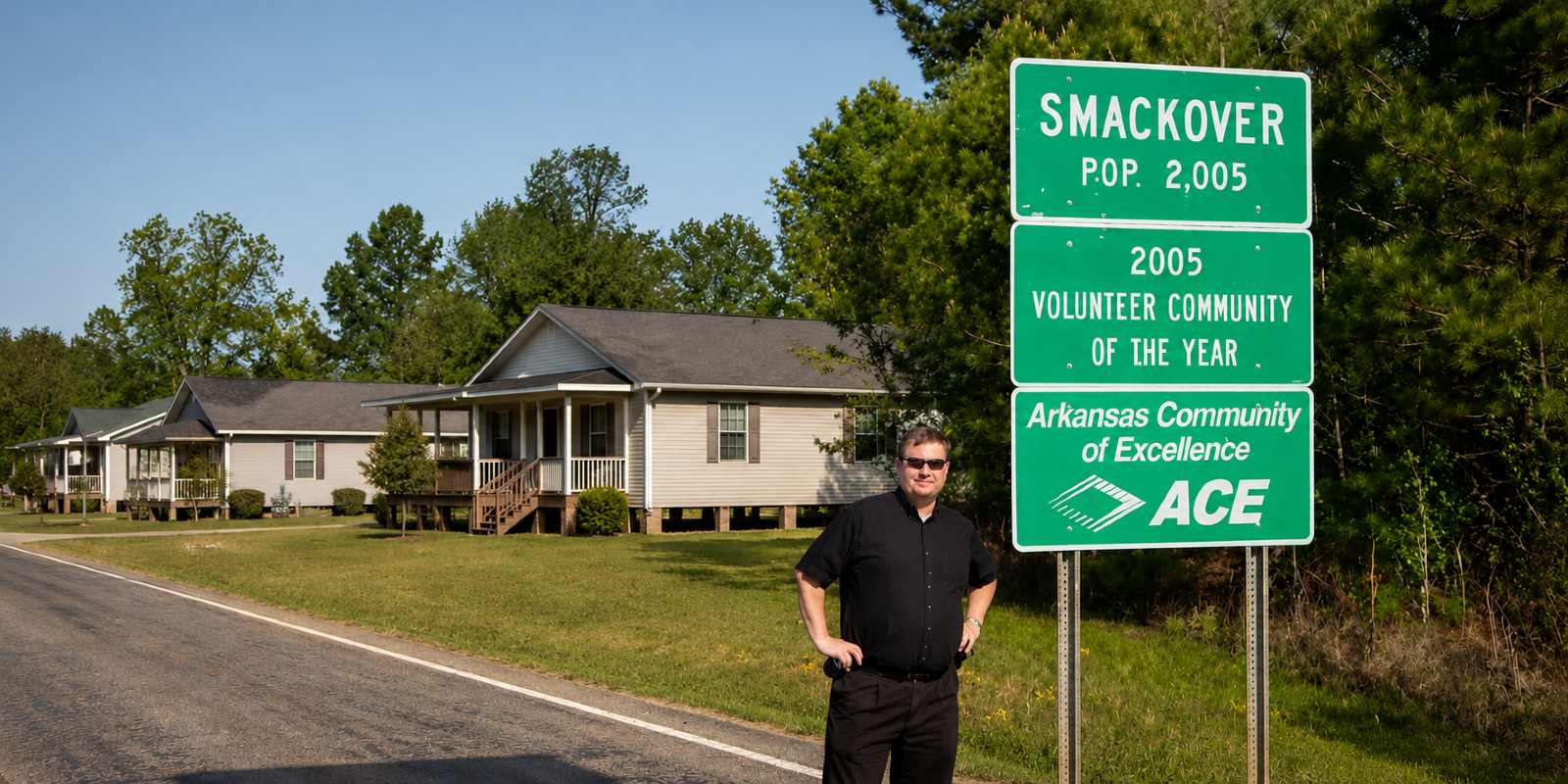
Many homes in Smackover have stood for decades, some dating back to the town's oil boom years.
Between Arkansas's long humid seasons and the aging crawlspaces found beneath many Smackover homes, moisture control has become one of the most common concerns we encounter during inspections.
If you've noticed musty odors, humidity that won't seem to go away, or signs of moisture damage, you may be researching crawl space encapsulation and wondering what it costs.
That confusion usually comes from one simple issue: pricing depends heavily on what’s happening under the home, not just square footage.
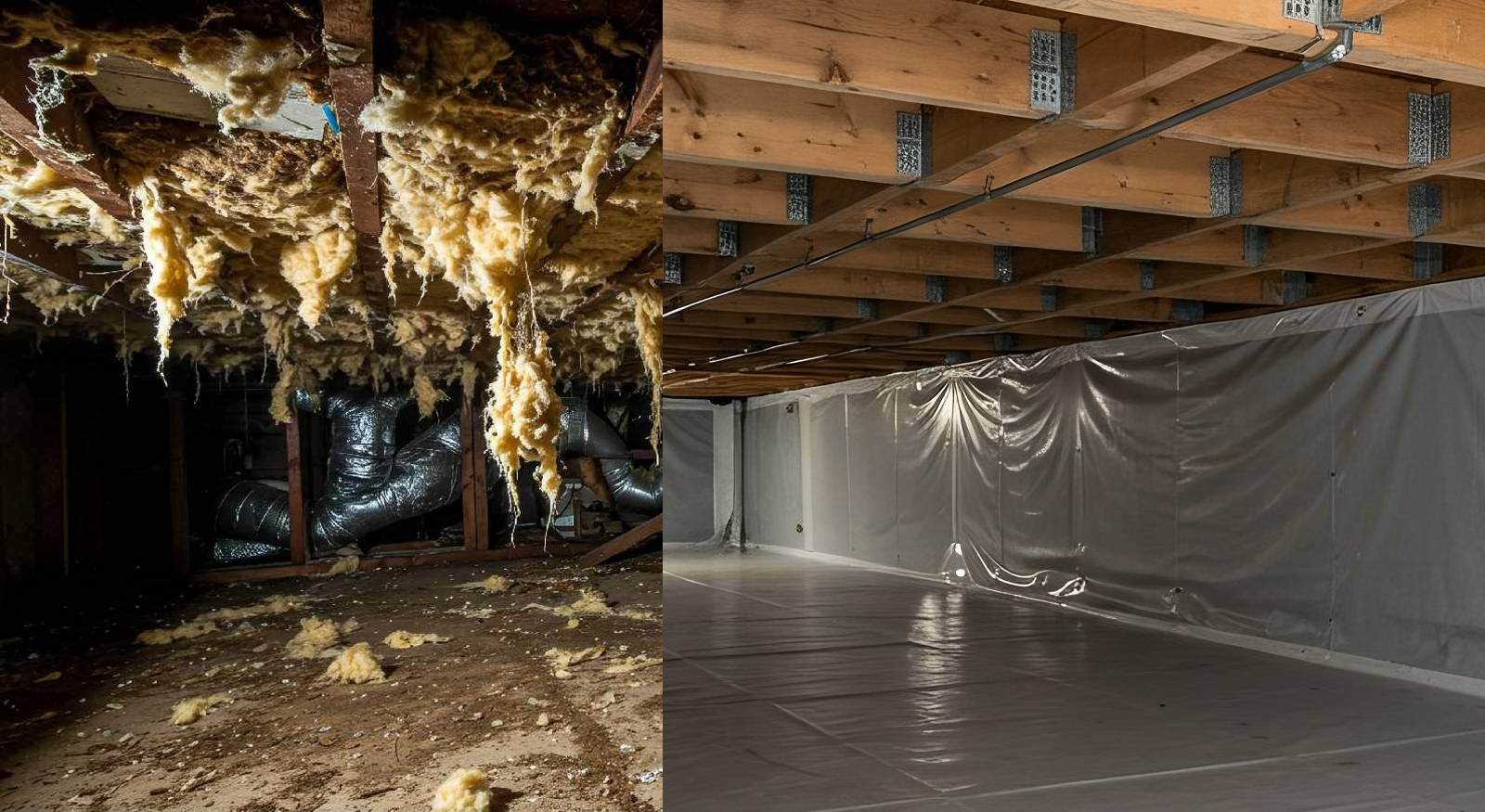
At Restore-It, we've spent years inspecting crawlspaces throughout Smackover and surrounding communities. From older homes near downtown to newer properties on the outskirts of town, moisture issues tend to show up in similar ways: mold growth, deteriorating insulation, wood damage, and poor air quality.
To make things clearer, this guide walks you through:
- What crawl space encapsulation typically costs in our area
- How pricing breaks down per square foot
- What’s included in a full system
- The biggest factors that drive cost up or down
Here’s where to start.
How Much Does Crawlspace Encapsulation Cost in Smackover?
Because every crawlspace is different, costs can vary significantly from one home to the next. However, after inspecting hundreds of crawlspaces throughout South Arkansas, we've found most encapsulation projects fall within a predictable range.
For most homeowners in Smackover, a professionally installed crawl space encapsulation system falls between $10,500 and $24,000, depending on the crawlspace’s size and condition.
|
Crawlspace Size |
Typical Cost Range |
|
1,500 sq. ft. |
$10,500-$18,000 |
|
2,000 sq. ft. |
$14,000-$24,000 |
Most homeowners fall somewhere within that range, depending on condition and equipment needs.
Does the Crawlspace Inspection Carry a Cost?
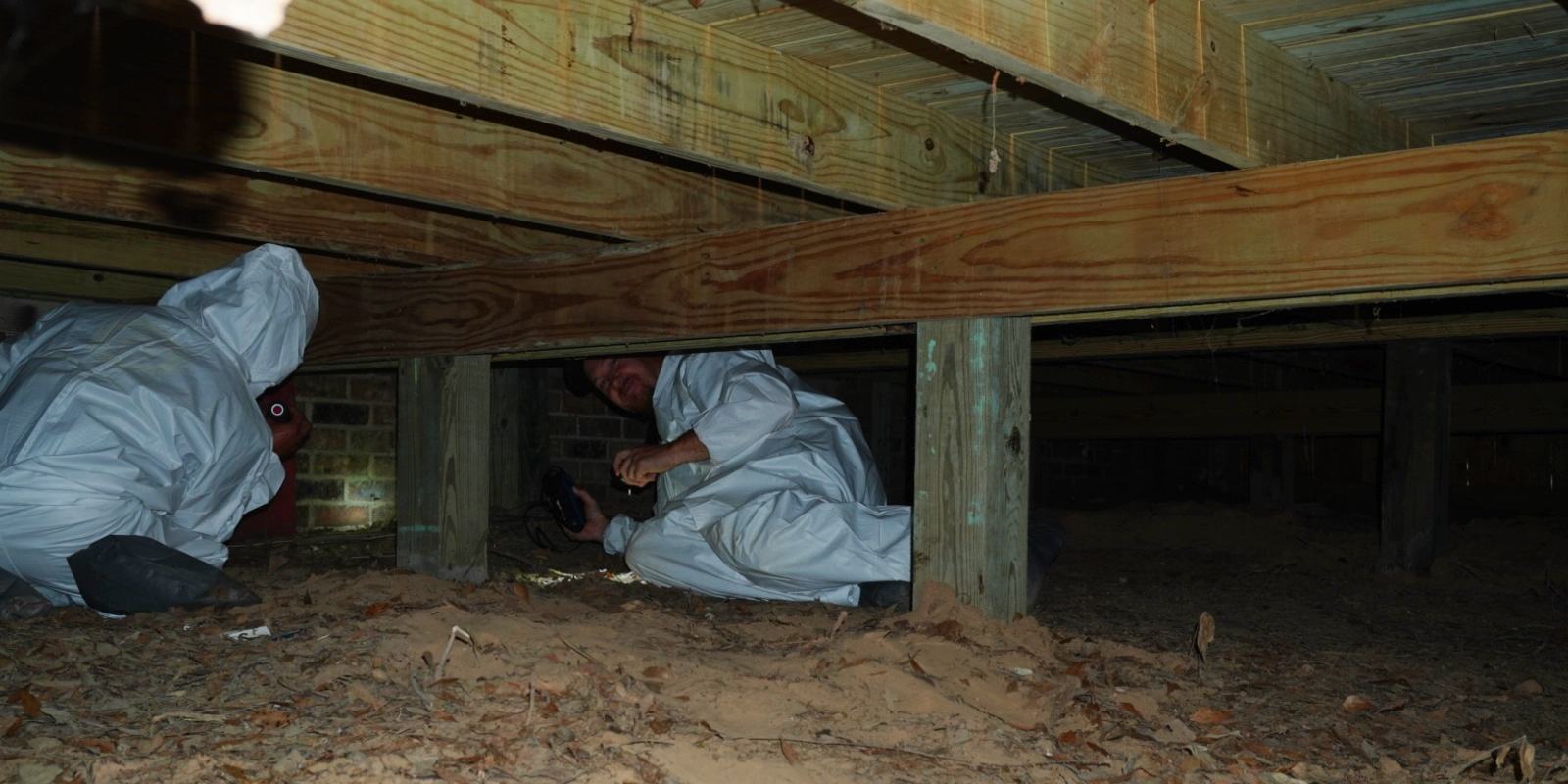
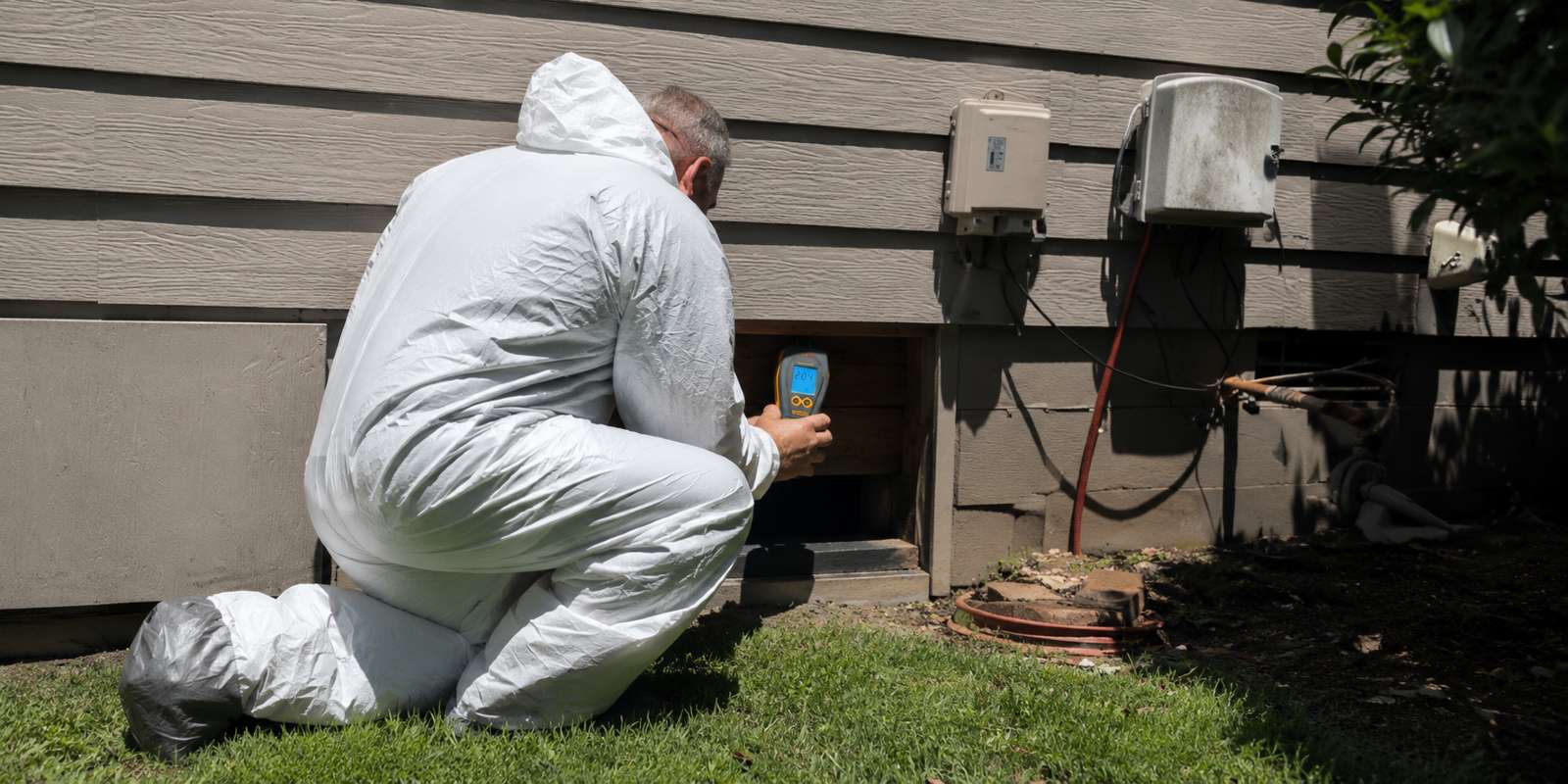
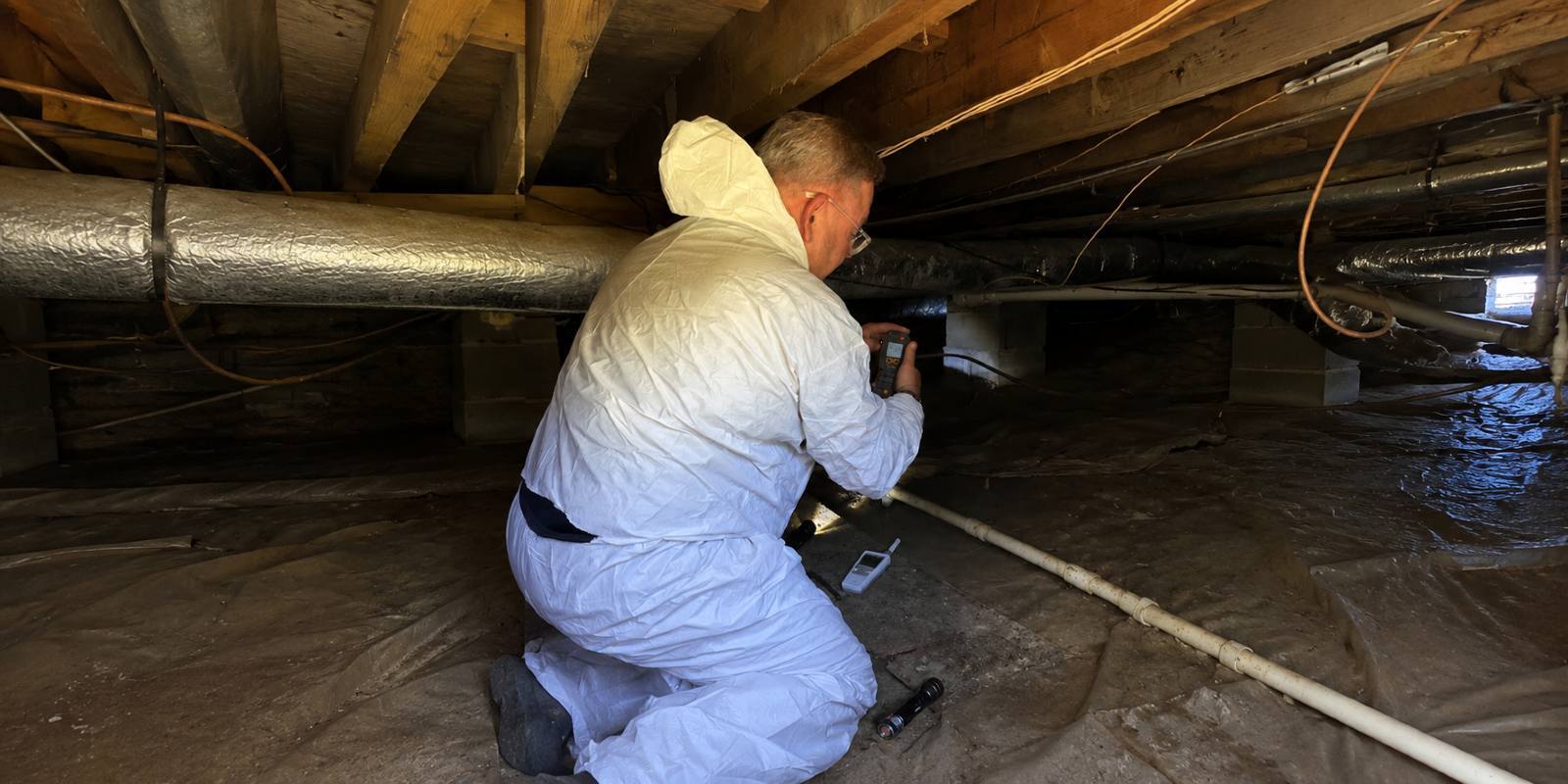
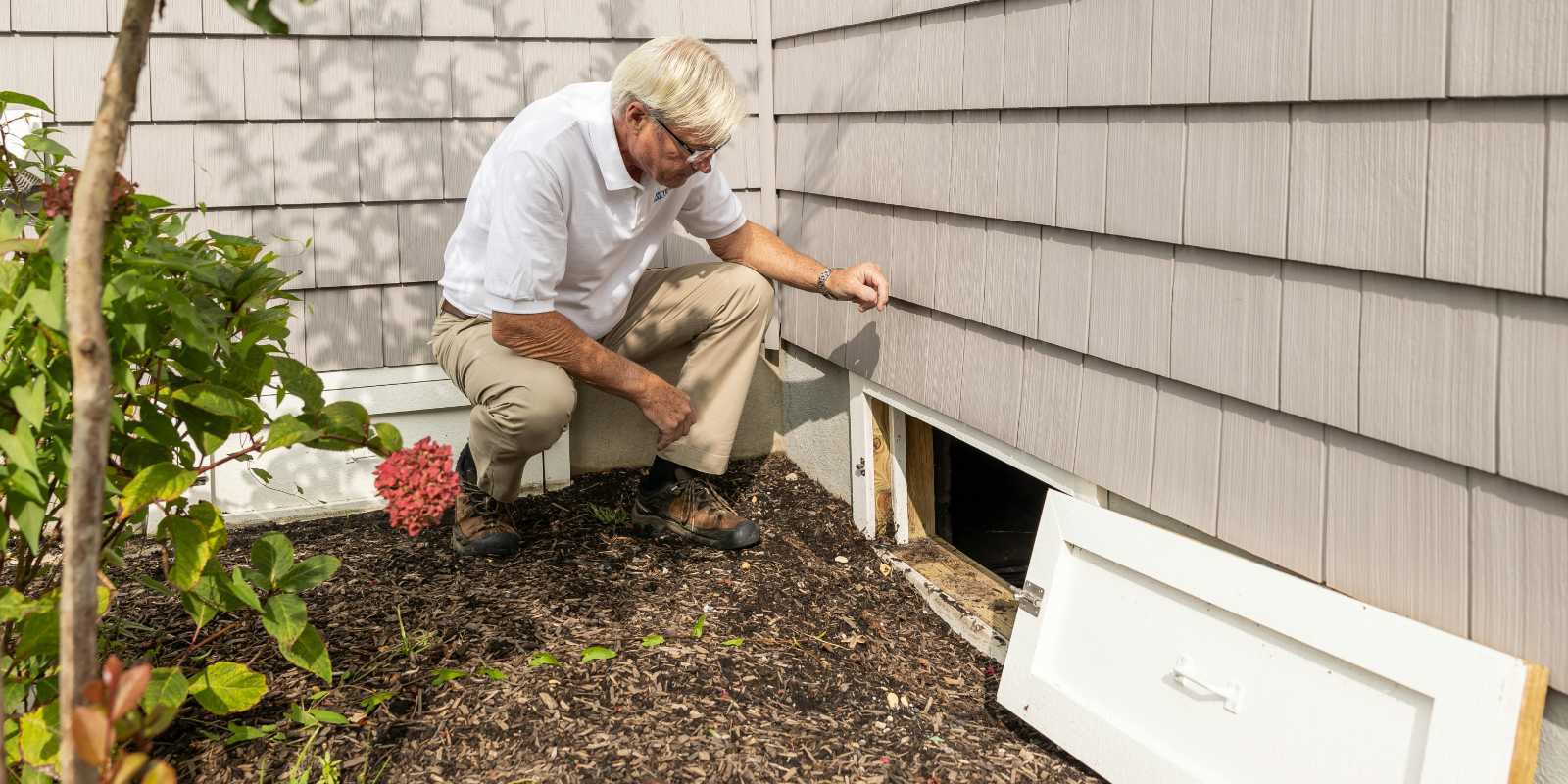
Before the project begins, we perform a detailed inspection. This is a value-added service with no upfront cost.
This process includes:
- Full interior and exterior inspection
- Moisture evaluation
- Photos and documentation
- Measurements
- Equipment recommendations
The inspection ensures you receive a more accurate estimate, not just a guess.
What Is Included in Crawlspace Encapsulation Pricing?
When evaluating costs, it’s important to understand exactly what goes into the system, especially with the area’s long humid seasons and older home construction.
A full installation typically includes:
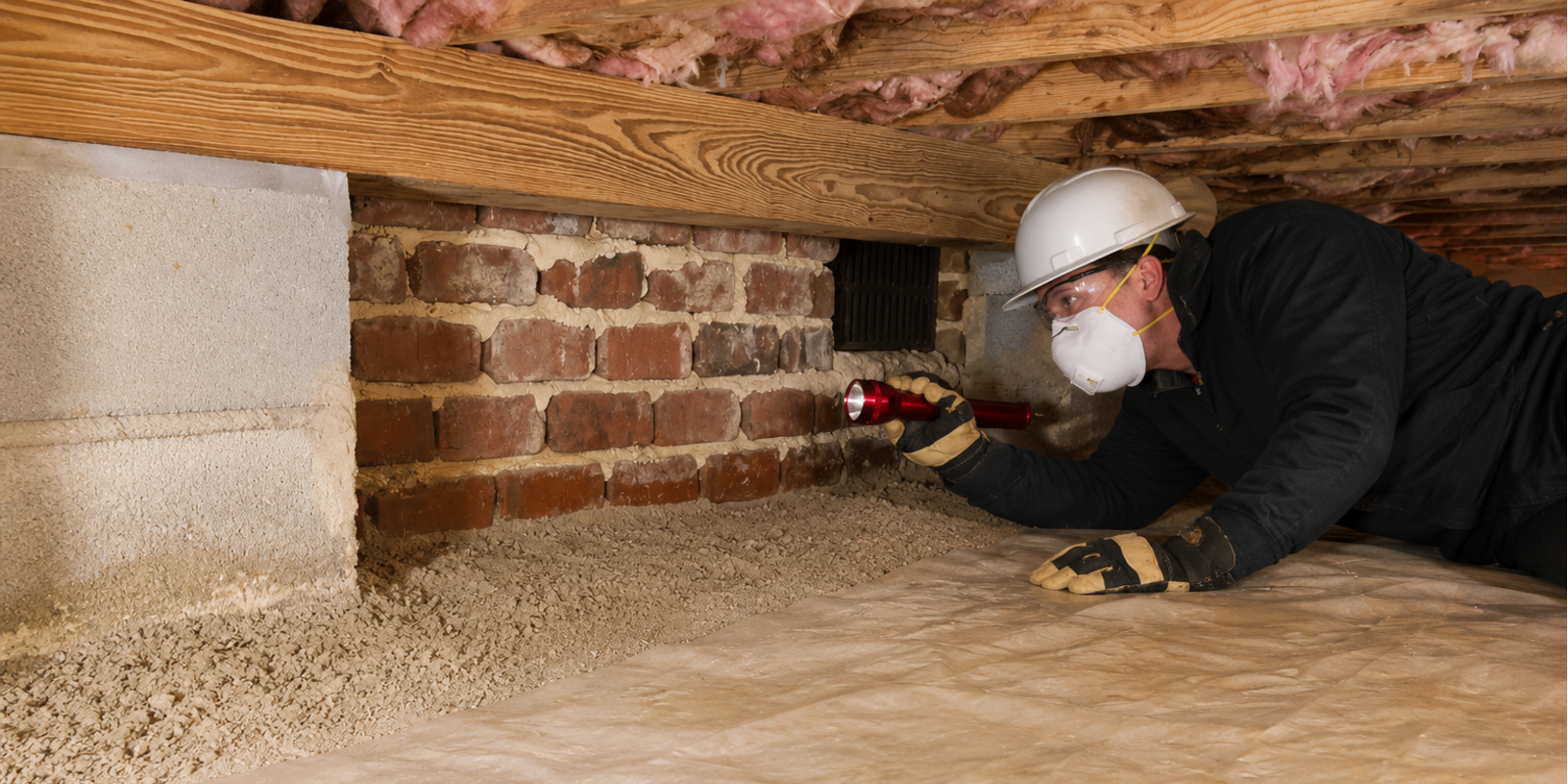
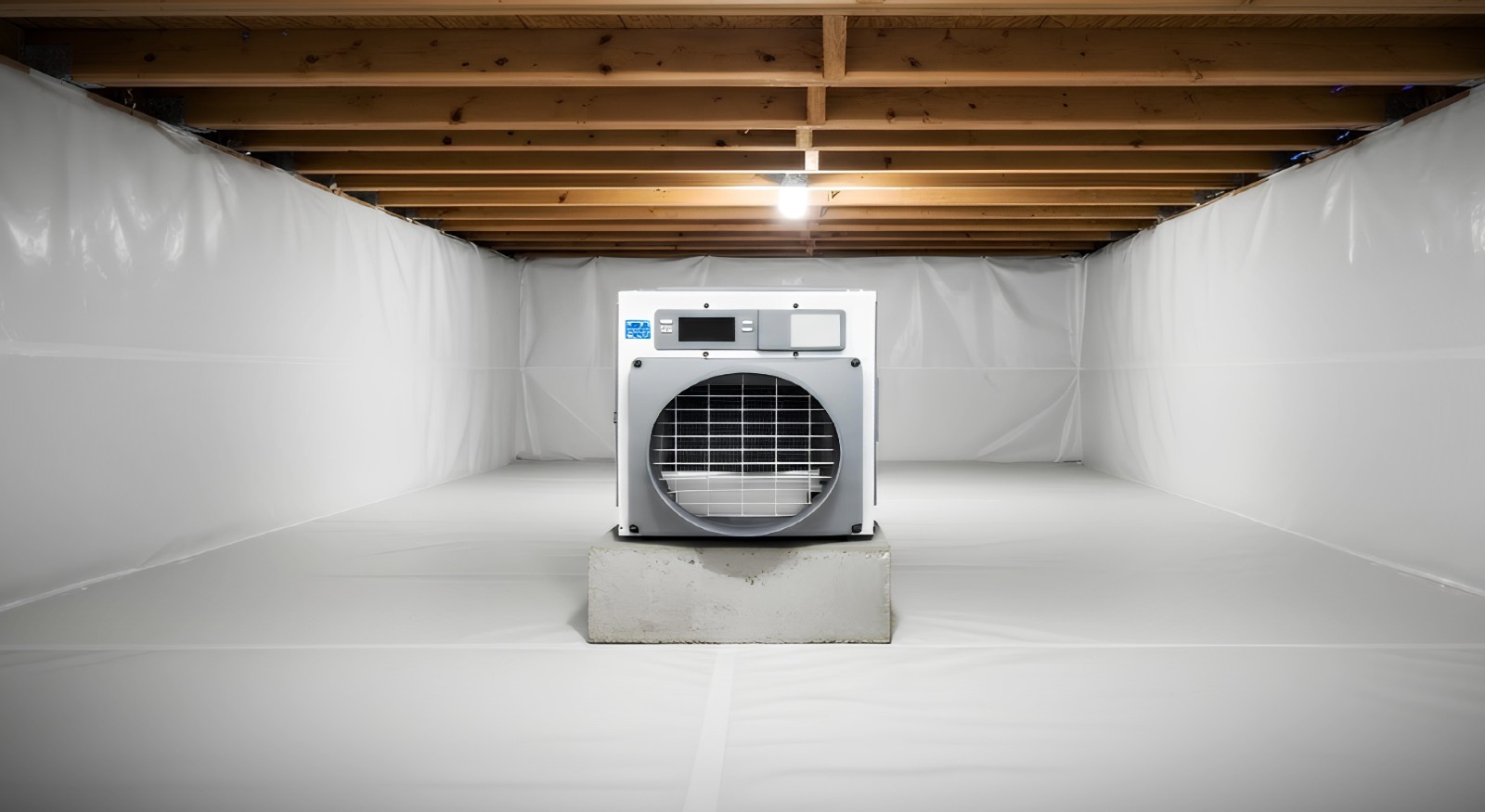
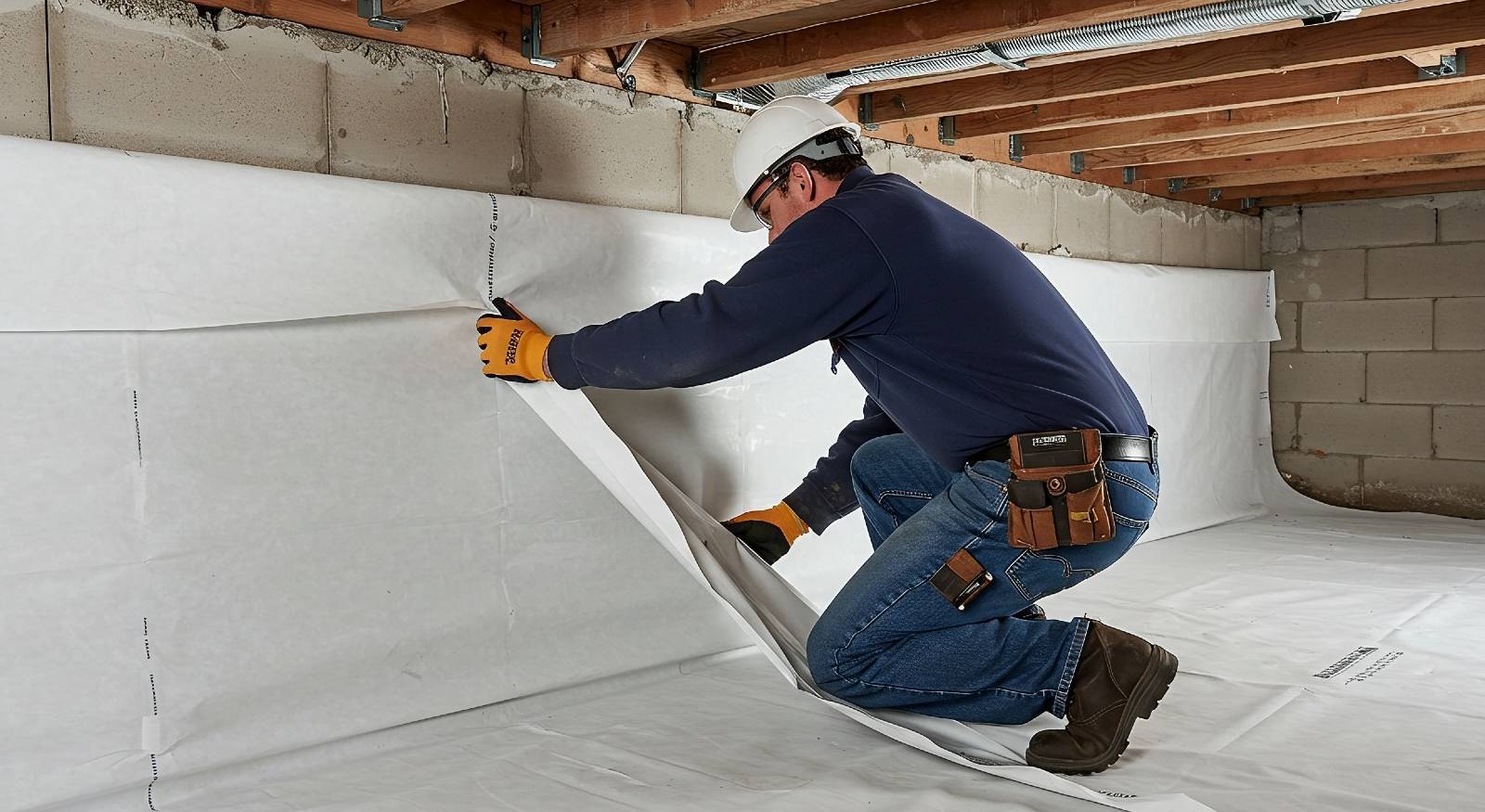
- Wall-to-wall vapor barrier installation across the floor, walls, and piers
- Sealing vents and air gaps with spray foam insulation to help block outside humid air
- Installing a sealed crawl space access door
- Permanent dehumidifier installation to control year-round moisture levels common in South Arkansas
- Condensation pump setup with exterior drainage connection for water management during heavy rains
- Hygrometer and thermostat system with exterior monitoring for ongoing humidity control
- Permanent lighting fixtures for visibility and maintenance access
In Smackover homes, where humidity and seasonal groundwater issues are common, the goal is straightforward: keep moisture out, stabilize humidity, and protect the structure and home’s long-term air quality.
Crawlspace Encapsulation Cost: What Affects the Final Bill?
While $7 to $12 per square foot is the typical range, many factors can increase your total cost for crawl space encapsulation.
Here are the four biggest factors.
1. Crawlspace Size and Dehumidifier Requirements
Crawl space size directly impacts both materials and equipment needs, so it’s one of the biggest drivers of encapsulation cost.
The larger the space, the more linear, sealing work, and labor are required. It also determines dehumidifier capacity. Smaller spaces typically use a 70-pint unit, usually around $2,000 installed.
In larger or more humid crawl spaces, a 130-pint unit is often needed, which is closer to $3,000. In most cases, the final selection depends on moisture levels found during inspection.
2. Current Condition of the Crawl Space
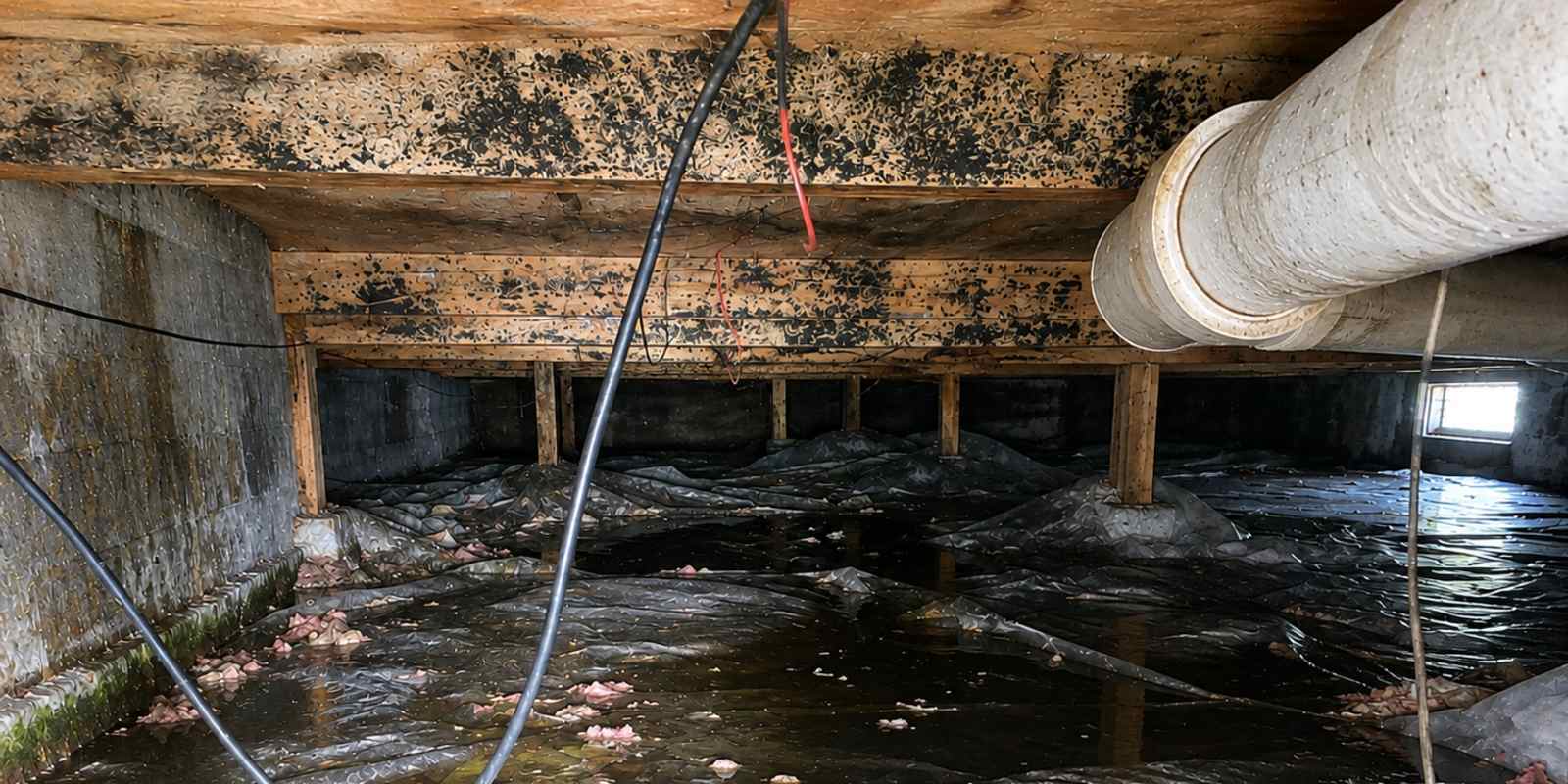
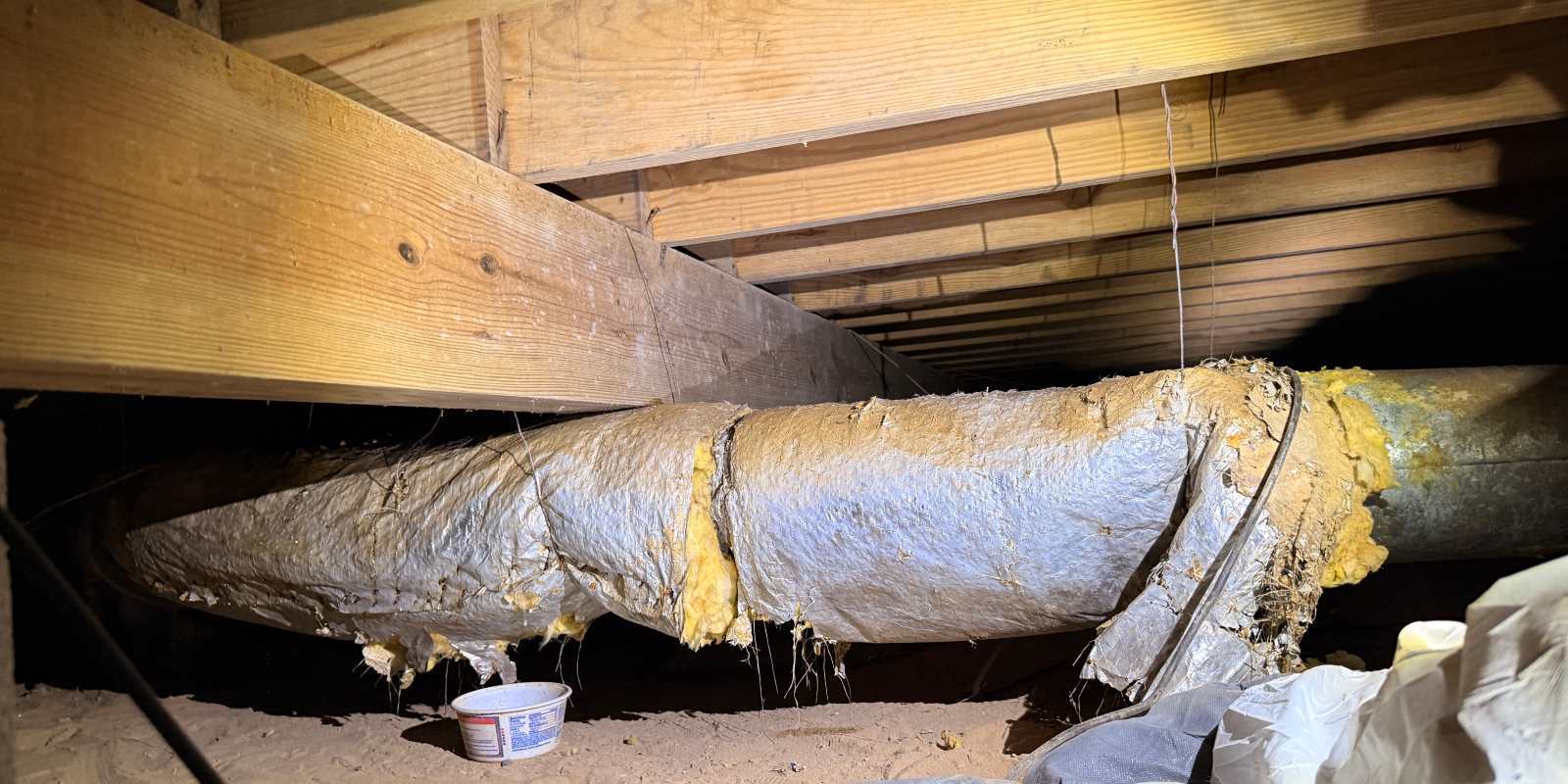
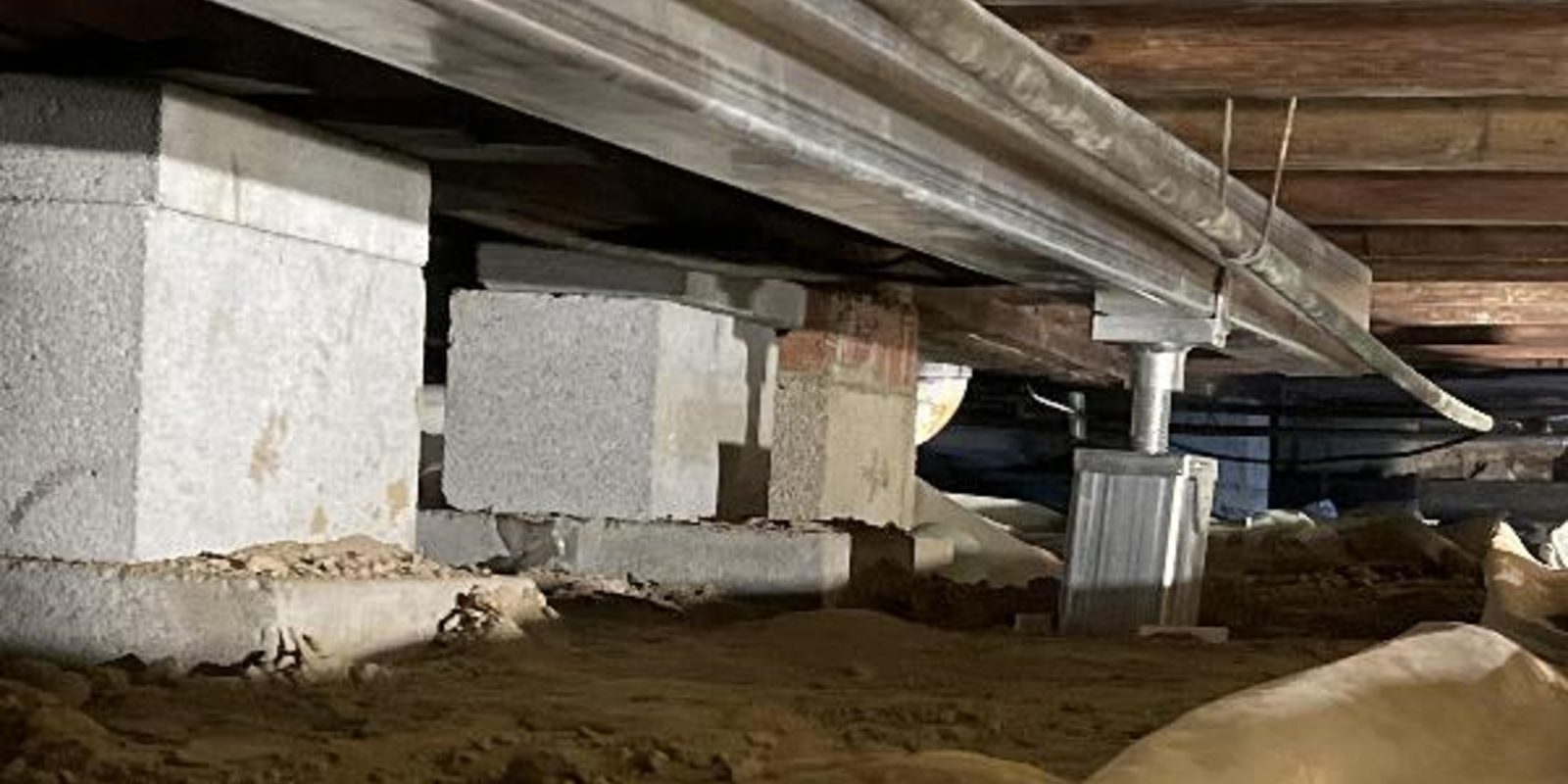
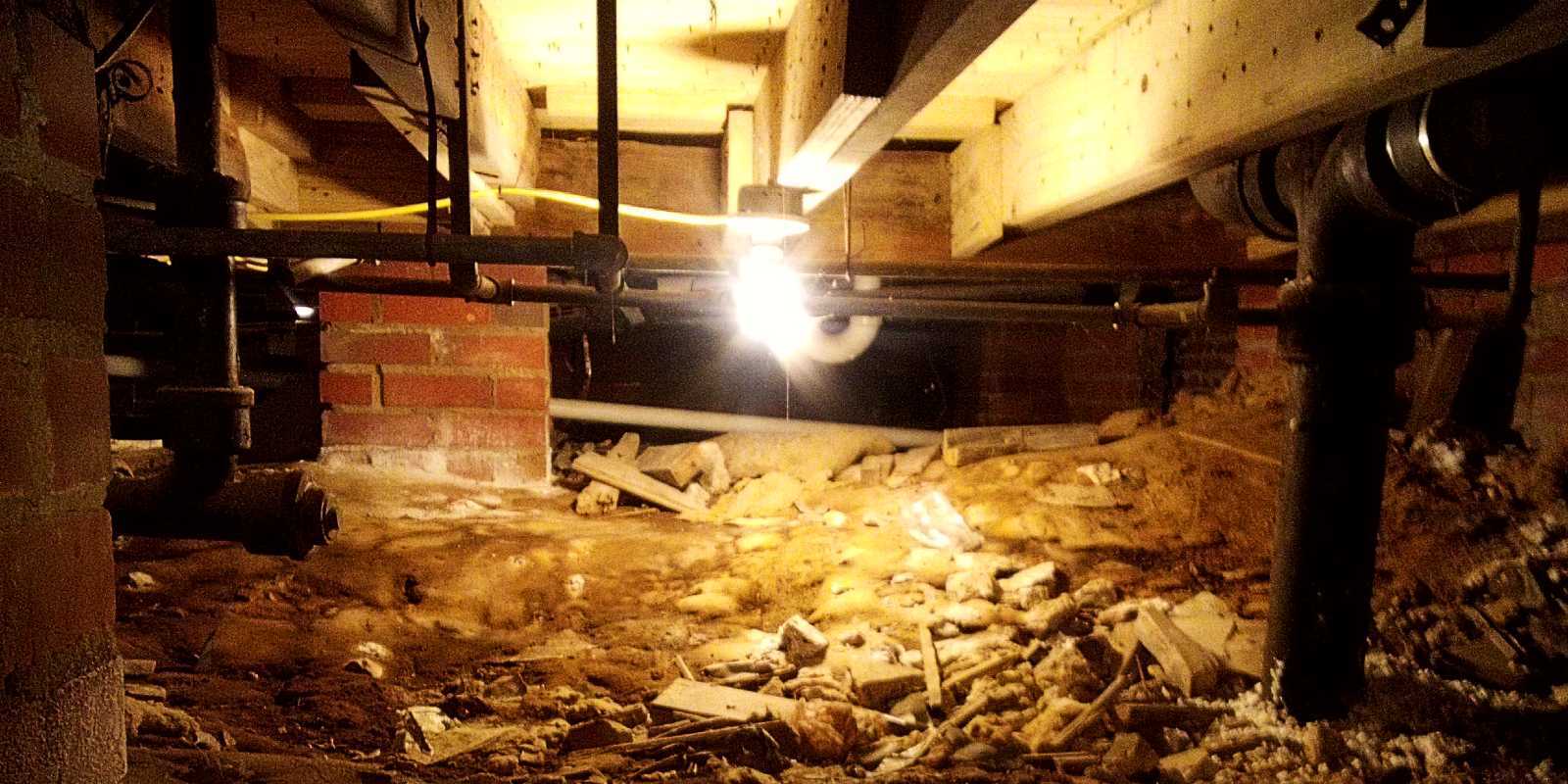
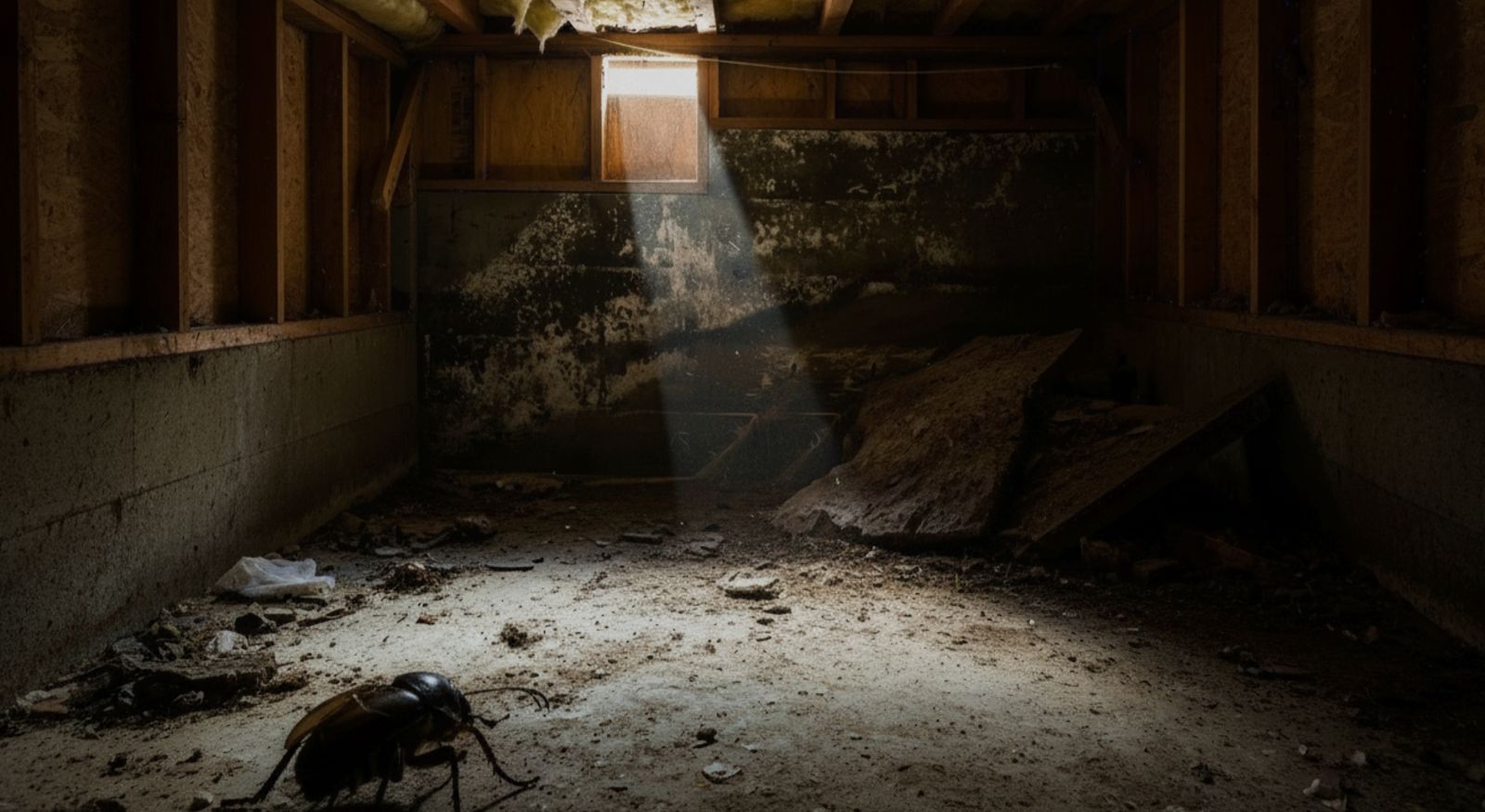
Many older Smackover homes were built before modern moisture-control systems existed, so issues often need attention before encapsulation can start. For example:
- Mold growth
- Wood rot
- Pest infestations
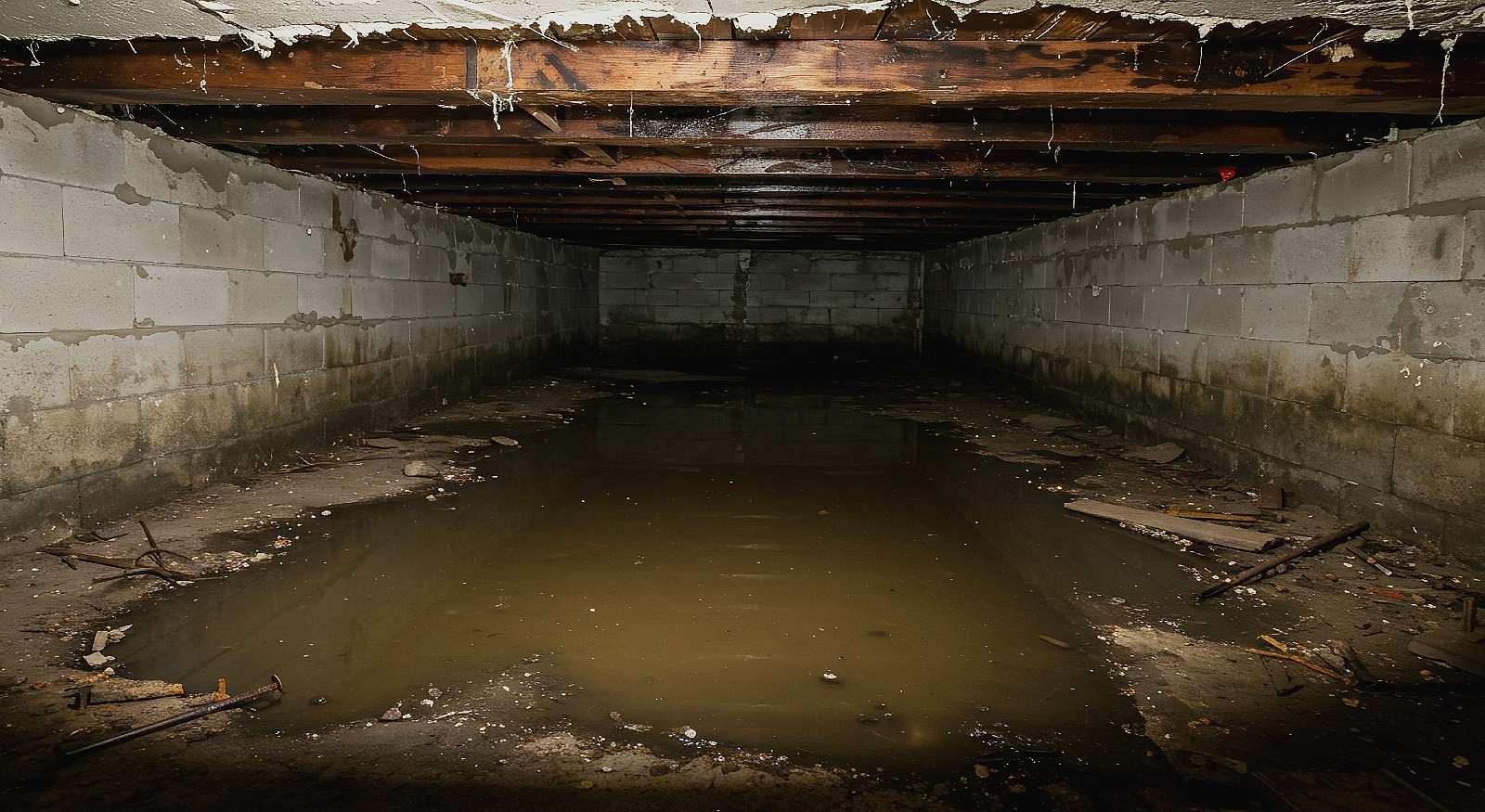
- Standing water
- Plumbing leaks
Building Science Corporation (BSC) notes that crawl spaces are designed to stay dry for safe and healthy performance. When repairs or remediation are needed, project costs increase accordingly.
Another often overlooked factor is height and accessibility. If the space is too tight for safe work, excavation may be required to:
- Lower the floor
- Create proper equipment clearance
- Improve long-term serviceability
The tighter the space, the more labor-intensive the project becomes.
3. Additional Drainage Systems (Sump Pumps and French Drains)
In some homes, encapsulation alone is not enough. When groundwater intrusion is present, additional drainage systems may be required.
- Sump Pump Installation: A sump pump unit typically costs around $600. However, installation requires excavating a sump pit along with additional labor.
- French Drain Installation: French drains help redirect groundwater away from the crawl space and are priced by linear footage, typically ranging from $42 to $60 per linear foot, depending on site conditions.
- Interior Perimeter Drains: These systems are installed around the interior perimeter of the crawl space and channel water into the sump pump system.
While not required for every project, these additions can significantly increase the total cost of crawl space encapsulation when conditions call for them.
4. Labor Costs in Smackover, Arkansas
Labor makes up the largest portion of crawl space encapsulation pricing. The exact percentage depends on the type of project and the condition of your crawl space.
In most cases, labor accounts for 35% to 45% of the total project cost.
Here’s how that typically breaks down:
- Basic vapor barrier with light sealing: 22% to 30% (This is not full encapsulation and does not fully seal out outside air.)
- Full crawl space encapsulation: 28% to 38% (Includes floor and wall liners, sealed seams, closed vents, and humidity control.)
- Tight, low-clearance, or heavily damaged crawl spaces: 35% to 45% (Requires more preparation, detailed handwork, and longer labor hours.)
Some projects are more material-heavy, especially those requiring thicker liners, rigid foam insulation, sump pumps, or larger dehumidifiers, which can shift a greater portion of the total cost toward materials instead of labor.
In general, the more preparation, detail work, and accessibility challenges involved, the more labor influences your investment. Depending on size and complexity, two to four technicians may be required on-site.
Because we’re based in El Dorado and Camden, projects outside these areas may include a small travel adjustment to account for additional time and logistics.
Is Crawl Space Encapsulation Worth the Cost?
Many homeowners pause when they first hear the cost, especially when they’re still trying to understand what crawl space encapsulation actually changes in the home. But when you look at what it solves, the value becomes easier to see.
- Improves indoor air quality
- Reduces musty odors that often come from below the home
- Helps protect structural components like floor joists and subflooring
- Prevents long-term moisture damage from spreading
- Can improve overall energy efficiency
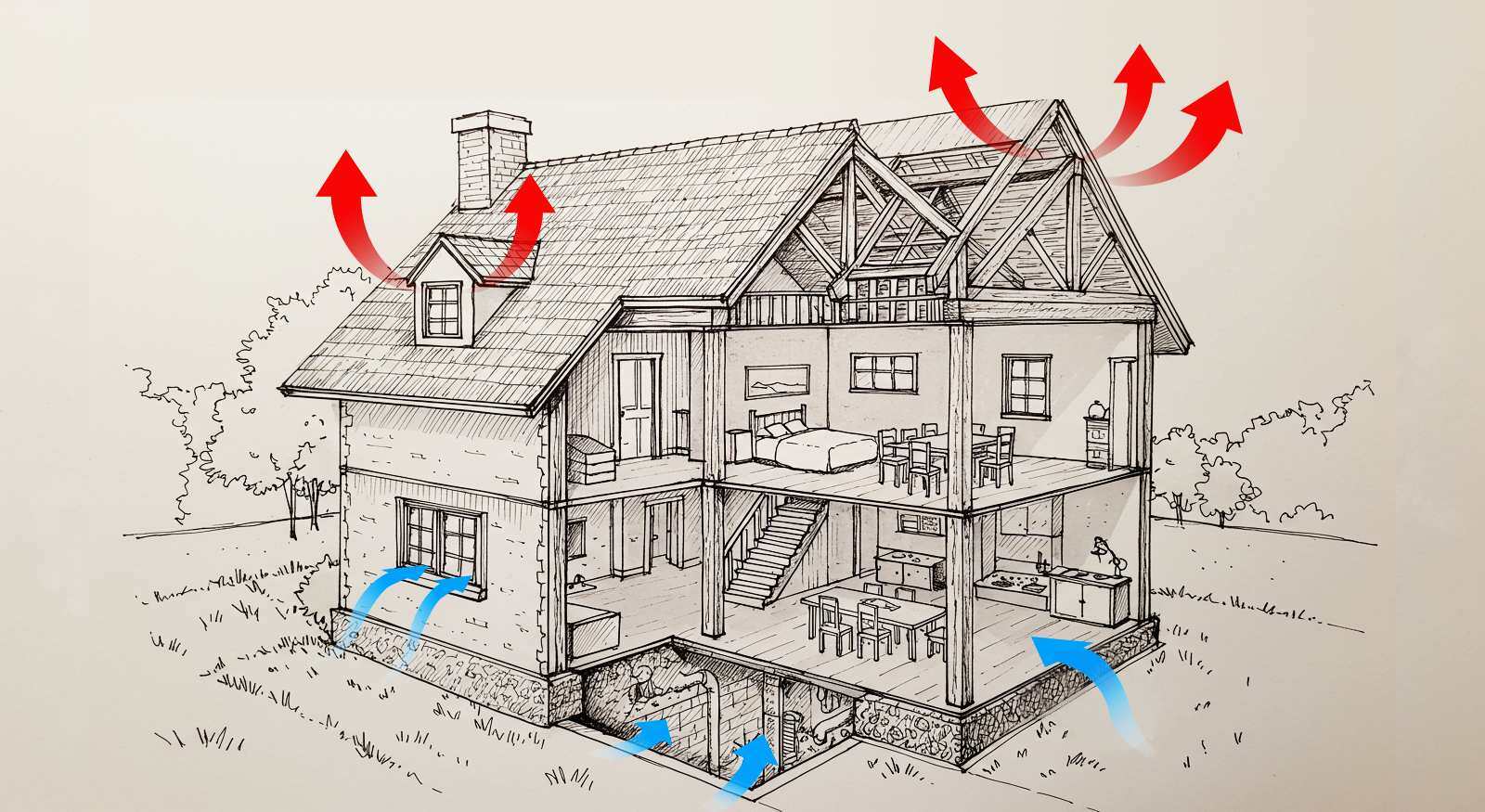
In Smackover, Arkansas, long humid seasons and older crawl spaces make moisture problems a recurring issue in the homes we inspect. Over time, that excess humidity doesn’t stay confined to the crawl space. It can work its way into flooring, insulation, and even how comfortable the home feels day to day.
Encapsulation is not a cosmetic upgrade. It’s a preventative system designed to control moisture before it turns into costly structural or air quality issues. The Environmental Protection Agency (EPA) notes that mold exposure can pose health risks, especially in damp indoor environments, so if you notice symptoms or concerns, it’s important to consult a healthcare professional.
At the end of the day, cost is only part of the decision. The real question is what kind of protection your home needs long term, and whether a sealed system is the right fit compared to a basic vapor barrier.
If you’re still weighing it, the next step is simply understanding the difference in systems so you can make a confident decision for your home. Learn below!

Understand What Your Crawl Space Really Needs Before You Decide
If you started this article wondering what crawl space encapsulation costs, you should now have a clearer understanding of what actually drives pricing in homes like yours.
You’ve seen the typical cost range, what’s included in a full system, and the key factors that can increase the price depending on what’s happening under your home.
Crawl space problems don’t resolve on their own, and in humid climates like ours, moisture issues tend to get worse the longer they’re left untreated.
The goal isn’t to rush your decision. It’s to understand what your home actually needs so you can move forward with confidence instead of uncertainty.
A professional inspection gives you clarity based on real conditions under your home, not estimates or guesswork.
When you’re ready, Restore-It can help you take the next step and protect your home from the ground up.