

When your home has been damaged by water, fire, mold, or storms, the uncertainty can be just as stressful as the damage itself. You may wonder whether your contractor is completing every step correctly, whether your home is actually dry, or whether you'll have the documentation you need if your insurance company asks for it later.
At Restore-It, we've helped hundreds of homeowners through the restoration process, and one lesson has remained consistent: clear documentation builds confidence. While quality workmanship is essential, documenting every stage of the project helps eliminate confusion, creates accountability, and allows homeowners to see exactly what's happening inside their home.
In this article, you'll learn:
- What a professional restoration company should document during every project
- Why that documentation matters for your home and your insurance claim
- How Restore-It's documentation process keeps you informed from start to finish
Let's look at why thorough documentation is one of the clearest signs you're working with a trustworthy restoration contractor.
Why Job Documentation Matters During a Restoration Project
Many restoration companies provide updates, but not every company documents the project in a way that homeowners can easily understand or reference later.
Detailed documentation helps:
- Keep everyone informed throughout the project
- Verify the work completed
- Support insurance claims when needed
- Create accountability for every phase of the job
- Provide peace of mind that nothing is overlooked
This isn't just our recommendation. Organizations like the Federal Emergency Management Agency (FEMA) also advise homeowners to document damage before cleanup begins by taking photos and videos, saving repair receipts, and separating damaged items from undamaged belongings when possible.
These records can help support insurance claims and provide a clear picture of the property's condition before restoration begins.
While homeowners should document what they can immediately after a loss, a professional restoration contractor should continue documenting throughout the entire project to ensure a complete record from the initial damage to the finished repairs.
Initial Property Condition Documentation
Every successful restoration project starts with establishing a clear baseline.
Before any demolition or drying begins, we document the property's existing condition so everyone involved understands exactly what we're starting with.
This typically includes:
- Photos of affected areas
- Initial moisture readings
- Notes about visible damage
- Areas requiring additional attention
- Existing conditions unrelated to the insurance claim
This documentation protects both the homeowner and the restoration team by creating an accurate record before any work begins.
Daily Progress Updates Throughout the Project
Restoration isn't something that happens all at once. It's a process that often unfolds over several days, and sometimes longer, depending on the extent of the damage.
That's why we continue documenting progress throughout the project rather than only taking photos at the beginning and end.
Depending on the scope of work, our documentation may include:
- Daily progress photos
- Areas that were cleaned or demolished
- Drying equipment placement
- Moisture readings as materials continue drying
- Materials installed during reconstruction
- Key milestones reached during the project
Whether you're home every day or away at work, these updates help you understand exactly how your project is progressing.
Why Moisture Readings Matter More Than You Can See
One of the biggest misconceptions after water damage is that materials are dry simply because they look dry.
Unfortunately, moisture often remains hidden inside drywall, flooring, insulation, or framing long after surfaces appear normal.
That's why professional restoration companies use specialized moisture meters throughout the drying process rather than relying on appearance alone.
|
What We Document |
Why It Matters |
|
Moisture readings |
Confirms materials are drying to acceptable levels |
|
Relative humidity |
Monitors the drying environment |
|
Equipment logs |
Shows drying equipment operated as planned |
|
Inspection notes |
Documents progress and adjustments throughout mitigation |
These measurements help verify that drying decisions are based on data, not guesswork, and align with accepted restoration industry standards established by the IICRC.
Before-and-After Photos Show the Full Story
Some of the most important restoration work happens behind walls, beneath flooring, or inside areas homeowners never see.
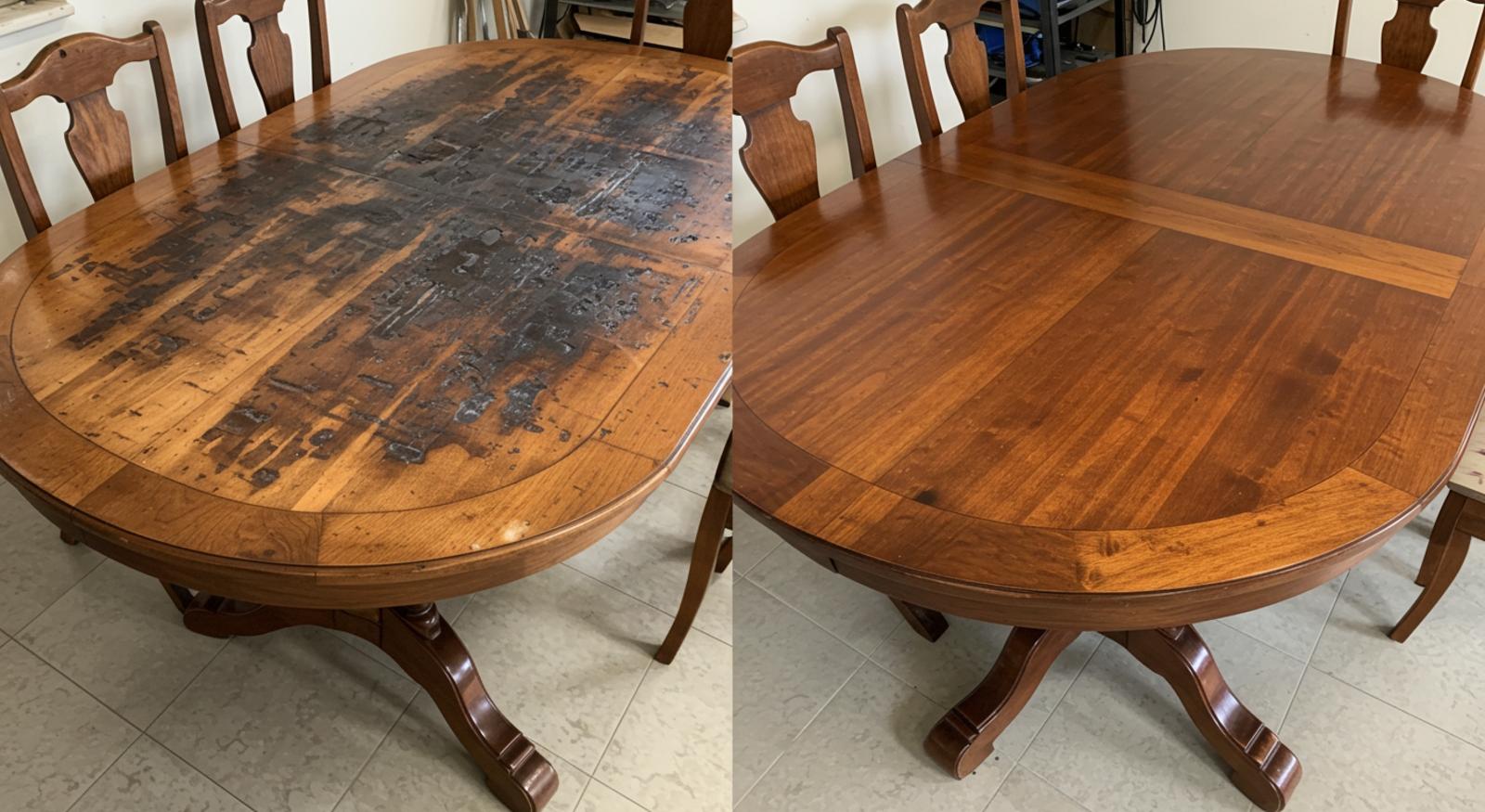
Before-and-after photos provide visual proof of what was found, how the damage was addressed, and what your home looked like once repairs were complete.
We document major milestones throughout the project, including:
- Initial damage
- Demolition and cleanup
- Structural drying
- Repairs and reconstruction
- Final completed work
These photos often become valuable records for homeowners long after the project has been completed.
Documenting Changes Along the Way
Restoration projects don't always go exactly as planned.
Hidden water damage, mold growth, or structural issues sometimes aren't discovered until demolition begins.
When that happens, we document:
- Newly discovered damage
- Recommended scope changes
- Customer approvals
- Insurance communications
- Updated project timelines
Rather than leaving homeowners wondering why the project changed, documentation helps everyone understand what was found and why additional work may be necessary.
How Documentation Gives Homeowners More Confidence
Most homeowners only experience a restoration project once or twice in their lives. It's completely normal to have questions throughout the process.
Detailed documentation helps answer common questions like:
- Has my home actually dried to acceptable levels?
- What repairs have already been completed?
- Why was additional work recommended?
- What did the damage look like before repairs?
- Will I have records if my insurance company requests them later?
Having those answers readily available helps replace uncertainty with confidence.
Why Restore-It Documents Every Job
Every restoration company should communicate clearly, but not every company documents its work with the same level of detail.
At Restore-It, we believe homeowners deserve more than occasional updates. They deserve a clear record of what's happening inside their home from the first inspection through the final walkthrough.
That's why we document moisture readings, progress photos, equipment placement, inspections, project changes, and completed repairs throughout the restoration process. It keeps homeowners informed, creates accountability, and provides documentation that may be helpful if questions arise later.
For us, documentation isn't extra paperwork. It's part of delivering a restoration experience that's transparent, organized, and built on trust.
Documentation Is One Sign of a Restoration Company You Can Trust
When you're hiring a restoration company, you're trusting strangers to work inside one of your biggest investments. While quality repairs matter, so does knowing exactly what's happening throughout the project.
Thorough documentation helps eliminate uncertainty by creating a clear record of the damage, the work performed, and the progress made along the way. It can improve communication, support insurance conversations, and give you confidence that important decisions are based on measurable information rather than assumptions.
If a company doesn't explain how they'll document your project before work begins, it's worth asking.
After all, if you can't see what's happening behind the walls or beneath the flooring, how do you know the work is being done properly?
Our article below walks through the questions every homeowner should ask before hiring a restoration contractor, so you can choose a company that values transparency as much as quality workmanship.

Topics: